The 10 Best Set-And-Forget Shrubs For Ohio Front Yards
Many Ohio homeowners feel stuck in a cycle of trimming, watering, shaping, and fixing shrubs that never seem to stay under control. What should be simple landscaping turns into constant upkeep, especially with plants that grow too fast, lose shape, or struggle with Ohio weather.
Low maintenance shrubs change that completely. The right choices grow at a steady pace, hold their structure, and stay healthy without demanding regular pruning or extra care.
Once established, they handle cold winters, summer heat, and seasonal swings with little intervention. Less trimming, less watering, less worry.
A front yard should not feel like ongoing work. With dependable set and forget shrubs, your landscape becomes easier to manage, more consistent through the seasons, and far less stressful to maintain.
The right foundation can turn a high effort yard into one that stays neat, balanced, and attractive with minimal time and energy.
1. Boxwood Offers Year Round Structure With Little Care
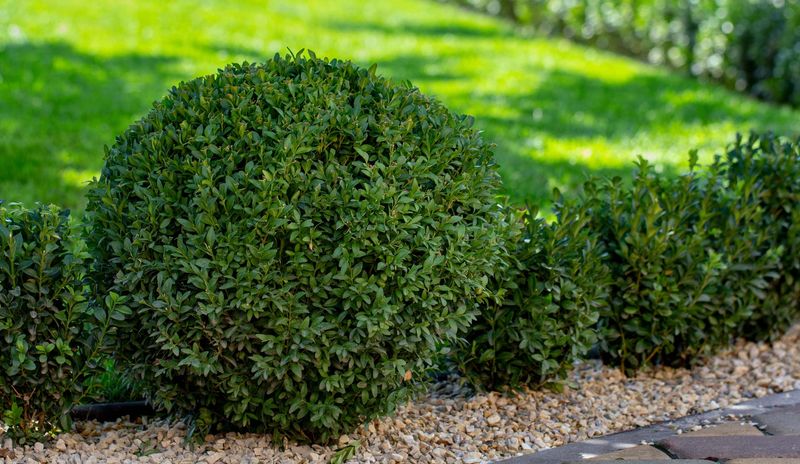
Boxwoods have anchored American front yards for generations, and their popularity comes from being very durable once established, especially with good drainage, airflow, and occasional monitoring for common boxwood issues. Their dense evergreen foliage stays green through Ohio winters, providing structure when everything else goes dormant.
Homeowners appreciate that boxwoods grow slowly, which means less frequent pruning compared to fast-growing alternatives.
Most varieties handle Ohio’s temperature swings without complaint. They tolerate both full sun and partial shade, making them versatile for different spots around your property.
Boxwoods prefer well-drained soil but adapt to average garden conditions without special amendments.
Watering matters most during the first growing season while roots establish themselves. After that, boxwoods become remarkably self-sufficient.
An occasional trim keeps their shape tidy, but you can let them grow naturally if you prefer a softer look.
Winter protection helps in exposed locations where harsh winds might cause some browning. A simple burlap wrap or placement near a building provides enough shelter.
Boxwoods can have issues in Ohio, especially winter burn and boxwood leafminer, and diseases like boxwood blight can also occur, so spacing and airflow matter.
These shrubs work beautifully as foundation plantings, borders, or even low hedges. Their classic appearance complements both traditional and contemporary home styles, making them a reliable choice that never looks dated or out of place in Ohio neighborhoods.
2. Inkberry Holly Handles Tough Conditions And Stays Neat
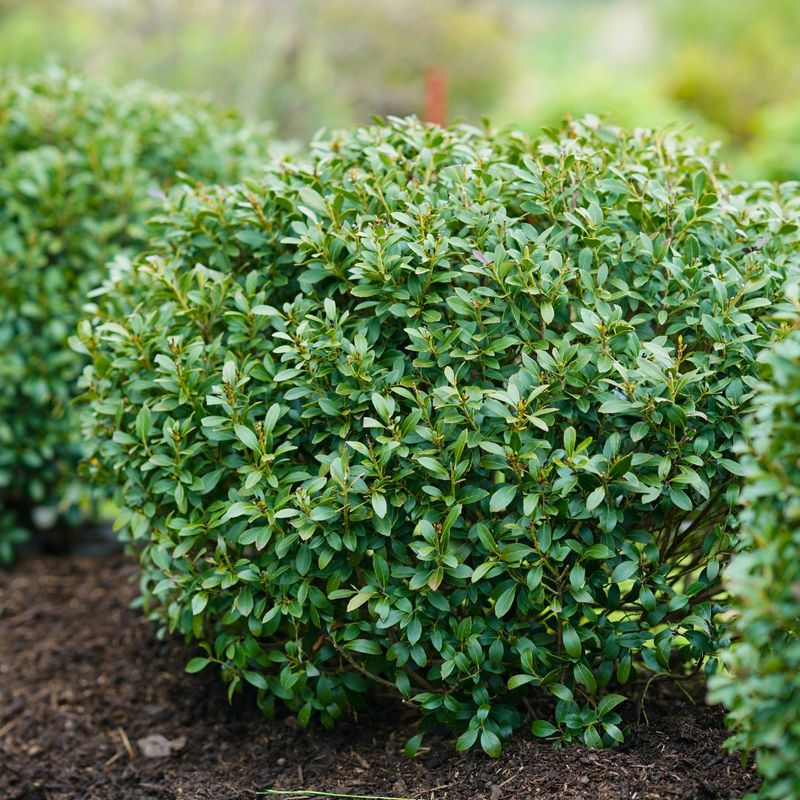
Native plants often make the best low-maintenance choices, and inkberry holly proves this point perfectly. This Eastern U.S. native is documented in Ohio and is well-suited to many Ohio landscapes, especially where soils stay consistently moist. Homeowners discover that inkberry holly handles moist soils well and tolerates short dry spells once established.
The evergreen foliage stays dark green year-round, providing consistent color when other plants fade. Inkberry holly grows into a naturally rounded shape that rarely needs pruning.
Female plants produce small black berries that birds enjoy, though the berries stay inconspicuous and never create a mess.
This shrub adapts well to full sun or partial shade. It handles clay soil, sandy soil, and everything in between without requiring soil amendments.
Once established, inkberry holly needs no supplemental watering except during extreme drought.
Compact varieties like ‘Gem Box’ stay under three feet tall, perfect for smaller front yards. Larger selections reach five to eight feet, working well as privacy screens or background plantings.
All types maintain their shape naturally without constant shearing.
Inkberry holly resists deer browsing better than many other shrubs, which matters in suburban Ohio neighborhoods. It also tolerates road salt spray, making it ideal for plantings near driveways and sidewalks where winter salt accumulates.
3. Ninebark Thrives In Poor Soil And Cold Weather
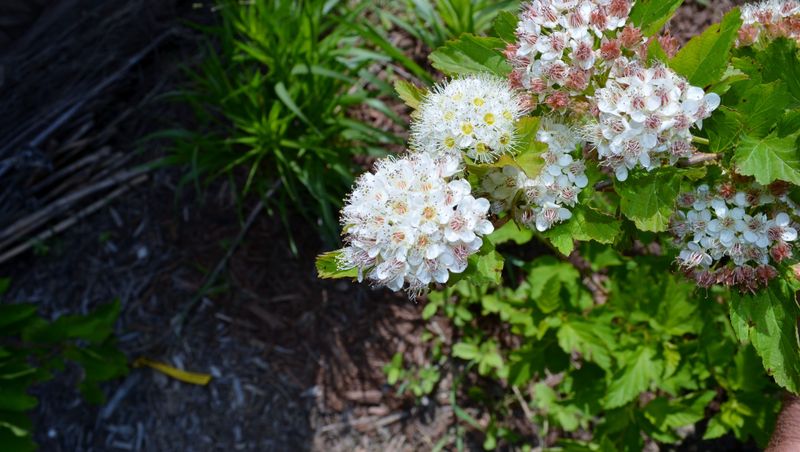
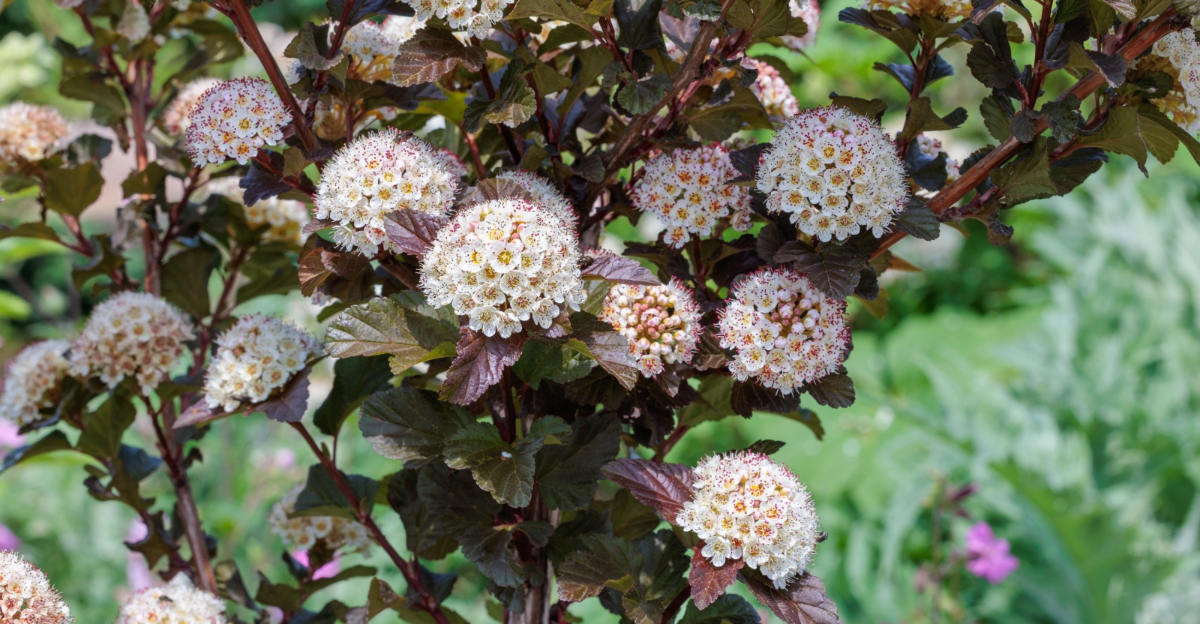
Few shrubs match ninebark’s ability to thrive where other plants struggle. This tough native handles clay soil, rocky soil, and compacted soil without complaint.
Ohio gardeners often plant ninebark in problem spots where nothing else seems to grow, and it flourishes with minimal intervention.
Ninebark survives Ohio winters down to well below zero without any protection. Its peeling bark adds winter interest, revealing layers of cinnamon and tan underneath.
Spring brings clusters of white or pink flowers, followed by colorful foliage that ranges from burgundy to chartreuse depending on the variety.
Drought tolerance ranks among ninebark’s best features. Established plants sail through dry summers without supplemental watering.
They also tolerate occasional flooding, making them perfect for areas with inconsistent drainage.
Pruning requirements stay minimal since ninebark looks best with a natural, informal shape. You can remove old stems at ground level every few years to encourage fresh growth, but this shrub performs fine even if you never pick up pruning shears.
It grows quickly when young, then settles into a moderate pace.
Varieties like ‘Tiny Wine’ stay compact at three feet, while ‘Diabolo’ reaches eight feet tall. All types offer four-season interest without demanding special care.
Ninebark also resists most pests and diseases, rarely requiring any treatments or interventions throughout its long lifespan in Ohio landscapes.
4. Spirea Blooms Reliably With Minimal Effort
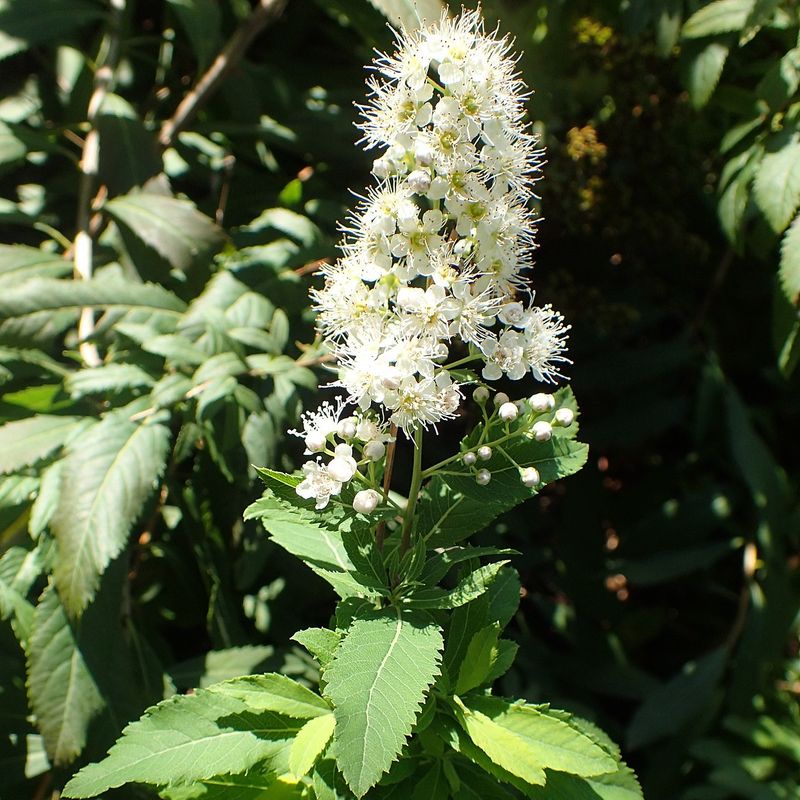
Dependability defines spirea’s reputation among Ohio homeowners who want guaranteed spring or summer blooms. These shrubs flower reliably year after year without fancy fertilizers or constant attention.
Compact varieties fit perfectly in front yard beds, while their mounded shape requires little to no pruning to look polished.
One important note for Ohio landscapes is to avoid Japanese spirea near natural areas since it can escape cultivation. For a similar look, choose non-invasive spirea selections or other non-invasive flowering shrubs recommended for Ohio.
Spring-blooming spireas like ‘Vanhoutte’ cover themselves in white flowers before most other shrubs wake up. Summer-blooming types such as ‘Anthony Waterer’ produce pink or red flowers from June through August.
Both types handle Ohio’s climate without special protection.
Spirea adapts to full sun or light shade, though flowering improves with more sunlight. Average garden soil suits them fine, and they tolerate both slightly dry and moderately moist conditions.
Once established, spireas need watering only during extended drought periods.
Maintenance stays simple because newer compact varieties maintain their shape naturally. You can deadhead spent flowers if you want, but it’s not necessary for plant health.
An optional light pruning after flowering keeps plants tidy, though many homeowners skip this step entirely.
Spirea resists most pests and diseases common in Ohio. Deer occasionally browse new growth but rarely cause serious damage.
These shrubs also tolerate road salt reasonably well, making them suitable for plantings near driveways. Their affordable price and reliable performance explain why spireas remain popular choices for Ohio front yards year after year.
5. Dwarf Korean Lilac Adds Fragrant Spring Color Easily
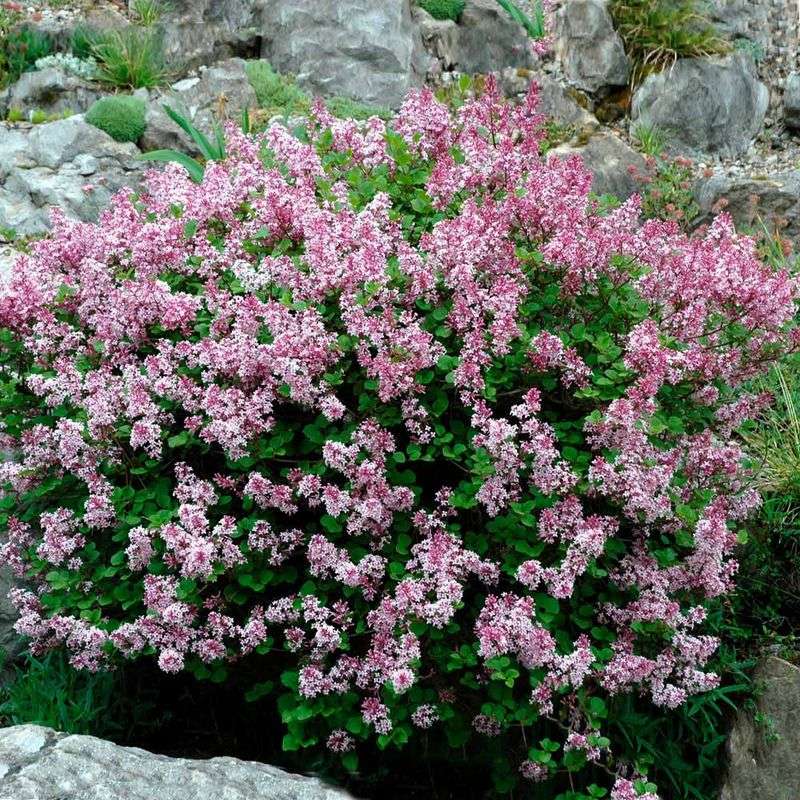
Fragrance transforms an ordinary front yard into something special, and dwarf Korean lilac delivers that experience without the size problems of traditional lilacs. This compact shrub stays under five feet tall, fitting easily into modern front yard spaces.
Its purple flowers perfume the air each May, creating a welcoming entrance to your home.
Cold hardiness makes this lilac perfect for Ohio winters. It needs no protection even during harsh cold snaps.
The rounded growth habit stays naturally neat, eliminating the awkward leggy look that plagues older lilac varieties.
Dwarf Korean lilac tolerates a range of soil types as long as drainage stays reasonable. It blooms best in full sun, and performance drops noticeably with less light.
Established plants handle dry periods well, though occasional deep watering during drought helps maintain vigorous growth.
Powdery mildew bothers many lilacs, but this species shows better resistance than common varieties. Proper spacing improves air circulation and further reduces disease pressure.
The shrub rarely needs spraying or other treatments in home landscapes.
Pruning requirements stay minimal since this lilac maintains its compact shape naturally. You can remove spent flower clusters if desired, but it’s optional.
Avoid heavy pruning, which reduces next year’s blooms. This lilac’s manageable size and reliable flowering make it ideal for homeowners who want spring fragrance without constant maintenance or oversized plants blocking windows and walkways.
6. Arborvitae Provides Evergreen Privacy And Winter Interest
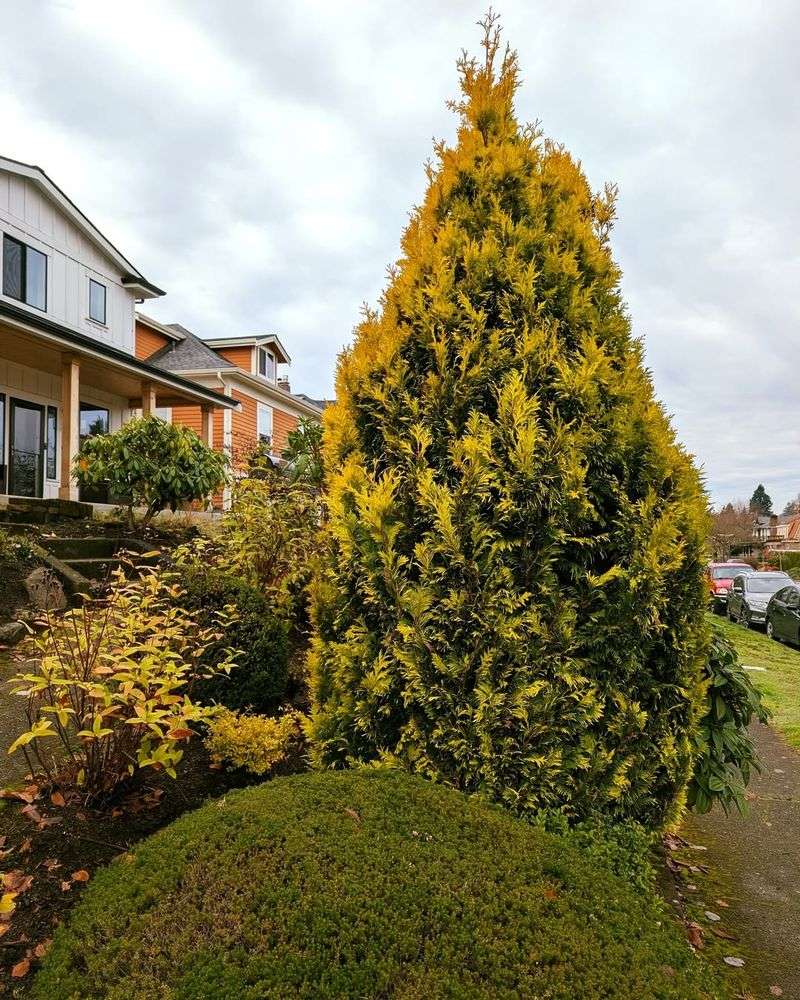
Privacy matters in front yards, and arborvitae delivers year-round screening without constant trimming. These evergreen shrubs grow naturally into narrow columns that block unwanted views while taking up minimal ground space.
Their dense foliage stays green through Ohio winters, providing structure when deciduous plants go bare.
Arborvitae is hardy in Ohio, but it can show winter burn in exposed, windy spots, especially when soils are dry going into winter. They also tolerate summer heat better than many other evergreens, maintaining their color through hot spells.
Most varieties prefer full sun but tolerate light shade. They adapt to average garden soil without special amendments.
Watering matters during the first year while roots establish, but mature arborvitae handles short dry spells and looks best with occasional deep watering during extended drought.
Maintenance requirements stay low compared to many screening plants. Arborvitae naturally grows into a tidy columnar shape that rarely needs pruning.
You can trim lightly if desired, but most homeowners leave them alone. Their moderate growth rate means they reach useful size within a few years without growing out of control.
Deer browsing can damage arborvitae in some Ohio neighborhoods, especially during harsh winters. Repellents or physical barriers help if deer pressure becomes severe.
Otherwise, these shrubs resist most pests and diseases. Their reliable evergreen presence and low-maintenance nature explain why arborvitae remains a top choice for Ohio front yard privacy screening and foundation plantings.
7. Summersweet Clethra Grows Well In Shade And Moist Soil
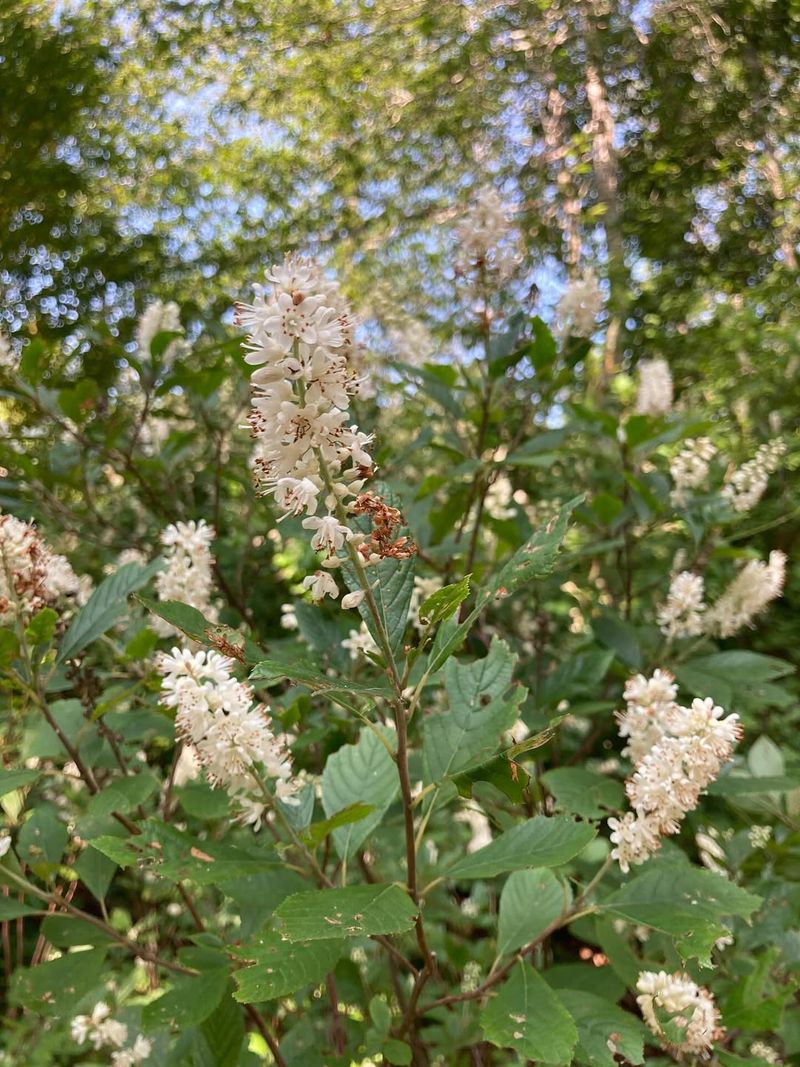
Shady front yards challenge many homeowners, and summersweet clethra performs beautifully in partial shade. This Eastern U.S. native thrives in many Ohio landscapes in partial shade and can grow in full sun if the soil stays consistently moist producing fragrant white or pink flower spikes in July and August when few other shrubs bloom.
The sweet scent attracts butterflies and bees, adding life to shaded areas.
Moist soil suits summersweet perfectly, making it ideal for low spots or areas with clay soil that stays damp. It tolerates occasional flooding better than most shrubs.
However, established plants also handle average moisture, proving more adaptable than many people realize.
Its Eastern U.S. native range makes it well-suited to Ohio conditions. It survives winter cold without protection and handles summer humidity without developing disease problems.
The shrub grows into an upright, rounded shape that looks natural without constant pruning.
Maintenance stays minimal since summersweet rarely suffers from serious pests or diseases. You can remove spent flower spikes if desired, though many homeowners leave them for winter interest.
The shrub occasionally produces suckers, which you can remove or leave depending on whether you want it to spread.
Fall brings yellow to golden foliage that brightens shaded areas before leaves drop. Summersweet’s adaptability to challenging conditions, combined with its fragrant summer blooms and low care requirements, makes it perfect for Ohio front yards where shade and moisture limit other planting options.
This native shrub performs reliably year after year with virtually no intervention.
8. Potentilla Blooms All Summer With Almost No Care
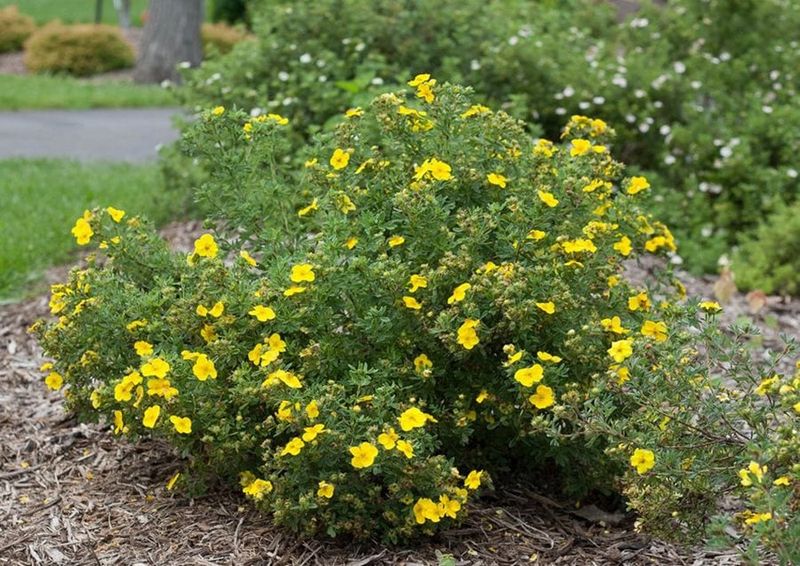
Continuous blooms from June through September make potentilla a standout performer in Ohio front yards. These tough little shrubs produce flowers in shades of yellow, white, pink, or orange throughout summer without deadheading or special care.
Their compact size fits perfectly in small spaces or along walkways.
Extreme cold tolerance means potentilla survives Ohio’s harshest winters without any protection. It also handles summer heat and drought remarkably well once established.
This shrub adapts to poor soil, including clay and rocky conditions that challenge other plants.
Potentilla prefers full sun for best flowering but tolerates light shade. It grows in average garden soil without amendments or fertilizer.
Watering needs stay minimal after the first season, making potentilla ideal for busy homeowners.
The naturally rounded, mounded shape requires no pruning to look tidy. You can trim lightly in early spring if plants become straggly with age, but many gardeners never prune at all.
Potentilla’s moderate growth rate keeps it manageable without constant attention.
Pests and diseases rarely bother potentilla in Ohio. It resists deer browsing better than many flowering shrubs.
The long blooming season provides color when spring bloomers finish and before fall foliage begins, filling the summer gap in front yard displays.
Potentilla’s combination of continuous flowers, compact size, and nearly indestructible nature makes it perfect for set-and-forget Ohio landscapes. This shrub delivers reliable beauty without demanding time or expertise from homeowners.
9. Virginia Sweetspire Delivers Color And Easy Growth
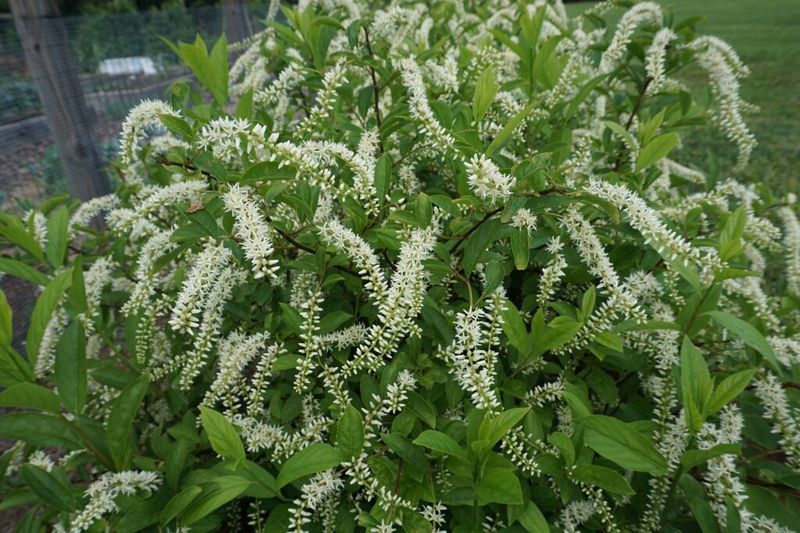
Virginia sweetspire is a tough, adaptable shrub that performs well in many Ohio front yards. This shrub handles the state’s variable weather patterns without complaint, from cold winters to humid summers.
White fragrant flower spikes appear in early summer, followed by brilliant red to purple fall color that rivals any burning bush.
Virginia sweetspire tolerates wet soil better than most shrubs, making it perfect for low areas or spots with poor drainage. It also adapts to average moisture once established, proving flexible about growing conditions.
Partial shade to full sun both work well, though flowering improves with more light.
Growth habit stays naturally attractive with gracefully arching branches that need no pruning to look good. The shrub spreads slowly by suckers, eventually forming a colony that provides excellent ground coverage.
You can control spread by removing unwanted suckers, or let it naturalize for a fuller look.
Maintenance requirements stay minimal since Virginia sweetspire resists most pests and diseases. Deer occasionally browse new growth but rarely cause serious damage.
The shrub recovers quickly from any browsing that occurs.
Fall color provides the grand finale, with leaves turning vibrant shades that persist for weeks. Virginia sweetspire’s tough, adaptable nature and multi-season interest make it ideal for homeowners seeking beautiful, low-maintenance shrubs.
This plant performs reliably in Ohio landscapes year after year without demanding special attention or constant care from busy property owners.
10. Oakleaf Hydrangea Brings Bold Texture And Reliable Blooms
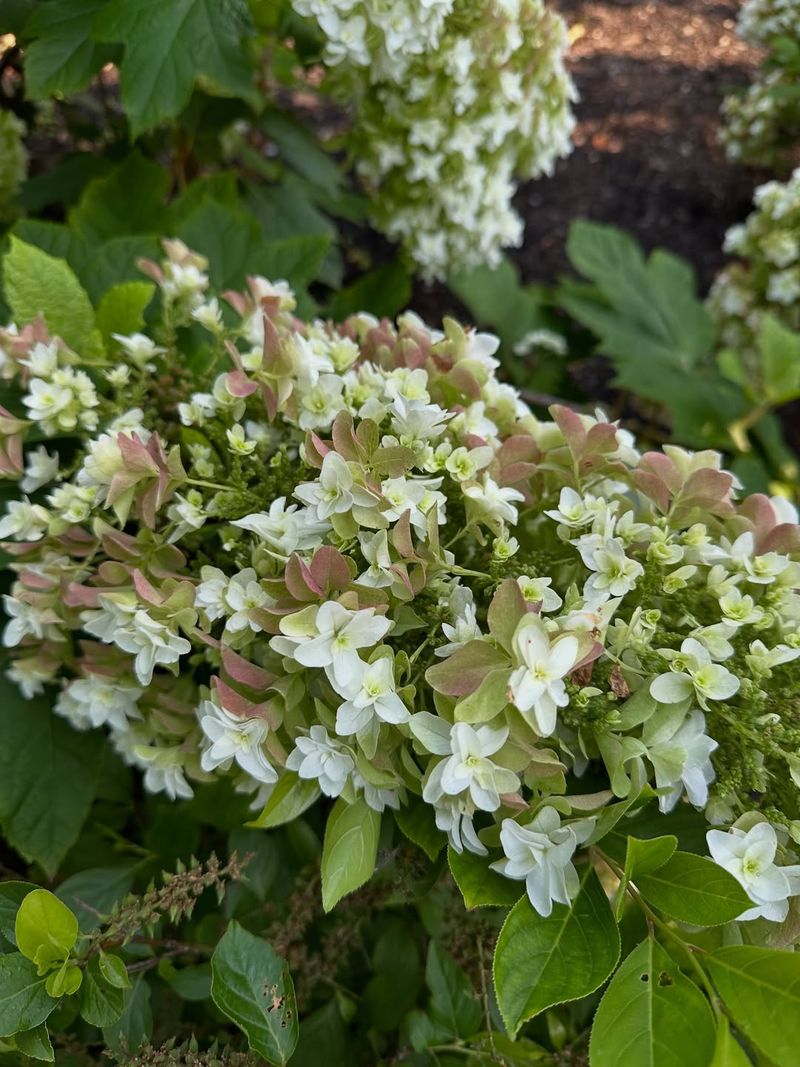
Bold foliage sets oakleaf hydrangea apart from typical shrubs. Its large, oak-shaped leaves create dramatic texture that catches attention even when flowers aren’t present.
White cone-shaped flower clusters appear in early summer, aging to pink and tan shades that persist into fall and winter.
Oakleaf hydrangea can do very well in Ohio, especially in sheltered sites. It’s generally hardy through much of the state, but benefits from wind protection in colder, exposed areas.
Partial shade to full sun both work well, though afternoon shade helps in the hottest locations. Oakleaf hydrangea prefers moist, well-drained soil but adapts to average garden conditions.
Established plants handle short dry periods, though occasional watering during drought maintains best appearance.
Maintenance stays simple since oakleaf hydrangea blooms on old wood, meaning you don’t need to prune for flowers. You can remove wilted flower heads in late winter if desired, but many gardeners leave them for winter interest.
The shrub’s natural vase shape looks attractive without constant trimming.
Fall brings burgundy to purple leaf color that rivals any maple tree. Exfoliating bark adds winter interest after leaves drop.
Oakleaf hydrangea resists most pests and diseases in Ohio, rarely requiring treatments. Its combination of bold texture, reliable blooms, fall color, and low maintenance makes it perfect for homeowners seeking a statement shrub that doesn’t demand constant attention.