The Best Silver-Leaf Plants For Chic Low-Water California Gardens
Walk through any California neighborhood in the middle of summer and you’ll notice which yards still look fresh and which ones are struggling.
Water-wise gardening has become part of everyday life, and plant choices make all the difference.
Silver-leaf plants have a way of standing out without trying too hard. Their soft, muted tones catch the light, pair easily with other colors, and hold up well when conditions turn dry.
For many homeowners, they bring that clean, pulled-together look without adding extra work to the weekly routine. It’s not just about appearance, though.
These plants are built to handle long stretches with less water, which makes them a smart fit for modern California landscapes. A few choices in particular tend to outperform the rest.
1. California Sagebrush With Its Soft Silvery Glow
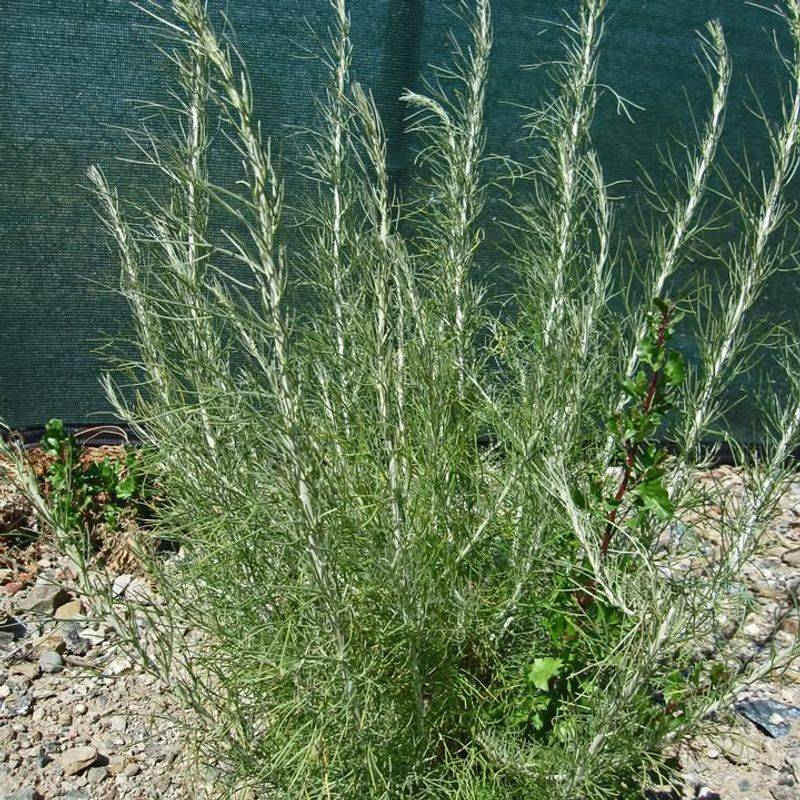
Few plants capture the wild, sun-baked spirit of California quite like California Sagebrush. Known scientifically as Artemisia californica, this native shrub has been thriving on the state’s dry hillsides and coastal bluffs long before anyone called it a garden plant.
Its soft, silvery-gray, thread-like leaves release a wonderful earthy fragrance when brushed, making every walk through the garden a sensory experience.
Once established, California Sagebrush needs almost no summer water at all, which makes it a champion for low-water landscapes across Southern California and beyond. It grows naturally in sandy, rocky, or clay soils, so it adapts well to the challenging conditions many California gardeners face.
Plant it on slopes where erosion is a concern, and it will hold the soil beautifully.
In the garden, this shrub pairs wonderfully with other native California plants like black sage and toyon, creating a cohesive, naturalistic look. It typically grows two to five feet tall and spreads generously, filling space with minimal fuss.
Birds and beneficial insects are drawn to it, adding life and movement to your yard. For anyone wanting an authentic, low-maintenance California garden, this native gem is a must-have starting point.
2. Silver Lupine That Shines In Dry California Soil
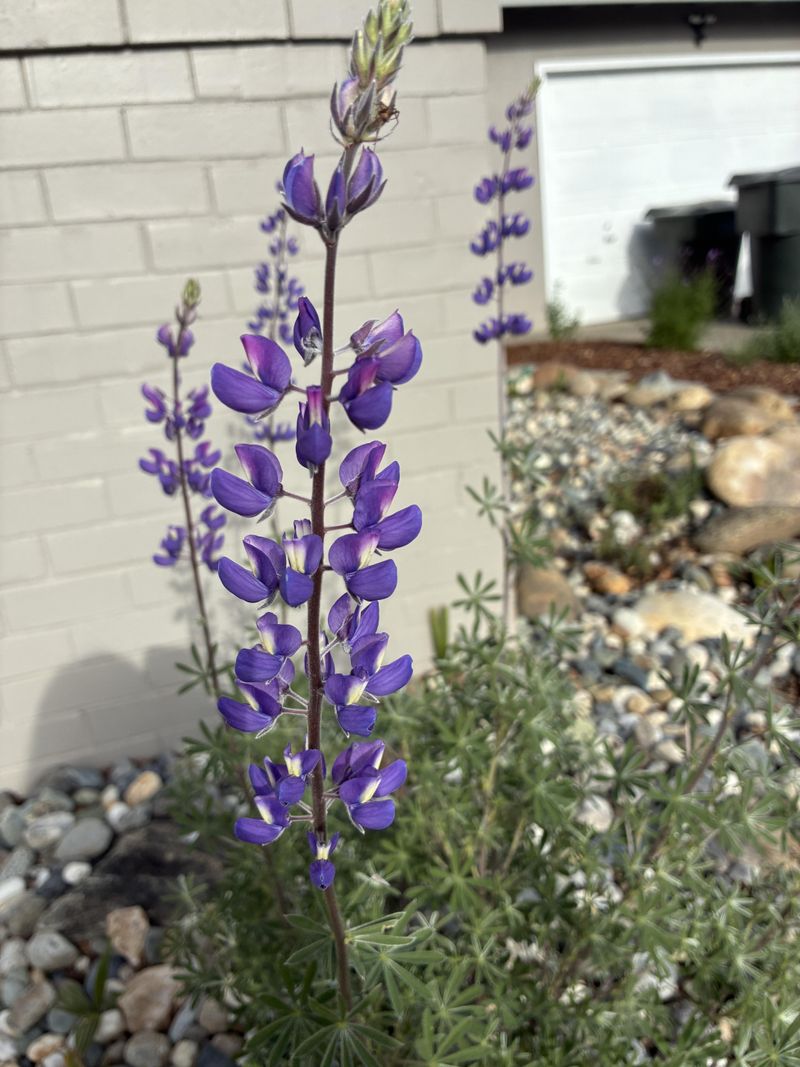
Imagine a plant that looks like it was dusted with moonlight. Silver Lupine, or Lupinus albifrons, is a native California perennial shrub that does exactly that, with silky, silver-coated leaflets that shimmer beautifully in the bright California sun.
Its feathery, palmate leaves have a soft, almost fuzzy texture that makes them stand out in any planting bed or naturalistic garden design.
Come spring, Silver Lupine puts on a spectacular show with tall spikes of light blue to violet flowers that attract native bees, butterflies, and hummingbirds. After blooming, the silvery foliage remains attractive throughout the season, carrying the garden’s visual interest long after the flowers fade.
It typically grows two to four feet tall, making it a mid-sized beauty that works well as a background plant or a focal point.
Growing Silver Lupine successfully means giving it fast-draining, sandy or rocky soil and plenty of direct sunlight. It thrives in the wild coastal and foothill regions of California and translates that toughness directly into garden settings.
Once established, it requires very little supplemental watering, which is a major bonus in California’s increasingly dry climate. Planting it near paths lets visitors enjoy its texture up close.
3. Moonshine Yarrow With Bright Blooms And Silver Foliage
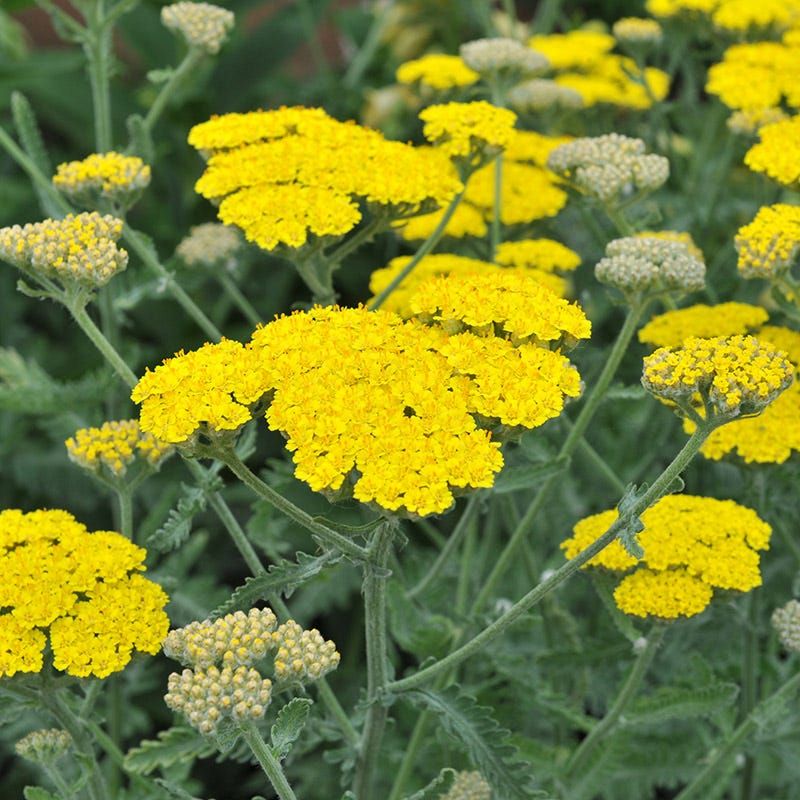
Bright yellow flowers sitting on top of cool, silver-gray foliage, that is the signature look of Moonshine Yarrow, and it never gets old. This cultivar of Achillea is one of the most popular perennials for low-water California gardens because it combines striking color contrast with remarkable toughness.
The finely divided, aromatic leaves are a soft silver-green that practically glows in afternoon light.
Moonshine Yarrow blooms from late spring through midsummer, producing flat-topped clusters of cheerful lemon-yellow flowers that pollinators absolutely love. Deadheading spent blooms encourages a second flush of flowers, keeping the garden colorful for months.
Even when not in bloom, the feathery silver foliage holds its own as a textural element among other garden plants.
For best results in California, plant Moonshine Yarrow in full sun and well-drained soil. It handles heat, drought, and even poor soil conditions with ease, making it well-suited for the challenging summers found across much of the state.
It grows about one to two feet tall and spreads moderately, creating a tidy, manageable clump over time. It works brilliantly along borders, in rock gardens, or mixed with other drought-tolerant perennials.
Few plants offer this level of beauty with so little effort required from the gardener.
4. Cotton Lavender That Brings Texture And Structure
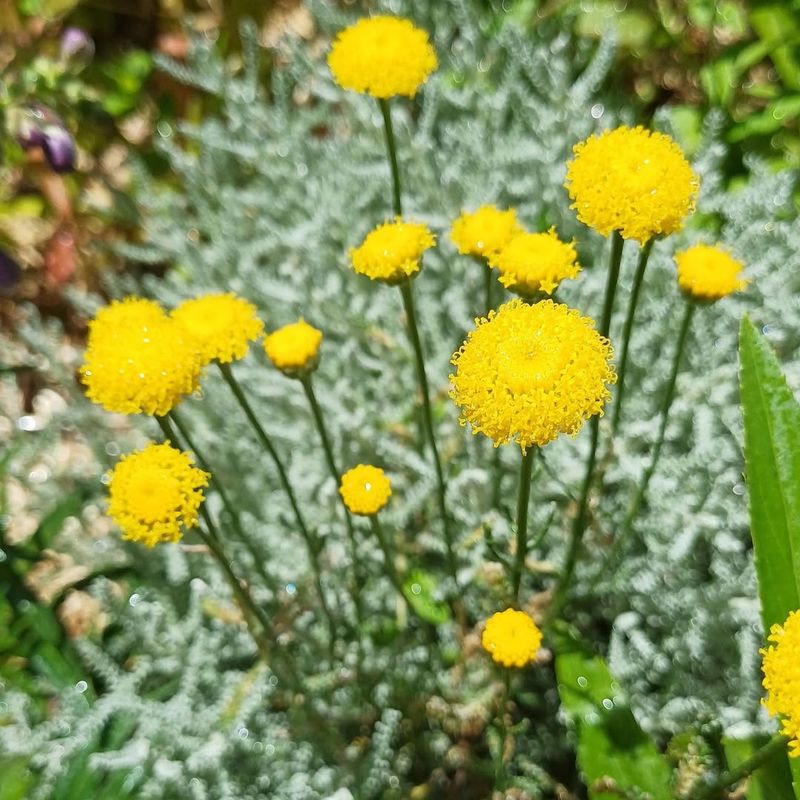
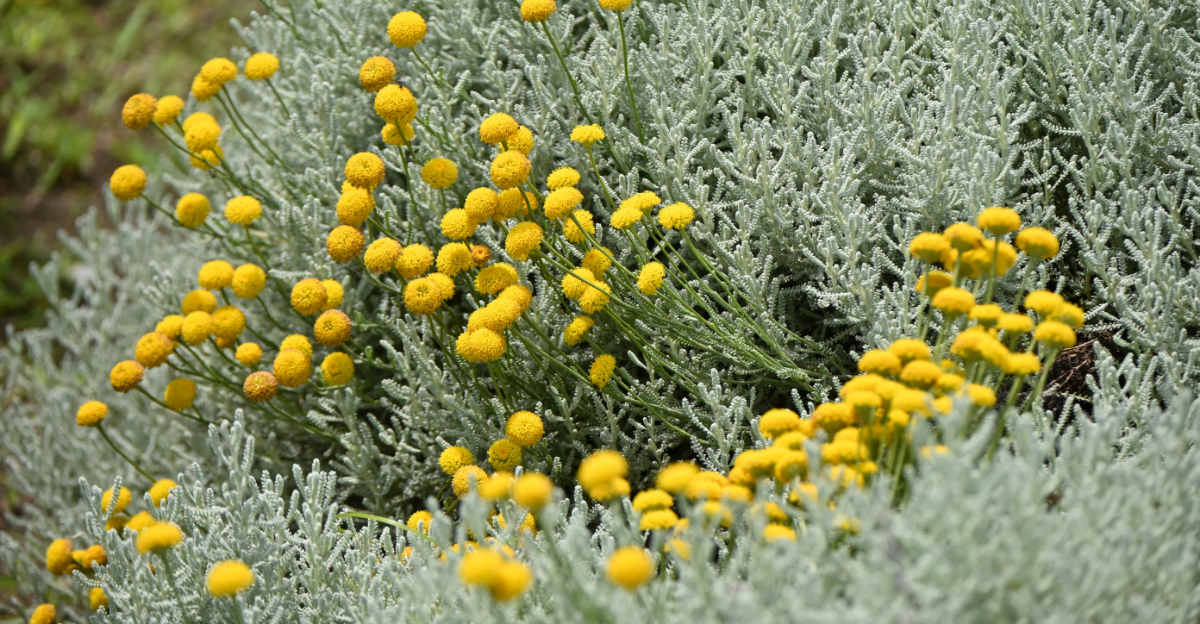
Cotton Lavender has a look that feels straight out of a chic Mediterranean courtyard, and it fits right into California’s sunny, dry climate. Santolina chamaecyparissus, as it is formally known, forms dense, rounded mounds of silvery-white, finely textured foliage that stays attractive all year long.
The leaves have a pleasant herbal scent, and the whole plant has a tidy, sculptural quality that designers love.
Each summer, Cotton Lavender produces small, button-like yellow flowers on slender stems that rise above the silver foliage. The color contrast between the bright yellow blooms and the cool silver leaves is genuinely eye-catching.
Many gardeners in California use it as a low hedge, a border edging plant, or a knot garden element because it responds well to light trimming and holds its compact shape beautifully.
Water-wise credentials are strong with this plant. Once established in well-drained soil with full sun exposure, Cotton Lavender requires very minimal irrigation, making it a practical choice for California’s water-conscious gardeners.
It grows one to two feet tall and spreads to about three feet wide, creating a satisfying mass of silver in the landscape. Deer tend to avoid it due to its aromatic foliage, which is an added bonus for gardeners in areas where deer browsing is a regular challenge.
5. Lamb’s-Ear With Velvety Leaves That Stand Out
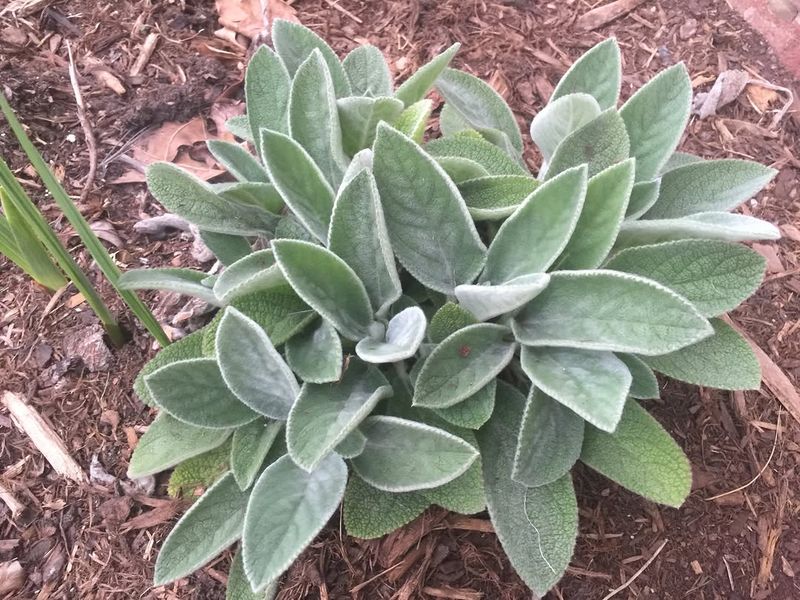
Run your fingers across a Lamb’s Ear leaf and you will immediately understand why this plant has such an endearing name. Stachys byzantina produces thick, elongated leaves covered in a dense layer of soft, white hairs that give the foliage a velvety, almost fuzzy texture.
Kids and adults alike are instantly drawn to touch it, making it one of the most interactive plants you can grow in a California garden.
Beyond its tactile appeal, Lamb’s Ear is a reliable, low-maintenance perennial that handles drought, heat, and poor soil without complaint. In late spring, it sends up tall spikes of small pinkish-purple flowers that attract bees and other beneficial insects.
Many gardeners in California choose to remove the flower spikes to keep the focus on the striking silver foliage, which is the real showstopper here.
Plant Lamb’s Ear in full sun to partial shade in well-drained soil, and it will reward you with year-round silver color. It spreads steadily by underground runners, filling in gaps between other plants and creating a lush, cohesive ground cover effect.
It grows about one foot tall and works beautifully as a border edging or filler plant. For front-yard California gardens aiming for a polished yet effortless look, Lamb’s Ear is a consistently smart choice.
6. Dusty Miller That Pops With Cool-Toned Contrast
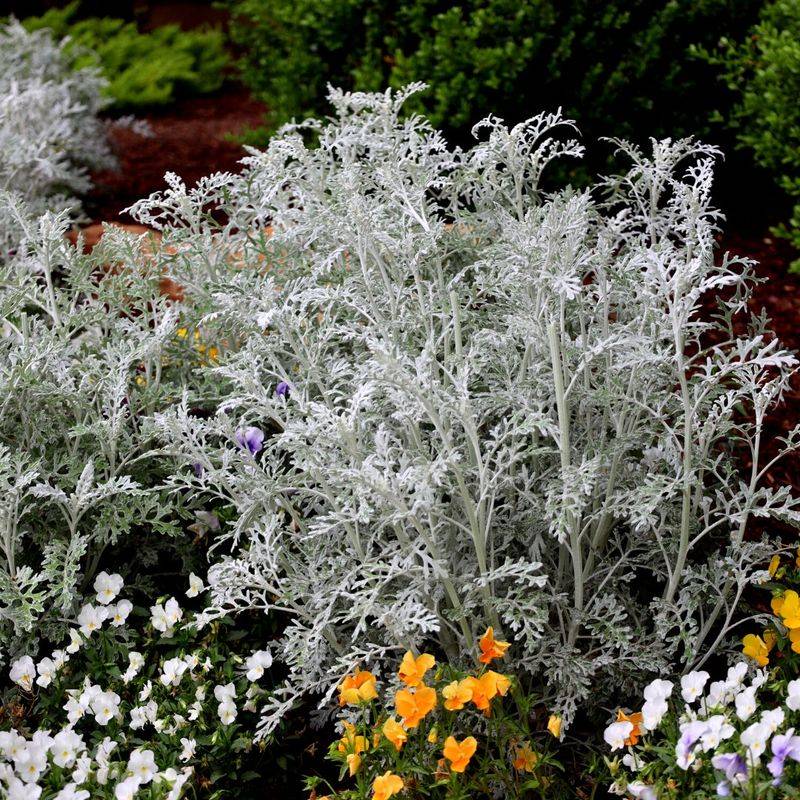
With foliage that looks like it was carved from frosted silver, Dusty Miller is one of the most visually striking plants you can add to a California garden. Senecio cineraria produces deeply lobed, lacy leaves with a bright, chalky-white or silver coating that stands out dramatically against green or colorful neighboring plants.
It has a bold, almost graphic quality that photographers and garden designers find irresistible.
Dusty Miller is typically grown as an annual in cooler parts of the country, but in parts of California with mild winters, it can behave as a short-lived perennial with minimal care. It thrives in full sun and well-drained soil, and once established, it handles dry spells with surprising composure.
During summer heat waves that are increasingly common across California, Dusty Miller holds its silvery color beautifully while other plants may struggle.
Small yellow flowers appear in summer, though many gardeners pinch them off to redirect energy back into the lush foliage. Growing one to two feet tall, it works well as a border plant, a container filler, or a contrast plant among bright flowers like red salvia or purple lavender.
For anyone building a color-contrast garden in California, Dusty Miller earns its place on the list every single time.
7. Russian Sage With Airy Spikes And Pale Leaves
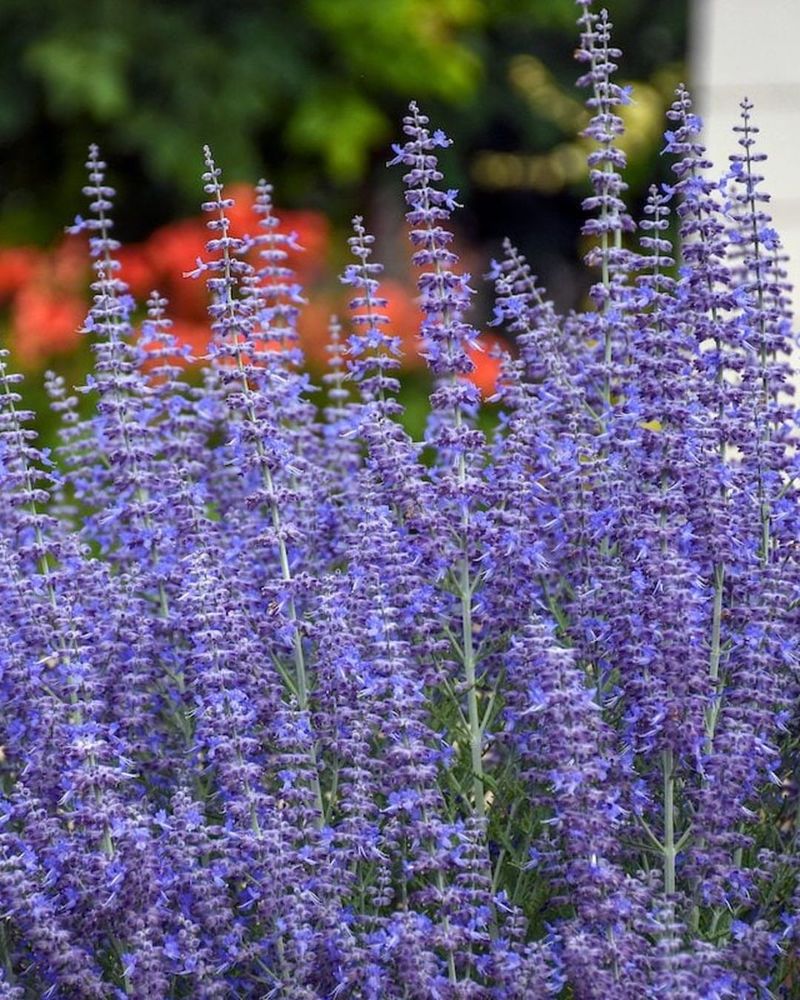
Tall, airy, and absolutely stunning in the breeze, Russian Sage is the kind of plant that makes a California garden look effortlessly designed. Perovskia atriplicifolia produces long, silver-white stems covered in small, aromatic gray-green leaves, topped with clouds of tiny lavender-purple flowers from midsummer through fall.
The overall effect is soft and hazy, like a watercolor painting come to life in the garden.
Russian Sage is one of the most drought-tolerant perennials available for California gardens. Once established in full sun and well-drained soil, it requires almost no supplemental watering during dry summers.
It is also resistant to deer, which is a practical plus for gardeners in foothill communities across Northern and Southern California where deer visits are frequent.
Growing three to five feet tall and spreading two to four feet wide, Russian Sage makes an impressive background plant or a dramatic mid-border statement. It pairs beautifully with yellow-flowering plants like Moonshine Yarrow, creating a color combination that feels both bold and sophisticated.
Cut it back hard in late winter, and it will return with fresh, vigorous growth each spring. For California gardeners who want maximum visual impact with minimum water use, Russian Sage consistently delivers season after season without disappointment.
8. Cleveland Sage That Thrives In Heat And Drought
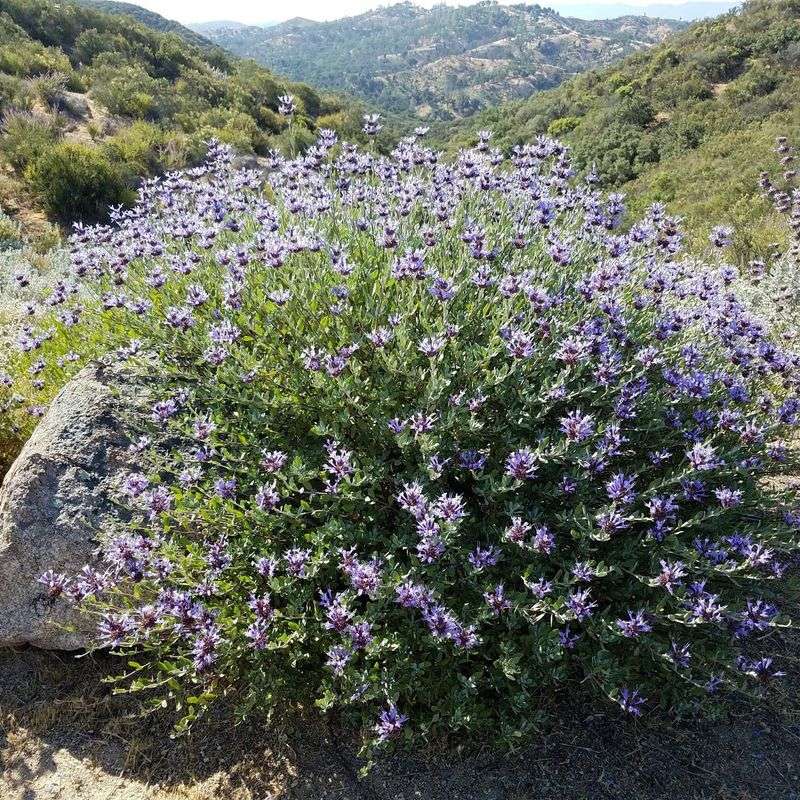
California has its own native sage superstar, and Cleveland Sage deserves far more attention than it often gets. Salvia clevelandii is a rounded shrub with silvery-green, wrinkled leaves that release one of the most intoxicating fragrances in the plant world, a rich, camphor-like scent that intensifies on warm afternoons.
Many people who visit Southern California gardens for the first time notice the smell before they even spot the plant.
From late spring into early summer, Cleveland Sage produces whorled spikes of deep blue-violet flowers that hummingbirds find absolutely irresistible. The blooms are striking against the silver foliage, and the combination of fragrance, flower color, and leaf texture makes this shrub one of the most rewarding plants a California gardener can grow.
After blooming, lightly pruning the plant keeps it looking tidy and encourages fresh foliage growth.
Water requirements are refreshingly minimal. Once established, Cleveland Sage thrives on natural rainfall in most parts of California, needing only occasional deep watering during extended dry spells.
It grows three to five feet tall and wide, making it a solid choice for hedges, wildlife gardens, or naturalistic planting schemes. Full sun and fast-draining soil are the main requirements for success.
For a fragrant, native, silver-leafed showpiece, Cleveland Sage is hard to beat anywhere in the state.
9. Silver Carpet California Aster That Spreads In Soft Waves
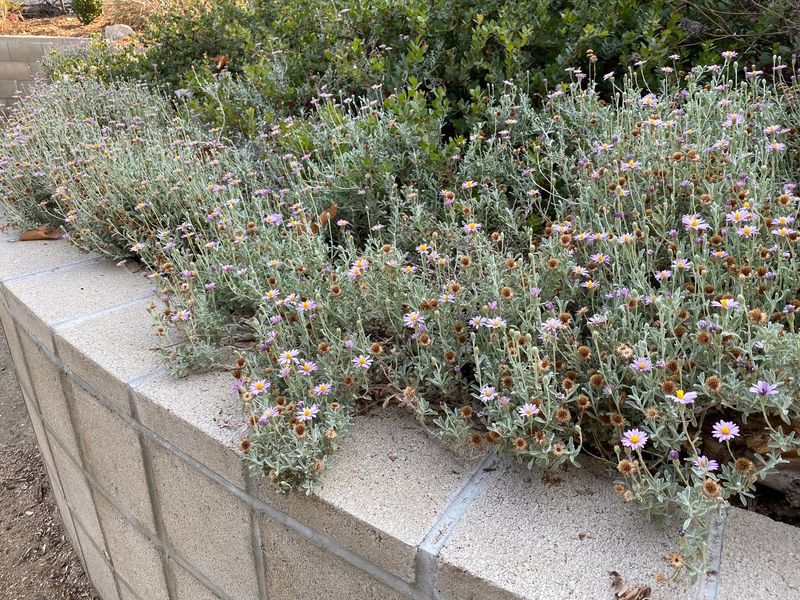
Not every silver-leaf plant reaches for the sky, and Silver Carpet California Aster proves that staying low to the ground can be just as impressive. This California native ground cover, known botanically as Lessingia filaginifolia ‘Silver Carpet,’ forms a flat, spreading mat of woolly, bright silver foliage that hugs the soil closely and creates a striking contrast against darker garden elements.
It looks almost like spilled moonlight across the ground.
Come late summer and fall, the plant surprises with a generous flush of small, lavender-white daisy-like flowers that sit just above the silver mat. This late-season bloom is especially valuable in California gardens, where color can fade as summer drags on.
Bees and butterflies flock to the flowers, adding lively movement to the garden right when many other plants are winding down.
Water needs are impressively low, as this plant evolved to survive California’s dry summers with very little help. It prefers full sun and excellent drainage, making it ideal for slopes, coastal gardens, and parkways across the state.
Growing only about six inches tall but spreading two to three feet wide, Silver Carpet works beautifully as a lawn alternative, a pathway edging plant, or a filler between larger drought-tolerant shrubs. For a finishing touch of silver in a California garden, this native aster is a brilliant and underused choice.