The Best Time To Divide Overgrown Perennials In Georgia Before Heat Arrives
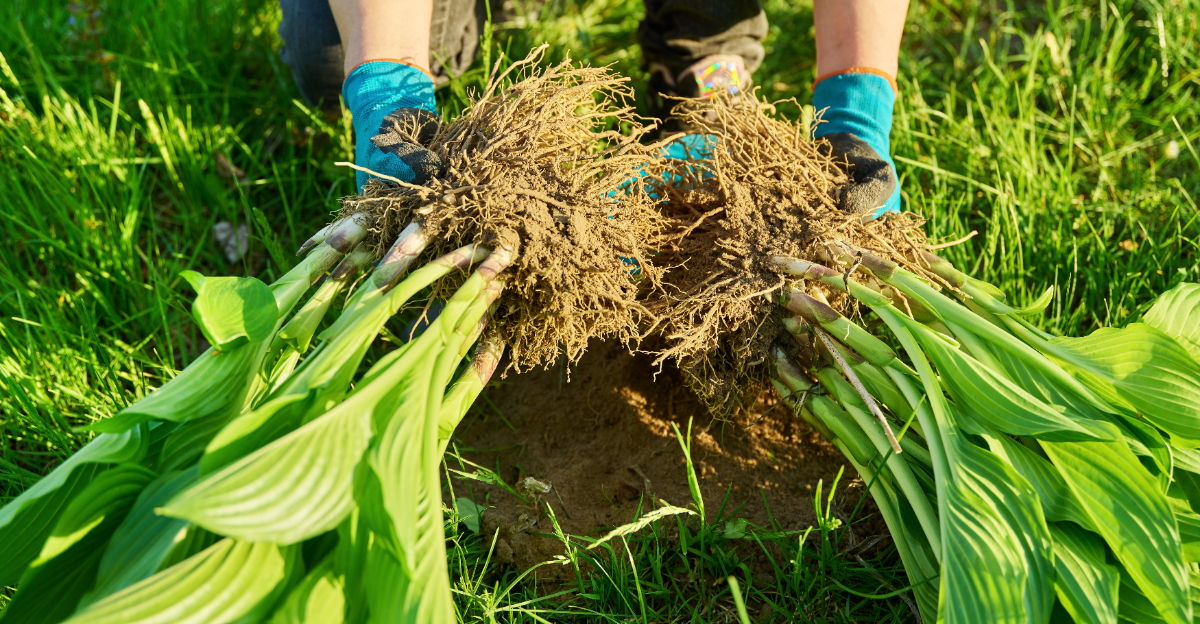
Some Georgia perennials look like they are doing just fine until spring starts moving along and their size tells a different story. What once looked full and healthy can suddenly start feeling crowded, heavy, or a little too settled in place.
That is usually the point when gardeners begin wondering whether a plant needs more than water and patience. In many cases, it needs room.
This stage can sneak up fast in Georgia gardens. One week the bed looks manageable, and the next certain clumps are spilling into nearby plants or losing that strong, tidy look they had before.
It is easy to put off dealing with them, especially when everything else in the yard is also asking for attention. But waiting too long can make the job harder on both the gardener and the plant.
Before the real heat settles in, there is often a window when overgrown perennials are much easier to handle, and the difference afterward can be hard not to notice.
1. Early Spring Is The Safest Time Before Heat Builds
February might still feel chilly in Georgia, but that cool stretch is actually your garden’s best friend.
Perennials start pushing up new growth before most people even think about stepping outside, and that early window is exactly when division does the least damage and the most good.
Splitting plants while temperatures hover in the 50s and low 60s means the roots are not fighting heat stress at the same time they are trying to heal.
Cooler air slows moisture loss from the exposed roots, which gives each division a real chance to anchor itself before warmer days hit.
Georgia summers do not ease in gently. By May, afternoon heat can already feel punishing to freshly divided plants sitting in loose soil.
Getting the work done in early spring, especially in the northern Georgia mountains or the Piedmont region, means your plants have six to eight weeks to establish before those temperatures climb.
Experienced local gardeners often say March is the safest month to divide most perennials across Georgia. Daylilies, hostas, coneflowers, and black-eyed Susans all respond well when split during this cool stretch.
A plant divided in March and watered consistently has a strong shot at blooming by summer. One divided in late April, when heat is already building, tends to struggle through the whole season instead.
2. Divide As Soon As New Growth Begins To Appear
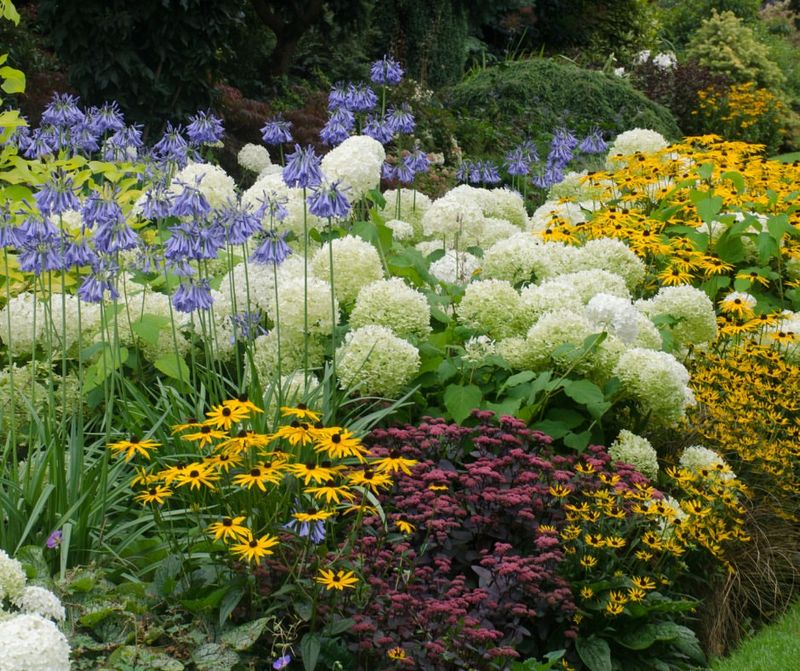
Tiny green tips poking through the soil are not just a pretty sight — they are your signal to grab a spade. New growth tells you exactly where the plant is active, which makes it far easier to see what you are working with and where to cut.
Waiting too long after growth starts is a common mistake in Georgia gardens. Once stems reach six inches or taller, dividing gets messier and harder on the plant.
Shorter growth handles the shock of being dug up and split much better than a plant already putting serious energy into leaf production.
Perennials like hostas and daylilies push up fast once Georgia’s soil warms slightly. Catching them at two to three inches of new growth is ideal.
At that stage, the root system is active but the plant has not yet committed heavy resources to top growth, so splitting it causes minimal setback.
Watching your garden closely in late February and early March pays off here. Keep an eye on the clumps that looked crowded last year.
When you spot new shoots, that is your cue. Mark those spots during fall if needed so you do not miss them in spring.
Getting in early, before growth takes off, is what separates a smooth division from one that leaves your plants struggling to recover before Georgia’s heat season begins in earnest.
3. Avoid Dividing During Active Flowering Periods
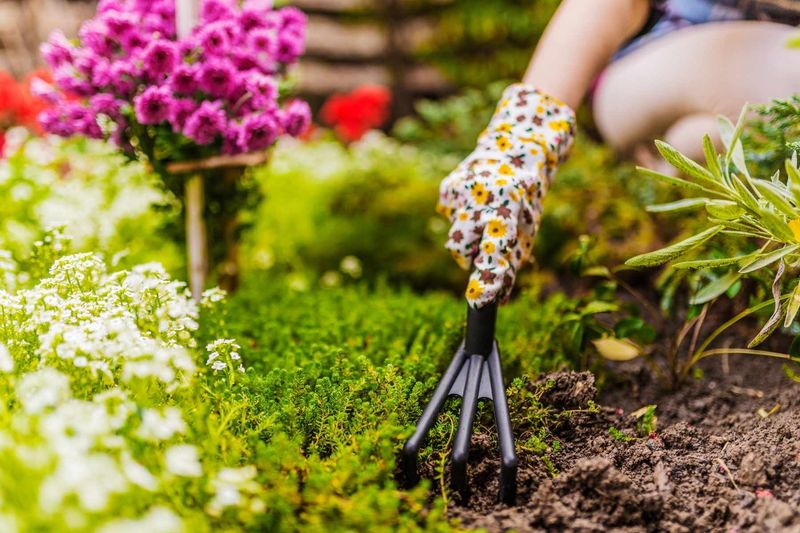
Pulling apart a plant covered in blooms is one of those moves that feels wrong the moment you do it, and it is. A flowering perennial is pouring nearly all of its stored energy into producing and maintaining those blooms.
Disrupting the root system at that moment puts the plant in a tough spot.
Spring bloomers like bleeding heart and creeping phlox are especially sensitive.
Dividing them while they are in full flower almost always means losing the blooms entirely, and the plant spends the rest of the season just trying to recover rather than growing stronger.
Waiting until blooms fade is the smarter call.
In Georgia’s climate, spring bloomers tend to finish up by late April or early May. That window right after flowering, when the plant is winding down but still has decent soil temperatures for root recovery, can work for certain species.
Just move quickly, because Georgia heat builds fast after May.
Summer bloomers like coneflowers and rudbeckia are best divided before they ever start flowering, which is another reason early spring division works so well. You catch them before the bloom cycle begins entirely.
Timing division around the flowering calendar is a habit that protects your plants and keeps your garden looking full. Skipping a bloom season by dividing at the wrong moment is an easy mistake to avoid with just a little planning ahead each late winter in Georgia.
4. Work While Soil Is Cool And Easy To Handle
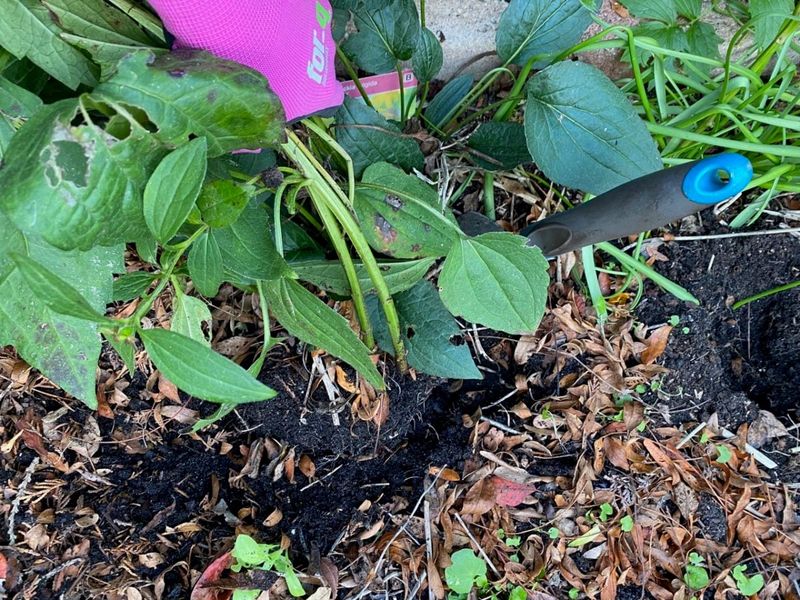
Cold soil might not sound appealing, but it is actually ideal for division work. In Georgia, late winter and early spring soil holds moisture well and stays loose enough to dig without much effort.
That makes lifting large clumps far less of a battle than it would be in summer.
Hard, dry summer soil grips roots tightly and makes clean separation nearly impossible without tearing. Cool, slightly moist spring soil releases clumps more cleanly, which means less root damage during the process.
Less damage means faster recovery and stronger plants heading into the warm season.
Watering the area a day or two before you plan to divide helps even more. Moist soil clings to roots just enough to protect them during the digging process.
Bone-dry soil falls away completely, leaving roots exposed and vulnerable. A thorough soak the evening before makes the whole job smoother.
Georgia’s clay-heavy soils, especially common across the Piedmont region, can be brutal to work in summer. Spring is when that clay softens up after winter rains, making it far more cooperative.
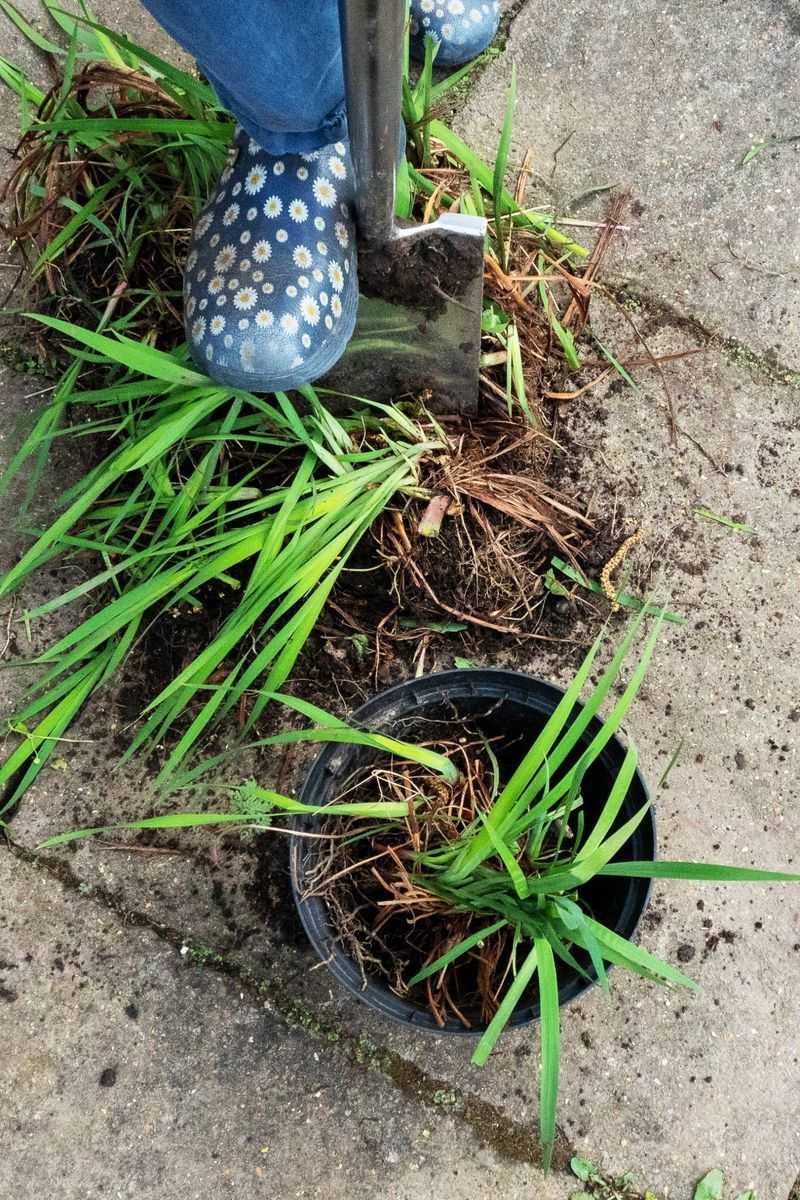
Using a sharp spade or a sturdy garden fork, you can get under a clump cleanly and lift it without the struggle that comes later in the season. Working with the soil rather than against it is one of those practical habits that experienced Georgia gardeners develop quickly.
Cool soil is a short window — use it before summer shuts it down.
5. Finish Dividing Before Temperatures Start Rising Quickly
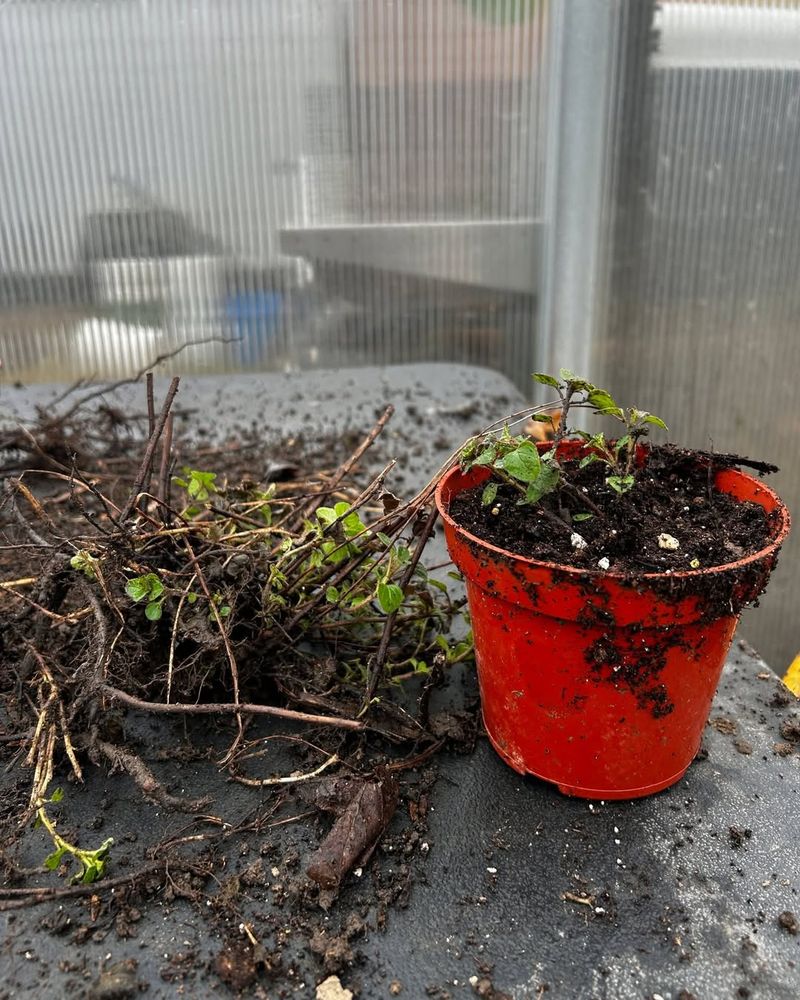
March does not last forever in Georgia, and April can flip warm faster than expected. Getting division work wrapped up before temperatures consistently hit the 70s gives your plants the recovery time they need without heat working against them from day one.
Once soil temperatures climb past 65 degrees, root establishment slows down noticeably for freshly divided plants.
They are trying to grow new feeder roots while also managing heat stress, and that combination often leads to wilting, slow growth, and underwhelming performance through the summer months.
Many experienced Georgia gardeners aim to finish all division work by the end of March. That gives a comfortable buffer before the reliable April warmth and keeps the unpredictable heat spikes of early May from catching divided plants off guard.
Keeping an eye on the forecast during this stretch matters. A warm spell in late March can signal that the window is narrowing.
If temperatures are pushing into the upper 60s for several days in a row, it is better to pause and let the plants settle than to rush a last-minute division that stresses everything unnecessarily.
Prioritize the most crowded clumps first, then work through the less urgent ones as time allows.
Having a clear plan before the season starts makes it easier to stay ahead of Georgia’s fast-moving spring weather instead of scrambling to catch up at the last minute.
6. Water Well After Dividing To Help Plants Recover
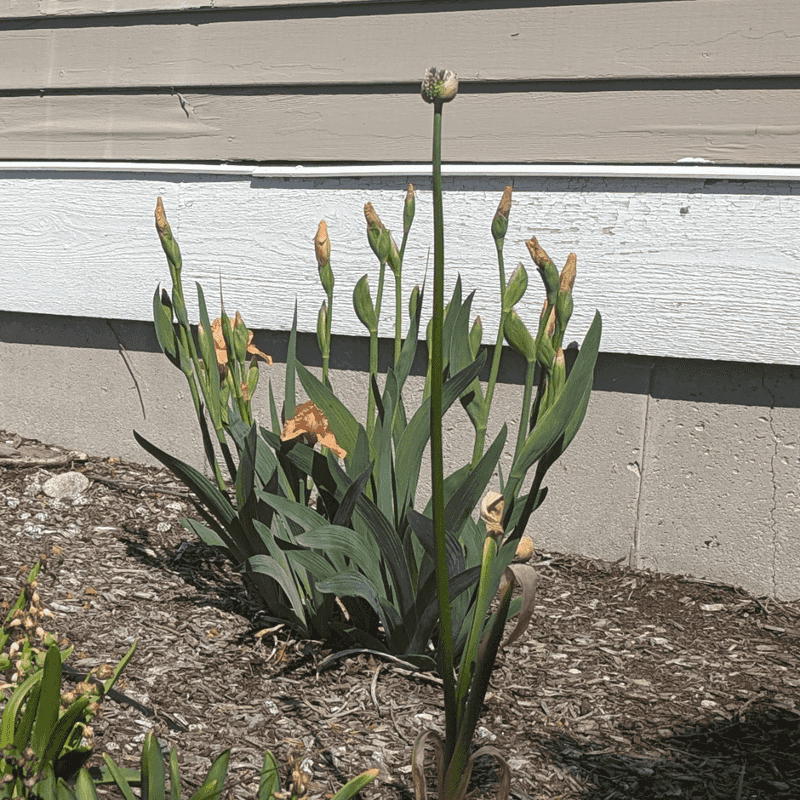
Roots that have just been cut and moved are stressed, plain and simple. Water is the single most effective thing you can do immediately after replanting a division.
Getting moisture to those roots right away helps them start recovering and reaching into the surrounding soil.
Watering immediately after replanting is just the beginning. Newly divided plants need consistent moisture for at least two to three weeks while they settle in.
In Georgia, spring can bring dry stretches even in March and April, so relying on rainfall alone is risky. Check the soil every couple of days and water deeply when the top inch feels dry.
Shallow watering does more harm than good here. Light sprinkles encourage roots to stay near the surface rather than pushing deeper.
Deep, slow watering, letting the moisture soak down six to eight inches, trains roots to grow downward where soil stays cooler and more stable through summer.
Adding a two to three inch layer of mulch around newly divided plants helps hold that moisture in place between waterings. Pine straw works especially well in Georgia gardens and is easy to find locally.
It insulates the soil, slows evaporation, and keeps weeds from competing with your freshly divided plants during recovery. Staying on top of watering in those first few weeks is honestly the biggest factor in whether a divided plant thrives or just survives.
Put in the effort early and your Georgia garden will reward you with full, healthy growth by midsummer.
7. Choose Mild Overcast Days To Reduce Plant Stress
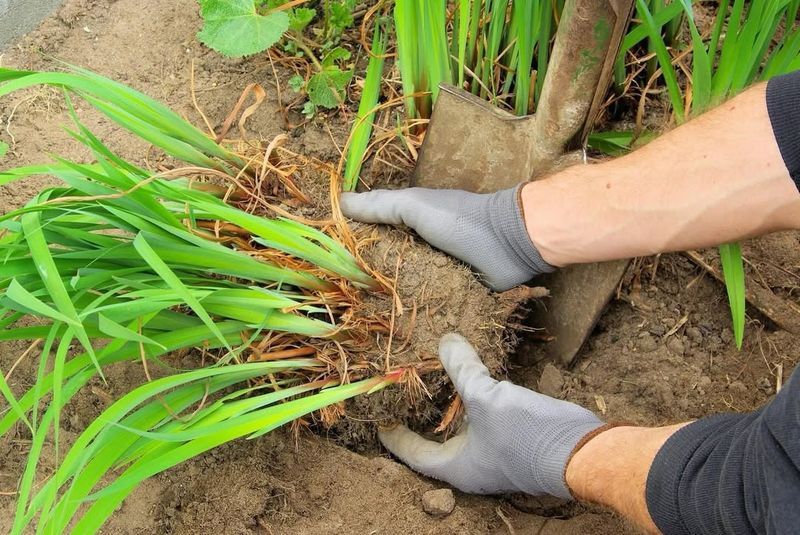
Bright, sunny days might feel perfect for outdoor work, but they are actually harder on freshly divided plants than most people realize.
Direct sun and warm afternoon temperatures pull moisture from exposed roots fast, and a plant that dries out during division has a much harder road ahead.
Overcast days in Georgia’s early spring are genuinely ideal for this kind of work.
Soft cloud cover keeps temperatures moderate, slows evaporation from both the soil and the plant tissue, and gives you more time to work carefully without rushing to get roots back in the ground.
Checking the weekly forecast before you plan your division sessions is a habit worth building. A stretch of mild, cloudy days with temperatures in the 50s or low 60s is about as good as it gets in Georgia.
Some gardeners also prefer working in the early morning before any heat builds, even on partly sunny days.
Rainy days or days right before forecasted rain are another solid option. The incoming moisture helps roots settle in quickly and reduces the need for immediate hand watering.
Just avoid working in saturated soil that clumps and compacts around roots, which can restrict drainage and cause problems later. Picking the right day to divide is not overthinking it — it is a practical decision that directly affects how well your plants recover.
In a state where spring can shift to summer-like heat almost overnight, choosing a mild window is one of the easiest ways to protect your work and your garden.