The Best Time To Plant Oregon Grape For Strong Roots
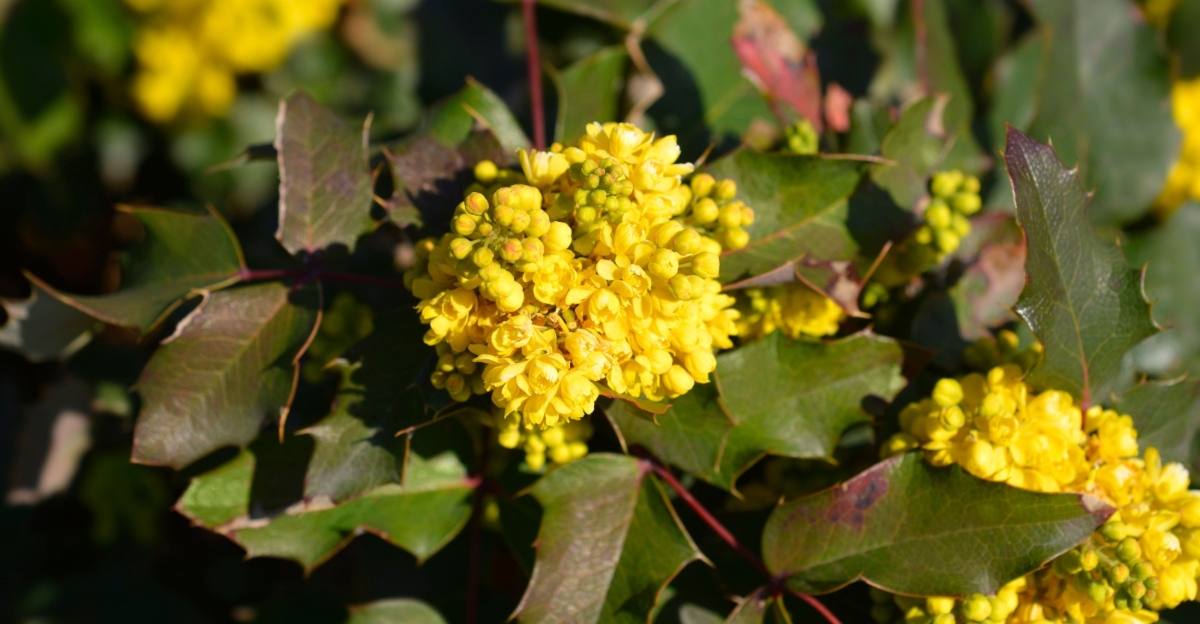
Planting Oregon grape at the right time can make all the difference between a shrub that struggles and one that thrives for years.
In Oregon, early spring offers warming soil, natural moisture, and lengthening days – perfect conditions for roots to establish before summer’s dry stretches.
These evergreen natives are tough, beautiful, and ideal for wildlife-friendly gardens, erosion control, and low-maintenance landscapes across the Willamette Valley, coast, and foothills.
Planting in March or April gives Oregon grape the longest growing season to develop a strong root system.
With careful siting, proper soil, and consistent care, early spring plantings set the stage for vigorous growth, abundant foliage, and long-lasting resilience.
1. Early Spring Planting Gives Roots A Head Start
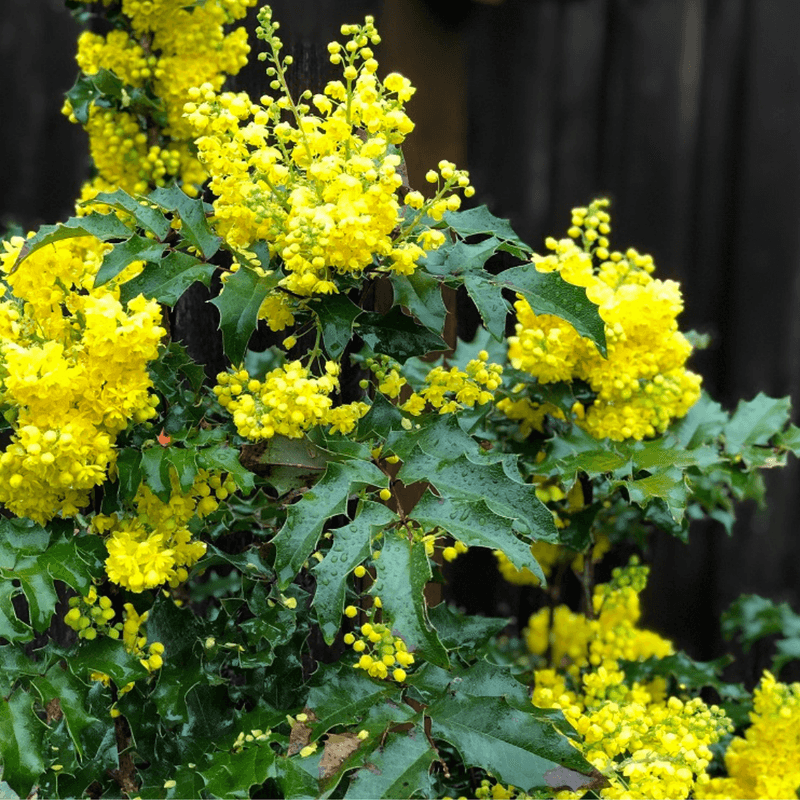
March and April bring something special to Oregon gardens: soil that has finally thawed and begun to warm, creating an ideal underground environment for young roots to stretch and grow.
Early spring planting gives Oregon grape the longest possible growing season before summer heat arrives.
That extra runway is what separates a plant that merely survives from one that truly thrives.
When you plant in early spring, roots have weeks to anchor into the soil before temperatures climb. Oregon grape (Mahonia aquifolium) is a native shrub that naturally establishes in the cool, moist conditions Oregon’s spring reliably provides.
Planting as soon as the ground is workable, typically when soil temperatures reach around 40 degrees Fahrenheit, gives roots a meaningful head start.
Space your plants about three to five feet apart to allow for healthy air circulation and natural spread. Oregon grape can eventually reach six feet tall, so giving each plant room encourages strong individual root development rather than crowded competition.
Water thoroughly right after planting to eliminate air pockets around the roots and help the soil settle snugly around the root ball.
Early spring planting is widely regarded by experienced Oregon gardeners as the single most impactful decision you can make for long-term plant health and root strength.
2. Timing Matters To Protect Young Roots From Frost
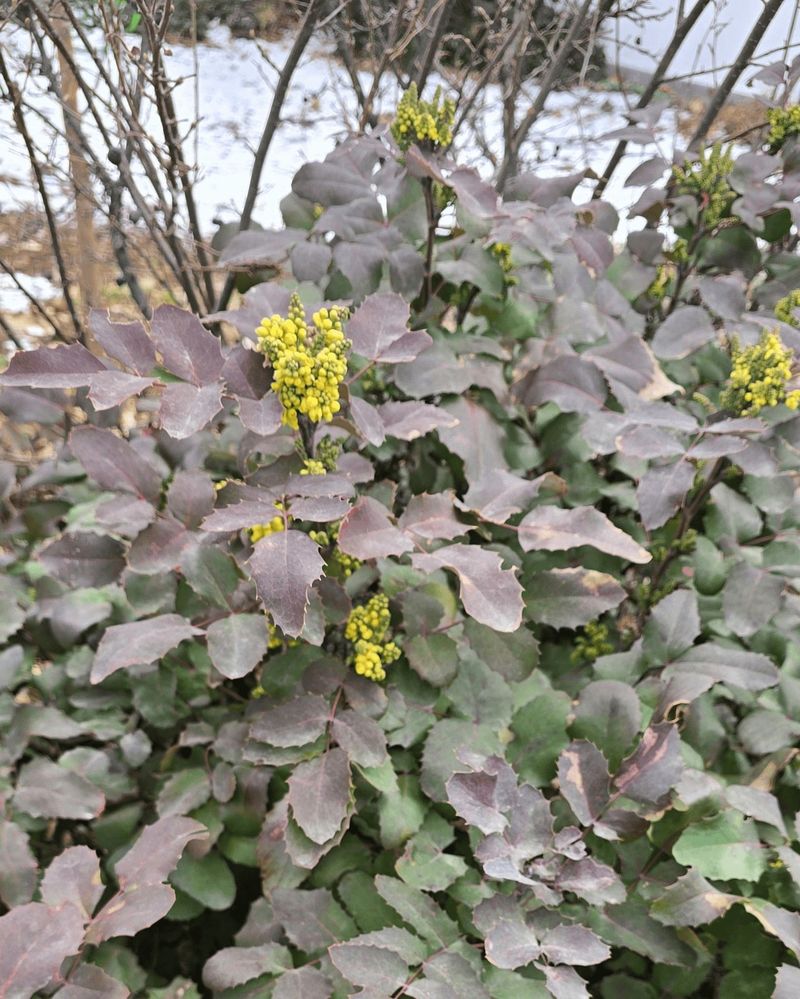
Oregon springs can be sneaky. A string of warm, sunny days in late February or early March can tempt gardeners to plant early, only to have a late frost roll in and stress newly planted shrubs.
Young Oregon grape roots are especially vulnerable in their first few weeks in the ground, when they have not yet established the connections they need to recover quickly from temperature swings.
Waiting until mid-March to early April in most parts of western Oregon strikes the right balance.
By that window, the risk of hard freezes has dropped significantly, while the soil is still cool enough to encourage steady root growth rather than pushing the plant to focus on top growth too soon.
Checking a local frost date calendar for your specific Oregon county or region is a practical step worth taking before you pick up a shovel.
If an unexpected cold snap is in the forecast after planting, a light layer of frost cloth draped loosely over new plantings can provide enough insulation to protect tender roots and emerging growth.
Remove the covering once temperatures stabilize above freezing during the day.
Fall planting from mid-October through late November is also an option in western Oregon, but spring planting tends to give roots more time to establish before facing the demands of their first full summer in the ground.
3. Partial Sun Boosts Growth Without Stressing Plants
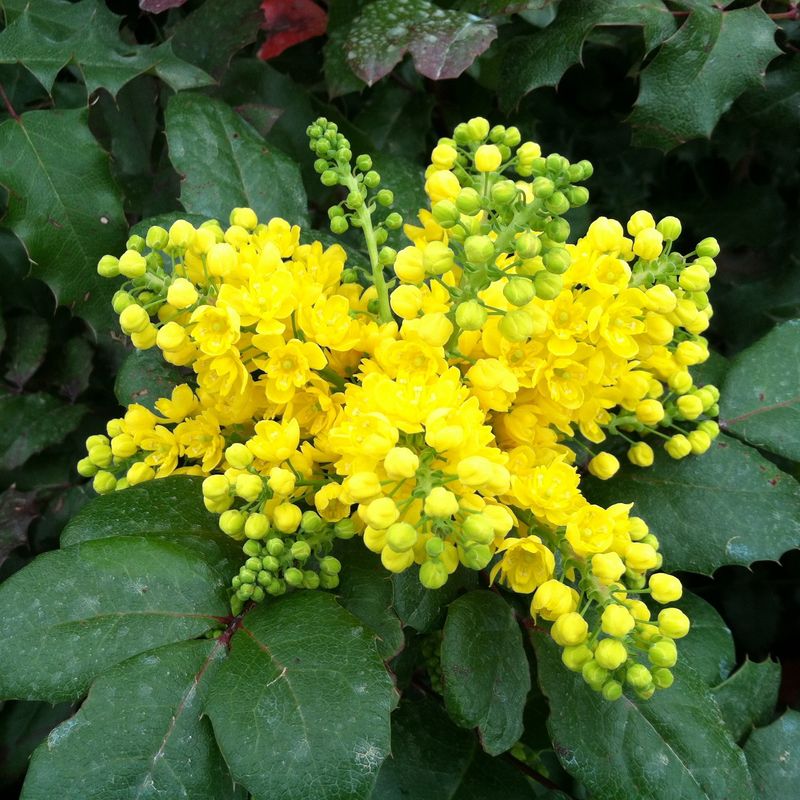
Walk through almost any Douglas fir forest in Oregon and you will find Oregon grape growing contentedly in the filtered light beneath the canopy.
That natural habitat tells you a lot about what this plant prefers when you bring it into your garden.
Partial sun, meaning roughly three to six hours of direct light per day with some afternoon shade, tends to produce the most vigorous growth and the healthiest root systems.
Full sun exposure, especially during Oregon’s warmer summer months, can cause leaf scorch and push the plant to direct energy toward managing heat stress rather than growing roots.
A spot with morning sun and afternoon shade is often the sweet spot.
North-facing slopes, the east side of a fence, or the dappled light under a large deciduous tree can all provide the right conditions for Oregon grape to settle in comfortably.
That said, Oregon grape is more adaptable than many native plants. It can handle deeper shade than most flowering shrubs, making it a solid choice for challenging spots in Oregon gardens where other plants struggle.
In shadier conditions, flowering and berry production may be reduced, but root development and foliage health remain strong.
Matching the light conditions to what Oregon grape naturally encounters in the wild is one of the easiest ways to set your planting up for long-term success without extra fuss.
4. Well-Draining Soil Keeps Roots Healthy And Strong
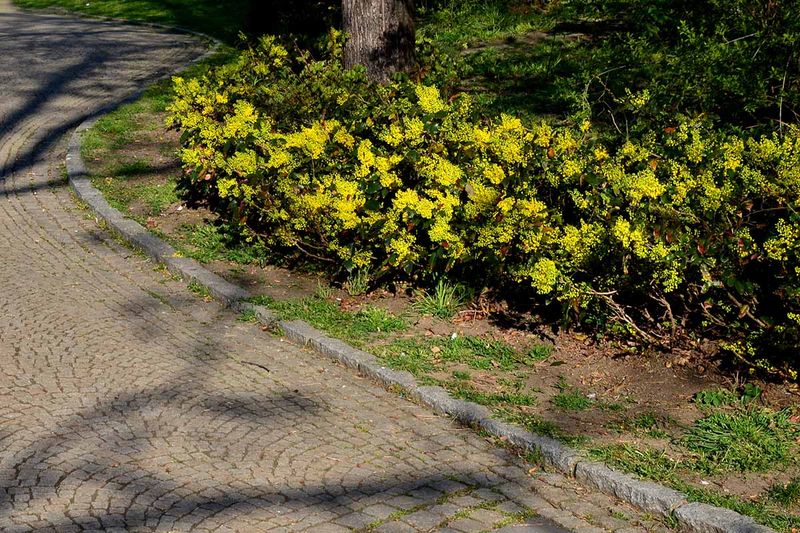
Soggy roots are one of the fastest ways to undermine an Oregon grape planting. While this native shrub is impressively adaptable across a range of Oregon soil types, one condition it does not tolerate well is standing water around its roots.
Well-draining soil is not just a preference for Oregon grape, it is a genuine requirement for strong, long-term root development.
Many Oregon gardens, particularly in the Willamette Valley, feature heavy clay soils that hold moisture longer than ideal. Amending clay-heavy planting areas with compost or aged bark can improve drainage noticeably.
Aim to work organic matter into the top twelve inches of soil before planting.
You do not need to completely overhaul the soil profile, but loosening compaction and improving structure will give roots room to spread without becoming waterlogged during Oregon’s rainy winters.
Raised planting mounds are another useful strategy in low-lying Oregon garden areas where drainage is persistently slow.
Mounding the soil four to six inches higher than the surrounding grade helps water move away from the root zone naturally.
Sandy or loamy soils typically require less preparation, as they drain freely on their own.
Before planting, a simple drainage test, where you fill a hole with water and observe how quickly it absorbs, can save you from placing Oregon grape in a spot where it will struggle to establish strong roots over time.
5. Slightly Acidic Conditions Support Thriving Oregon Grape
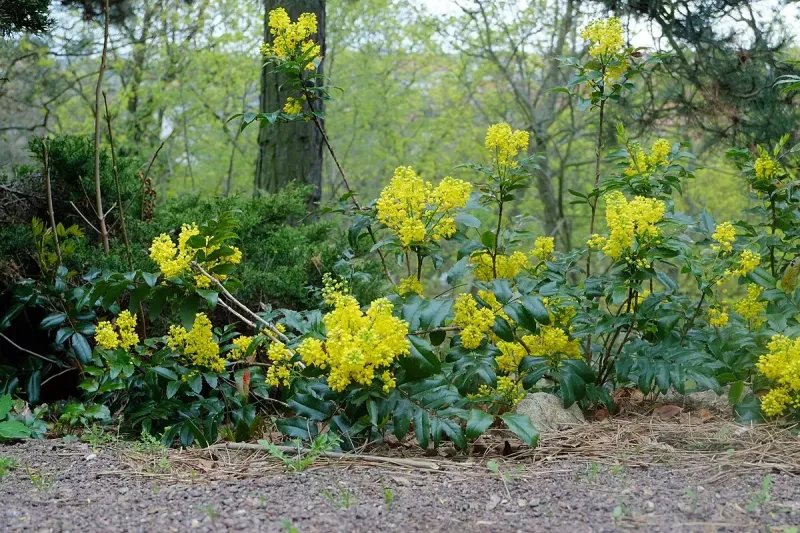
One of the quiet secrets behind a thriving Oregon grape planting is soil pH.
Most gardeners focus on drainage and light, which are both important, but soil chemistry plays a surprisingly significant role in how well Oregon grape roots access the nutrients they need to grow strong and healthy.
Oregon grape performs best in soil with a pH between 5.5 and 6.5, which is mildly to moderately acidic.
Fortunately, many native Oregon soils already fall within this range, particularly in forested regions and areas with a history of conifer leaf litter.
If you are gardening in an area with soil that has been heavily amended with lime or concrete runoff over the years, it is worth testing your pH before planting.
Inexpensive soil test kits are widely available at Oregon garden centers and give you a reliable reading within minutes.
If your soil tests too alkaline, incorporating sulfur or acidic organic matter like pine bark or composted leaves can bring the pH down gradually over a growing season.
Avoid making large, rapid pH adjustments, as sudden shifts can stress the soil ecosystem and make nutrients temporarily less available to plant roots.
Matching soil chemistry to Oregon grape’s natural preferences is one of those behind-the-scenes steps that pays off visibly in the plant’s vigor, leaf color, and overall health once it gets established in your Oregon garden.
6. Mulching Locks In Moisture And Temperature
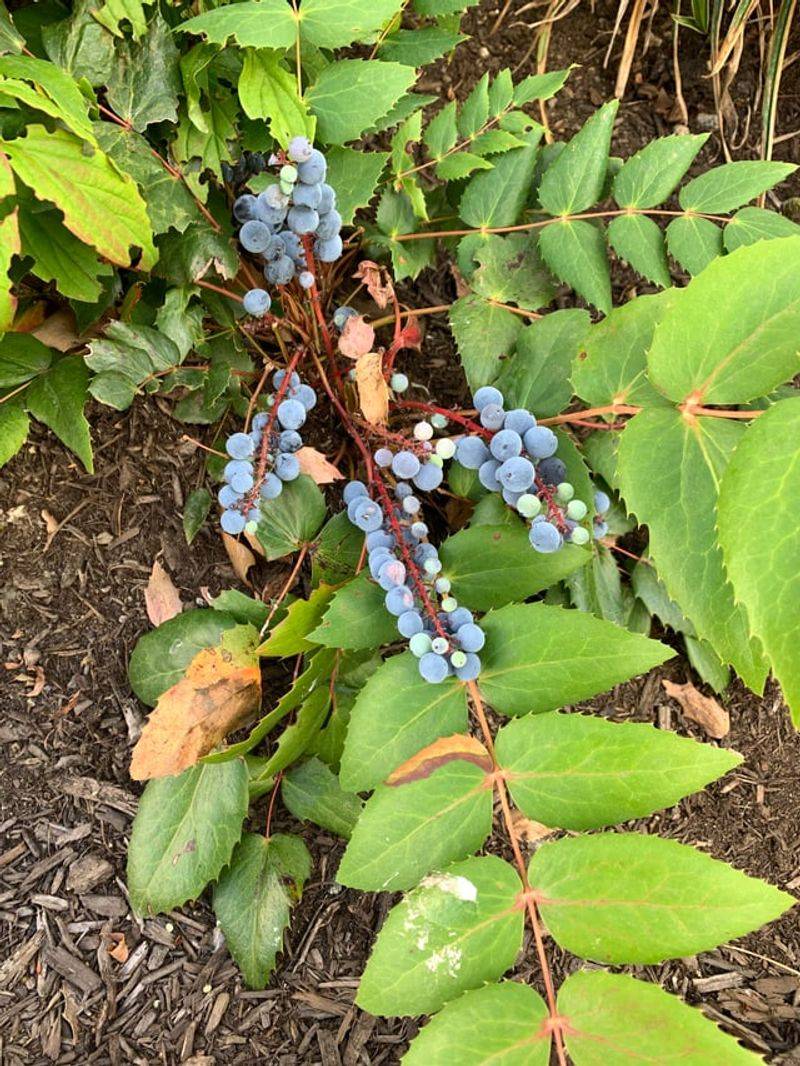
Right after planting, one of the most impactful things you can do for your Oregon grape is reach for the mulch bag.
A two-inch layer of organic mulch spread around the base of the plant, keeping it a few inches away from the main stem, does several important jobs at once.
It slows moisture evaporation from the soil, moderates soil temperature fluctuations, and gradually breaks down to feed soil organisms that support root health.
In Oregon, where spring rains can be followed by surprisingly warm and dry stretches in
May and June, mulch acts as a buffer that keeps root-zone conditions more consistent. Shredded bark, wood chips, or composted leaf material all work well for Oregon grape plantings.
Avoid piling mulch directly against the base of the plant, as that can encourage moisture buildup against the stem and lead to fungal issues over time.
Refreshing your mulch layer each spring is a simple habit that pays consistent dividends throughout the growing season.
Over winter, mulch also helps insulate roots during Oregon’s occasional cold snaps, protecting the root zone from temperature extremes that can slow establishment in newly planted shrubs.
For Oregon grape planted on slopes for erosion control, mulch has the added benefit of reducing surface runoff and helping rainwater soak into the soil where roots can access it, rather than washing away before it does any good.
7. Consistent Watering Helps Roots Establish Quickly
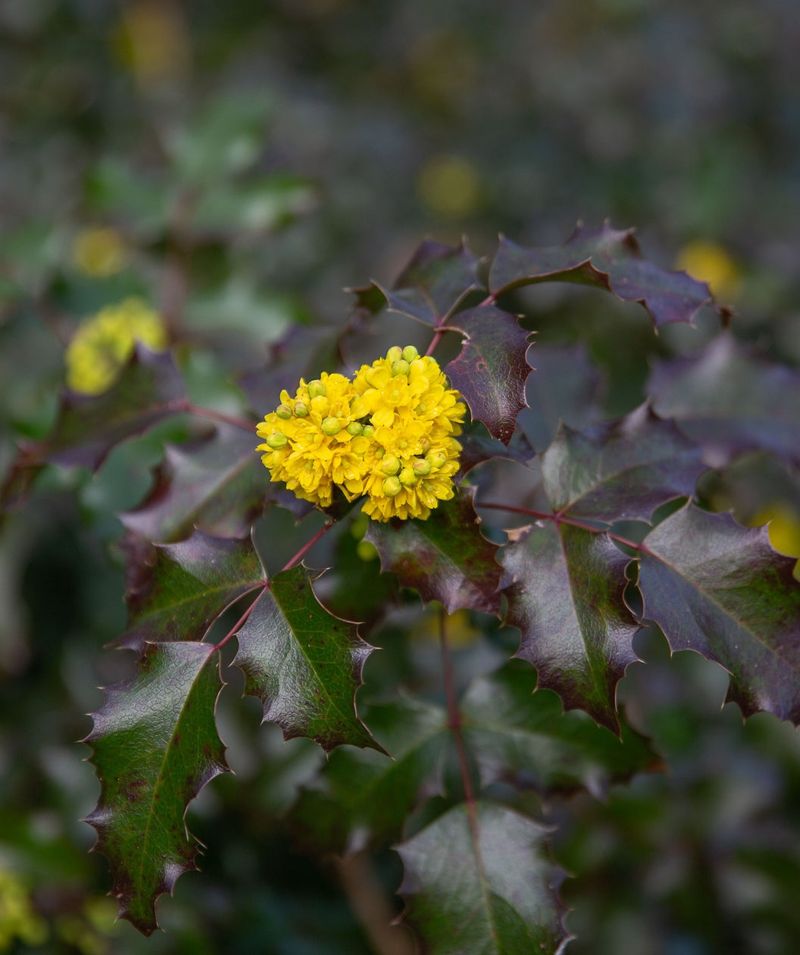
Newly planted Oregon grape has a straightforward but important need during its first growing season: consistent moisture.
Not waterlogged soil, but steady, reliable access to water that keeps the root zone evenly moist as the plant works to build its underground network.
That first year of watering is genuinely the most critical period for root establishment, and getting it right makes everything easier going forward.
In Oregon, spring rains often handle much of the early watering naturally, which is one reason spring planting is so well-suited to this region.
But as the season transitions toward Oregon’s characteristically dry summers, supplemental watering becomes necessary.
A slow, deep watering once or twice per week during dry periods encourages roots to grow downward in search of moisture, building a deeper, more resilient root system than frequent shallow watering would produce.
Drip irrigation or a slow-running hose left at the base of the plant for thirty to forty-five minutes is more effective than overhead sprinklers, which tend to wet the foliage without delivering enough water to the root zone.
Once Oregon grape has been in the ground for two full growing seasons, its water needs drop considerably, as it is well-adapted to Oregon’s dry summer conditions.
That first-year investment in consistent watering is what gives the root system the foundation it needs to support the plant through decades of low-maintenance growth ahead.
8. Handle Roots Gently To Avoid Transplant Shock
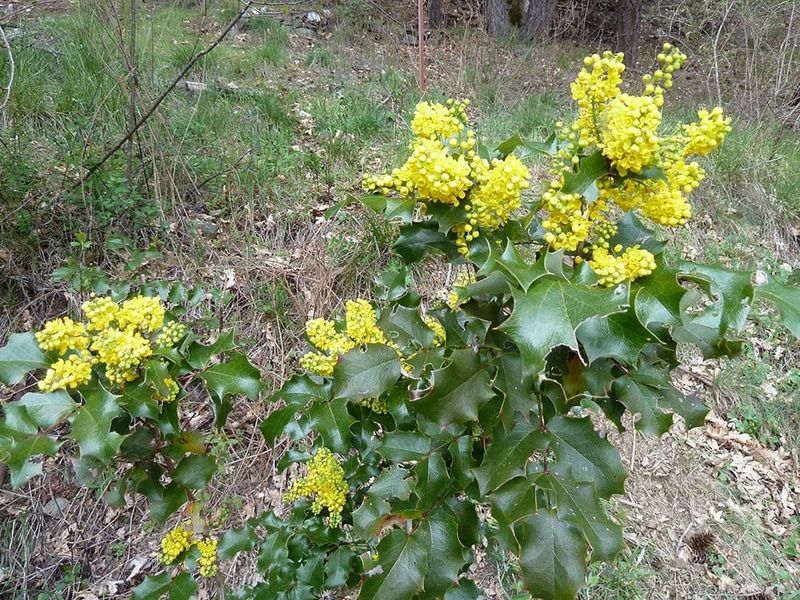
There is a moment during every planting that deserves your full attention: the point when the plant comes out of its container and the roots are exposed.
How you handle Oregon grape roots in that brief window can influence how quickly the plant settles into its new home and how vigorously it grows in the weeks that follow.
Rough handling or leaving roots exposed to air and sun for too long can set the plant back significantly.
When removing Oregon grape from a nursery pot, tip the container gently and support the root ball as it slides out.
If the roots are circling tightly around the inside of the pot, use your fingers or a gentle hand tool to loosen the outer edges of the root ball before placing the plant in the hole.
This encourages roots to grow outward into the surrounding soil rather than continuing to circle, which can restrict long-term growth.
Plant at the same depth the shrub was growing in its container, making sure the top of the root ball sits level with or slightly above the surrounding soil grade.
Backfill with the native soil you removed, firming it gently around the roots to eliminate large air pockets without compacting it tightly.
Water immediately and thoroughly after planting. Treating Oregon grape roots with care during this transition is one of the simplest and most effective ways to support fast, healthy establishment from the very first day in the ground.