The Best Time To Prune Fruit Trees In Southeast Michigan
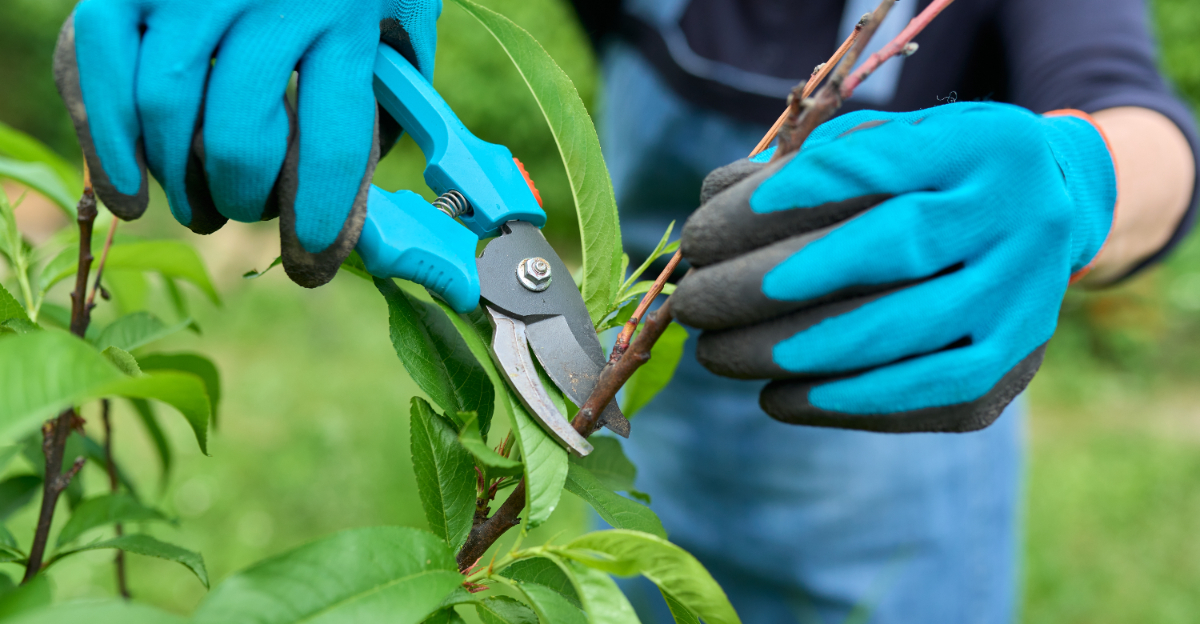
Pruning fruit trees at the right time can make a major difference in how they grow and produce each year.
In Southeast Michigan, where winters are cold and spring weather can shift quickly, timing your cuts carefully is especially important.
A well timed prune helps shape the tree, improve air flow, and encourage stronger fruit production.
Across Southeast Michigan, gardeners often watch the late winter and early spring window closely.
Pruning too early can expose fresh cuts to freezing temperatures, while waiting too long may interfere with new growth that is already beginning to form.
Finding the right moment allows the tree to heal properly and direct its energy into healthy branches and developing fruit. When the timing is right, fruit trees respond with stronger structure and better harvests.
A careful pruning schedule can help Michigan gardeners enjoy healthier trees and more productive orchards.
1. Apple Trees
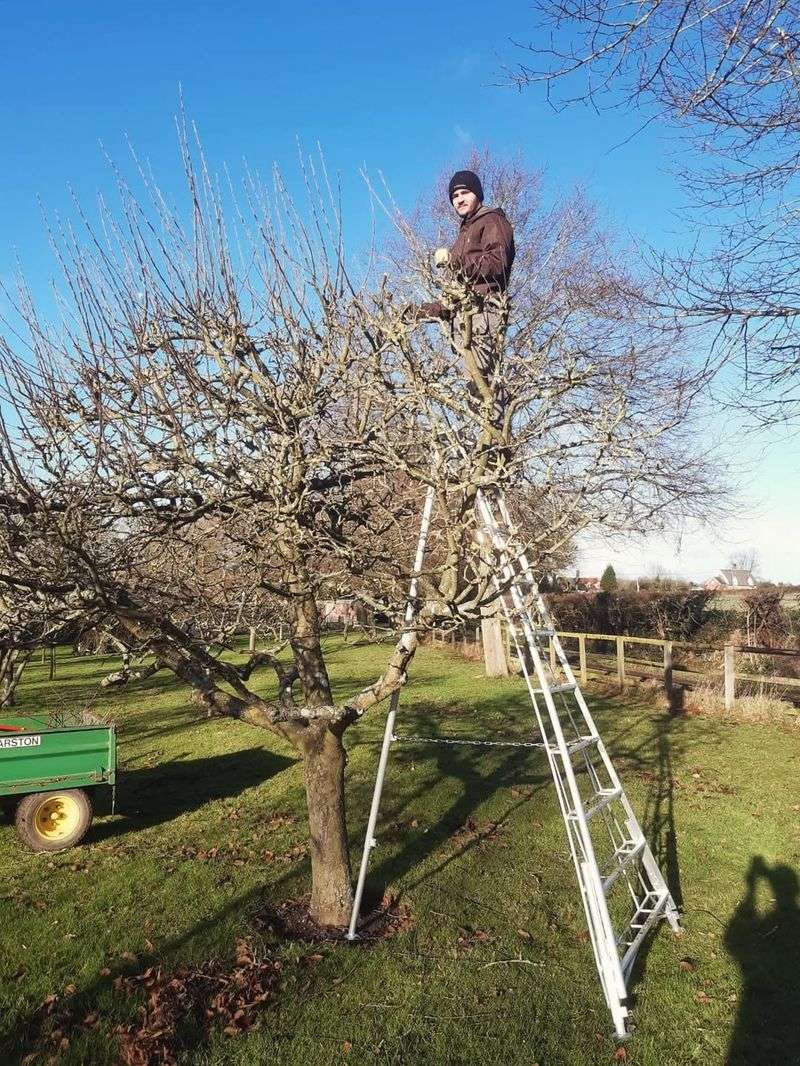
Apple trees are one of the most rewarding fruit trees you can grow in Southeast Michigan, and they respond beautifully to well-timed pruning.
The scientific name is Malus domestica, and this tree thrives in our region’s climate when given a little seasonal care.
The sweet spot for pruning is late February through mid-March, right before the buds begin to break open and new growth kicks in.
During this window, the tree is still dormant, which means it handles cuts much more easily and heals faster once spring arrives.
Focus on removing any branches that cross over each other, since those create friction and block airflow through the canopy.
Crowded branches are also worth thinning out because good air circulation helps prevent fungal diseases that are common in Michigan’s humid spring weather.
Sharp, clean pruning tools are a must every single time you work on your apple trees. Dull blades tear the wood instead of cutting cleanly, and rough cuts take longer to heal.
Aim to open up the center of the tree so sunlight can reach the inner branches, which directly improves fruit quality.
A well-pruned apple tree in Southeast Michigan can produce bigger, juicier apples season after season, making every minute of pruning time totally worth it.
2. Pear Trees
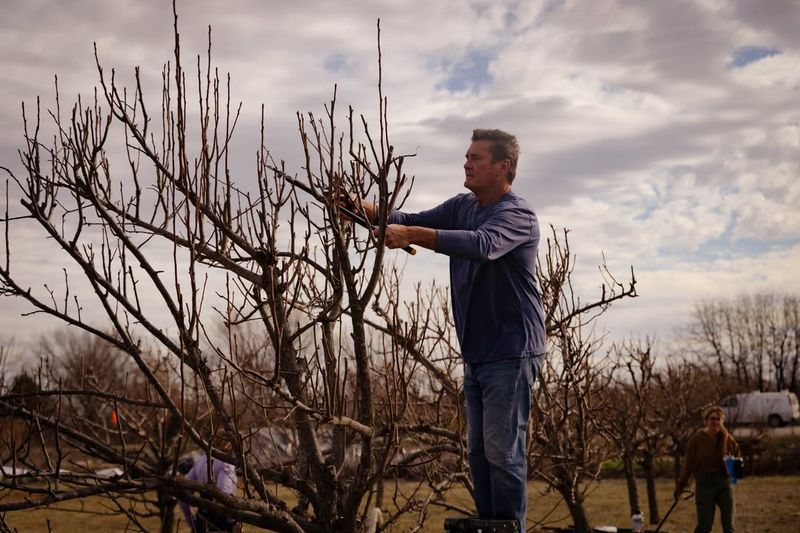
Pear trees have a quiet kind of charm, producing elegant fruit that tastes even better when the tree has been properly cared for.
Pyrus communis grows reliably well in Southeast Michigan, and it rewards growers who pay attention to pruning timing.
Late winter to early spring, specifically February through March, is the ideal window to get your pruning done before new growth begins pushing through.
One thing that makes pear trees a little different from other fruit trees is their tendency to grow upright and tall if left unpruned.
That vertical growth looks tidy, but it actually limits sunlight from reaching the lower and inner branches where a lot of the fruit develops.
Removing weak, crowded, or poorly angled branches helps redirect the tree’s energy into producing high-quality pears rather than excess wood.
Sunlight penetration is one of the biggest factors in fruit quality, and Southeast Michigan growers who prioritize open canopies tend to see much better harvests.
When you prune in late winter, the tree is still resting, so it responds well and heals efficiently once warm weather arrives.
Always make your cuts just outside the branch collar, the slightly raised ring where the branch meets the trunk, to support fast and healthy regrowth. A little patience during pruning season pays off enormously come harvest time.
3. Peach Trees
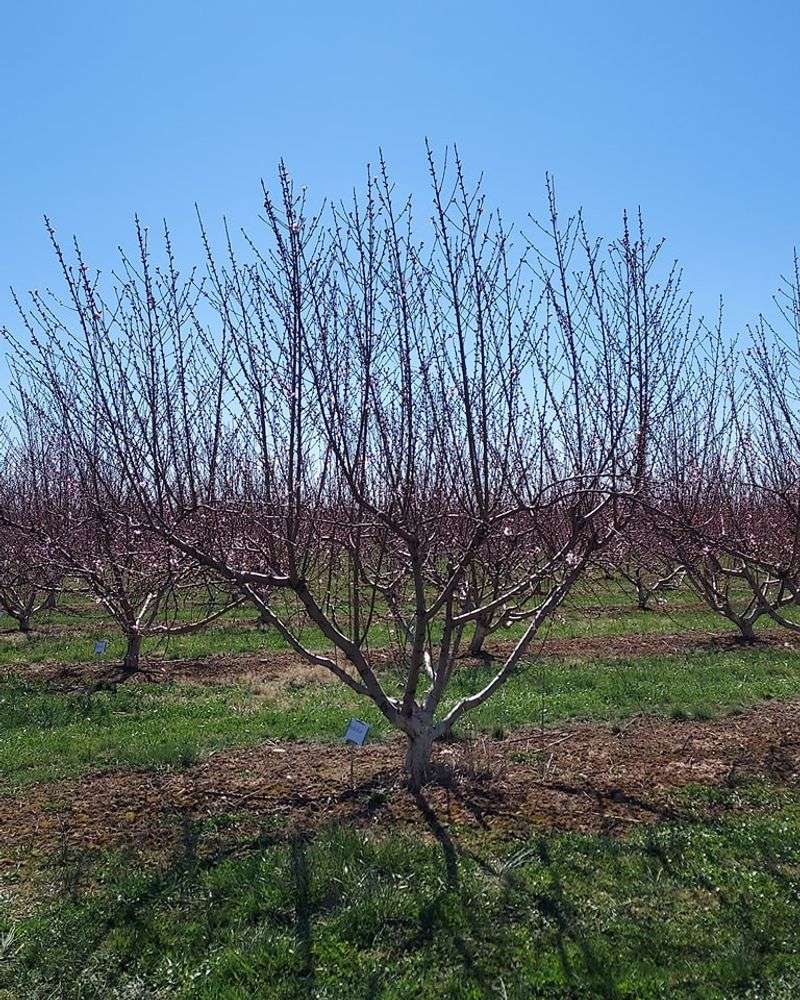
Peach trees bring something almost tropical to a Southeast Michigan backyard, and they absolutely can thrive here with the right attention.
Prunus persica needs a bit of winter protection in this region, but when it comes to pruning, timing is the real key.
Late February through March is the best window, ideally waiting until the coldest nights are mostly behind you but before the sap starts actively flowing through the branches.
Peaches produce fruit on one-year-old wood, which means pruning strategy looks a little different compared to apple or pear trees.
You want to remove older wood that has already fruited and encourage fresh new shoots to develop in its place.
Thinning out crowded interior branches also helps air move freely through the canopy, reducing the chance of brown rot, a common fungal issue in Michigan peach orchards.
One smart tip for Southeast Michigan growers is to wait and watch your peach tree for any signs of winter injury before making cuts.
Sometimes a branch that looks fine from the outside has damage inside, and you can spot this by making a small test cut and checking the color of the wood.
Healthy wood is creamy white inside, while damaged wood looks brown or gray. Removing compromised branches early gives your peach tree a much stronger start heading into the growing season.
4. Plum Trees (European Varieties)
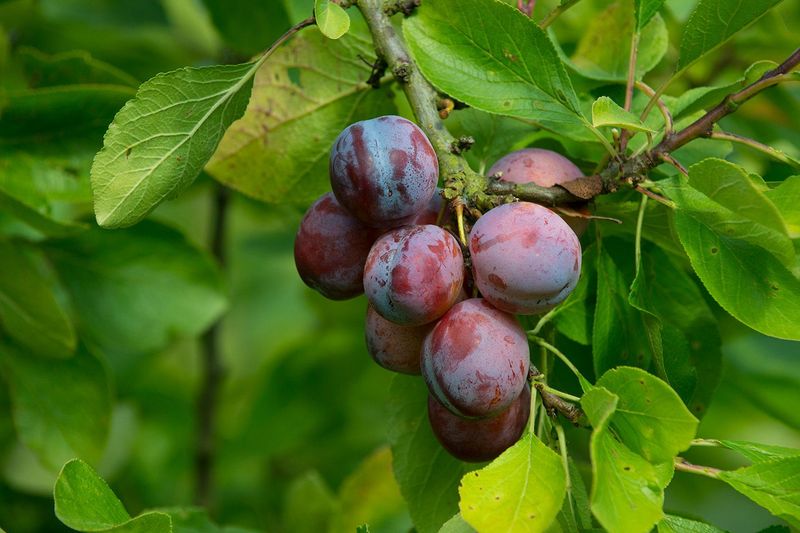
European plum trees are a fantastic addition to any Southeast Michigan fruit garden, and they tend to be hardier than many people expect.
Prunus domestica handles Michigan winters well, especially when you choose varieties bred for colder climates.
Pruning in late winter to early spring, right around February through March before the buds begin to swell, keeps these trees healthy and productive year after year.
Plum trees have a natural tendency to put out a lot of suckers and water sprouts, which are fast-growing shoots that steal energy from fruit production.
Removing those right away during your late winter pruning session is one of the most useful things you can do.
Beyond that, focus on shaping the tree into an open structure that allows air to flow freely through the canopy, since good circulation greatly reduces the risk of bacterial and fungal problems.
One interesting thing about European plums is that they tend to be more forgiving of pruning mistakes than some other stone fruits.
That said, it still pays to be thoughtful about where you make each cut. Removing crossing branches and any wood that looks weak or poorly positioned improves the overall structure without stressing the tree unnecessarily.
Southeast Michigan gardeners who prune consistently each late winter season tend to enjoy fuller harvests and healthier trees that stay productive for many years.
5. Cherry Trees (Sweet Varieties)
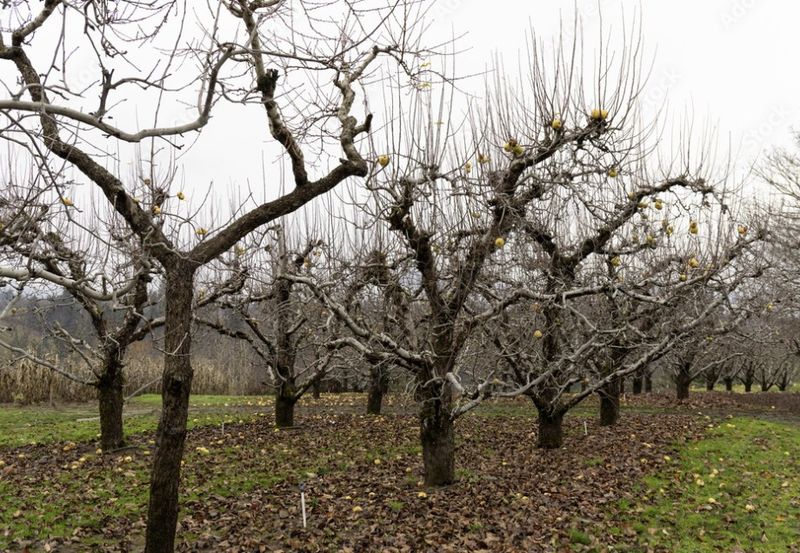
Sweet cherry trees have a certain magic about them, producing beautiful blossoms in spring and plump, jewel-colored fruit in early summer that almost feels too good to be true.
Prunus avium can absolutely be grown in Southeast Michigan, though it does appreciate a sheltered planting spot that protects it from the harshest winter winds.
Pruning in late February through early March, before bud break, gives the tree the best chance to heal cleanly before the growing season starts.
One important thing to understand about sweet cherries is that they bloom on older wood, so you want to be careful not to remove too many branches at once.
Heavy pruning reduces the number of flower buds available, which directly cuts into your fruit production for that season.
A lighter hand works better here, focusing on removing branches that are crossing, rubbing against each other, or growing in awkward directions that block light from reaching the center of the tree.
Southeast Michigan growers should also pay attention to the overall height of their sweet cherry trees, since these trees can get quite tall if left unpruned for several seasons.
Keeping the canopy at a manageable height makes harvesting much easier and also allows you to spot any problem branches before they become serious issues.
Clean cuts made with sharp tools help the tree seal over quickly, keeping it strong and ready for a beautiful fruiting season.
6. Sour Cherry Trees

Sour cherry trees are among the most reliable fruit producers you can grow in Southeast Michigan, and they have a long history in Michigan orchards for good reason.
Prunus cerasus handles cold winters with impressive resilience, making it a top choice for home gardeners across the region.
The best time to prune is in late winter to early March, just before the sap begins to flow and the tree starts waking up for the season.
Unlike sweet cherries, sour cherries produce their fruit on one-year-old shoots as well as on older wood, which gives you a bit more flexibility when deciding what to remove.
The main goal during pruning is to thin out crowded branches so that sunlight and air can reach all parts of the tree.
Proper airflow dramatically reduces the risk of cherry leaf spot and other fungal diseases that can be a real challenge in Michigan’s wet spring weather.
Sour cherry trees also tend to produce a lot of new growth each year, so annual pruning keeps the canopy from becoming too dense and unmanageable over time.
Removing about a quarter of the older wood each season encourages fresh, productive shoots to fill in and keep fruit yields high.
Southeast Michigan gardeners who stay consistent with late winter pruning often find their sour cherry trees stay healthier, live longer, and produce more fruit than trees that go several seasons without any attention.
7. Apricot Trees

Apricot trees are a bit of a bold choice for Southeast Michigan, but they are far from impossible to grow successfully.
Prunus armeniaca can survive our winters with proper site selection and a little extra protection during the coldest months.
When it comes to pruning, late February through March is the recommended window, ideally on a dry day after the worst of winter has passed but well before the buds begin to swell and open.
Apricots bloom earlier than most other fruit trees, which means they are more vulnerable to late spring frosts in Southeast Michigan.
Pruning at the right time, without stimulating early bud activity, helps reduce that risk a little.
Carefully removing any wood that shows signs of damage from winter cold is a smart first step, and you can identify compromised branches by making a small test cut and checking whether the inside of the wood looks healthy and light-colored.
Preserving as many flower buds as possible during pruning is especially important for apricots, since a late frost can already wipe out a significant portion of the bloom.
Focus on thinning rather than heavy cutting, removing only what is necessary to improve structure and airflow.
Southeast Michigan growers who treat their apricot trees with this kind of careful attention often enjoy surprisingly generous harvests in years when the spring weather cooperates and the blossoms escape the frost.
8. Nectarine Trees
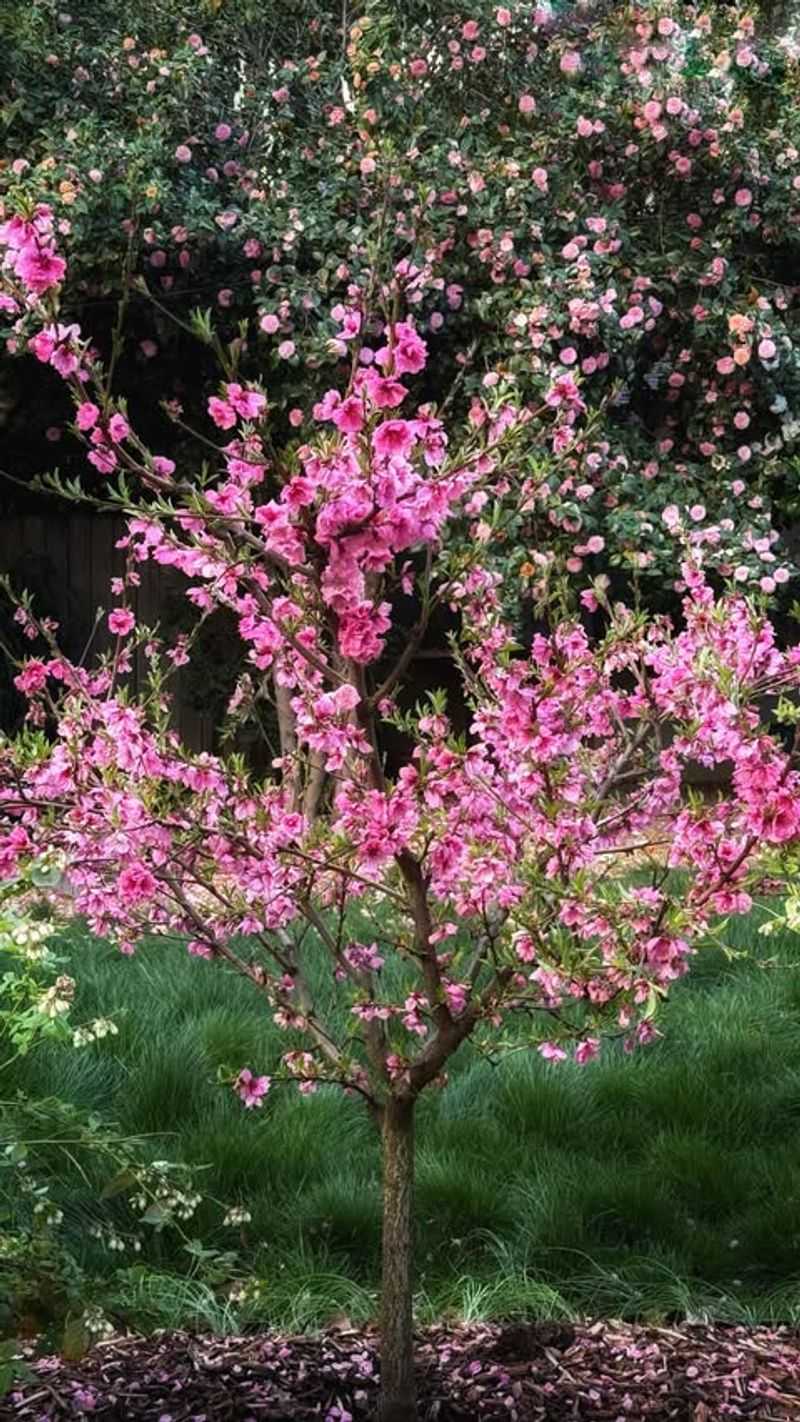
Nectarines are essentially smooth-skinned peaches, and they bring that same sun-loving, warm-weather energy to a Southeast Michigan garden.
Prunus persica var. nucipersica grows well here when you choose the right planting site, ideally somewhere with excellent drainage, good sun exposure, and some natural wind protection.
Late winter to early March is the prime pruning window, right before sap flow begins and the tree starts pushing new growth for the season.
Like peaches, nectarines fruit on one-year-old wood, so the goal of pruning is to encourage a steady supply of fresh new shoots each season.
Removing older wood that has already produced and thinning out weak or crowded branches helps the tree channel its energy into developing strong, fruit-bearing shoots.
Opening up the canopy also lets sunlight reach more of the tree, which improves both fruit size and sweetness by harvest time.
Southeast Michigan growers should be especially mindful about choosing nectarine varieties rated for colder climates, since nectarines can be a touch more cold-sensitive than standard peaches.
Varieties like Reliance or Harko tend to perform well in this region. Pruning at the right time, combined with smart variety selection and good site preparation, gives your nectarine tree the strongest possible foundation.
When everything lines up, nectarines in Southeast Michigan can produce fruit that rivals anything you would find at a farmers market.
9. Plumcot Or Aprium Hybrids

Plumcots and apriums are fascinating hybrid stone fruits that blend the best qualities of plums and apricots into one delicious package.
These trees grow well in Southeast Michigan when given a sheltered spot with good sun exposure and well-drained soil.
Pruning in late winter through March, before the buds begin to swell, is the recommended timing for keeping these hybrids healthy and productive season after season.
Because plumcots and apriums carry genetics from both parent species, their pruning needs fall somewhere between what you would do for a standard plum and what you would do for an apricot.
Thinning crowded branches to improve airflow and sunlight penetration is always a smart priority.
At the same time, you want to avoid removing too many flower buds at once, since these hybrids can sometimes set a lighter crop than their parent species and every bloom counts toward your eventual harvest.
Southeast Michigan gardeners who grow plumcot or aprium hybrids often find that these trees respond well to consistent, moderate pruning rather than dramatic cutbacks.
Removing about a quarter of the oldest or weakest wood each late winter season keeps the tree vigorous without shocking it into producing a lot of unproductive regrowth.
Sharp, clean tools and careful attention to branch structure make all the difference, helping your hybrid stone fruit tree stay balanced, beautiful, and ready to reward you with an exciting and flavorful summer harvest.