The Best Time To Trim Citrus Trees For Healthy Airflow In California
Citrus trees are a favorite in California gardens, and it’s easy to see why. Glossy leaves, fragrant blossoms, and bright fruit make them one of the most rewarding trees to grow at home.
Still, even the happiest citrus tree can start looking a little crowded after a while.
When branches become dense, sunlight struggles to reach the center of the tree and airflow slows down. That can lead to moisture sticking around longer than it should, which creates the perfect conditions for pests and disease to move in.
A well-timed trim helps open things up. Light, air, and space inside the canopy allow the tree to stay healthier and focus its energy on strong growth and better fruit production.
The trick is knowing when to make those cuts. Trim at the right time and your citrus tree will stay productive, balanced, and much easier to manage in the seasons ahead.
1. Why Airflow Matters For Citrus
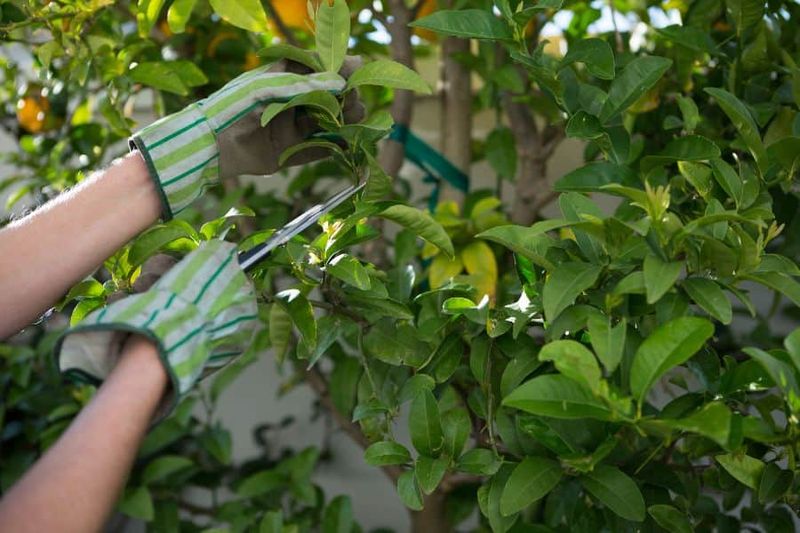
Good airflow is one of the most overlooked parts of citrus tree care. When branches are packed too tightly together, moisture gets trapped inside the canopy.
That trapped moisture creates the perfect environment for fungal diseases to spread.
In California, where warm and sometimes humid conditions can mix, citrus trees are especially vulnerable to issues like brown rot and powdery mildew. These problems thrive in still, damp air.
Keeping branches open and spaced out lets the breeze move through freely.
Air circulation also helps dry out leaves after rain or irrigation. Wet leaves that stay wet for too long invite pests and disease.
A well-trimmed tree simply stays healthier longer.
Fruit quality also improves when airflow is good. Sunlight can reach more of the tree, which means more fruit ripens evenly.
Gardeners across California often notice that trees with open canopies produce sweeter, larger fruit than those left to grow wild.
Think of trimming as giving your tree room to breathe. Just like people feel better in open spaces, citrus trees thrive when air can move freely around every branch and leaf.
2. Late Winter Is The Ideal Window
Late winter is widely considered the best time to trim citrus trees in California. For most of the state, that sweet spot falls between late February and early April.
This timing works because the tree is just coming out of its slowest growth period.
Pruning during this window gives new growth a strong start. After trimming, the tree pushes out fresh shoots that have plenty of warm spring weather ahead of them.
That new growth has time to harden before summer heat arrives.
In Southern California, late February is often safe to start. Temperatures are mild, frost risk is low, and the tree is ready to respond to pruning with healthy new growth.
Many experienced gardeners in the Los Angeles and San Diego areas follow this schedule every year.
For Northern California, waiting until mid-to-late March is smarter. The Central Valley and Bay Area can still see cold nights in early March, so patience pays off.
Starting too early risks exposing fresh cuts and new growth to unexpected frost.
Late winter pruning also helps you spot structural problems in the tree before new leaves fill in. With less foliage in the way, it is much easier to see which branches need to come out.
3. Wait Until Frost Risk Passes
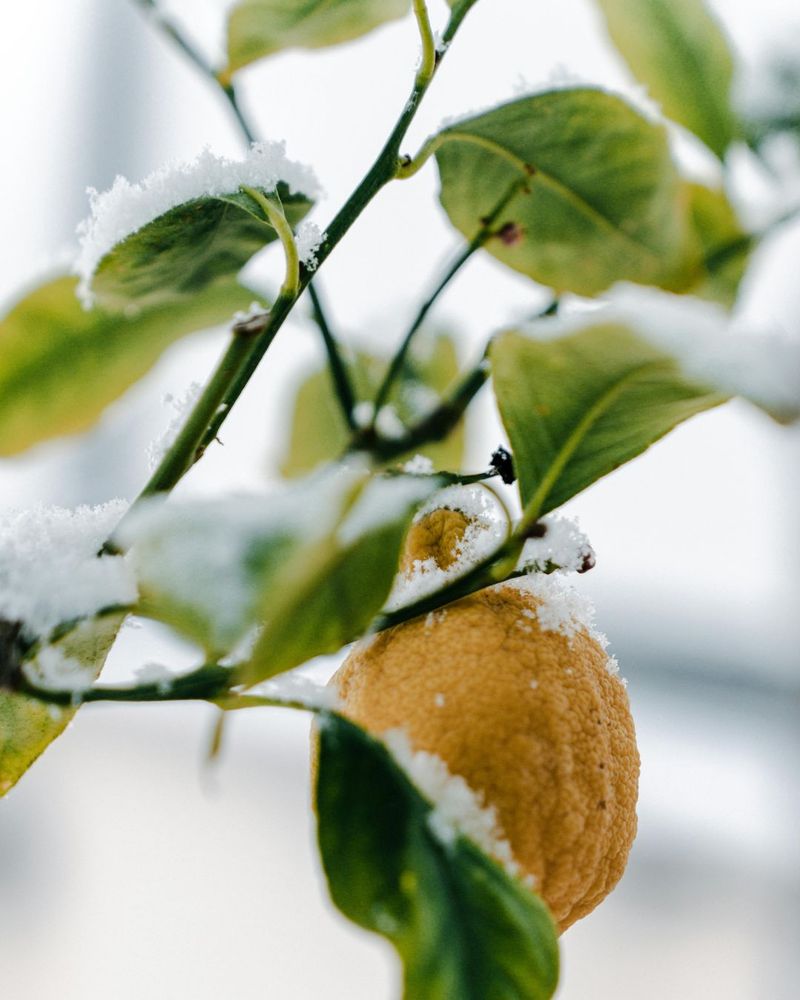
Frost is a real concern for citrus growers in many parts of California. Even in areas known for warm weather, a late cold snap can cause serious damage to freshly pruned trees.
Waiting for frost risk to pass before trimming is one of the most practical rules to follow.
When you prune a branch, the cut end is exposed and vulnerable. If a frost hits right after pruning, that wound can suffer additional stress.
New growth that sprouts after pruning is also very sensitive to cold temperatures.
In Northern California, including the Sacramento Valley and the foothills, frost can linger into early March. Gardeners there should hold off on major trimming until nighttime temperatures stay consistently above freezing.
Checking a local frost date chart for your specific zip code is a smart move.
Southern California generally sees lighter frost risk, but coastal and inland valley areas still experience occasional cold nights in January and February. Playing it safe and waiting a few extra weeks is always worth it.
A good rule of thumb is to wait until you have had at least two weeks of nights above 32 degrees Fahrenheit. Once that window is clear, you can trim with confidence knowing your tree is protected from cold damage.
4. Remove Crossing Branches
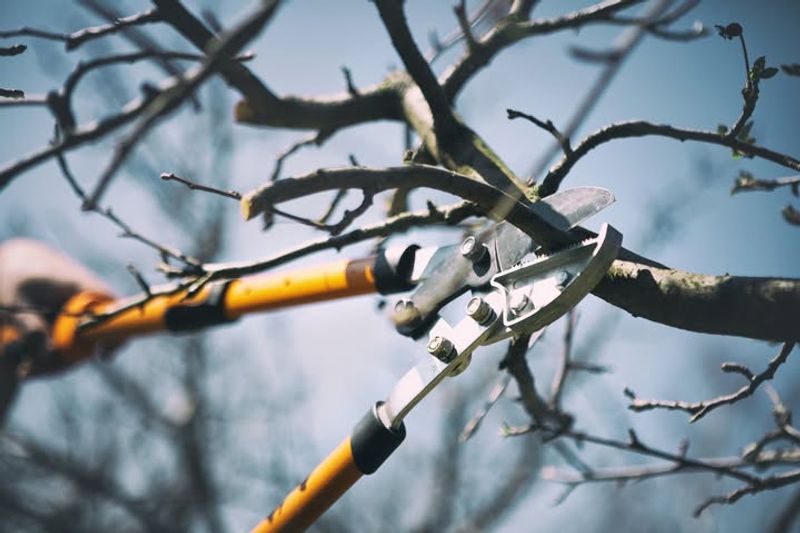
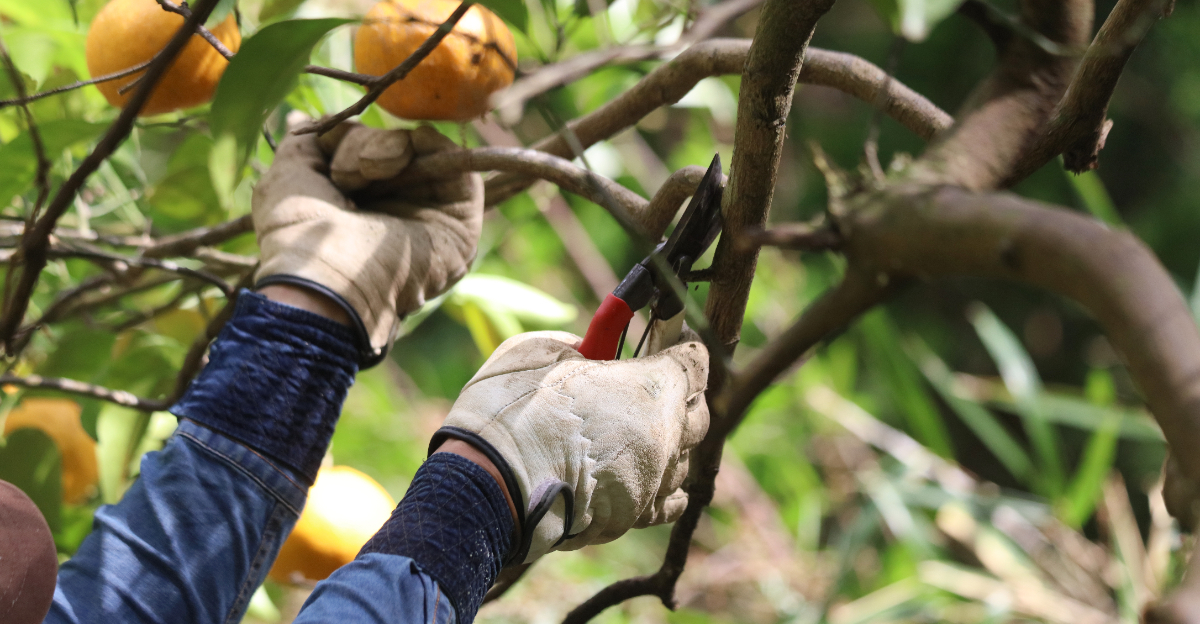
Before anything else, removing withered and crossing branches is the first step in any good pruning session. Withered branches no longer contribute to the tree and can actually invite pests and disease into the canopy.
Getting rid of them right away keeps the tree cleaner and healthier.
Crossing branches are a different kind of problem. When two branches rub against each other, they create wounds on the bark.
Those wounds become entry points for insects and fungal infections. Over time, crossing branches can weaken both limbs significantly.
Start by walking around your citrus tree and looking for branches that are clearly brown, brittle, or leafless. These are your withered branches.
Cut them back to the nearest healthy wood or to the branch collar where they meet a larger limb.
Next, look for branches that cross over each other or grow inward toward the center of the tree. Choose the weaker or more awkwardly positioned branch and remove it.
Always cut at an angle just above a bud or branch junction to encourage proper healing.
California gardeners who do this step consistently every year find that their trees stay structurally sound for decades. It is a simple habit that pays off in a big way over time.
5. Thin The Dense Inner Canopy
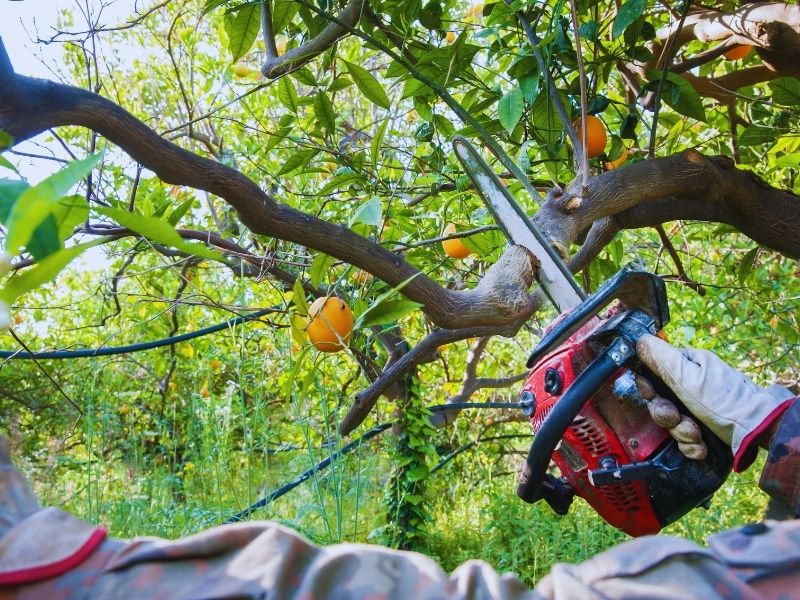
A dense inner canopy is one of the biggest airflow blockers a citrus tree can have. When too many branches grow close together in the center, sunlight and air simply cannot get through.
The result is a dark, damp environment that fungal diseases love.
Thinning the inner canopy means selectively removing branches that are crowding the interior of the tree. You are not cutting everything back hard.
You are making thoughtful choices about which branches to keep and which ones to remove for better spacing.
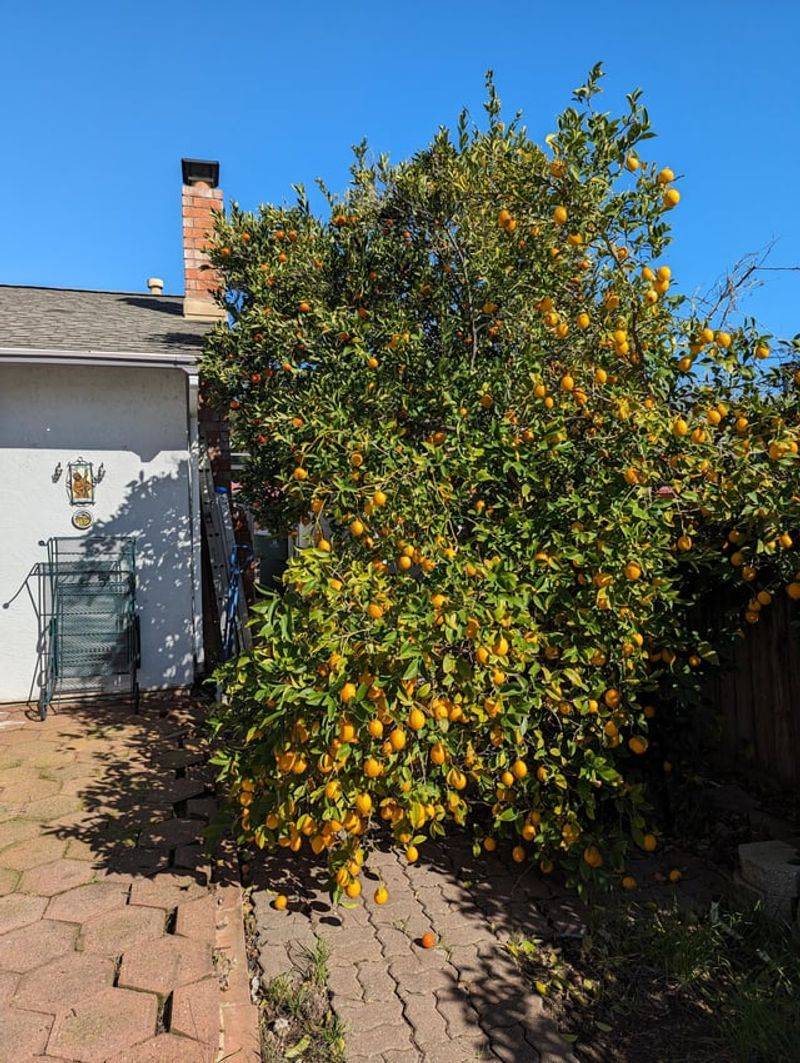
A good goal is to be able to see patches of sky through the canopy when you look up from below. If the interior looks like a solid wall of leaves and branches, it needs thinning.
Start with the weakest and most tangled branches first.
In California, where citrus trees can grow vigorously year-round in warm regions, inner canopy crowding can happen faster than you expect. Annual thinning prevents the problem from getting out of hand.
Trees in places like the Inland Empire or the San Joaquin Valley often need more frequent attention because of the long growing season.
Take your time with this step. Removing a little at a time and stepping back to assess is always better than cutting too much at once.
6. Open The Center
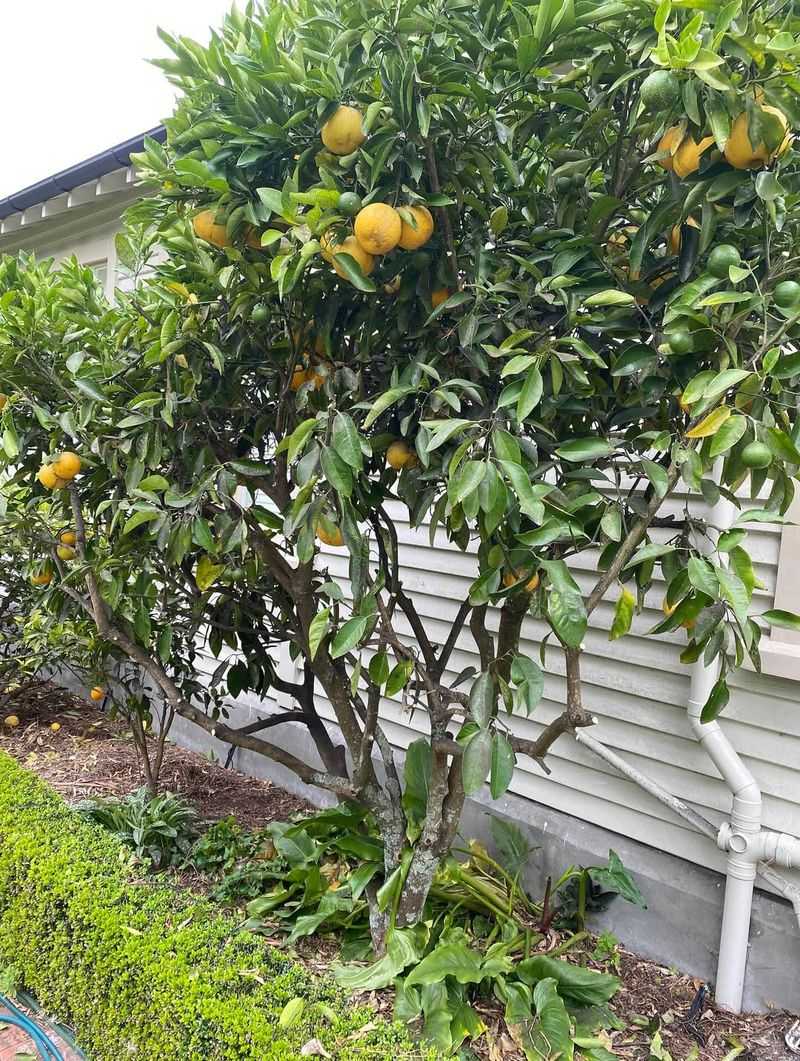
Opening up the center of a citrus tree is one of the most effective things you can do for its long-term health. When the middle of the tree is open, sunlight reaches deep into the canopy.
That sunlight warms and dries the inner branches, which reduces moisture buildup and disease pressure.
Many California gardeners aim for what is called a vase or open-center shape. This means the tree has several main branches spreading outward and upward, with a relatively clear center.
Air and light can move through from every direction.
To open the center, look for any branches growing straight up in the middle of the tree. These water sprouts or suckers take up space without producing much fruit.
Removing them is a quick way to create more openness without losing productive branches.
Also remove any branches that hang low or grow downward. These block airflow at the base of the canopy and can harbor pests close to the ground.
Keeping the lower interior clean makes a noticeable difference in tree health.
Citrus trees in warm California climates like Fresno, Riverside, and Bakersfield benefit especially from open centers because summer heat is intense. An open canopy helps the tree handle heat stress better while still producing a great crop.
7. Avoid Heavy Summer Pruning
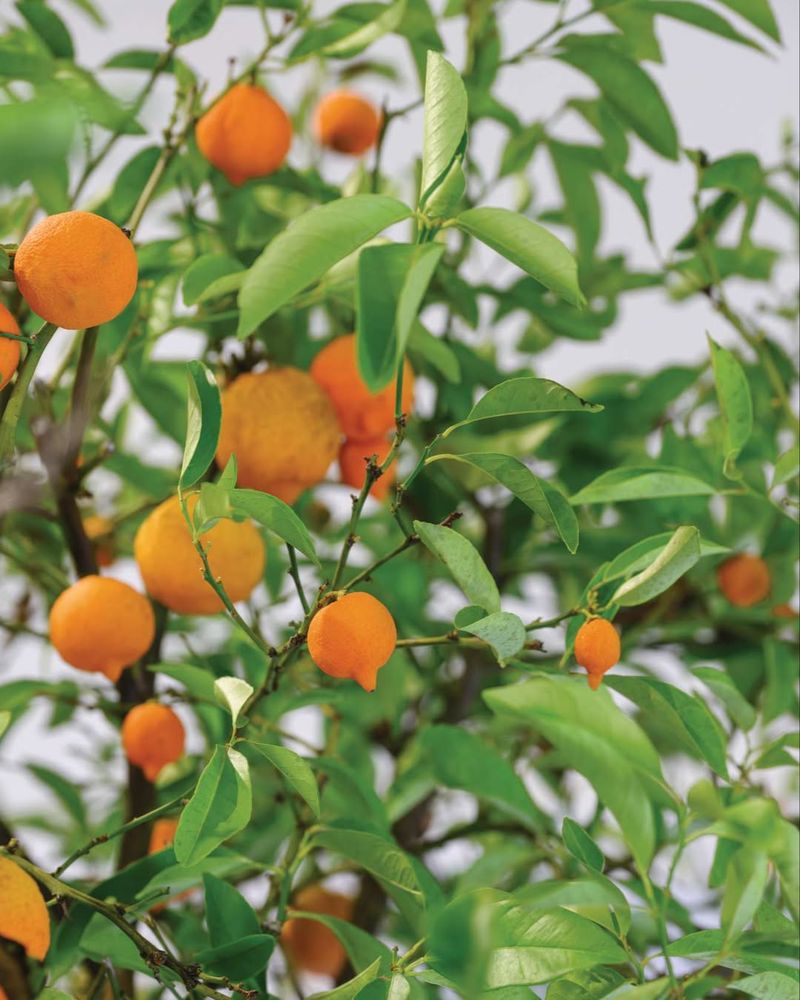
Summer might seem like a logical time to trim because you can clearly see which branches are overgrown. But heavy pruning during the hot summer months in California can actually stress your citrus trees significantly.
It is one of the most common mistakes home gardeners make.
When you remove a lot of foliage in summer, you expose bark that was previously shaded by leaves. That exposed bark can suffer sunburn, which appears as bleached or cracked patches.
Sunburned bark weakens the tree and opens it up to pests and disease.
Summer is also when citrus leaf miner, a common California pest, is most active. Fresh cuts and new growth triggered by summer pruning attract these insects.
Pruning in late winter avoids this problem entirely because new growth hardens off before leaf miner season peaks.
Light cleanup is fine during summer. Removing a single dead branch or a sucker that has sprouted from the base will not cause problems.
The key is avoiding large-scale cuts that remove significant portions of the canopy.
If your tree needs major reshaping, save that work for late winter. Your tree will thank you with healthier growth and a better fruit harvest.
Patience during summer leads to much better results come spring.
8. Maintain Shape
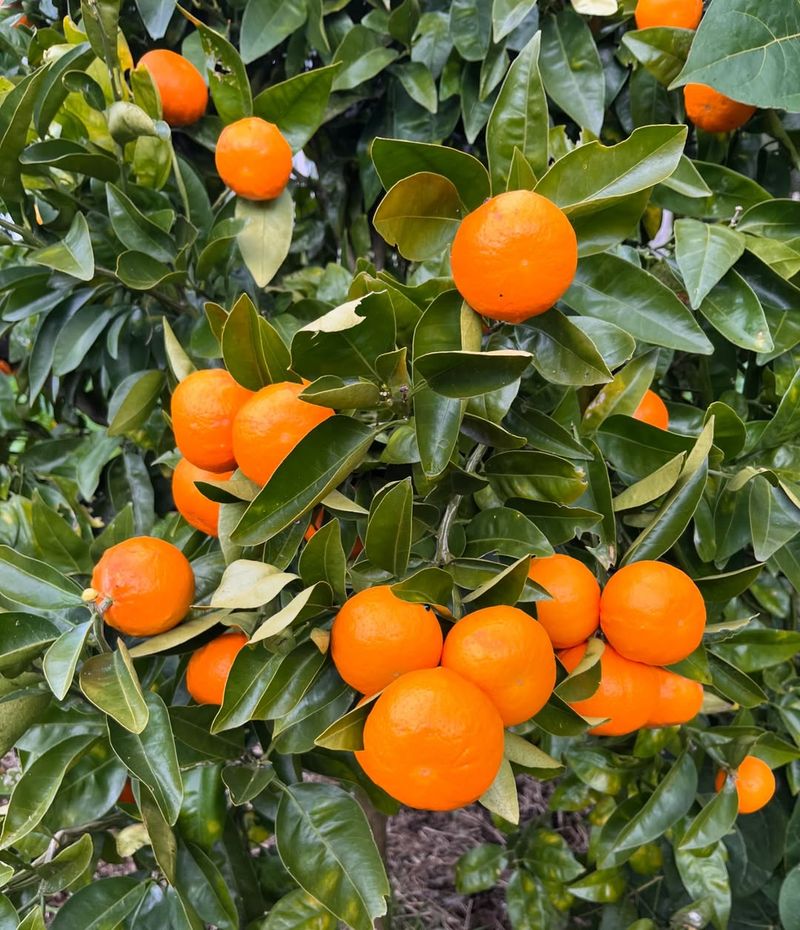
Keeping your citrus tree in great shape does not require major surgery every year. Light annual trimming is all most healthy trees need to stay tidy, productive, and well-ventilated.
Consistent small trims are far better than letting the tree go for years and then cutting it back hard.
Each year after the frost risk has passed, do a quick walk-around inspection of your tree. Look for any new withered wood, crossing branches, or water sprouts that have appeared since last season.
Removing these small issues early keeps the tree balanced and prevents bigger problems later.
Light trimming also keeps the tree at a manageable size. Citrus trees in California can grow quite large if left unpruned, especially lemon and grapefruit varieties.
Keeping the height under control makes harvesting much easier and safer.
A good target is to spend about 30 minutes per tree during your annual late winter pruning session. That is usually enough time to handle light cleanup and minor shaping without overdoing it.
Sharp, clean tools make the job faster and reduce the risk of spreading disease between cuts.
Gardeners in California who commit to this simple yearly habit consistently grow the healthiest, most productive citrus trees on the block. Small efforts made regularly always beat big corrections made rarely.