The 9 Best Trees To Plant This Spring In Small Northeast Ohio Yards
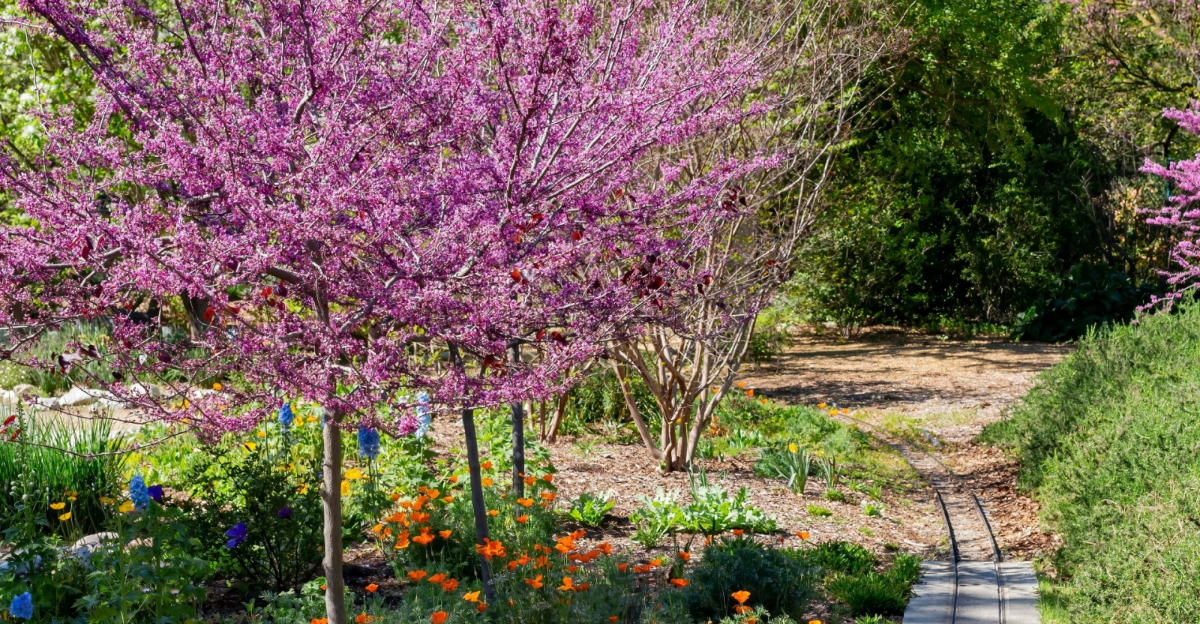
If you’ve ever stood in your Northeast Ohio yard thinking, “I want to plant a tree, but I don’t want something that takes over my whole space,” you’re definitely not alone. Small yards make tree shopping tricky.
Some trees grow way bigger than expected. Others don’t handle our weather well.
And a few look great at the garden center but become constant maintenance headaches later. The good news is there are plenty of trees that actually thrive here and stay the right size for tighter spaces.
From spring blooms and summer shade to colorful fall leaves, the right choice can completely change how your yard feels. If you’re planting this spring and want something beautiful now and practical long-term, these trees are worth a look.
1. Eastern Redbud Bring A Spring Color Explosion
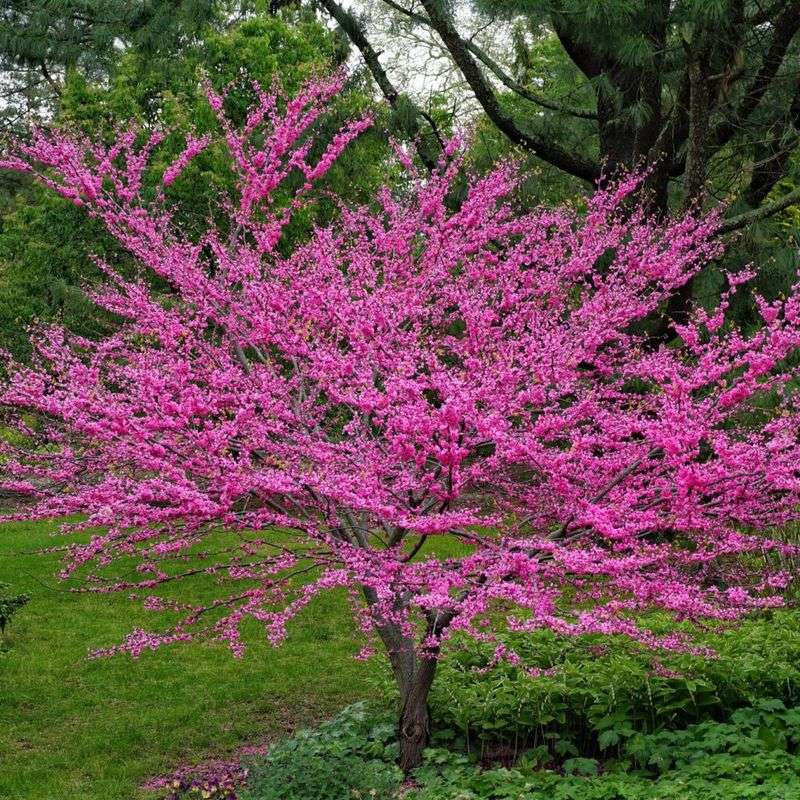
Before most trees even think about leafing out, Eastern Redbud puts on a show that stops traffic.
Bright magenta-pink flowers coat every branch from trunk to twig in late March through April, creating clouds of color that announce spring has officially arrived in Northeast Ohio.
This native tree rarely exceeds 25 feet tall, making it perfect for yards where space comes at a premium. Heart-shaped leaves emerge after flowering, turning from reddish-purple to blue-green through summer, then shifting to golden yellow before dropping in fall.
Plant your Redbud in partial shade or full sun, though afternoon shade helps flowers last longer during warm spring days.
The tree tolerates clay soils well when drainage is adequate once established, asking for little maintenance beyond occasional shaping. Wildlife benefits include early nectar for bees and butterflies emerging from winter dormancy.
Redbuds work beautifully as understory trees beneath taller canopies or as standalone specimens near patios and entryways.
Their moderate growth rate means you’ll enjoy flowers within two to three years of planting. Cold hardiness through Zone 4 ensures Northeast Ohio winters won’t damage this reliable performer.
Consider planting several along property lines for a stunning spring border that neighbors will envy.
2. Allegheny Serviceberry Add Beauty That Feeds Wildlife
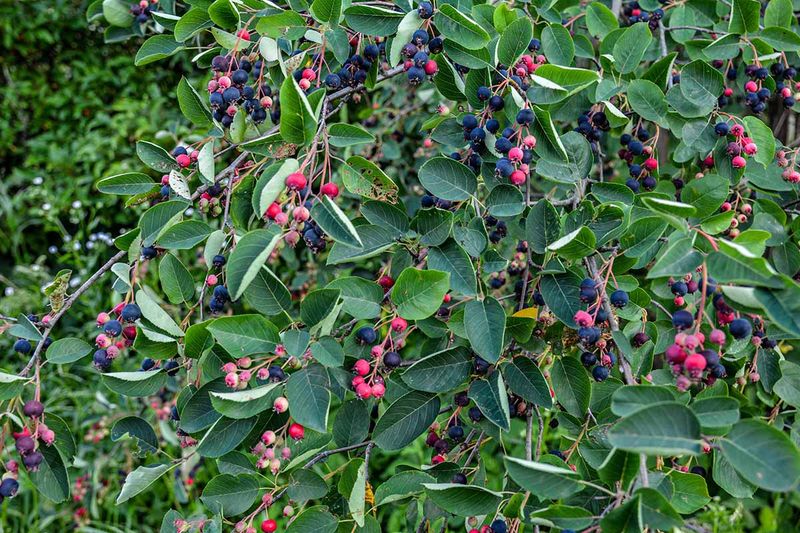
White flowers appear just as snow melts, giving Allegheny Serviceberry the nickname ‘shadbush’ because its blooms traditionally signaled early spring seasonal changes.
This multi-stemmed beauty stays under 20 feet, offering delicate spring flowers followed by edible berries that ripen from red to deep purple by early summer. Birds absolutely devour these sweet fruits, turning your yard into a wildlife magnet throughout June.
You can harvest berries yourself for pies and jams if you beat the robins and cardinals to them.
Fall foliage ranges from yellow-orange to red, providing a second season of interest after spring flowers fade. Smooth gray bark adds winter appeal, especially attractive when snow highlights the trunk’s subtle striping.
Serviceberry tolerates partial shade better than most flowering trees, making it ideal for Northeast Ohio yards with mature canopy trees.
Plant in well-drained soil and water regularly the first season while roots establish.
The tree’s natural vase shape requires minimal pruning, though you can remove lower branches to create a small tree form or leave them for a shrubby appearance. Native to our region, Allegheny Serviceberry handles temperature swings and occasional drought without complaint once established.
Consider planting near windows where you can watch birds feast on berries throughout early summer mornings.
3. Flowering Dogwood Create Classic Curb Appeal
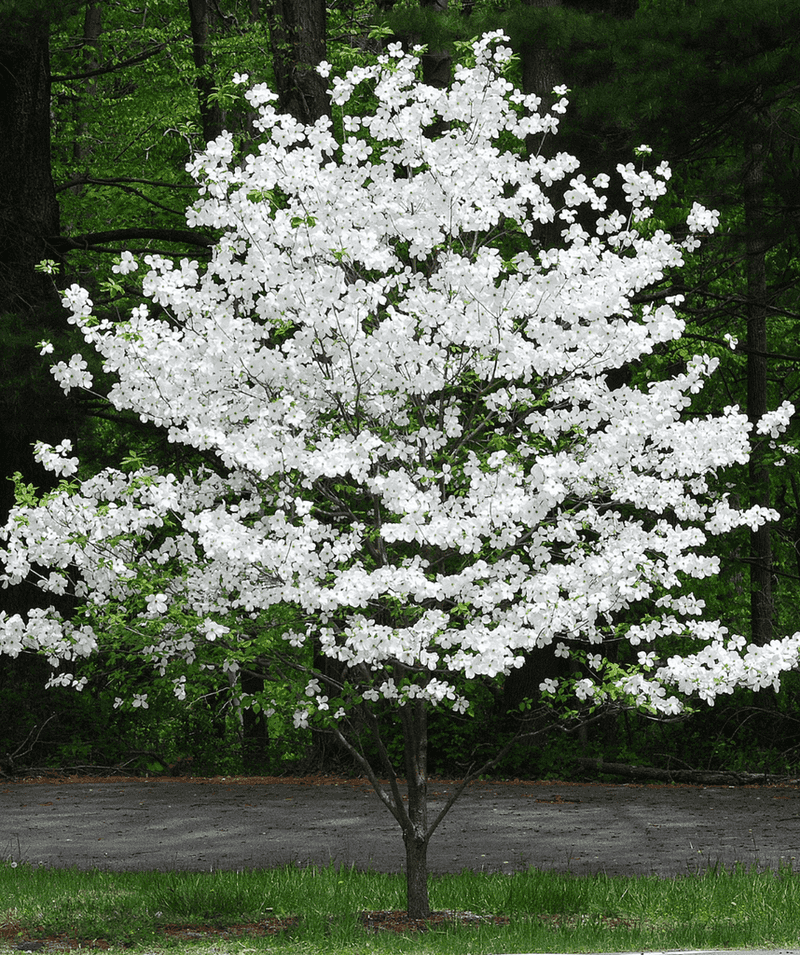
Few trees match Flowering Dogwood’s four-season beauty in compact form. What appear as large white or pink flowers are actually modified leaves called bracts surrounding tiny true flowers.
These showy bracts last for weeks in May, creating layers of horizontal color that define classic American landscapes.
Mature height reaches just 20 to 30 feet with equal spread, fitting comfortably in Northeast Ohio yards without crowding.
Red berries appear in fall, attracting migrating birds preparing for winter journeys south.
Leaves turn brilliant red-purple before dropping, competing with any maple for autumn drama.
Distinctive gray bark develops an alligator-skin texture with age, adding winter interest after leaves fall.
Plant in locations with morning sun and afternoon shade, as intense heat can stress these woodland natives. Dogwoods prefer slightly acidic soil with good drainage and consistent moisture during establishment.
Space away from black walnut trees, which release chemicals toxic to dogwoods.
The horizontal branching pattern creates natural layers that look stunning when underplanted with spring bulbs or shade perennials.
Avoid planting too deep, as dogwoods develop shallow root systems that need proper oxygen exchange. This tree has graced Northeast Ohio gardens for generations, proving its reliability in our climate zone.
4. Japanese Maple Bring Instant Landscape Drama
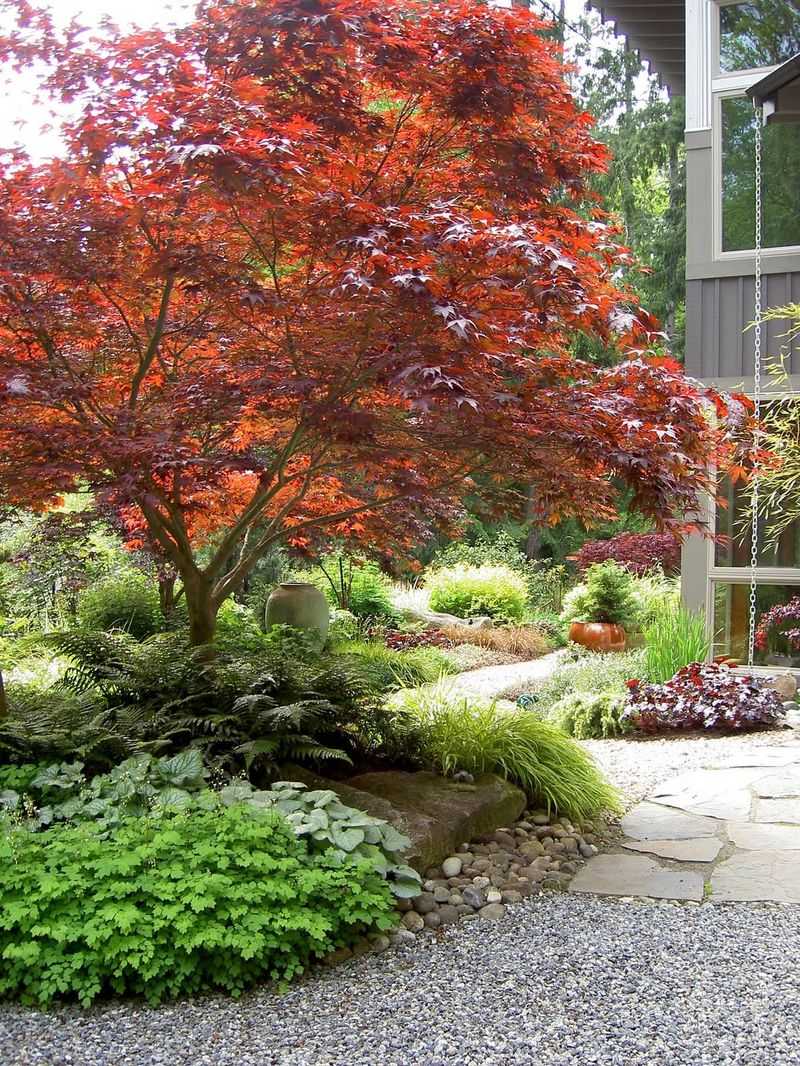
Lacy leaves in shades of red, purple, or green make Japanese Maple the ultimate focal point tree.
Hundreds of cultivars exist, but only cold-hardy varieties such as ‘Bloodgood’, ‘Emperor I’, and ‘Sango-kaku’ ensure consistent success in Northeast Ohio’s Zone 5–6 climate.
Most stay under 20 feet tall, with weeping forms remaining even smaller at 6 to 10 feet.
Spring foliage emerges in stunning colors that hold through summer, then intensifies to brilliant scarlet or orange in fall.
Delicate branching structure creates architectural interest even in winter after leaves drop.
Plant in locations protected from harsh afternoon sun and drying winds, which can scorch delicate leaves.
Morning sun with afternoon shade provides ideal conditions for maintaining vibrant leaf color. Japanese Maples adapt to container growing, making them perfect for patios or entryways where you want movable drama.
Soil should drain well, as these trees hate wet feet during winter months. Avoid heavy pruning, as the natural form provides most of the tree’s appeal.
Remove only damaged or crossing branches in late winter before spring growth begins.
Mulch around the base to maintain consistent soil moisture and moderate temperature swings. These trees grow slowly, so purchase the largest size your budget allows for immediate impact in your Northeast Ohio landscape.
5. Star Magnolia Light Up Early Spring
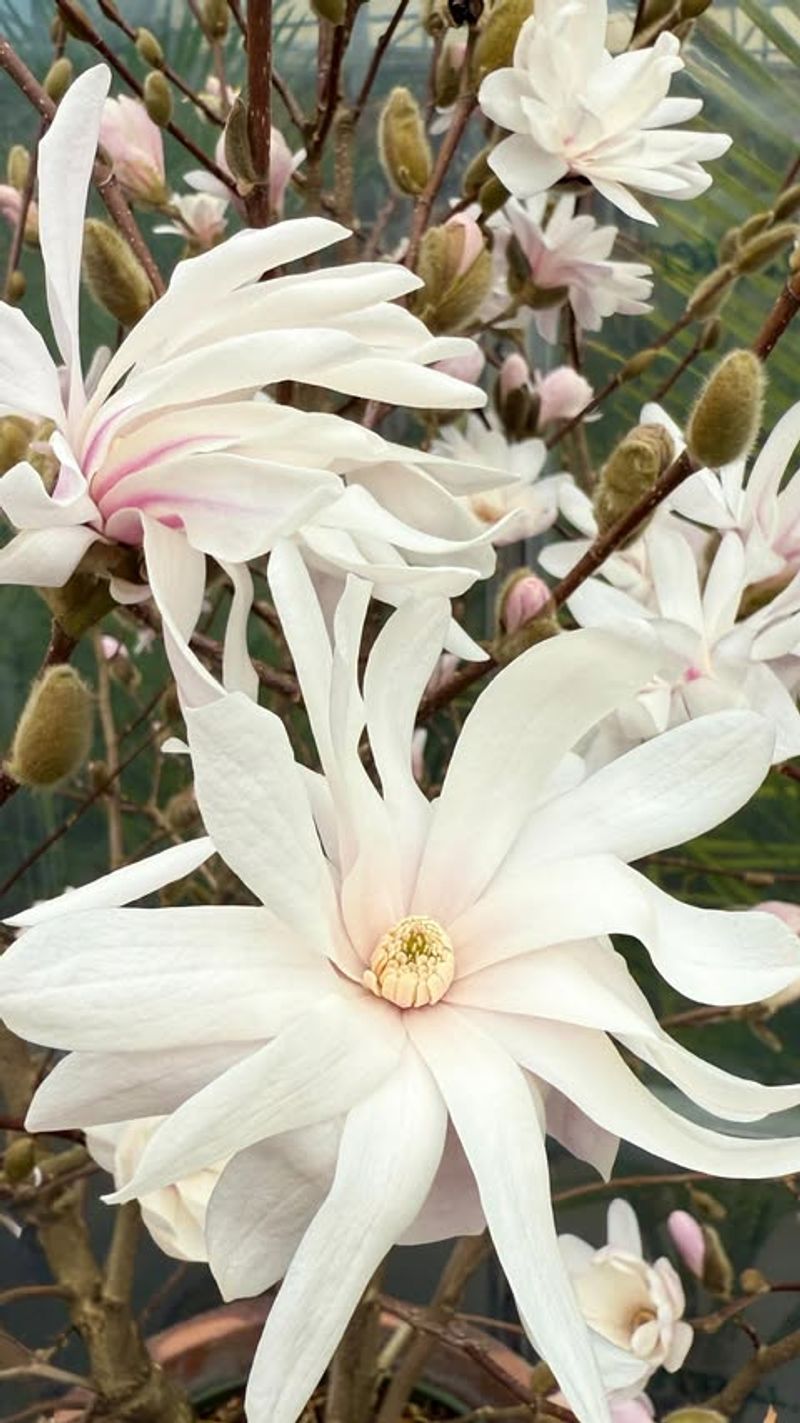
Fragrant white flowers with 12 to 18 strap-like petals appear in March, often while snow still covers garden beds. Star Magnolia blooms earlier than most flowering trees, bringing much-needed color when Northeast Ohio landscapes look dreary.
Compact growth reaches only 15 feet tall and wide, making this magnolia perfect for small yards where Southern Magnolia would overwhelm.
Flowers cover bare branches before leaves emerge, creating a stunning cloud-like effect visible from indoors. Late frosts occasionally damage early blooms, which can reduce flowering for that season.
Choose pink-flowered cultivars like ‘Rosea’ or ‘Jane Platt’ for color variation from the standard white.
Fuzzy gray flower buds add winter interest, swelling noticeably as temperatures warm. Smooth gray bark and dense branching provide structure after flowers fade and leaves drop.
Plant in full sun to partial shade with protection from harsh winds that can shred delicate petals.
Star Magnolia tolerates a range of soil types but performs best in slightly acidic, well-drained ground. Avoid planting in low-lying frost pockets where cold air settles and damages early blooms.
This tree requires minimal maintenance once established, asking only for consistent moisture during the first growing season.
Position near entryways or windows where you can enjoy the sweet fragrance that fills Northeast Ohio yards each spring.
6. Flowering Crabapple Fill Your Yard With Blooms
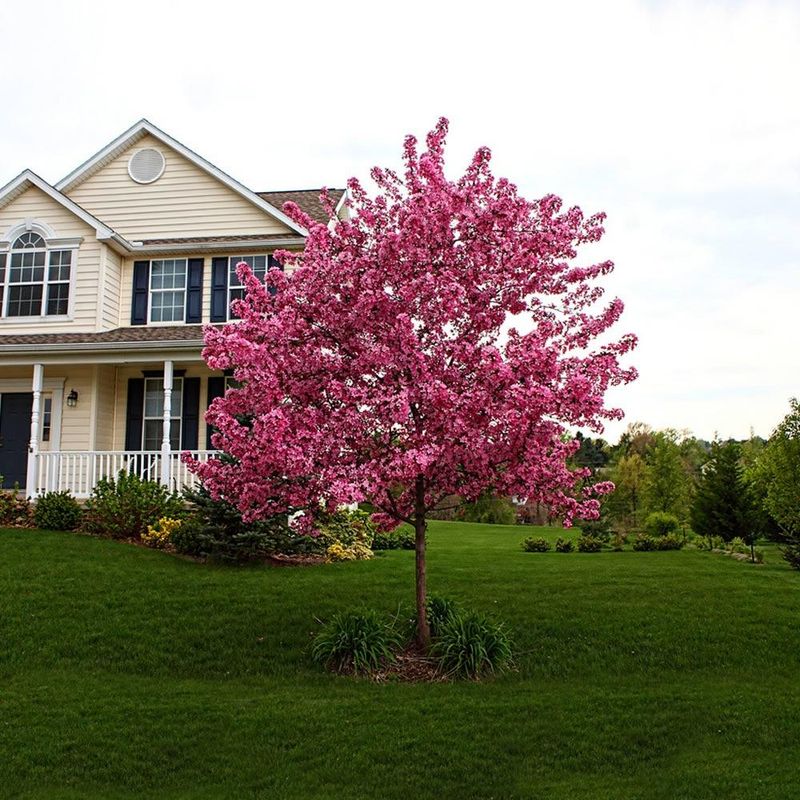
Spring flower displays rival cherry blossoms, with clouds of pink or white covering every branch in late April through May.
Modern disease-resistant varieties have solved the problems that plagued older crabapples, making them reliable performers in Northeast Ohio. Trees stay between 15 and 25 feet depending on variety, with rounded or upright forms to match your landscape needs.
Small fruits persist through winter, feeding birds when other food sources become scarce.
Select varieties with persistent fruit that stays attractive rather than dropping and creating mess.
Fall foliage ranges from yellow to orange-red, adding another season of color beyond spring flowers. Plant in full sun for best flowering and disease resistance, as shade encourages problems.
Crabapples tolerate urban conditions and compacted soil better than many flowering trees, but should be protected from heavy road salt exposure.
Prune in late winter to maintain shape and remove any crossing branches that might rub.
Space properly to ensure good air circulation, which prevents fungal diseases in our humid summer climate.
Varieties like ‘Prairifire’ and ‘Royal Raindrops’ offer purple foliage that contrasts beautifully with pink flowers.
These trees grow relatively quickly, providing substantial presence within three to five years of planting.
Consider planting as a small shade tree over patios or as specimens in lawn areas where you can appreciate flowers from multiple angles.
7. Field Maple Build Compact Shade Without Bulk
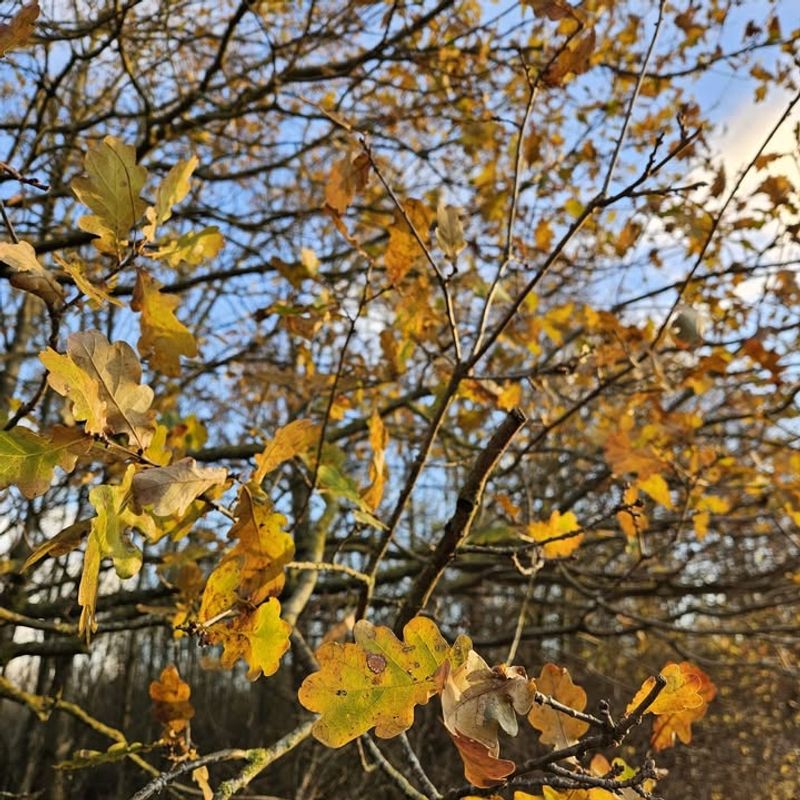
European native Field Maple delivers full shade tree benefits in a package that fits Northeast Ohio small yards perfectly. Mature height reaches 25 to 35 feet with similar spread, providing substantial canopy without overwhelming property boundaries.
Dense branching creates excellent shade for patios and play areas during hot summer months.
Three-lobed leaves emerge bright green, darken through summer, then turn brilliant yellow-orange in fall. Bark develops attractive corky ridges with age, adding textural interest during winter months.
This maple tolerates urban conditions including pollution, compacted soil, and drought once established.
Plant in full sun to partial shade, though best form develops with at least six hours of direct sunlight. Field Maple adapts to various soil types, handling both clay and sandy conditions common across Northeast Ohio.
Roots stay relatively shallow but non-invasive, making this tree safer near foundations and underground utilities than Silver or Norway Maple.
Prune young trees to develop strong central leader and well-spaced branches that support heavy snow loads.
Growth rate remains moderate, so trees develop strong wood less prone to storm damage.
Consider this maple as a lawn specimen or shade tree over seating areas where you want relief from summer sun. The compact size means you can plant closer to houses than larger maples without worrying about future problems.
Because Field Maple is non-native, avoid planting near natural woodlands where it may self-seed.
8. Chinese Elm Narrow Form Grow Tall Style In Tight Spaces
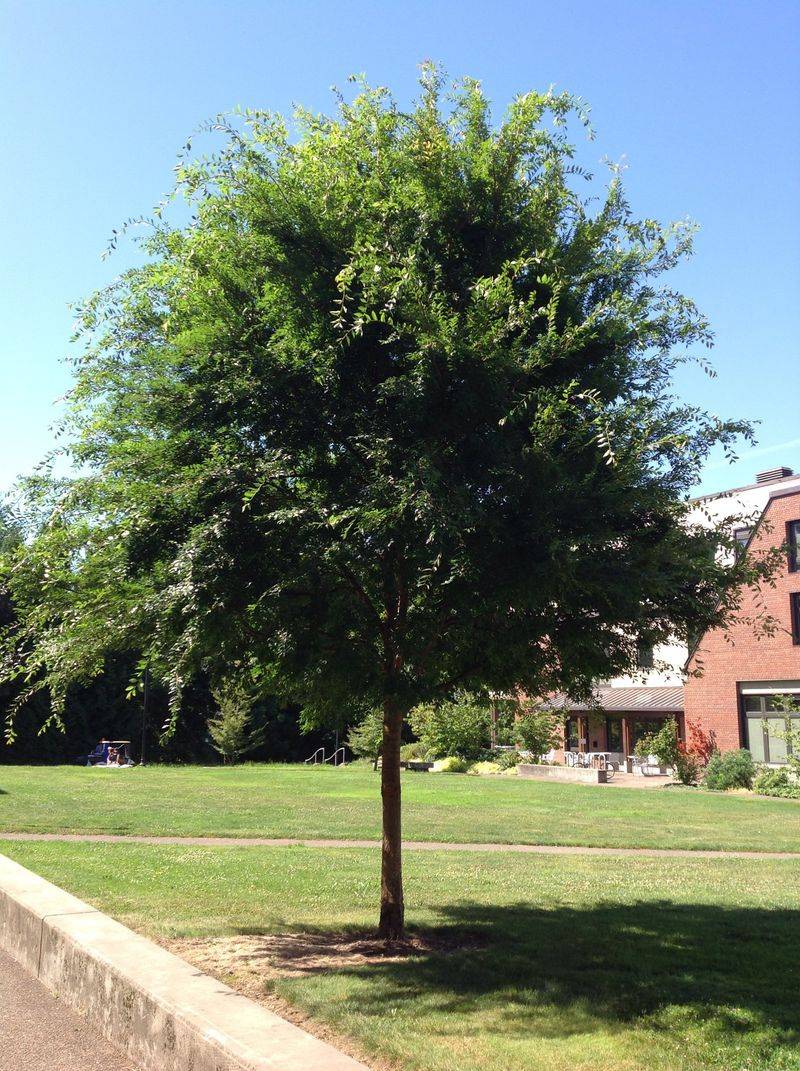
Columnar varieties solve the problem of adding height without eating up precious yard width in small Northeast Ohio properties. Narrow forms like ‘Bosque’ reach 40 feet tall but stay only 15 feet wide, creating vertical accent without horizontal sprawl.
Small serrated leaves create fine texture that contrasts beautifully with bolder-leaved plants in mixed borders.
Exfoliating bark reveals orange and brown patches that provide year-round visual interest.
Fall color ranges from yellow to reddish-purple depending on variety and weather conditions.
Plant in full sun for best growth and strongest branching structure.
This tree tolerates urban conditions admirably, handling pollution, compacted soil, and heat reflected from pavement. However, this species can self-seed aggressively in some areas, so monitor seedlings and avoid planting near natural spaces.
Moderate growth rate means trees establish quickly without developing weak wood prone to breakage.
Prune minimally, removing only damaged or crossing branches to maintain the naturally narrow form.
Chinese Elm adapts to various soil types but performs best with consistent moisture during the first growing season. Use these trees to frame entryways, line driveways, or create vertical accents in narrow side yards.
The upright habit makes Chinese Elm perfect for planting near property lines where spreading trees would encroach on neighbors.
Cold hardiness through Zone 5 ensures reliability throughout Northeast Ohio’s temperature extremes.
9. Dwarf Blue Spruce Add Year Round Evergreen Structure
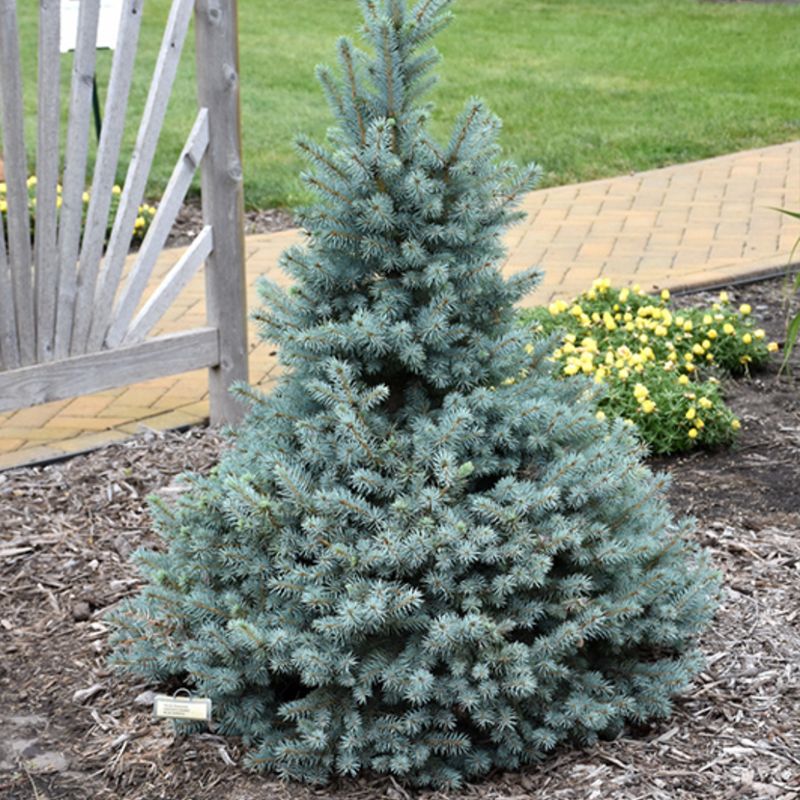
Silvery-blue needles provide constant color when deciduous trees stand bare during Northeast Ohio’s long winters.
True dwarf varieties like ‘Globosa’ stay under 15 feet, while semi-dwarf types such as ‘Fat Albert’ can reach 25 to 30 feet tall.
Pyramidal or rounded forms work as focal points, foundation plantings, or year-round privacy screens. New growth emerges lighter blue in spring, creating two-toned effect before needles mature to match older growth.
This conifer tolerates cold, wind, and snow better than most evergreens, making it bulletproof in our climate. Plant in full sun for best color development, as shade causes needles to lose their distinctive blue cast.
Dwarf Blue Spruce handles various soil types including clay common throughout Northeast Ohio.
Water consistently the first year while roots establish, then the tree becomes quite drought tolerant. Avoid planting in poorly drained areas where roots sit in water during spring thaw or heavy rains.
Prune only to remove damaged branches, as these trees naturally maintain attractive form without shaping.
Consider pairing with flowering trees or shrubs where blue foliage creates stunning contrast against pink, white, or red blooms. The evergreen structure provides crucial winter interest and serves as backdrop for seasonal color changes in surrounding plants.
Birds appreciate dense branching for shelter during storms and nesting sites in spring.