The 9 Best Valentine’s Flowers To Plant In California Right Now
Valentine’s Day is a great excuse to add flowers to your garden, but why stop at cut blooms? In California’s mild climate, many Valentine’s flowers can go straight into the ground and grow for months.
Planting now gives them a head start on color and life.
Choosing the right blooms makes all the difference. Some flowers handle our sunshine and soil better than others.
When you plant varieties suited to California conditions, they get established faster and stay healthier through spring and beyond.
Whether you’re planting for someone special or brightening your own yard, the right flowers can make February feel more hopeful and cheerful. These choices are reliable, beginner-friendly, and perfect for planting right now.
1. Sweet Peas (Lathyrus odoratus)
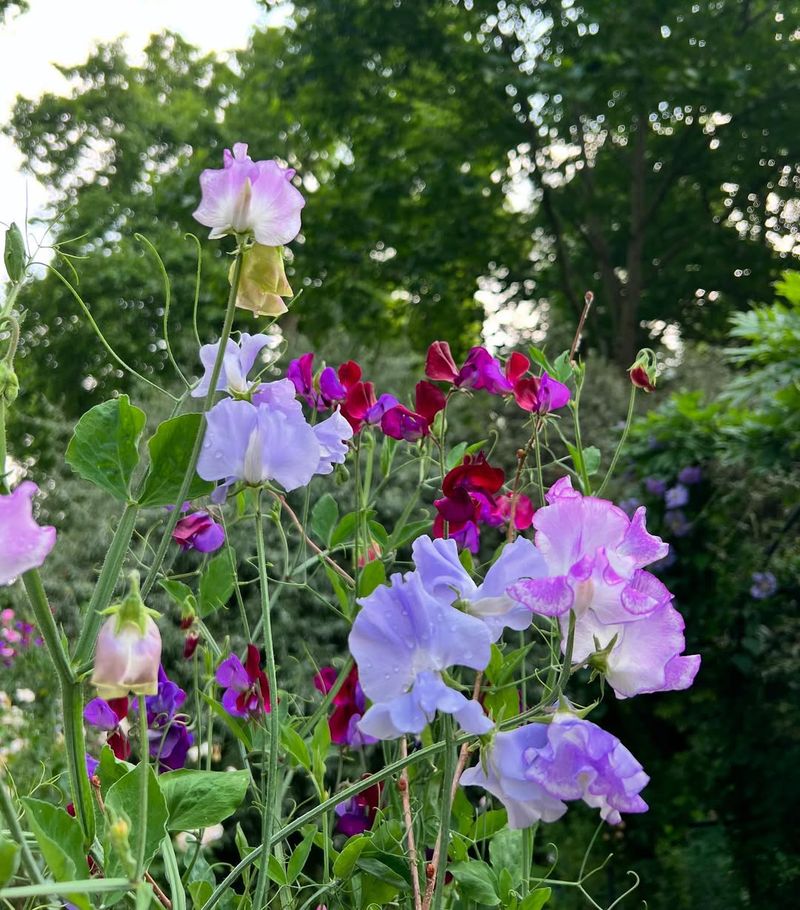
If you’ve been looking for a flower that combines old-fashioned charm with modern garden appeal, you’re in luck. Sweet peas deliver waves of ruffled blooms in shades of pink, purple, white, and red, all the colors that scream Valentine’s romance.
Their legendary fragrance fills your garden with a perfume so sweet it rivals any store-bought bouquet.
California’s winter chill actually helps sweet peas germinate better than spring warmth would. Plant seeds directly into garden beds or along fence lines where they can climb.
They prefer full sun along the coast and appreciate afternoon shade inland where temperatures spike earlier in spring.
These climbers need support, so set up trellises, stakes, or even decorative obelisks before planting. Water them regularly during our dry winters, but don’t drown the roots.
Mulch helps retain moisture while keeping soil temperatures stable.
Sweet peas bloom prolifically from late winter through late spring if you keep picking the flowers. The more you cut, the more they produce, making them perfect for Valentine’s vases and spring entertaining.
Deadhead spent blooms to extend the show, and watch hummingbirds visit the tubular flowers throughout the season.
2. Pansies (Viola × wittrockiana)
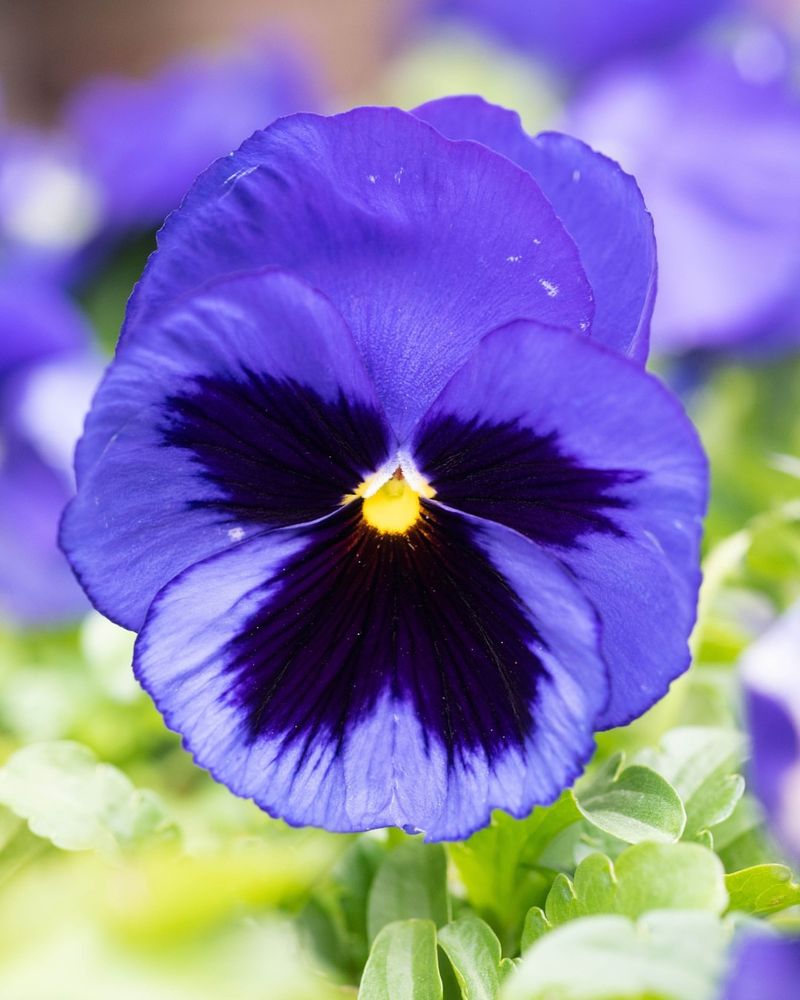
When your garden beds look bare and uninspiring after the holidays, pansies bring instant personality back to the landscape.
Their cheerful faces come in every Valentine’s color imaginable, from deep velvety purples to bright yellows, passionate reds, and even bicolors that look hand-painted.
Coastal gardeners enjoy them for months, while inland growers get reliable color before summer heat arrives.
Pansies tolerate light frosts beautifully, making them ideal for California’s unpredictable winter nights. Plant them in containers near your front door, tuck them into garden borders, or mass them in beds for maximum visual impact.
They prefer morning sun and afternoon shade in warmer inland areas but thrive in full sun along the coast.
These low-maintenance flowers ask very little of you. Water them when the top inch of soil feels dry, and feed them monthly with a balanced fertilizer to keep blooms coming.
Deadheading isn’t absolutely necessary, but removing spent flowers encourages fresh blooms and keeps plants looking tidy.
Pansies pair beautifully with other cool-season favorites like snapdragons and alyssum. Their compact size makes them perfect for window boxes, and their edible flowers add whimsical touches to Valentine’s desserts and salads.
3. Snapdragons (Antirrhinum majus)
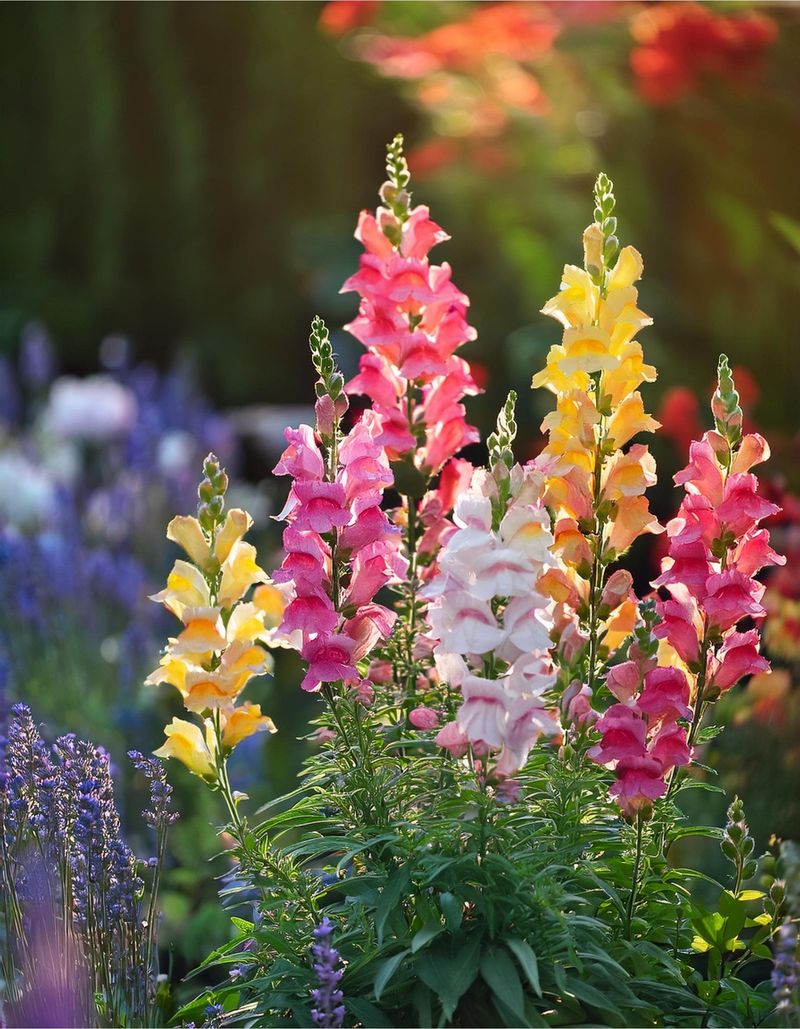
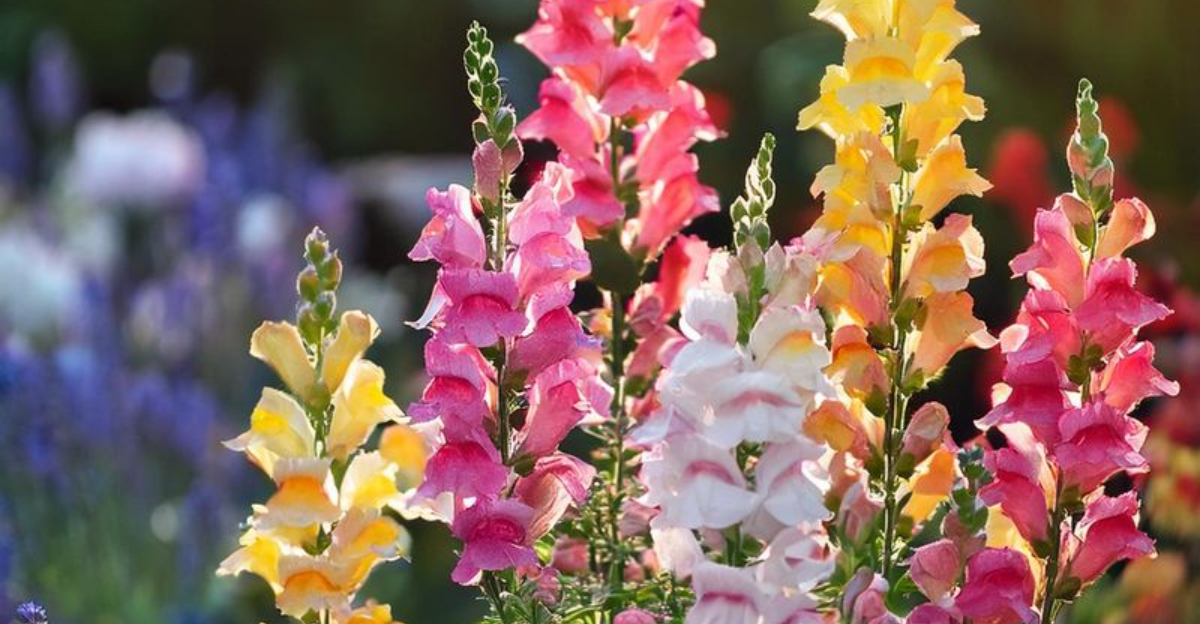
Picture tall spikes of color rising above your winter garden, each stem loaded with tubular blooms that kids love to squeeze open and shut like tiny dragon mouths. Snapdragons bring vertical interest to beds that might otherwise feel flat and one-dimensional.
They come in nearly every shade, including rich reds, soft pinks, sunny yellows, and elegant whites perfect for Valentine’s bouquets.
Our cool California winters create ideal conditions for snapdragons to establish strong roots and produce abundant flowers. Plant them now, and you’ll have blooming stems by late February that continue well into May.
They handle light frosts without complaint and actually prefer the cooler temperatures we experience from January through March.
Full sun works best for snapdragons, though inland gardeners should provide some afternoon protection once April arrives.
Space plants about eight to twelve inches apart in well-draining soil, and water deeply but infrequently to encourage deep root growth.
Tall varieties may need staking in windy areas or along exposed borders.
Snapdragons make fantastic cut flowers, lasting over a week in vases when stems are cut just as the lower blooms open. Pinch back young plants to encourage bushier growth and more flower spikes.
Deer usually leave them alone, which is a bonus for rural and foothill gardeners.
4. Stock (Matthiola incana)
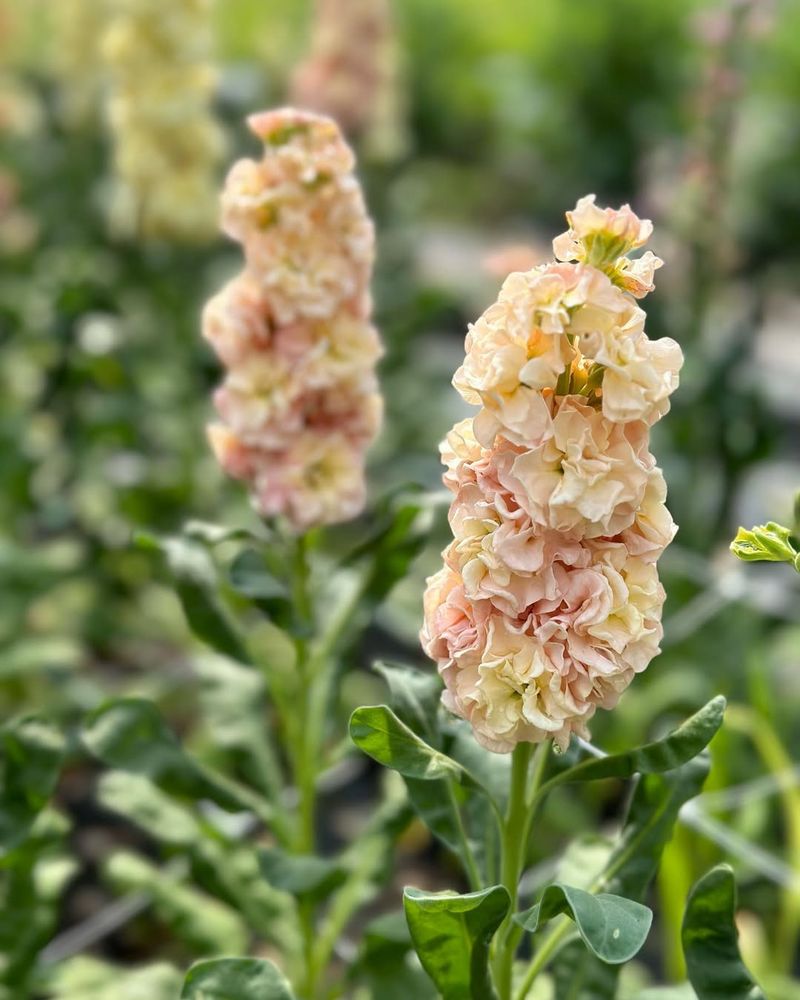
Few flowers can compete with stock when it comes to intoxicating fragrance. Walk past a bed of blooming stock on a mild February evening, and the spicy-sweet scent stops you in your tracks.
The dense flower spikes come in romantic shades of lavender, pink, white, cream, and burgundy, all perfect for Valentine’s-themed gardens and arrangements.
Stock thrives in California’s cool season, preferring the exact temperatures we experience right now. Plant transplants or sow seeds directly into beds with rich, well-amended soil.
They appreciate full sun in coastal areas and can handle part shade inland, especially as spring temperatures climb.
Water stock regularly to keep soil consistently moist but never waterlogged. These plants don’t tolerate drought well, so mulching helps maintain even moisture levels during dry winter weeks.
Feed them every few weeks with a bloom-boosting fertilizer to maximize flower production.
Stock works beautifully in mixed borders, cottage-style gardens, and cutting gardens. The taller varieties reach up to two feet and create stunning backdrops for lower-growing pansies and primroses.
Their fragrance intensifies in the evening, making them perfect near patios, walkways, and bedroom windows. Bees and butterflies visit the blooms regularly, adding even more life to your Valentine’s garden.
5. Calendula (Calendula officinalis)
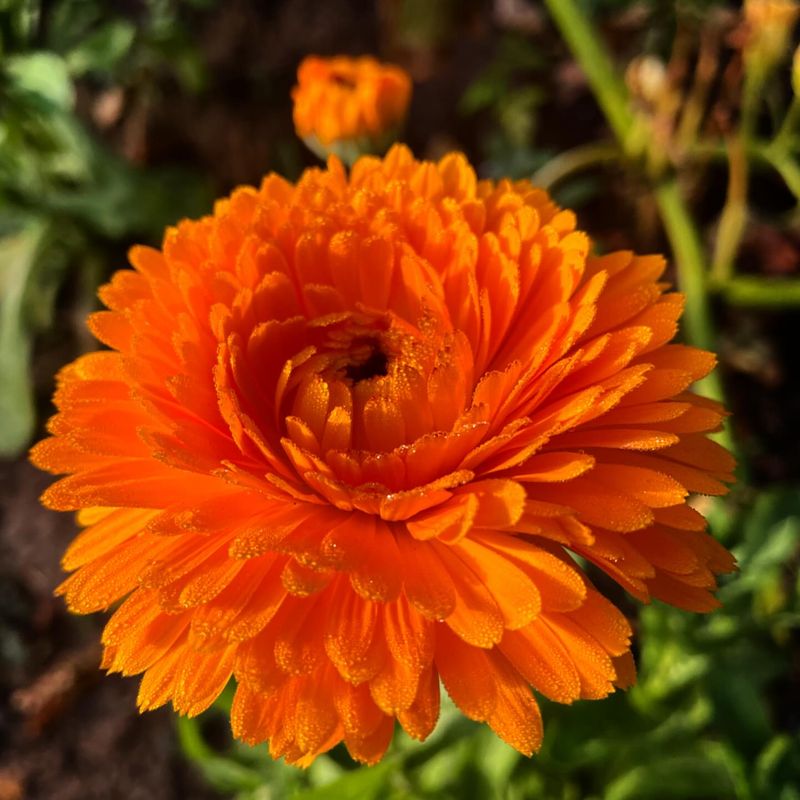
Cheerful and nearly indestructible, calendula brings sunny orange and yellow blooms to winter gardens when you need brightness most.
Sometimes called pot marigold, these daisy-like flowers open wide on sunny days and close slightly during overcast weather, creating a dynamic display that responds to California’s changeable winter skies.
Calendula tolerates poor soil better than most flowers, though it performs best in moderately fertile, well-draining beds. Sow seeds directly into garden borders, vegetable beds, or containers, and watch them germinate quickly in our cool temperatures.
They prefer full sun but tolerate partial shade, making them adaptable to various garden spots.
These low-maintenance beauties rarely need fertilizer and handle dry spells better than many cool-season annuals. Water them when soil feels dry an inch below the surface, and they’ll reward you with continuous blooms from late winter through late spring.
Deadhead spent flowers to keep new buds forming.
Calendula petals are edible and add peppery color to salads, soups, and rice dishes. The flowers attract beneficial insects to your garden, including ladybugs and lacewings that help control aphids.
Plant calendula near vegetable beds to create a pest-management powerhouse while adding Valentine’s-worthy color. Their cheerful blooms also make long-lasting cut flowers that brighten indoor spaces throughout February and March.
6. California Poppy (Eschscholzia californica)
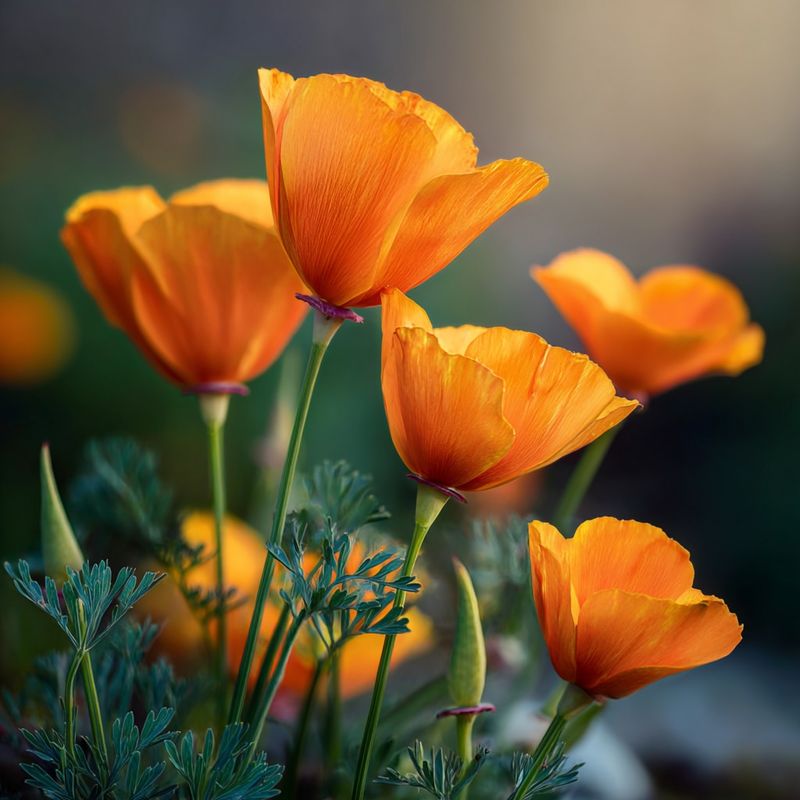
Our state flower deserves a place in every California Valentine’s garden, especially when you plant it now for early spring color. California poppies produce silky, cup-shaped blooms in shades of orange, yellow, cream, pink, and red.
They close at night and on cloudy days, then open wide when sunshine returns, creating a living display that celebrates our Mediterranean climate.
These native beauties thrive in conditions that would stress other flowers. They prefer lean, well-draining soil and actually bloom better without fertilizer or excessive water.
Scatter seeds directly onto bare soil, rake them in lightly, and let winter rains do most of the watering work. They germinate readily in cool temperatures.
California poppies tolerate drought, poor soil, and neglect once established, making them perfect for water-wise gardens and low-maintenance borders. They reseed freely, returning year after year without any effort on your part.
Plant them in full sun for best flowering, though they’ll tolerate light shade.
These poppies look stunning when mass-planted in drifts or meadow-style gardens. They pair beautifully with native grasses and other wildflowers, creating naturalistic displays that support local pollinators.
Their cheerful blooms last from late winter through early summer, providing months of color. Deer and rabbits usually avoid them, and they require zero fertilizer or special care beyond occasional watering during extended dry periods.
7. Ranunculus (Ranunculus asiaticus)
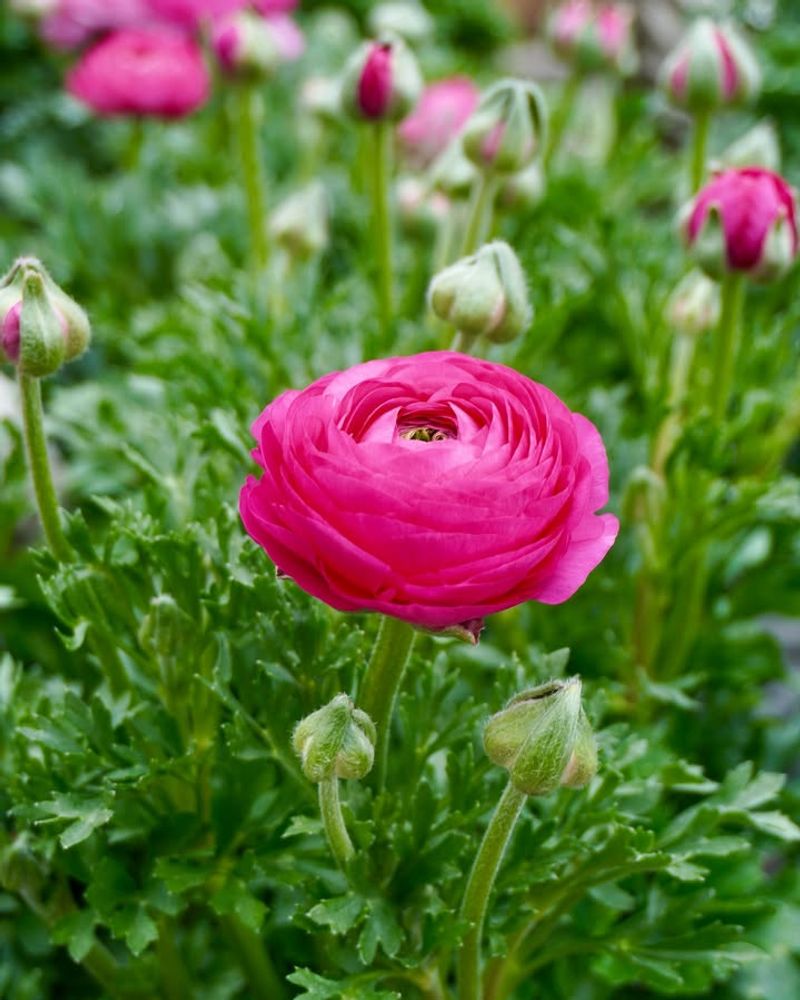
Ranunculus blooms look almost too perfect to be real, with layer upon layer of delicate petals forming roses that would make any florist jealous.
These romantic flowers come in every Valentine’s color, from pure white and soft pastels to vibrant pinks, reds, oranges, and yellows.
Each bloom can contain over a hundred petals, creating a lush, luxurious appearance that elevates any garden bed or container.
Plant ranunculus corms now, while soil temperatures remain cool and winter rains provide natural moisture. They prefer full sun in coastal areas and benefit from afternoon shade inland where spring arrives earlier.
Soak the claw-like corms in water for a few hours before planting them about two inches deep with the claws pointing downward.
Ranunculus needs consistent moisture during its growing season but abhors soggy soil. Plant them in well-draining beds or raised containers, and water regularly without overwatering.
Feed them monthly with a balanced fertilizer to support their prolific blooming habit.
These showstoppers bloom from late winter through late spring, producing multiple flowers per corm when conditions suit them. They make exceptional cut flowers, lasting up to two weeks in vases.
Ranunculus works beautifully in formal borders, cottage gardens, and container displays. Coastal gardeners often get the longest bloom period, while inland growers should harvest blooms before heat arrives in May.
8. Anemone (Anemone coronaria)
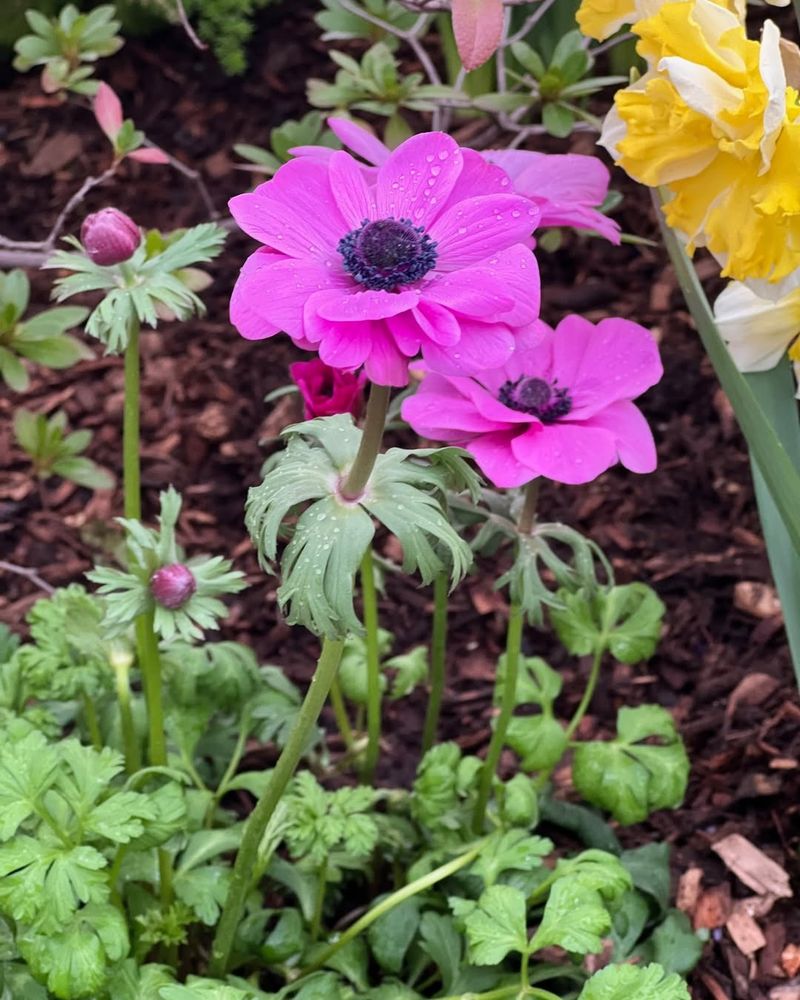
Bold and dramatic, anemones command attention with their poppy-like blooms centered by dark, contrasting eyes. The petals come in rich jewel tones, deep reds, purples, magentas, and blues, as well as softer pinks and whites.
Each flower features a distinctive black or deep purple center that creates striking visual contrast and adds sophistication to Valentine’s arrangements.
Plant anemone corms now during California’s cool season for best results. Soak them overnight before planting to jumpstart growth, then set them about two inches deep in well-draining soil.
They perform beautifully in full sun along the coast and appreciate some afternoon shade in warmer inland valleys.
Anemones prefer consistent moisture during their active growing period but won’t tolerate waterlogged conditions. Amend heavy clay soils with compost and sand to improve drainage, or plant them in raised beds and containers.
Water regularly during dry winter weeks, and feed monthly with a balanced fertilizer.
These elegant flowers bloom from late winter through spring, producing multiple stems per corm. They make outstanding cut flowers with excellent vase life, and their unique coloring adds depth to mixed bouquets.
Anemones naturalize well in California gardens, returning year after year when left undisturbed. They pair beautifully with ranunculus, creating designer-quality displays that rival anything you’d find at a flower market.
Deer typically avoid them, making them reliable choices for rural properties.
9. Primrose (Primula vulgaris)
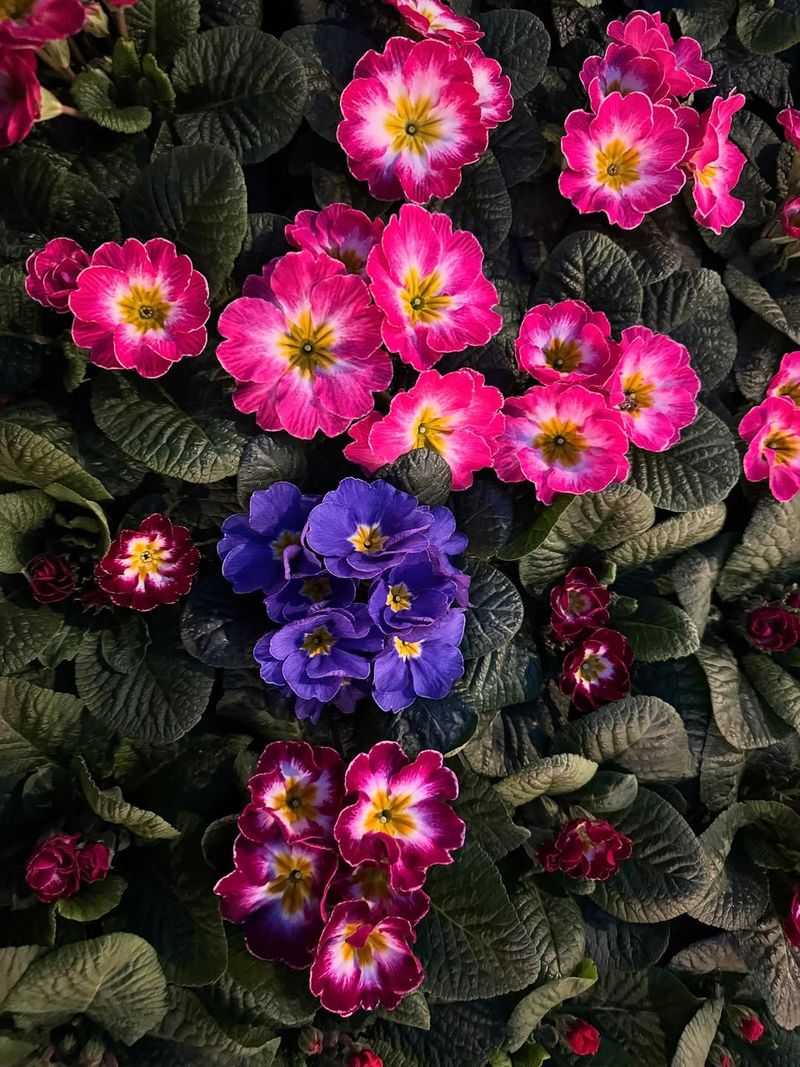
When you need color in shady spots where most flowers struggle, primroses come to the rescue. These compact plants produce clusters of cheerful blooms in every shade imaginable, including soft yellows, romantic pinks, deep purples, and classic reds.
Their low-growing habit makes them perfect for edging pathways, filling containers, and brightening shaded garden corners that feel forgotten during winter.
Primroses thrive in California’s cool season, preferring the mild temperatures we experience from January through April. Plant them in partial to full shade, especially in inland areas where direct sun can stress them.
Coastal gardeners can grow them in sunnier spots, though afternoon shade still benefits them.
These shade-lovers need consistently moist soil but won’t tolerate standing water. Amend planting beds with compost to improve moisture retention and drainage simultaneously.
Water them regularly during dry spells, and mulch around plants to keep roots cool and moist. Feed them monthly with a balanced fertilizer to support continuous blooming.
Primroses work beautifully in woodland-style gardens, under trees, along north-facing walls, and in containers on covered patios. They pair well with ferns, hostas, and other shade-loving plants.
Their compact size makes them ideal for small spaces and fairy gardens. Primroses bloom prolifically when happy, producing waves of color that last from late winter through late spring.
Deadhead spent blooms to encourage fresh flowers and maintain tidy appearances.