The 9 Best Vegetables For Winter Sowing In Oregon Gardens
Winter doesn’t have to slow down your Oregon garden. In fact, it opens the door to one of the easiest planting methods of the year.
Winter sowing lets seeds experience natural cold and moisture, creating stronger seedlings that adapt better to outdoor conditions. No grow lights.
No complicated setups. Just smart timing and the right crops.
Many vegetables actually prefer this slow, steady start and reward gardeners with earlier harvests and healthier plants.
While the ground may look quiet, important growth is already happening beneath the surface.
If you want to get ahead of spring crowds at the garden center and enjoy a smoother planting season, now is the time to start. These vegetables are perfectly suited for winter sowing in Oregon and can give your garden a powerful head start.
1. Lettuce
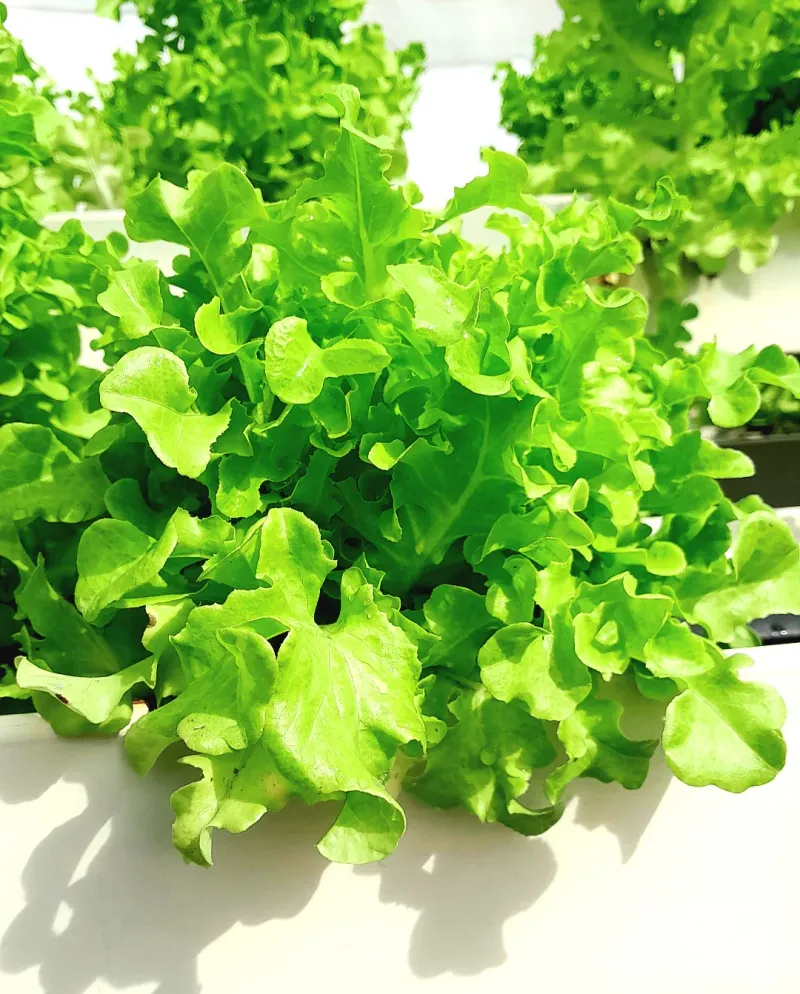
Lettuce seeds germinate in soil temperatures as low as 40°F, making them ideal candidates for winter sowing in Oregon gardens. You can start your containers anytime from late January through early March, depending on your location within the state.
Coastal gardeners might begin earlier, while those in higher elevations should wait until February.
Use clean milk jugs or clear plastic containers with drainage holes cut into the bottom. Fill them with a quality seed-starting mix and scatter lettuce seeds across the surface, barely covering them with soil.
These seeds need light to germinate, so keep the covering minimal.
Place your containers in a spot that receives morning sun but afternoon shade to prevent overheating on unexpectedly warm winter days. Oregon’s winter rains provide adequate moisture, but check your containers weekly.
If the soil feels dry beneath the surface, add water sparingly.
Lettuce seedlings typically emerge within two to three weeks once temperatures warm slightly in late winter. You can transplant them to garden beds in early April or harvest them directly from containers.
Succession planting every two weeks extends your harvest through late spring, giving you continuous fresh salads before summer heat arrives.
2. Spinach
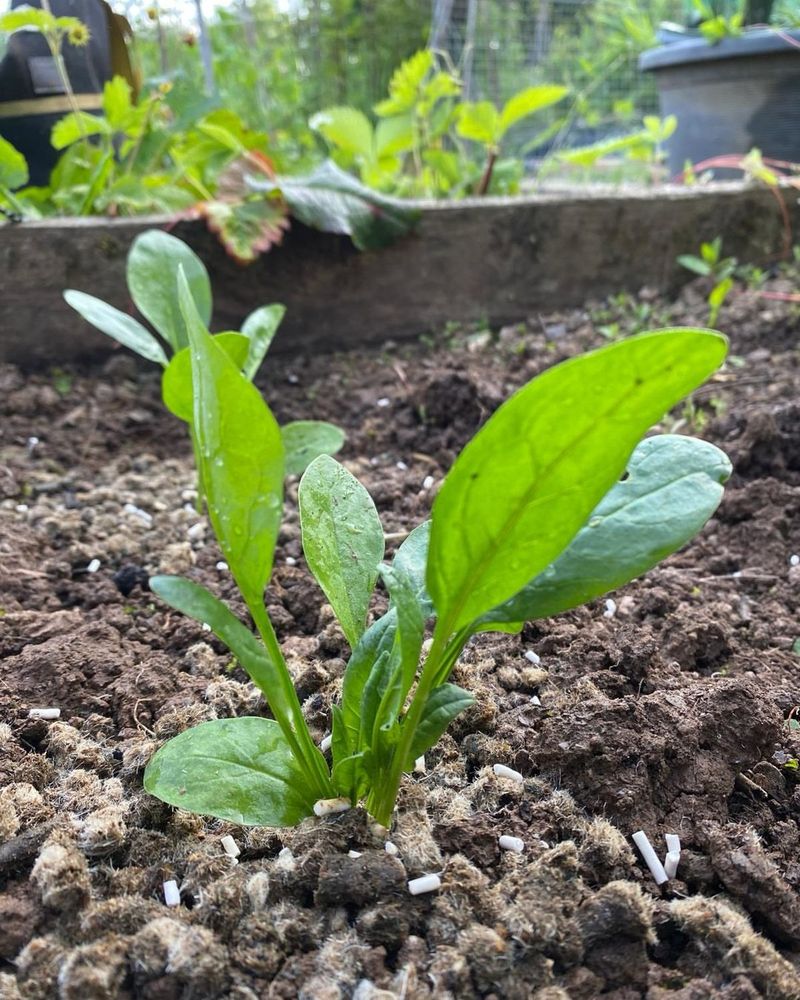
Cold-hardy spinach thrives when winter sown in Oregon, producing tender leaves earlier than spring-planted crops. Seeds tolerate freezing temperatures and actually benefit from the cold exposure, which breaks their dormancy naturally.
Start your containers in mid-January through February for best results across most Oregon regions.
Prepare your winter sowing containers by cutting ventilation slits near the top and drainage holes at the bottom. Fill with moistened potting mix and plant spinach seeds about half an inch deep, spacing them an inch apart.
The seeds are large enough to handle individually, making planting straightforward.
Position containers where they receive full winter sun, as Oregon’s cloudy days provide limited light. Your spinach seeds remain dormant during the coldest weeks, then germinate when soil temperatures reach the mid-40s.
This timing happens naturally as February transitions into March.
Water sparingly during winter months since Oregon rainfall keeps containers moist. Check weekly and add water only if the top inch of soil feels completely dry.
Overwatering causes more problems than underwatering during cold weather.
Expect germination within three weeks of warmer weather arriving. Transplant seedlings to garden beds in late March or early April, spacing them four inches apart.
Your winter-sown spinach produces harvests by early May, weeks before traditionally planted spring crops mature.
3. Kale
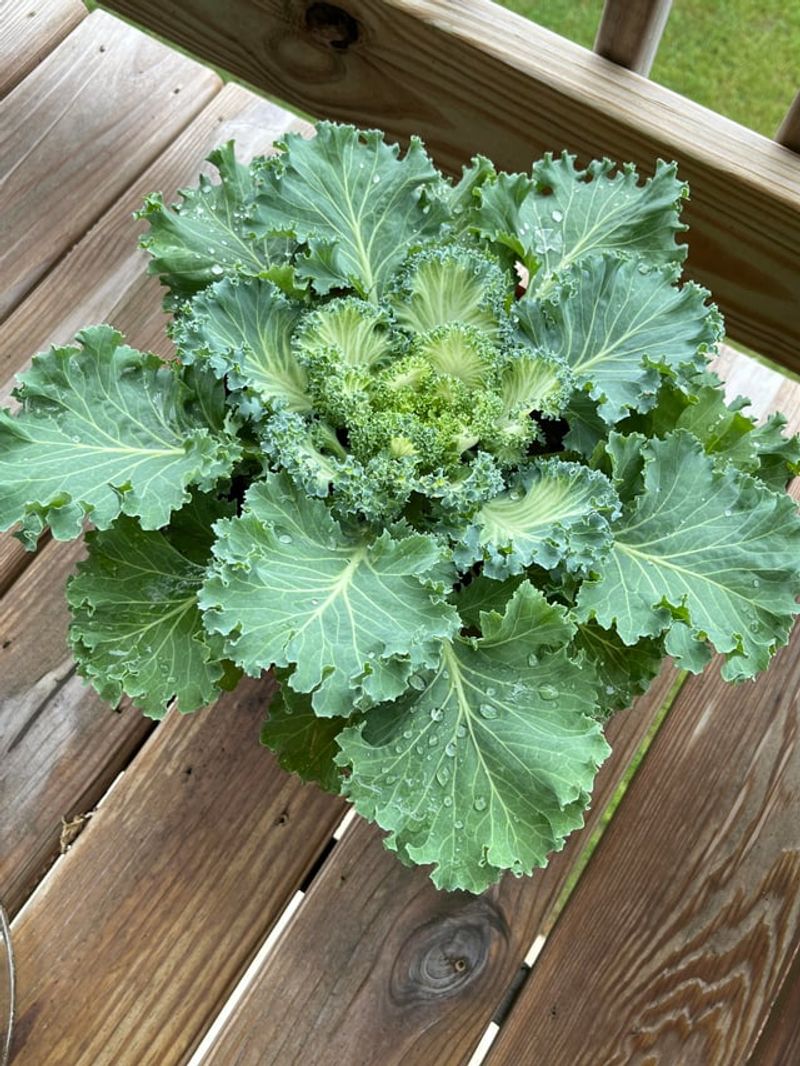
Few vegetables handle Oregon winters better than kale, which actually improves in flavor after cold exposure. Winter sowing kale gives you robust seedlings ready for early spring transplanting, resulting in harvests throughout summer and fall.
Begin your containers anytime from late January through mid-February for optimal timing.
Select sturdy containers like gallon milk jugs that provide room for kale’s substantial root development. Cut ventilation openings on the sides and create multiple drainage holes.
Fill with rich potting soil mixed with compost, then plant seeds half an inch deep, spacing them two inches apart.
Kale seeds germinate in cooler temperatures than many vegetables, sprouting when soil reaches 45°F. Place your containers in full sun locations where they receive maximum winter light.
Oregon’s typical winter weather provides ideal conditions without requiring much intervention from you.
Monitor moisture levels weekly, though winter rains generally provide sufficient water. Your containers should feel heavy when lifted.
If they feel light, add water until it drains from the bottom holes.
Seedlings emerge in late February or early March as temperatures gradually rise. Transplant them to garden beds in mid-March, spacing plants twelve inches apart.
Winter-sown kale develops stronger root systems than greenhouse-started plants, making them more drought-tolerant once summer arrives and better able to withstand pest pressure throughout the growing season.
4. Arugula
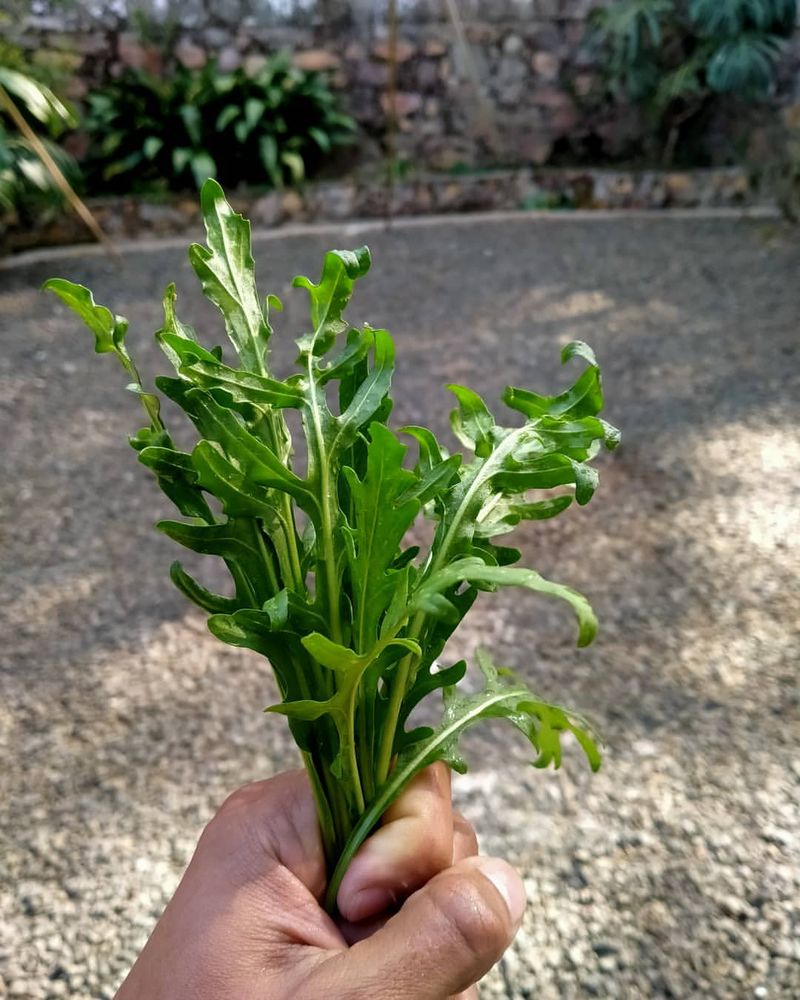
Fast-growing arugula excels with winter sowing techniques, producing peppery greens earlier than any spring planting method. This Mediterranean native tolerates Oregon’s cool, wet winters surprisingly well when given proper drainage.
Set up your containers from late January through early March depending on your microclimate.
Arugula seeds are tiny, so mix them with sand before broadcasting across your container surface for even distribution. Press them gently into moistened seed-starting mix, covering with just an eighth inch of soil.
Too much covering prevents germination, as these seeds need some light exposure.
Choose containers with excellent drainage since arugula dislikes soggy conditions despite tolerating cold temperatures.
Place them where they receive morning sun and protection from harsh afternoon winds that sometimes sweep through Oregon valleys during winter storms.
The containers’ transparent tops create mini-greenhouses that warm soil on sunny days.
Check moisture every few days rather than weekly, as arugula prefers consistently moist but never waterlogged soil. Oregon’s rainfall pattern works well, though you may need supplemental watering during occasional dry spells.
Germination occurs within ten days once temperatures reach the low 40s, typically in late February. You can begin harvesting baby leaves directly from containers in early April or transplant seedlings to garden beds in mid-March.
Successive sowings every two weeks provide continuous harvests until hot weather arrives in June.
5. Chard
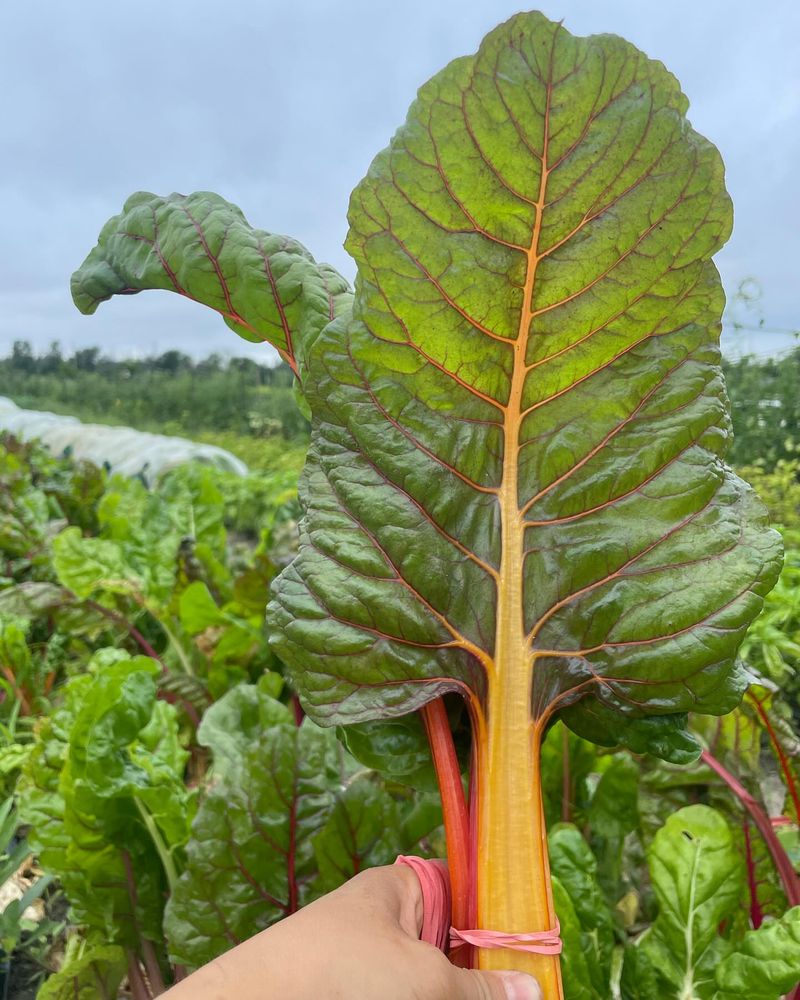
Chard’s vibrant stems and nutritious leaves make it a garden favorite, and winter sowing produces exceptionally vigorous plants.
This reliable vegetable tolerates Oregon’s temperature fluctuations better than many greens, continuing to produce even when unexpected cold snaps arrive.
Start containers between mid-January and late February for best establishment.
Each chard seed is actually a cluster containing multiple seeds, so expect several seedlings from each planting spot. Space these seed clusters two inches apart in containers filled with nutrient-rich potting mix.
Plant them half an inch deep and firm the soil gently over them.
Position containers in locations receiving full sun during winter months, as chard benefits from maximum light exposure. The plants develop stronger stems and deeper leaf color when grown in bright conditions.
Oregon’s cloudy winter days mean every bit of available sunlight matters for healthy development.
Water moderately, allowing the soil surface to dry slightly between waterings. Chard tolerates brief dry periods better than constant moisture, which can lead to fungal issues in cold weather.
Your containers should feel medium-weight when lifted, not heavy or light.
Seedlings appear within two to three weeks as temperatures warm into March. Thin clusters to the strongest seedling when they develop true leaves.
Transplant to garden beds in early April, spacing plants ten inches apart. Winter-sown chard produces harvests from May through October, with leaves sweetening after light frosts.
6. Carrots
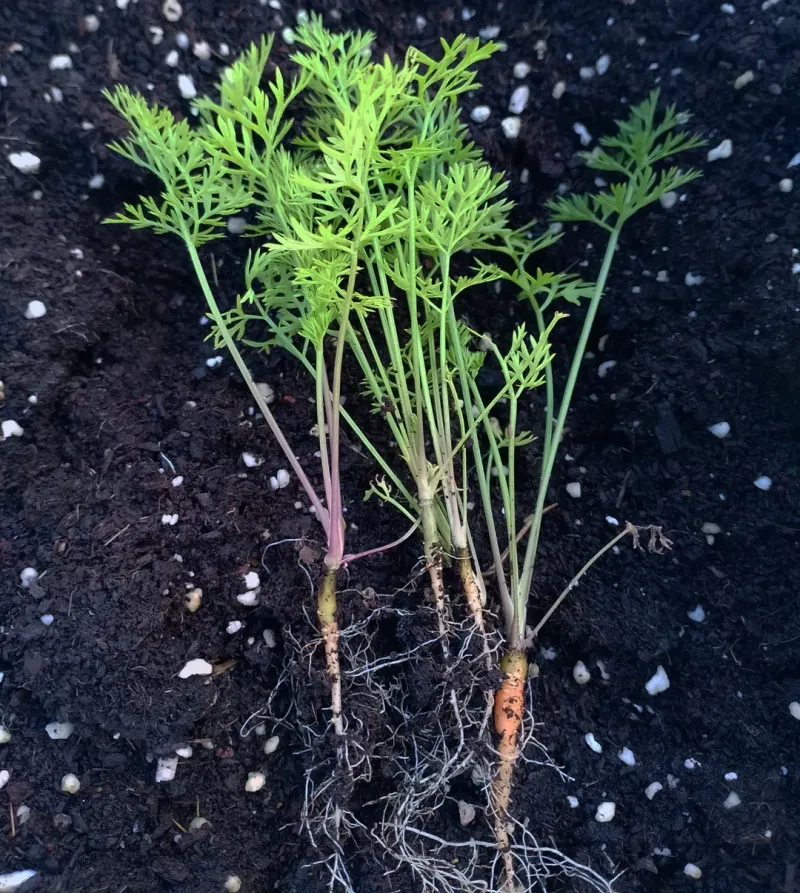
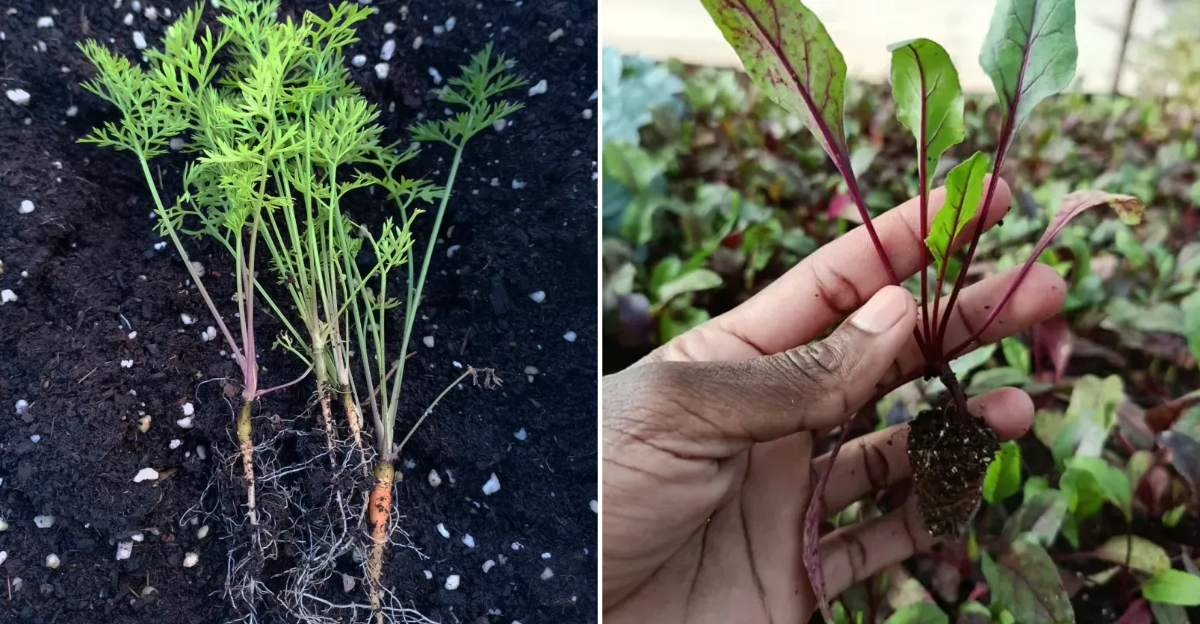
Carrots respond beautifully to winter sowing, developing strong taproots and sweet flavor when started early. This method works particularly well in Oregon because carrots germinate slowly in cold soil, and winter sowing lets nature handle the timing perfectly.
Begin containers from late January through mid-February for best establishment before spring.
Mix tiny carrot seeds with sand for even distribution across container surfaces. Barely cover them with fine potting mix, as they need light to germinate.
Use deep containers, at least eight inches, to accommodate carrot root development. Drainage is critical since carrots rot in waterlogged conditions.
Position containers where they receive full sun throughout the day. Carrots need warm soil for germination, so the greenhouse effect created by transparent container tops helps significantly.
Oregon’s gradual spring warming provides ideal conditions once the coldest weeks pass.
Keep soil surface consistently moist during germination, which can take three weeks or longer in cold conditions. Once seedlings emerge, reduce watering frequency but maintain even moisture.
Carrots develop forked roots in soil that alternates between wet and dry.
Seedlings appear in late February or March as temperatures rise. Thin them to one inch apart when they develop true leaves.
Transplant carefully to garden beds in early April, though carrots also grow well in deep containers. Winter-sown carrots reach harvest size by June or July, offering sweet roots before summer-planted varieties mature in fall.
7. Radishes
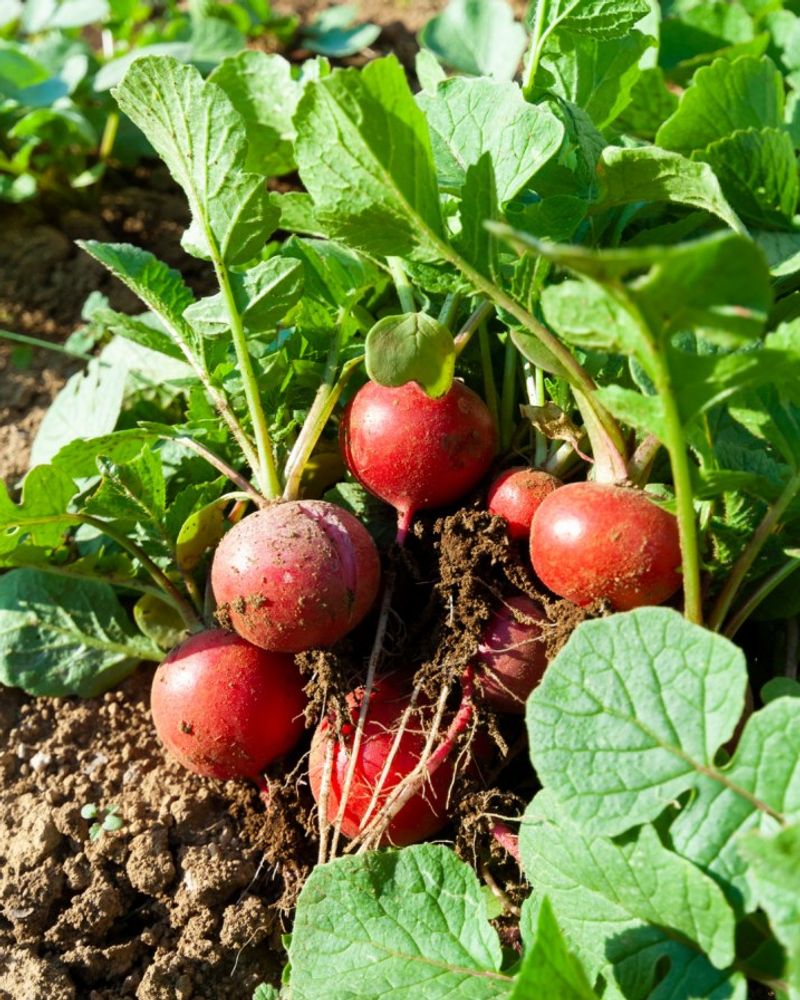
Quick-maturing radishes reward winter sowing efforts with crisp roots ready to harvest just weeks after transplanting. These root vegetables tolerate cold soil better than most crops, making them perfect for Oregon’s winter sowing conditions.
You can start containers anytime from early February through mid-March for spring harvests.
Radish seeds are large enough to plant individually, which prevents overcrowding problems. Space them one inch apart in containers filled with loose, well-draining potting mix.
Plant seeds half an inch deep, ensuring good soil contact for reliable germination.
Select containers at least four inches deep to accommodate radish root development. Place them in full sun locations where soil warms quickly on bright days.
Radishes prefer warmer germination temperatures than leafy greens, sprouting best when soil reaches 50°F.
Keep soil consistently moist but never soggy, checking containers every few days. Uneven watering causes radishes to split or become woody, so regular moisture matters more for this crop than others.
Oregon’s spring rains help, but monitor containers during dry periods.
Germination typically occurs in early to mid-March as temperatures rise. Transplant seedlings to garden beds in late March or early April, spacing them two inches apart in rows.
Your winter-sown radishes reach harvest size by late April or early May, providing fresh vegetables when few other crops are ready to pick from the garden.
8. Peas
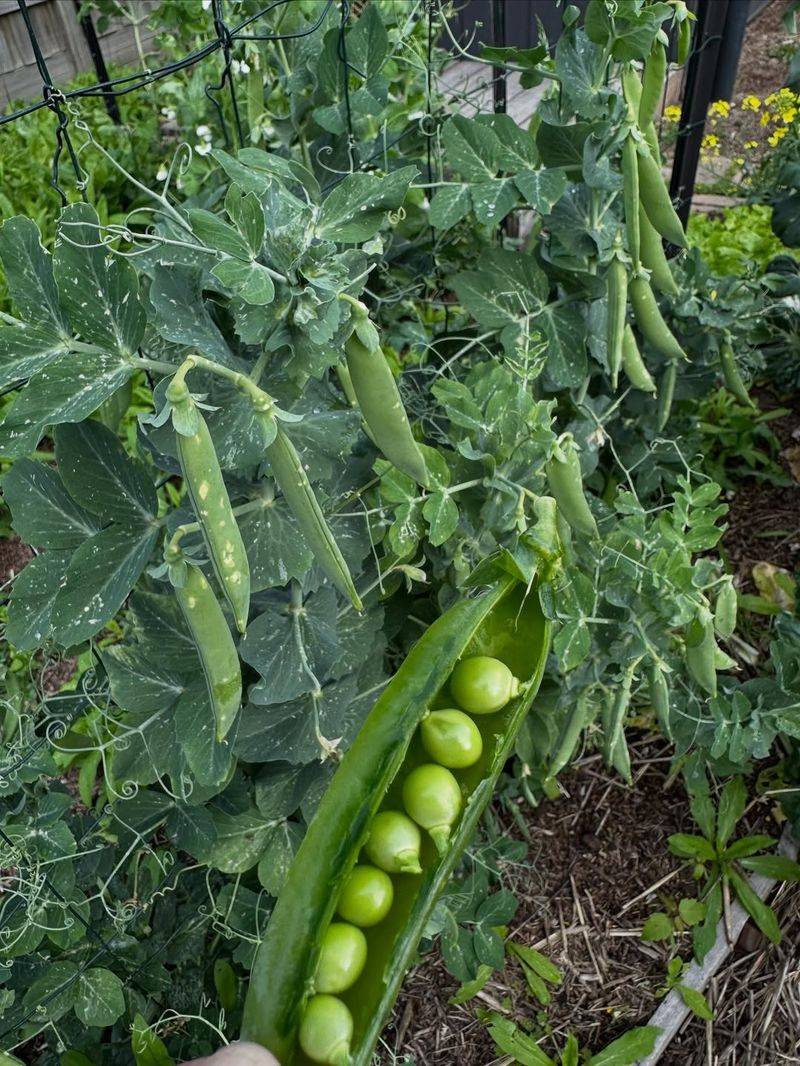
Garden peas are legendary for cold tolerance, making them outstanding candidates for winter sowing in Oregon gardens. Both shelling and snap pea varieties work well with this method, producing earlier harvests than direct-sown spring crops.
Set up your containers from mid-January through early February for optimal results across most Oregon locations.
Pea seeds benefit from overnight soaking before planting, which speeds germination and improves success rates. Plant them one inch deep and two inches apart in containers at least six inches deep.
Use quality potting mix that drains well, as peas dislike waterlogged conditions despite needing consistent moisture.
Place containers in full sun where they remain protected from strong winds that can topple the containers once plants grow tall. Peas develop extensive root systems even as seedlings, so avoid disturbing them unnecessarily.
The transparent container tops create warm microclimates that encourage growth during cold weeks.
Water when the soil surface feels dry, maintaining even moisture without oversaturation. Oregon’s winter rains provide much of what peas need, though you might supplement during occasional dry periods.
Check containers weekly by lifting them to gauge weight.
Seeds germinate in late February or early March when soil temperatures reach the mid-40s. Transplant seedlings carefully to garden beds in mid-March, spacing them three inches apart along supports.
Winter-sown peas begin producing pods in May, giving you harvests before summer heat reduces production and quality.
9. Beets
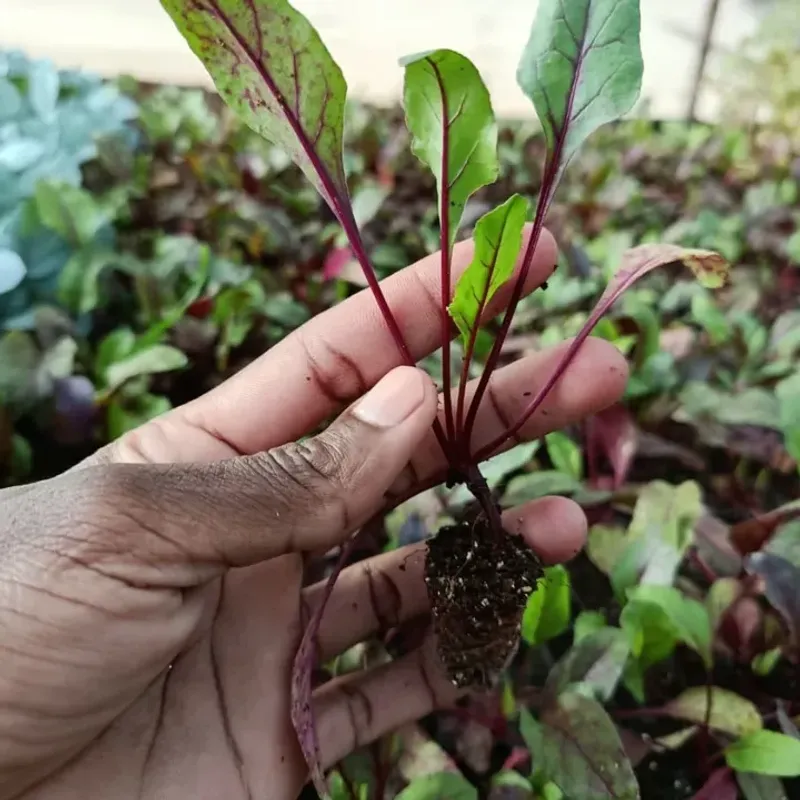
Beets offer dual harvests of nutritious greens and sweet roots, making them valuable additions to winter sowing plans.
These hardy vegetables tolerate Oregon’s cool, wet winters exceptionally well and actually develop better flavor when grown in cooler conditions.
Start your containers between late January and mid-February for optimal spring establishment.
Like chard, beet seeds are clusters that produce multiple seedlings. Plant them one inch apart and half an inch deep in containers filled with loose, fertile potting mix.
Beets prefer slightly alkaline soil, so consider adding a small amount of lime to your mix if you have acidic Oregon soil.
Choose containers at least six inches deep to allow proper root development. Place them in full sun locations where soil warms steadily as spring approaches.
Beets tolerate partial shade better than many root crops but produce larger roots with adequate sunlight.
Maintain consistent soil moisture without overwatering, as beets develop tough, woody roots in dry conditions but rot in soggy soil.
Oregon’s typical winter precipitation pattern suits beets well, though you should monitor containers weekly and water when the surface feels dry.
Germination occurs in late February or early March when soil temperatures reach 45°F. Thin seedling clusters to the strongest plant when they develop true leaves.
Transplant to garden beds in early April, spacing them four inches apart. Winter-sown beets produce tender greens for harvest in May and mature roots by June or early July.