The 10 Best Vegetables To Grow In North Carolina Garden Beds
Garden beds love a good plan. Strong choices grow stronger results. Fresh food starts with smart planting.
Warm soil and long sunny days set the stage for big harvests and happy weekends in the yard. Many growers across California already know how powerful the right vegetable mix can be.
The same magic happens in North Carolina where garden beds can stay productive from early spring through late summer. Easy growers save time. Reliable crops boost confidence. Tasty harvests keep motivation high.
No one wants to babysit plants that struggle to keep up with the season. Productive vegetables show up ready to work and reward you again and again. Homegrown food tastes better.
Garden success feels even better. Curious about which vegetables truly thrive in North Carolina garden beds and which ones give the biggest payoff for your effort? Stick around because the next few minutes could change the way your garden grows this year.
1. Tomatoes (Solanum Lycopersicum)
Nothing beats the flavor of a sun-warmed tomato picked fresh from your garden. North Carolina’s long growing season provides ideal conditions for these popular vegetables. Plant them after the last spring frost when soil temperatures reach at least sixty degrees.
Choose disease-resistant varieties to combat common problems like early blight and fusarium wilt. Cherokee Purple and Better Boy perform exceptionally well in local conditions.
Determinate types work great for smaller spaces while indeterminate varieties produce throughout summer.
Tomatoes need full sun exposure for at least six hours daily. Consistent watering prevents blossom end rot and fruit cracking. Add mulch around plants to maintain moisture and regulate soil temperature.
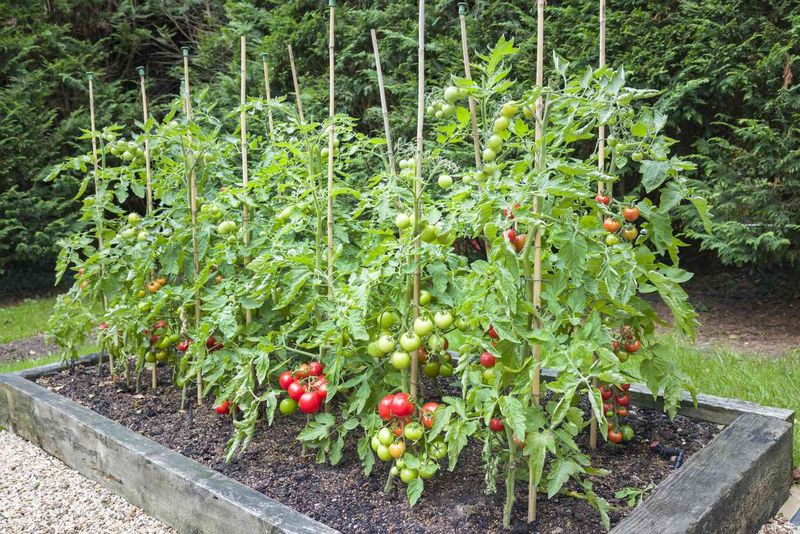
Staking or caging helps support heavy fruit loads as plants mature. Prune suckers from indeterminate varieties to encourage larger fruit production. Feed plants every two weeks with balanced fertilizer once flowering begins.
Harvest when fruits show full color but still feel slightly firm. Store them at room temperature rather than refrigerating for best flavor. With proper care, expect abundant yields from July through September in most North Carolina regions.
2. Bell Peppers (Capsicum Annuum)
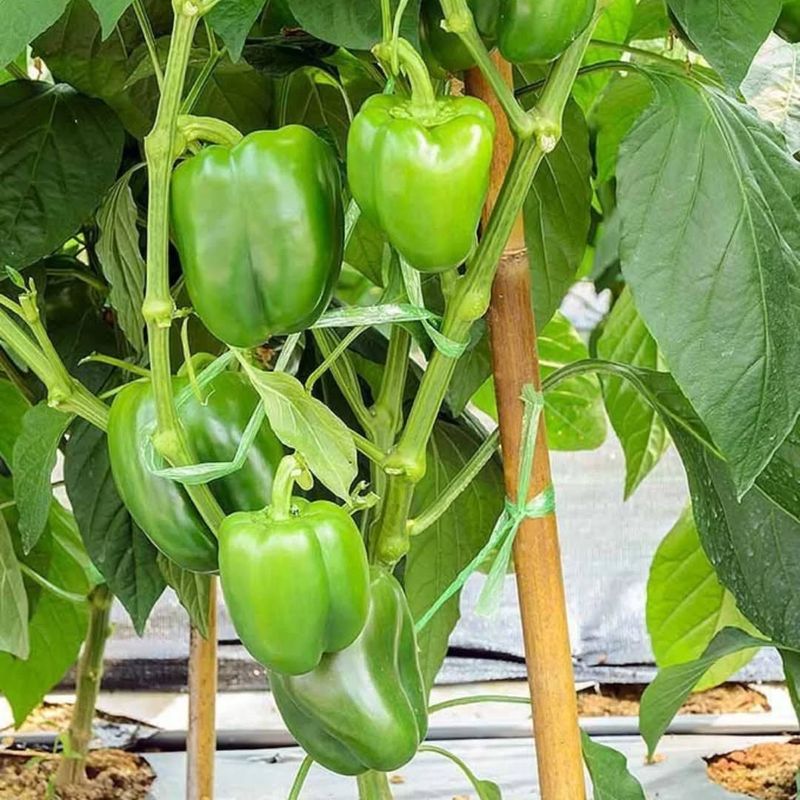
Sweet bell peppers transform from green to vibrant reds, yellows, and oranges as they ripen. These warm-season crops flourish in North Carolina’s summer heat with minimal fuss.
Wait until nighttime temperatures stay above fifty-five degrees before transplanting seedlings outdoors.
Full sun exposure encourages robust growth and fruit development throughout the season. Space plants eighteen inches apart to allow proper air circulation. Good airflow reduces disease pressure and promotes healthier plants overall.
Peppers appreciate consistent moisture but never tolerate waterlogged soil conditions. Apply two inches of organic mulch to conserve water and suppress weeds. This practice also keeps soil temperatures steady during temperature fluctuations.
Feed plants with balanced fertilizer every three weeks once flowering starts. Calcium supplements help prevent blossom end rot in developing fruits. Support branches with small stakes when fruits become heavy.
Green peppers can be harvested anytime after reaching full size. Allow them to remain on plants for sweeter, fully colored fruits. Most varieties mature within seventy to eighty-five days from transplanting.
Regular picking encourages continued production until first frost arrives. One healthy plant typically yields six to eight peppers per season.
3. Cucumbers (Cucumis Sativus)
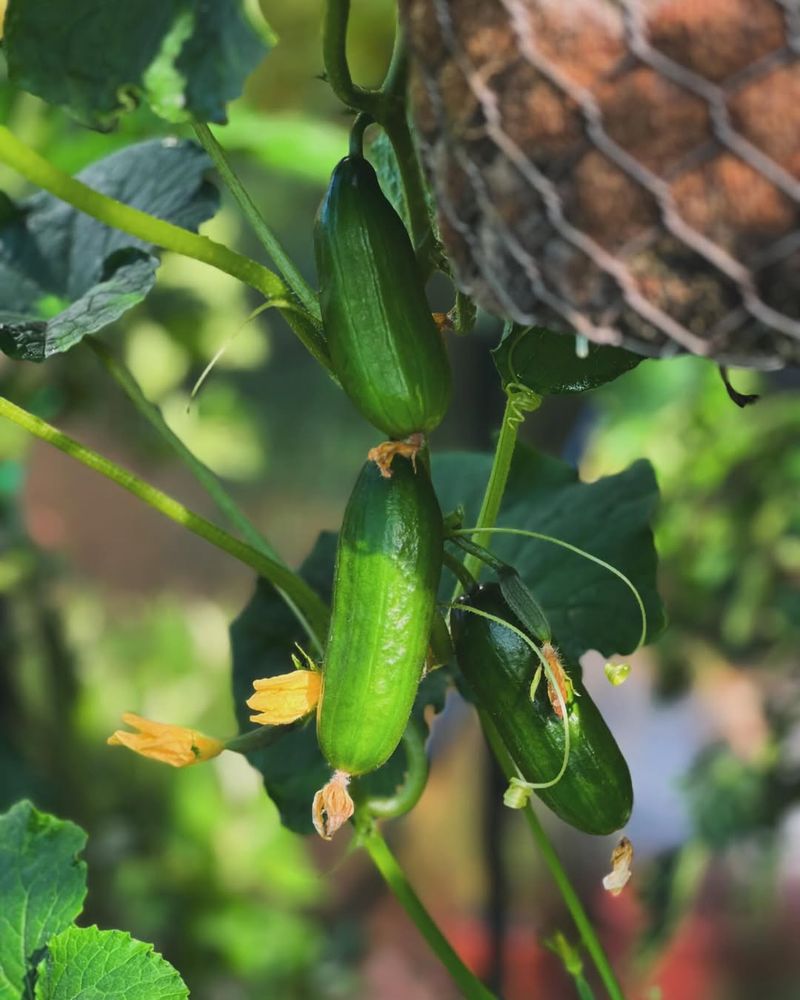
Fresh cucumbers bring crisp texture and mild flavor to summer salads and pickles. These fast-growing vines produce prolifically when given proper support and care. Plant seeds directly in garden beds after soil warms to sixty-five degrees.
Vertical growing on trellises saves space and produces straighter fruits. This method also improves air circulation around plants, reducing disease problems. Bush varieties work well in smaller raised beds without support structures.
Rich, well-draining soil amended with compost provides the nutrition cucumbers crave. Maintain consistent moisture throughout the growing season for best results. Irregular watering causes bitter-tasting fruits and misshapen growth.
Apply organic mulch around plants to retain soil moisture and moderate temperatures. Feed with compost tea or diluted fish emulsion every two weeks. Watch for cucumber beetles and hand-pick them promptly to prevent damage.
Harvest cucumbers when they reach six to eight inches for slicing types. Pickling varieties taste best at two to four inches long. Check plants daily during peak production since fruits mature quickly.
Regular harvesting encourages plants to produce more cucumbers throughout the season. Most varieties begin producing within fifty to sixty-five days from planting.
4. Zucchini (Cucurbita Pepo)
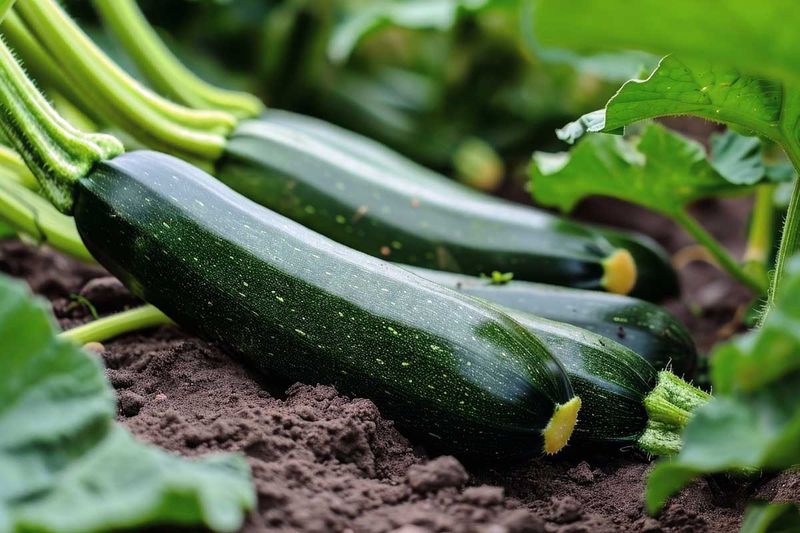
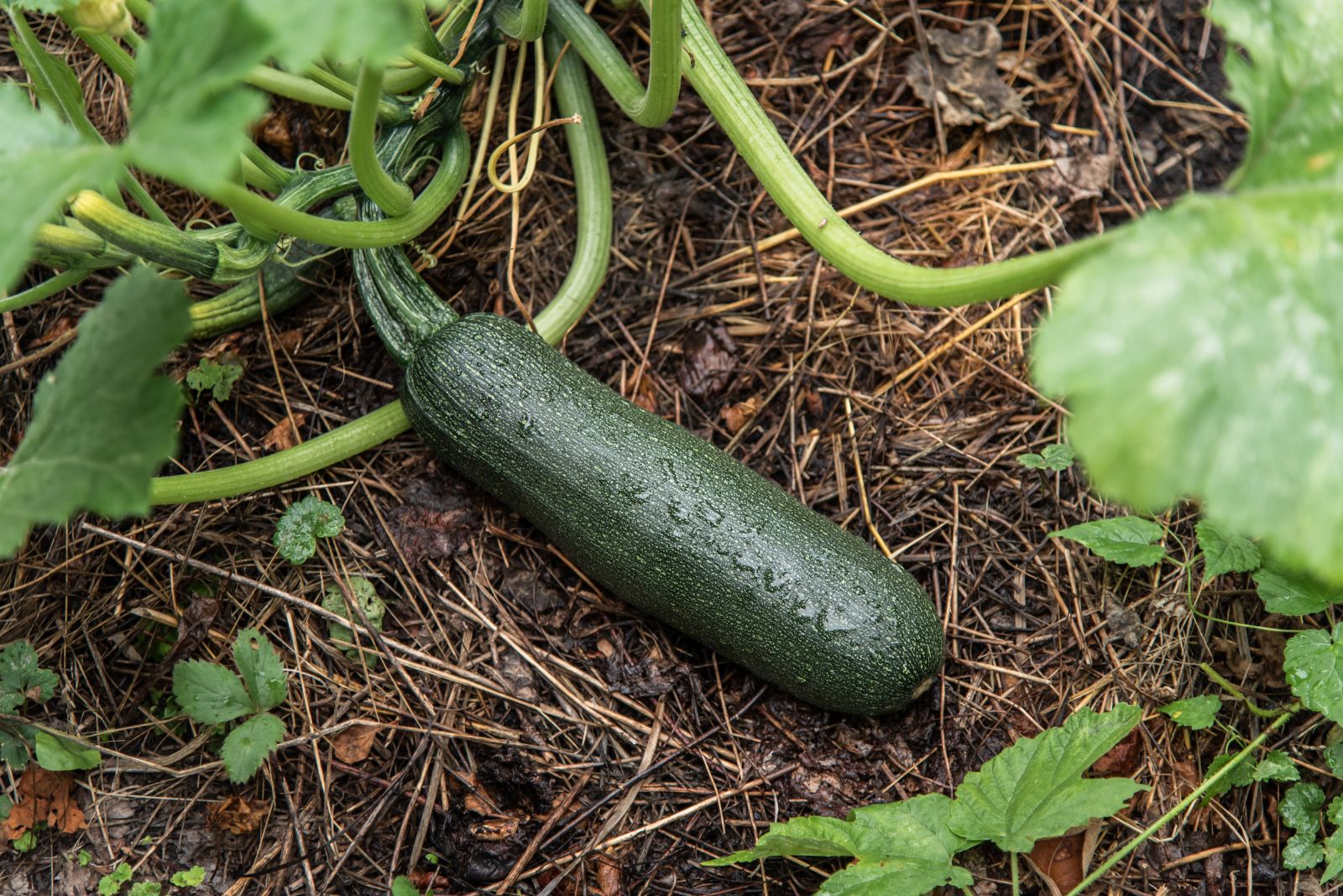
Zucchini plants are legendary for their generous production during summer months. A single plant can easily feed an entire family with regular harvesting. These summer squash thrive in North Carolina’s warm weather from June through September.
Plant seeds one inch deep after all frost danger passes in spring. Space plants three feet apart to accommodate their spreading growth habit. Full sun and fertile soil produce the healthiest, most productive plants.
Water deeply once or twice weekly rather than frequent shallow watering. This encourages strong root development and drought tolerance. Drip irrigation works exceptionally well for maintaining consistent soil moisture.
Add compost or aged manure to planting holes for nutrient-rich growing conditions. Side-dress plants with compost midseason to sustain heavy fruit production. Yellow leaves often indicate nitrogen deficiency requiring additional feeding.
Harvest zucchini when fruits reach six to eight inches for tender texture. Larger fruits become seedy and tough with diminished flavor. Check plants every other day during peak season.
Male flowers appear first, followed by female flowers with tiny fruits attached. Both flowers are edible and delicious when stuffed or battered. Regular picking prevents oversized fruits and encourages continued production.
5. Green Beans (Phaseolus Vulgaris)
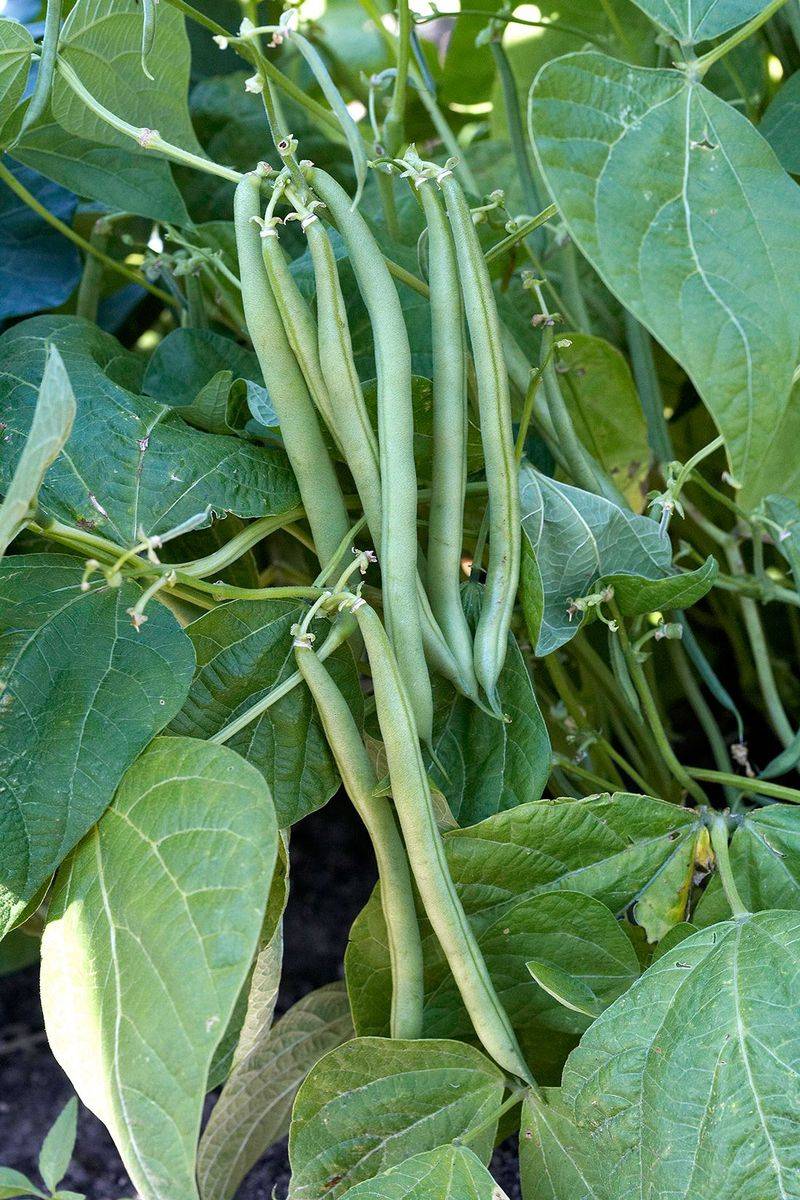
Green beans rank among the easiest vegetables for beginning gardeners to grow successfully. Bush varieties require no support while pole types produce longer harvests. Both types flourish in North Carolina gardens from late spring through early fall.
Sow seeds directly in garden beds after soil reaches sixty degrees. Plant bush beans every two weeks for continuous harvests throughout summer. Pole beans produce over longer periods without successive plantings.
These legumes actually improve soil by fixing atmospheric nitrogen through root nodules. Avoid heavy nitrogen fertilizers which promote leafy growth over bean production. Moderate watering supports healthy growth without encouraging disease.
Mulch around plants once they reach four inches tall to conserve moisture. This practice also prevents soil from splashing onto leaves during rain. Clean foliage stays healthier and more productive throughout the season.
Harvest beans when pods snap easily but before seeds bulge noticeably. Pick regularly to encourage continued flower and pod formation. Most varieties mature within fifty to sixty days from planting.
Morning harvesting when plants are dry helps prevent disease spread between plants. One ten-foot row typically yields four to six pounds of fresh beans.
6. Okra (Abelmoschus Esculentus)
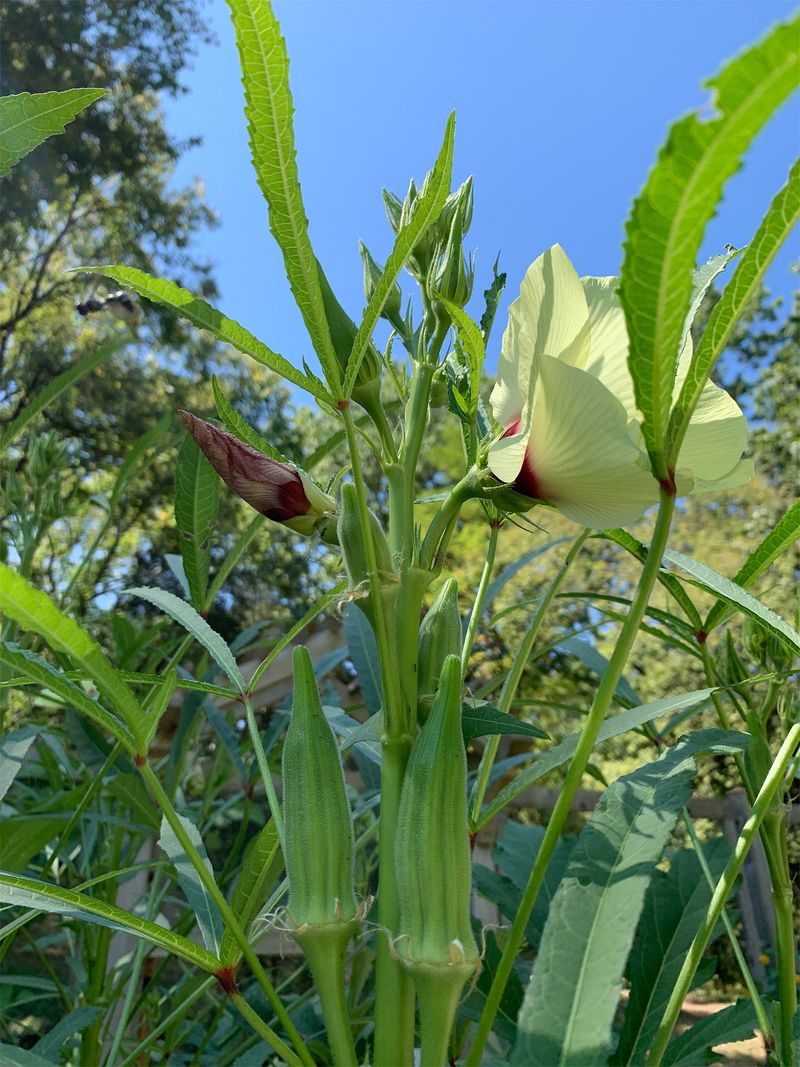
Southern gardens wouldn’t be complete without okra’s distinctive pods and beautiful flowers.
This heat-loving vegetable actually thrives during North Carolina’s hottest summer weather. Plant seeds after soil temperatures consistently reach seventy degrees for best germination.
Okra plants grow tall, reaching four to six feet in optimal conditions. Space plants twelve to eighteen inches apart in rows three feet wide. Their attractive foliage and hibiscus-like flowers make them ornamental garden additions.
Sandy loam soil amended with compost provides ideal growing conditions for okra. These plants tolerate drought better than most vegetables once established. However, consistent moisture produces more tender, less fibrous pods.
Feed plants with balanced fertilizer monthly to support continuous pod production. Side-dress with compost when plants begin flowering for sustained nutrition. Avoid excessive nitrogen which encourages leaves over fruit development.
Harvest pods when they reach three to four inches long for tender texture. Larger pods become woody and unpleasant to eat despite their impressive size. Wear gloves when harvesting since leaves can irritate sensitive skin.
Pick pods every other day during peak production to encourage more flowering. Plants continue producing until first frost arrives in fall. Most varieties begin bearing within fifty-five to sixty-five days.
7. Sweet Potatoes (Ipomoea Batatas)
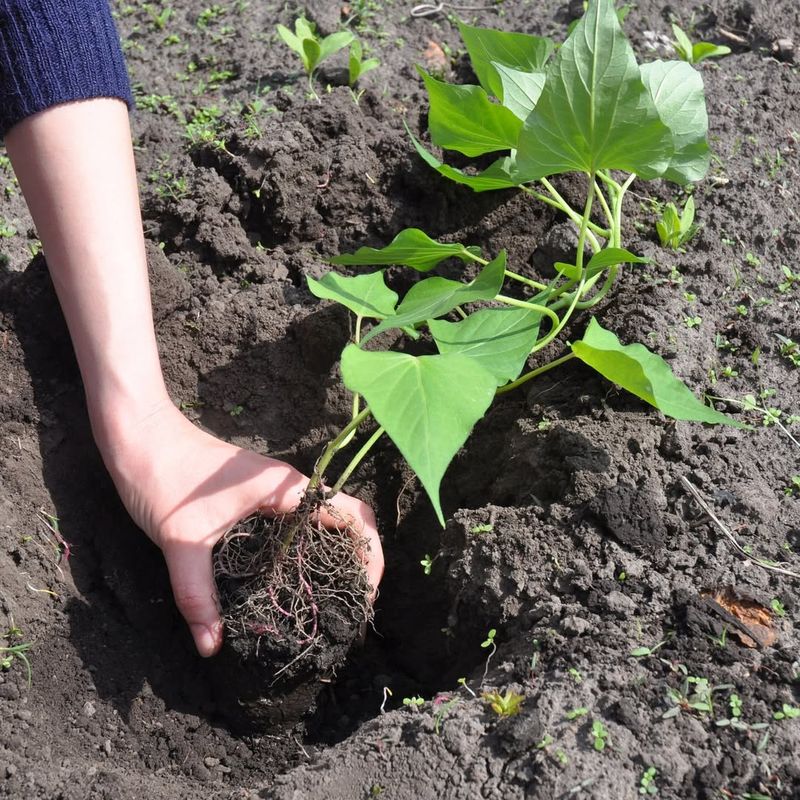
Sweet potatoes store beautifully and provide nutritious harvests from relatively small garden spaces. These warm-season root vegetables love North Carolina’s long, hot summers. Plant slips three weeks after the last expected spring frost date.
Loose, well-draining soil allows tubers to develop properly without restrictions or deformities. Raised beds work exceptionally well for growing sweet potatoes in heavy clay. Ridge planting improves drainage and makes harvesting much easier in fall.
Space slips twelve inches apart in rows three feet wide for adequate growing room. Bury slips so only the top leaves remain above soil level. Water thoroughly after planting to help roots establish quickly.
Sweet potatoes need minimal fertilizer since excessive nitrogen produces vines over tubers.
One application of balanced fertilizer at planting provides sufficient nutrition for the season. Consistent moisture during the first month helps plants establish strong root systems.
Reduce watering as vines mature to encourage tuber development and prevent splitting. Vines spread vigorously, covering large areas with attractive foliage throughout summer. These ornamental leaves also make excellent groundcover for weed suppression.
Harvest before first frost when soil temperature drops below fifty-five degrees. Cure tubers in warm, humid conditions for ten days before storing.
8. Kale (Brassica Oleracea Var. Sabellica)
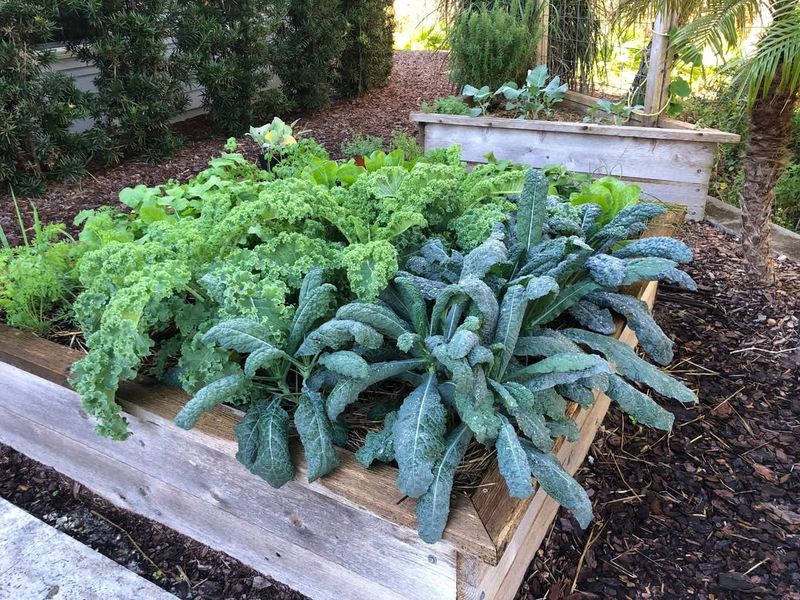
Kale has surged in popularity thanks to its nutritional benefits and culinary versatility. This hardy green thrives in North Carolina’s spring and fall cool seasons. Plant seeds six weeks before the last spring frost or in late summer.
Cool temperatures actually improve kale’s flavor by converting starches to sugars. Light frosts make leaves sweeter and more tender than summer-grown plants. This vegetable tolerates temperatures down to twenty degrees without protection.
Rich soil amended with compost supports vigorous leaf production throughout the season. Space plants twelve inches apart to allow proper air circulation. Crowded plants become more susceptible to fungal diseases and pest problems.
Consistent moisture keeps leaves tender and prevents bitter flavors from developing. Mulch around plants to maintain even soil moisture and moderate temperature fluctuations. Feed with nitrogen-rich fertilizer every three weeks for lush growth.
Harvest outer leaves first, allowing the center to continue producing new growth. This cut-and-come-again method extends harvests for several months from single plantings. Each plant typically yields one to two pounds of leaves.
Watch for cabbage worms and aphids which commonly attack brassica family members. Row covers protect young plants from pests without using chemical treatments.
9. Carrots (Daucus Carota Subsp. Sativus)
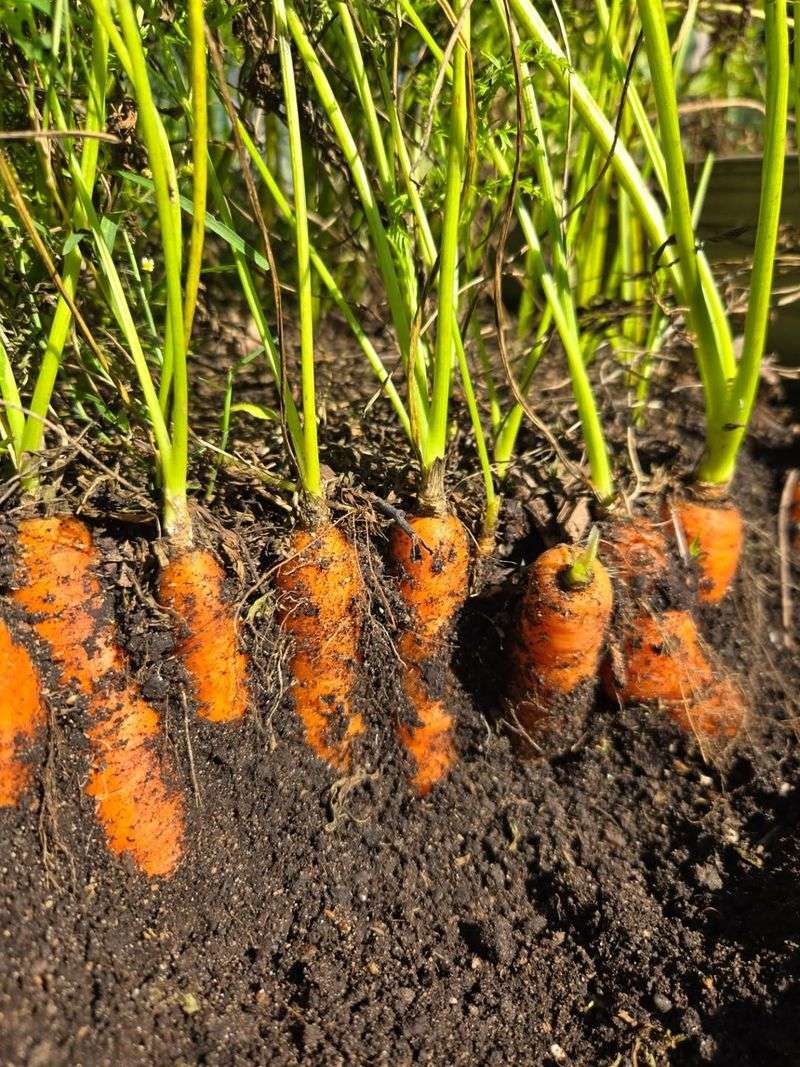
Homegrown carrots taste remarkably sweeter than store-bought varieties with superior crunch. These root vegetables prefer North Carolina’s cooler spring and fall temperatures. Sow seeds directly in garden beds since carrots dislike transplanting.
Loose, sandy soil free from rocks and debris produces the straightest roots. Heavy clay soils result in forked, twisted carrots with poor appearance. Raised beds filled with sandy loam mixture work perfectly for carrot cultivation.
Plant seeds quarter-inch deep in rows twelve inches apart for easy maintenance. Germination takes ten to fourteen days, requiring patience and consistent moisture. Thin seedlings to two inches apart once they reach two inches tall.
Carrots compete poorly with weeds during early growth stages requiring diligent maintenance. Mulch carefully around plants once they establish to suppress weed growth. Avoid heavy mulch which can prevent proper root development.
Water regularly to keep soil evenly moist but never waterlogged throughout development. Irregular watering causes split or cracked roots with reduced storage quality. Most varieties mature within sixty to seventy-five days from sowing.
Harvest when roots reach desired size by gently loosening soil around them. Fall carrots can remain in ground with heavy mulch for winter harvesting.
10. Leaf Lettuce (Lactuca Sativa)
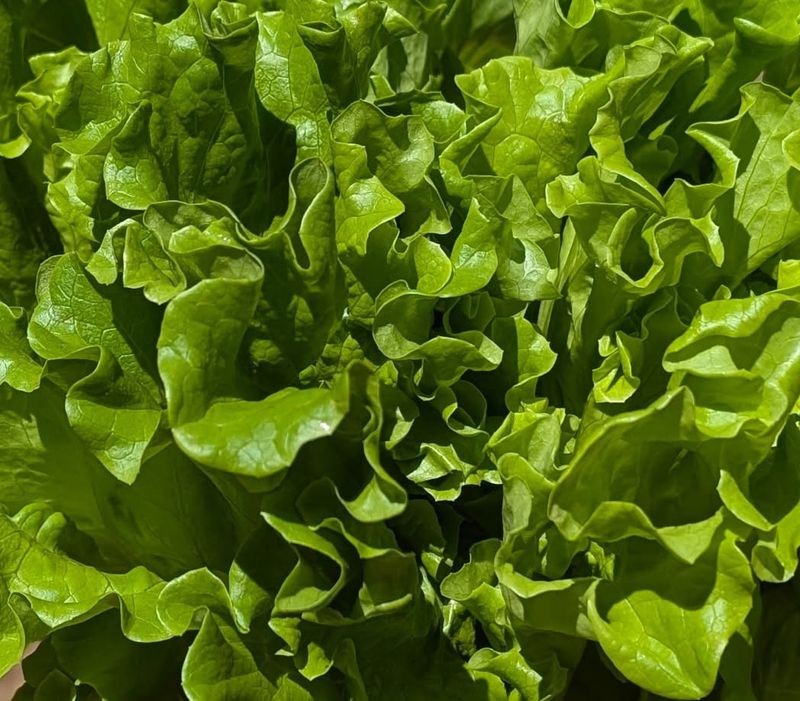
Fresh lettuce from your garden tastes incomparably better than packaged supermarket greens. Quick-growing leaf varieties provide harvests within thirty days of planting. North Carolina’s mild springs and falls create perfect conditions for lettuce cultivation.
Plant seeds every two weeks for continuous harvests throughout cool seasons. This succession planting ensures fresh salad greens always remain available. Lettuce struggles in summer heat, often turning bitter and bolting quickly.
Partial shade during warmer months helps extend the growing season for lettuce. Morning sun with afternoon shade provides ideal conditions in marginal temperatures. Full sun works best during cooler spring and fall periods.
Lettuce has shallow roots requiring frequent light watering to prevent wilting. Consistent moisture produces tender, crisp leaves with mild flavor profiles. Drip irrigation or soaker hoses work exceptionally well for maintaining proper moisture.
Harvest outer leaves individually for cut-and-come-again production extending several weeks. Alternatively, cut entire plants one inch above soil level for regrowth. Most leaf varieties mature within forty-five to fifty days from sowing.
Mix different colored varieties for attractive, nutritious salads with varied textures. Red, green, and speckled types add visual interest to garden beds and dinner plates alike.