The 9 Best Vegetables To Plant In Oregon This January
January doesn’t usually feel like vegetable-planting season in Oregon. The soil is cold, the days are short, and most gardens look like they’re on pause.
Still, you might find yourself scanning seed packets or eyeing a bare bed, wondering if there’s anything you can get started right now. Is it really too early, or are there a few crops that don’t mind the chill?
Oregon’s mild winters give gardeners more flexibility than we often realize. Some vegetables actually prefer cool soil and slow growth, and planting them in January can help them establish before spring temperatures arrive.
It’s a quieter way to garden, without the rush that comes later in the season.
If you’ve been itching to do something productive outside, even in small doses, you’re not alone. Starting vegetables now can feel encouraging when everything else seems to be waiting.
These vegetables are well suited for January planting in Oregon, giving you a head start while working with the season instead of against it.
Garlic
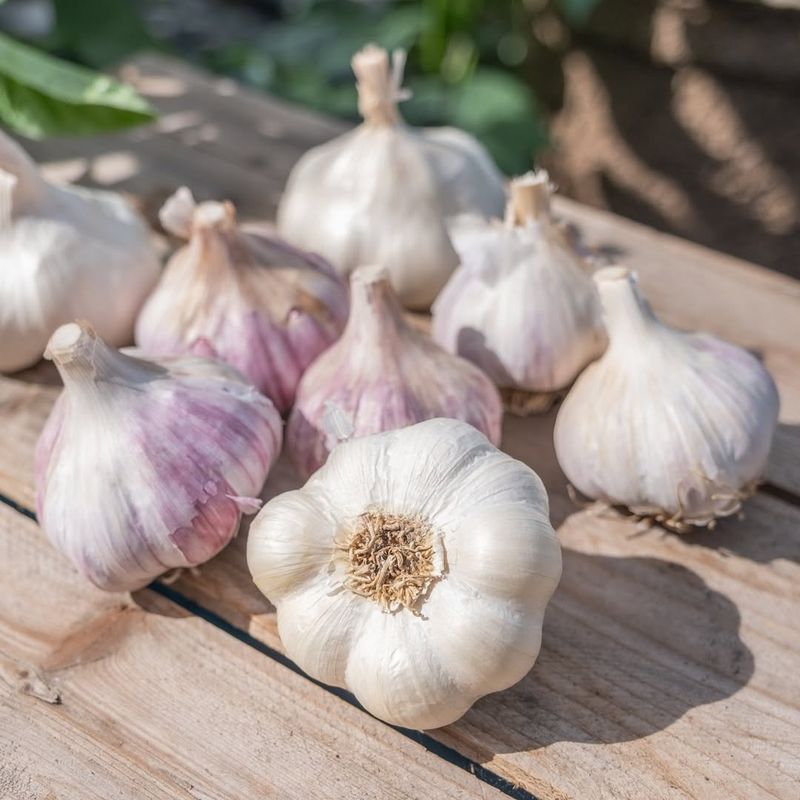
Most Oregon gardeners plant garlic in October or November, but if you missed that window, January still offers a chance to get cloves in the ground. Garlic needs a period of cold to develop properly, and Oregon’s winter temperatures provide exactly that.
You won’t get the biggest bulbs compared to fall planting, but you’ll still harvest usable garlic by summer.
Choose hardneck varieties like Music or German Extra Hardy, which perform well in Oregon’s climate. Plant individual cloves about two inches deep with the pointed end facing up, spacing them six inches apart.
If your soil is waterlogged from winter rains, consider planting in raised beds to improve drainage.
In colder parts of Oregon, especially east of the Cascades, mulch heavily with straw after planting to insulate the cloves. Along the coast and in the Willamette Valley, mulch helps but isn’t always necessary.
Your garlic will begin sprouting green shoots in late winter, and you can harvest scapes in late spring before pulling full bulbs in July. Even a January start gives you a solid crop if you choose the right spot and keep the soil from staying too wet.
Spinach
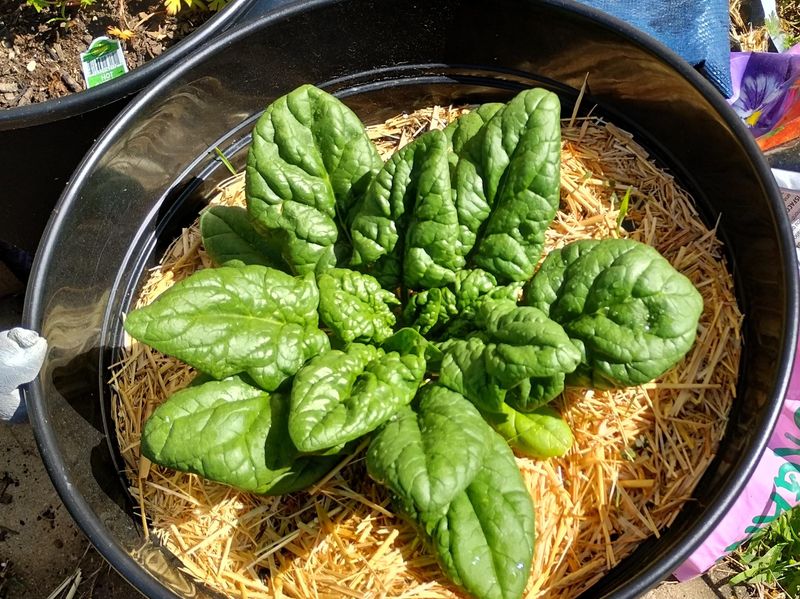
Spinach thrives in Oregon’s cool, damp winters and can be direct-seeded in January if you give it a little help. This leafy green tolerates frost beautifully and actually tastes sweeter when grown in cold weather.
In milder areas like Portland or Eugene, you can sow seeds directly into garden beds under a simple row cover or cloche.
Prepare your soil by loosening it and mixing in some compost for drainage. Scatter spinach seeds thinly in rows or broadcast them across a bed, then cover with about half an inch of soil.
Water gently and keep the soil moist but not soggy. Germination takes longer in January than in spring, so be patient.
If you live in central or eastern Oregon where January nights dip well below freezing, start your spinach seeds indoors and transplant seedlings under protection once they have a few true leaves. A cold frame or low tunnel with clear plastic can raise soil temperatures just enough to keep growth steady.
You’ll begin harvesting baby spinach leaves in as little as four to six weeks, and the plants will keep producing into spring. Spinach is one of the most reliable January crops across the state.
Kale
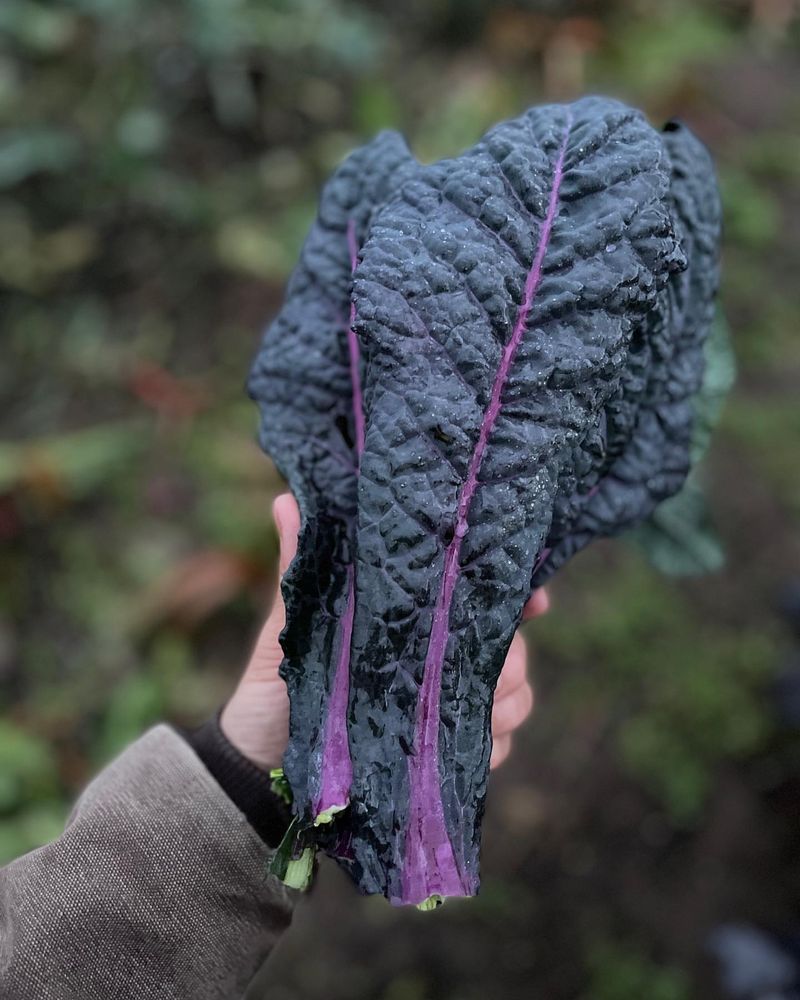
Varieties like Lacinato, Red Russian, and Winterbor are bred to handle freezing temperatures and keep producing tender leaves even when snow falls. Kale is nearly indestructible in an Oregon winter garden, making it one of the best vegetables to plant in January.If you already have kale growing, January is a great time to start new plants that will mature in spring.
You can direct-seed kale outdoors in the Willamette Valley and coastal areas, though germination will be slow. Cover seeds with about a quarter inch of soil and protect the bed with a row cover to speed things up.
In colder regions, start seeds indoors in trays and transplant seedlings outside under a cold frame or hoop house after four weeks.
Kale grows slowly in January but steadily, and the cold weather makes the leaves sweeter and less bitter. Space plants about twelve inches apart to give them room to develop.
Once established, kale can handle Oregon’s winter rains and occasional hard freezes without any damage. You’ll be harvesting fresh greens by early March, and the plants will keep going strong well into summer if you let them.
Lettuce (Cold-Hardy Varieties)
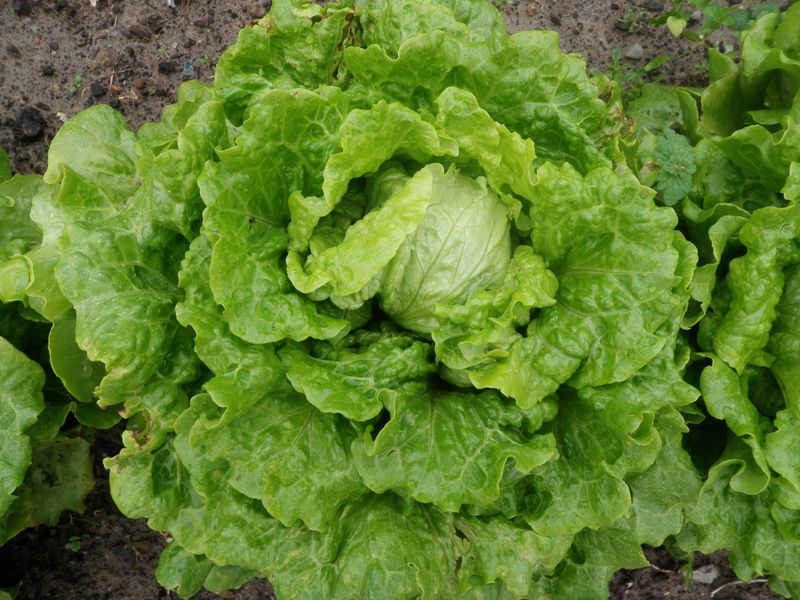
Cold-hardy lettuce varieties like Winter Density, Arctic King, and Rouge d’Hiver are perfect for January planting in Oregon. These types are bred to germinate and grow in chilly soil, giving you fresh salad greens months before spring arrives.
Lettuce grows quickly even in winter if you protect it from the harshest weather.
Sow seeds directly into your garden bed or start them indoors for faster results. If planting outdoors, scatter seeds thinly and cover with just a light dusting of soil, as lettuce needs some light to germinate.
Water gently and cover the bed with a row cover or cold frame to keep soil temperatures a few degrees warmer. In the Willamette Valley, this is often enough to get consistent growth.
In colder parts of Oregon, starting lettuce indoors and transplanting young seedlings under protection works better. Space plants about six inches apart for loose-leaf types and eight inches for head lettuce.
You’ll notice growth slows during the coldest weeks, but once February arrives, your lettuce will take off. Harvest outer leaves continuously or cut entire heads once they’re full.
January-planted lettuce often tastes crisper and less bitter than summer crops.
Chard
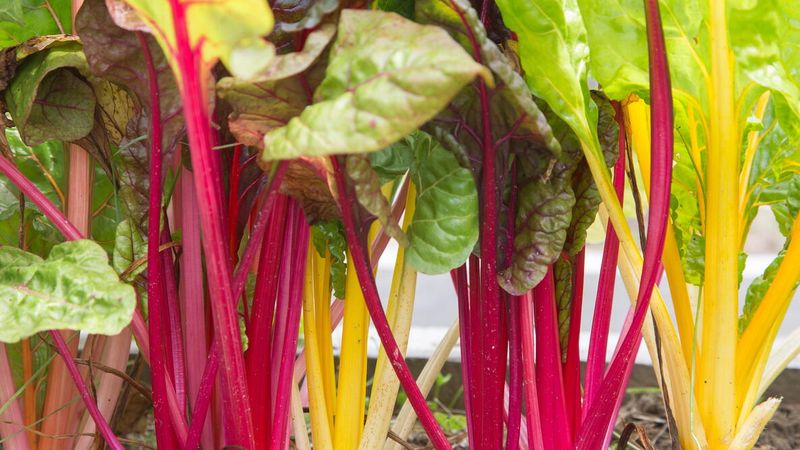
Chard is one of the toughest greens you can grow in an Oregon winter, and January is an excellent time to get it started. Varieties like Bright Lights, Fordhook Giant, and Ruby Red handle cold soil and frosty nights without complaint.
Chard grows more slowly in winter than summer, but it keeps producing leaves steadily once established.
You can direct-seed chard outdoors in milder areas or start seeds indoors for transplanting. Plant seeds about an inch deep and space them four inches apart, thinning later to twelve inches between plants.
Chard seeds are actually clusters, so you’ll often get multiple seedlings from each one. Thin carefully and use the baby greens in salads.
In the Willamette Valley and along the coast, chard planted in January will be ready to harvest by late February or early March. In colder regions, use a cold frame or low tunnel to protect young plants from hard freezes.
Chard tolerates Oregon’s winter rains better than most greens and rarely suffers from root rot if planted in well-drained soil. Harvest outer leaves as needed, and the plant will keep producing new growth from the center all the way into summer.
Leeks
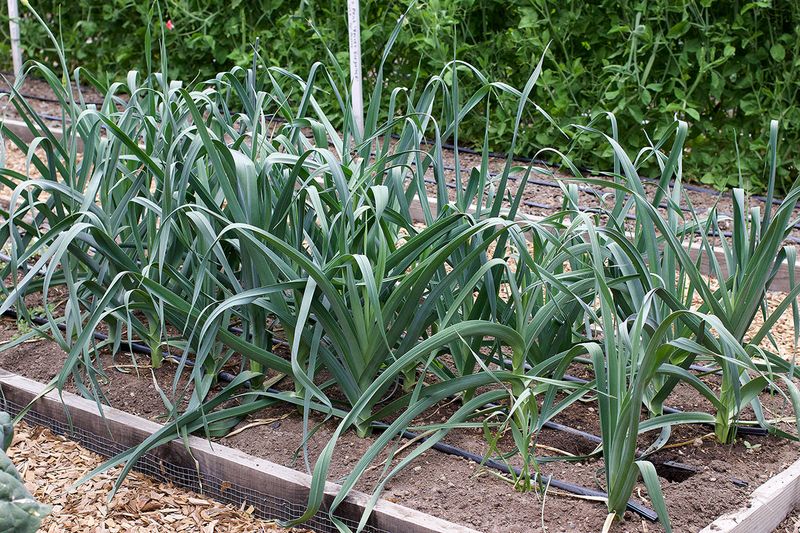
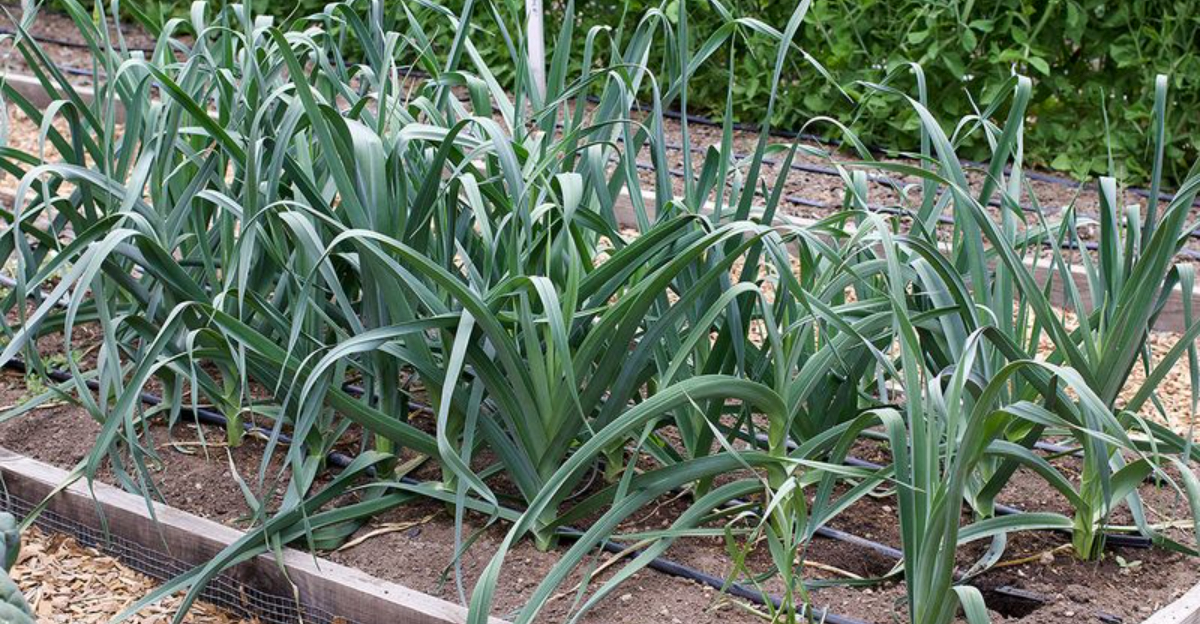
They are a slow-growing winter vegetable that loves Oregon’s cool, moist conditions, and January is a smart time to start them for a fall harvest. While you won’t be pulling full-sized leeks until autumn, getting them started now gives them the long growing season they need.
Leeks are surprisingly cold-tolerant and can sit in the garden through winter without damage.
Start leek seeds indoors in trays or cell packs, as they germinate slowly and need warmth to get going. Plant seeds about a quarter inch deep and keep the soil moist.
Once seedlings are about six inches tall and as thick as a pencil, you can transplant them outdoors in early spring. In milder parts of Oregon, you can also direct-seed leeks in a protected bed in late January.
Leeks prefer rich, well-drained soil and benefit from regular feeding as they grow. Plant them in trenches and gradually fill in soil around the stems as they grow to blanch the lower part and make it tender.
Varieties like King Richard and American Flag are reliable in Oregon. Your January-started leeks will be ready to harvest by September or October, and they’ll store well in the ground even through early winter frosts.
Fava Beans
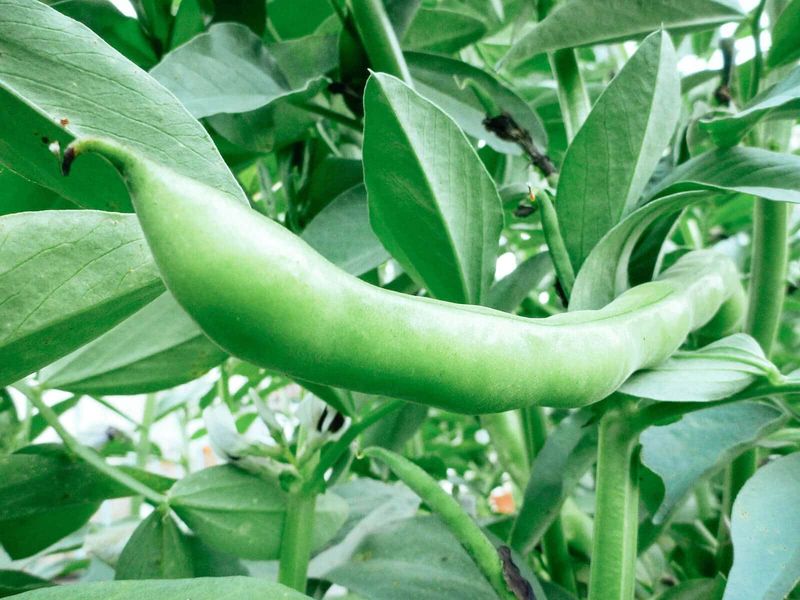
Fava beans are a traditional winter crop in Oregon and one of the few legumes you can plant in January. They tolerate cold soil and light frosts, and they actually prefer growing in cool weather.
Favas fix nitrogen in the soil, improving it for crops you’ll plant later in spring. Many Oregon gardeners plant them as a cover crop, but the beans themselves are delicious and nutritious.
Plant fava bean seeds directly in the garden, pushing them about two inches deep and spacing them six inches apart in rows. Choose a spot with good drainage, as favas don’t like sitting in waterlogged soil.
In the Willamette Valley and southern Oregon, you can plant without protection. In colder areas, use a cold frame or wait until late January when soil temperatures rise slightly.
Fava beans grow slowly at first but pick up speed as days lengthen in February and March. They’ll bloom in spring and produce pods by late April or May.
Harvest the beans when pods are plump and green, or let them dry on the plant for storage. Fava beans are also beautiful plants with fragrant flowers that attract early pollinators to your garden.
Peas
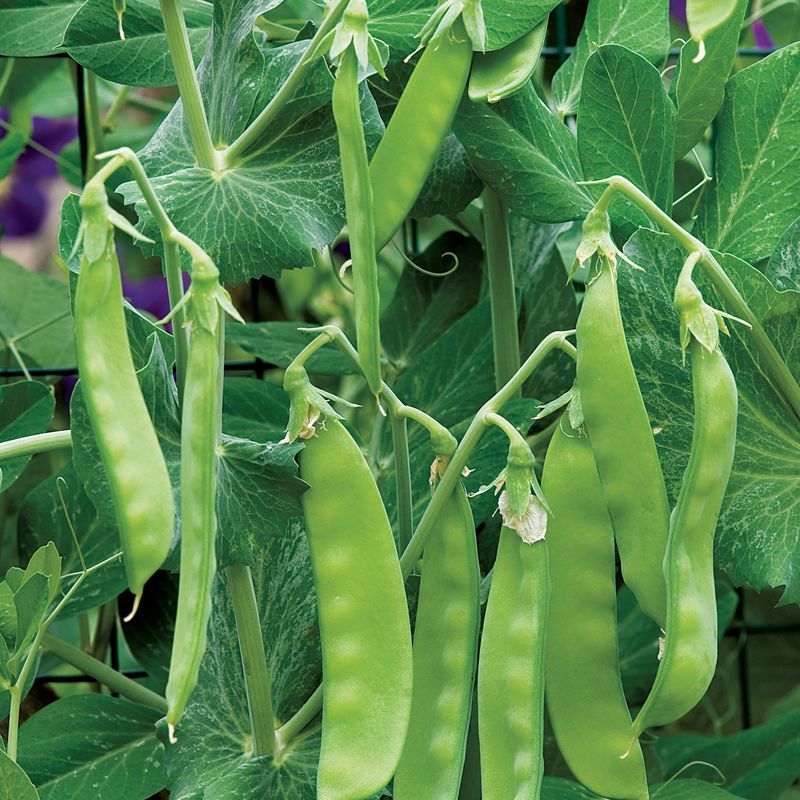
Well, peas are a classic early-season vegetables in Oregon, and planting them in January gives you a head start on spring harvests. Varieties like Oregon Sugar Pod, Sugar Ann, and Cascadia are bred for Pacific Northwest conditions and germinate well in cold soil.
Peas prefer cool weather and will produce better if you get them in the ground before temperatures warm up in late spring.
Direct-seed peas in your garden bed, planting them about an inch deep and two inches apart. If your soil is too wet, wait a few days or plant in raised beds to avoid rot.
In milder parts of Oregon, peas planted in January will sprout within two to three weeks. In colder areas, consider starting seeds indoors in biodegradable pots and transplanting seedlings under a cold frame.
Peas grow slowly in January but will take off once February arrives. Install trellises or supports early so vines have something to climb as they grow.
You’ll see flowers in April and can start harvesting snap peas or shelling peas by late May. January-planted peas often produce heavier crops than later plantings because they mature before summer heat stresses the plants.
Peas also enrich your soil with nitrogen, leaving it better for the next crop.
Radishes
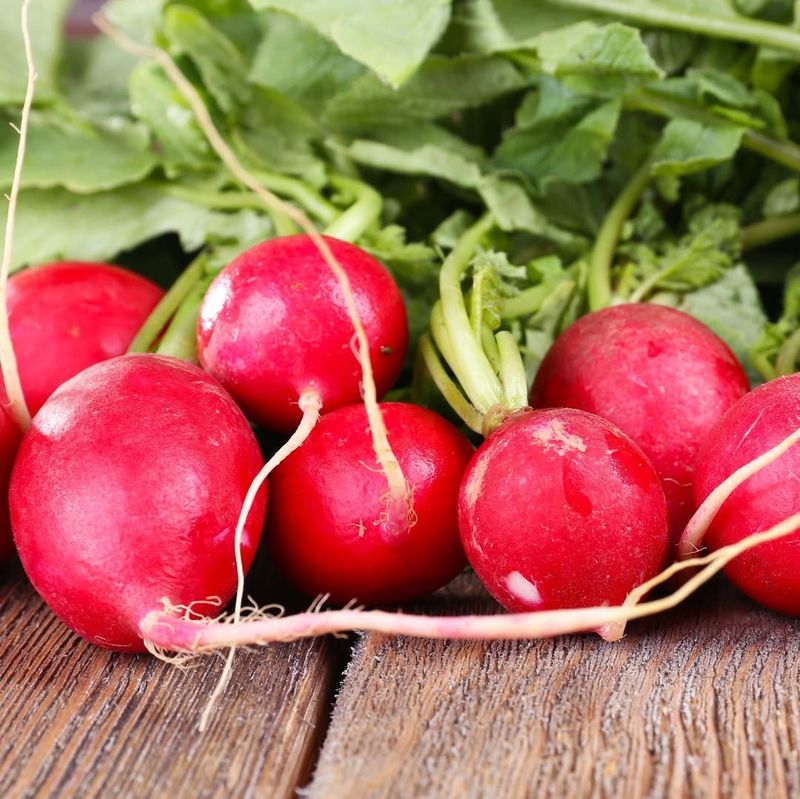
They are the fastest-growing vegetable you can plant in an Oregon winter, making them perfect for impatient gardeners who want quick results. Cold-hardy varieties like Cherry Belle, French Breakfast, and Watermelon radish germinate in chilly soil and mature in as little as three to four weeks under protection.
Radishes also help break up heavy clay soil, which is common in many Oregon gardens.
Sow radish seeds directly into your garden bed, scattering them thinly and covering with about half an inch of soil. Space rows six inches apart and thin seedlings to two inches apart once they sprout.
In the Willamette Valley and coastal areas, radishes planted in January under a row cover or cold frame will be ready to harvest by late February.
In colder parts of Oregon, start radishes indoors or wait until late January when soil temperatures rise slightly. Radishes prefer consistent moisture, so water regularly but don’t let the soil stay soggy.
Harvest radishes as soon as they reach a usable size, as they can become woody if left in the ground too long. January-planted radishes are crisp, mild, and add a fresh crunch to winter salads.
They’re also a great crop to plant with kids because they grow so quickly.