The Best Ways To Make Your Pennsylvania Garden Bloom Early This Spring
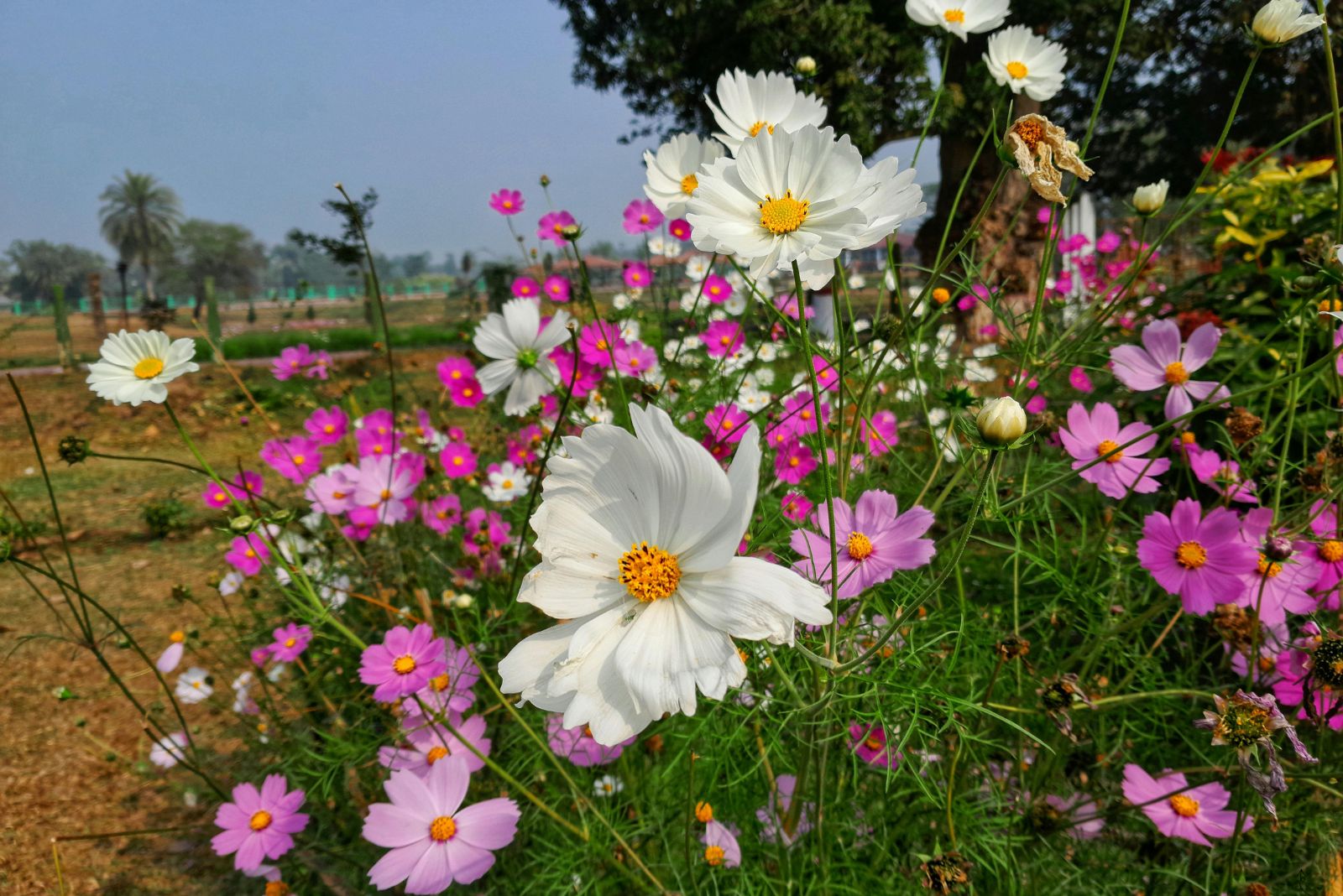
Can’t wait for spring blooms? You’re not alone. Gardeners across Pennsylvania are eager to see color return after a long, gray winter, but nature doesn’t always rush. The good news?
With the right strategies, you can encourage your garden to wake up early and burst into bloom before your neighbors’ do.
From choosing the right plants to using simple tricks like ground prep and timing your fertilizer, you can give your garden a jump-start that pays off big.
It doesn’t take a greenhouse or professional tools, just a little planning and a few smart moves now. Whether you want cheerful tulips, bold daffodils, or early-blooming perennials, there are plenty of ways to get a head start on a colorful, vibrant spring.
Ready to shake off winter and bring your garden back to life sooner? Here’s how Pennsylvania gardeners are making it happen.
1. Select Cold-Hardy Perennials That Love Pennsylvania Weather
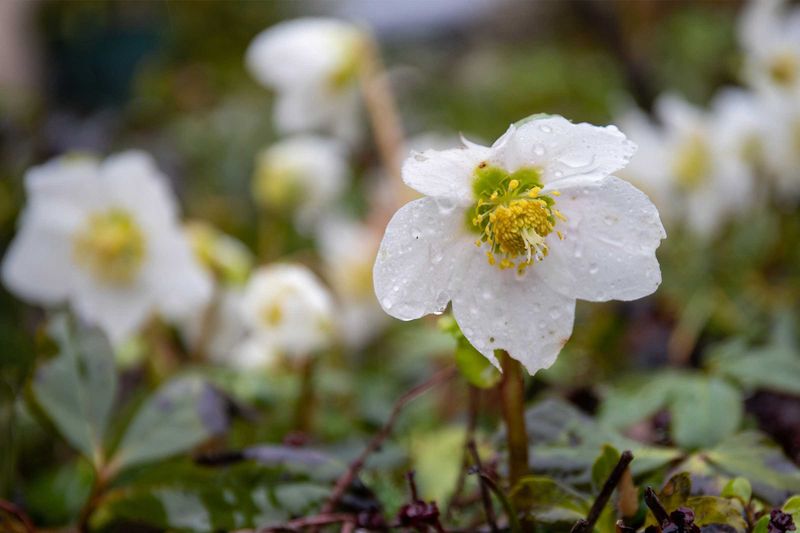
Pennsylvania’s unpredictable spring weather demands tough plants that can handle sudden temperature drops. Cold-hardy perennials like crocuses, snowdrops, and hellebores actually thrive when other plants would struggle.
These champions of the flower world start growing even when snow still covers parts of your yard.
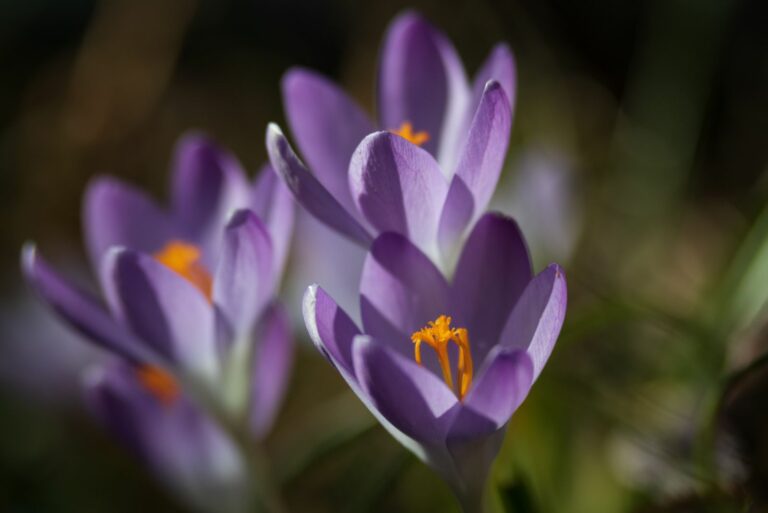
Crocuses push through cold soil and open their purple, yellow, or white blooms when temperatures barely reach 40 degrees. Snowdrops live up to their name by appearing while winter still has a grip on Pennsylvania.
Hellebores, also called Lenten roses, produce stunning flowers that laugh at frost and keep blooming for weeks.
Plant these perennials in fall so their roots establish before winter arrives. They need this preparation time to store energy for their early spring performance.
Choose spots that get morning sun since this helps warm the soil faster when spring approaches.
Pennsylvania gardeners in zones 5 and 6 have excellent success with these plants because they match our climate perfectly. Unlike tender annuals that need warm soil, these perennials have built-in clocks that tell them when to grow.
Their internal timing means they start blooming based on daylight length rather than just temperature.
Mix different varieties to create waves of color from late February through April. Early bloomers provide food for hungry pollinators emerging from winter.
Your garden becomes a vital resource for bees and butterflies when few other food sources exist. Group them in clusters of five or seven for maximum visual impact rather than spacing them out individually.
2. Use Season Extension Tools Like Cold Frames And Row Covers
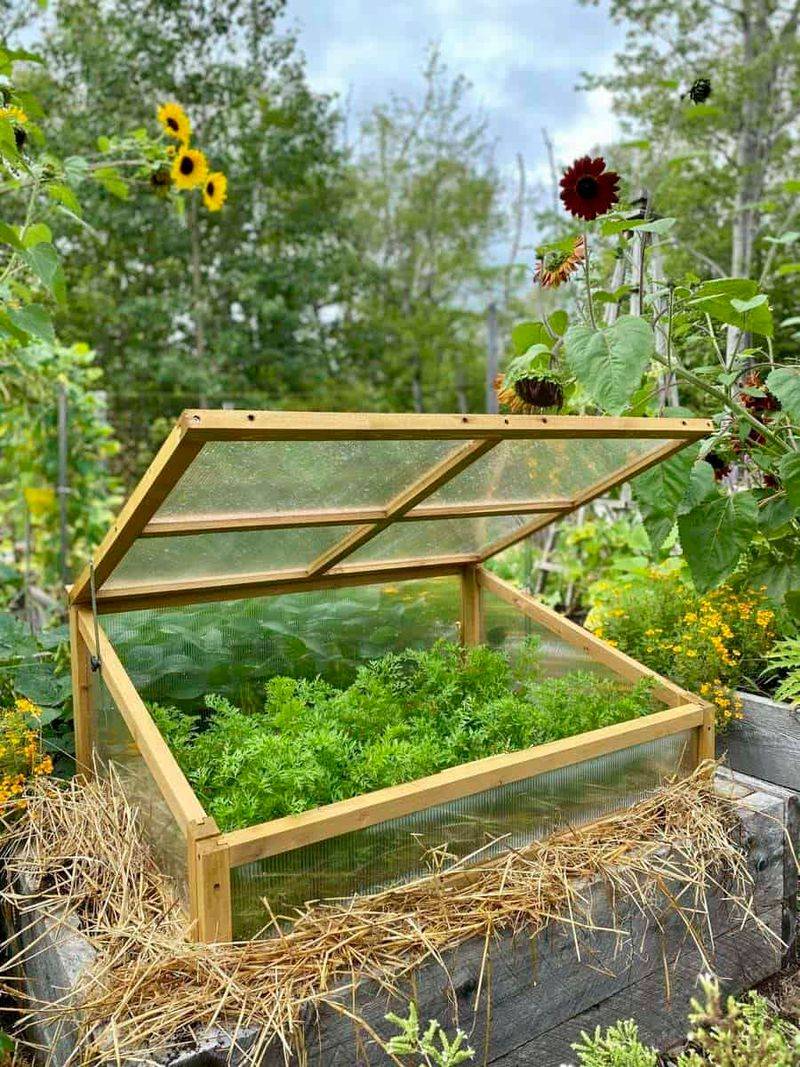
Cold frames act like miniature greenhouses that trap heat and protect plants from harsh Pennsylvania winds. Building one takes minimal effort, and the results make it worth every minute spent.
A simple wooden box with an old window on top creates the perfect environment for early blooms.
Position your cold frame in a south-facing location where it catches maximum sunlight throughout the day. The sun heats the air inside, sometimes reaching 20 degrees warmer than outside temperatures.
This extra warmth tricks plants into thinking spring arrived early, encouraging faster growth and earlier flowering.
Row covers offer a lighter option that works wonderfully for larger garden areas in Pennsylvania.
These fabric sheets let light and water through while blocking cold air and wind. Drape them over hoops or lay them directly on plants, securing the edges with rocks or soil.
Both tools protect against late spring frosts that can damage tender buds ready to open. Pennsylvania often experiences surprise cold snaps in April that catch gardeners off guard.
Having protection in place means you can sleep peacefully instead of worrying about your plants.
Remove covers during warm afternoons to prevent overheating and allow pollinators to visit flowers. Ventilation matters because trapped heat can actually harm plants on sunny days. Check temperatures inside your cold frame with a simple thermometer.
Start using these tools in late winter to warm the soil before planting. Warmer soil means roots grow faster and plants establish more quickly.
Pennsylvania gardeners who use season extension tools typically see blooms two to three weeks earlier than those who do not.
3. Apply Mulch Strategically To Control Soil Temperature
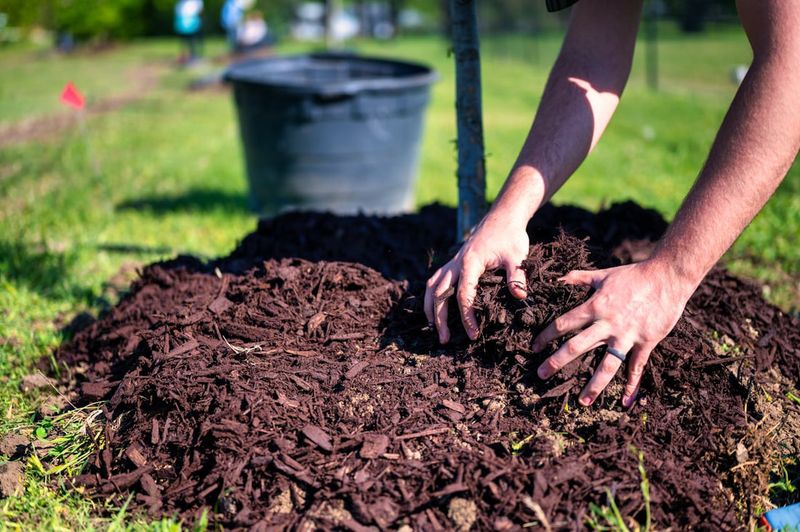
Mulch does more than make your Pennsylvania garden look neat and tidy. The type you choose and when you apply it directly affects how quickly your flowers bloom.
Dark-colored mulch absorbs sunlight and warms soil faster than light-colored options, giving you an edge in early spring.
Pull back winter mulch from perennial beds in late February or early March when you notice the first signs of growth. This allows sunlight to reach the soil and warm it up.
Pennsylvania’s spring sun may not feel strong, but it makes a real difference when it hits bare ground instead of thick mulch layers.
Wait until after plants emerge before adding fresh mulch around them. Putting mulch down too early insulates the soil and keeps it cold longer.
This delays growth rather than encouraging it, which defeats your purpose of getting early blooms.
Choose compost or well-aged manure as your spring mulch because these materials add nutrients while warming the soil.
As they break down, they release heat through decomposition. This natural warmth gives plant roots a boost right when they need it most.
Keep mulch about two inches away from plant stems to prevent rot and allow air circulation. Pennsylvania’s spring rains create damp conditions that can encourage fungal problems. Proper spacing protects your plants while still providing benefits.
Apply a two to three inch layer once plants reach about four inches tall. This thickness blocks weeds without smothering your flowers.
Dark brown or black mulch works best for heat absorption in Pennsylvania gardens. The temperature difference might only be a few degrees, but that small change speeds up blooming time noticeably.
4. Start Seeds Indoors Before The Last Frost Date
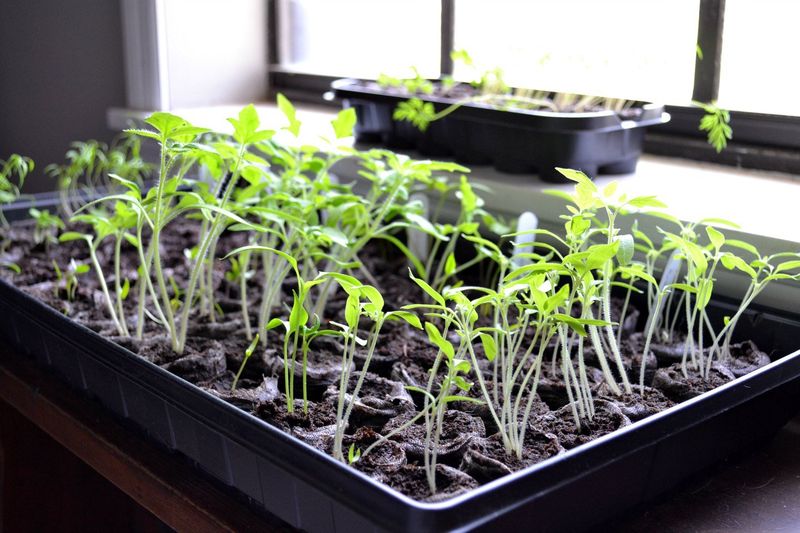
Indoor seed starting gives Pennsylvania gardeners a huge advantage over direct sowing outside. You control everything from temperature to moisture, creating ideal conditions that outdoor gardens cannot match.
Starting six to eight weeks before the last frost date means your plants already have strong roots when they go outside.
Pennsylvania’s average last frost date falls between mid-April and early May depending on your specific location. Check your county’s frost date calendar to plan accurately.
Seeds started indoors in February or March produce plants ready to bloom almost immediately after transplanting.
Use quality seed starting mix rather than garden soil because it drains better and prevents damping off disease.
Fill small containers or cell packs, leaving about a quarter inch at the top. Plant seeds at the depth listed on the packet, usually two to three times the seed’s width.
Place trays under grow lights or in a sunny south-facing window where they receive at least six hours of light daily. Pennsylvania’s early spring sun through windows often is not strong enough alone.
Supplemental lighting ensures sturdy, compact growth rather than weak, stretched seedlings.
Keep soil consistently moist but never soggy by watering from below or using a gentle spray.
Bottom watering prevents disturbing tiny seeds and encourages roots to grow downward. Room temperature water works better than cold water straight from the tap.
Harden off seedlings before transplanting by gradually exposing them to outdoor conditions over seven to ten days. Start with an hour outside in shade, increasing time and sun exposure daily.
This process prevents shock and helps plants adjust to Pennsylvania’s variable spring weather, ensuring they bloom quickly after planting.
5. Choose Microclimates In Your Yard For Earlier Blooming
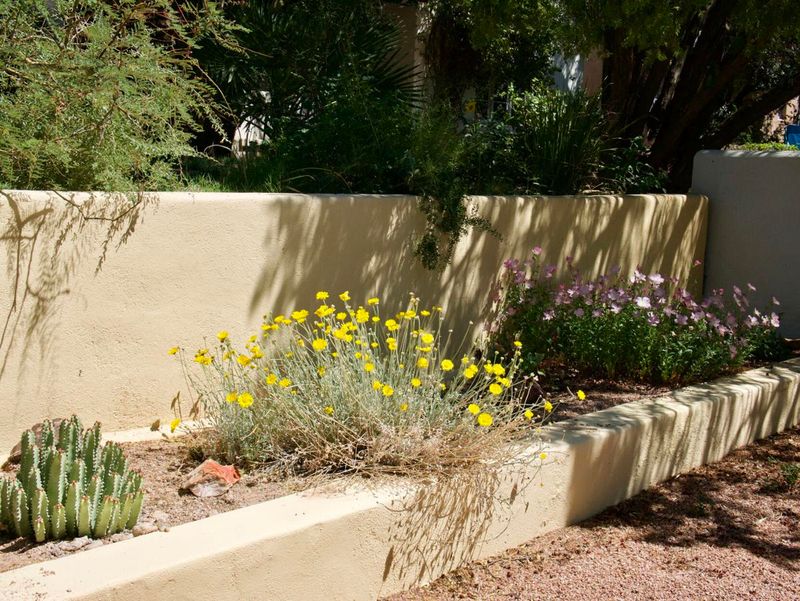
Every Pennsylvania yard contains multiple microclimates where temperature and conditions differ from the rest of your property. Finding and using these special spots lets you push blooming times even earlier.
Areas near south-facing walls, for example, stay several degrees warmer than open garden beds.
Brick or stone walls absorb heat during the day and release it slowly at night, creating a protective warm zone.
Plant spring bulbs and early perennials in these locations for the earliest possible blooms. The reflected light from light-colored walls also increases available sunshine.
Slopes and raised areas in your Pennsylvania yard drain faster and warm up quicker than low spots.
Water drains away instead of pooling, which means soil dries out and heats up sooner. Avoid planting in low areas where cold air settles on frosty nights.
Protected corners where two fences or walls meet block wind and trap warmth effectively. Wind chill affects plants just like it affects people, making temperatures feel colder than they actually are.
Sheltered spots encourage earlier growth because plants do not waste energy fighting constant breezes.
Areas under deciduous trees work wonderfully for spring ephemerals that bloom before leaves emerge.
These spots receive full sun in early spring but shade later when you need it for other plants. Pennsylvania’s native spring beauties and trout lilies naturally grow in these conditions.
Map your yard’s microclimates by observing where snow melts first and grass greens up earliest. These clues reveal the warmest spots.
Place a simple outdoor thermometer in different locations to measure actual temperature differences. Even small variations of three to five degrees make a significant impact on bloom timing.
6. Feed Plants With Early Spring Fertilizer Applications
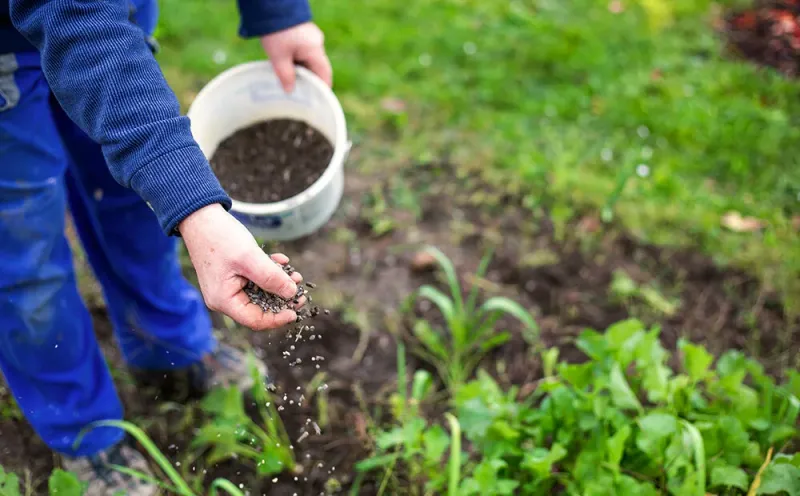
Proper nutrition at the right time supercharges your Pennsylvania plants into early blooming mode.
Applying fertilizer too early wastes money and nutrients, but timing it perfectly gives plants exactly what they need when growth begins. Watch for the first green shoots poking through soil as your signal to start feeding.
Choose a balanced fertilizer with equal amounts of nitrogen, phosphorus, and potassium for general garden beds. The numbers on the bag, like 10-10-10, tell you the percentages of each nutrient.
Phosphorus, the middle number, specifically encourages flower formation and earlier blooming.
Bulb fertilizer works exceptionally well for spring-flowering bulbs in Pennsylvania gardens. It contains higher phosphorus levels that support flower development.
Sprinkle it around emerging bulbs when you see tips breaking through the ground, usually in late February or March.
Liquid fertilizers act faster than granular types because plants absorb them immediately through roots and leaves. Mix according to package directions and water plants thoroughly.
Apply every two weeks during early spring for a steady supply of nutrients that keeps growth moving forward.
Avoid high-nitrogen fertilizers in early spring because they push leafy growth instead of flowers. You want balanced nutrition that supports the whole plant. Save nitrogen-heavy fertilizers for later in the season when you need lush foliage.
Water plants well after applying granular fertilizer to help nutrients soak into the root zone. Pennsylvania’s spring rains usually handle this naturally, but dry spells require supplemental watering.
Fertilizer sitting on dry soil cannot help your plants and may even burn roots. Organic options like compost tea provide gentle nutrition that feeds soil microbes along with plants, creating healthier conditions for early blooming.
7. Plant Spring Bulbs In Fall For Guaranteed Early Color
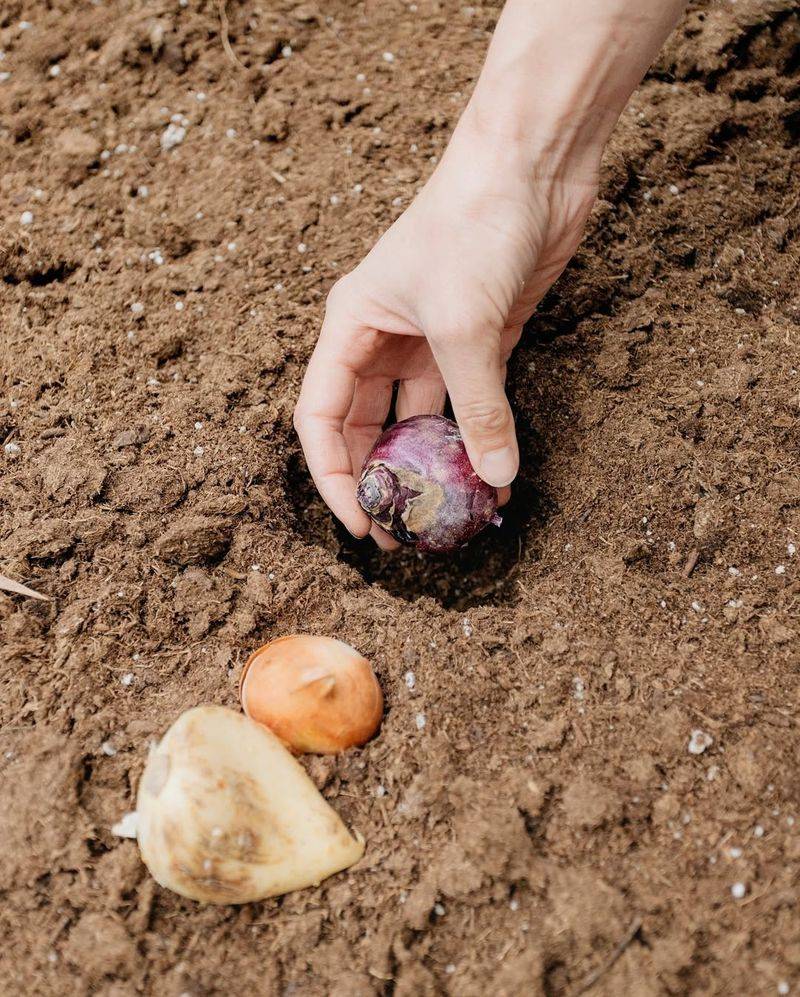
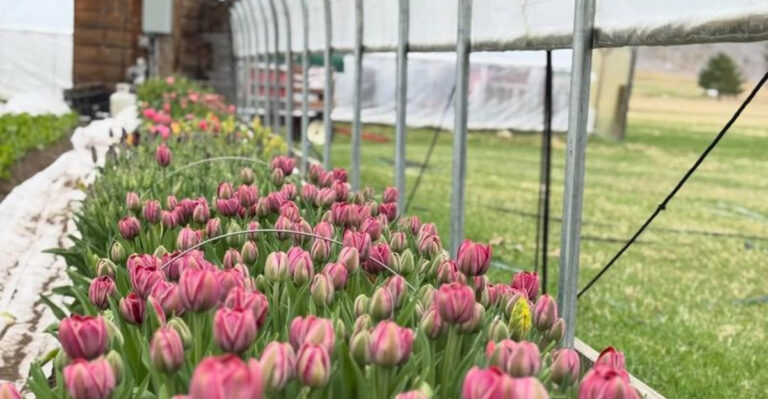
Nothing beats spring-flowering bulbs for reliable early color in Pennsylvania gardens. Tulips, daffodils, hyacinths, and crocuses provide the easiest path to early spring blooms.
The secret is planting them in fall, giving them winter’s cold period they need to flower properly.
Purchase bulbs in September or October when garden centers stock fresh inventory. Firm, heavy bulbs without soft spots or mold produce the best flowers.
Bigger bulbs contain more stored energy, which translates to larger blooms and stronger plants.
Plant bulbs in November before the ground freezes hard in Pennsylvania. They need time to develop roots before winter but should not start top growth.
Soil temperature around 50 degrees provides ideal conditions. Use a bulb planter or trowel to dig holes three times deeper than the bulb’s height.
Add a handful of bulb fertilizer in each planting hole to give roots access to nutrients immediately. Point the bulb’s tip upward and cover with soil, pressing firmly to eliminate air pockets.
Space bulbs according to package directions, usually four to six inches apart for most varieties.
Group bulbs in clusters rather than straight lines for a natural appearance that mimics how they grow in the wild. Pennsylvania gardens look best with drifts of color instead of rigid rows.
Mix early, mid, and late season varieties to extend your blooming period from March through May.
Squirrels and other critters love bulbs, so protect your investment with chicken wire laid over the planting area. Remove it in spring before shoots emerge.
Daffodils resist animal damage naturally, making them the most reliable choice for Pennsylvania gardens. Their early blooms often appear while snow still covers shaded areas, bringing joy after a long winter.