The Best Ways To Stop Crabgrass In Pennsylvania Before It Starts
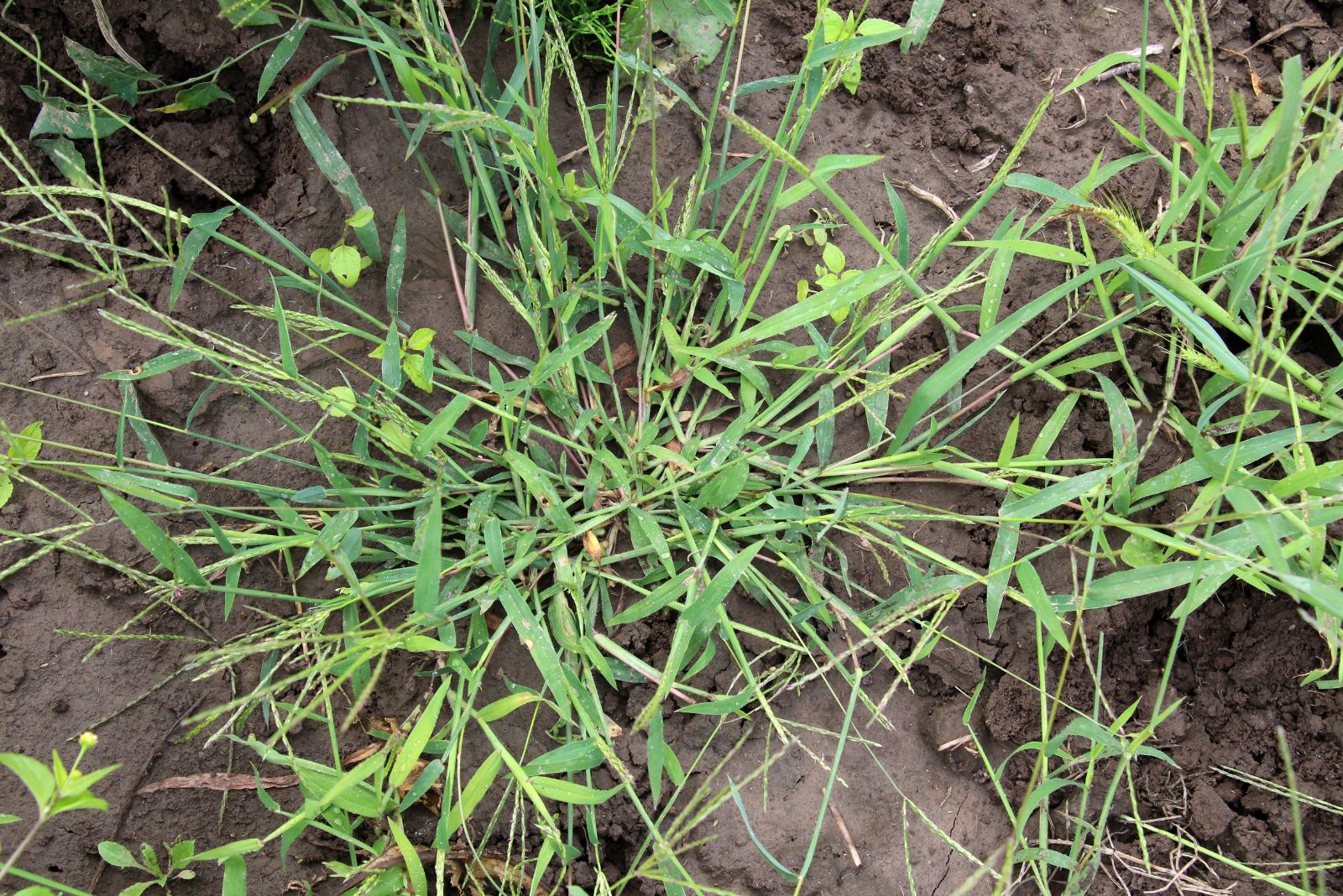
Crabgrass is the sneaky villain of Pennsylvania lawns, creeping in and spreading quickly if you don’t catch it early. If you’ve ever had to deal with its coarse texture and stubborn growth, you know how much of a headache it can be.
But don’t worry, there’s good news! Stopping crabgrass before it starts is totally possible, and a few simple steps can keep your lawn looking lush and healthy all season long.
The key to preventing crabgrass is getting proactive. While crabgrass tends to thrive in warmer months, it begins its life cycle long before the heat hits.
By taking action in the early spring, you can stop it in its tracks. From proper lawn care and seed selection to the right timing for pre-emergent herbicides, these strategies will help you protect your lawn from unwanted weeds.
With a little attention now, you can enjoy a pristine, crabgrass-free yard all year long!
1. Apply Pre-Emergent Herbicide At The Right Time
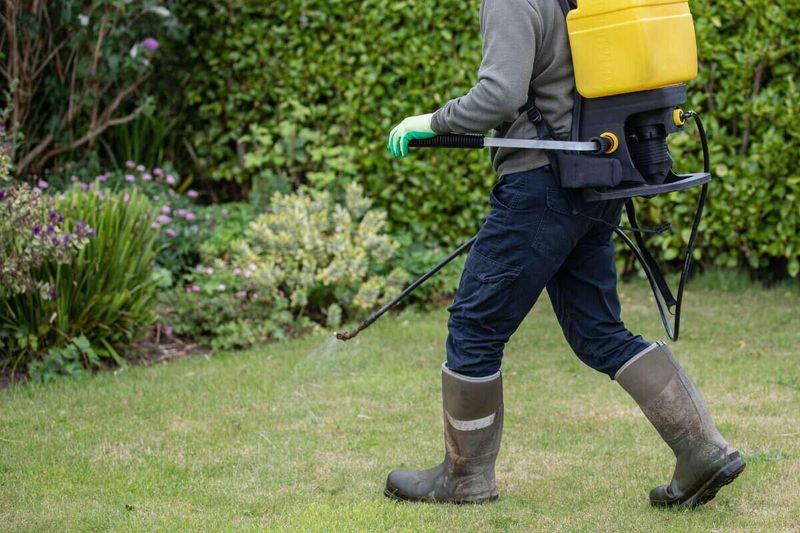
Timing is everything when it comes to stopping crabgrass in Pennsylvania. Pre-emergent herbicides work by creating a chemical barrier in the soil that stops crabgrass seeds from sprouting.
They do not remove existing weeds. They simply stop new ones from getting started.
In Pennsylvania, the magic number is 55 degrees Fahrenheit. Once soil temperatures hold steady at that level for several days in a row, crabgrass seeds start to wake up.
That window usually falls between mid-March and early April in southeastern Pennsylvania. If you live in northern or higher-altitude areas of the state, you may not need to apply until late April or even early May.
A soil thermometer is a cheap and smart tool to have on hand. You can also check with your local Penn State Extension office for regional soil temperature updates.
Products containing prodiamine or dithiopyr are popular choices for Pennsylvania lawns and are widely available at local garden centers.
Apply the herbicide evenly using a broadcast spreader for the best coverage. Make sure to water it in lightly after application so it activates properly in the soil.
One common mistake homeowners make is applying too late, after the soil has already warmed past 60 degrees Fahrenheit, which means many crabgrass seeds have already started to sprout.
If you plan to overseed your lawn in spring, be careful. Pre-emergent herbicides can also block grass seed from germinating.
In that case, wait until fall to overseed, or choose a product labeled as safe for new seeding. Getting the timing right is the single most effective step you can take.
2. Keep Your Lawn Thick And Healthy
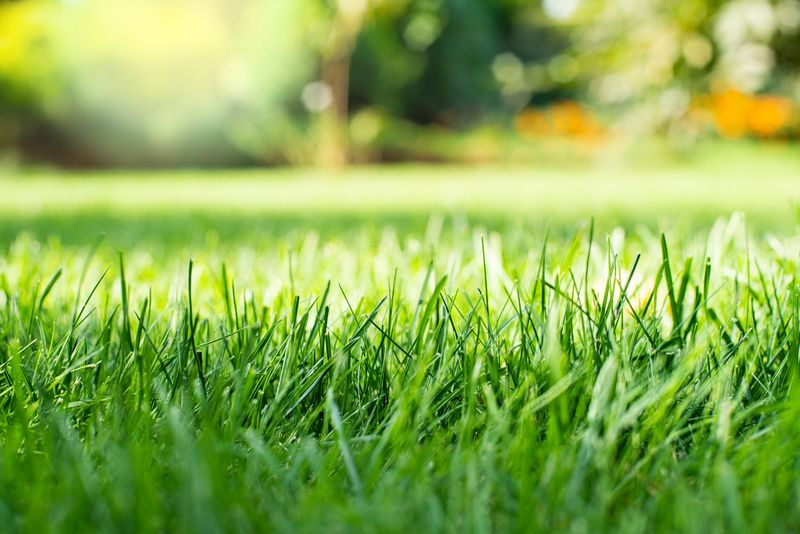
A thick, healthy lawn is honestly your best natural defense against crabgrass. When your grass grows in dense and strong, it shades the soil and leaves very little room for weed seeds to find sunlight and take hold.
Crabgrass loves bare, thin, or struggling turf. Give it no open spaces, and it struggles to get started.
Mowing height plays a huge role in lawn density. In Pennsylvania, cool-season grasses like tall fescue and Kentucky bluegrass do best when kept between three and four inches tall.
Cutting grass too short stresses it out and exposes more bare soil to sunlight, which is exactly what crabgrass seeds need to sprout. Keep your mower blade sharp and never cut more than one-third of the grass blade at a time.
Watering habits matter just as much as mowing. Water deeply once or twice a week instead of lightly every day.
Deep watering pushes grass roots down further into the soil, making your lawn stronger and more drought-resistant. Shallow watering keeps roots near the surface and creates weak turf that weeds can easily invade.
Overseeding thin or bare patches is another smart move, especially in early fall when soil temperatures are still warm enough for germination. Fall overseeding in Pennsylvania gives new grass time to establish before winter without competing with summer weeds.
Choose grass varieties suited to your specific region of the state for the best results.
A healthy, full lawn is not just prettier. It is a living barrier that works around the clock to keep crabgrass and other weeds from ever gaining a foothold in your yard.
3. Use Organic Solutions And Natural Barriers
Not everyone wants to reach for chemical herbicides, and that is completely understandable. Organic options can be surprisingly effective when used correctly, especially for homeowners in Pennsylvania who prefer a more natural approach to lawn care.
Corn gluten meal is one of the most talked-about natural pre-emergents available. It is a byproduct of corn processing and has been shown to inhibit seed germination when applied to lawns in early spring.
For it to work well, timing is critical. Apply it around the same time you would use a synthetic pre-emergent, when soil temperatures approach 55 degrees Fahrenheit.
Keep in mind that corn gluten meal works best after a few years of consistent use as it builds up in the soil over time.
Mulching is another powerful tool in the organic toolbox. Adding a two to three inch layer of wood chip or bark mulch in garden beds and along borders blocks sunlight from reaching the soil surface.
Without sunlight, crabgrass seeds simply cannot sprout. Mulch also helps retain soil moisture and regulate temperature, which benefits your desired plants at the same time.
Landscape fabric placed beneath mulch adds an extra layer of protection in garden beds. It lets water and air pass through while physically blocking weeds from pushing up through the soil.
Just make sure to secure the edges properly to prevent crabgrass from sneaking in along the borders.
In Pennsylvania, where summers can get hot and humid, combining corn gluten meal on the lawn with mulched garden borders creates a strong, chemical-free defense system that keeps crabgrass from spreading across your entire property.
4. Maintain Proper Lawn Care Practices Year-Round
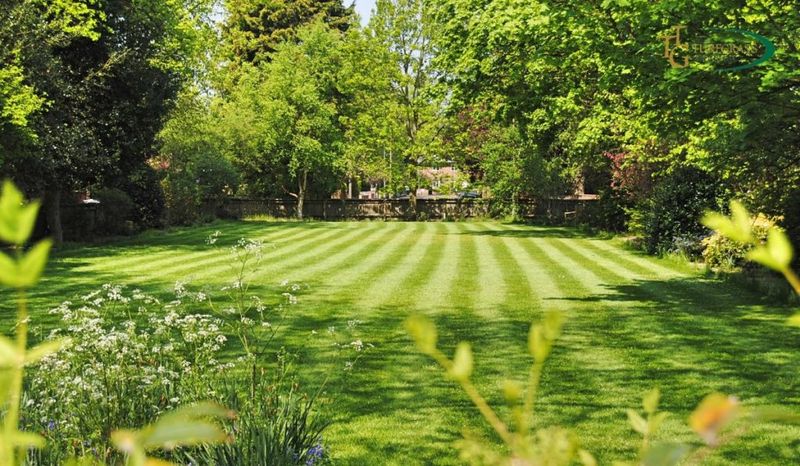
Many Pennsylvania homeowners think about crabgrass only in spring, but the truth is that year-round lawn care is what really makes the difference.
The choices you make in fall, winter, and even midsummer all affect how well your lawn holds up against crabgrass the following season.
Fertilizing at the right time is one of the most impactful things you can do. In Pennsylvania, the best times to fertilize cool-season grasses are early spring and fall.
Avoid heavy fertilizer applications in the heat of summer. Feeding your lawn during hot weather can actually push weak growth that crabgrass takes advantage of quickly.
A soil test from your local Penn State Extension office can tell you exactly what nutrients your lawn is missing.
Mowing consistently at the proper height throughout the growing season keeps your turf dense and competitive. Never scalp your lawn in spring trying to remove dry material.
Instead, rake gently and let the grass come back on its own schedule. Scalping exposes bare soil and practically rolls out a welcome mat for crabgrass seeds waiting in the ground.
Fall is also the best time to address any compacted or thin areas of your lawn. Aerate in early fall and follow up with overseeding.
This sets your lawn up to enter winter strong and come back thicker in spring. A thicker spring lawn means fewer opportunities for crabgrass to establish itself.
Year-round attention to your lawn in Pennsylvania is not about doing more work. It is about doing the right things at the right times so your grass stays ahead of weeds naturally all year long.
5. Improve Lawn Drainage And Soil Aeration
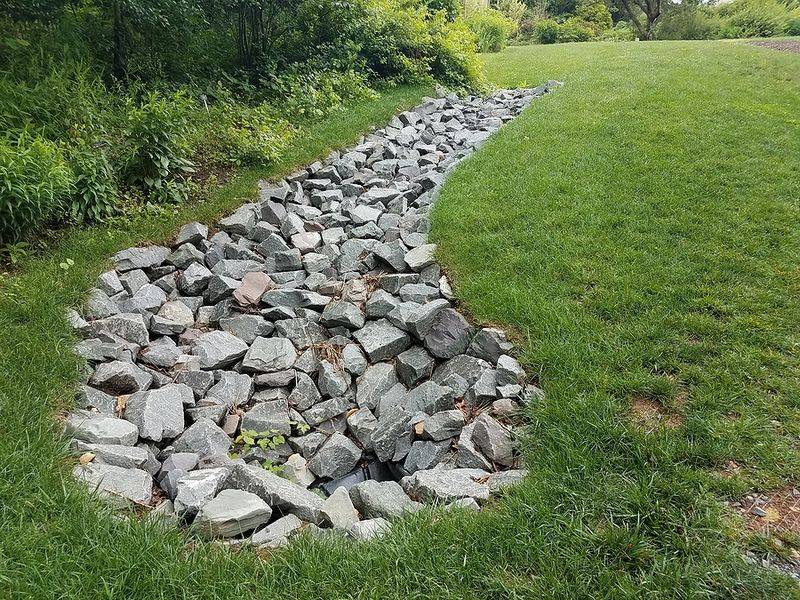
Compacted soil is a silent invitation for crabgrass. When the ground is packed down tight, water pools on the surface instead of soaking in, grass roots cannot grow deep, and weeds like crabgrass that tolerate poor conditions start to move in.
Pennsylvania lawns, especially those in high-traffic areas or with heavy clay soil, are particularly vulnerable to this problem.
Core aeration is one of the most effective solutions available to homeowners. The process involves pulling small plugs of soil out of the ground to loosen compaction, improve air circulation, and allow water and nutrients to reach the root zone more easily.
Most lawn care experts recommend aerating Pennsylvania lawns in early fall when cool-season grasses are actively growing and can recover quickly from the process.
After aerating, topdressing with a thin layer of compost can further improve soil structure. Compost adds organic matter that helps break up clay and improves drainage over time.
Healthy, loose soil grows stronger grass, and stronger grass crowds out crabgrass more effectively season after season.
Poor drainage is another issue worth addressing directly. Low spots in your yard that collect standing water after rain create perfect conditions for crabgrass and other opportunistic weeds.
Regrading problem areas or installing simple French drains can redirect water away from those zones and help your turf stay healthier overall.
In Pennsylvania, where spring rains can be heavy and soils vary widely across the state, taking the time to fix drainage and aeration issues pays off in a big way. A lawn that breathes well and drains properly is far less likely to give crabgrass the foothold it needs to spread.
6. Remove Crabgrass Early If It Does Appear
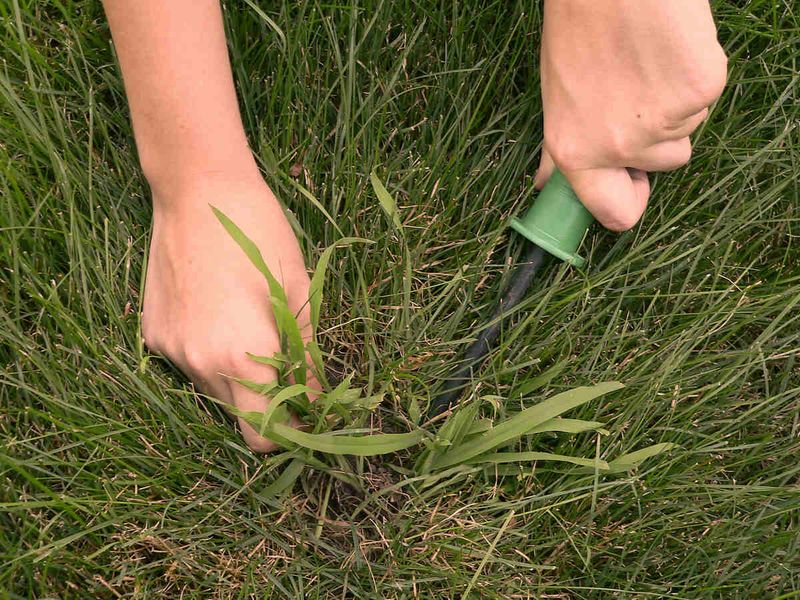
Even with the best prevention plan in place, a few crabgrass plants might still pop up in your Pennsylvania lawn.
Spotting them early and acting fast is the key to stopping a small problem from turning into a massive one. Crabgrass is easiest to remove when it is young, small, and has not yet produced seeds.
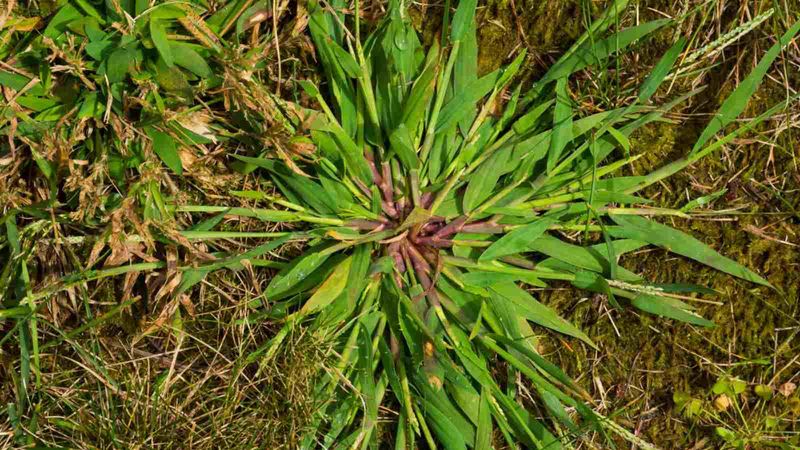
Young crabgrass looks like a light green, coarse-textured clump that grows low and spreads outward in a star or crab-like pattern.
It stands out from most lawn grasses because of its wider blades and lighter color. Once you know what to look for, it becomes much easier to catch early in the season.
Hand-pulling is the most straightforward removal method for small patches. Do it when the soil is moist, like after a rain or a watering session, so the roots come out more cleanly.
Try to pull the entire root system out in one motion. Leaving root fragments behind can allow the plant to regrow, especially in the warm Pennsylvania summers when crabgrass grows aggressively.
Dispose of pulled crabgrass carefully. Do not toss it into a compost pile if it has already started forming seed heads.
Crabgrass seeds can survive composting temperatures and end up right back in your lawn when you spread the compost later. Bag it up and place it in your regular yard waste for pickup instead.
For larger patches that are already spreading, a post-emergent herbicide containing quinclorac can be applied during late spring or early summer. Always follow label directions carefully and avoid applying during extreme heat to protect your surrounding lawn grasses from stress.