The Big Overwintering Mistake Pennsylvania Gardeners Keep Making
Pennsylvania gardeners often make one critical mistake when winter arrives: they continue caring for dormant plants as if growth season never ended.
Overwintering plants enter a rest phase where their needs change dramatically, yet many people keep watering, feeding, and fussing over them constantly.
Understanding why dormant plants require different treatment can save your garden from damage and help your plants emerge stronger when spring finally arrives.
Learning these nine essential reasons will transform how you approach winter plant care and protect your precious garden investments throughout the coldest months.
Overwatering Causes Root Rot In Dormant Plants
Winter watering schedules need dramatic adjustment because dormant plants absorb moisture at drastically reduced rates compared to their summer growing phase metabolism levels.
Pennsylvania winters bring naturally moist soil conditions, so adding extra water creates saturated environments where harmful fungi and bacteria thrive around vulnerable root systems.
Roots sitting in cold, wet soil for extended periods develop rot that weakens the entire plant structure before spring growth can begin again.
Most overwintering plants need watering only once every three to four weeks, and only when soil feels completely dry several inches down.
Checking soil moisture with your finger before watering prevents the common mistake of following summer schedules that no longer match plant requirements during dormancy.
Drainage becomes absolutely critical during winter months, so ensuring pots have adequate holes and outdoor beds slope properly protects roots from standing water.
Adjusting your watering habits to match dormant plant needs represents one of the simplest yet most effective changes Pennsylvania gardeners can make this season.
Fertilizing Dormant Plants Causes Weak Growth
Applying fertilizer during dormancy pushes plants to produce growth when they should be resting, creating weak, leggy shoots that cannot survive cold temperatures.
Dormant plants have shut down their growth systems intentionally, conserving energy for the vigorous spring flush that comes when conditions improve and daylight increases.
Forcing growth with nutrients during winter depletes stored energy reserves that plants need for survival, leaving them vulnerable and exhausted when spring actually arrives.
Pennsylvania gardeners often mean well by feeding plants, but this kindness backfires spectacularly when applied during the wrong season to dormant specimens.
Any pale, stretched growth produced in winter lacks the strength and resilience of natural spring growth, making it susceptible to damage from cold drafts.
Save all fertilizer applications for early spring when plants naturally break dormancy and begin showing signs of new growth like swelling buds or emerging leaves.
Resisting the urge to feed sleeping plants throughout winter protects their natural rhythms and ensures they emerge healthy and ready for robust growth.
High Temperatures Prevent Necessary Rest Periods

Many plants require a genuine cold period to complete their life cycle properly, and keeping them too warm disrupts essential biological processes they need.
Pennsylvania gardeners bringing plants indoors often place them near heating vents or in overly warm rooms, preventing the chilling hours required for future flowering.
Without adequate cold exposure, spring blooms may fail to appear or produce disappointing displays because the plant never received proper dormancy temperature signals.
Ideal overwintering temperatures for most dormant plants range between forty and fifty degrees Fahrenheit, much cooler than typical comfortable indoor heating levels maintain.
Basements, unheated garages, or enclosed porches often provide perfect cool conditions where plants can rest without freezing, mimicking natural winter outdoor temperature patterns.
Plants kept too warm may also break dormancy prematurely, producing growth during short winter days when insufficient light cannot support healthy development at all.
Finding appropriate cool storage locations for overwintering plants ensures they receive the rest period their biology demands for long-term health and productivity.
Excessive Light Confuses Plant Dormancy Signals

Dormant plants respond to shorter day lengths as a signal to rest, and providing excessive artificial light disrupts this natural timing mechanism completely.
Pennsylvania winter days naturally shorten, triggering hormonal changes in plants that prepare them for dormancy, but bright indoor lighting counteracts these important environmental cues.
Plants receiving too much light during their rest period may attempt to grow, wasting precious energy reserves when conditions cannot support healthy development anyway.
Most overwintering plants thrive with minimal light exposure, perhaps just enough to prevent complete darkness, matching the dim conditions found in natural winter landscapes.
Placing dormant plants in locations away from bright windows and artificial lighting helps maintain their rest state and prevents premature growth attempts during winter.
Some gardeners mistakenly believe plants need constant bright light regardless of season, but this approach ignores the natural cycles plants evolved to follow.
Respecting the relationship between light levels and dormancy helps overwintering plants conserve energy and emerge stronger when lengthening spring days naturally signal growth time.
Pruning During Dormancy Removes Spring Flower Buds
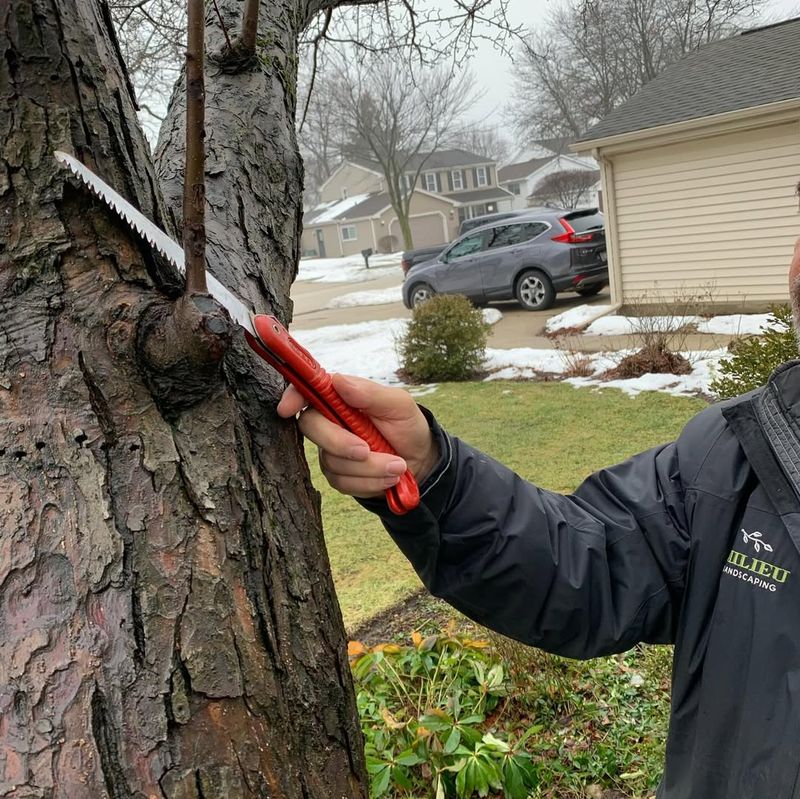
Many flowering plants set their spring blooms on old wood during the previous growing season, and winter pruning removes these precious developing buds.
Pennsylvania gardeners tidying up their overwintering plants often cut away branches that appear messy or overgrown, unknowingly sacrificing the entire spring flower display.
Hydrangeas, lilacs, forsythia, and many other popular garden plants form flower buds in late summer that remain dormant through winter on existing branches.
Removing these branches during winter cleanup means removing all the flowers you would have enjoyed during the following spring and early summer months.
Proper pruning timing varies by plant species, with spring-blooming varieties typically requiring pruning immediately after flowering rather than during winter dormancy or early spring.
Learning which plants bloom on old wood versus new wood helps gardeners make informed pruning decisions that enhance rather than eliminate flowering potential.
Resisting the urge to prune during winter, when plants look untidy, preserves the flower buds that will bring joy and beauty to your garden.
Repotting Stresses Roots During Vulnerable Rest Phase
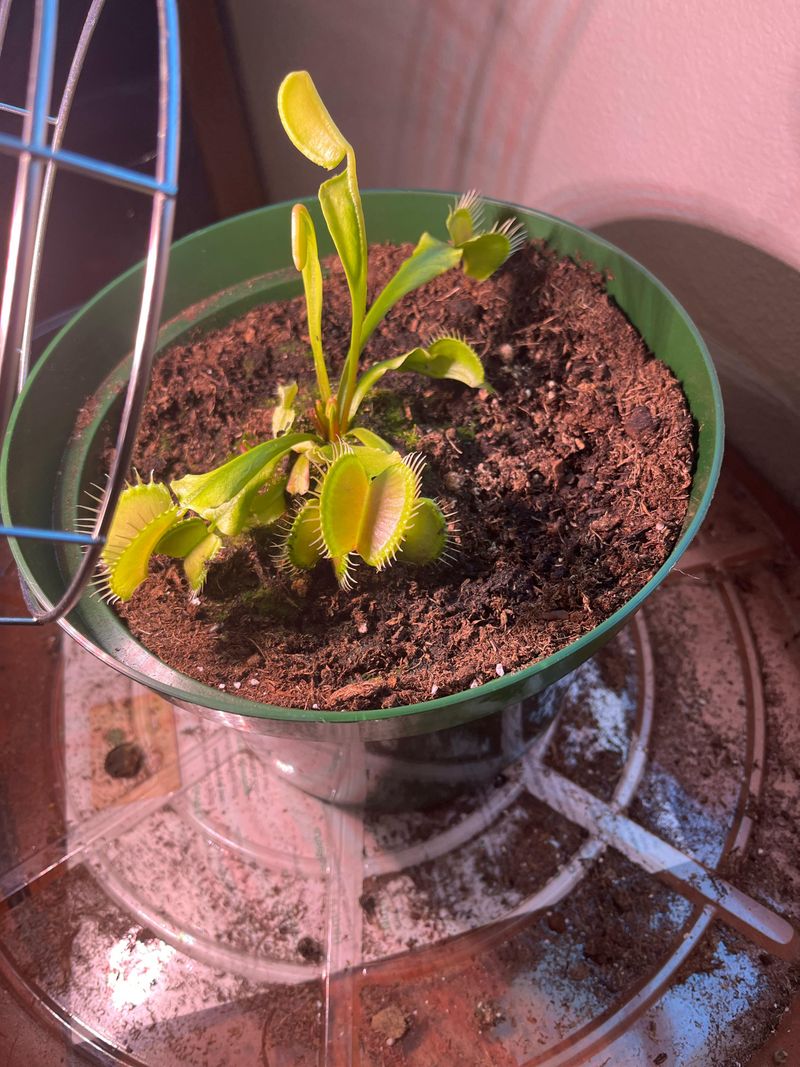
Root systems remain extremely vulnerable during dormancy, and disturbing them through repotting creates stress that plants cannot easily overcome when growth systems are shut down.
Active growing plants can quickly repair root damage and establish themselves in new soil, but dormant plants lack the metabolic activity needed for recovery.
Pennsylvania gardeners sometimes use winter months for indoor plant maintenance tasks, but repotting should wait until plants show signs of breaking dormancy naturally.
Damaged roots during dormancy may develop rot or simply fail to establish properly, leaving plants struggling when spring growth season arrives and demands strong roots.
Any necessary repotting should occur just as plants begin showing new growth, when their systems can actively respond to the change and establish quickly.
Emergency repotting for severely root-bound plants can occur during dormancy if absolutely necessary, but should be done minimally with careful handling to reduce stress.
Patience with repotting timing protects vulnerable dormant root systems and ensures plants can dedicate their limited winter energy to survival rather than recovery from disturbance.
Misting Dormant Plants Encourages Fungal Disease
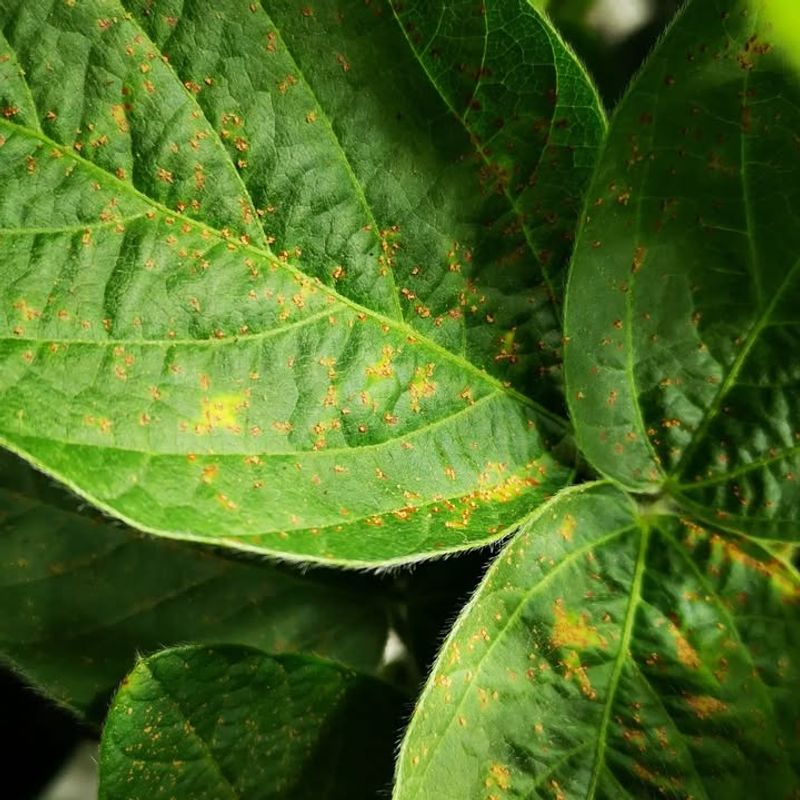
Dormant plants have reduced transpiration rates and cannot efficiently process moisture on leaf surfaces, creating perfect conditions for fungal growth and disease development.
Pennsylvania winter air tends toward dryness indoors, tempting gardeners to mist plants regularly, but this practice causes more harm than good for resting specimens.
Water sitting on dormant leaves in cool conditions provides ideal breeding grounds for powdery mildew, botrytis, and other fungal problems that spread rapidly through collections.
Active growing plants can often handle some leaf moisture because their metabolic processes move water efficiently, but dormant plants lack this protective capability entirely.
Humidity needs for overwintering plants are generally much lower than during active growth, and most tolerate dry indoor air perfectly well during their rest phase.
If humidity adjustment becomes necessary, using room humidifiers or pebble trays provides ambient moisture without creating dangerous wet conditions directly on vulnerable plant surfaces.
Avoiding direct misting during dormancy protects plants from fungal infections that can devastate collections and spread quickly through close indoor quarters where air circulation stays limited.
Checking Plants Too Frequently Disturbs Their Rest
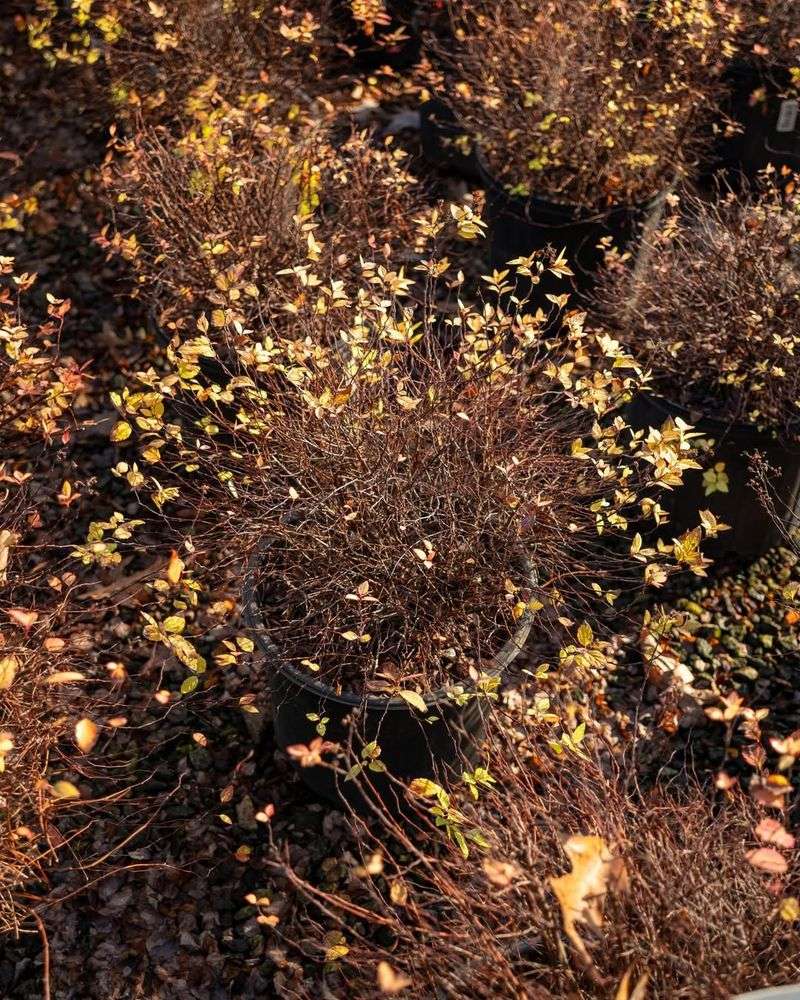
Dormant plants benefit from benign neglect, and constant checking, moving, or fussing disrupts their rest and exposes them to unnecessary environmental fluctuations and stress.
Pennsylvania gardeners worried about their overwintering plants often inspect them daily, but this attention causes more problems than it solves for specimens needing undisturbed rest.
Each time plants get moved for inspection, they experience changes in light, temperature, and air movement that can trigger premature growth responses or stress reactions.
Establishing a simple monthly check-in schedule provides adequate monitoring without the constant disturbance that interferes with natural dormancy processes plants require for health.
During monthly checks, quickly assess soil moisture, look for pest problems, and ensure temperatures remain appropriate, then leave plants alone to rest undisturbed again.
The impulse to constantly monitor stems from caring deeply about plants, but channeling that care into respectful distance serves dormant specimens much better overall.
Learning to trust the dormancy process and resist over-involvement represents a significant mindset shift that ultimately produces healthier, more vigorous plants when spring arrives.
Ignoring Pest Monitoring Allows Winter Infestations
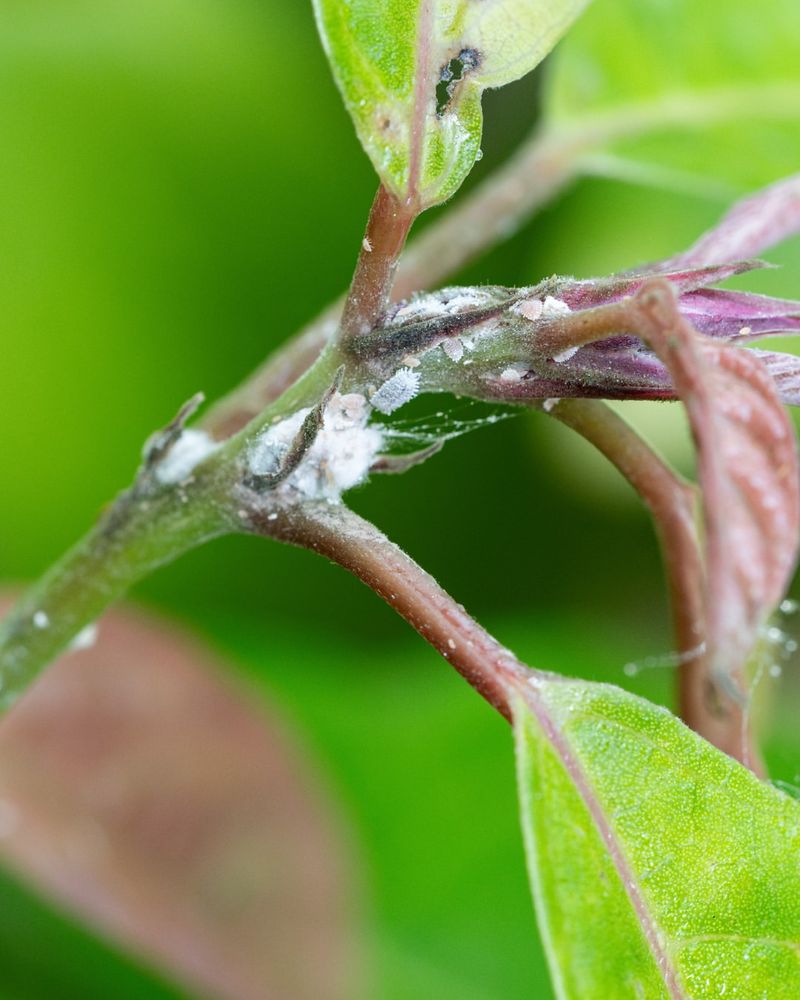
While dormant plants need less attention overall, completely ignoring pest monitoring allows problems to establish and multiply unchecked throughout the winter months in storage.
Pennsylvania indoor environments provide warm havens for pests like spider mites, aphids, and scale insects that reproduce rapidly on stressed dormant plants in close quarters.
Bringing outdoor plants inside for winter often introduces pests that were manageable outside but become serious problems in the confined space of indoor overwintering areas.
Monthly inspections should include careful examination of leaf undersides, stems, and soil surfaces for early signs of pest activity before populations explode uncontrollably.
Early detection allows for simple interventions like washing leaves or applying gentle treatments, while established infestations require more aggressive approaches that stress dormant plants.
Isolating newly brought-in plants for a few weeks before placing them with your main collection prevents introducing pests to your entire overwintering setup at once.
Balancing respectful distance with appropriate monitoring creates the ideal care approach where plants rest undisturbed while remaining protected from preventable pest problems throughout winter storage.