The Biggest Lawn Fertilizer Mistake Ohioans Make in April
Your lawn looks ready, but April has a way of tricking even seasoned Ohio homeowners. One simple move this month can quietly undo everything you hope to build this season.
A few warm days roll in, the grass starts to green up, and it feels like the perfect time to step in and give your lawn a boost. You are not alone in that thinking.
Across Ohio, this is the moment many people act with the best intentions, convinced they are getting ahead. But spring does not play by surface signals. What you see above ground tells only part of the story, and what is happening below can change everything.
Jump too quickly and you can throw your lawn off balance before it even hits its stride. The result often shows up weeks later, long after that early decision is forgotten.
Hold back just a bit, and your lawn has a much better shot at staying strong through the toughest stretch of the year.
1. Warm Days Fool You But Soil Temperatures Tell The Truth
Picture this: it is a 65-degree Saturday in Columbus, the sun is out, and your neighbor is already dragging a spreader across their yard. It feels late to be waiting.
But here is something most Ohio homeowners never think about, air temperature and soil temperature are two completely different things.
Ohio spring weather is famously unpredictable. A warm stretch in early April can follow a hard freeze just days later.
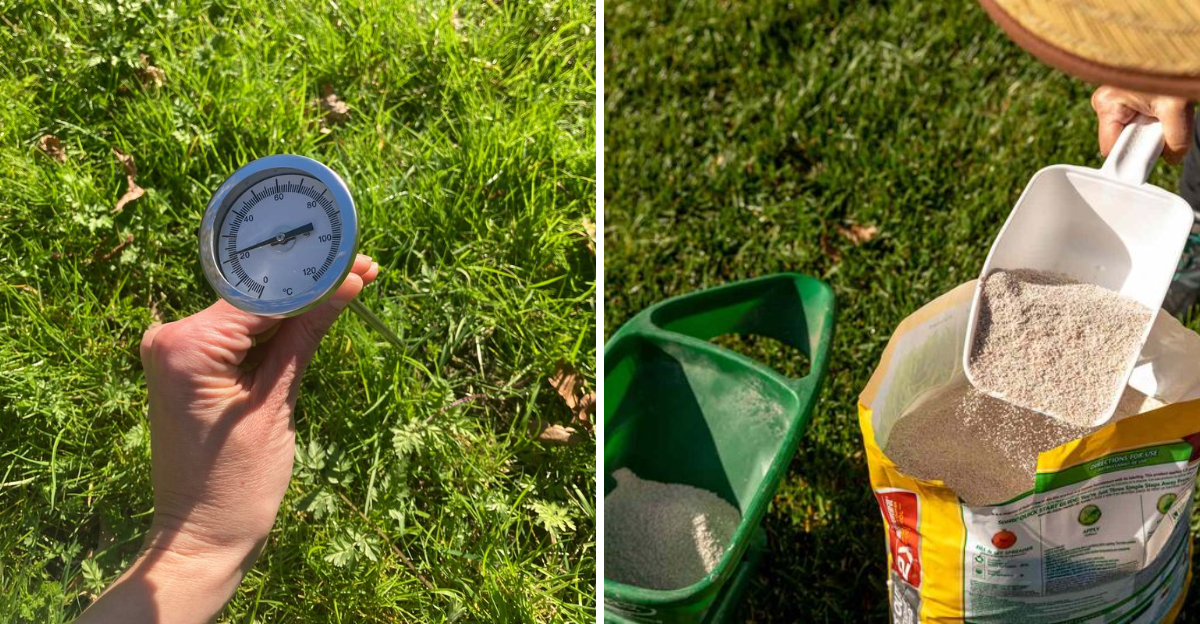
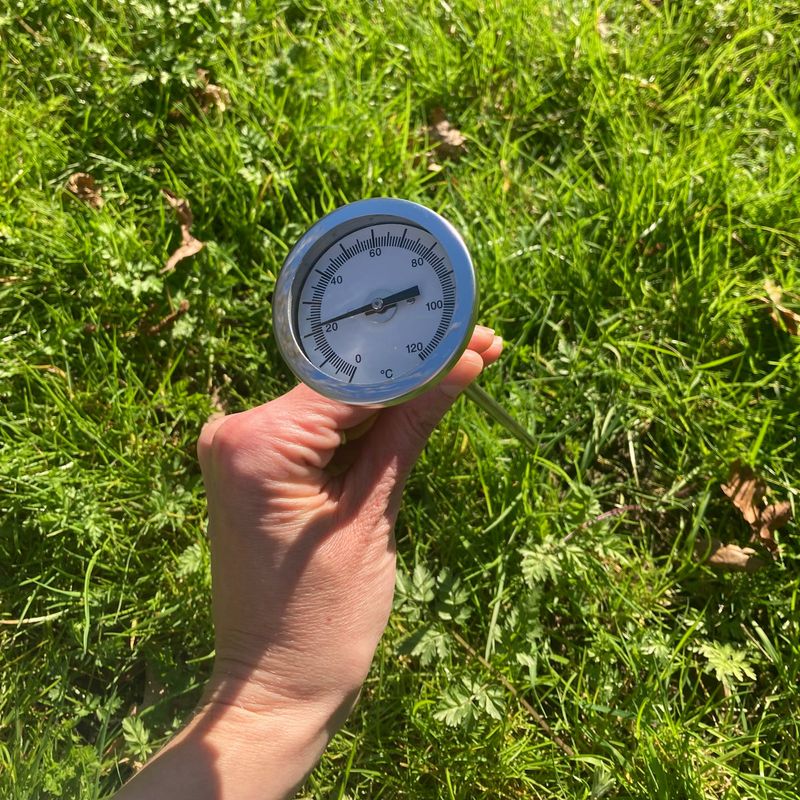
While the air warms up quickly, the soil holds onto winter cold much longer. According to Ohio State University Extension, cool-season grasses need consistent soil temperatures of at least 50 to 55 degrees Fahrenheit before roots become active enough to absorb nutrients properly.
Soil thermometers are inexpensive and easy to use. You push one about two to three inches into the ground and check the reading in the morning when temperatures are most accurate.
The Midwest Cover Crops Council and OSU Extension both recommend tracking soil temps rather than relying on a few nice afternoons.
Northern Ohio soils tend to warm more slowly than those in southern parts of the state. Checking local soil temperature maps, which OSU Extension updates regularly, gives you a much clearer picture than looking out the window ever will.
2. Green Up Does Not Mean Your Lawn Is Ready To Feed
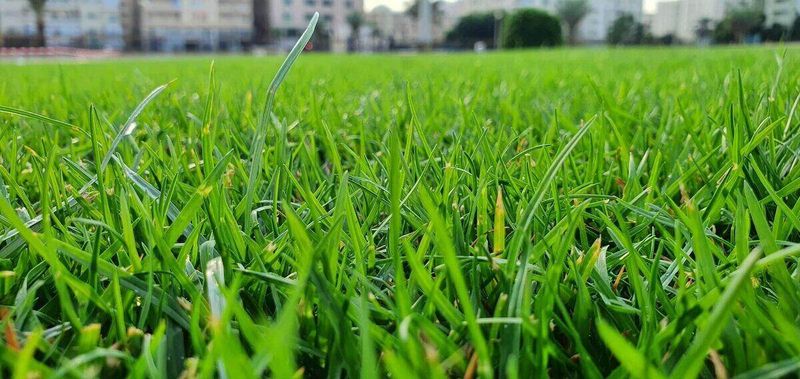
Seeing green grass after a long Ohio winter feels like a victory. That fresh color spreading across your yard is genuinely exciting, and it makes fertilizing feel urgent.
The problem is that green color can be misleading in ways that catch even experienced lawn owners off guard.
Cool-season grasses like tall fescue and Kentucky bluegrass can show visible green growth when soil temperatures are still hovering in the low 40s. That early color comes from stored energy in the plant, not from active, vigorous root-driven growth.
The grass is essentially waking up slowly, not sprinting forward.
When fertilizer is applied at this stage, the plant lacks the root activity needed to pull nitrogen up efficiently. The nutrients sit in the soil or near the surface while the lawn continues to draw on its own reserves.
You end up spending money on fertilizer that the grass simply cannot use yet.
A lawn that looks green is not the same as a lawn that is growing actively. Real growth, the kind that needs fuel, shows up when soil temps are consistently warm and the grass is putting out new shoots and expanding.
That visual shift, paired with a soil thermometer reading, is a far more reliable signal than color alone.
3. Early Fertilizer Feeds Leaves While Roots Stay Weak
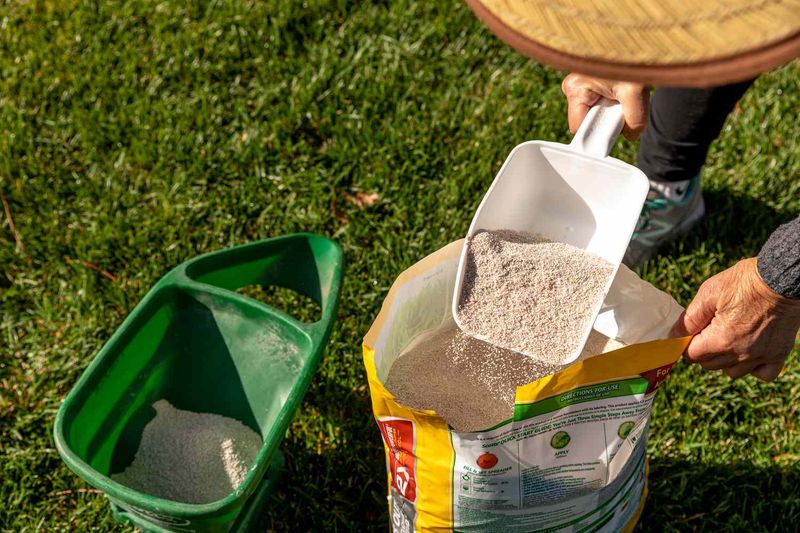
Nitrogen is the nutrient most responsible for that deep green color and leafy top growth in grass. When you apply it early in spring while soil is still cold, the nitrogen that does get absorbed goes almost entirely toward producing leaf tissue above ground.
That might sound fine at first, but it creates a real imbalance.
Healthy lawns depend on strong, deep root systems. Roots are what keep grass alive during Ohio’s hot, dry summers.
They are what allow the plant to find water and nutrients when surface conditions get tough. When early nitrogen pushes rapid leaf growth instead of root development, the lawn looks great in April but heads into summer on shaky ground.
OSU Extension lawn care specialists have noted that encouraging top growth before root systems are established stresses the plant. The grass blades grow faster than the roots can support, which increases moisture demand and makes the lawn more vulnerable to heat and drought later in the season.
Waiting until the soil is properly warmed allows the plant to develop both roots and shoots in a balanced way. That patience pays off significantly when July arrives and Ohio heat settles in for weeks at a time.
A lawn built on strong roots handles stress far better than one pushed for early color.
4. Cold Soil Locks Nutrients Where Grass Cannot Reach Them
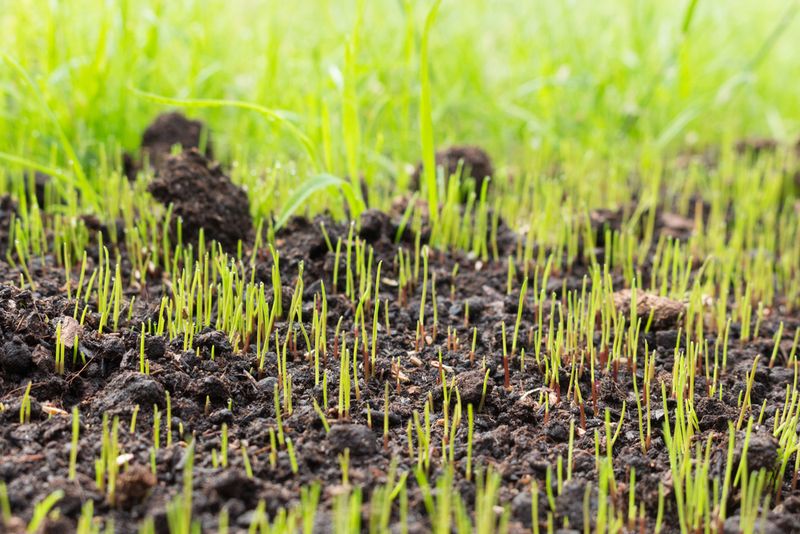
Fertilizer does not automatically become plant food the moment it hits the ground. Soil biology plays a huge role in breaking nutrients down into forms that grass roots can actually absorb.
And cold soil slows that biological activity significantly.
Most of the microbial processes that convert nitrogen into usable forms for plants work best when soil temperatures are above 50 degrees. Below that threshold, microbial activity drops sharply.
Granular fertilizers, especially slow-release formulas, depend on these soil microbes to break down and release nutrients over time. In cold soil, that process stalls.
Quick-release nitrogen fertilizers behave a bit differently, they can dissolve with moisture, but if roots are not active, the dissolved nutrients simply sit in the soil solution. Without root uptake, those nutrients become vulnerable to leaching deeper into the soil profile or washing away entirely with rain.
This is part of why timing fertilizer applications to match soil readiness is so important. The goal is not just to get nutrients into the ground, it is to get them into the plant.
Cold Ohio soils in early April often cannot deliver on that goal, no matter how well-intentioned the application is. Waiting a few extra weeks can make every dollar you spend on fertilizer work far more effectively for your lawn.
5. Spring Rains Can Wash Away What Your Lawn Never Used
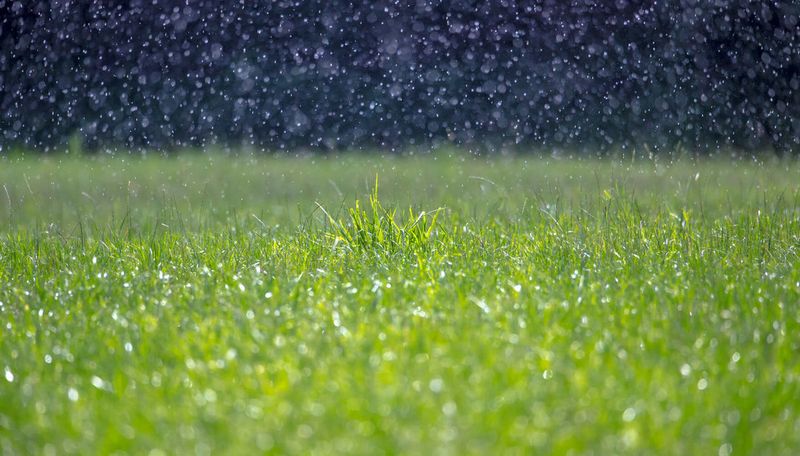
April in Ohio is wet. Average rainfall across the state climbs noticeably in spring, and heavy rain events are common throughout the month.
That moisture is great for lawns in many ways, but it creates a serious problem when fertilizer has been applied before grass roots are ready to use it.
When nitrogen sits on or near the soil surface and a heavy rain hits, it does not wait around. Water carries dissolved nutrients across the lawn, down slopes, through drainage systems, and eventually into streams, ponds, and rivers.
This process, called nutrient runoff, is both an economic loss for the homeowner and an environmental concern for Ohio waterways.
Excess nitrogen in water bodies contributes to algae blooms, which reduce oxygen levels and harm aquatic life. Ohio has experienced significant water quality issues tied to agricultural and residential nutrient runoff, making this a genuinely important regional concern beyond just lawn health.
Applying fertilizer when grass is actively growing and soil temperatures are appropriate gives roots the best chance to absorb nutrients before rain events move them elsewhere. Even a moderate rainfall shortly after a well-timed spring application is far less wasteful than the same rain following an early April fertilization when the lawn simply was not ready to feed.
6. One Early Application Can Set Up Problems For Summer Stress
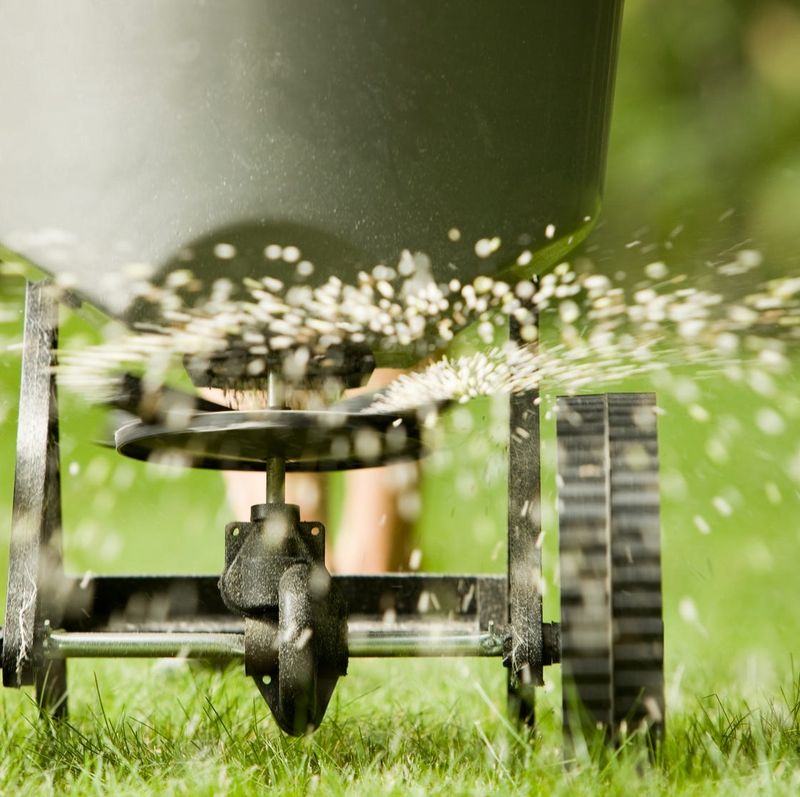
Most people think of early spring fertilizing as a head start. The logic seems reasonable: feed the lawn early, get ahead of the season, enjoy a lush yard all summer.
Unfortunately, the opposite outcome is more likely when fertilizer goes down before Ohio soils are ready.
Pushing rapid top growth in cold soil forces the plant to spend energy it has not fully rebuilt yet. Grass coming out of winter is already working to restore its carbohydrate reserves.
Early nitrogen application interrupts that process by redirecting energy toward leaf production instead of root strengthening and carbohydrate storage.
Lawns that go into summer with shallow roots and depleted energy reserves are noticeably more vulnerable to heat stress, drought, and fungal disease. Ohio summers can bring extended periods of 90-degree heat combined with dry spells, and a lawn that was pushed hard in April often shows the damage by July or August.
Lawn care researchers at Ohio State University have consistently found that fall fertilization builds stronger lawns than heavy spring feeding. A lawn fed appropriately in fall enters spring with deeper roots and better energy reserves, making it far more resilient when summer stress arrives.
Early April fertilizing might feel productive, but the consequences can linger for months after that first warm weekend.
7. The First Mow Is A Better Signal Than The First Warm Weekend

Forget the calendar for a moment. Forget the first 60-degree Saturday, too.
One of the most practical and underused signals that your Ohio lawn is ready to be fertilized is surprisingly simple: the first time you need to mow.
When grass starts growing fast enough to require mowing, it means the plant is genuinely active. Roots are working, soil has warmed enough to support metabolism, and the lawn is putting out new growth rather than just greening up from stored reserves.
That is the moment when applied nitrogen can actually be taken up and used efficiently.
This approach aligns well with what OSU Extension recommends for spring lawn care. Rather than chasing a specific date on the calendar, watching for biological cues from the lawn itself gives you a more reliable and regionally accurate timing signal.
Ohio’s climate varies enough from Lake Erie in the north to the Ohio River valley in the south that a single April date rarely applies statewide.
Using mowing as your guide also keeps things practical. You do not need special equipment or data.
You just need to notice when the grass is growing consistently enough to demand attention. That natural rhythm, paired with a quick soil temperature check, gives you far better results than any fixed spring fertilizing date ever could.
8. Fall Feeding Still Matters More Than Early Spring Fertilizer
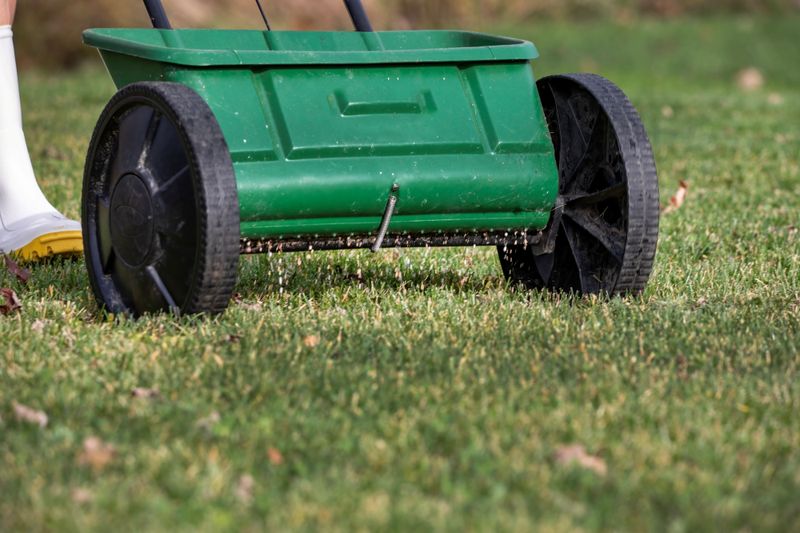
Here is a fact that surprises a lot of Ohio homeowners: fall is actually the single most important time of year to fertilize a cool-season lawn, not spring. If you had to choose only one fertilizer application per year, lawn care researchers and OSU Extension specialists would tell you to make it in fall without hesitation.
Cool-season grasses like tall fescue and Kentucky bluegrass experience their strongest growth periods in fall. Soil temperatures are still warm enough for root activity, but air temperatures have cooled, which reduces stress on the plant.
Nitrogen applied in late September through early November gets absorbed efficiently and supports root development heading into winter.
Fall feeding also helps grass build up carbohydrate reserves that fuel early spring green-up naturally. A lawn that was well fed in fall does not need an aggressive early spring application because it already has the energy it needs stored in its roots.
That stored energy is what creates that beautiful early green color without any fertilizer at all.
Putting too much focus on spring fertilizing while neglecting fall feeding is a common pattern in Ohio, and it often produces lawns that look okay in spring but struggle through summer and thin out over time. Shifting your fertilizer priorities toward fall is one of the highest-impact changes a homeowner can make for long-term lawn health.