The Biggest Mistakes Pennsylvania Gardeners Make In Early Spring
Spring in Pennsylvania has a rhythm all its own. You can almost feel it in the air – the smell of thawing soil, the first songbirds returning, the soft warmth of early sunlight, and the gentle tug to get outside after a long winter.
For many of us, those first gardening days feel exciting, even urgent.
But a few simple missteps in early spring can slow down growth, stress plants, or even damage them before the season has really started.
From timing the soil work to knowing when to prune or fertilize, small mistakes can make a big difference in how your garden fares over the next few months.
If you’ve ever planted too early, overwatered without realizing it, or misjudged frost protection, these common traps are worth learning.
Here are the missteps you’ll want to avoid as the growing season kicks into gear.
1. Planting Warm-Season Crops Too Early
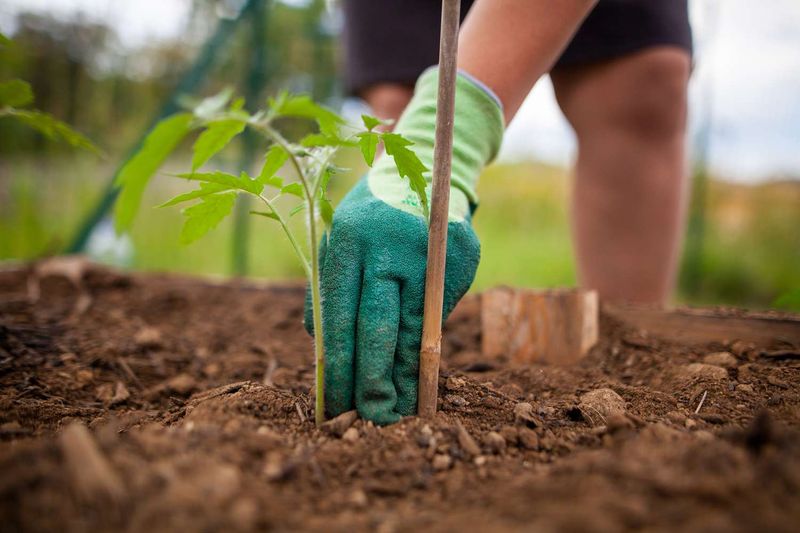
Every spring, the excitement of warmer days tempts Pennsylvania gardeners to rush tomatoes, peppers, and basil into the ground long before those plants are ready. It feels like the right move when the sun is shining and the air smells like fresh soil, but warm-season crops are picky about temperature.
They need soil that consistently stays above 60 degrees Fahrenheit, and in Pennsylvania, that often does not happen until late May or early June depending on your region.
Planting too early can slow growth because cold soil reduces root activity and may stress young plants. Even if a frost does not come, a tomato sitting in 45-degree soil will barely grow and may never fully recover its potential for the season.
You end up losing weeks of productive growing time despite your early effort.
A smart approach is to start seeds indoors six to eight weeks before your last expected frost date, which in most of Pennsylvania falls between April 15 and May 15. Use a soil thermometer to check ground temperature before transplanting anything outside.
Patience really pays off here. Seedlings planted into warm, ready soil will grow faster and stronger than those planted weeks earlier into cold ground, giving you a healthier harvest by midsummer.
2. Pruning Spring-Blooming Shrubs Too Soon
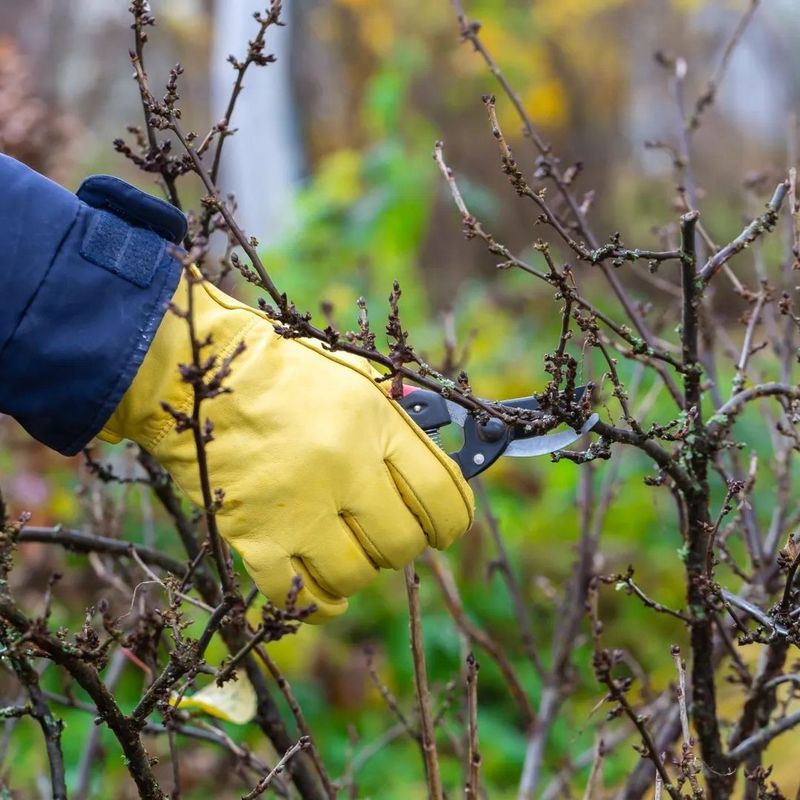
Forsythias bursting into yellow blooms and lilacs filling the air with sweet fragrance are two of Pennsylvania’s most beloved signs of spring. However, many gardeners make the mistake of grabbing their pruning shears too early and cutting these shrubs back before they ever get a chance to show off.
The result is a season with no flowers and a lot of frustration.
Spring-blooming shrubs set their flower buds on old wood, so growth from the previous year produces the next spring’s blooms. When you prune in early spring before flowering, you are cutting away all those buds that spent all winter waiting to open.
It is an easy mistake to make if you are trying to tidy up the yard before the growing season kicks in.
The fix is simple: wait. Let your forsythias, lilacs, azaleas, and other spring bloomers flower completely before touching them with pruning shears.
Once the blooms fade, you have a short window, usually within a few weeks after flowering ends, to prune without affecting next year’s show. In Pennsylvania’s climate, this typically means pruning sometime in May or early June.
Pruning at the right time keeps your shrubs healthy, well-shaped, and loaded with blooms every single spring season.
3. Working Soil While It’s Still Wet
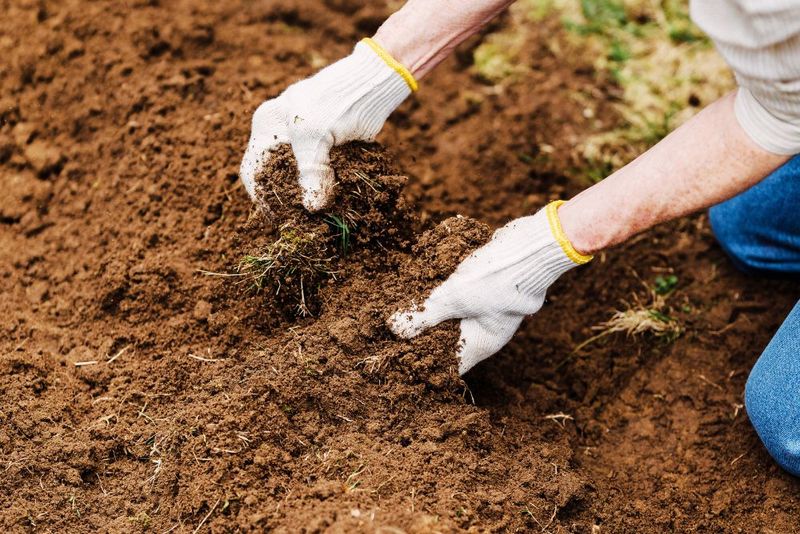
Few things feel more satisfying than getting into the garden after a long Pennsylvania winter and turning over fresh soil. But if that soil is still wet from snowmelt or spring rain, working it can cause serious long-term damage to your garden beds.
Wet soil compacts easily under pressure from tools, boots, or a tiller, and compacted soil reduces air pockets that plant roots need to grow.
Once you compact soil, it stays that way for much of the season. Water drains poorly through compacted ground, roots struggle to push through it, and the structure that makes soil healthy and loose gets broken down.
In Pennsylvania, where spring rains can be frequent and heavy, the urge to get out early often leads gardeners into muddy beds that end up being worse off than before they were touched.
Testing your soil before working it is easy. Grab a handful and squeeze it into a ball.
If it holds its shape and feels sticky or slimy, the soil is too wet to work. If it crumbles apart when you poke it, the soil is ready.
Raised beds can help Pennsylvania gardeners avoid this problem entirely since they drain faster and warm up more quickly in spring, letting you get started sooner without the risk of compaction.
4. Removing Mulch Too Early
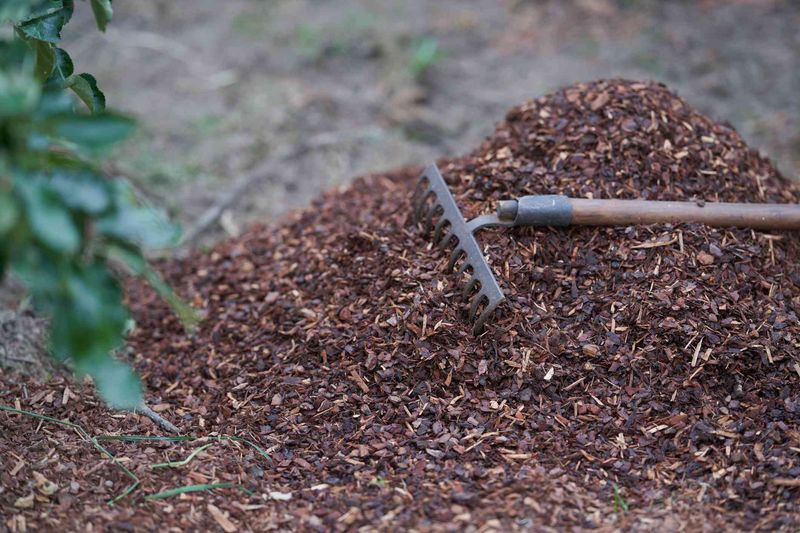
Mulch is one of the hardest-working tools in any Pennsylvania garden. Through winter, it acts like a warm blanket over plant roots, protecting them from freezing temperatures and dramatic temperature swings.
The mistake many gardeners make is pulling all that mulch away the moment a few warm days arrive in March, leaving plants exposed to the cold nights that almost always follow in Pennsylvania’s unpredictable early spring.
Late frosts can occur across the state, sometimes into April and occasionally May in northern and mountainous regions. When mulch is removed too early, tender new growth that has just started pushing up from the soil is suddenly unprotected.
A single hard frost after that point can set plants back significantly, browning new shoots and stressing the root systems that were just waking up from dormancy.
Gradually pulling back mulch as temperatures stabilize is the smarter play. Start by loosening it so air can circulate without fully removing it.
Keep a layer in place until your local forecast looks consistently frost-free, and always keep a bag of straw or extra mulch nearby just in case a cold snap is predicted. Pennsylvania weather is known for its surprises, and keeping your mulch handy through late April gives your garden a real safety net during those unpredictable early spring weeks.
5. Ignoring Late Frost Warnings
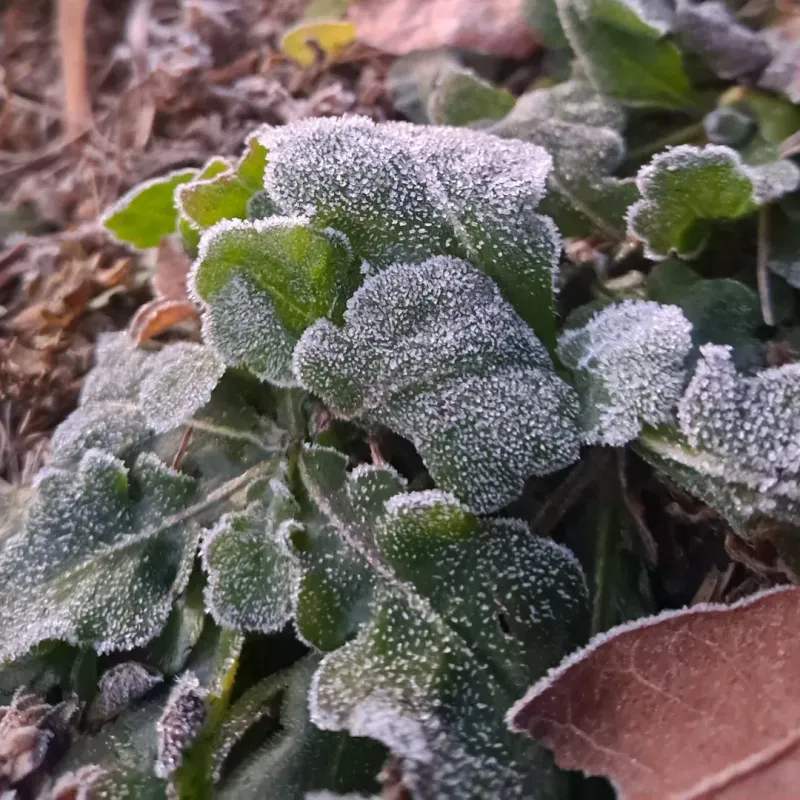
Pennsylvania gardeners who have lived through a few seasons know that warm weather in March does not mean winter is finished. Late frosts are a very real part of life in the Keystone State, and ignoring frost warnings is one of the fastest ways to lose weeks of hard gardening work in a single cold night.
Yet every spring, gardeners who get excited about the warm stretch skip checking forecasts and pay for it the next morning.
Tender seedlings, newly transplanted herbs, and early-season annuals are especially at risk. A frost event after planting can damage or completely wipe out young plants that had just started adjusting to outdoor conditions.
Even established perennials pushing up new growth can suffer browning and setbacks when an unexpected frost hits. Across Pennsylvania, late frosts have been recorded as late as mid-May in some inland and elevated areas.
Keeping a supply of frost cloth, old bedsheets, or row covers in your garage makes it easy to protect your garden quickly when the temperature is set to drop. Covering plants in the evening before a frost and removing the cover the next morning once temperatures rise is a simple habit that saves a lot of heartache.
Checking your local National Weather Service forecast regularly during April and May is one of the best gardening habits any Pennsylvania grower can develop.
6. Over-Fertilizing Too Early
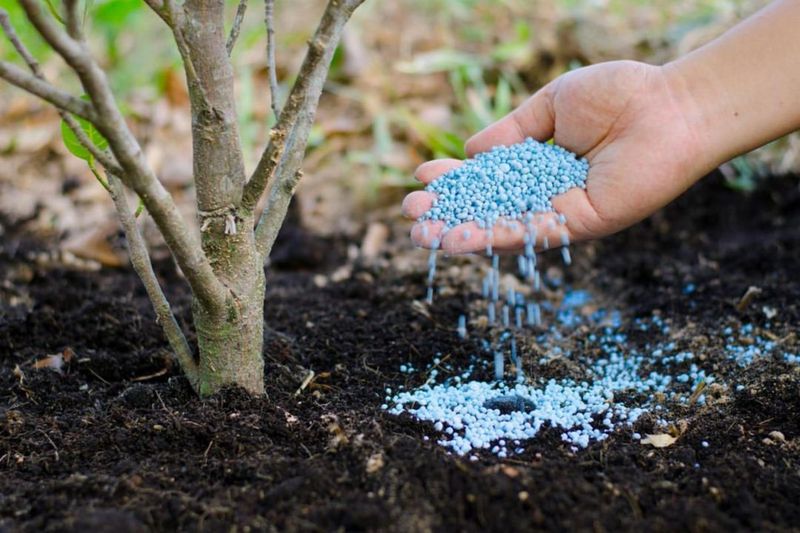
More fertilizer does not always lead to more growth, particularly in early spring when plants are just starting active growth. A lot of Pennsylvania gardeners figure that feeding their garden right away will give plants a head start, but applying fertilizer before plants are actively growing often does more harm than good.
Nutrients sitting in cold, barely-active soil can leach away with rain before roots are even ready to absorb them.
Over-fertilizing in early spring also risks burning tender new roots and contributing to nutrient runoff into local waterways, which is a real environmental concern across Pennsylvania’s many watersheds and streams. Lawns are especially vulnerable to early fertilizer applications.
Grass in Pennsylvania generally should not receive its first fertilizer treatment until mid to late April when it is actually growing steadily and can put those nutrients to use.
A much better approach is to watch your plants first. When you see consistent, steady green growth appearing, that is your signal that the plant is actively taking up water and nutrients and is ready to be fed.
Starting with a balanced, slow-release fertilizer at that point gives plants a steady supply of nutrition without overwhelming them. Pair fertilizing with a soil test so you know exactly what your garden actually needs rather than guessing.
Your plants and the local environment will both benefit from a more thoughtful, timed approach.
7. Skipping Soil Testing Before Amending
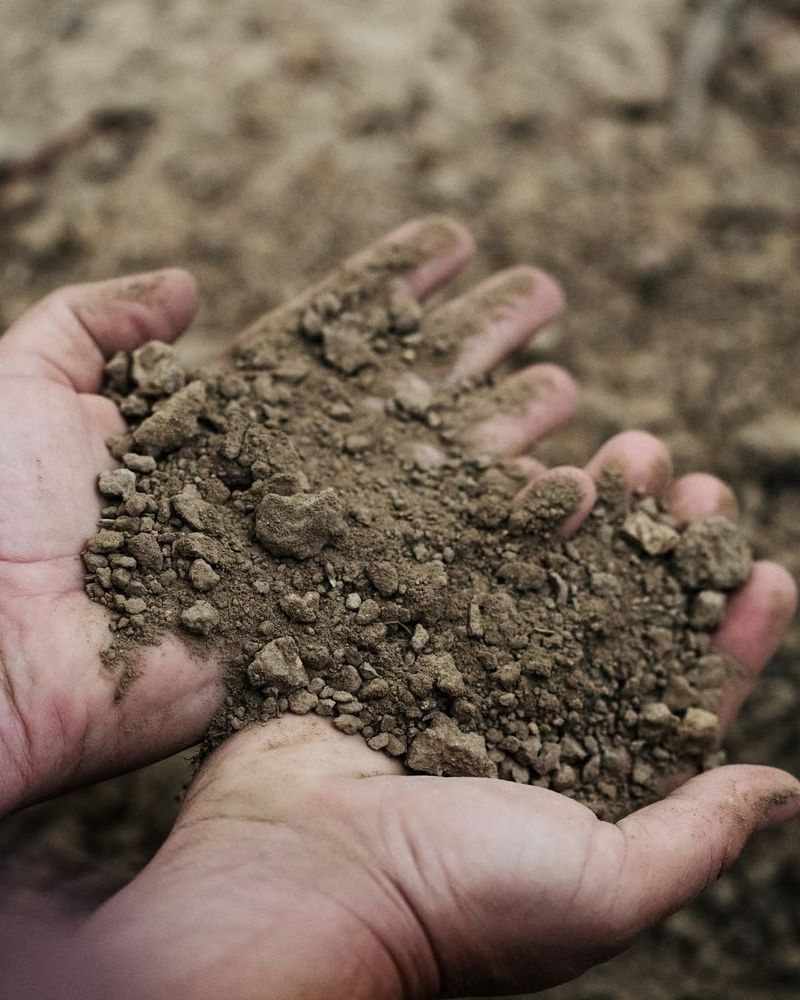
Healthy soil is the real foundation of any thriving garden, and yet soil testing is one of the most skipped steps among Pennsylvania gardeners. Many people head to the garden center, buy a bag of lime or a box of fertilizer, and start amending their soil based on a guess.
Sometimes they get lucky. Often, they end up with a soil imbalance that makes it harder for plants to absorb nutrients, even when those nutrients are present.
Pennsylvania soils vary widely across the state. In some regions, soils tend to be naturally acidic, while others have heavier clay content or nutrient deficiencies that change from yard to yard.
Without testing, it is difficult to know what your soil actually needs. Adding too much lime to already neutral soil, for example, raises pH to a level where nutrients like iron and manganese become unavailable to plants, leading to yellowing leaves despite regular fertilizing.
Soil testing is affordable and straightforward. Penn State Extension offers testing services that give you a detailed breakdown of your soil’s pH, organic matter, and nutrient levels along with specific recommendations for your region.
Early spring is a great time to test before you add anything to your beds. Knowing your soil’s starting point means every amendment you add works efficiently, saving you money and helping your Pennsylvania garden reach its full potential this growing season.
8. Ignoring Weed Control Early
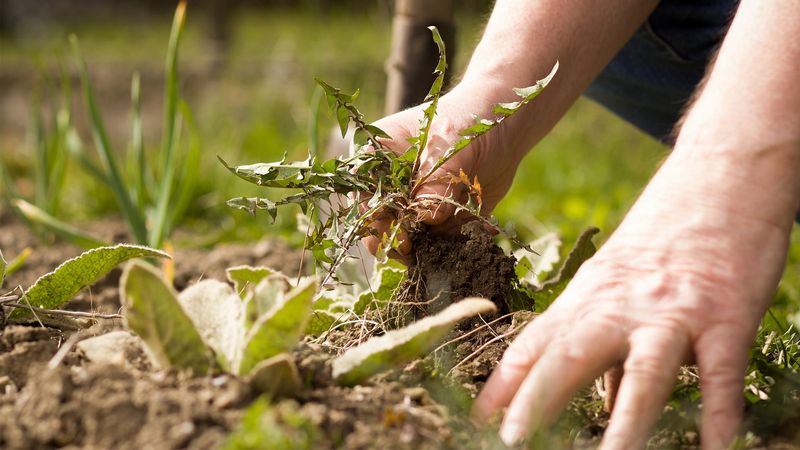
Weeds are sneaky. By the time most Pennsylvania gardeners notice them in the garden, they have already been growing for weeks and some have even started setting seeds.
Early spring is actually the most important time to get ahead of weed pressure, because young weeds are small, shallow-rooted, and incredibly easy to remove. Waiting until they are larger makes the job much harder and allows them to compete with garden plants for water, nutrients, and sunlight.
Annual weeds like chickweed, hairy bittercress, and henbit are common across Pennsylvania and germinate in cool early spring soil, sometimes even before your garden plants show any sign of life. Perennial weeds like dandelions and ground ivy are also waking up and sending out new growth from established root systems.
Ignoring them now means a much bigger battle later in the season when your attention is pulled in a dozen directions.
A light hoeing or hand-weeding session every week or two in early spring keeps weed populations manageable all season long. Applying a thin layer of mulch after weeding blocks light from reaching weed seeds and slows their germination significantly.
Skipping herbicides in vegetable areas is wise, especially near edible plants. Getting into the habit of spending just fifteen to twenty minutes a week on weed patrol in your Pennsylvania garden during March and April makes an enormous difference by the time summer arrives.
9. Overwatering In Early Spring
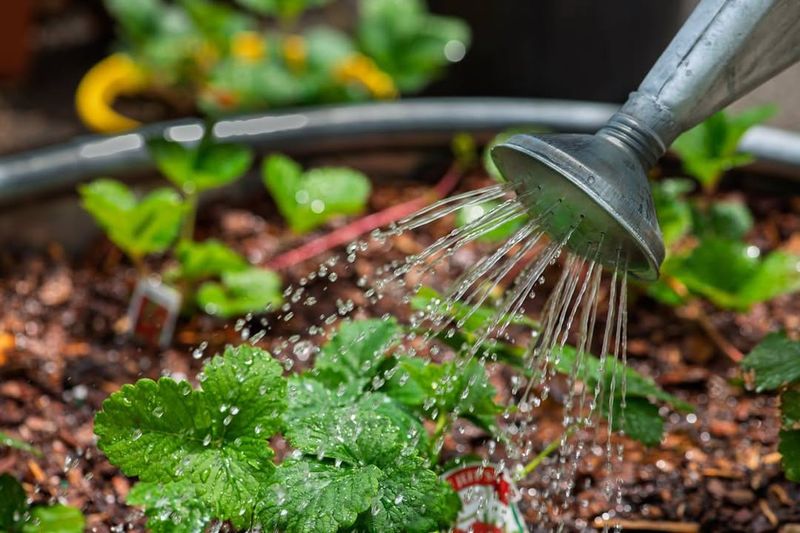
Spring in Pennsylvania comes with plenty of natural rainfall, and many gardeners make the mistake of adding irrigation on top of what nature is already providing. Overwatering in early spring is common, partly because gardeners want to nurture plants and partly because cool temperatures make it harder to gauge soil moisture.
The result is waterlogged roots, poor oxygen flow underground, and plants that struggle rather than thrive.
Root rot is a real risk when soil stays consistently saturated, especially in the heavy clay soils found in many parts of Pennsylvania. Young seedlings and newly transplanted starts are particularly sensitive to soggy conditions.
Overwatering also washes away nutrients before roots can absorb them and creates the kind of damp, cool environment that encourages fungal problems like damping off, which can wipe out a whole tray of seedlings overnight.
Before reaching for the hose or turning on drip irrigation, stick your finger two inches into the soil. If it feels moist at that depth, your plants do not need water yet.
Let the top inch or two dry out between waterings in early spring when temperatures are still cool and evaporation is slow. Checking the weather forecast before watering is also a smart habit since Pennsylvania often gets spring rainstorms that do the job for you.
Watering less but more thoughtfully keeps early spring gardens healthier across the board.