The 7 Biggest Native Plant Myths Oregon Gardeners Still Believe
Native plants have a reputation problem in Oregon gardens, and most of it comes from outdated myths. Some people think they look wild and messy.
Others believe they grow slowly, attract pests, or only work in natural landscapes. None of that tells the full story.
In reality, native plants can be colorful, low maintenance, and surprisingly adaptable. They support wildlife, save water, and thrive in local soil without constant fuss.
Yet many gardeners still avoid them because of misinformation passed around for years. These myths hold back beautiful, resilient garden designs and stop people from planting smarter.
It’s time to clear the air and separate fact from fiction. Once you know the truth, native plants start to look a lot more exciting than you may expect.
1. Native Plants Don’t Need Any Water
Plenty of Oregon gardeners plant natives and then walk away completely, thinking these plants will thrive on rainfall alone from day one.
That approach sets your plants up for struggle during their critical establishment period. Young native plants need consistent watering for at least the first two growing seasons while their root systems develop and spread deep into the soil.
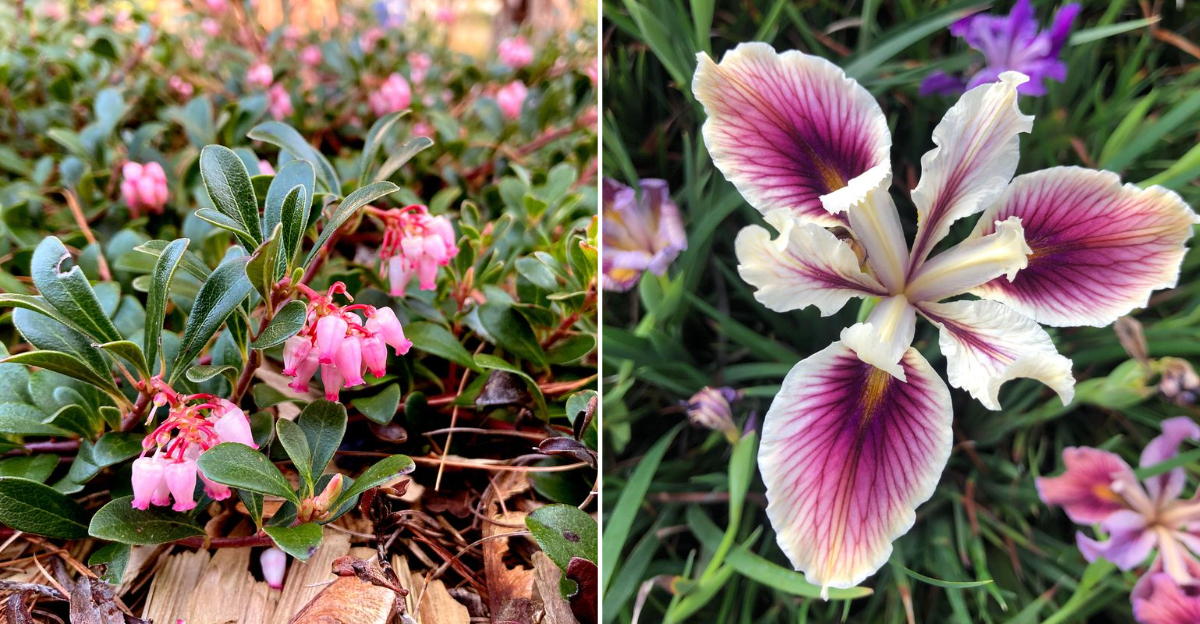
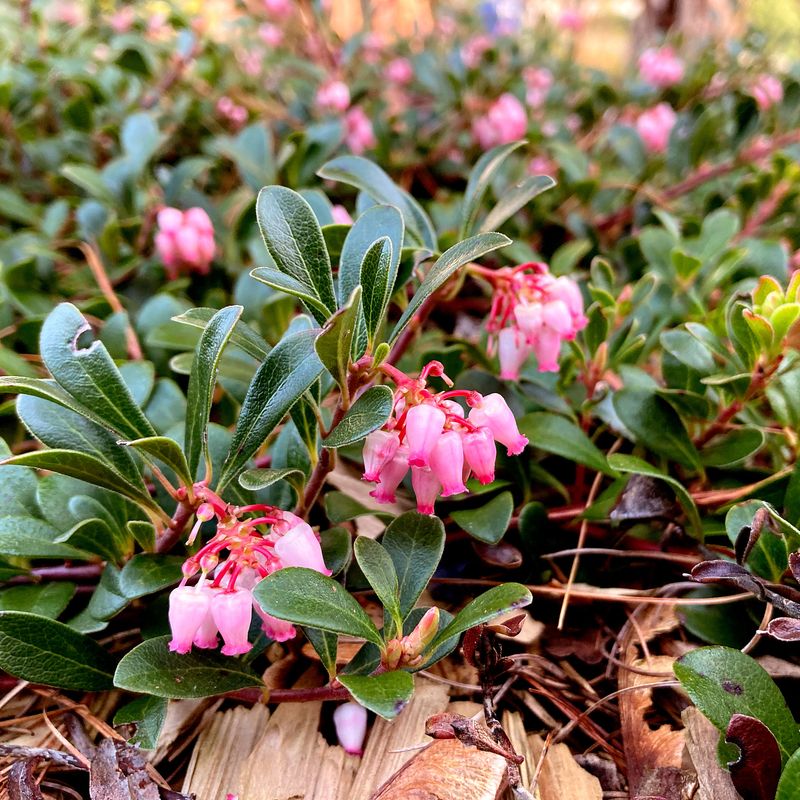
Once established, most Oregon natives become remarkably drought-tolerant compared to non-native ornamentals. A mature Oregon grape or kinnikinnick can handle summer dry spells that would stress out thirsty lawn grass or exotic perennials.
The establishment phase matters tremendously for long-term success.
Water new plantings regularly throughout their first summer, checking soil moisture weekly and providing deep soaking rather than frequent shallow sprinkles.
Different Oregon regions have different rainfall patterns that affect watering needs. Gardeners in western Oregon might need less supplemental irrigation than those east of the Cascades, where summer drought lasts longer and hits harder.
Even drought-adapted natives appreciate occasional summer watering during extended dry periods.
A monthly deep soak during July and August keeps plants healthier and more attractive, especially in garden settings where you want consistent appearance rather than natural dormancy cycles.
2. Native Plants Only Grow In The Wild
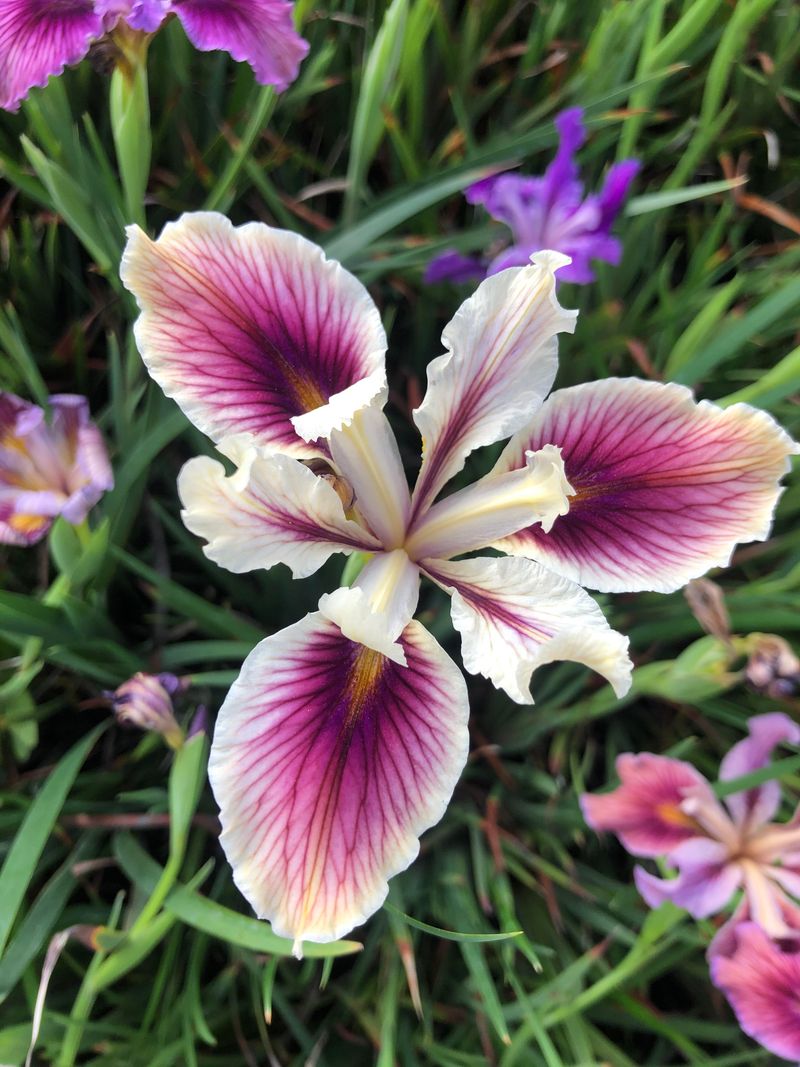
Many people picture native plants growing only on hiking trails or in forest clearings, never considering them for home landscapes.
This misconception keeps gorgeous, perfectly adapted plants out of Oregon gardens where they’d actually thrive better than imports.
Native plants evolved specifically for Oregon’s soil types, rainfall patterns, and temperature ranges, making them naturally suited to residential gardens throughout the state.
Garden centers across Oregon now stock cultivated varieties of native plants bred for enhanced garden performance.
These selections often feature improved flower color, compact growth habits, or extended bloom times while maintaining the environmental benefits of their wild relatives.
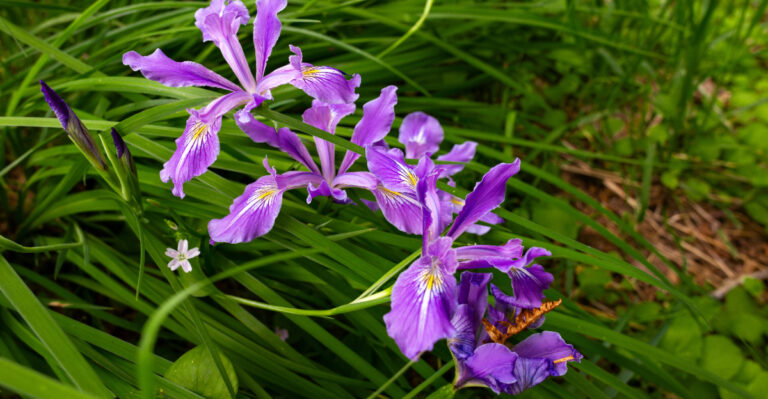
Professional landscapers increasingly incorporate natives into formal garden designs. Red-flowering currant, vine maple, and Pacific Coast iris work beautifully in structured beds, foundation plantings, and even container gardens when given appropriate care.
The native plant movement has produced stunning garden cultivars that look nothing like wild scrub.
Varieties like ‘Evergold’ carex sedge or ‘Compacta’ Oregon grape offer refined appearances that satisfy even the pickiest homeowners while supporting local pollinators and birds.
Oregon gardeners can blend natives with non-invasive ornamentals for diverse, functional landscapes. Mixing texture, bloom time, and height creates visual interest while the native components provide ecological benefits that purely ornamental gardens lack.
3. Native Plants Look Messy And Unattractive
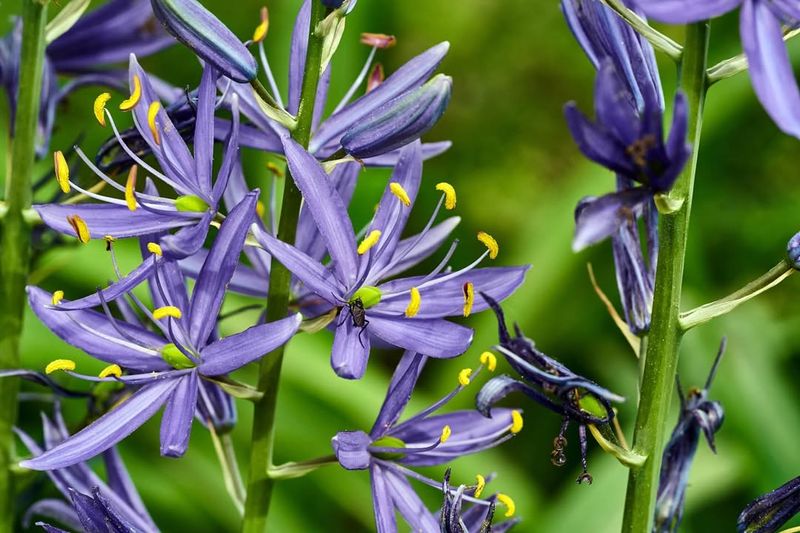
The idea that native plants create unkempt, weedy-looking gardens stops many Oregon homeowners from trying them.
This myth probably comes from seeing overgrown wild areas and assuming cultivated natives would look the same.
Reality tells a completely different story when you select appropriate species and provide basic seasonal maintenance.
Oregon boasts native plants with spectacular flowers that rival any exotic ornamental. Camas produces stunning blue flower spikes in spring, while western columbine dangles elegant red and yellow blooms that hummingbirds adore.
Foliage texture and color in natives offer year-round visual appeal.
Sword fern provides lush evergreen fronds, kinnikinnick creates tidy groundcover with glossy leaves and red berries, and vine maple delivers brilliant fall color that outshines most imports.
Strategic pruning and deadheading keep native gardens looking polished. Many Oregon natives respond beautifully to light shaping after flowering, maintaining compact forms that work perfectly in beds and borders.
Garden design principles apply equally to native and non-native plants.
Grouping natives by height, repeating key species for rhythm, and combining complementary textures creates sophisticated landscapes that happen to support local ecosystems while looking absolutely gorgeous throughout the seasons.
4. Native Plants Can’t Handle Garden Soil
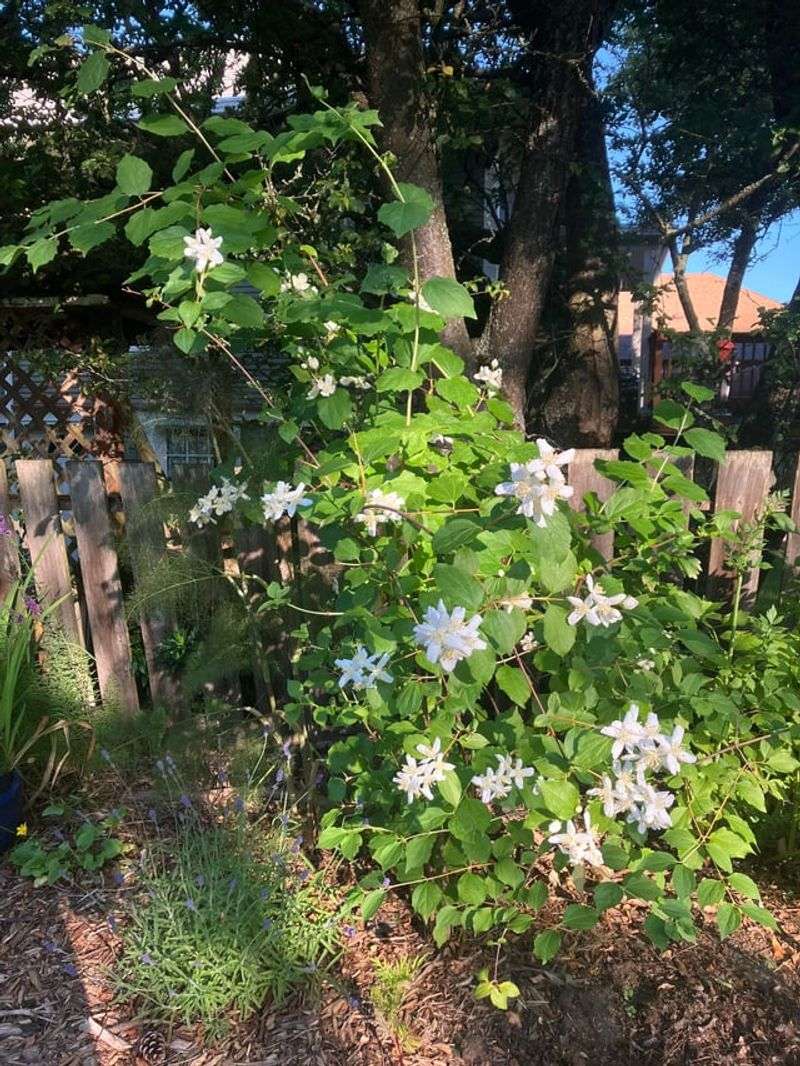
Some gardeners worry that native plants require special wild soil and won’t survive in typical garden beds.
This concern stems from misunderstanding how adaptable most Oregon natives actually are to various soil conditions. While natives certainly evolved in specific soil types, many tolerate a range of conditions once established.
Garden soil amendments can actually benefit certain native plants during establishment. Adding compost improves soil structure and water retention for young plants, helping roots develop more quickly in their new location.
Oregon’s native plants come from diverse habitats with vastly different soil types. Coastal natives handle sandy, well-drained soil, while wetland species prefer heavier clay that holds moisture longer.
Matching plants to your existing soil saves work and ensures success. Testing your Oregon garden soil tells you whether it leans acidic or alkaline, sandy or clay-heavy, helping you select natives naturally suited to those conditions.
Most problems arise from extreme mismatches rather than typical garden soil. Planting a bog-loving native in bone-dry sandy soil creates struggle, but placing that same plant in average garden loam with regular watering during establishment usually works fine.
Improving drainage matters more than achieving perfect wild soil replication. Ensuring water doesn’t pool around roots prevents more failures than any special soil mix ever could for Oregon native plantings.
5. Native Plants Don’t Need Maintenance
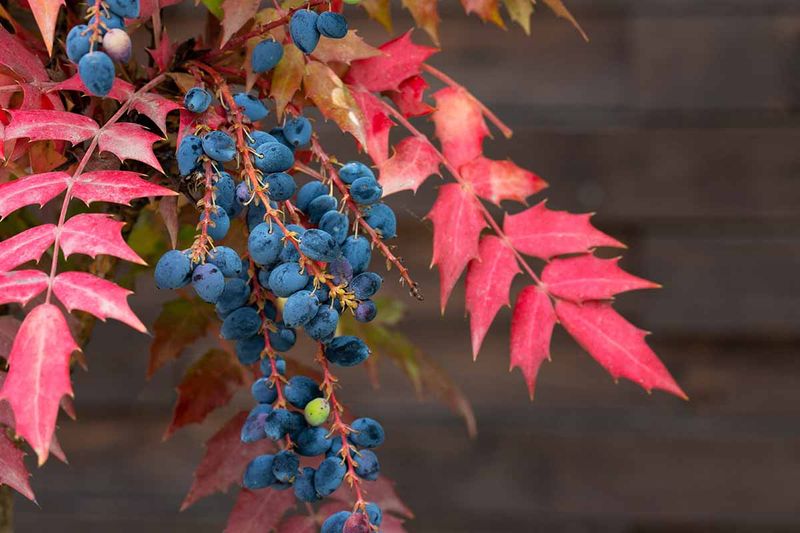
Believing natives are completely maintenance-free leads to disappointment when gardens don’t look their best.
While Oregon natives generally need less fussing than exotic ornamentals, they still benefit from basic seasonal care.
Weeding, occasional pruning, and mulching keep native gardens healthy and attractive rather than scraggly and overgrown.
Weeding matters especially during the establishment years. Non-native invasive plants compete aggressively with young natives for water and nutrients, potentially overwhelming desirable species before they gain strength.
Annual mulching provides multiple benefits for Oregon native plantings. A fresh layer of organic mulch suppresses weeds, conserves soil moisture during dry summers, and gradually improves soil as it breaks down.
Pruning needs vary tremendously among different native species. Some Oregon natives like salal tolerate hard pruning to control size, while others need only occasional removal of damaged branches or spent flowers.
Fertilizing is rarely necessary for established natives in Oregon gardens. These plants evolved in local soils without amendments, so they typically perform beautifully without the feeding schedules that hybrid roses or exotic perennials demand.
Seasonal cleanup keeps gardens looking intentional rather than neglected.
Removing winter-damaged foliage in early spring, cutting back spent perennials, and refreshing mulch takes minimal time but makes a noticeable difference in overall appearance throughout the growing season.
6. Native Plants Attract Too Many Bugs
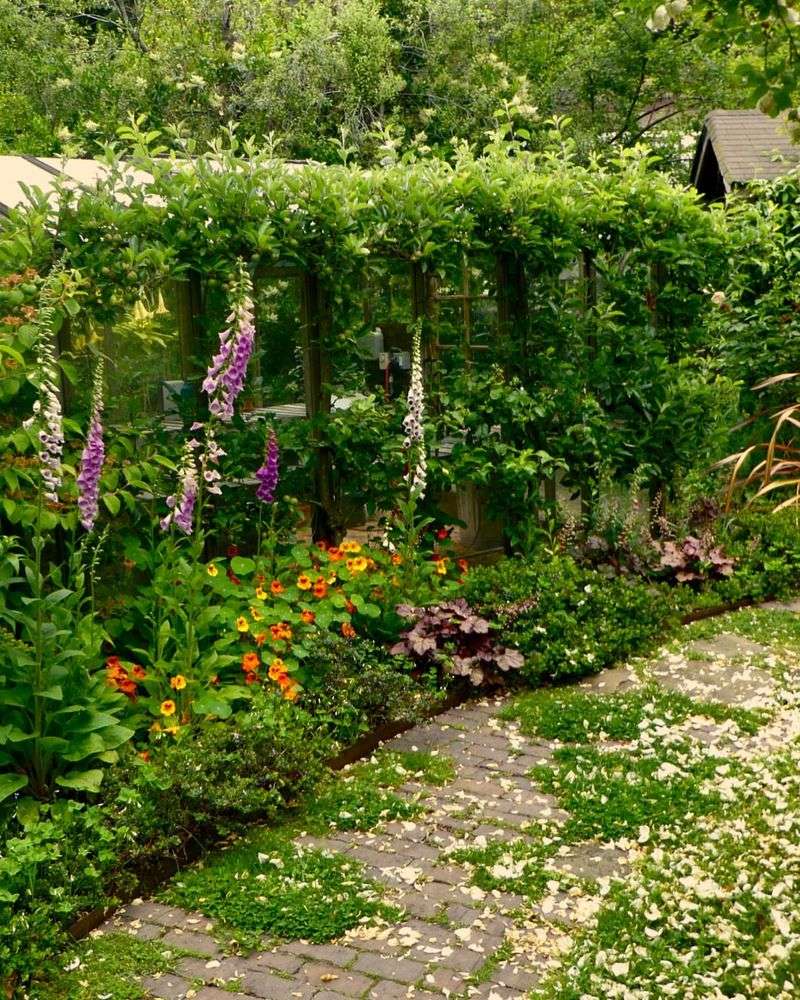
Fear of insect invasions keeps some Oregon gardeners from planting natives that support local wildlife.
This myth confuses beneficial insect activity with pest problems, missing the bigger ecological picture.
Native plants do attract more insects than sterile ornamental hybrids, but most of these visitors are pollinators and beneficial predators rather than destructive pests.
Oregon’s native plants evolved alongside native insects in balanced relationships. These plants support specialized native bees, butterflies, and other pollinators that struggle to use non-native ornamentals, helping maintain healthy local ecosystems.
Pest problems actually decrease in diverse native plantings over time. Beneficial insects attracted to native plants prey on aphids, caterpillars, and other potential pests, creating natural pest control that chemical-dependent gardens lack.
Caterpillars on native plants feed future butterflies and birds. While seeing chewed leaves bothers some gardeners, those caterpillars become beautiful butterflies and provide essential protein for baby birds during nesting season.
Oregon gardeners can enjoy both natives and pest-free gardens through smart plant selection.
Choosing less insect-attractive natives for high-visibility areas while placing wildlife magnets in background zones balances ecological benefits with aesthetic preferences.
The insects you’ll notice most are usually beautiful pollinators. Watching native bees work camas flowers or butterflies visit Oregon sunshine brings gardens to life in ways that bug-free but lifeless ornamental beds simply cannot match.
7. Native Plants Aren’t Good For Small Yards
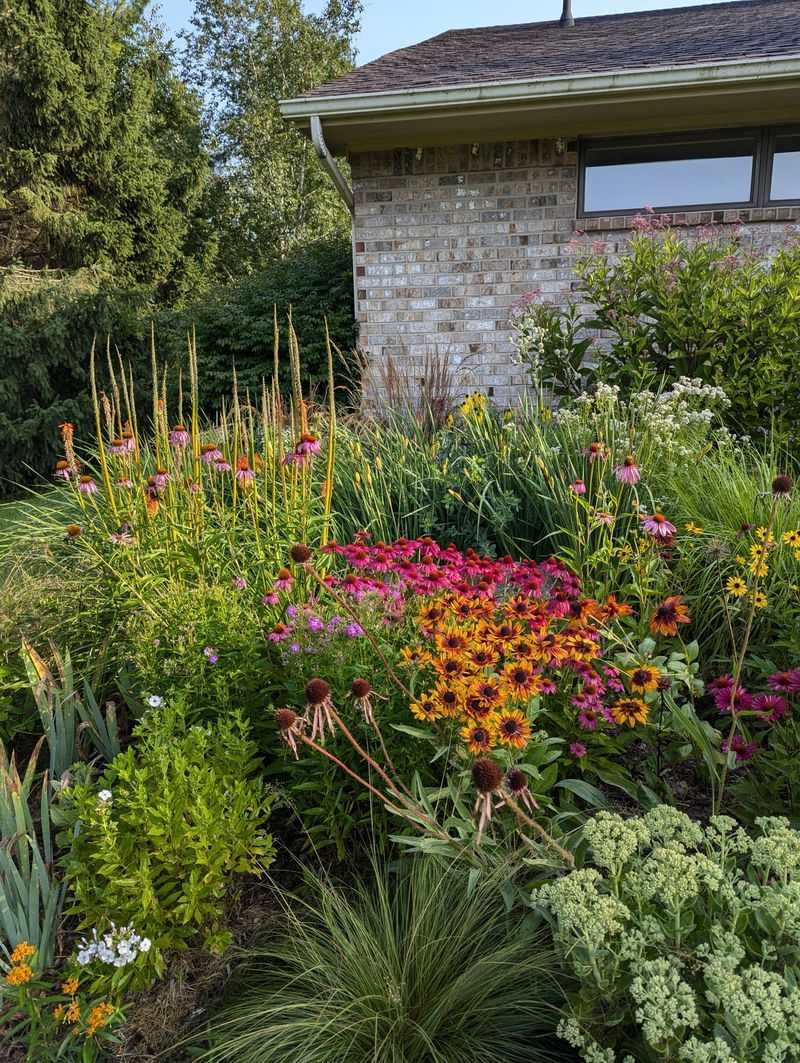
Limited space seems to rule out native plants for many Oregon homeowners with smaller properties.
This myth assumes all natives grow into massive trees or sprawling shrubs that overwhelm compact gardens. Oregon actually offers dozens of native plants perfectly sized for small yards, balcony containers, and narrow side yards.
Compact native groundcovers work beautifully in tight spaces. Kinnikinnick stays under six inches tall while spreading to cover ground, and inside-out flower creates tidy clumps perfect for small bed edges or container plantings.
Many Oregon natives have naturally compact growth habits. Dwarf Oregon grape reaches only two feet tall, making it ideal for foundation plantings or small borders where larger shrubs would overwhelm the space.
Vertical gardening with native vines maximizes small yard potential. Western clematis climbs trellises without taking much ground space, providing flowers and wildlife value in narrow side yards or against fences.
Container gardening works wonderfully with smaller Oregon natives. Red-flowering currant, Pacific Coast iris, and various native sedges thrive in pots on patios, balconies, or small urban yards where ground planting space is limited.
Strategic selection focuses on mature size rather than plant origin. A small Oregon yard can accommodate more compact natives than it could hold large exotic shrubs, proving that native doesn’t automatically mean oversized or space-hogging.