The Biggest Planting Mistakes Ohio Gardeners Make In April
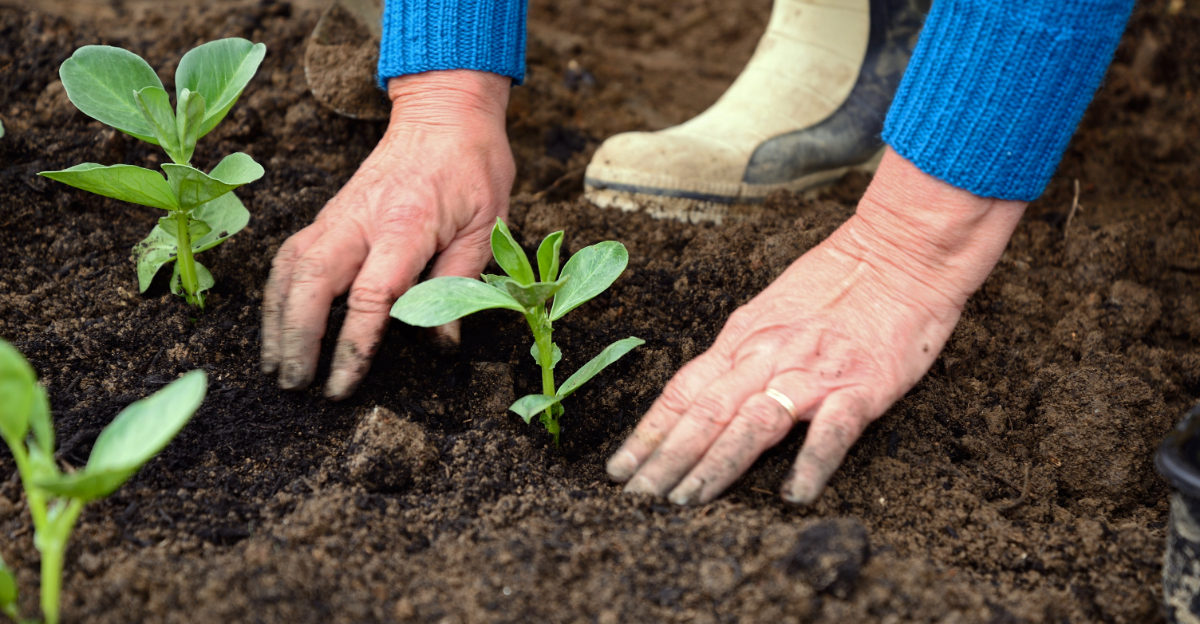
April in Ohio can feel unpredictable – warm days sneak in, only to be followed by a surprise frost. Gardeners know the excitement of finally pressing seeds into soil, imagining the harvest ahead, yet even experienced hands occasionally stumble.
You’ve seen it yourself: crops failing, seedlings struggling, or soil conditions catching you off guard.
Many planting mistakes happen not from neglect, but from timing or misjudging the season’s rhythm.
Choosing the wrong moment for tender plants, skipping essential soil preparation, or misreading frost dates can turn hope into frustration.
By noticing what commonly goes wrong early in the season, gardeners can make more confident decisions. The actions you take now can set the stage for a flourishing garden that grows strong and productive all spring.
1. Planting Warm-Season Crops Too Early

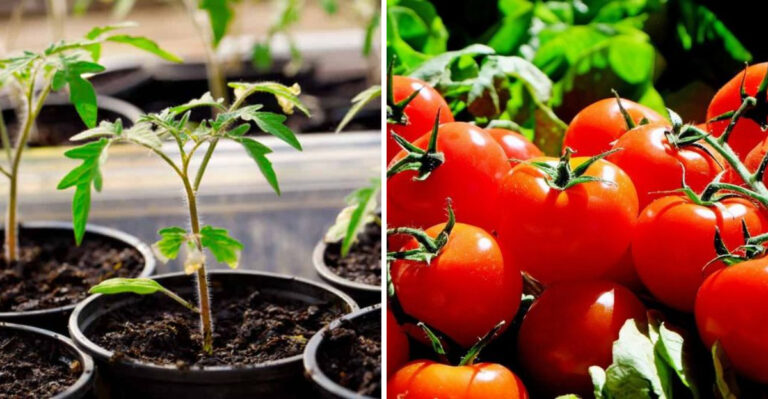
Every spring, Ohio gardeners get excited when the first warm days roll in, but planting tomatoes, peppers, and other warm-season crops too early can stunt root development and slow growth. But acting on that excitement too soon is one of the most common and costly mistakes you can make.
Warm-season crops like tomatoes, cucumbers, squash, and peppers need consistent warmth to grow well. When soil temperatures are still cold and frost is still possible, these plants struggle to establish their roots.
They may survive a chilly night, but their growth will be stunted, and they will likely be outpaced by plants set out just two or three weeks later.
Ohio’s last frost date typically falls between mid-April and early May depending on your county, so patience really pays off here. Gardeners in northern Ohio near Cleveland or Toledo should wait even longer than those in Columbus or Cincinnati.
Hold off on warm-season planting until nighttime temperatures stay consistently above 50 degrees Fahrenheit and your soil has warmed up properly.
2. Neglecting Soil Testing Before Planting
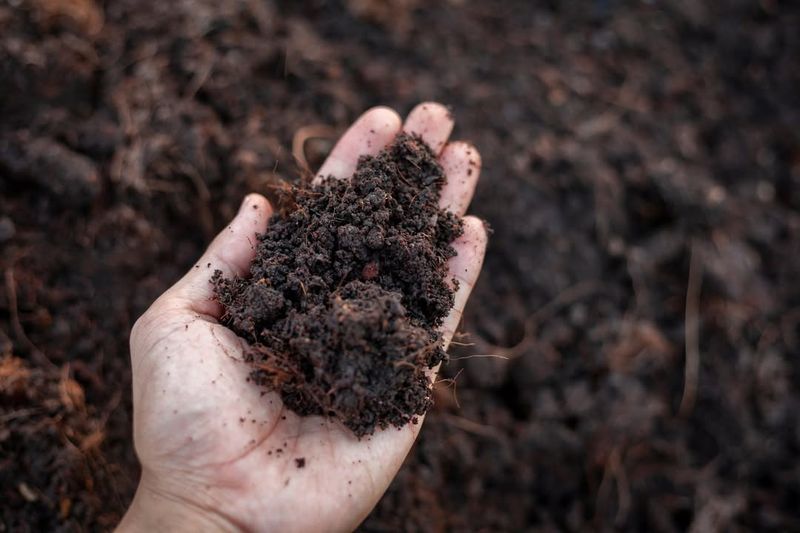
Without knowing what is actually in your soil, gardeners are essentially planting blind and may waste time or fertilizer that doesn’t benefit plants.
Ohio soils vary widely from region to region. Some areas have heavy clay soil that drains poorly and compacts easily, while others have sandy or silty soils that dry out too fast.
The pH level also matters enormously because it controls how well plants can absorb nutrients. A pH that is too high or too low can make fertilizer completely useless, even if you apply it generously.
The good news is that soil testing is easy and affordable. The Ohio State University Extension offers soil testing services at a low cost, and many garden centers carry simple test kits you can use at home.
Testing in April gives you results in time to amend your soil before planting begins. Knowing your soil’s nutrient levels and pH means you can make smart, targeted improvements instead of guessing and wasting money on products you may not even need.
3. Ignoring Last Frost Dates
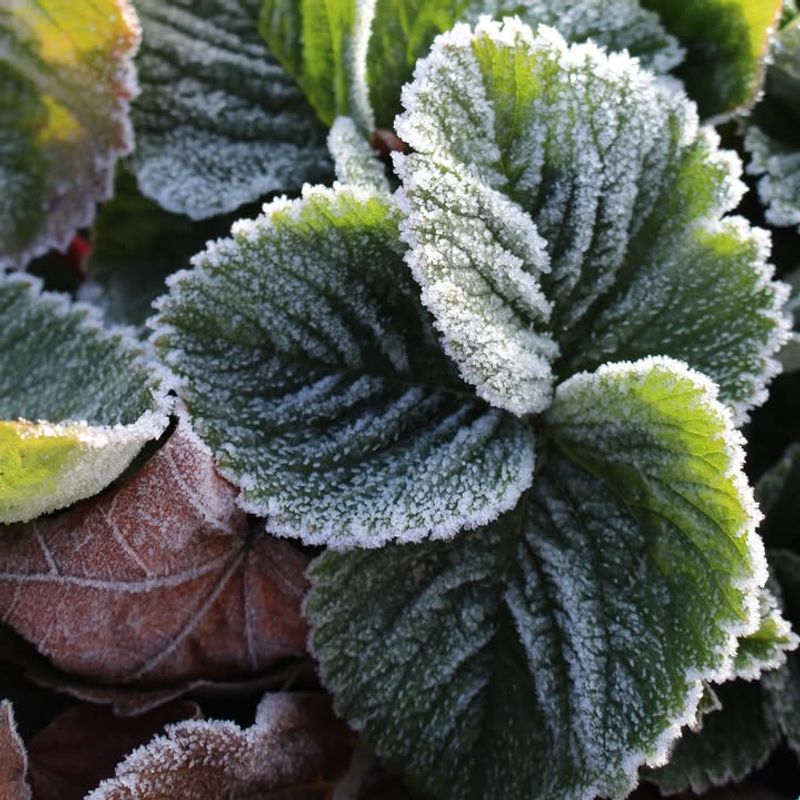
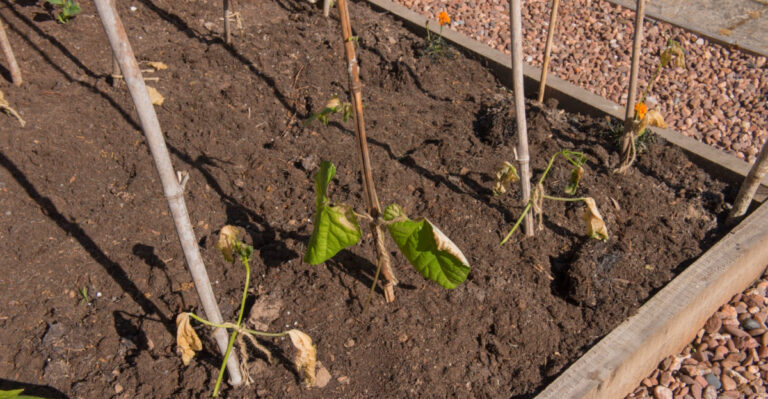
Ohio has a sneaky spring climate that tricks gardeners into false confidence every year. A stretch of warm April days can make it feel like winter is over, but tender plants can still be damaged by late frost.
Ignoring last frost dates is one of the most avoidable mistakes Ohio gardeners make, and it happens year after year.
The last frost date in Ohio is not a single date that applies to the whole state. Gardeners in Cleveland and the northern part of the state typically face frost risk through early to mid-May, while gardeners in Cincinnati and the southern counties may see their last frost in mid-April.
The USDA Plant Hardiness Zone Map and local extension resources from Ohio State University are great tools for looking up your specific area’s average last frost date.
Keeping a close eye on the weather forecast during April is just as important as knowing the average dates. Ohio weather is notoriously unpredictable, and a warm week can easily be followed by a night that dips well below freezing.
Keeping row covers, old bedsheets, or frost blankets handy in April is a smart move for any Ohio gardener who wants to protect their early plantings.
4. Skipping Soil Amendment Before Planting
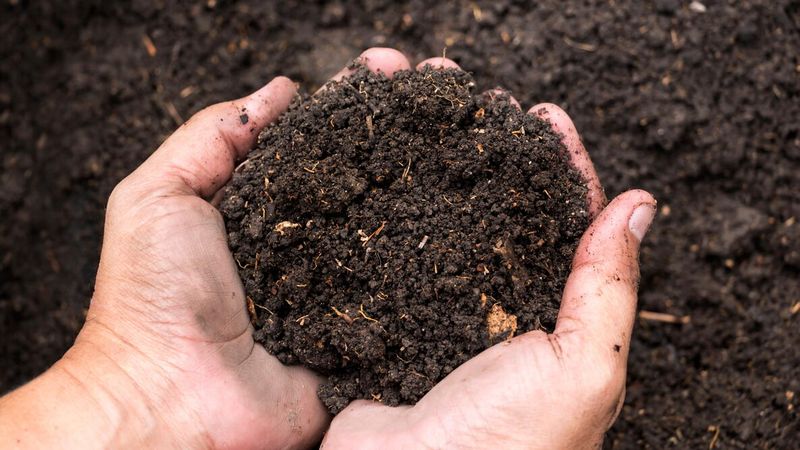
Healthy, productive plants need loose, nutrient-rich soil to send roots deep and access water efficiently, so skipping amendments leads to poor performance. That shortcut almost always shows up in poor plant performance by midsummer.
Healthy, productive plants need loose, nutrient-rich soil to send their roots deep and access water efficiently.
Ohio’s clay-heavy soils are notorious for becoming compacted and waterlogged, especially after a wet April. Adding organic matter like compost, aged manure, or leaf mold loosens the soil structure, improves drainage, and feeds the beneficial microbes that help plants thrive.
Even a two-inch layer of compost worked into the top six inches of your garden bed can make a dramatic difference in how your plants perform all season long.
Sandy soils found in parts of central and western Ohio have the opposite problem and dry out too quickly. Compost helps here too by improving water retention and adding nutrients that sandy soil naturally lacks.
Lime or sulfur can be added based on your soil test results to bring the pH into the ideal range for vegetables, which is typically between 6.0 and 7.0. Amending before you plant sets the foundation for a genuinely productive garden.
5. Overwatering Newly Planted Beds
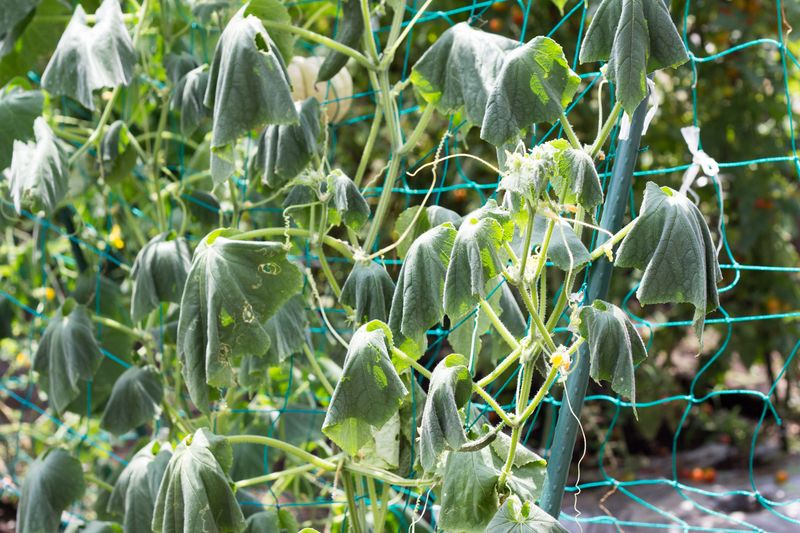
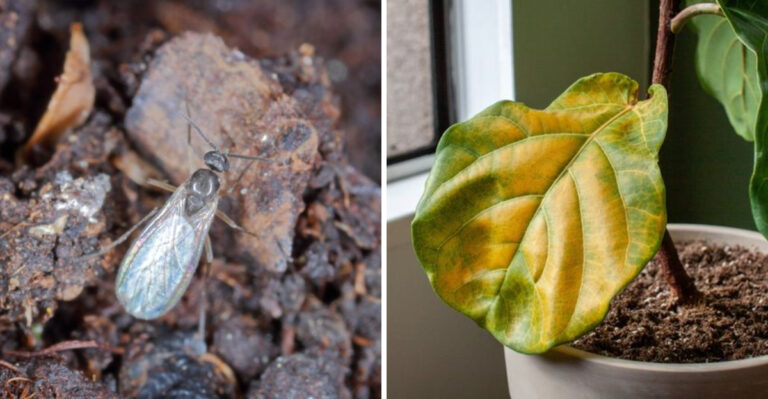
Adding water to already saturated soil pushes out oxygen, making it difficult for roots to function and causing yellowing, wilting, or stunted growth. Overwatering is especially common in April when Ohio’s cool temperatures and frequent spring rains already keep the soil moist for longer than it would be in summer.
Adding more water on top of already saturated soil creates conditions where roots struggle to breathe.
Plant roots need both water and oxygen to function properly. When soil stays soaking wet for too long, the oxygen gets pushed out and roots begin to suffer.
Yellowing leaves, wilting despite wet soil, and stunted growth are all signs that overwatering may be the problem. Ohio’s clay-heavy soils are particularly prone to holding excess moisture, which makes drainage a genuine concern in many backyards across the state.
A simple way to check if your garden needs water is to stick your finger about two inches into the soil. If it still feels moist, skip watering that day.
Raised beds and well-amended garden beds with added compost drain more effectively than untreated clay soil. Setting up a consistent but moderate watering schedule and letting the soil dry slightly between waterings will keep your plants much healthier throughout the spring season.
6. Choosing Plants Unsuited To Ohio’s Climate
Walk into any garden center in Ohio in April and you will find a colorful, tempting mix of plants from all over the world. Not all are suited to Ohio’s climate, and planting the wrong varieties can lead to poor growth or low yields.
Ohio falls primarily in USDA Hardiness Zones 5b and 6b, with some variation across the state. Plants that need long, hot summers or mild winters will not perform well here.
Certain herbs, tropical ornamentals, and warm-climate vegetables may look healthy at the garden center but will stall out or fail to produce once Ohio’s unpredictable spring and summer temperatures take hold.
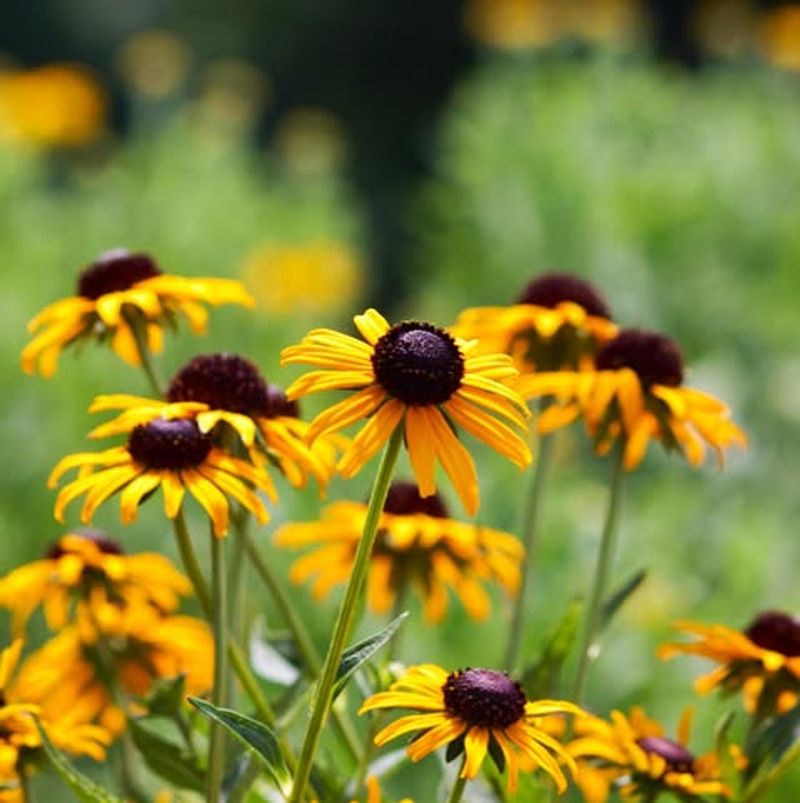
Choosing plants that are well-suited to Ohio’s conditions makes gardening far more rewarding. Native plants like black-eyed Susans, coneflowers, and wild columbine thrive in Ohio’s soil and weather without much fuss.
For vegetables, cool-season crops like lettuce, spinach, kale, and peas are perfect for April planting in Ohio. Checking the plant tag for hardiness zone information and days to maturity before buying can save you a lot of disappointment and wasted effort later in the growing season.
7. Failing To Allow Soil To Warm Enough Before Sowing
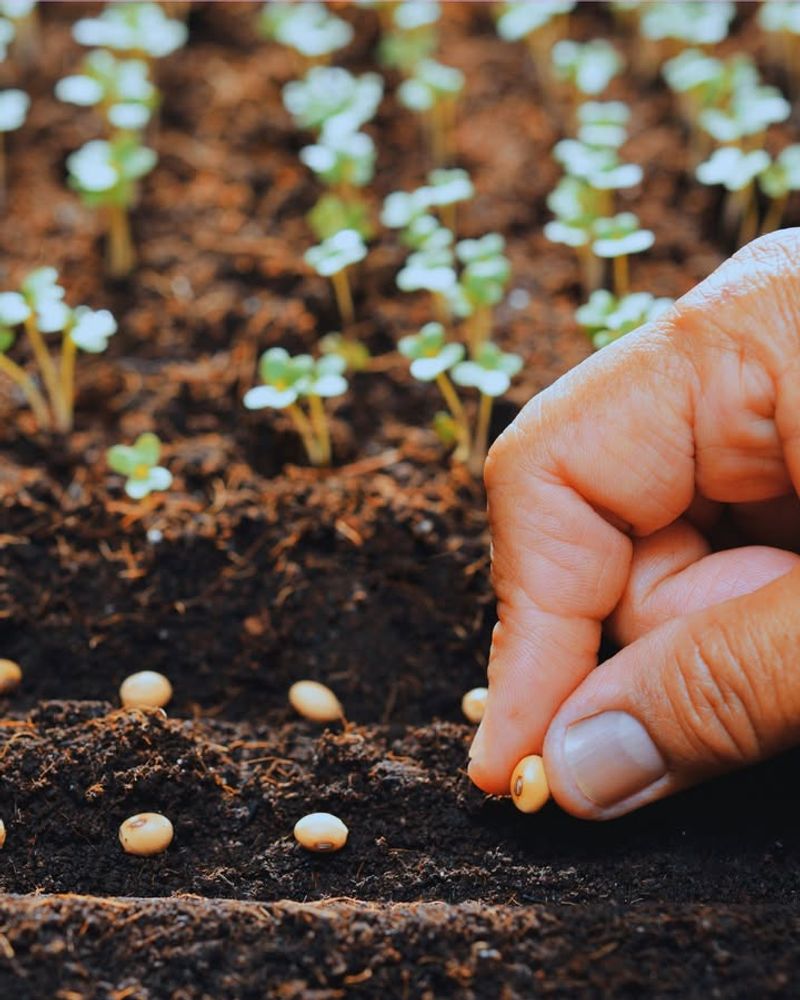
Sowing seeds into soil that hasn’t reached the proper temperature can leave them dormant, cause rotting, or produce uneven germination. Air temperature gets all the attention in spring, but soil temperature is what actually triggers germination.
Sowing seeds into cold soil means they will sit dormant, rot, or sprout unevenly, none of which gives your garden a strong start.
Different vegetables have different soil temperature requirements. Cool-season crops like peas and spinach can germinate in soil as cool as 40 to 45 degrees Fahrenheit, making them fine for early April planting in Ohio.
But warm-season crops like beans, squash, and corn need soil temperatures of at least 60 degrees, and tomatoes and peppers prefer 65 degrees or warmer before their seeds will sprout reliably.
A basic soil thermometer, available at most garden centers for just a few dollars, takes the guesswork out of this completely. Take a reading a few inches below the surface in the morning for the most accurate result.
In Ohio, soil in open garden beds typically reaches 60 degrees sometime in May, though raised beds and south-facing slopes warm up faster. Waiting for the right soil temperature might feel frustrating, but seeds sown at the right time will catch up quickly to ones sown too early in cold ground.
8. Planting While Soil Is Too Wet
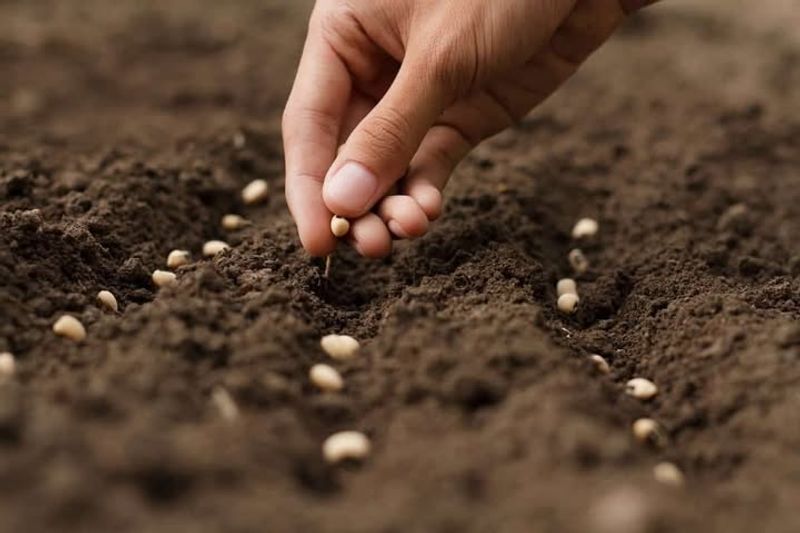
April in Ohio is typically one of the wettest months of the year, which means gardeners are often dealing with soggy soil that can become compacted and harm root growth if worked too soon. Stepping into the garden or working wet soil is a mistake that causes more long-term damage than most gardeners realize.
When you dig, till, or walk on wet soil, you compact it. Compacted soil has reduced pore space, which means less room for air and water to move through.
Plant roots have a much harder time pushing through compacted soil, and drainage becomes even worse over time. Ohio’s clay-rich soils are especially vulnerable to this kind of damage because clay particles stick together tightly when wet, forming a dense, brick-like structure once they dry.
A simple test can tell you if your soil is ready to work. Grab a handful and squeeze it into a ball.
If it crumbles apart when you poke it, the soil is dry enough to work. If it holds its shape and stays sticky or muddy, it needs more time to dry out.
Waiting just a few extra days after a rainstorm before heading into the garden can protect your soil structure for the entire growing season ahead.
9. Not Using Mulch To Conserve Moisture And Suppress Weeds
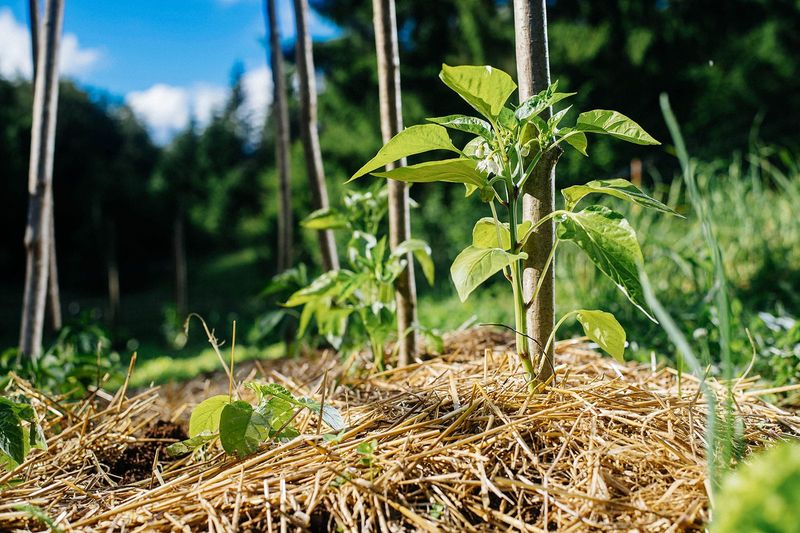
Skipping mulch allows moisture to evaporate faster, encourages weeds, and misses the chance to add nutrients back into the soil as organic material breaks down. A good layer of mulch does so many jobs at once that it is hard to believe more Ohio gardeners do not make it a standard part of their spring routine.
Applied two to three inches thick around your plants, mulch slows evaporation and keeps soil moisture more consistent, which is especially helpful during the dry stretches that often follow Ohio’s rainy April weather. It also acts as a physical barrier that blocks sunlight from reaching weed seeds in the soil, dramatically cutting down on the time you spend pulling weeds all summer long.
As organic mulches like straw, shredded leaves, or wood chips break down, they also add nutrients back into the soil.
One thing to watch out for is piling mulch directly against plant stems, which can trap moisture and encourage rot. Keep mulch a few inches away from stems and trunks.
In Ohio, where spring soil can swing between very wet and surprisingly dry within the same week, mulch acts as a buffer that keeps conditions more stable and comfortable for your plants all season long.
10. Rushing Transplanting Without Hardening Off Seedlings
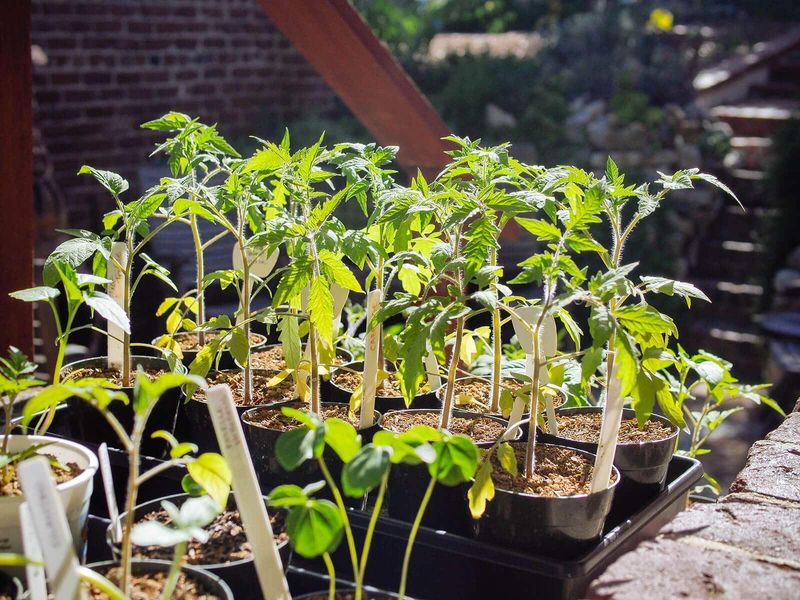
Starting seeds indoors is a great way to get a jump on the growing season in Ohio, but transplanting seedlings directly outside without gradually acclimating them can cause wilting or stunt growth. Transplanting them straight into the garden without any preparation is a shock to their system that can set them back significantly or cause serious wilting.
Hardening off is the process of gradually introducing indoor-grown seedlings to outdoor conditions over the course of one to two weeks. You start by setting them outside in a sheltered spot for just an hour or two on the first day, then slowly increase the time and sun exposure each day.
By the end of the process, they can handle a full day outside and are ready to be planted in the garden without experiencing transplant shock.
In Ohio, April weather can be especially challenging for hardening off because temperatures and wind vary so much from day to day. Keep an eye on the forecast and bring seedlings back inside if temperatures are expected to drop below 45 degrees at night.
A cold frame or a sheltered south-facing porch is a great spot for this gradual transition. Taking the time to harden off seedlings properly leads to stronger, faster-growing transplants that hit the ground running once they are in the garden.