The Biggest Spring Gardening Mistake North Carolina Homeowners Make Every Year
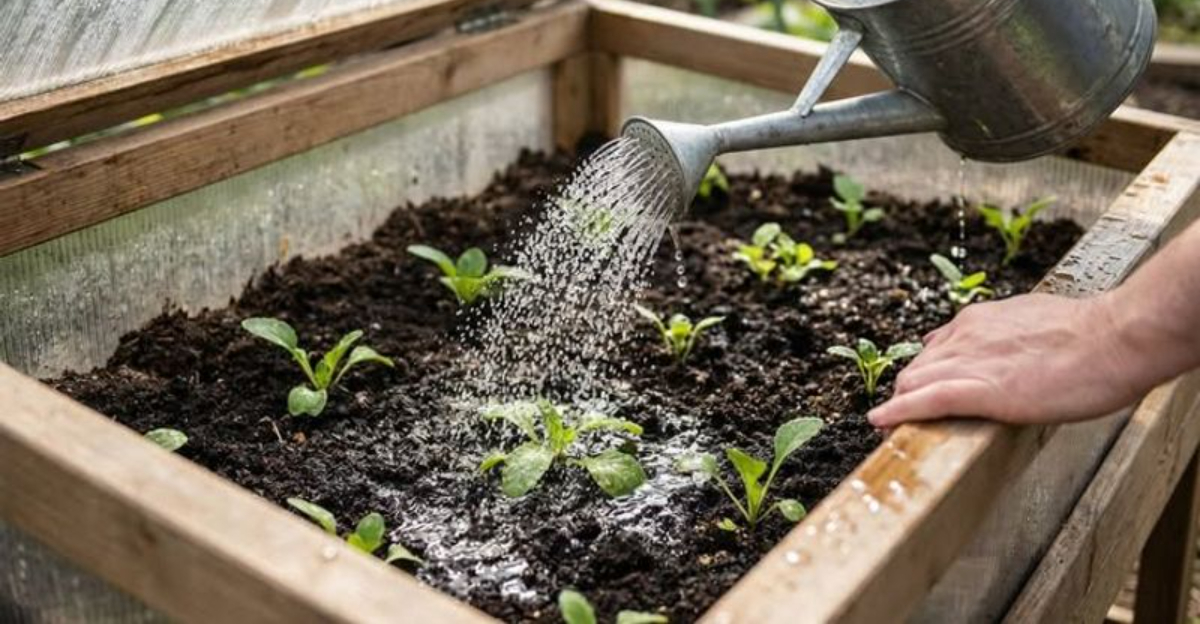
Every spring in North Carolina, the same scene plays out. Warm sunshine shows up early, garden centers fill with color, and homeowners rush outside ready to get everything planted at once.
It feels productive, hopeful, and exciting. The problem is that this one habit quietly causes more trouble than almost any other spring mistake.
Plants struggle, growth slows, and frustration sneaks in weeks later when things do not look the way you imagined. Our unpredictable weather, sneaky late cold snaps, and fast warming soil make timing more important than most people realize.
A few extra days of patience can protect roots, boost early growth, and save money on replacements. Once you understand what really triggers this common mistake, spring gardening becomes smoother and far more rewarding.
If you want stronger plants and fewer setbacks this season, this is the one habit you need to change first.
Ignoring Regional Frost Dates
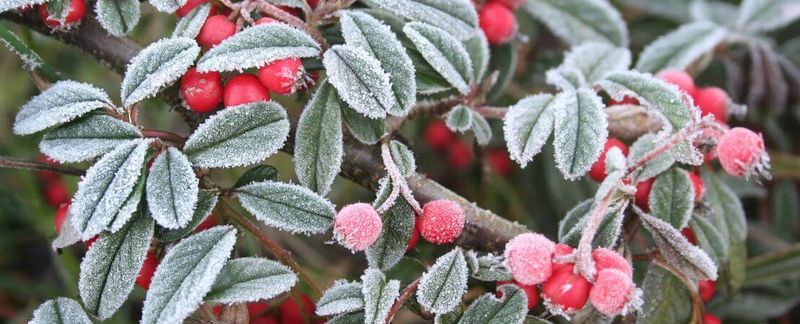
Coastal gardeners in Wilmington might safely plant by early April. Mountain residents near Asheville need to wait until early May. The difference between these zones can mean success or failure for your spring garden.
Your local cooperative extension office provides specific frost date information for your county. These dates represent the average last spring frost based on decades of weather data.
Checking this information takes just minutes but saves weeks of replanting effort. Piedmont areas like Charlotte and Raleigh fall somewhere in between these extremes. Microclimates within your own yard can shift these dates by several days.
South-facing gardens warm faster than north-facing ones. Recording frost dates in your garden journal helps you track patterns over time. Climate changes mean historical averages may shift slightly each year.
Keeping personal records gives you the most accurate planting timeline for your specific location.
Online resources from NC State Extension offer interactive maps and planting calendars. These tools help you plan your entire spring planting schedule. Smart timing protects your investment in seeds and seedlings.
Planting Heat-Loving Crops Too Soon
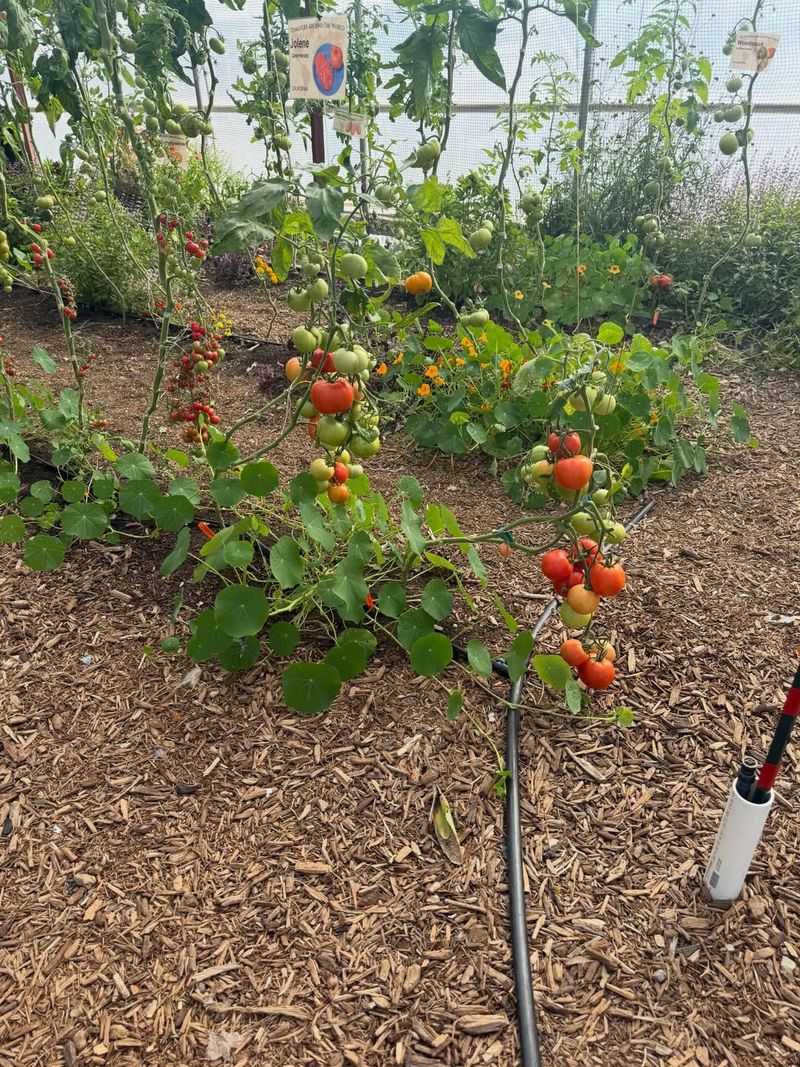
Tomatoes refuse to grow when soil temperatures hover below sixty degrees. Peppers sulk in cold ground and produce fewer fruits later.
Basil turns yellow and stunted when planted before the soil warms properly.
These warm-season favorites need soil temperatures between sixty and seventy degrees for optimal growth. Cold soil slows root development and makes plants vulnerable to diseases.
Patient gardeners who wait for warmth enjoy bigger harvests and healthier plants. Setting out transplants too early seems like getting a head start. Reality shows that plants set out at the proper time quickly overtake early plantings.
Warm soil encourages rapid root establishment and vigorous growth.
Wait until nighttime temperatures consistently stay above fifty-five degrees before planting tomatoes. Peppers prefer even warmer conditions with night temperatures above sixty degrees.
Basil is the most cold-sensitive and should wait until all danger of frost passes. Using black plastic mulch helps warm soil faster in spring. Row covers provide extra warmth for early plantings when temperatures dip.
These simple strategies extend your growing season safely without risking plant health.
Underestimating Cold Snap Risks
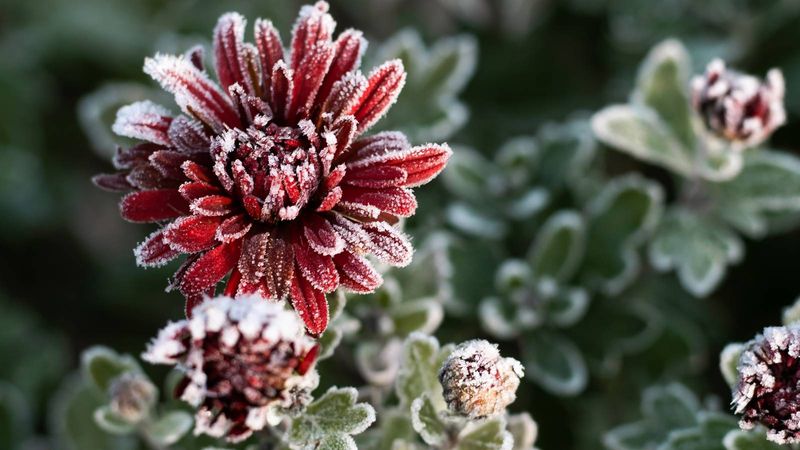
Late April sunshine can lull gardeners into a false sense of security. Then a surprise cold front sweeps through and temperatures plummet overnight. Tender seedlings and flowers suffer damage or complete loss from these unexpected freezes.
Piedmont and mountain zones experience the most unpredictable spring weather patterns. A week of seventy-degree days can suddenly give way to frost warnings. Weather forecasting helps but cannot predict every cold snap with perfect accuracy.
Young plants lack the cold hardiness of mature specimens and suffer more severe damage. Newly emerged leaves and blossoms are particularly vulnerable to freezing temperatures. Even a light frost can set back growth by several weeks.
Monitoring weather forecasts during April and early May becomes essential for spring gardeners. Having protective materials ready allows quick response to sudden cold warnings.
Five minutes of preparation can save hours of replanting work. Gardens in low-lying areas face higher frost risk than elevated locations. Cold air settles into valleys and depressions on clear, calm nights.
Understanding your property’s topography helps you anticipate where frost damage occurs first.
Soil Temperature Not Checked
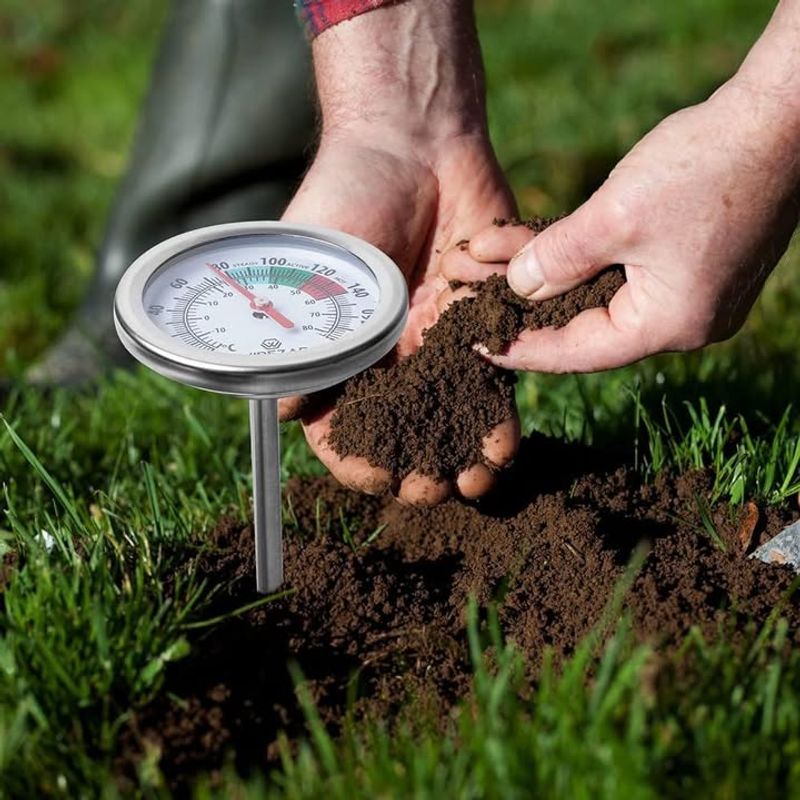
Most gardeners check air temperature but ignore what matters most to plant roots. Soil temperature directly affects seed germination and transplant success.
A simple soil thermometer costs less than a pack of seeds yet prevents countless planting failures.
Insert the thermometer three inches deep in the morning for accurate readings. Take measurements for three consecutive days to get a reliable average. Different areas of your garden may show surprising temperature variations.
Cold, wet soil creates the perfect environment for seed rot and fungal diseases. Seeds planted in fifty-degree soil may sit dormant for weeks before sprouting. This extended germination period exposes them to soil-borne pathogens and hungry pests.
Raised beds and containers warm faster than in-ground gardens in spring. Dark-colored mulch absorbs solar heat and raises soil temperature several degrees. These strategies help you start planting earlier without risking crop failure.
Different crops have different soil temperature requirements for optimal germination. Peas tolerate cool soil while cucumbers demand warmth above sixty-five degrees.
Matching your planting schedule to soil temperature ensures rapid, healthy germination and strong seedling establishment.
Overwatering Vulnerable Seedlings
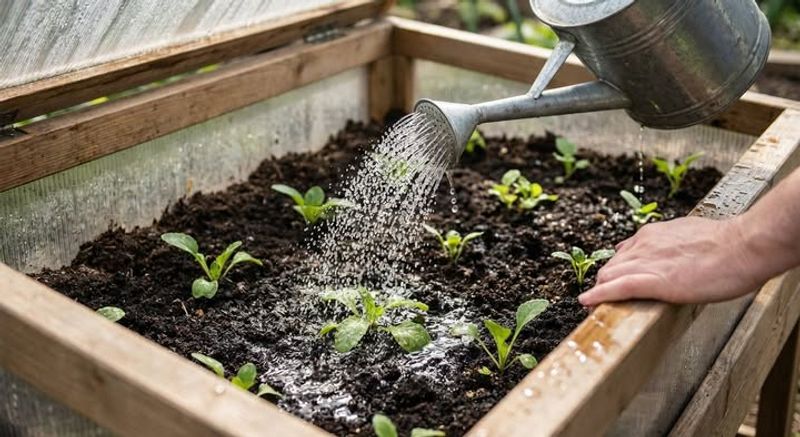
Spring rains combined with enthusiastic watering can drown young plants before they establish. Cold soil holds moisture longer than warm summer ground. Roots sitting in waterlogged conditions cannot absorb oxygen and begin to rot.
North Carolina’s humid spring climate already provides plenty of moisture for most plants. Additional watering often does more harm than good during cool weather. Checking soil moisture before watering prevents this common mistake.
Seedlings planted in cold soil are especially vulnerable to overwatering problems. Their small root systems cannot process excess moisture efficiently. Fungal diseases thrive in these wet, cool conditions.
Stick your finger two inches into the soil to check moisture levels. If the soil feels damp, skip watering that day. Plants need less water during cool weather than during hot summer months.
Improving drainage helps prevent waterlogging in heavy clay soils common across North Carolina. Adding compost creates air pockets that allow excess water to drain away. Raised beds offer excellent drainage for spring plantings in areas with poor soil structure.
Misjudging Microclimates
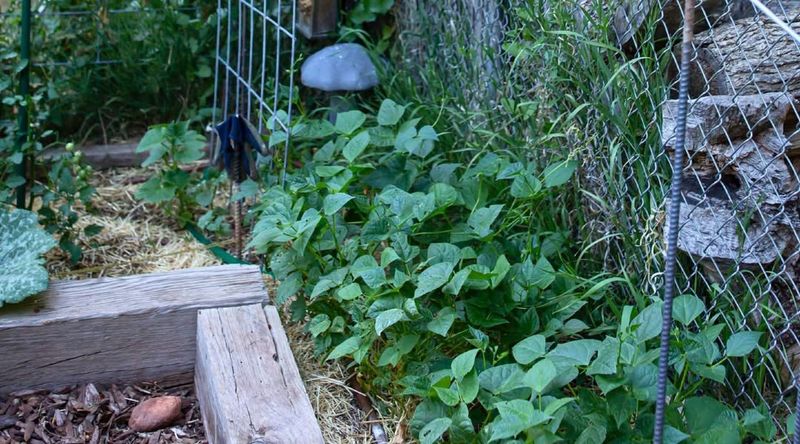
Your yard contains multiple growing zones even within a small space. South-facing slopes can be ten degrees warmer than north-facing areas. Low spots collect cold air while elevated areas stay warmer during frosty nights.
Buildings and fences create sheltered spots that extend the growing season by weeks. Heat radiating from brick walls warms nearby soil faster in spring. These protected areas allow earlier planting than exposed garden beds.
Shaded areas under trees stay cold longer and receive less direct sunlight. Plants in these spots need later planting dates than sunny locations. Understanding these variations helps you maximize every part of your property.
Walking your property with a thermometer on a calm, clear night reveals temperature differences. The coldest spots show where frost forms first and lingers longest. This information guides placement of tender plants and early spring crops.
Using microclimates strategically extends your harvest season at both ends. Plant cold-hardy crops in cooler zones and heat-lovers in warm spots. This approach maximizes production from available space throughout the growing season.
Pruning Or Fertilizing Too Early
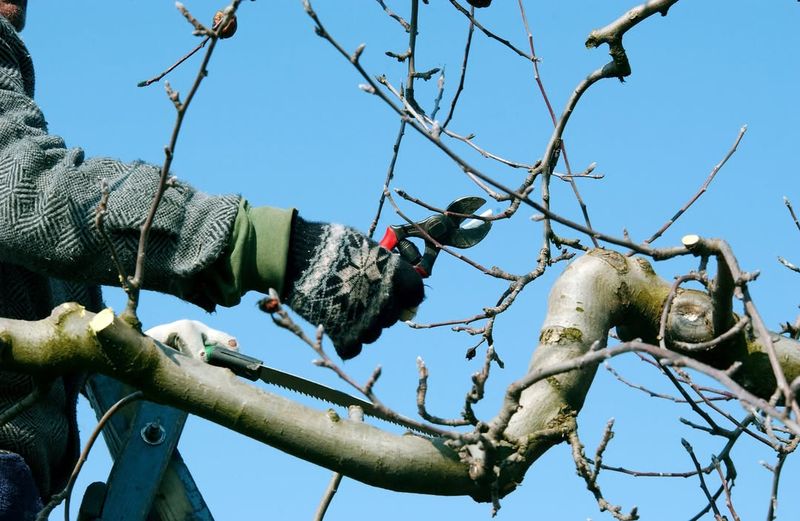
Seeing the first warm days makes gardeners reach for pruning shears and fertilizer bags. However, plants still dormant or just waking up cannot use these interventions effectively. Early pruning removes protective growth that shields tender new buds from late frosts.
Wait until soil temperatures consistently reach fifty-five degrees before applying fertilizer to perennials. Cold soil prevents roots from absorbing nutrients efficiently. Unused fertilizer washes away with spring rains or encourages weed growth instead.
Prune spring-blooming shrubs after they finish flowering rather than before. Early pruning removes flower buds that formed the previous fall. Patience rewards you with beautiful blooms instead of bare branches.
Tender perennials benefit from their old growth as insulation during unpredictable spring weather. Cut back winter-damaged foliage only after new growth emerges strongly. This timing ensures plants have the energy reserves to recover quickly.
Organic fertilizers release nutrients slowly as soil warms and microbial activity increases. This gradual feeding matches plant needs better than quick-release synthetic options. Apply compost or aged manure when you see active new growth beginning in spring.
Planting Without Frost Protection Plans
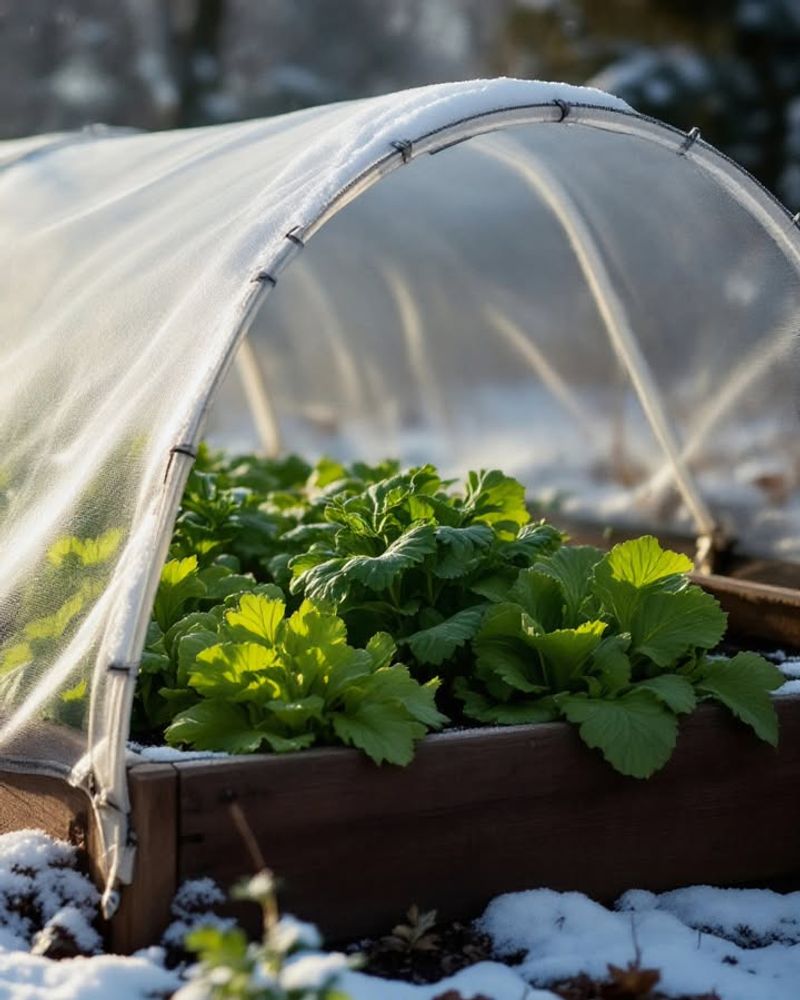
Gambling on weather forecasts without backup plans leaves your garden vulnerable. Having protective materials ready means you can act quickly when frost warnings appear. Five minutes of preparation prevents hours of heartbreak over damaged plants.
Row covers made from lightweight fabric trap heat while allowing light and water through. Draping them over plants takes minutes and provides several degrees of frost protection. Remove covers during the day to prevent overheating in sunny weather.
Individual cloches protect high-value plants like tomatoes and peppers from unexpected cold. Repurposed milk jugs with bottoms cut off work perfectly for this purpose. Place them over plants in late afternoon when frost threatens.
Old sheets and blankets provide emergency frost protection in a pinch. Avoid letting fabric touch foliage directly as cold transfers through contact points. Support covers with stakes to create an insulating air space around plants.
Watering plants thoroughly before a frost helps them withstand cold temperatures better. Moist soil retains more heat than dry soil overnight. This simple step combined with covers provides excellent protection for tender plantings.
Wasting Money On Lost Plants
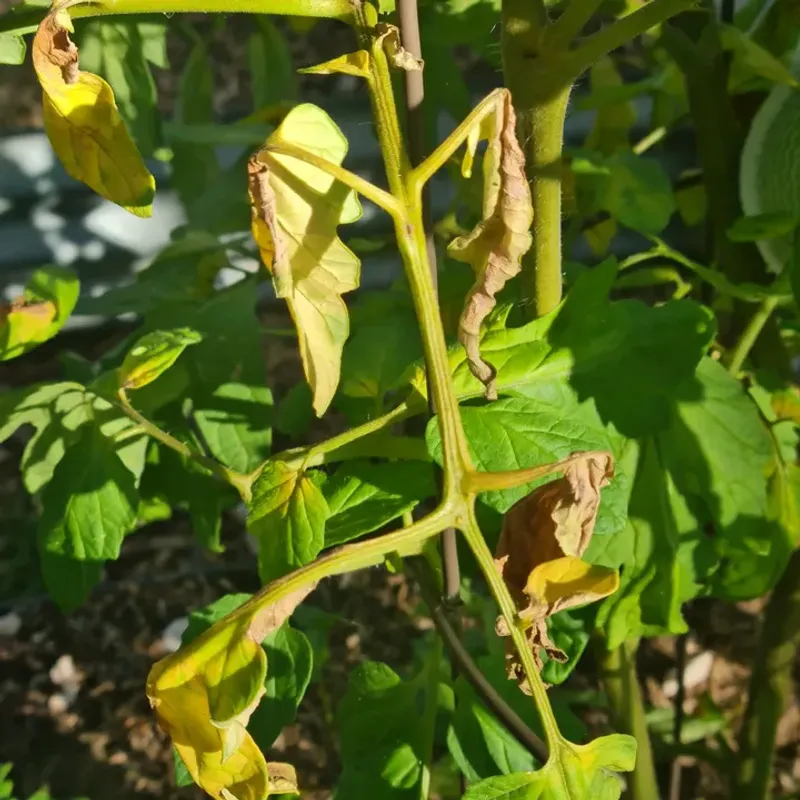
Replacing plants lost to premature planting adds up quickly throughout the season. A flat of tomato transplants costs fifteen to twenty dollars. Losing multiple plantings to frost can exceed a hundred dollars before summer arrives.
Time represents another significant loss when early plantings fail. Weeks spent nurturing seedlings vanish overnight with one hard frost. Starting over delays harvest and shortens your productive growing season.
Properly timed plantings grow faster and produce better yields than rushed early attempts. Plants set out in warm soil quickly surpass earlier plantings that struggled. Patience saves money while improving overall garden success.
Consider the total cost of gardening when making planting decisions. Seeds, soil amendments, water, and time all represent investments in your garden. Protecting these investments through proper timing makes economic sense.
Successful gardening requires working with nature rather than against seasonal patterns. North Carolina’s climate offers a long growing season when you plant at appropriate times.
Smart timing transforms gardening from an expensive frustration into a rewarding and productive hobby that provides fresh food throughout summer and fall.