The Blooming Hack Maryland Gardeners Use Every Year For A Fuller Christmas Cactus
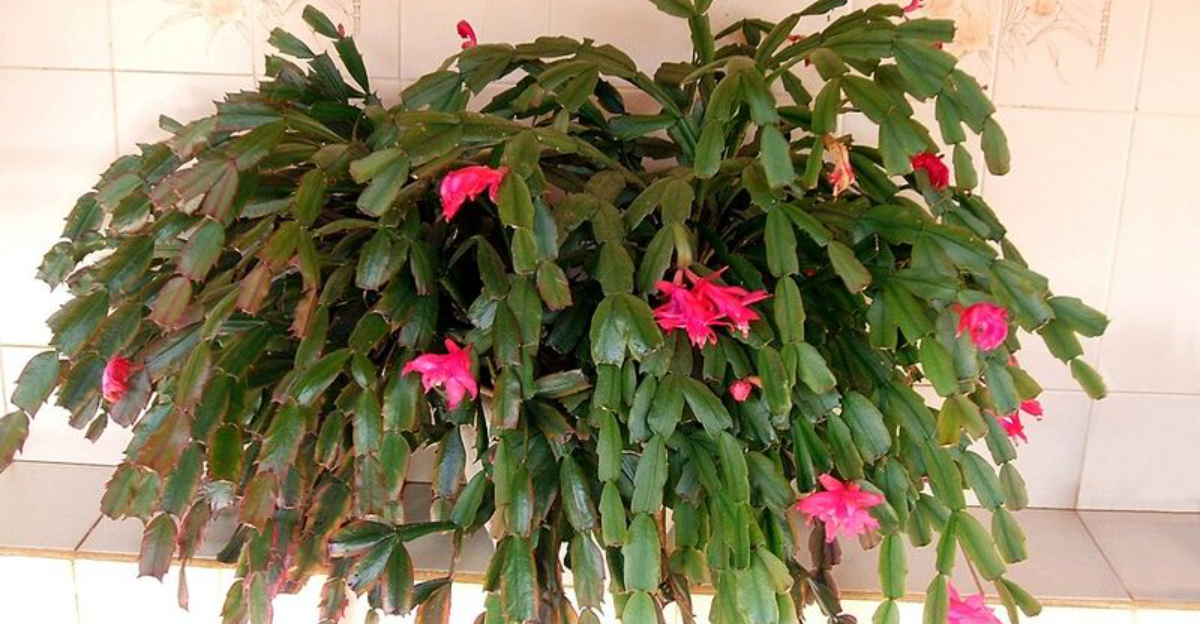
Every winter across Maryland, Christmas cacti burst into color in some homes while others sit stubbornly green.
The difference often comes down to a simple seasonal trick seasoned gardeners swear by.
This beloved holiday plant responds dramatically to small changes in care, especially as days grow shorter and nights turn cooler.
Timing, light, and a touch of restraint can transform a sparse cactus into a cascading display of blooms.
Passed along year after year, this reliable gardening hack coaxes fuller growth and more vibrant flowers, turning an ordinary plant into a showstopping centerpiece just in time for the holidays.
Why Christmas Cactus Needs A Fall Rest Period
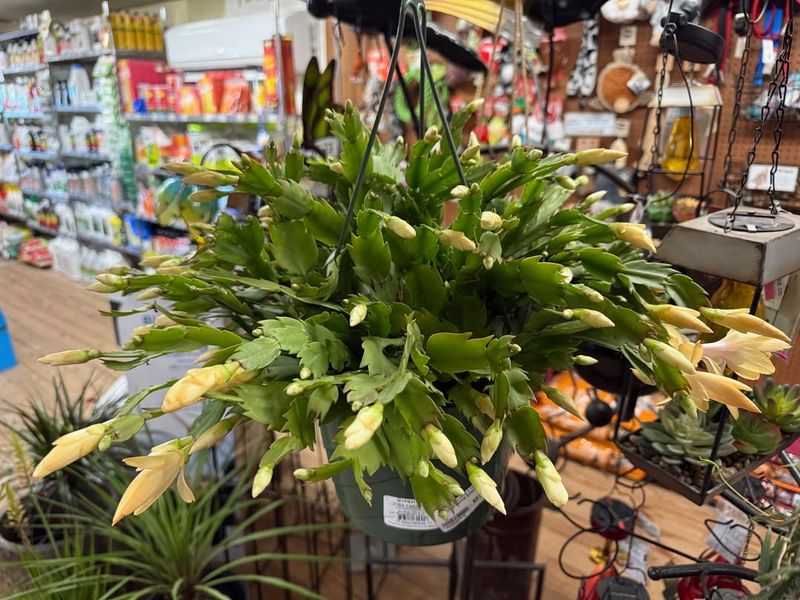
Maryland gardeners know that giving their Christmas cactus a proper rest period during fall creates the foundation for spectacular blooms later in the holiday season.
Your plant naturally slows down its growth when autumn arrives, and respecting this rhythm helps it conserve energy for producing those beautiful flowers everyone loves.
Without adequate rest, your Christmas cactus might produce fewer buds or skip blooming altogether, leaving you disappointed when December finally rolls around each year.
Rest periods allow the plant to redirect nutrients from leaf production toward developing strong, healthy flower buds that will eventually open into colorful displays.
Starting around mid-September, Maryland plant enthusiasts begin adjusting their care routines to signal that cooler months are approaching and blooming season will soon begin.
This transition period typically lasts six to eight weeks, giving your Christmas cactus plenty of time to prepare for its spectacular winter flower show.
Skipping this crucial rest phase means your plant might stay stuck in vegetative growth mode instead of switching over to its natural reproductive flowering cycle.
Understanding this biological need helps Maryland gardeners consistently achieve those fuller, more impressive blooms that make Christmas cactus such beloved holiday decorations for homes statewide.
How Cooler Temperatures Trigger Bud Formation
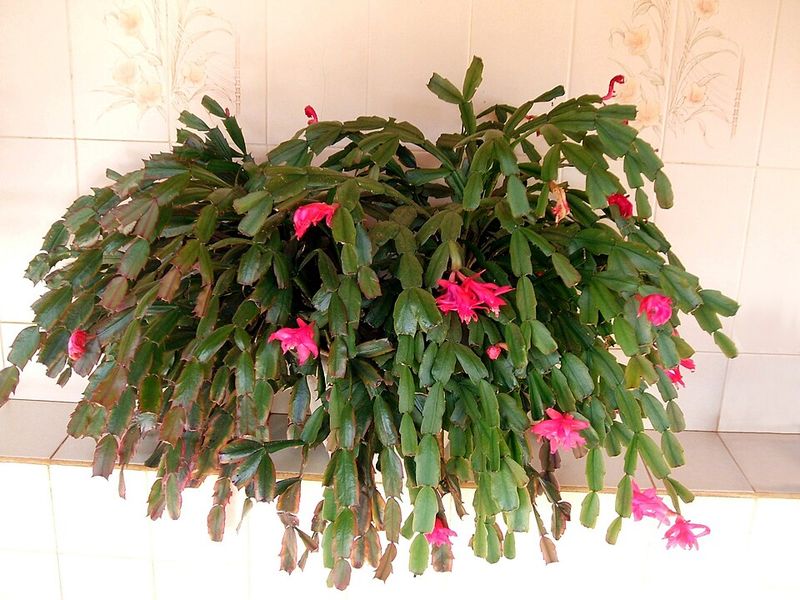
Cooler nighttime temperatures act as a powerful signal that tells your Christmas cactus to start forming those precious flower buds you have been patiently waiting for.
Maryland households often place their plants near windows where temperatures naturally drop during autumn evenings, creating perfect conditions without any complicated equipment or expensive gadgets.
Your Christmas cactus evolved in Brazilian mountain forests where temperatures fluctuate between warm days and significantly cooler nights, triggering its natural blooming response every single year.
Keeping nighttime temperatures between fifty-five and sixty-five degrees Fahrenheit for several weeks consistently produces the best results according to experienced Maryland plant enthusiasts everywhere.
Avoid placing your plant near heating vents or radiators during this critical period, as constant warmth confuses the plant and prevents proper bud development entirely.
Some Maryland gardeners move their Christmas cactus to unheated porches or mudrooms where temperatures stay cool but never reach freezing levels that could damage tender tissues.
This temperature difference between day and night essentially flips a biological switch inside your plant, redirecting its energy toward reproduction rather than just growing more leaves.
Maintaining these cooler conditions throughout the entire rest period ensures your Christmas cactus develops multiple buds that will eventually open into a spectacular, fuller display.
The Role Of Darkness In Encouraging Blooms
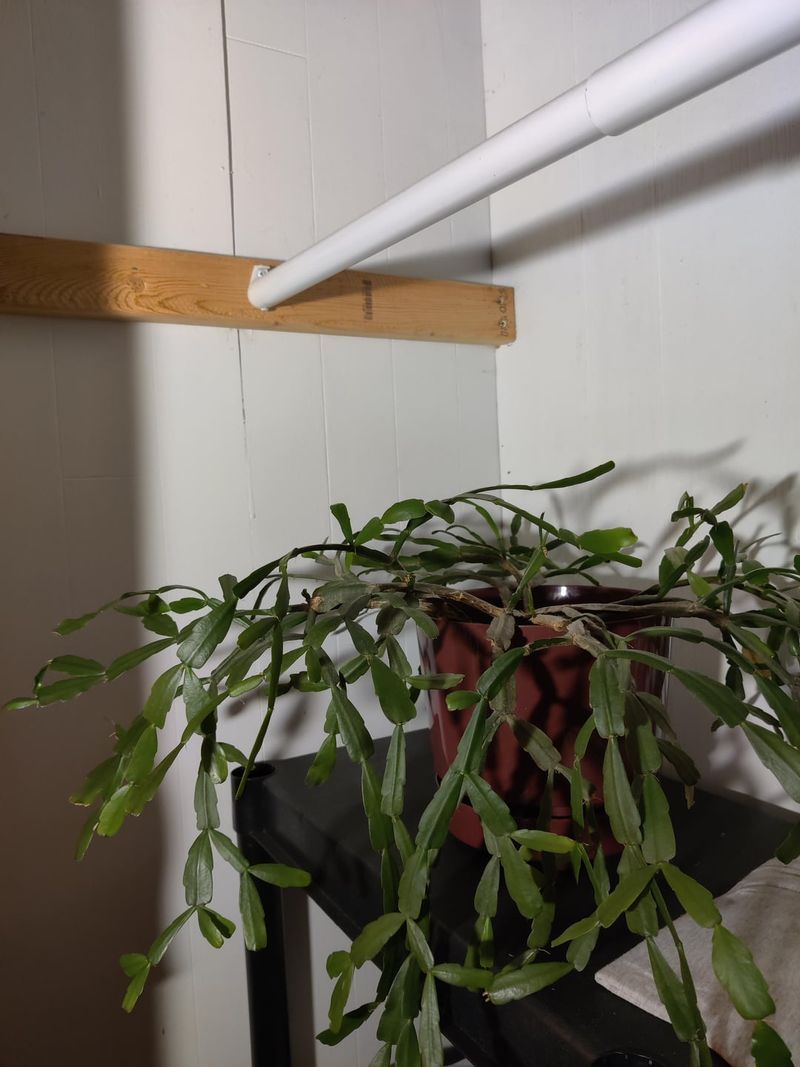
Darkness plays an absolutely essential role in convincing your Christmas cactus that winter is approaching and it is time to start producing those gorgeous flowers.
Maryland gardeners provide their plants with twelve to fourteen hours of complete, uninterrupted darkness each night during the fall rest period for optimal bud development.
Even small amounts of light from street lamps, television screens, or hallway fixtures can interfere with this process and reduce the number of blooms significantly.
Your Christmas cactus is photoperiodic, meaning it responds to specific day length patterns that signal seasonal changes in its natural environment throughout the year.
Some dedicated Maryland plant lovers actually move their Christmas cactus into closets or spare bedrooms where they can control lighting conditions more precisely and consistently.
Others simply cover their plants with cardboard boxes or dark cloth each evening, removing the covering every morning to allow normal daytime light exposure.
This darkness treatment mimics the shorter days that occur naturally in autumn, triggering hormonal changes inside the plant that promote flower bud formation instead of vegetative growth.
Maintaining consistent darkness schedules for six to eight weeks gives your Christmas cactus the clear environmental signals it needs to develop fuller, more abundant blooms successfully.
When To Begin The Blooming Routine
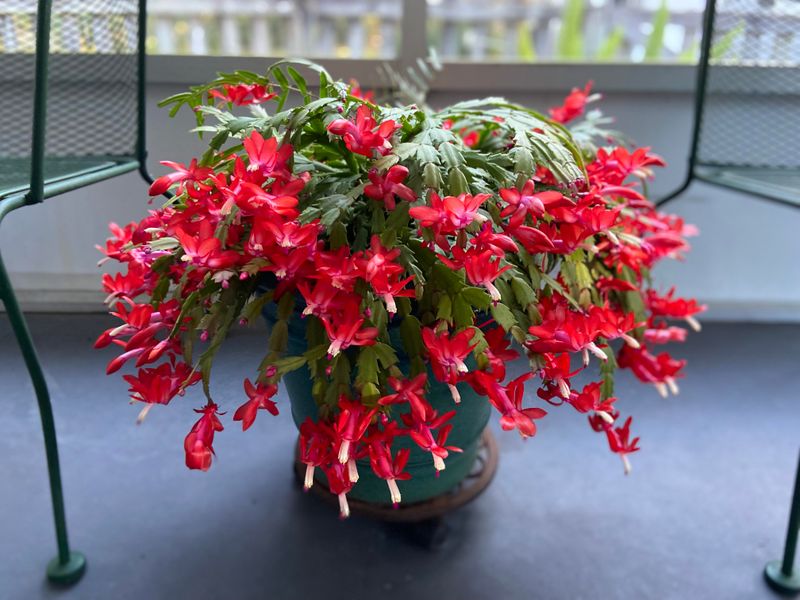
Timing matters tremendously when you want your Christmas cactus to bloom right on schedule during the holiday season rather than weeks too early or late.
Maryland gardeners typically begin their blooming routine around mid-September, which gives plants enough time to develop buds that will open perfectly during December celebrations.
Starting too early might cause your Christmas cactus to bloom before Thanksgiving, while beginning too late could mean missing the actual Christmas holiday entirely each year.
Count backward approximately eight to ten weeks from when you want flowers to appear, then begin implementing cooler temperatures and extended darkness periods consistently.
Different Christmas cactus varieties may respond slightly faster or slower, so Maryland plant enthusiasts often keep notes about their specific plants to refine timing annually.
First-time growers should start their routine during the third week of September to ensure blooms appear sometime between mid-November and late December reliably.
Weather patterns across Maryland can vary considerably, so paying attention to natural temperature drops helps you coordinate your indoor care routine with outdoor seasonal changes.
Establishing this regular annual schedule trains your Christmas cactus to anticipate the rest period, making the blooming process easier and more predictable with each passing year.
Adjusting Watering During The Rest Phase
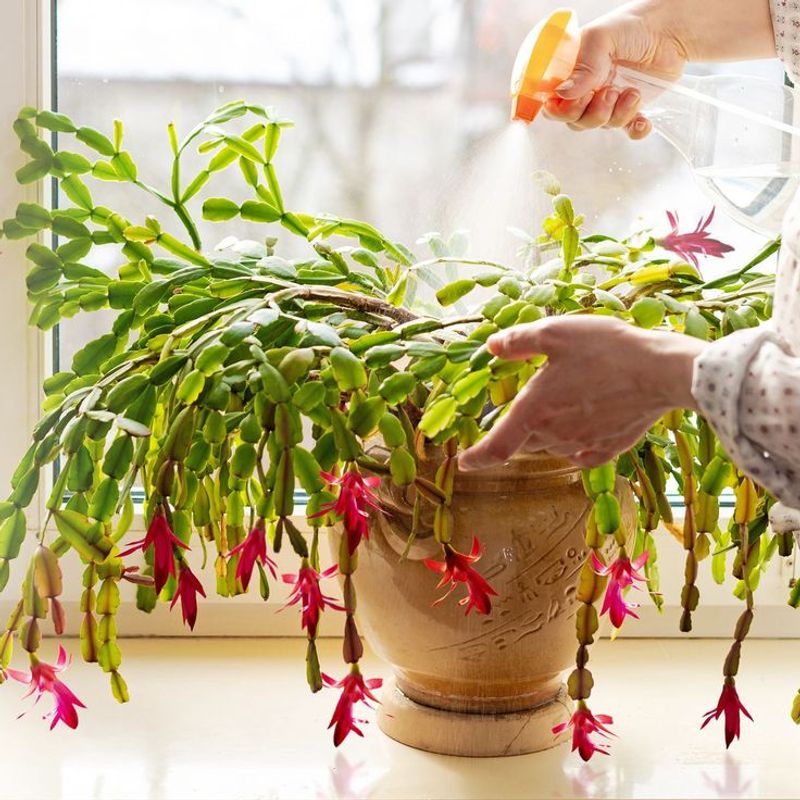
Watering adjustments during the rest phase are absolutely critical for encouraging your Christmas cactus to shift from growth mode into bloom production mode successfully each fall.
Maryland gardeners reduce watering frequency significantly during this period, allowing the soil to dry out more thoroughly between waterings than they would during active growing seasons.
Your Christmas cactus naturally experiences drier conditions in its native habitat during the cooler months, and mimicking this pattern helps trigger the blooming response.
Instead of watering weekly, switch to watering only when the top inch or two of soil feels completely dry to the touch when you test it.
Overwatering during the rest period can cause your plant to continue producing new leaf segments instead of redirecting energy toward developing those beautiful flower buds.
Some Maryland plant enthusiasts water their Christmas cactus only once every two to three weeks during the rest phase, depending on household humidity and temperature levels.
When you do water, use smaller amounts than usual so the soil becomes just barely moist rather than thoroughly saturated throughout the entire pot.
This controlled drought stress signals your Christmas cactus that resources are becoming scarce, encouraging it to reproduce by flowering rather than continuing vegetative growth indefinitely.
What To Avoid While Buds Are Forming
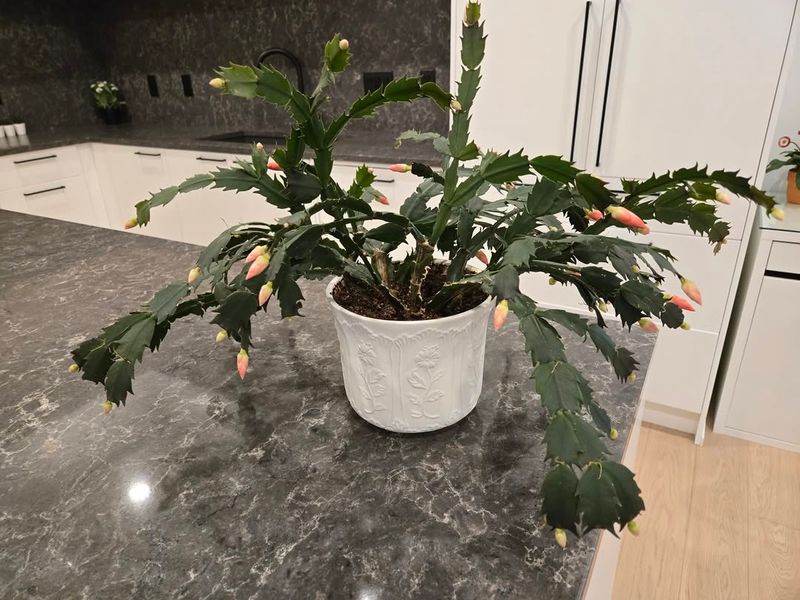
Once tiny buds begin appearing on your Christmas cactus, avoiding certain common mistakes becomes absolutely essential for preventing frustrating bud drop before flowers open.
Maryland gardeners know that moving their plants to different locations during bud development often causes those precious buds to fall off before blooming occurs.
Your Christmas cactus is extremely sensitive to environmental changes once buds form, and even rotating the pot can confuse the plant and trigger bud loss.
Temperature fluctuations, drafts from doors or windows, and sudden changes in lighting conditions all stress your plant and may cause it to abort developing buds.
Fertilizing during the bud formation period is another mistake that Maryland plant lovers carefully avoid, as excess nutrients can actually prevent flowers from opening properly.
Keep your Christmas cactus in one stable location with consistent temperatures and lighting from the moment you notice the first tiny buds appearing on stems.
Overwatering becomes especially problematic during this delicate phase, so continue maintaining the reduced watering schedule you established during the rest period throughout bud development.
Resisting the temptation to fuss over your plant once buds appear gives it the stable, stress-free environment needed to successfully open into fuller, more spectacular blooms.
How Long The Bloom-Triggering Period Lasts
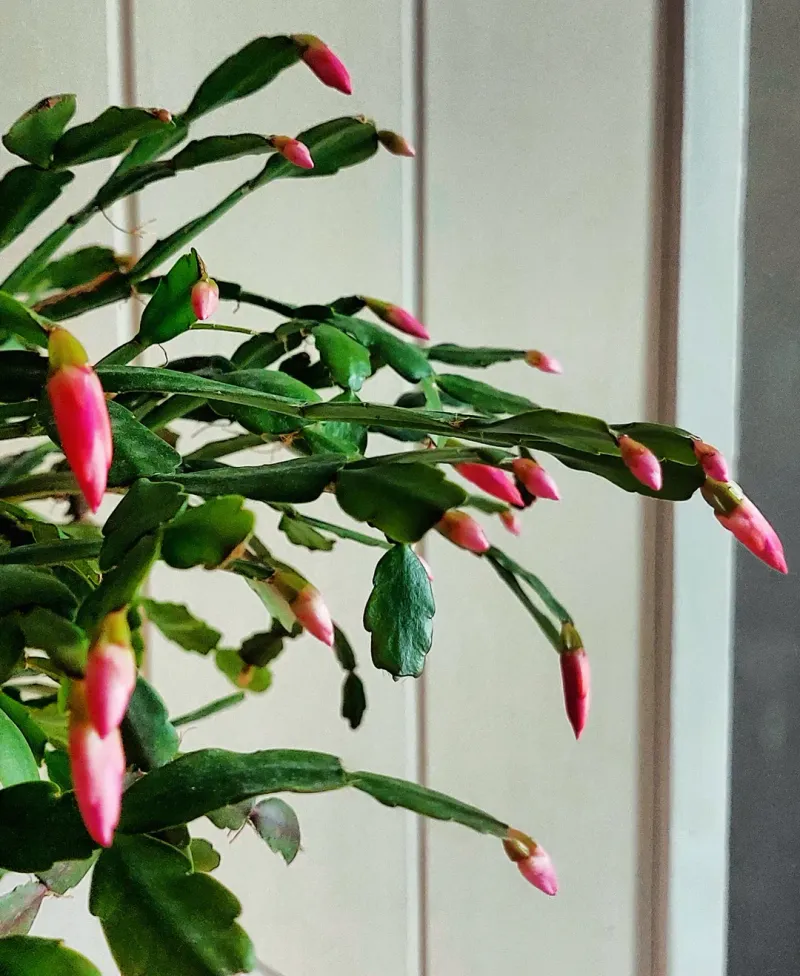
Understanding the duration of the bloom-triggering period helps Maryland gardeners plan their care routines and maintain patience while waiting for spectacular results to appear.
Most Christmas cactus varieties require six to eight weeks of consistent cool temperatures and extended darkness before buds become visible on the plant stems.
This might seem like a long time, but rushing the process or giving up too early means missing out on the fuller blooms you worked for.
Maryland plant enthusiasts mark their calendars when they begin the rest period, helping them track progress and stay committed to maintaining proper conditions throughout duration.
Some faster-responding plants might show buds after just five weeks, while others may take up to ten weeks depending on variety and growing conditions.
Consistency matters more than speed during this period, so maintaining stable temperatures, darkness schedules, and reduced watering produces better results than perfect timing without consistency.
Once you notice small buds forming, you can gradually return to normal care routines, though major changes should still be avoided until flowers fully open.
Recording how long your specific Christmas cactus takes to respond each year helps you refine your technique and achieve even more impressive blooms in future seasons.
What To Do Once Buds Appear
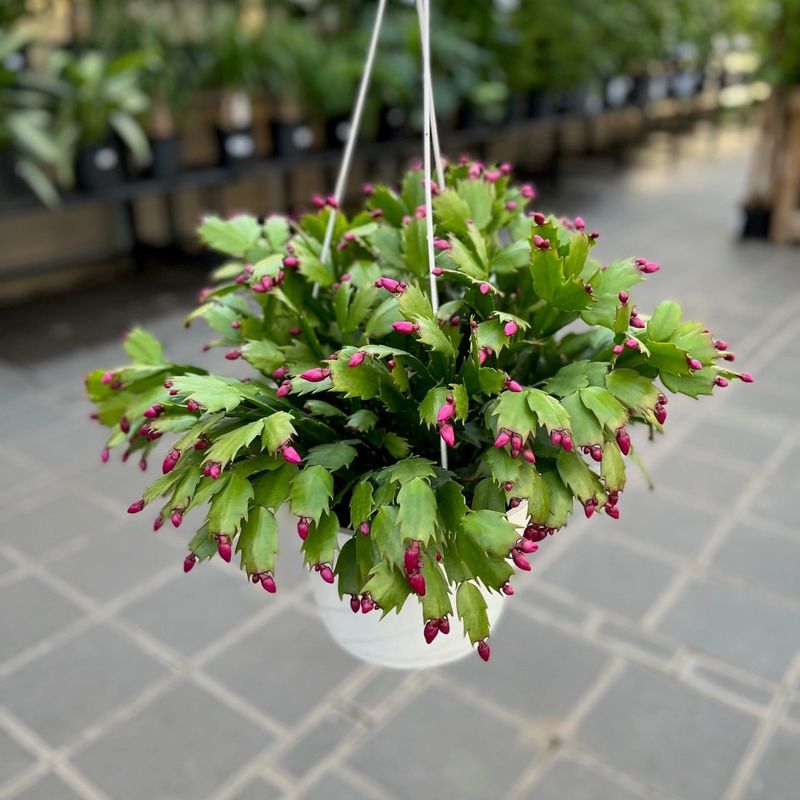
Once buds become visible on your Christmas cactus, Maryland gardeners gradually adjust their care routines to support the energy-intensive process of opening those beautiful flowers.
You can slowly increase watering frequency at this point, providing slightly more moisture to help the plant develop and open its buds into full blooms.
However, dramatic changes should still be avoided, so transition back to normal watering schedules gradually over one to two weeks rather than all at once.
Lighting requirements can also relax somewhat once buds form, though maintaining relatively stable conditions prevents stress that might cause buds to drop before opening completely.
Maryland plant lovers often move their Christmas cactus back to brighter locations once buds reach pea size, as the plant no longer needs extended darkness periods.
Temperatures can warm up slightly at this stage, though keeping your plant away from hot radiators or heating vents remains important for preventing bud drop.
Some gardeners apply a very diluted bloom-boosting fertilizer once buds appear, though this is optional and should be done sparingly to avoid overwhelming the plant.
Maintaining stable conditions and resisting the urge to constantly check or move your Christmas cactus gives it the best chance of opening every single bud successfully.