The Bright Yellow Bloomer Many Arizona Gardeners Overlook
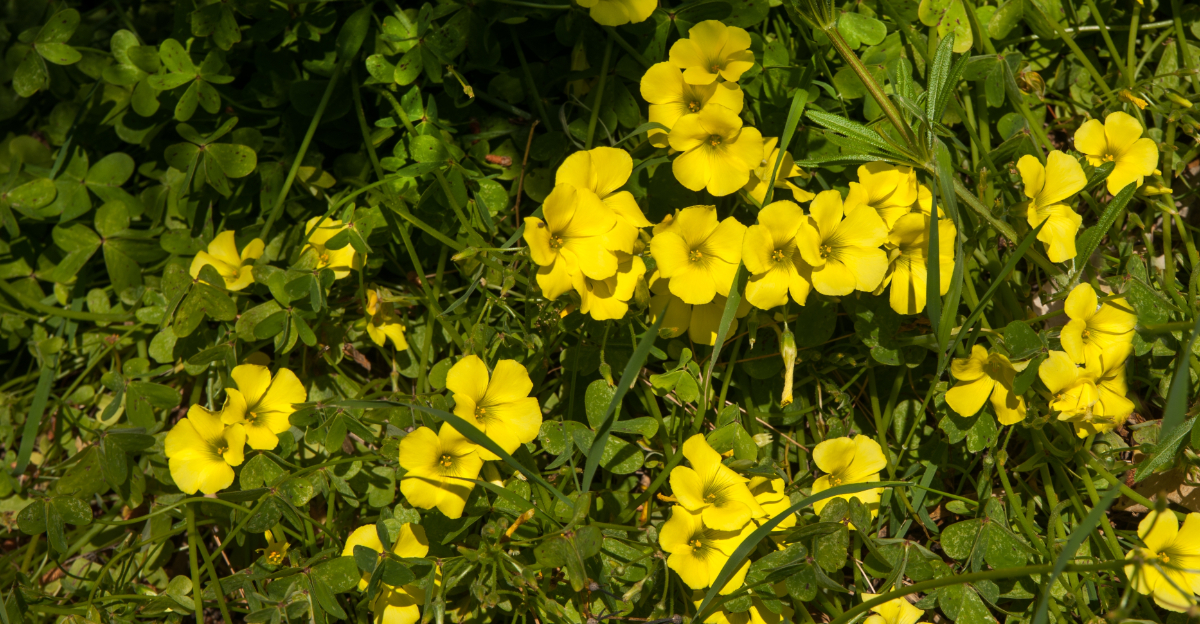
Arizona landscapes are full of tough drought tolerant plants, but every so often a bloomer shows up that completely changes the feel of the garden.
One overlooked yellow flower does exactly that, putting on a surprisingly colorful display that stands out against gravel beds, cacti, and sun baked soil.
It is the kind of plant people often notice only after it is already in bloom.
Many Arizona gardeners focus on well known desert plants, so a few beautiful bloomers quietly stay under the radar even though they handle the heat just as well.
Once established, this low growing plant can thrive in the intense sun, dry air, and long growing season that define much of the state.
When it begins flowering, it adds a burst of color that feels almost unexpected in a desert landscape. For gardeners looking to mix something different into their Arizona yards, this lesser known bloomer can bring a fresh and eye catching touch to the garden.
1. Oxalis Lights Up Arizona Gardens With Bright Yellow Spring Color
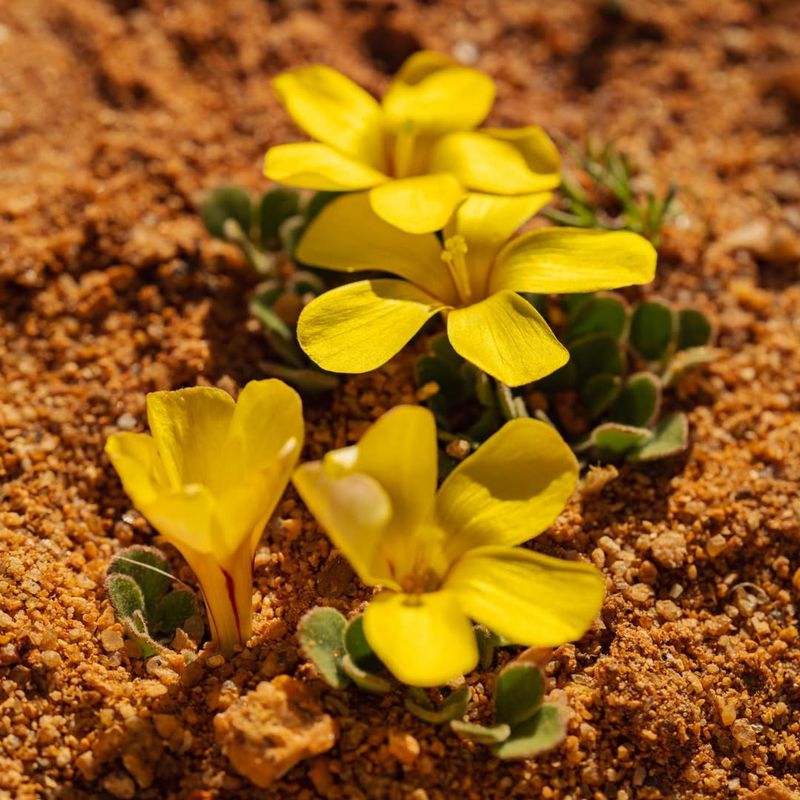
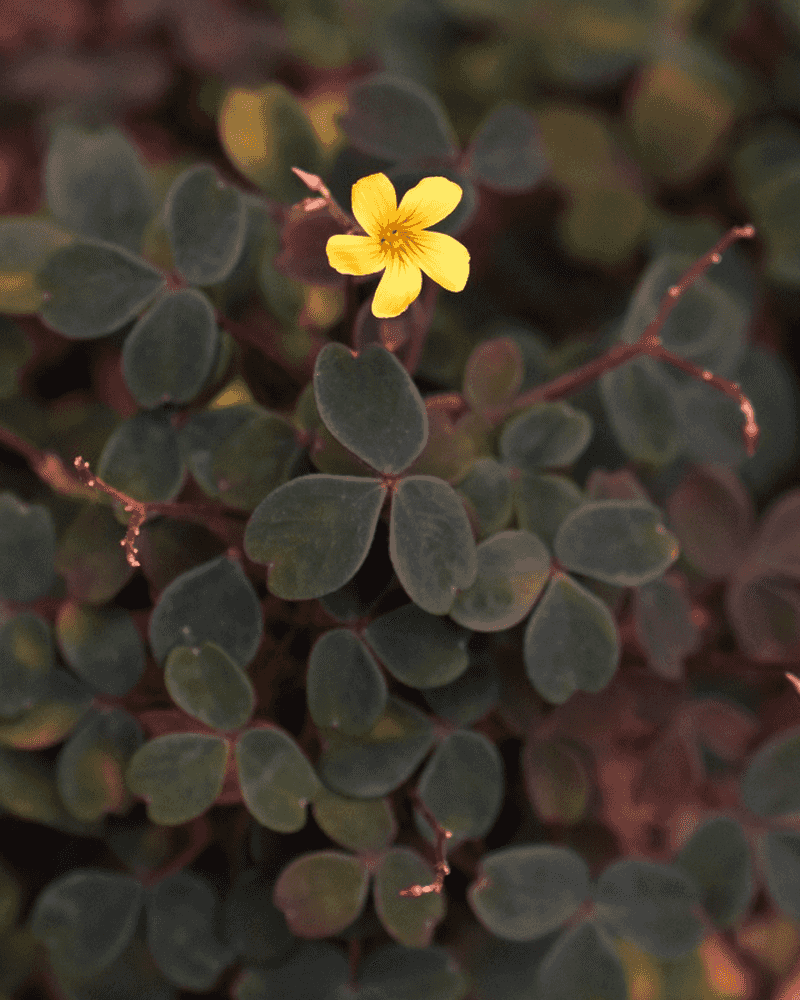
Walk past a patch of blooming oxalis on a warm March morning in Arizona and you will understand why some gardeners stop in their tracks.
Those small, bright yellow flowers cluster together in a way that punches way above their weight. Against the pale gravel and sandy soil typical of Phoenix or Tucson yards, the color practically glows.
Each flower has five rounded petals that open wide when sunlight hits them. On cloudy days or in the evening, the petals fold inward, almost like the plant is saving its best show for the right moment.
That kind of behavior makes oxalis feel alive in a way that a lot of ornamental plants just do not.
Planted in clusters along a walkway or tucked into a rock garden, they create cheerful drifts of color without any fuss.
Spring in the Sonoran Desert is short and intense. Temperatures climb fast, and many plants rush through their bloom cycles quickly.
Oxalis times its flowering beautifully with the season, opening up just as the weather turns pleasant and holding its blooms for several weeks.
For Arizona gardeners who want reliable color during that sweet spot between winter cold and summer scorching, oxalis delivers every single time.
2. Small Bulbs Allow Oxalis To Return Each Season
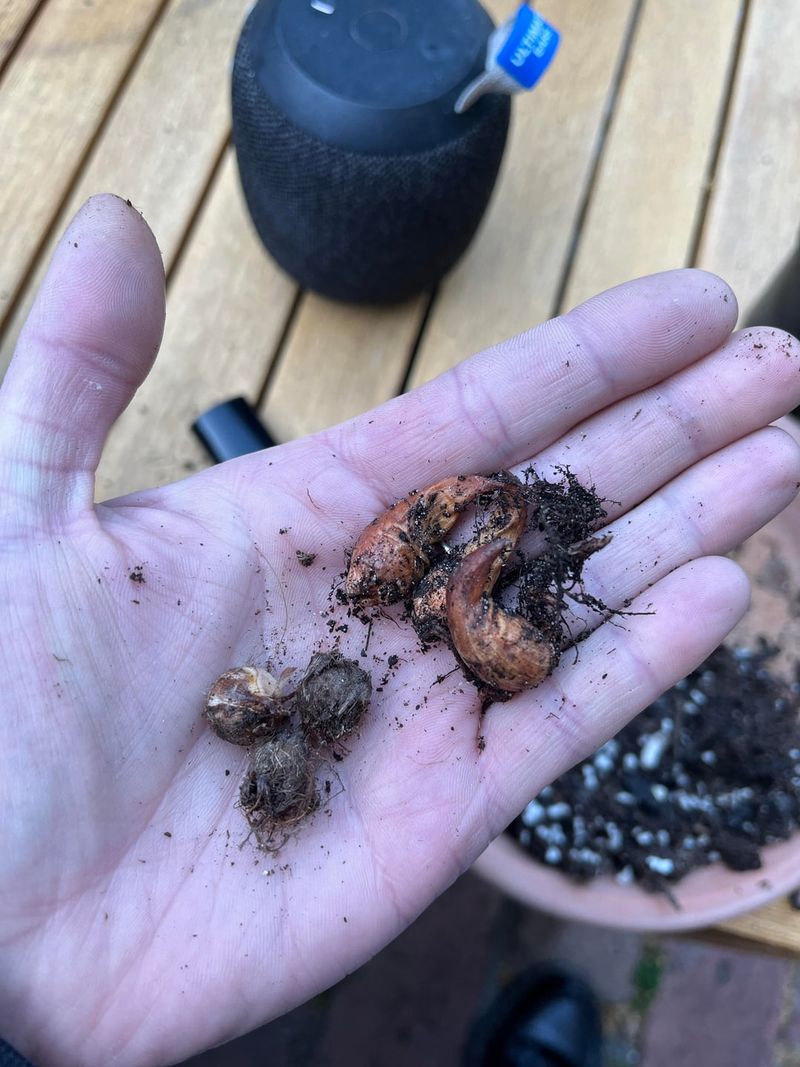
Underground, oxalis keeps a secret. Tiny bulbs, sometimes called corms or rhizomes depending on the species, sit just below the soil surface and wait out the seasons.
Plant them once, and they come back on their own schedule without any nudging from you.
In Arizona, that underground storage system is a real advantage. Summer heat pushes the plant into dormancy, but the bulbs stay protected beneath the soil.
When fall temperatures drop and winter rain arrives, those bulbs wake up and start pushing new growth before you have even thought about watering them.
Bulb size varies by species, but most oxalis corms are small enough to fit several in the palm of your hand. Planting depth is usually shallow, around two to three inches, which makes them easy to tuck into tight spots between rocks or along container edges.
They multiply naturally over time, so a small handful of bulbs can turn into a generous patch within a couple of seasons.
One thing worth knowing: oxalis bulbs do not need much encouragement to spread. In a garden with open, loose soil, they can naturalize quickly.
For most Arizona gardeners, that spreading habit is a feature rather than a problem, since the plants fill in bare spots that are otherwise just dust and gravel. Keeping them contained in pots or bordered beds gives you more control if you prefer a tidier look.
Either way, the bulbs handle themselves with very little help from you.
3. Winter Rain Often Triggers Its Blooming Period
Rain in the Sonoran Desert is not just weather, it is a signal. Plants that have been sitting quietly in the soil suddenly get the message that conditions are right, and oxalis responds faster than almost anything else in the yard.
A few good winter rains between December and February are often all it takes to kick the whole plant into action.
Arizona winters can be dry, but when moisture does arrive, oxalis uses it efficiently. The bulbs absorb water quickly and push up foliage within days.
By the time most gardeners are thinking about spring planting, oxalis is already blooming in corners of the yard they forgot about.
Tucson and the surrounding areas of southern Arizona tend to get more reliable winter precipitation than the Phoenix metro. That makes oxalis especially well-suited to Tucson gardens, where the bloom cycle aligns naturally with the rainfall pattern.
In drier years, a little supplemental watering in late fall can help nudge the bulbs awake and encourage early flowering.
Watching oxalis respond to rain is one of those small gardening satisfactions that never gets old. You come outside after a cold, wet January night and there are fresh green leaves poking through the gravel where nothing seemed to be growing before.
A week later, yellow flowers are open by mid-morning. Rainfall timing varies year to year across Arizona, but oxalis rolls with those changes better than most plants, adjusting its schedule to match whatever the season brings.
4. Low Growth Makes It Useful In Rock And Desert Gardens

Height matters in an Arizona garden. Tall plants can look out of place next to boulders and low-growing succulents, but oxalis fits naturally into those spaces without any awkward proportions.
Most varieties stay under six inches tall, which makes them ideal for tucking between rocks, edging pathways, or filling gaps at the base of larger plants.
Rock gardens in Arizona often struggle with bare patches between stones where nothing seems to want to grow. Oxalis solves that problem without taking over the whole composition.
Its clover-shaped leaves stay tidy and compact, and the flowers rise just enough above the foliage to be visible without blocking the view of surrounding plants or stones.
Container gardening is another area where oxalis really earns its place. In a wide, shallow pot paired with a small agave or aloe, oxalis fills the edges beautifully while the main plant anchors the center.
The combination looks intentional and put-together without requiring much planning or effort on your part.
Across central Arizona, where front yards often feature decomposed granite and drought-adapted plants, oxalis adds softness and seasonal color without disrupting the overall desert aesthetic.
It does not look like a tropical or cottage garden plant dropped into the wrong climate.
Instead, it blends in while still standing out, which is a harder balance to strike than it sounds.
Low-growing plants that stay in their lane and still deliver visual interest are genuinely valuable in a desert garden design, and oxalis checks both boxes with ease.
5. Bright Light Encourages More Flowers

Full sun and oxalis are a good match, especially in Arizona where sunlight is rarely in short supply. Plants grown in shadier spots tend to produce more leaves and fewer flowers, while those sitting in direct morning sun bloom generously and stay compact.
If you want flowers, give it light.
South-facing spots in Arizona yards get intense sun exposure for most of the day, and oxalis handles that well during its cool-season growth period.
The key is timing: oxalis blooms when temperatures are mild, so the strong late-winter and early-spring sun is actually perfect rather than damaging.
By the time summer arrives and the sun turns brutal, the plant has already gone dormant underground.
East-facing exposures are also excellent for oxalis. Morning sun warms the flowers and encourages them to open fully, while afternoon shade offers some protection on warmer spring days.
In the low desert areas of Arizona, where February afternoons can already push into the 80s, that afternoon shade can extend the blooming period by a couple of extra weeks.
Shade from block walls, large trees, or covered patios reduces flower production noticeably. Gardeners who have tried oxalis under a large mesquite or in a north-facing bed often report getting mostly leaves and very little bloom.
Moving the plants or the containers to a sunnier spot usually fixes the problem immediately. Bright, direct light is not just helpful for oxalis, it is the single biggest factor in getting a strong, colorful display year after year in Arizona gardens.
6. Well Drained Soil Helps Prevent Bulb Rot
Soggy soil is the one condition that will genuinely set oxalis back. The bulbs need moisture to wake up and bloom, but they also need the water to drain away quickly.
Sitting in waterlogged soil for more than a day or two creates the kind of wet, airless environment that causes bulbs to soften and fail.
Arizona native soils are often naturally sandy or gravelly, which works in oxalis’s favor. In areas with heavier clay soil, particularly in some parts of the Phoenix metro, amending the planting bed with coarse sand or decomposed granite improves drainage significantly.
Raised beds and containers with drainage holes are also reliable options for gardeners working with difficult soil.
When planting in containers, skip the standard potting mix and go with a cactus or succulent blend instead. Regular potting soil holds too much moisture for oxalis bulbs, especially during periods when the plant is not actively growing.
A grittier mix drains faster and keeps the bulbs in better shape through the dormant season.
Overwatering is a common mistake, especially for gardeners new to desert plants. Oxalis does not need frequent irrigation once the bulbs are established and growing.
Watering deeply but infrequently, and then letting the soil dry out between sessions, mimics the natural rainfall pattern of Arizona winters far better than daily light watering.
Checking soil moisture a few inches below the surface before watering again is a simple habit that makes a real difference in keeping bulbs healthy season after season.
7. Many Oxalis Species Go Dormant During Extreme Summer Heat

Summer in Arizona is serious business. Temperatures regularly exceed 110 degrees Fahrenheit across the Phoenix valley, and even Tucson sees stretches of brutal heat that push most cool-season plants well past their comfort zone.
Oxalis handles this by doing something smart: it simply disappears.
Above ground, dormant oxalis looks like nothing is there. The leaves yellow and fade, the stems dry back, and within a few weeks the whole plant has retreated underground.
Gardeners who do not know what they planted sometimes assume the worst and dig around looking for answers. Leave the area alone, though, and the bulbs will resurface on their own schedule when conditions improve.
Marking dormant bulb locations is a habit worth developing. A small stake or a handful of gravel arranged in a circle keeps you from accidentally disturbing the area during summer cleanup or replanting projects.
Losing track of where bulbs are planted is surprisingly easy in a desert garden where bare soil all looks the same.
During dormancy, oxalis bulbs need very little water. In fact, keeping the soil on the dry side through July, August, and September is better than watering on a regular schedule.
Arizona monsoon rains can provide some moisture naturally, but well-draining soil helps prevent any buildup from becoming a problem. Come October, when nights cool and the worst of summer fades, the bulbs begin stirring again.
By November or December, fresh green growth appears, and the whole cheerful cycle starts over again across Arizona gardens large and small.