The California Garden Cleanup Mistake That Can Leave Beneficial Insects Without Shelter
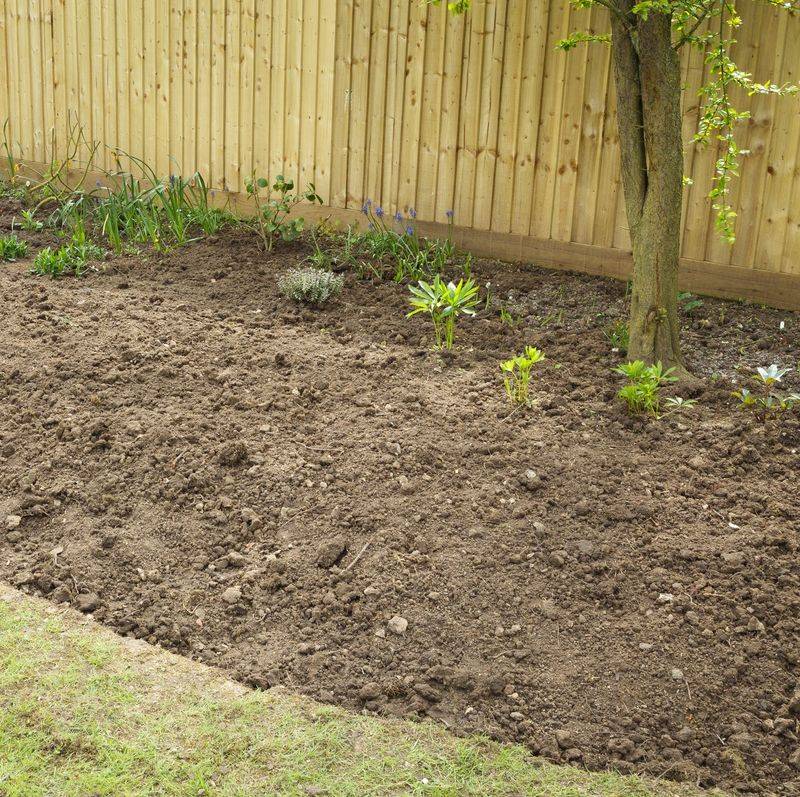
A California gardener steps back on a bright November afternoon to admire her flower bed, and it looks flawless.
Every stem cut to the ground. Every leaf raked away. Soil smooth, bare, and perfectly clean.
Something important just left in that green waste bin, though, right alongside the clippings nobody thought twice about.
Tiny native bees. Aphid-eating lady beetles. All of them were quietly planning to spend the winter exactly there, in the mess she just hauled away.
Here’s what almost nobody realizes about fall cleanup in California. That satisfying, spotless finish line might actually be the worst thing you can do for your garden’s own pest control team.
Six patterns explain exactly where these beneficial insects hide, why they need that mess more than you’d think, and how to keep both a tidy yard and a functioning ecosystem at the same time.
Curious what’s quietly living under that pile of leaves you were about to bag? It starts with a layer most gardeners rake away without a second thought.
1. Overly Tidy Beds Remove Winter Habitat
Raking the last leaf into a green waste bin feels like crossing a finish line. The bed looks crisp, the soil looks dark and clean, and the whole yard seems ready for winter at last.
Sadly, that satisfying moment is also exactly where the trouble starts.
Here’s the core mistake in plain words. An overly thorough fall cleanup strips away the exact places many beneficial insects use to survive the cold months ahead. Leaf litter, old plant stems, and undisturbed soil all serve as key winter shelter.
Many helpful insects do not fly south or hide in your garage for the season. Instead, they spend winter tucked into the garden itself as eggs, larvae, pupae, or resting adults.
Native bees, lady beetles, ground beetles, lacewings, and hover flies can all be part of that hidden crowd waiting out the cold.
When we cut, rake, blow, and bag everything, we often haul those insects away with the debris. Some end up in the green waste bin, and others get left exposed to cold, rain, and hungry birds with nowhere left to hide.
California gardens add a twist here too. Our winters run mild, so gardeners tend to stay busy outside all season, which means more chances to over-tidy without realizing it.
The fix does not require giving up on your yard entirely. It starts with seeing that pile of dry leaves and brown stems a little differently, as a winter home rather than trash waiting for pickup.
2. Leaf Litter Shelters Many Beneficial Species
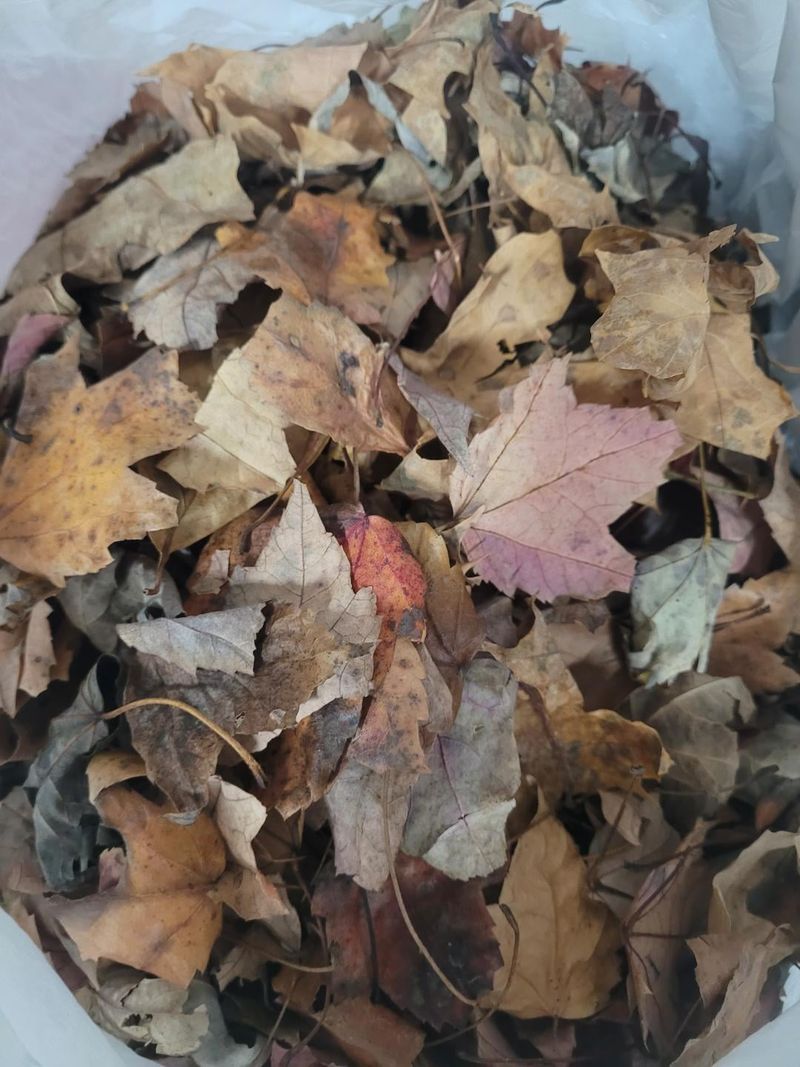
Flip over a thick layer of fallen oak or sycamore leaves in January, and you might uncover a tiny, sleepy neighborhood underneath. Leaf litter looks like clutter to us, but to many insects it works like a warm, layered blanket.
A layer of leaves helps hold in moisture and softens sudden temperature swings at ground level. That buffer matters enormously for small creatures that cannot make their own heat.
Your California Garden Changes Every Week. Your Plan Should Too.
Gardening in California changes quickly throughout the season. Every Friday you’ll receive a simple weekly plan showing exactly what to plant, prune, fertilize, harvest, and protect so you never miss the right timing.
Lady beetles, famous for eating aphids, often spend winter as adults hidden under leaves and other plant debris. Many hover flies, whose larvae also munch on aphids, pass the cold season as pupae in the litter or just beneath it.
Ground beetles, rove beetles, and spiders use the same cover for the same reason.
Pollinators count too, in ways easy to overlook. Plenty of moths and some butterflies overwinter in leaf litter as eggs, caterpillars, or chrysalises, blending in so well they’re almost impossible to spot.
Leaves also break down over time and feed the soil directly. That slow rot supports fungi, worms, and tiny decomposers, which become food for predators further up the chain.
You do not need a foot-deep pile to help out here. Try raking leaves off paths and lawns and spreading them across planting beds instead of bagging them, keeping a few inches away from plant crowns and tree trunks.
One caution worth knowing. Leaves from plants with disease problems, such as roses with black spot, are better removed entirely. Healthy leaves can stay put and do their quiet winter work undisturbed.
3. Hollow Stems House Overwintering Native Bees
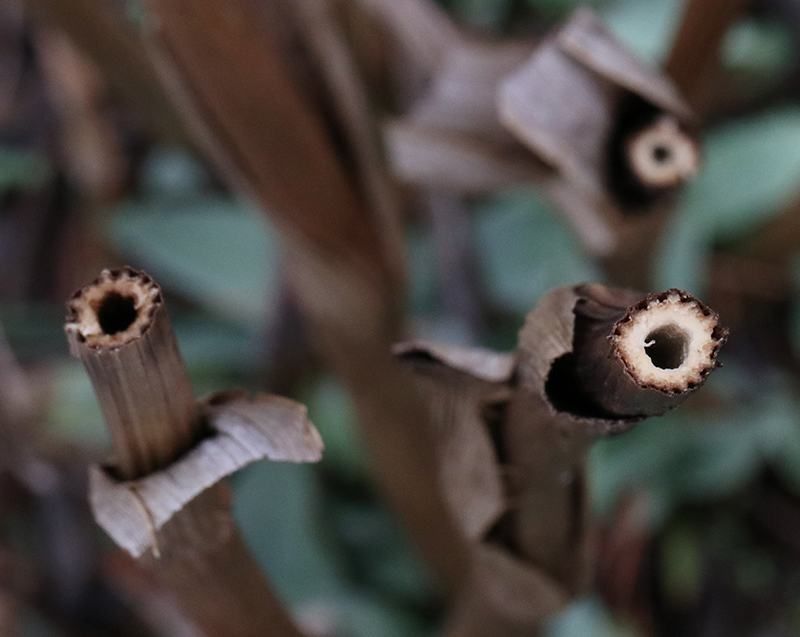
Did you know California is home to roughly 1,600 kinds of native bees? Many look nothing like a honey bee, and some are barely bigger than a grain of rice sitting on your finger.
Most native bees nest in the ground, but roughly 30 percent nest in tunnels instead. For many of those tunnel nesters, a spent plant stem counts as prime real estate.
Small carpenter bees chew their way into soft, pithy stems like elderberry, blackberry, and sunflower. Mason bees and leafcutter bees look for stems that are already hollow, often where a stalk was broken or cut.
Inside, a mother bee builds a row of little rooms, one after another down the length of the stem. She stocks each room with a ball of pollen and nectar, lays an egg on it, and seals it with mud, chewed leaves, or plant fibers depending on her species.
Her babies grow up inside that stem, tucked away safely. Depending on the species, they may spend the winter there as resting adults or developing young, safe from rain and cold, before chewing their way out when the weather turns right.
Some small carpenter bee adults also use old stems as winter hideouts for themselves alone. In other words, that brown stalk you’re itching to cut might be a nursery and a bedroom at the same time.
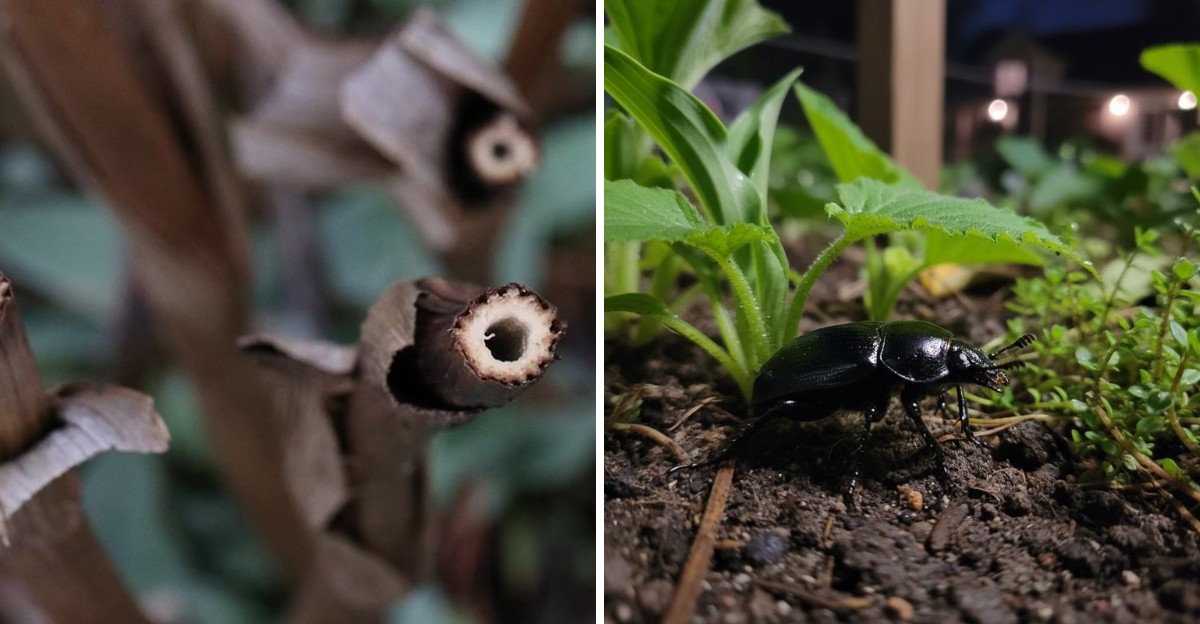
Want to spot a nest yourself? Look at the cut end of an old stem for a small hole plugged with mud or leaf bits.
4. Cutting Everything Back Removes Their Cover
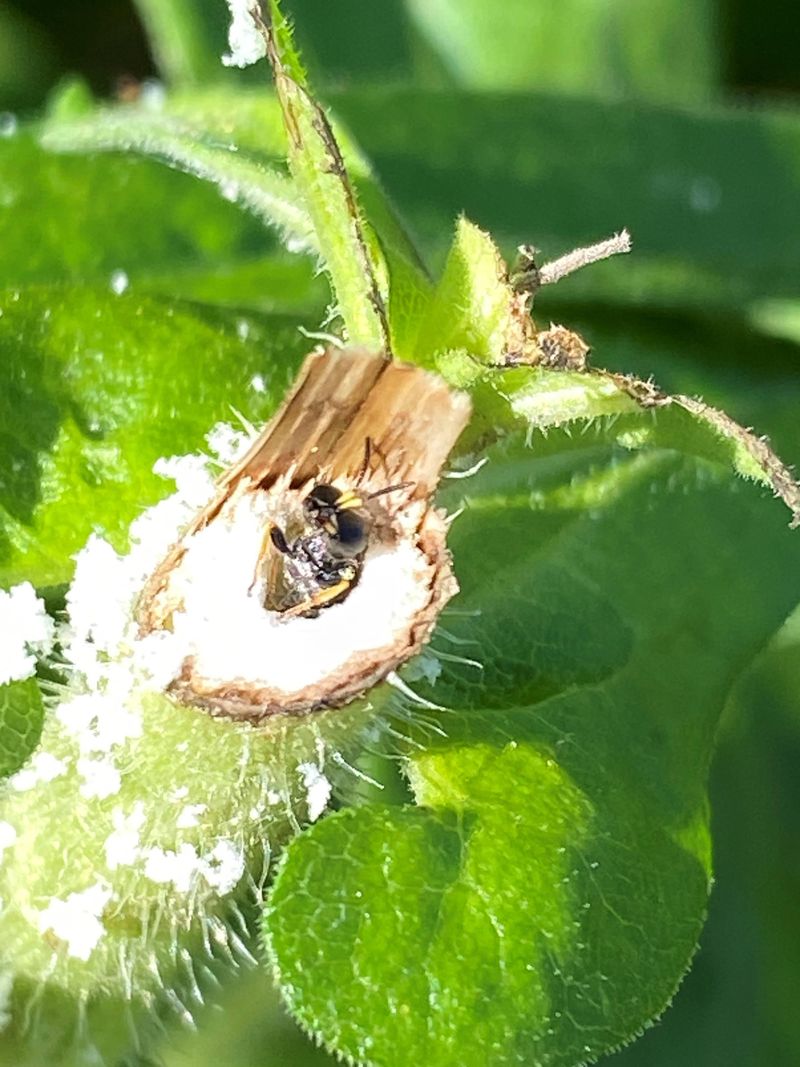
Imagine coming home to find your house has been chopped down, shredded, and hauled off in a truck. For a stem-nesting bee, a full fall cutback can mean exactly that.
Stems only work as shelter while they’re standing and whole. When a gardener cuts every perennial to the ground, runs a string trimmer across a meadow patch, or feeds stalks into a chipper, any eggs, larvae, or adults sealed inside go along for the ride.
Losing those stems also takes away future housing for the following year. Bees need standing stalks with open ends to build next season’s nests, and a bed of flat stubble offers very few choices at all.
A smarter approach exists here. Leave stems standing through winter, then in spring cut them back to varied heights, roughly 8 to 24 inches tall. Fresh leaves soon grow up around the stubble and hide it from view.
Those cut stubs become brand new nesting tubes during the warm months ahead. Because young bees stay inside until the following year, the stubble is best left alone for about two seasons before it breaks down on its own.
Short on patience or space? If you must cut stems in fall, tie them into loose bundles instead, then prop them upright or tuck them along a fence or the back of a bed.
Treat the bundles gently, since shaking or crushing them can harm whatever is resting inside.
The key idea stays simple throughout. Shelter only helps when it’s still there for something to use.
5. Predatory Insects Rely On Undisturbed Ground
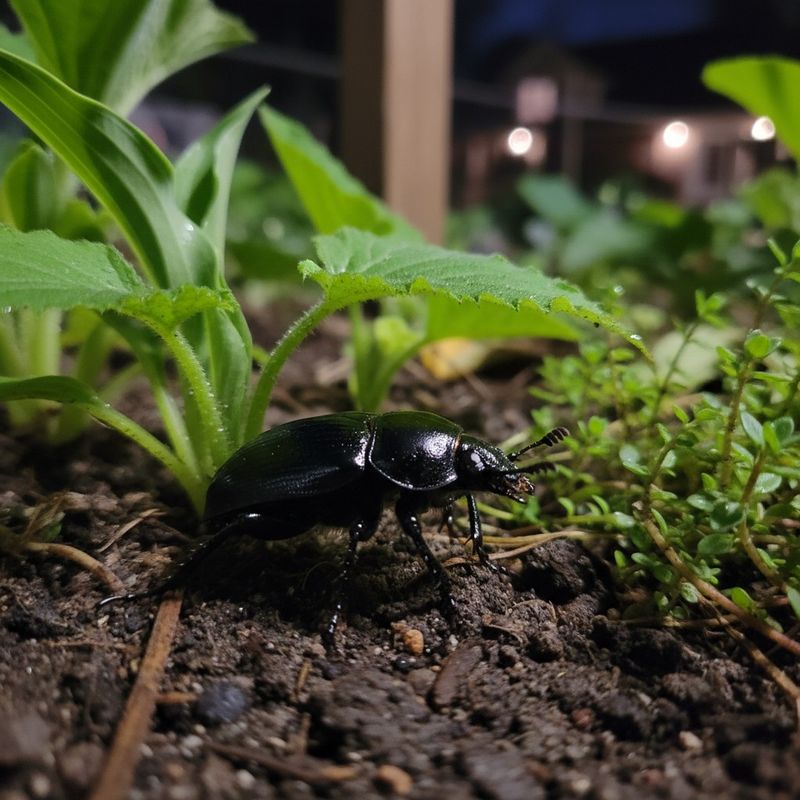
Some of the hardest-working pest hunters in your yard never visit a flower at all. Ground beetles, those shiny black or bronze beetles that scurry away when you lift a pot, hunt at night for slugs, snails, cutworms, and other caterpillars.
Ground beetles rank among the natural enemies that help keep garden pests in check without any spraying involved. Many spend winter as larvae or adults in the soil, under rocks and boards, or tucked into the litter layer above.
Rove beetles and soldier beetle larvae also live close to the ground, and spiders often shelter there too when nights turn chilly. All of these animals need soil that stays put, not soil that gets flipped over every few months.
Deep fall tilling, heavy raking down to bare dirt, and blasting beds with a leaf blower can break open winter hiding spots without anyone meaning to. The creatures inside may be crushed, dried out, or left in the open for birds to find easily.
Here’s a bonus reason to go easy this fall. Roughly 70 percent of native bee species nest in the ground, often in bare or lightly covered patches of soil nearby.
Try a lighter touch this season. Skip tilling where you can, leave a few flat stones or a small log in quiet corners, and let one sunny patch of soil stay bare and unmulched for ground-nesting bees to use.
When spring pests show up again, you may find an army already waiting for them.
6. A Messier Fall Bed Serves A Purpose

Picture a neighbor leaning over the fence in December, asking if you forgot to finish your flower bed. The honest answer could be that the bed isn’t abandoned at all. It’s booked solid.
That’s the mindset shift at the heart of this whole topic. A fall bed with standing stems, scattered leaves, and seed heads isn’t a sign of laziness. It’s working habitat, doing a job you cannot see from the sidewalk.
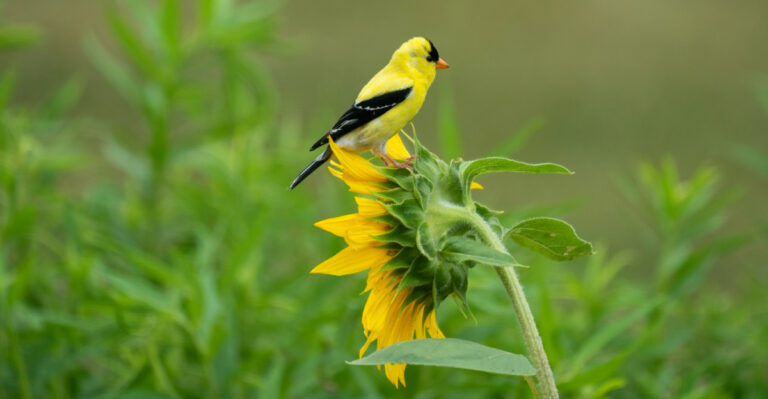
While you sip cocoa inside, those beds are sheltering bee larvae, lady beetles, and ground beetles all at once. Dry seed heads on plants like sunflowers and coneflowers can also feed finches and other birds through the colder months.
Messy on purpose looks different from forgotten, though, and that distinction matters. Neat edges, a trimmed path, and a mowed strip along the sidewalk tell passersby that someone cares about the space.
Some gardeners even post a small sign that says something like pollinator habitat, just to make the intention clear.
California brings one important exception worth remembering. In wildfire-prone areas, keeping the zone closest to your home, especially the first 5 feet, clear of dry leaves and other material that can burn matters far more than habitat here.
So place your wild corners with care and intention. Keep the leaf layer and standing stems farther out in the yard, and keep the area right against walls, decks, and fences clean and lean instead.
With that plan, you get safety, beauty, and habitat all in the same garden, plus a great answer ready for curious neighbors who ask.