The 7 California Plants You Should Never Cut Back In Spring
Spring has a way of making everything in the garden look ready for a reset. The sun is back, fresh growth is popping, and suddenly those older stems and faded parts start looking like easy targets for the pruners.
That is where plenty of California gardeners get tripped up. Some plants really do benefit from a spring trim, but others can lose flowers, weaken, or struggle when cut back at the wrong time.
A plant that looks messy in March or April is not always asking to be tidied. In many cases, it is still protecting new growth, holding future buds, or simply moving at its own seasonal pace.
California’s mix of mild winters, dry summers, and region-by-region differences makes timing even more important. A quick cleanup can feel productive, but the wrong cut can steal the best part of the show.
Knowing which plants to leave alone in spring can save a lot of disappointment later.
1. Camellias
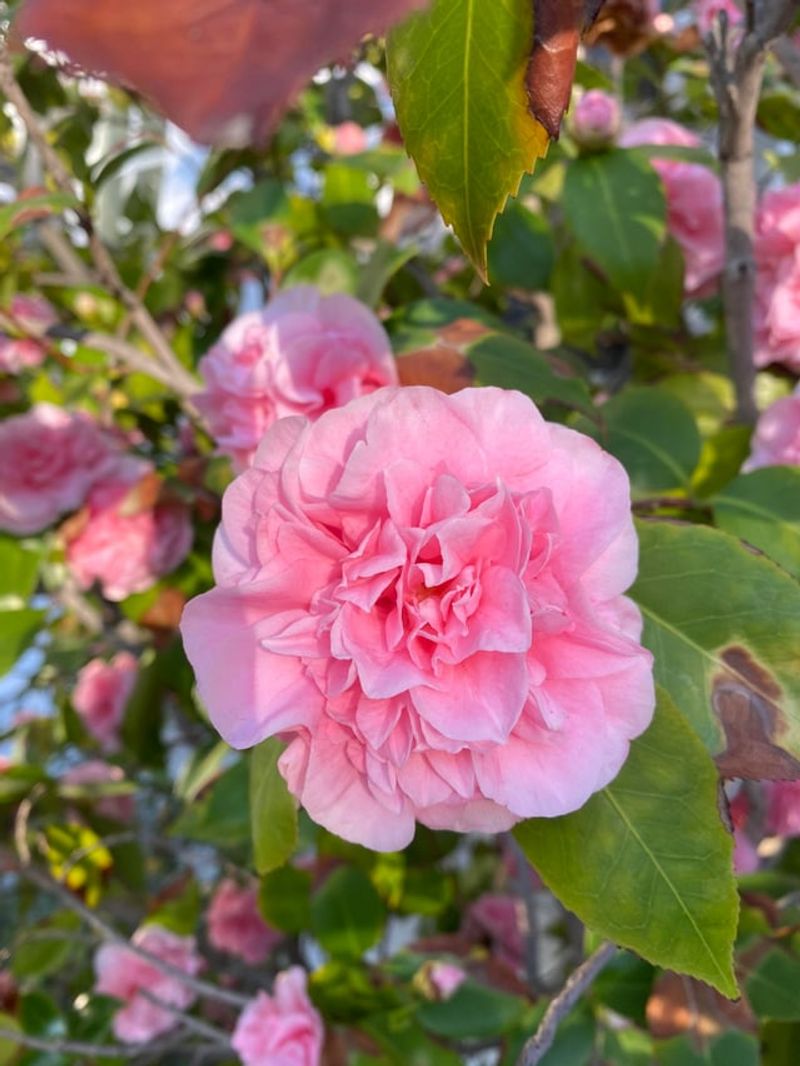
Few plants put on a show quite like a camellia in full bloom. These gorgeous shrubs are a staple in California gardens, especially in the Bay Area and Southern California, where the mild winters let them thrive.
Their big, showy flowers come in shades of red, pink, and white, making them a real standout in any yard.
Here is the catch: camellias bloom on old wood. That means the flower buds you see opening in late winter and early spring were actually set during the previous growing season.
If you grab your pruning shears in early spring and start cutting, you will slice right through those carefully formed buds before they get a chance to bloom.
The smart move is to wait until right after flowering is finished. Once the blooms start to fade, that is your window to shape the plant and remove any dead or crossing branches.
Keep cuts light and avoid taking off more than a third of the plant at once. Camellias are slow growers, so patience really pays off.
A little restraint in spring means a breathtaking display of color every single year in your California garden.
2. Azaleas
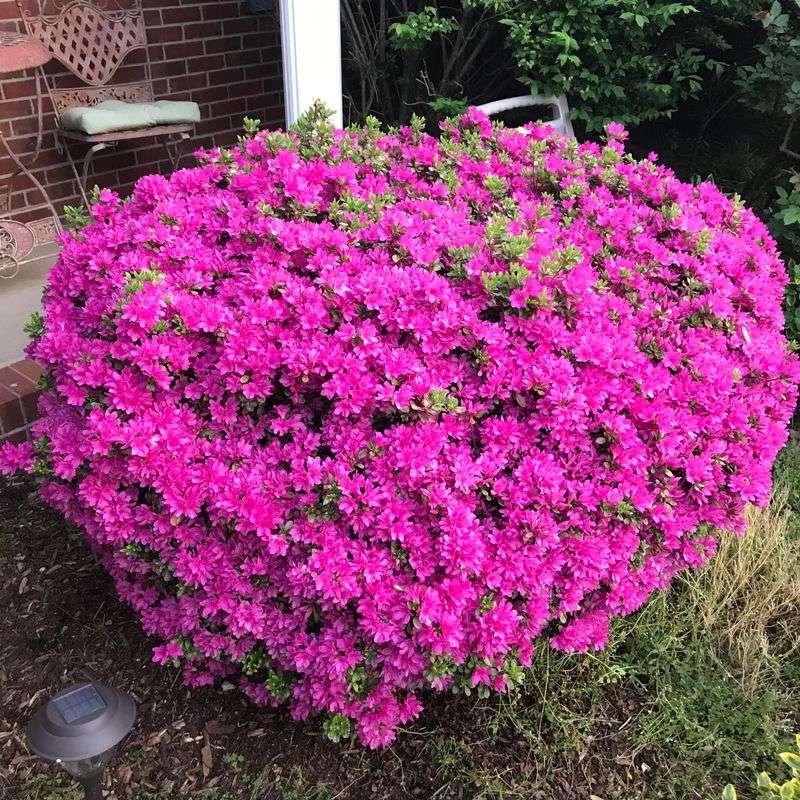
Walk through almost any California neighborhood in late spring and you will likely spot a burst of color coming from an azalea bush. These shrubs are wildly popular across the state, from foggy coastal gardens in San Francisco to sunny yards in San Diego.
They are known for their bold, cheerful blooms that seem to appear almost overnight.
Just like camellias, azaleas bloom on old wood. The flower buds form on last season’s growth, so cutting them back in early spring is basically throwing away next season’s flowers before they even open.
Many gardeners make this mistake without realizing it, then wonder why their azalea looks leafy but never blooms.
After the flowers fade, usually by late spring or early summer, that is the ideal time to prune. You can shape the plant, remove dead wood, and encourage fresh new growth that will carry next year’s buds.
Your California Garden Changes Every Week. Your Plan Should Too.
Gardening in California changes quickly throughout the season. Every Friday you’ll receive a simple weekly plan showing exactly what to plant, prune, fertilize, harvest, and protect so you never miss the right timing.
Avoid heavy cutting, especially on older plants, since azaleas can take time to bounce back. A gentle trim right after blooming keeps your plant healthy, shapely, and ready to put on another spectacular show the following season across your California garden.
3. Rhododendrons
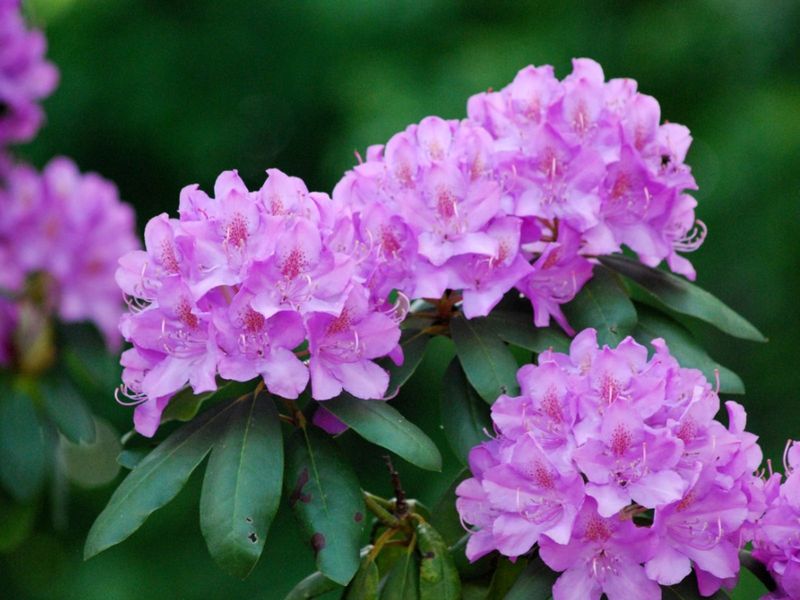
Rhododendrons are the bold, dramatic cousins of azaleas, and they are absolutely stunning when they bloom. In California, they do especially well in cooler, shadier spots like those found in Northern California and parts of the Sierra Nevada foothills.
Their large flower clusters can stop you in your tracks with sheer visual impact.
Timing your pruning correctly is everything with rhododendrons. Like azaleas and camellias, they set their flower buds on the previous year’s wood.
Cut them back in early spring, and you will remove the very buds that were ready to burst into color. The plant will look fine, but the blooms simply will not show up that year.
Right after flowering ends is the best moment to step in with your pruning shears. Remove spent flower heads, called deadheading, to help the plant put its energy into new growth rather than seed production.
Trim any awkward or overgrown branches to keep the shape tidy. Rhododendrons are long-lived plants, and with the right care, they can brighten up a California garden for decades.
A little patience in spring goes a very long way with these stunning shrubs.
4. Lilacs
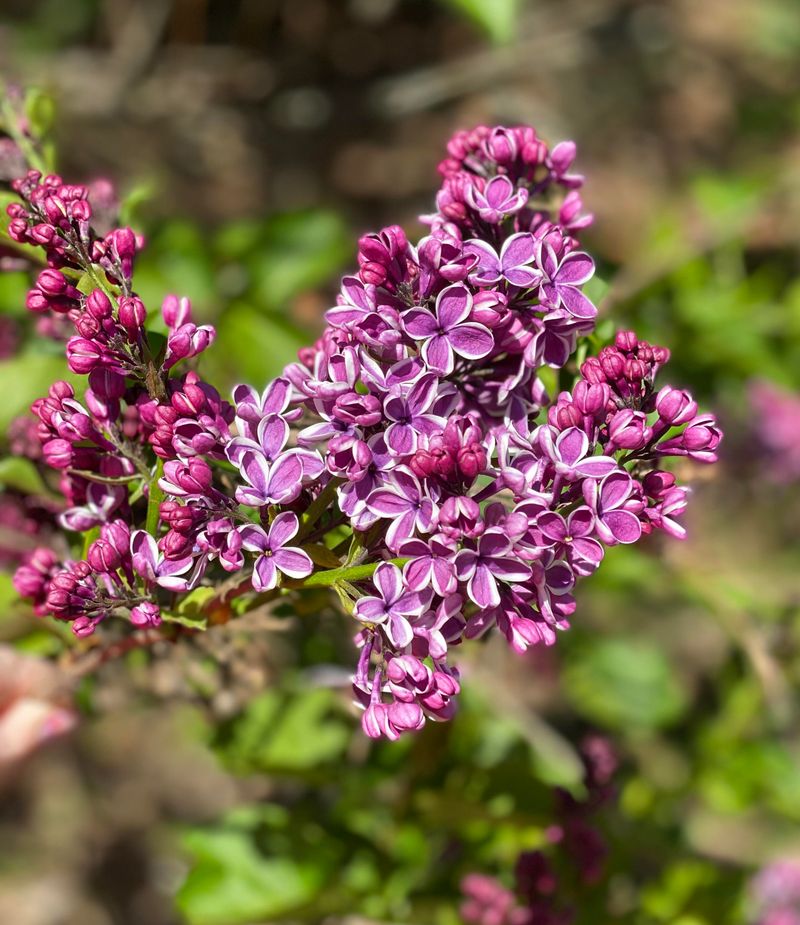
There is something almost magical about the scent of a lilac in bloom. It is one of those smells that instantly transports you somewhere warm and happy.
Lilacs can be a little tricky to grow in California because they need a certain number of cold winter hours to bloom well, but in higher elevation areas and parts of Northern California, they absolutely thrive.
Lilacs bloom on old wood, which makes spring pruning a real problem. The buds that will open into those fragrant purple clusters are already sitting on last year’s branches, just waiting for the right moment.
Cutting the plant back in early spring means those buds go away, and you end up with a leafy shrub and no flowers for the entire season.
The best time to prune a lilac is within a few weeks after it finishes blooming. At that point, you can shape it, remove old or crowded stems, and even cut out some of the oldest canes to encourage fresh growth from the base.
Avoid pruning later in summer or fall, since new buds start forming quickly after blooming ends. Treat your California lilac right, and it will reward you with gorgeous fragrant blooms every spring.
5. California Lilac
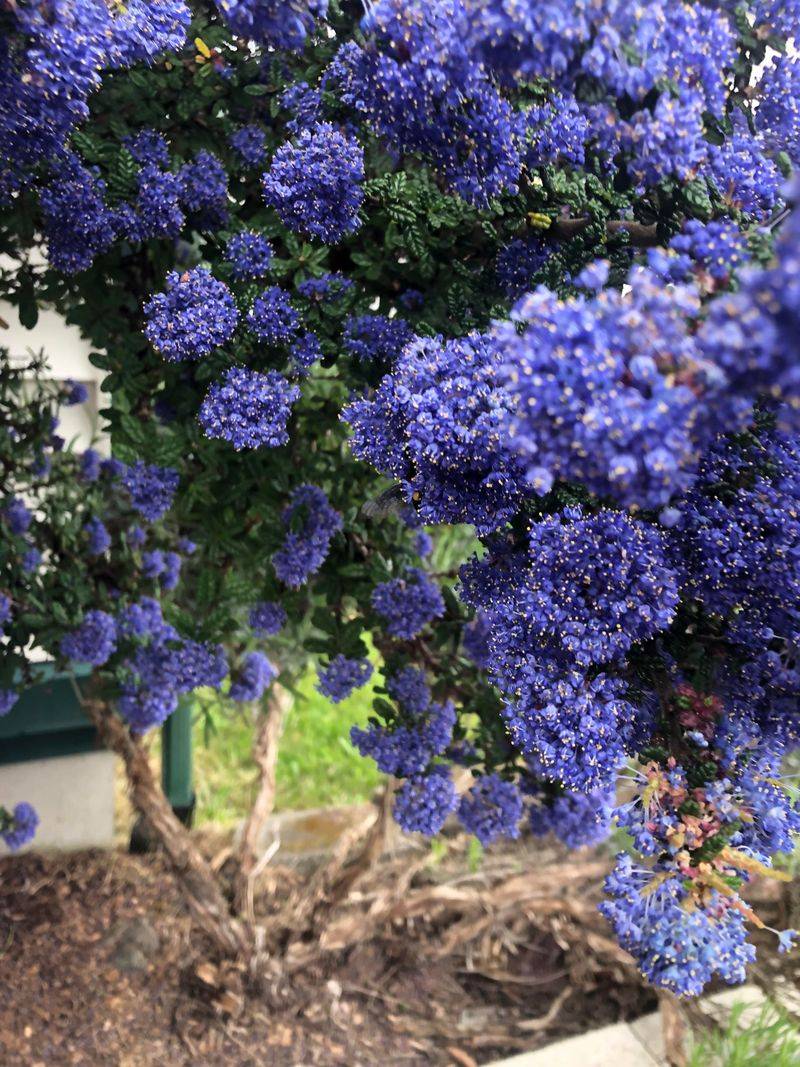
If you want a plant that truly belongs in a California garden, look no further than the California Lilac, also known as Ceanothus. This native shrub is one of the most spectacular flowering plants in the state, producing clouds of intense blue and purple flowers that attract bees, butterflies, and hummingbirds by the dozens.
It is tough, drought-tolerant, and perfectly suited to California’s climate.
Ceanothus blooms on old wood, just like many of the other plants on this list. Pruning it hard in early spring removes the flower buds that formed on last season’s growth, leaving you with a trimmed-up plant but no blooms.
For a shrub this stunning, that is a real loss worth avoiding.
The right approach is to prune lightly, and only after flowering is finished. Ceanothus does not respond well to heavy cutting, so keep trims minimal and focus on removing dead wood or branches that are rubbing against each other.
Avoid cutting back into old, thick wood since it often does not regenerate well. With the right care, a California Lilac can become one of the most eye-catching plants in your entire yard, bringing life and color to any California landscape every single spring.
6. Manzanitas
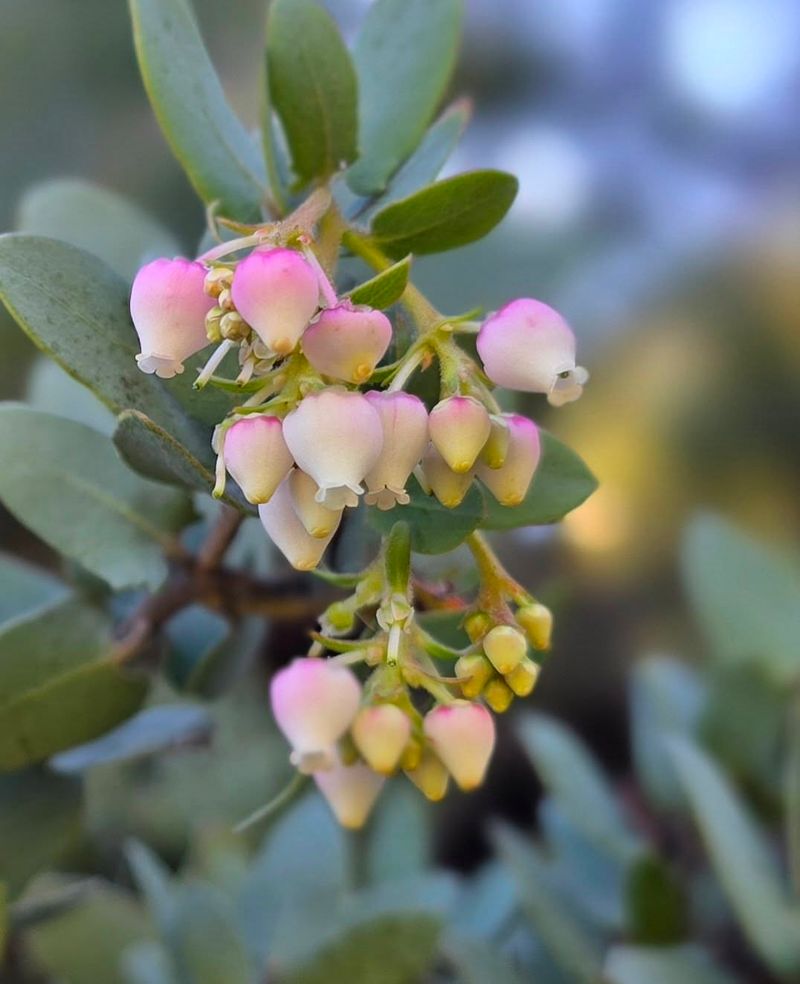
Manzanitas are one of California’s most iconic native plants, and once you learn to recognize them, you will spot them everywhere from coastal scrublands to mountain hillsides. Their smooth, reddish-brown bark is striking year-round, and in late winter to early spring, they produce delicate little bell-shaped flowers that pollinators absolutely love.
Since manzanitas bloom on old wood, spring pruning can easily cut away the flower buds before they open. Beyond losing the blooms, heavy pruning in spring also stresses the plant during a critical growth period.
Manzanitas are tough and drought-hardy, but they do not bounce back quickly from aggressive cutting, especially when done at the wrong time of year.
After flowering is finished, you can do some light shaping if needed. Focus on removing dead branches or any growth that is crowding the center of the plant.
Manzanitas generally look best when pruned minimally, since their natural form is part of what makes them so beautiful in a California landscape. Many experienced California gardeners skip pruning altogether and simply let the plant grow in its naturally graceful, sprawling shape.
Less really is more when it comes to keeping manzanitas healthy and blooming beautifully year after year.
7. Mock Orange
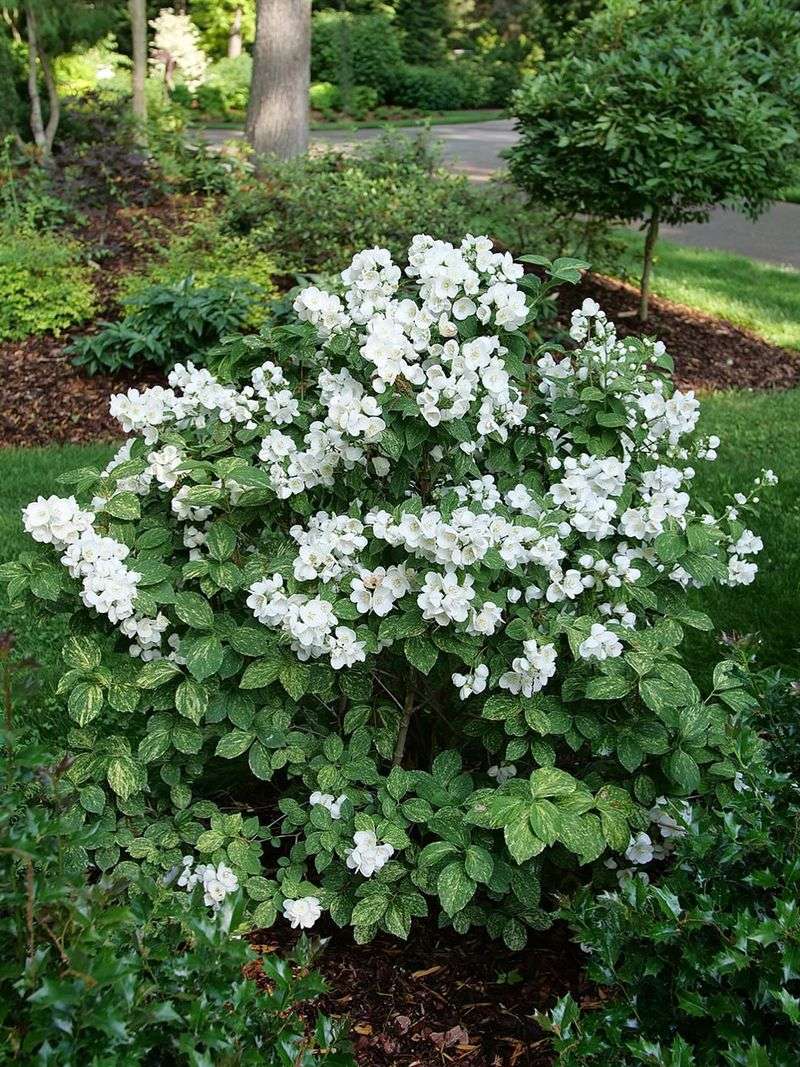
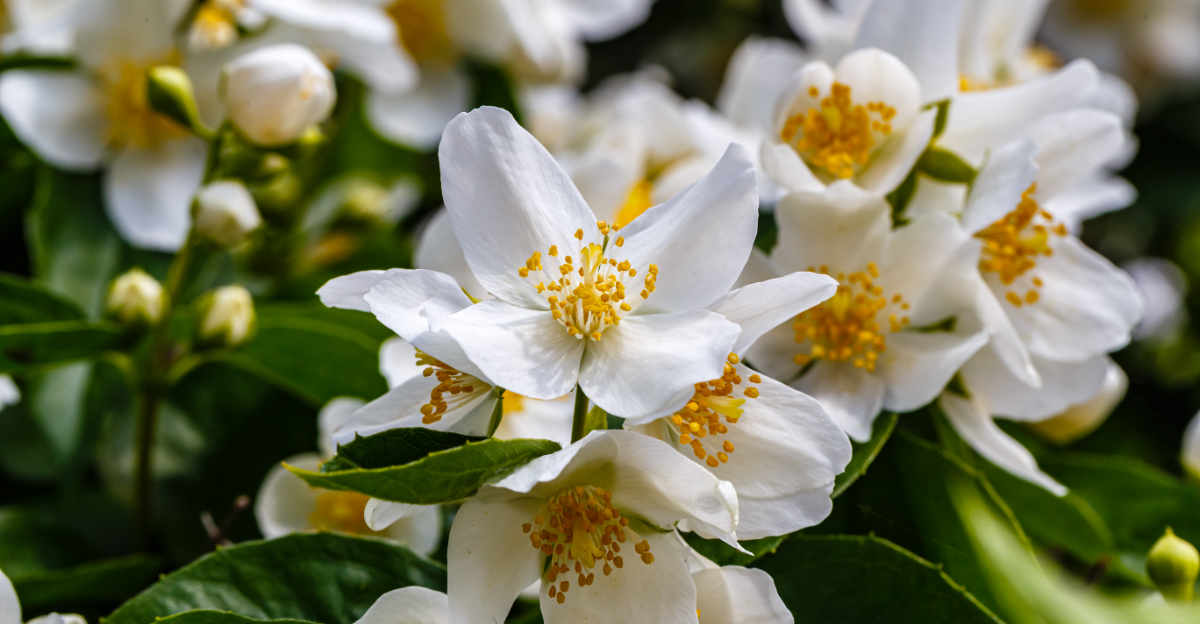
Sweet, citrusy, and absolutely charming, the Mock Orange is a shrub that earns its place in any California garden. When it blooms in late spring, the clusters of white flowers give off a scent that genuinely smells like orange blossoms, which is exactly how it got its name.
It is a classic choice for gardeners across California who want fragrance along with beauty.
Mock Orange blooms on old wood, meaning the flower buds form on branches that grew during the previous season. Pruning it in early spring cuts off those buds just before they are ready to open, which means you miss out on the entire flowering display.
Many gardeners do not realize this until they have already made the cut and then wonder where all the flowers went.
Wait until the flowers have fully faded before reaching for the pruning shears. Right after blooming is the ideal window to remove older stems, shape the plant, and encourage the fresh new growth that will carry next year’s flower buds.
Cutting out the oldest canes at the base every few years helps keep the plant vigorous and full. Treat your Mock Orange with this simple timing trick, and it will fill your California garden with beautiful fragrance every single spring season.