The Camellia Care Routine Georgia Gardeners Swear By During Winter Months
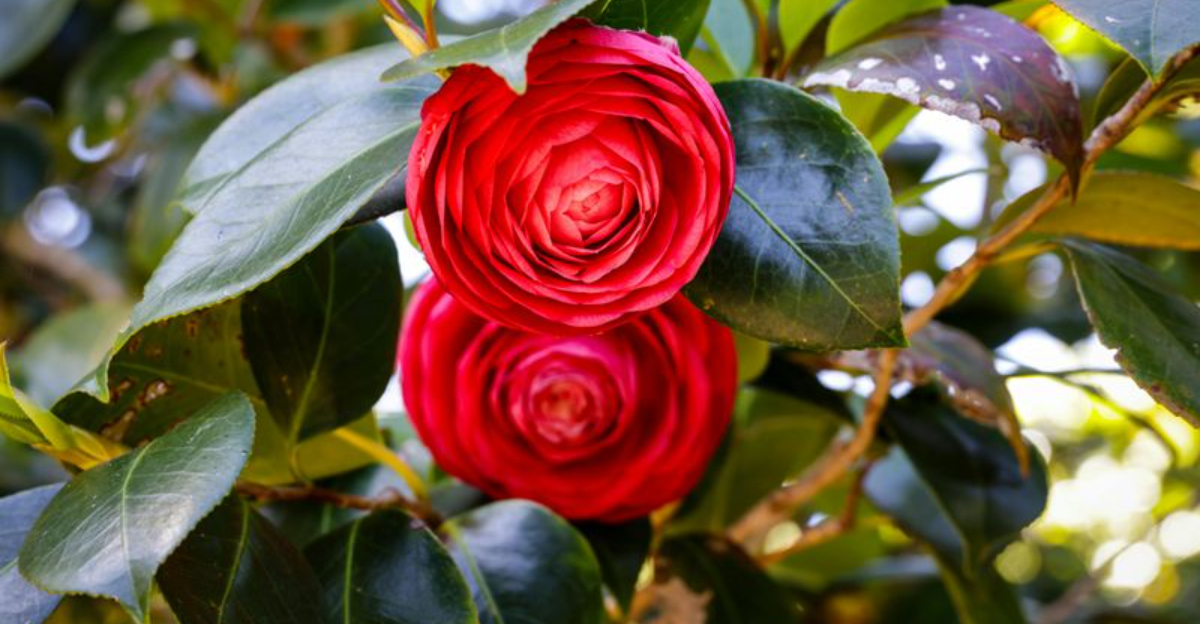
Georgia winters bring a special kind of magic to gardens across the state, especially when camellias burst into bloom while other plants rest.
These gorgeous shrubs thrive in our mild winter climate, producing stunning flowers that brighten up the coldest months.
Many gardeners in Georgia consider camellias their winter pride and joy, but keeping them healthy requires some specific care techniques.
Learning the right winter routine makes all the difference between lackluster plants and show-stopping blooms that neighbors will admire all season long.
Mulch Deeply Around The Base

Creating a protective layer around your camellia roots serves as insulation during Georgia’s unpredictable winter temperature swings.
A three to four-inch layer of organic mulch like pine straw or shredded bark works wonders for maintaining consistent soil moisture and temperature.
Many experienced Georgia gardeners prefer pine straw because it naturally acidifies the soil, which camellias absolutely love.
Spread the mulch in a wide circle extending to the drip line of the branches, but keep it a few inches away from the trunk itself.
This prevents moisture from sitting against the bark, which could encourage rot or fungal problems.
The mulch also suppresses weeds that might compete for nutrients during the growing season.
As winter storms roll through Georgia, this protective blanket keeps roots cozy and prevents frost heaving.
Remember to refresh the mulch layer each year as it decomposes and enriches your soil.
Your camellias will reward your efforts with stronger growth and more abundant blooms.
This simple step takes just minutes but delivers benefits throughout the entire winter season and beyond.
Water Consistently During Dry Spells

Winter drought might sound unusual, but Georgia often experiences dry periods even during the colder months.
Camellias develop their flower buds during fall and winter, making consistent moisture absolutely essential for spectacular blooms.
Check the soil moisture weekly by sticking your finger about two inches deep into the ground near the plant.
When the soil feels dry at that depth, it’s time to give your camellias a thorough watering.
Aim for about one inch of water per week, adjusting based on rainfall amounts in your area.
Early morning watering works best because it gives foliage time to dry before nightfall, reducing disease risks.
Georgia gardeners know that camellias are particularly sensitive to both drought stress and waterlogged conditions.
The key is maintaining evenly moist soil without creating soggy conditions that harm the roots.
During especially cold snaps, water during the warmest part of the day to prevent ice formation around the root zone.
Drip irrigation or soaker hoses provide the most efficient watering method, delivering moisture directly to the root system.
Proper winter hydration ensures those beautiful buds open fully instead of dropping prematurely.
Protect Blooms From Freezing Temperatures
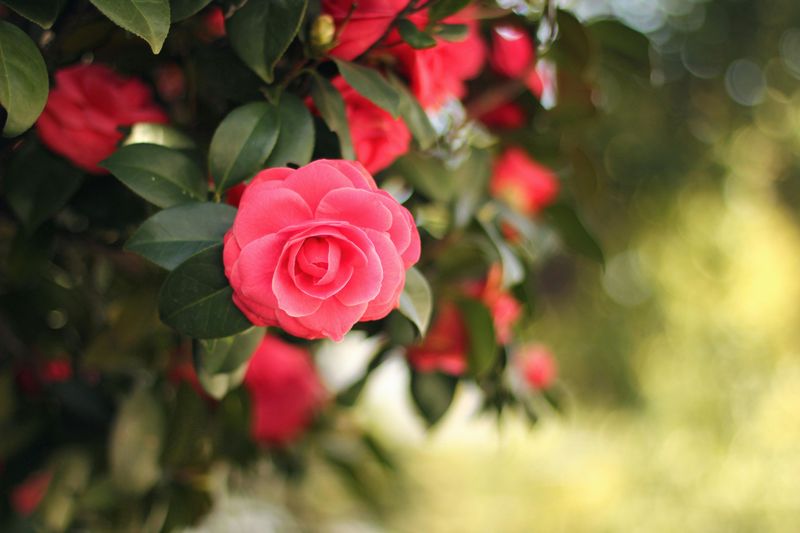
Nothing disappoints quite like seeing gorgeous camellia flowers turn brown after an unexpected freeze.
Georgia winters typically stay mild, but occasional cold snaps can damage delicate blooms overnight.
Covering your camellias with frost cloth or old bedsheets when temperatures drop below 25 degrees protects those precious flowers.
Set up the covering in late afternoon before temperatures plummet, draping it loosely over the entire plant.
Make sure the fabric reaches all the way to the ground to trap heat radiating from the soil.
Remove the covering once temperatures rise above freezing the next day to prevent overheating and moisture buildup.
Some Georgia gardeners keep supplies ready near their camellias for quick deployment when forecasts predict freezing weather.
Plants positioned near buildings or under tree canopies often receive natural protection from the worst cold.
If you grow container camellias, simply move them to a protected porch or garage during freeze warnings.
The extra effort preserves weeks of beautiful blooms that would otherwise be lost to frost damage.
Strategic placement and quick action make all the difference in maintaining winter flower displays throughout Georgia’s variable climate.
Avoid Heavy Pruning During Bloom Season
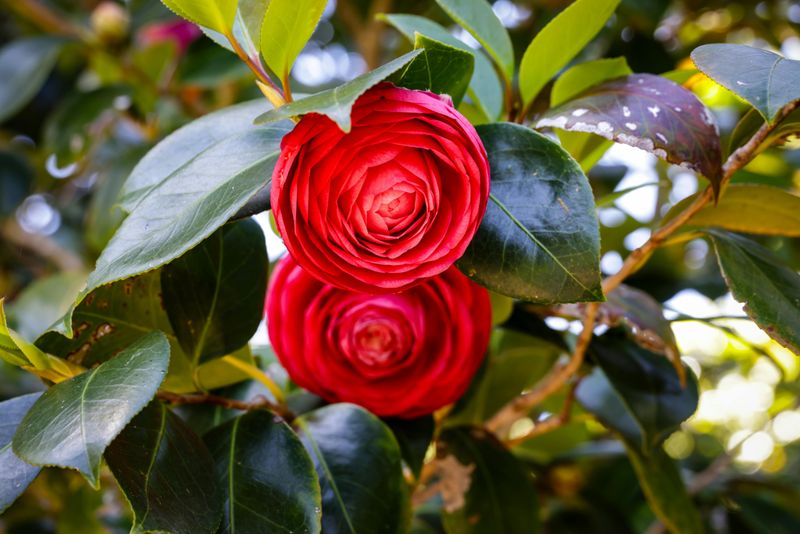
Camellias set their flower buds months in advance, so winter pruning removes the very blooms you’ve been anticipating.
Resist the temptation to shape or trim your plants while they’re actively flowering across Georgia landscapes.
Light deadheading of spent blooms is perfectly fine and actually encourages the plant to focus energy on remaining buds.
Save any significant pruning for late spring after the flowering period completely finishes.
This timing allows you to shape the plant without sacrificing next year’s bloom potential.
Georgia’s mild winters mean camellias often bloom from November through March, depending on the variety.
Removing branches during this time also exposes inner growth to cold damage that wouldn’t occur otherwise.
If you absolutely must remove damaged or diseased wood, make clean cuts and limit them to problem areas only.
Many experienced gardeners simply enjoy the natural form of camellias throughout winter rather than forcing formal shapes.
The plants look most beautiful when allowed to display their full complement of flowers without interference.
Patience now means spectacular displays both this season and next year.
Mark your calendar for spring pruning sessions instead of reaching for those clippers during peak bloom time.
Monitor For Petal Blight Symptoms

This fungal disease strikes camellias specifically during bloom season, turning beautiful flowers into brown, slimy messes.
Georgia’s humid winter conditions create ideal environments for petal blight to spread rapidly through camellia plantings.
Watch for small brown spots on petals that quickly expand until entire flowers collapse.
Infected blooms should be removed immediately and disposed of in the trash, never in compost piles.
Rake up and discard any fallen flowers or petals around the base of plants weekly.
The fungus overwinters in old plant debris, reinfecting new blooms season after season if not controlled.
Applying fresh mulch over the soil surface helps bury spores and reduce infection rates.
Some Georgia gardeners apply fungicide sprays preventatively when buds begin showing color, following label directions carefully.
Good air circulation around plants helps foliage and flowers dry quickly, making conditions less favorable for fungal growth.
Avoid overhead watering that splashes soil and spores onto flowers.
Space plants appropriately when installing new camellias to ensure adequate airflow between specimens.
Vigilant monitoring and quick removal of infected blooms protects the rest of your display from this common Georgia camellia problem.
Feed With Acid-Loving Plant Fertilizer
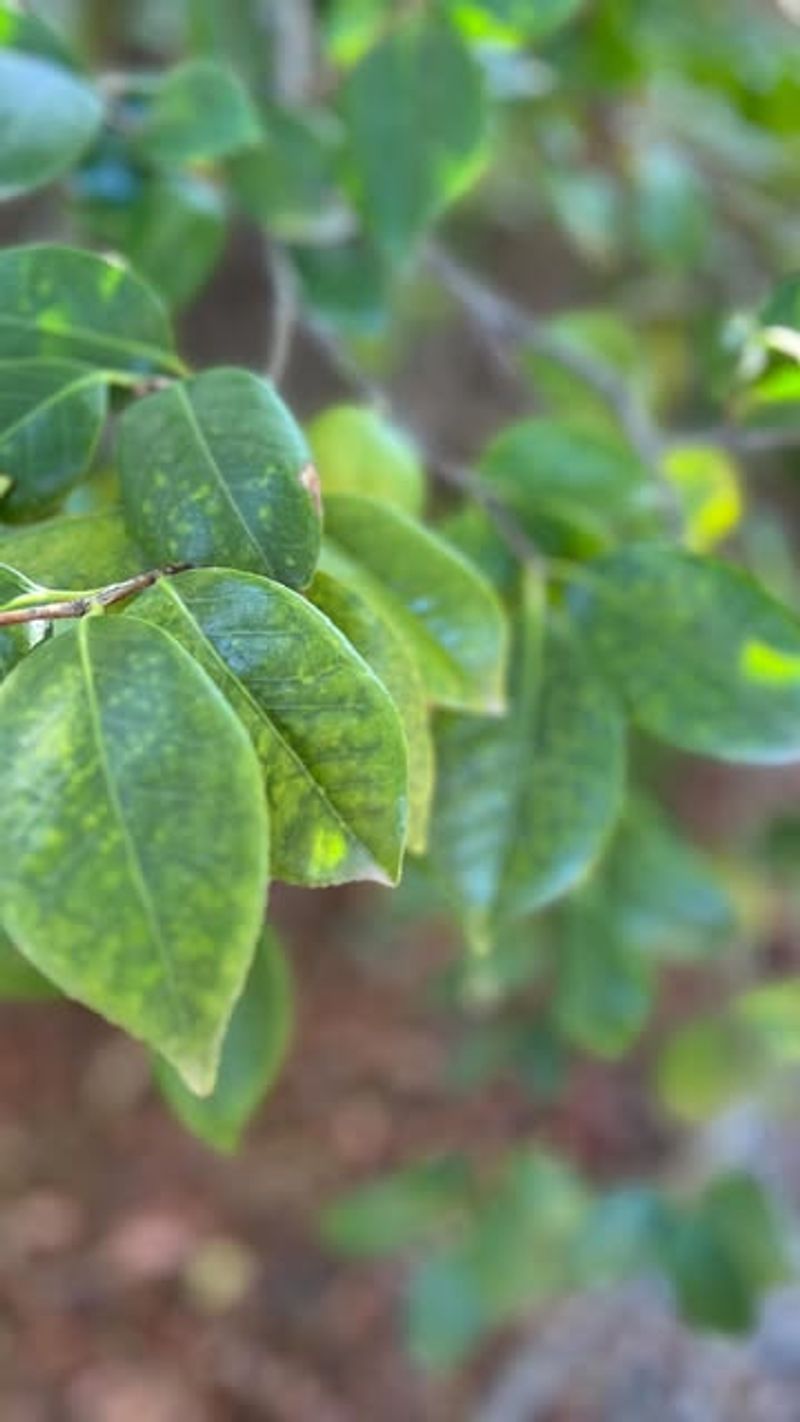
Camellias belong to the same plant family as azaleas and blueberries, sharing their preference for acidic soil conditions.
Georgia soils vary widely, but many areas have neutral to slightly alkaline soil that needs amendment for optimal camellia growth.
Apply a slow-release fertilizer formulated for acid-loving plants in late winter, just as new growth begins emerging.
This timing provides nutrients exactly when plants need them most for spring growth and next season’s bud formation.
Look for fertilizers with higher nitrogen content and added iron, which prevents the yellowing leaves common in alkaline conditions.
Sprinkle the fertilizer evenly around the drip line rather than piling it against the trunk.
Water thoroughly after application to help nutrients begin moving into the root zone.
Avoid fertilizing too early in winter when plants are still dormant, as nutrients may wash away before roots can absorb them.
Many Georgia gardeners also incorporate soil sulfur annually to maintain the acidic pH camellias prefer.
Testing your soil pH every few years helps you understand exactly what amendments your specific location needs.
Well-fed camellias produce more abundant blooms, deeper green foliage, and stronger overall growth throughout the year.
Check For Scale Insects Regularly
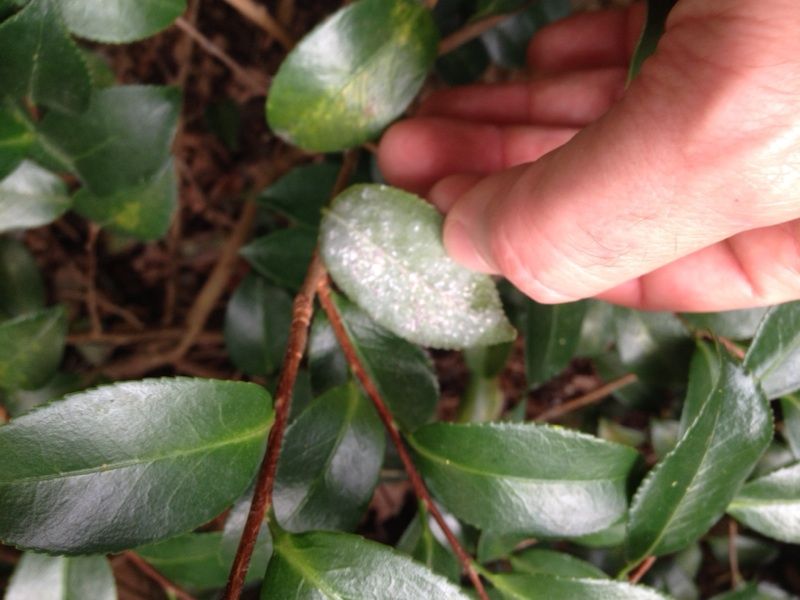
These sneaky pests look like tiny bumps on stems and leaf undersides, often going unnoticed until populations explode.
Scale insects feed by sucking plant sap, weakening camellias and causing leaves to yellow and drop prematurely.
Winter is actually an excellent time to spot and treat scale problems in Georgia gardens because deciduous trees lose their leaves, improving visibility.
Inspect your camellias closely every few weeks, paying special attention to leaf undersides and branch crotches where scales congregate.
A soft brush dipped in soapy water physically removes light infestations before they become serious problems.
Horticultural oil sprays work effectively against scale when applied according to label directions during dormant or semi-dormant periods.
The oil smothers the insects without harming beneficial predators that help control pest populations naturally.
Heavy scale infestations may require multiple treatments spaced several weeks apart for complete control.
Healthy, well-watered camellias resist pest damage better than stressed plants, making good cultural care your first line of defense.
Georgia’s mild winters mean scales remain active year-round rather than going completely dormant like they might in colder climates.
Early detection and prompt treatment prevent minor problems from becoming major headaches that compromise plant health and bloom quality.
Ensure Proper Drainage Around Plants
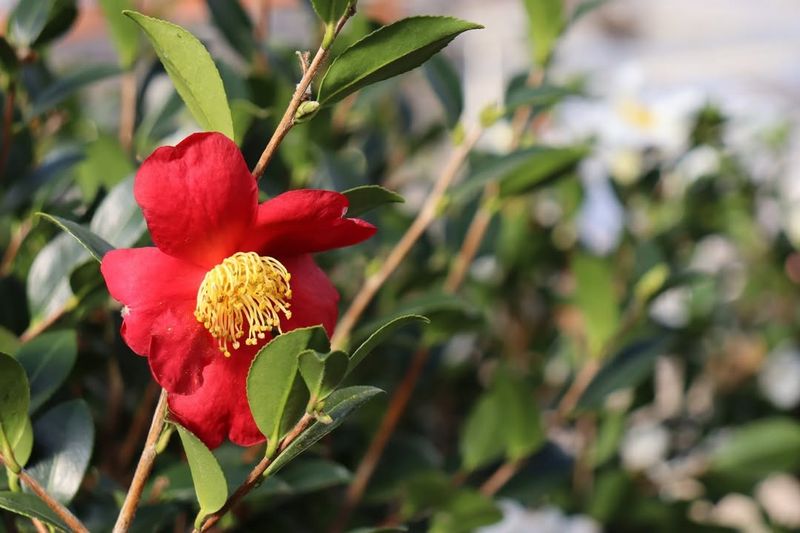
Camellias absolutely cannot tolerate soggy, waterlogged soil conditions that suffocate their root systems.
Georgia’s winter rains sometimes create standing water problems, especially in clay-heavy soils common across much of the state.
Check the area around your camellias after heavy rains to see if water pools or drains slowly.
If drainage problems exist, consider creating raised beds or mounds to elevate the root zone above water-prone areas.
Amending heavy clay soil with compost and pine bark improves drainage while also providing the organic matter camellias love.
French drains or dry creek beds can redirect water away from planting areas in landscapes with serious drainage challenges.
Container-grown camellias must have drainage holes in the bottom and should never sit in saucers filled with water.
Yellowing leaves combined with a sour smell from the soil indicate root rot from excessive moisture.
Plants suffering from poor drainage often decline slowly, with symptoms appearing as general weakness rather than obvious problems.
Georgia gardeners working with challenging soil conditions sometimes choose to grow camellias in large containers filled with quality potting mix instead.
Addressing drainage issues now prevents heartbreaking plant losses and ensures your camellias thrive for decades to come.
Position Plants Away From Morning Sun
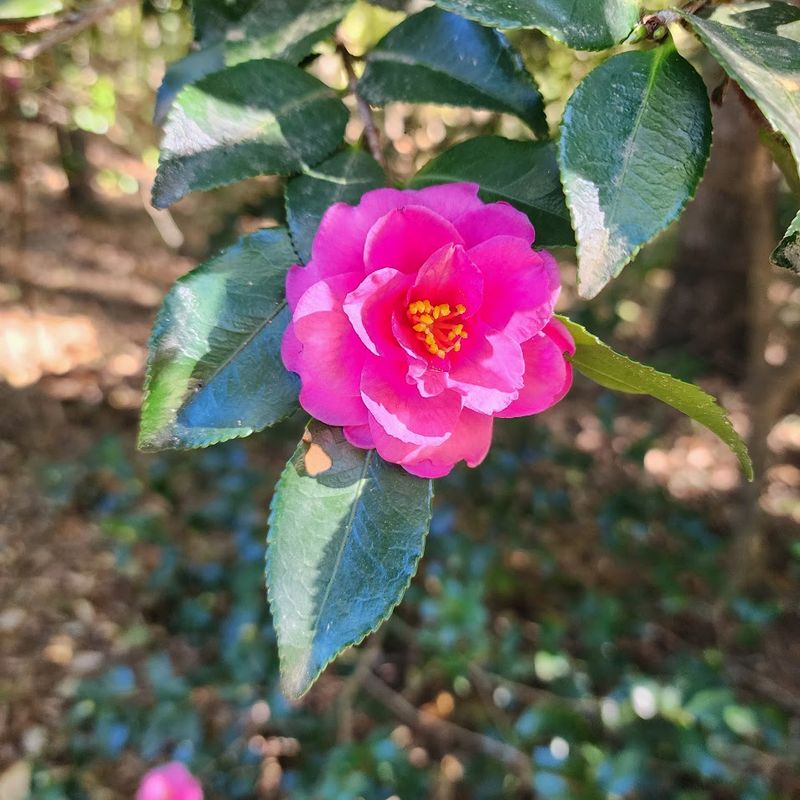
Frozen camellia flowers thaw too quickly in direct morning sunlight, causing cell damage that turns petals brown and mushy.
Georgia gardeners have learned that eastern exposures create more bloom damage than any other location during winter cold snaps.
The ideal camellia placement receives afternoon shade or filtered light throughout the day rather than intense morning rays.
North-facing locations or spots under high pine canopies provide perfect conditions for winter-blooming varieties.
If your camellias already grow in eastern exposures, consider planting a fast-growing evergreen shrub to provide morning shade.
Temporary screens or shade cloth set up during the coldest months can protect vulnerable blooms until spring arrives.
This principle applies even more critically to early-blooming varieties that flower during Georgia’s coldest January and February periods.
Later-blooming types face less risk but still benefit from protection against harsh morning sun after freezing nights.
Proper siting makes the difference between abundant, pristine blooms and disappointing displays of damaged flowers.
When installing new camellias, observe how sunlight moves across your landscape throughout winter days before selecting the planting spot.
Taking time to choose the right location initially saves years of frustration and maximizes the spectacular winter flower show camellias provide.
Select Varieties Suited To Your Zone
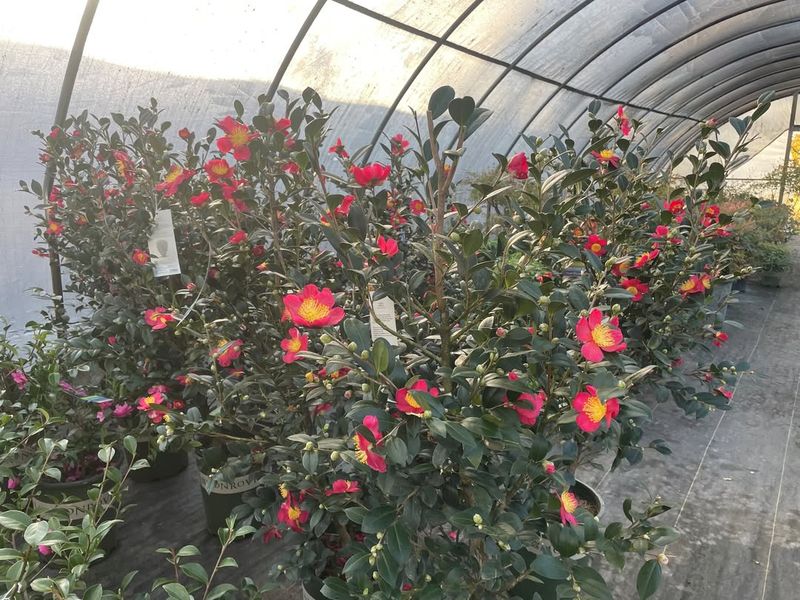
Georgia spans multiple hardiness zones, from 6b in the mountains to 9a along the coast, affecting which camellia varieties thrive best.
Choosing cultivars bred for your specific region ensures plants handle local winter conditions without excessive cold damage.
Camellia japonica varieties generally prove hardiest for northern Georgia locations, tolerating temperatures down to about 10 degrees.
Camellia sasanqua types bloom earlier in fall and show excellent cold tolerance throughout most of the state.
Hybrid varieties like ‘Winter’s Interlude’ series were specifically developed for reliable performance across Georgia’s varying climates.
Local nurseries and extension offices provide valuable guidance about which varieties perform best in your specific area.
Gardeners in colder mountain regions should stick with proven cold-hardy selections rather than experimenting with tender types.
Coastal Georgia gardeners enjoy more variety options, including some of the more tender but spectacular species and hybrids.
Matching plant to place eliminates much of the winter protection work required when growing marginally hardy varieties.
Visiting public gardens across Georgia during winter reveals which camellias thrive in conditions similar to your own landscape.
Starting with adapted varieties sets you up for success rather than disappointment when winter weather tests your plants’ limits.