The Christmas Flower Arrangements Filling Pennsylvania Homes This December
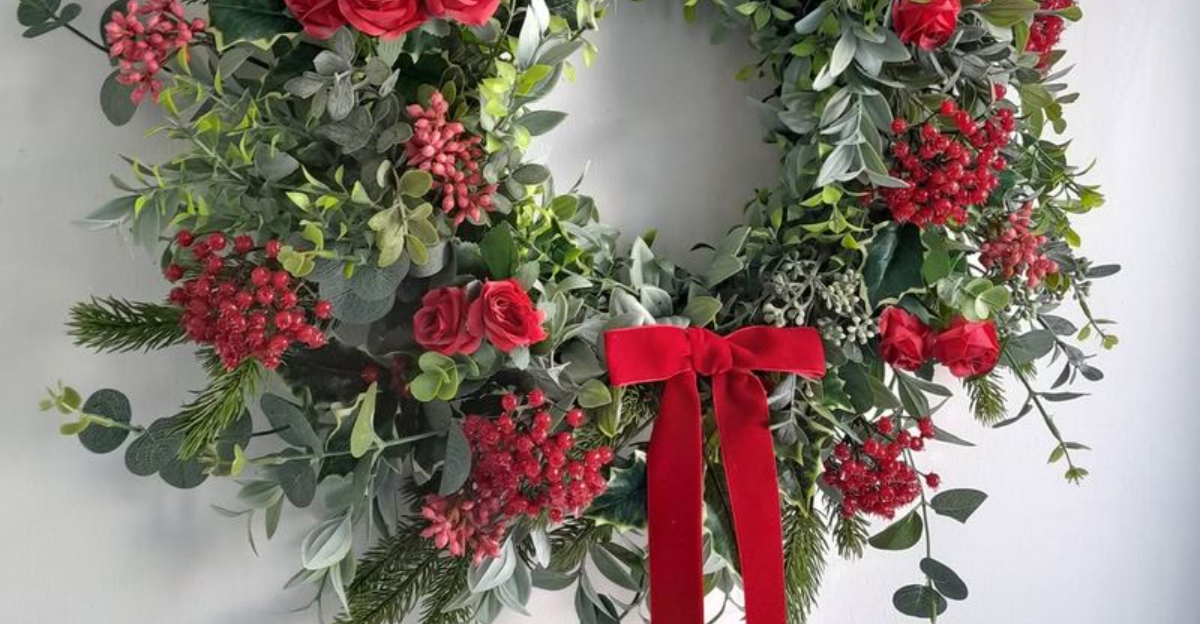
Pennsylvania homes glow with festive warmth this December, and Christmas flower arrangements play a starring role in the holiday transformation.
From traditional poinsettias to dramatic amaryllis blooms, these seasonal displays bring natural beauty indoors when outdoor gardens rest under winter skies.
Whether you prefer classic evergreen mixes or elegant berry-laden branches, the right arrangement can fill your home with holiday cheer and wonderful fragrance.
Discover the most beloved Christmas flower arrangements that Pennsylvania families are using to celebrate the season in style.
Poinsettia Centerpieces
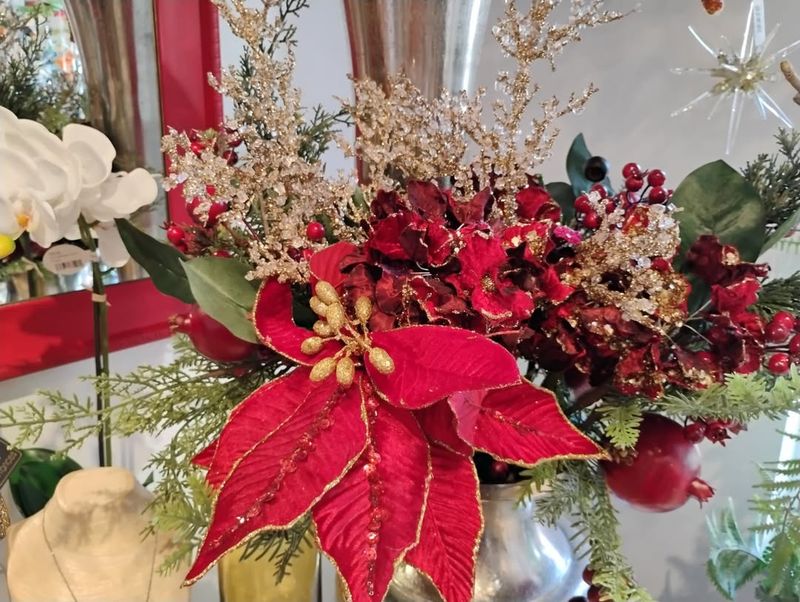
Red poinsettias have earned their crown as Pennsylvania’s favorite Christmas flower, and for good reason.
These vibrant plants originated in Mexico but have become synonymous with American holiday celebrations.
Their brilliant red bracts look like festive stars, making them perfect for December decorating.
Pennsylvania families place poinsettias on dining tables, fireplace mantels, and entryway consoles throughout the season.
The plants thrive in indoor temperatures between 65 and 70 degrees, which matches most home heating settings perfectly.
White and pink varieties offer alternatives to traditional red, allowing creative color combinations.
Many people group three or five plants together for a fuller, more dramatic display.
Local garden centers and grocery stores stock fresh poinsettias from late November through Christmas.
Choose plants with tightly clustered yellow center flowers for the longest-lasting color.
Keep poinsettias away from cold drafts and heating vents to prevent leaf drop.
With proper care, these cheerful plants will brighten your Pennsylvania home for six to eight weeks.
Their bold presence transforms ordinary spaces into festive gathering spots where families create holiday memories together.
Mixed Evergreen Arrangements
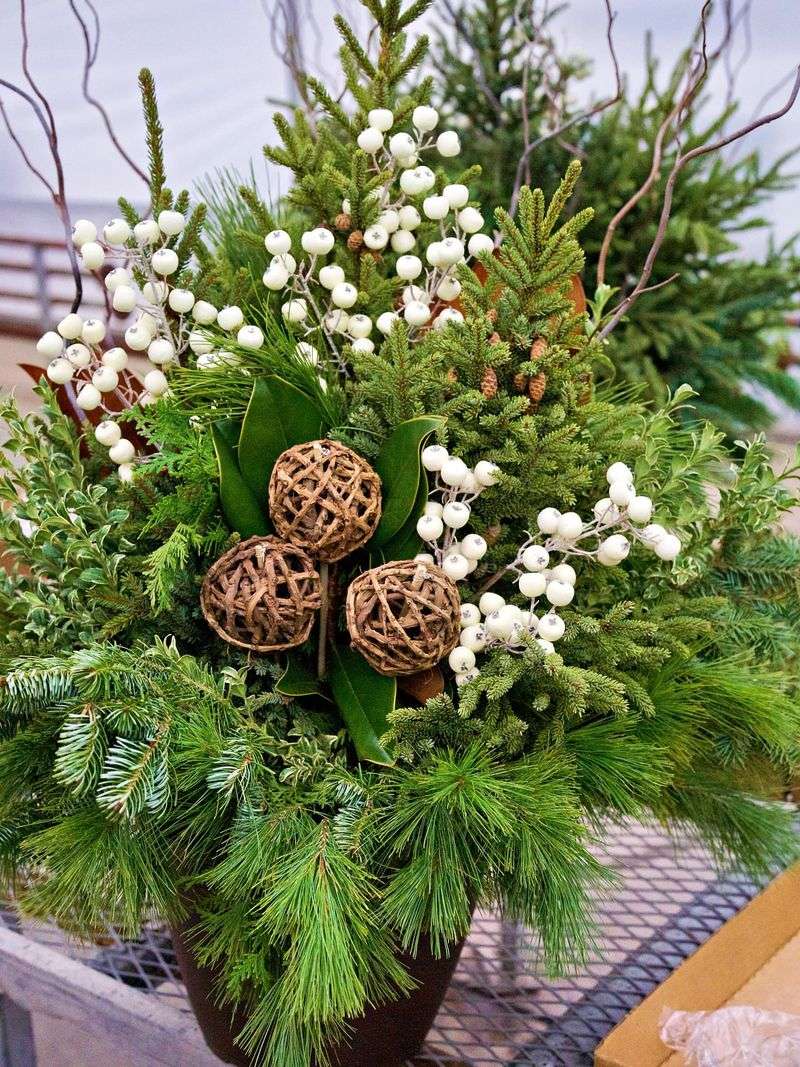
Pine, fir, and spruce boughs form the backbone of Pennsylvania’s most versatile holiday arrangements.
These evergreens grow abundantly throughout the state, making them accessible and affordable for winter decorating.
The rich green color provides a natural backdrop for ribbons, ornaments, and berries.
White pine offers soft, flexible needles that work beautifully in flowing arrangements.
Fraser fir contributes sturdy branches with excellent needle retention and a pleasant citrus scent.
Blue spruce adds silvery-blue tones that create visual interest and textural contrast.
Pennsylvania florists often combine all three varieties in a single arrangement for depth and dimension.
Fresh-cut evergreen branches last three to four weeks indoors when kept in water.
Mist the greenery every few days to maintain freshness and prevent needle drop.
These arrangements work equally well in formal crystal vases or casual wooden boxes.
Add battery-operated lights for evening sparkle without worrying about candle safety.
The natural forest fragrance fills rooms with the essence of Pennsylvania woodlands.
Mixed evergreen arrangements connect indoor celebrations to the beauty of the state’s natural landscape throughout December.
Amaryllis Bulb Displays
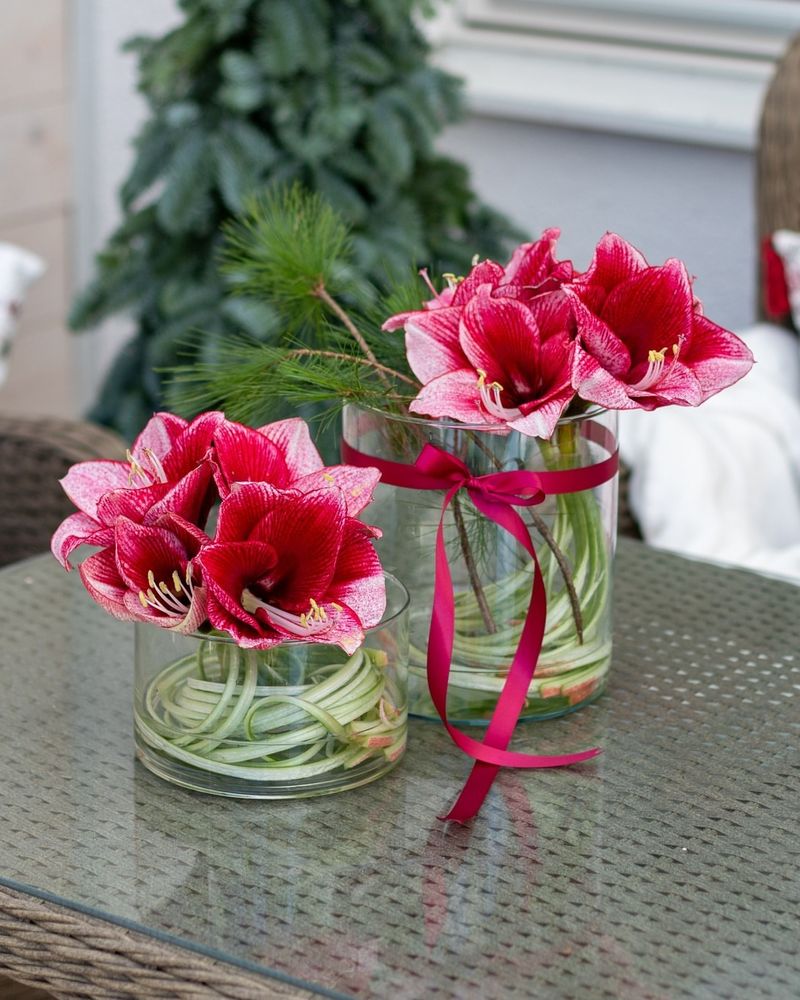
Amaryllis bulbs deliver show-stopping blooms that command attention in any room.
These South American natives produce massive flowers measuring six to ten inches across on sturdy stems.
Red and white varieties dominate Pennsylvania Christmas displays, though coral and striped options are gaining popularity.
Plant bulbs in October or November for December blooms that last two to three weeks.
The bulbs require minimal care—just water and a sunny window to perform their magic.
Watch as thick stems emerge and grow several inches daily, creating anticipation as buds develop.
Children especially enjoy monitoring the rapid growth and predicting bloom dates.
Each bulb typically produces one or two flower stalks with multiple blooms.
Position amaryllis on mantels, side tables, or kitchen counters where their height creates vertical interest.
Unlike cut flowers, amaryllis continues growing throughout the holiday season, providing changing beauty.
The dramatic scale of the blooms makes them ideal for rooms with high ceilings or large windows.
After flowering, save the bulbs and encourage them to bloom again next year with proper care.
These reliable performers become treasured holiday traditions in Pennsylvania homes.
Christmas Cactus In Bloom
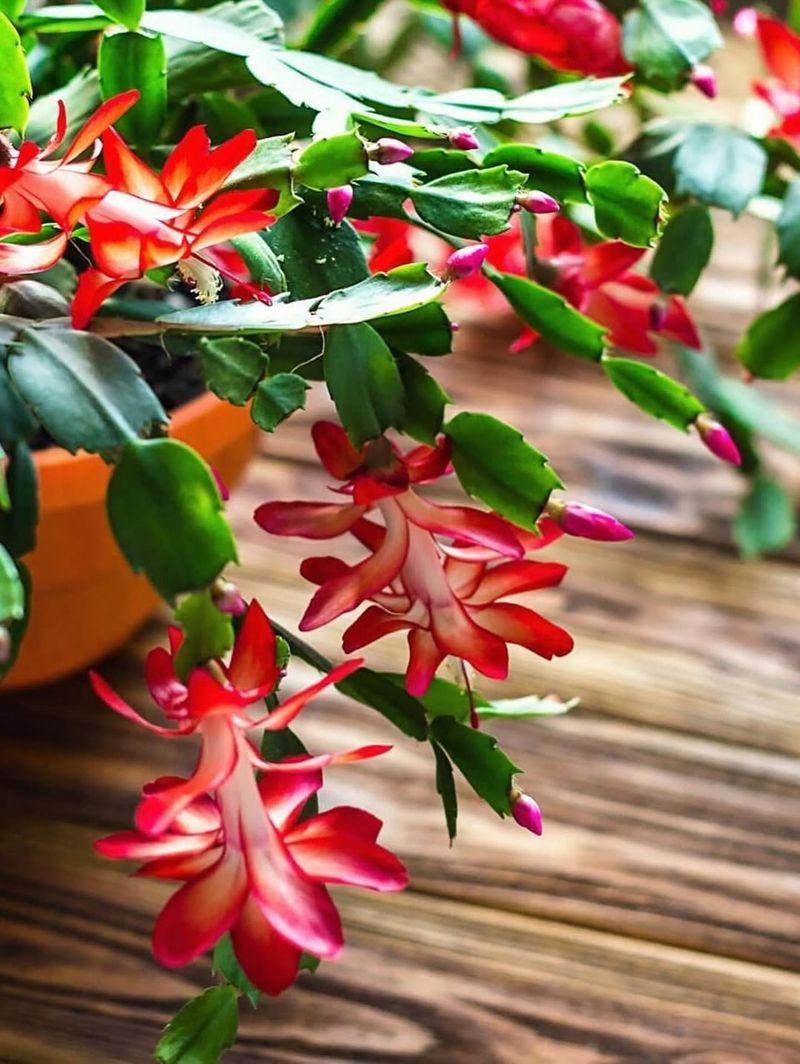
Christmas cactus plants reward patient growers with cascades of tubular flowers in pink, red, white, or salmon.
Despite the name, these Brazilian rainforest natives are not true desert cacti but epiphytes that grow on trees.
They prefer bright, indirect light and slightly moist soil, making them perfect for Pennsylvania windowsills.
Blooming occurs naturally when plants experience cooler temperatures and longer nights in autumn.
Many Pennsylvania homes provide these conditions naturally as daylight decreases and heating patterns change.
The segmented leaves create attractive greenery year-round, but December blooms steal the show.
Flowers appear at the tips of each branch, creating a colorful display that lasts four to six weeks.
Older plants become more prolific bloomers, with some specimens producing hundreds of flowers simultaneously.
Pass down Christmas cactus through generations, as plants can thrive for decades with minimal care.
Avoid moving blooming plants, as sudden changes in light or temperature can cause bud drop.
Water when the top inch of soil feels dry, and never let plants sit in standing water.
These low-maintenance beauties add reliable color to side tables and bookshelves throughout the holiday season.
Winterberry Branch Arrangements
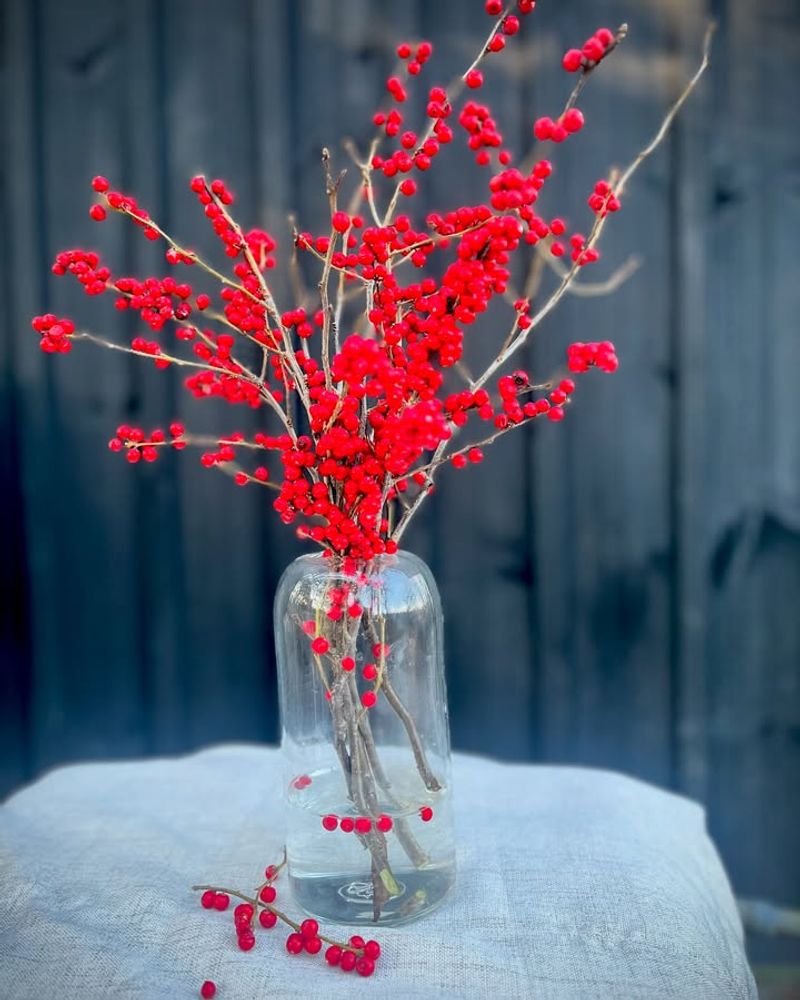
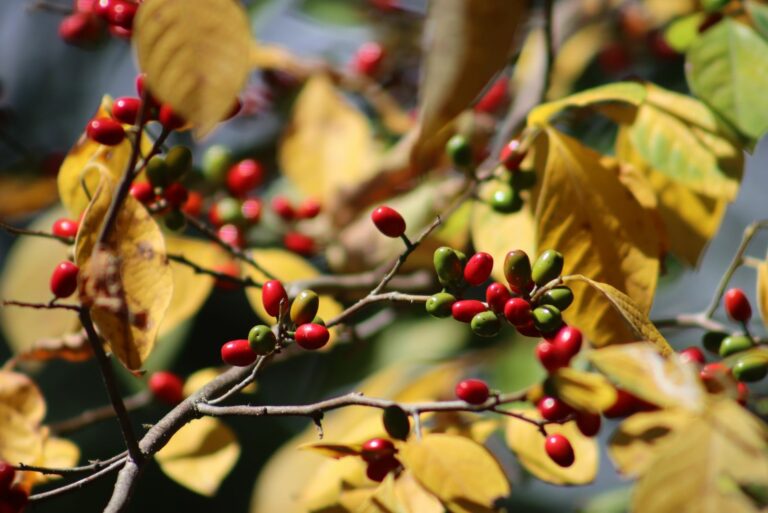
Winterberry branches offer brilliant red berries on architectural bare stems that epitomize winter elegance.
This native Pennsylvania holly loses its leaves in autumn, revealing clusters of bright berries that persist through winter.
The contrast between dark branches and vivid berries creates striking visual impact in any arrangement.
Cut winterberry branches in late November or early December when berries have fully colored.
The branches last four to six weeks in water, making them excellent long-lasting decorations.
Arrange winterberry in tall vases where the vertical lines can be appreciated fully.
The stems work beautifully alone or combined with evergreen boughs for traditional holiday style.
Female plants produce the berries, so scout your property or local wetlands for productive shrubs.
Always ask permission before harvesting from private property or nature preserves.
Winterberry grows naturally in Pennsylvania’s moist areas, including stream banks and woodland edges.
Consider planting winterberry in your landscape for a renewable source of holiday decorating material.
The berries provide food for birds during harsh weather, connecting your indoor décor to outdoor wildlife.
Watching birds feast on outdoor winterberry while enjoying indoor arrangements creates meaningful nature connections during the coldest months.
Boxwood Tabletop Arrangements
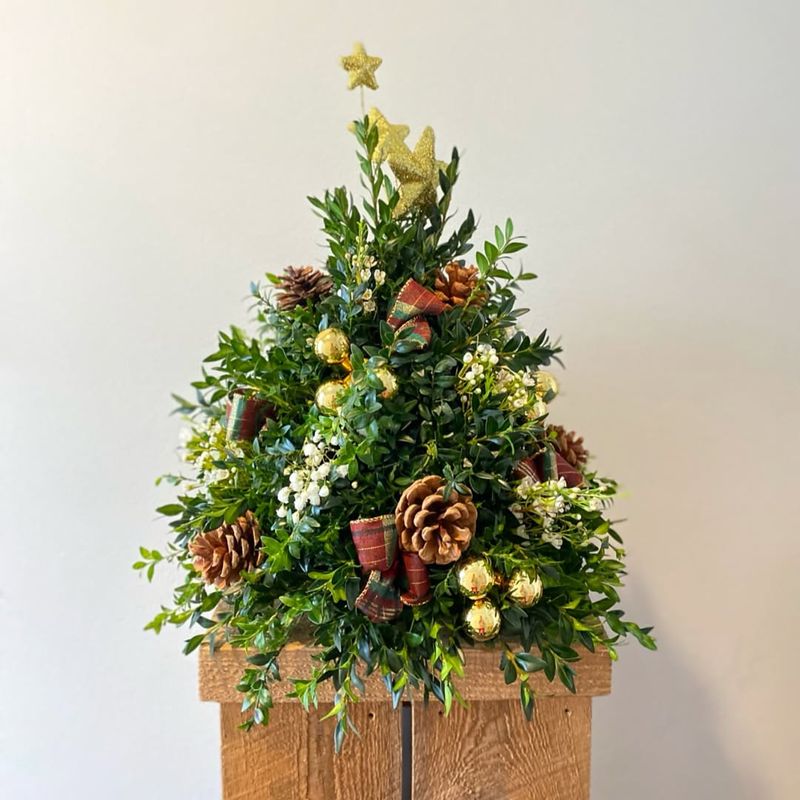
Boxwood clippings transform into elegant holiday centerpieces that bring formal garden style indoors.
Pennsylvania gardeners often have boxwood hedges that benefit from light winter pruning, providing perfect material for arrangements.
The small, dense leaves create uniform texture that works in both traditional and modern settings.
Shape boxwood into simple cones, spheres, or wreaths using floral foam as a base.
These geometric forms add sophisticated structure to holiday tables without overwhelming other decorations.
The deep green color pairs beautifully with silver, gold, or white accents.
Tuck small ornaments, berries, or ribbon into boxwood arrangements for festive touches.
Boxwood has minimal fragrance, making it ideal for dining tables where food aromas should dominate.
The foliage lasts two to three weeks indoors when stems are kept in water or moist foam.
Create matching arrangements for multiple rooms to establish visual continuity throughout your home.
Small boxwood topiaries work perfectly as place settings or gifts for dinner guests.
Unlike flashy flowers, boxwood provides understated elegance that complements rather than competes with other decorations.
The classic look never goes out of style, making these arrangements appropriate for any Pennsylvania home décor.
Holly And Berry Arrangements
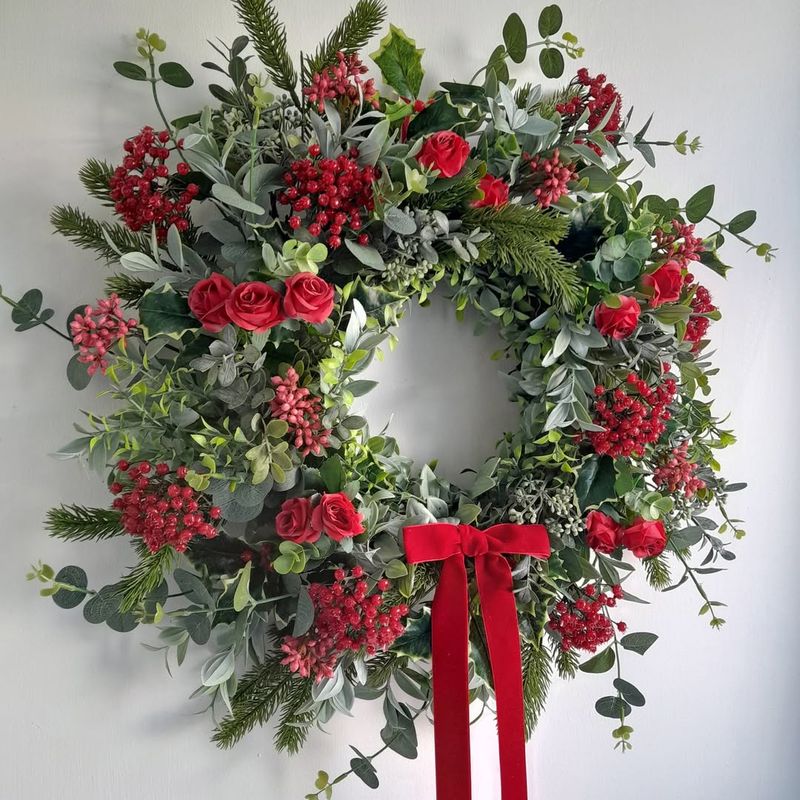
Holly branches loaded with red berries represent Christmas tradition at its finest in Pennsylvania homes.
The glossy, spiny leaves and bright berries have symbolized holiday celebration for centuries.
English holly and American holly both grow well in Pennsylvania, providing local sources for decorating material.
Cut holly branches in early December when berries have fully ripened to their brightest red.
The branches last three to four weeks in water, maintaining their festive appearance throughout the season.
Wear gloves when handling holly, as the sharp leaf points can prick fingers during arranging.
The protective spines that make handling challenging also create the distinctive texture that makes holly so recognizable.
Combine holly with red roses or carnations for classic color harmony, or pair it with white flowers for crisp contrast.
The natural pairing of red and green makes holly arrangements foolproof for color coordination.
Position holly arrangements where sunlight can illuminate the glossy leaves and translucent berries.
The play of light on these surfaces adds sparkle to rooms without artificial decorations.
Holly connects modern Pennsylvania celebrations to ancient winter traditions from Europe.
Bringing these branches indoors continues customs that have marked December for generations across cultures and continents.
Paperwhite Narcissus Displays
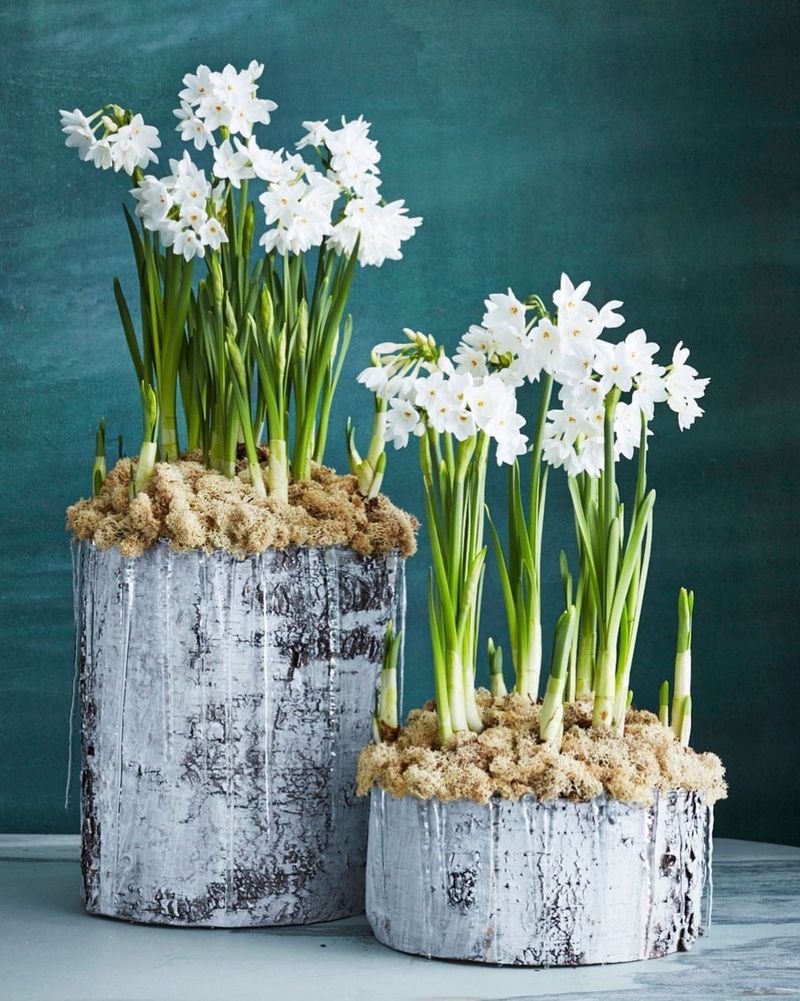
Paperwhite narcissus bulbs produce fragrant white flowers that brighten the darkest December days.
These Mediterranean natives require no chilling period, making them perfect for indoor forcing during Pennsylvania winters.
Plant bulbs in November for blooms that arrive just in time for Christmas celebrations.
Set bulbs in shallow bowls filled with pebbles or decorative stones, adding water to just below the bulb bases.
Roots grow down into the water while stems and flowers emerge upward toward the light.
The sweet fragrance fills entire rooms, though some people find the scent overwhelming in small spaces.
Position paperwhites in living rooms or dining areas where air circulation prevents the perfume from becoming too intense.
Each bulb produces a cluster of star-shaped white flowers on stems reaching twelve to eighteen inches tall.
Group multiple bulbs together for a fuller display that makes a stronger visual impact.
Stake tall stems with decorative twigs or thin bamboo to prevent flopping as blooms open.
This support keeps arrangements looking tidy and prevents flowers from drooping onto furniture surfaces.
Paperwhites bloom for two to three weeks, providing long-lasting beauty from a simple planting project.
The combination of pure white flowers and fresh green stems creates a clean, bright look that contrasts beautifully with darker winter days outside Pennsylvania windows.
Magnolia Leaf Arrangements
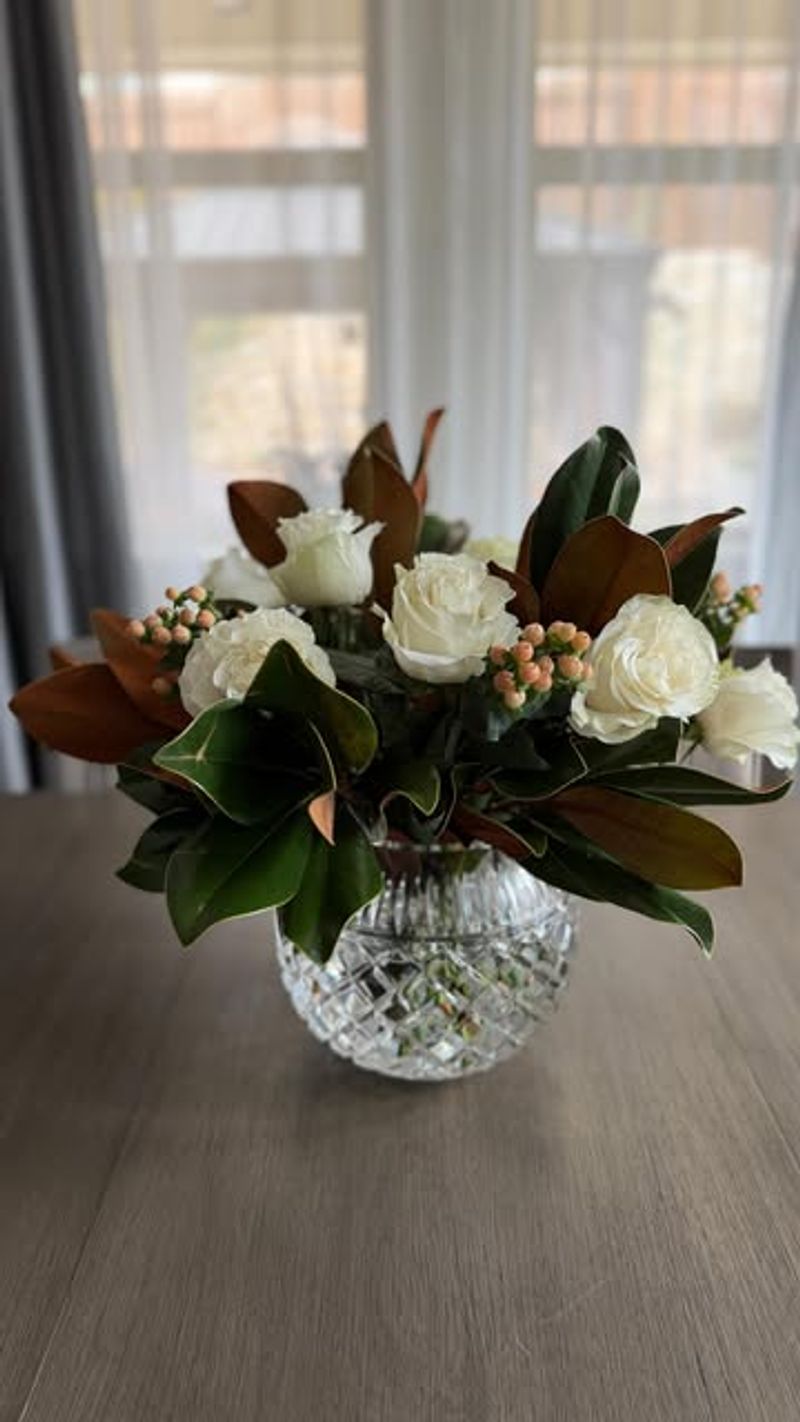
Magnolia leaves bring Southern elegance to Pennsylvania holiday tables despite the state’s colder climate.
The large, glossy leaves feature deep green tops and rusty-brown undersides that create beautiful contrast.
Florists import magnolia foliage from warmer regions, making these sophisticated arrangements available to Pennsylvania decorators.
The leaves last exceptionally well indoors, maintaining their appearance for four to six weeks without water.
This durability makes magnolia ideal for arrangements where water access is impractical or undesirable.
Layer magnolia leaves around candles for simple, elegant centerpieces that highlight the foliage’s natural beauty.
The firelight reflects off the glossy surfaces, creating warm ambiance during long winter evenings.
Spray magnolia leaves with clear acrylic sealer to preserve them and add extra shine.
This treatment also prevents the leaves from curling as they dry.
Combine magnolia with red roses, white hydrangeas, or seasonal berries for formal arrangements.
The substantial leaves provide structure and visual weight that anchors lighter flowers.
Wire individual leaves to floral picks for inserting into wreaths or garlands.
The rich color and texture add sophistication to any greenery base.
Though magnolia trees cannot survive Pennsylvania winters outdoors, bringing the leaves inside allows residents to enjoy this iconic Southern plant during the holiday season.
Norfolk Island Pine Tabletop Trees
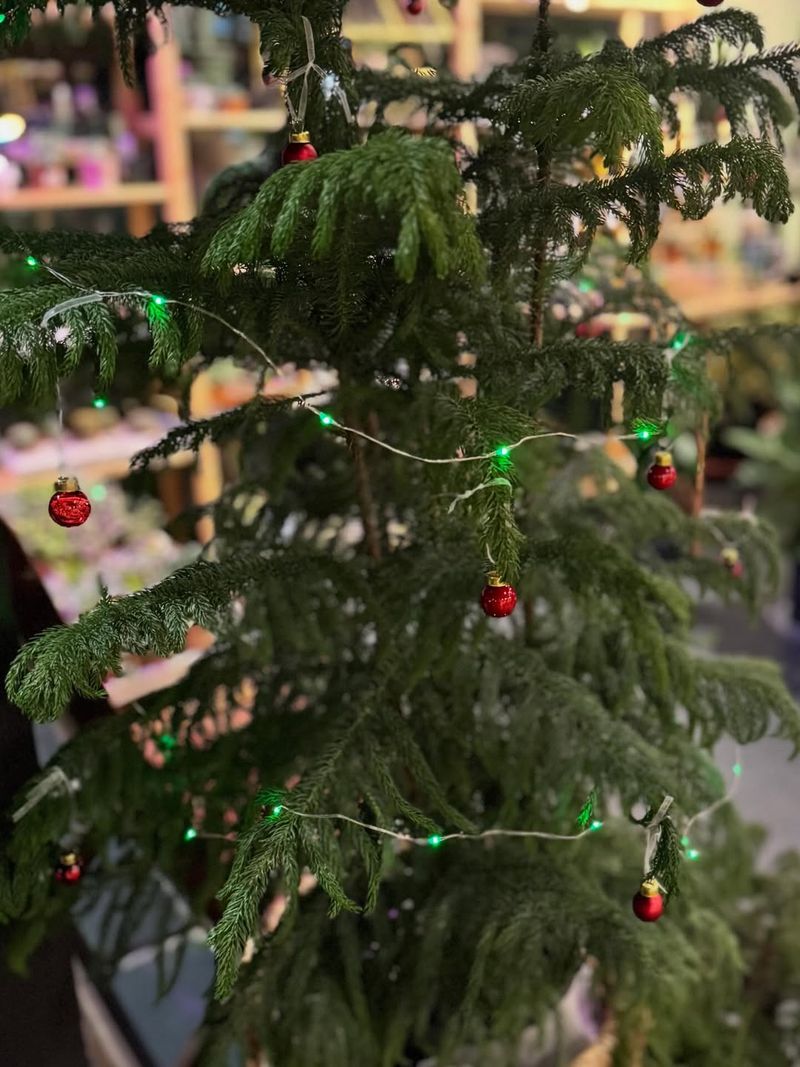
Norfolk Island pines serve as living Christmas trees that fit perfectly on tables, desks, and countertops.
These South Pacific natives resemble miniature evergreens with symmetrical branching and soft needles.
Pennsylvania plant shops stock them in various sizes from six inches to four feet tall during the holiday season.
The trees tolerate indoor conditions reasonably well, though they prefer bright light and moderate humidity.
Place Norfolk pines near windows where they receive several hours of sunlight daily.
Decorate with lightweight ornaments, as heavy decorations can damage the delicate branches.
Mini lights, small glass balls, and ribbon bows work perfectly without stressing the plant.
Water when the top inch of soil feels dry, maintaining consistent moisture without overwatering.
These trees dislike both drought and soggy conditions, requiring a balanced watering approach.
After the holidays, Norfolk pines continue as houseplants with proper care and occasional fertilizing.
They grow slowly, providing years of enjoyment with minimal maintenance requirements.
Children especially love having their own small tree to decorate and care for throughout December.
The personal connection to a living plant teaches responsibility while creating special holiday memories.
Norfolk pines offer an eco-friendly alternative to cut trees for small spaces, combining decoration with ongoing plant care throughout Pennsylvania’s long winter months.
Pinecone And Evergreen Floral Mixes
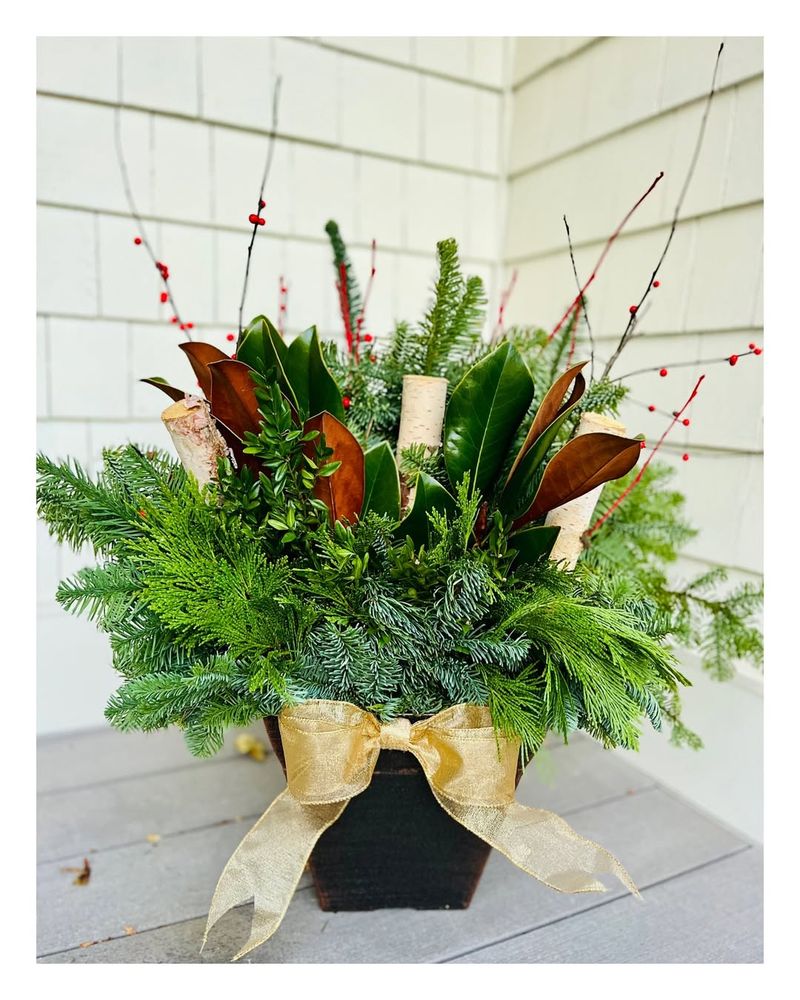
Pinecones paired with evergreen branches create rustic arrangements that celebrate Pennsylvania’s natural beauty.
Collect pinecones from white pine, red pine, or hemlock trees during autumn walks through state forests.
Bake collected cones at 200 degrees for thirty minutes to eliminate insects and open the scales fully.
Wire pinecones to floral picks for easy insertion into arrangements alongside fresh greenery.
The contrasting textures between smooth needles and rough cone scales add visual interest.
Spray pinecones with metallic paint, leave them natural, or dust with artificial snow for different effects.
Each treatment creates a distinct style from the same basic material.
Arrange pinecones and evergreens in wooden boxes, galvanized buckets, or woven baskets for authentic country style.
These containers enhance the natural, outdoorsy feeling of the materials.
Add plaid or burlap ribbon to complete the rustic look that complements farmhouse and cabin décor.
Red and green plaids evoke traditional Christmas, while natural jute suggests woodland simplicity.
These arrangements require minimal maintenance since pinecones need no water and evergreens stay fresh for weeks.
The low-maintenance aspect makes them ideal for busy families or vacation homes.
Creating pinecone arrangements offers opportunities for family crafting sessions that get everyone involved in holiday preparations while connecting to Pennsylvania’s natural landscape.
Red Dogwood Branch Displays
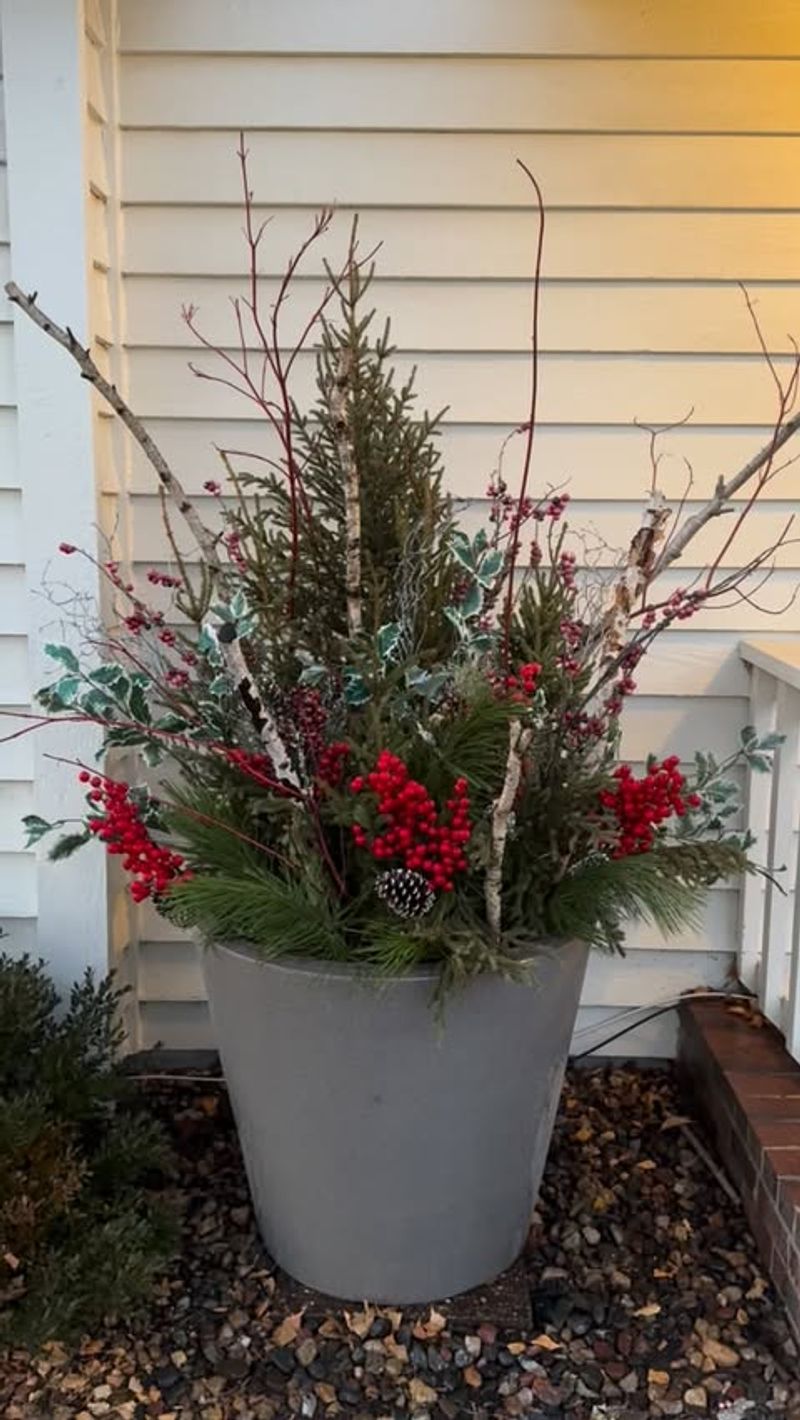
Red twig dogwood branches provide brilliant color and dramatic height in Pennsylvania winter arrangements.
These native shrubs develop bright red bark on young stems, creating vivid color that intensifies after leaves drop.
The bare branches offer architectural interest that contrasts beautifully with softer flowers and foliage.
Cut dogwood branches in late autumn or winter when the bark color peaks.
The branches last indefinitely without water, though keeping them in water maintains flexibility for arranging.
Use tall dogwood stems to add vertical dimension to arrangements, drawing the eye upward.
The height creates balance when combined with lower flowers or greenery at the base.
Prune red twig dogwood in your landscape during winter for a dual purpose—improving plant health while gathering decorating material.
This practical approach turns necessary maintenance into creative opportunity.
The bright red stems coordinate naturally with Christmas colors, requiring no additional embellishment.
Their simplicity allows other arrangement elements to shine while providing structure and height.
Combine red dogwood with white flowers for crisp, clean color schemes, or pair them with evergreens for traditional holiday style.
The versatile branches work in both modern and traditional settings.
Pennsylvania gardeners appreciate red twig dogwood’s year-round interest, from spring flowers to fall color to winter stems that brighten the coldest months both outdoors and inside.