The Citrus Shoots California Gardeners Should Remove Before They Take Over The Tree
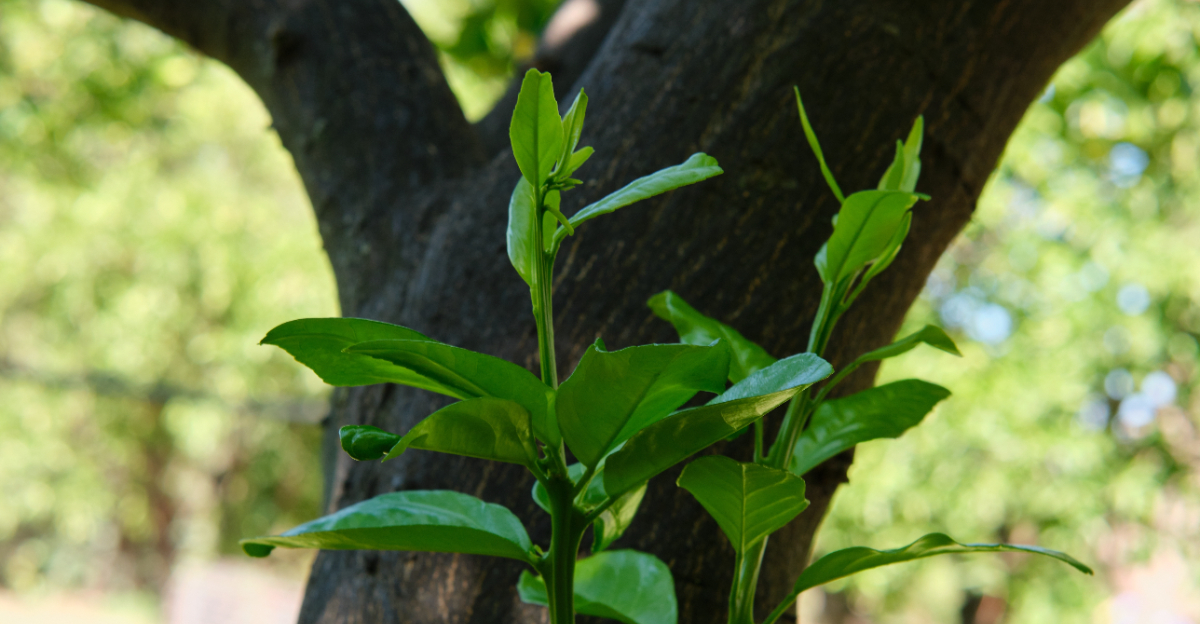
Citrus trees are not always polite about where they decide to grow. One week the canopy looks balanced and tidy, and the next a few vigorous shoots are racing upward like they have somewhere very important to be.
At first, that burst of growth can seem encouraging. New stems usually look like a sign of energy, especially on a tree that has been through months of sun, heat, and fruit production.
The trouble is that not every shoot deserves the same welcome. Some growth can quickly change the shape of a citrus tree, crowd productive branches, or pull attention away from the parts you actually want to keep thriving.
Left alone, those fast-growing stems can become much harder to deal with later. California citrus trees can be enthusiastic growers, which makes regular inspection surprisingly useful.
A quick look at where new shoots are appearing and how they are behaving can tell you a lot.
Knowing which growth to keep and which to remove can make the difference between a well-shaped tree and one that slowly turns into a tangled green free-for-all.
1. Watch For Shoots Growing From The Bottom Of The Tree
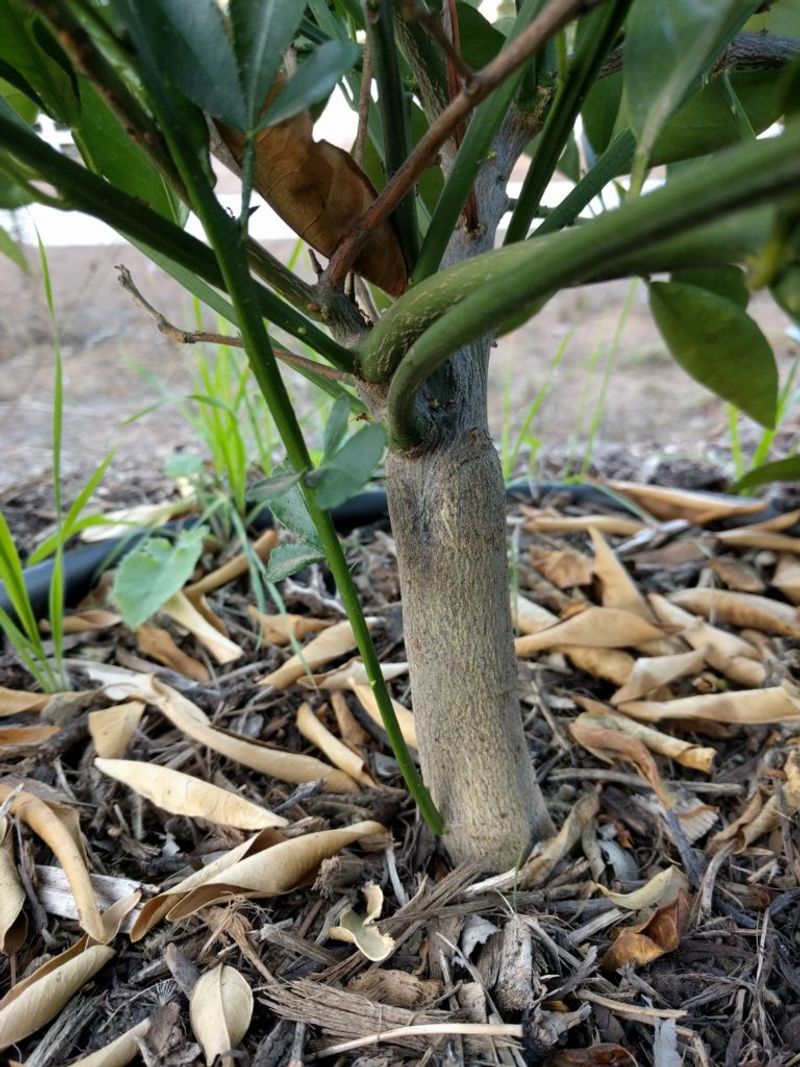
One of the easiest ways to spot trouble early is to look down. Shoots that grow from the very base of a citrus tree, right at or below the graft line, are almost always rootstock suckers.
They do not belong to the fruiting part of the tree at all. Many California gardeners do not notice these right away because they blend in with the rest of the plant. The leaves may look green and healthy.
The stems may seem strong. But do not let that fool you. These shoots are pulling resources away from the part of the tree that actually produces your lemons, oranges, or limes.
The graft union is usually a small bump or scar on the lower trunk. Anything growing below that point needs to go.
Shoots from above the graft are fine. Shoots from below it are not. Getting into the habit of checking the base of your tree regularly makes a big difference. Walk around the trunk and look closely at the soil line.
Sometimes these shoots even grow underground before popping up nearby. Pull back a little mulch if needed to get a clear view.
Catching them early means less work later and a healthier, more productive tree in the long run.
2. Fast-Growing Suckers Can Take Over Quickly
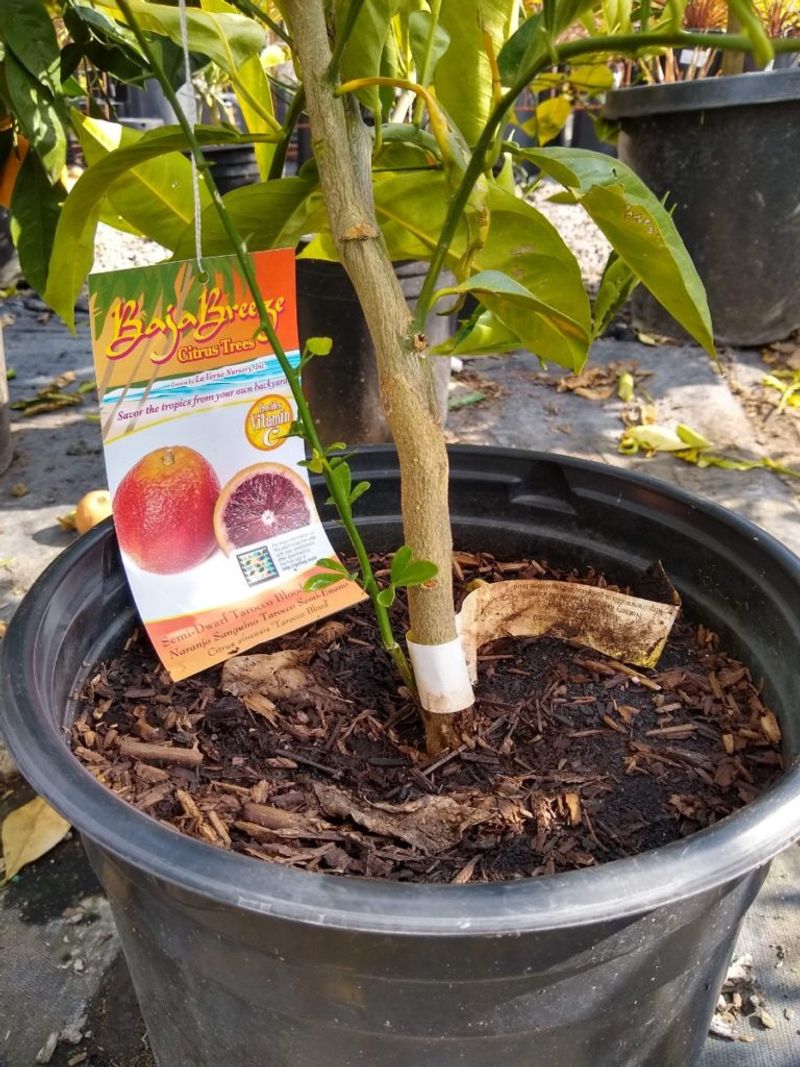
Speed is what makes rootstock suckers so dangerous to your tree. These shoots do not grow slowly.
In warm weather, they can put on several inches of new growth in just a few weeks. Before you know it, a small sprout becomes a thick branch.
Rootstock plants are often chosen because they are tough and vigorous. That toughness is great for supporting the tree, but it also means the suckers grow with a lot of energy.
They are built to survive, and they will do exactly that if you let them.
Your California Garden Changes Every Week. Your Plan Should Too.
Gardening in California changes quickly throughout the season. Every Friday you’ll receive a simple weekly plan showing exactly what to plant, prune, fertilize, harvest, and protect so you never miss the right timing.
When suckers grow unchecked, they start competing directly with the grafted top of the tree. Water, sunlight, and nutrients all get divided.
The fruiting portion of the tree gets less of everything it needs. Over time, your fruit production drops, and the tree may start to look uneven or lopsided.
Some California gardeners have seen suckers completely take over a tree within a single growing season. What started as a healthy citrus became mostly rootstock.
The original grafted variety was crowded out entirely. Staying on top of sucker growth is one of the simplest ways to protect your investment and keep your tree producing the fruit you actually want to harvest each year.
3. These Shoots Often Look Different From The Rest
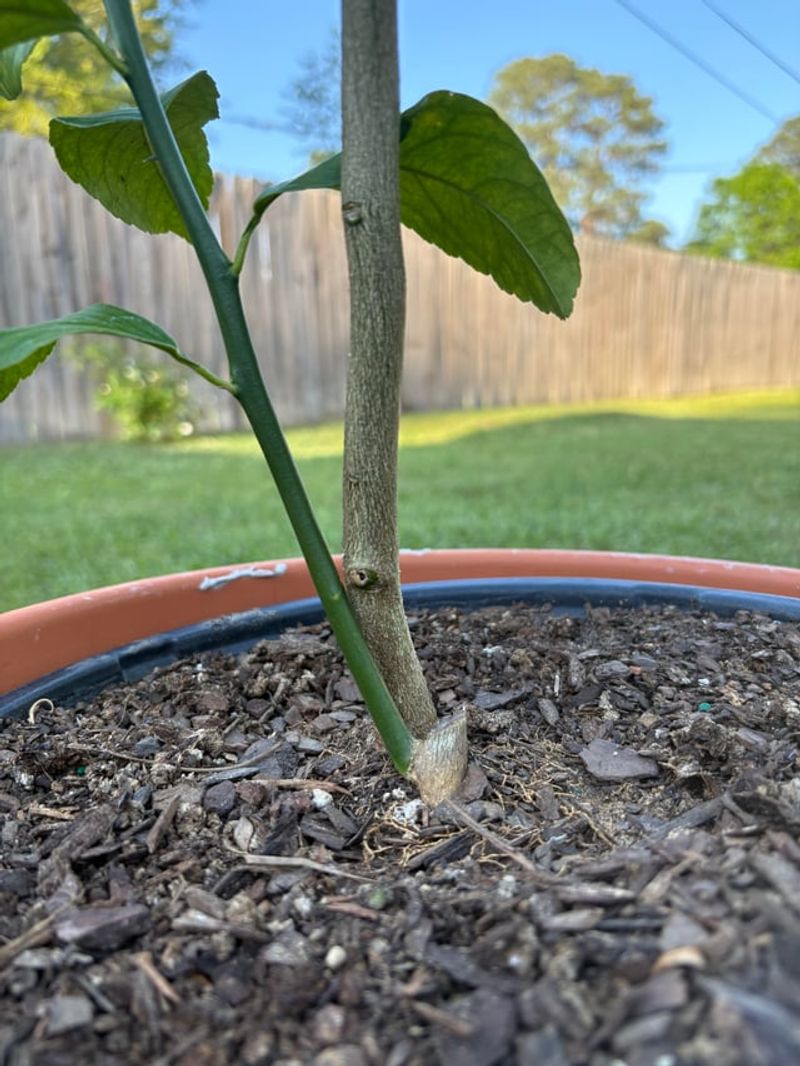
Here is something useful to know: rootstock suckers often do not look like the rest of your tree. The leaves may be a different shape.
They might be larger, rounder, or have a slightly different color of green. Sometimes the stems look smoother or rougher than the grafted branches above.
Many rootstock varieties used for citrus trees are actually trifoliate orange or sour orange plants. Their leaves come in groups of three instead of the single leaves you see on sweet oranges or lemons.
If you spot a shoot with three-leaflet clusters on a tree that normally has single leaves, that is a clear sign it is a sucker.
The texture of the leaves can also be different. Rootstock leaves sometimes feel thicker or have a slightly waxy surface.
The stems may also have longer or sharper thorns compared to the grafted variety above.
Taking a few seconds to compare a suspicious shoot to the healthy branches higher up on the tree can save you a lot of trouble. If something looks out of place, trust your gut.
Grab a gardening glove, trace the shoot back to where it starts, and check whether it comes from below the graft union. A little visual detective work goes a long way in keeping your citrus tree on track.
4. Thorny New Stems Are Worth A Closer Look
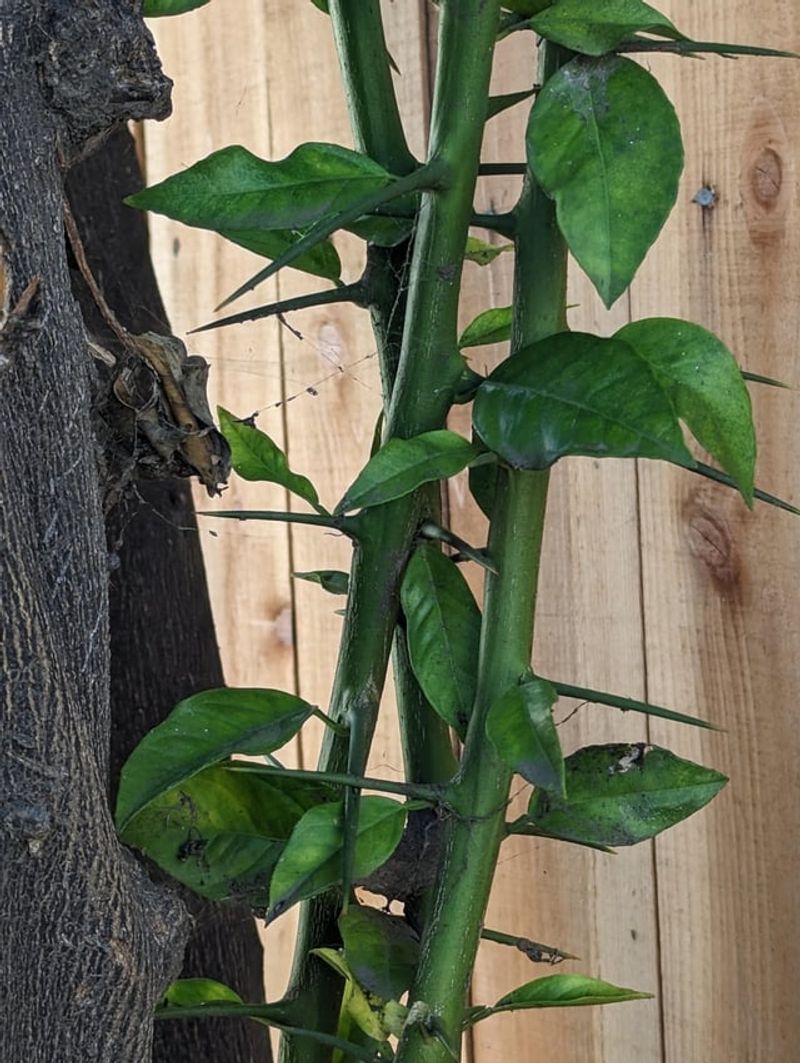
Not all citrus thorns are bad news, but when you spot a new stem covered in sharp, aggressive thorns growing from the lower part of your tree, pay attention.
Rootstock varieties, especially trifoliate orange, are known for having very noticeable thorns. These thorns can be a helpful clue that something is off.
Popular citrus varieties like navel oranges or Meyer lemons have minimal thorns or none at all. So when a thorny shoot pops up near the base, it stands out.
Do not just assume it is a normal part of the tree and move on. Thorny suckers can also be a safety hazard, especially if children or pets play near the tree. The spines on some rootstock varieties are long and very sharp.
Getting scratched while doing yard work is no fun, and it is completely avoidable if you remove the sucker early.
The best approach is to trace the thorny stem back to its origin. If it starts below the graft union, remove it as soon as possible.
Wear thick gloves when handling thorny suckers to protect your hands. A clean pair of pruning shears works well for smaller stems.
For thicker ones, loppers give you more control and cutting power without putting your hands too close to the thorns.
5. Remove Suckers While They Are Still Small
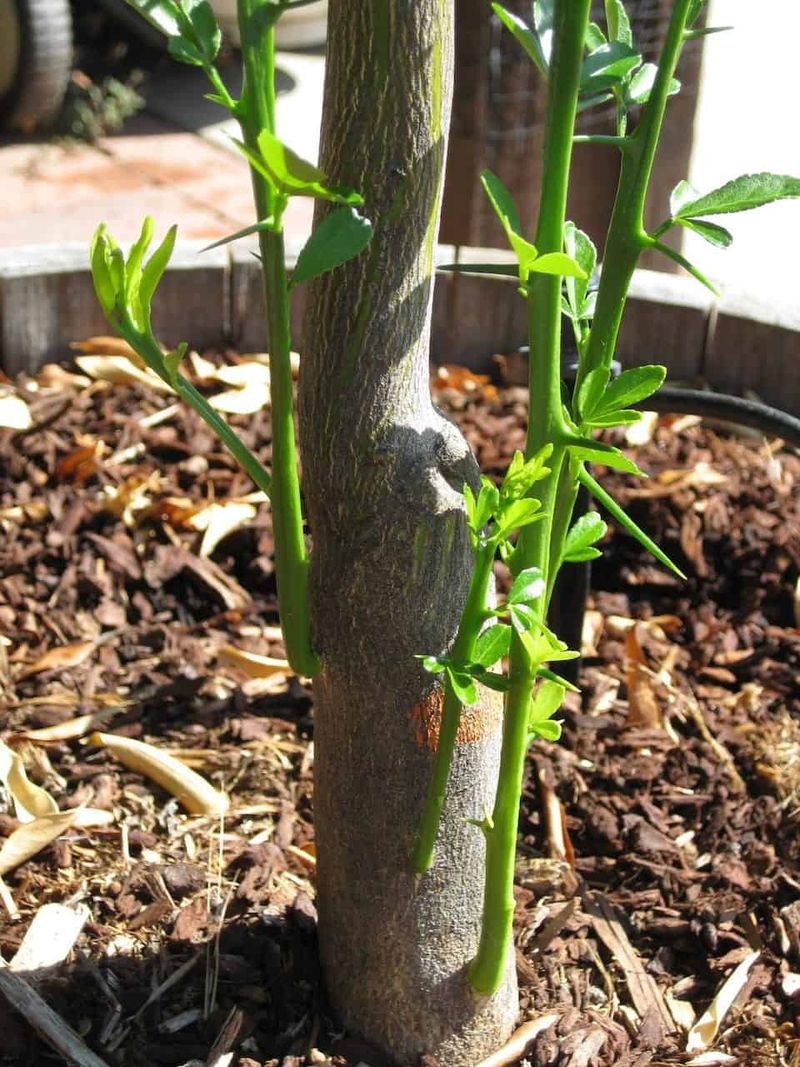
Timing really does matter when it comes to sucker removal. A tiny shoot that is only an inch or two long takes seconds to remove.
A sucker that has grown for months may have a thick woody base and deep roots that require real effort to get out completely.
Small suckers can often be snapped off by hand. Grip them firmly near the base and pull with a sharp twist.
When you remove them this way, you also disrupt the growth buds that would otherwise produce more suckers in the same spot. It is more thorough than just cutting.
Cutting a sucker without removing the base bud often leads to two or three new shoots growing back in its place. That means more work next time.
Getting in low and removing as much of the sucker’s base as possible gives you a cleaner result and slows regrowth.
Think of small suckers like weeds in a vegetable garden. The sooner you pull them, the easier the job is.
Waiting makes everything harder. Set a reminder on your phone or tie sucker checks to another routine task, like watering.
Building it into your regular schedule means you will rarely face a sucker that has grown too big to handle quickly and cleanly with basic garden tools.
6. Cut Them Off Close To Where They Start
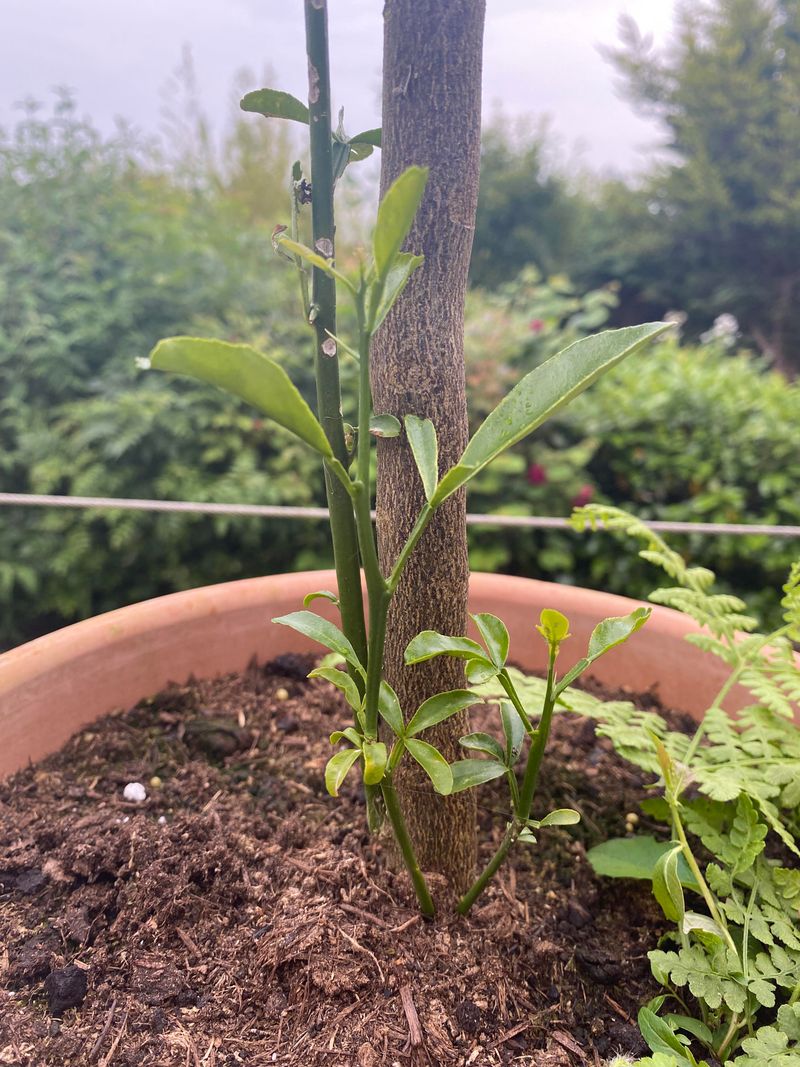
Where you make the cut matters just as much as when you make it. Cutting a sucker several inches above its base leaves a stub.
That stub can sprout new growth, and you end up with the same problem all over again. The goal is to cut as close to the point of origin as possible.
For suckers growing from the trunk, press your pruning shears right against the bark and cut flush. Do not leave a nub sticking out.
A clean, flush cut heals faster and gives new suckers fewer places to take hold. Sharp tools make this much easier and cause less damage to the surrounding bark.
If the sucker is growing from a root just below the soil surface, you may need to dig down a little. Use a hand trowel to expose the base of the shoot.
Then cut or pull it off as close to the root as you can. Cover the area back up with soil when you are done.
Always clean your pruning tools before and after working on your tree. Dirty blades can spread disease from one plant to another.
A quick wipe with rubbing alcohol or a bleach solution does the job. Keeping your tools clean is a small habit that protects your citrus tree and every other plant in your garden from unnecessary problems.
7. Do Not Let Them Grow Into Full Branches
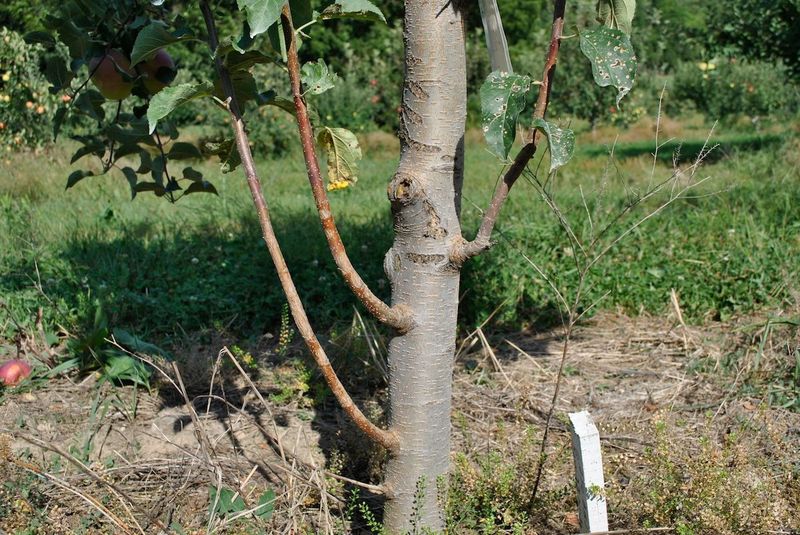
Once a sucker grows thick and woody, it becomes much harder to remove. What started as a flexible green shoot is now a branch with its own structure.
Removing it at that stage requires more tools, more effort, and leaves a larger wound on the tree.
Large sucker branches also cause more damage to the tree overall. They shade out lower fruiting branches, blocking sunlight from reaching leaves that need it.
They draw significant amounts of water and nutrients away from the grafted top. The longer they stay, the more harm they do.
Some gardeners make the mistake of thinking a big leafy branch looks healthy, so they leave it. But size does not equal usefulness.
A thick rootstock branch may look impressive, but it will never produce the fruit you planted the tree for. It is just taking up space and resources.
Removing a large sucker branch means making a bigger cut, which creates a larger wound. Big wounds take longer to heal and can be entry points for pests or disease.
To avoid all of this, the smartest move is to never let suckers reach branch size in the first place.
Regular check-ins and quick removal of small suckers keep the job manageable and your tree in the best possible shape all year long.