The Coffee Ground Habit Hydrangea Growers Swear By And What Experts Say About It
Your morning cup leaves behind grounds that are hardly acidic at all. Brewing pulls most of the acid into your mug, so the soggy leftovers often test close to neutral.
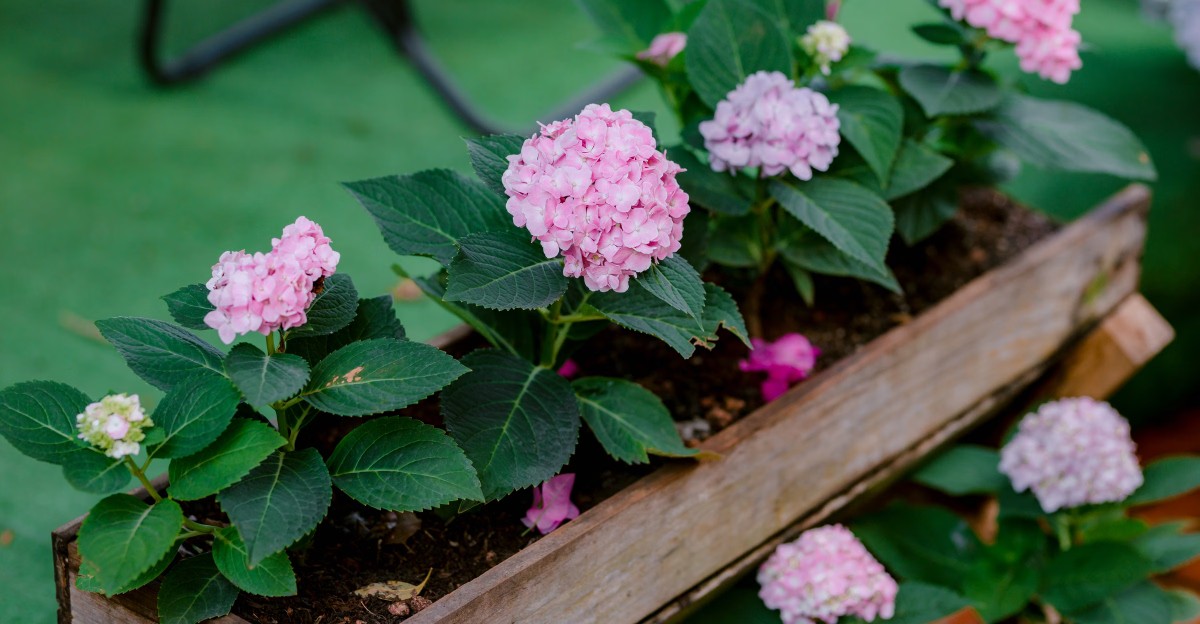
I found that out after months of dumping grounds around one stubborn shrub. The blooms stayed pink, and I stayed puzzled.
You might notice the same habit in gardens all over the country, from front porches to backyard borders. Gardeners share it like a family recipe, and plenty of them swear the flowers turned bluer.
Some of them may even be right, but probably not for the reason they think. So what are those grounds really doing in the soil? The answer turned out to be more useful than the myth, and a little humbling for a coffee lover like me.
That Pile Of Coffee Grounds Under Your Hydrangea Is Doing Something, Just Not The Big Thing
Ask ten hydrangea lovers why they save coffee grounds, and most will say the same thing. They want blue flowers. It is a sweet idea, and it spreads fast in garden groups.
Experts mostly agree the grounds help your soil, but they rarely change bloom color in a big way. University and garden specialists point out that used grounds usually test between about pH 6.2 and 6.8. That is only mildly acidic, close to neutral.
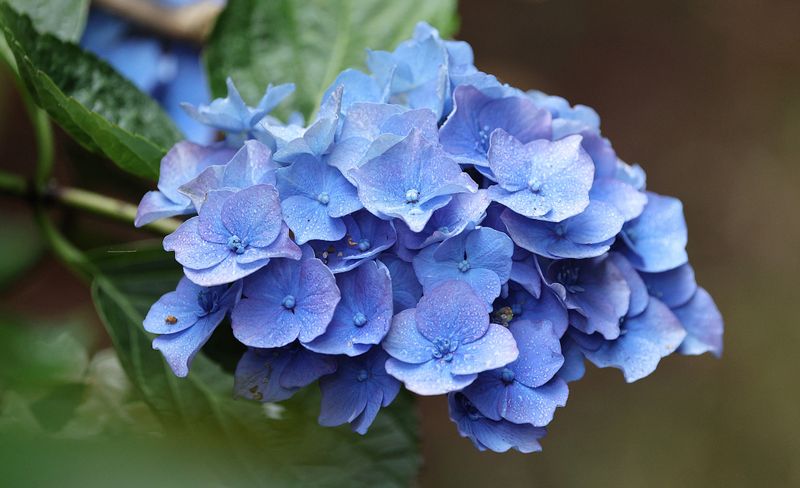
Bigleaf hydrangeas, also called Hydrangea macrophylla, turn blue when soil is more acidic, around pH 5.2 to 5.5. At that level, aluminum in the soil becomes easier for roots to take up. A sprinkle of mild grounds just cannot push most soils that far.
So why do some gardeners see bluer blooms? Their soil may already lean acidic. Rain, mulch, and leaf litter can also slowly shift things over time.
I like to think of grounds as a soil snack, not a color switch. They feed worms and add organic matter.
That is real value, even if the magic blue promise falls short. Keep reading your plant, not the rumors, and you will make smarter choices.
Blue Or Pink Hydrangea Blooms Depend On Soil pH And Aluminum
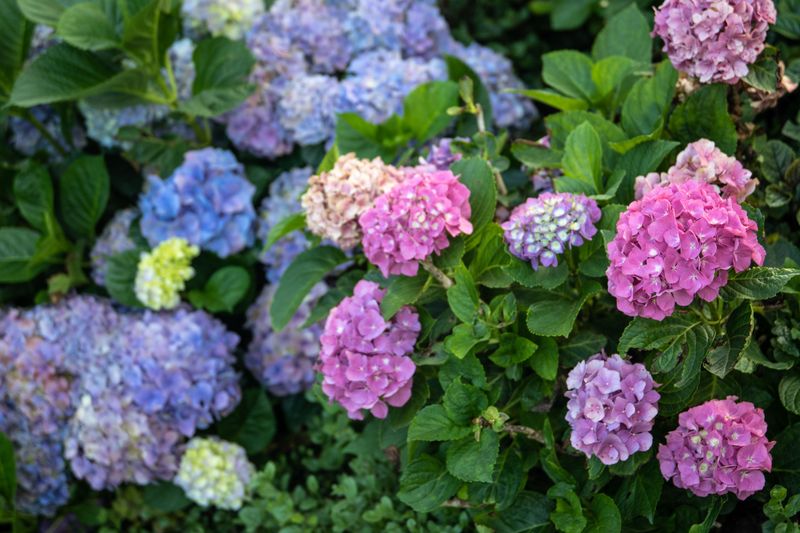
Here comes the science part, and it is pretty cool. Bigleaf hydrangea flowers act a bit like a living soil test.
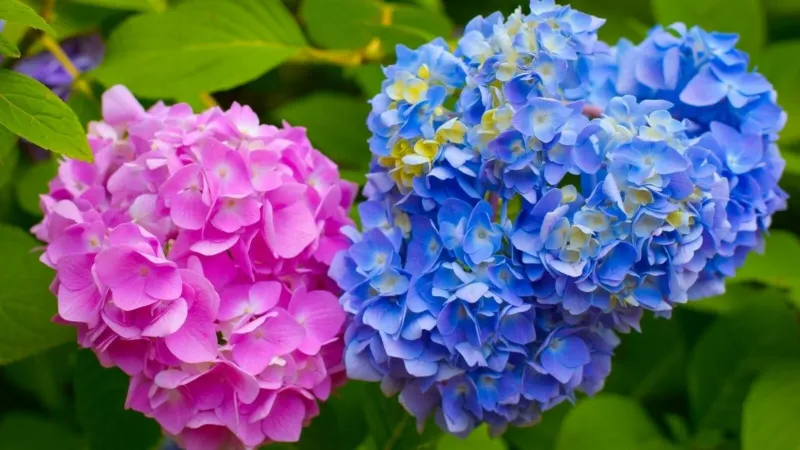
In acidic soil below about pH 6.0, aluminum dissolves and moves into the plant. That aluminum reacts with pigments in the petals and makes them blue.
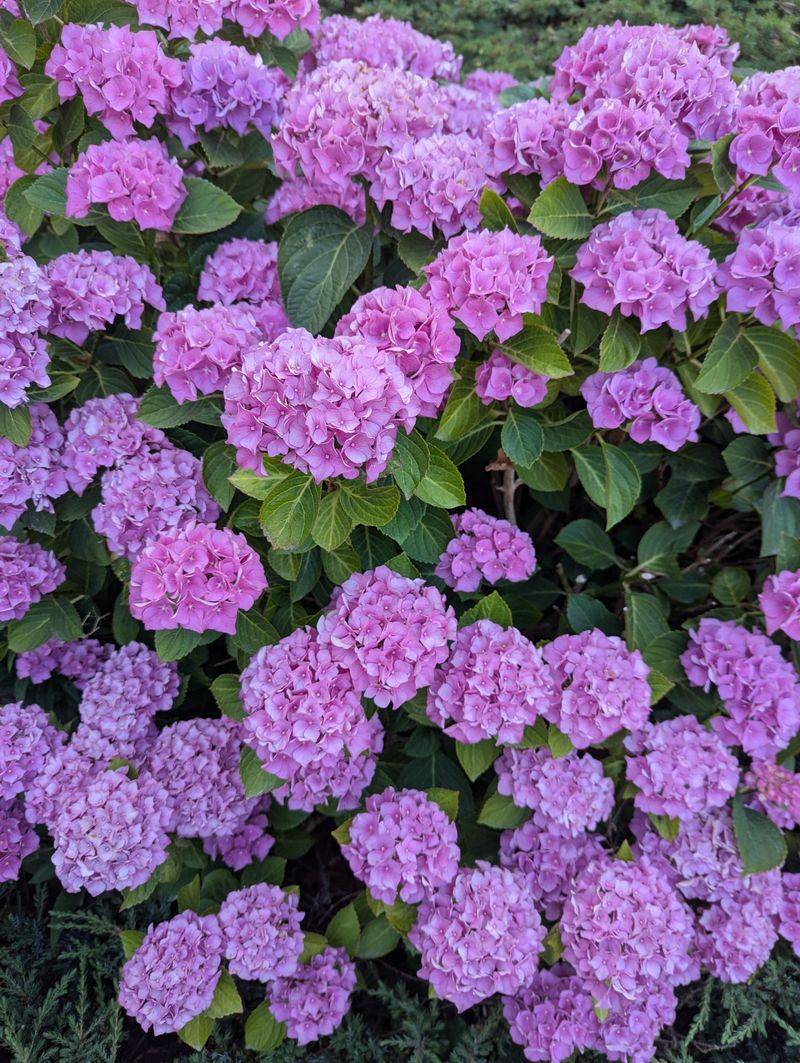
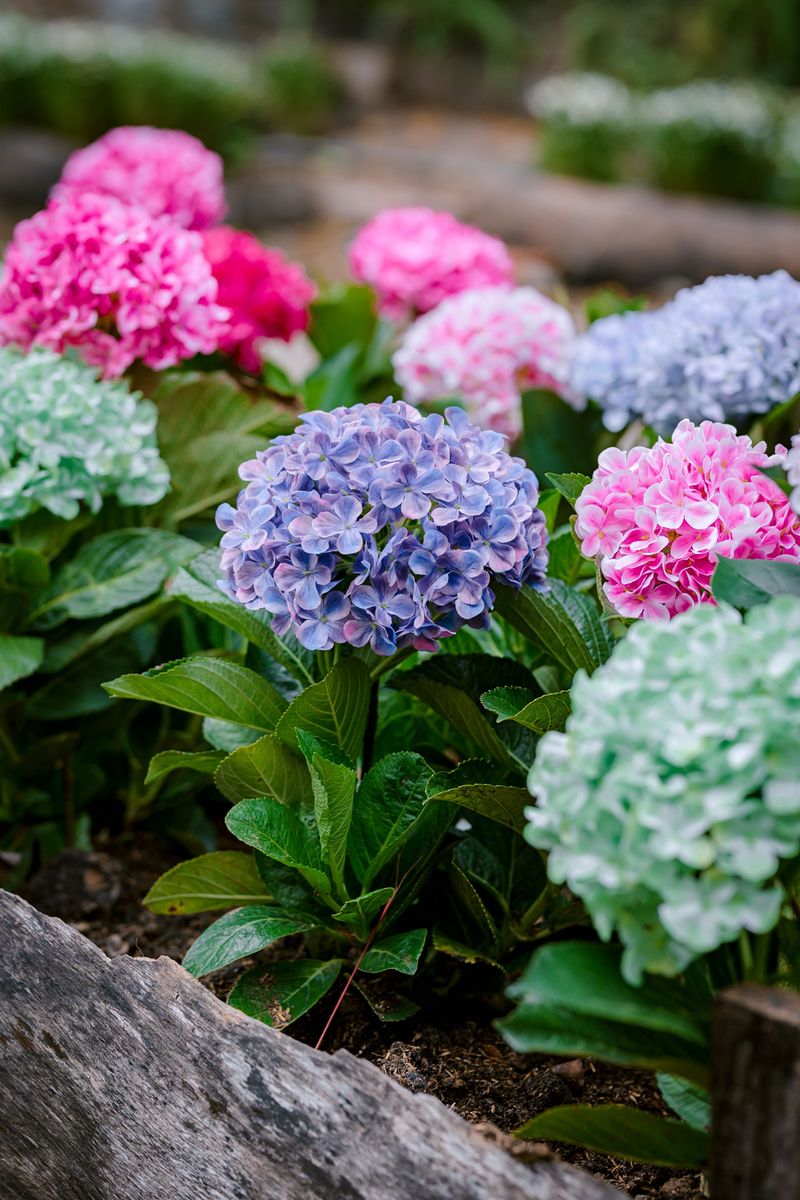
When soil climbs toward pH 6.5 to 7.0, aluminum gets locked up, and flowers lean pink or red. Soil that lands in the middle, roughly 5.5 to 6.5, often gives you purple or mauve blooms. Some gardeners love that mixed look most of all.
I have one shrub that shows blue and lavender on the same branch. Not every hydrangea plays this game. White types stay white no matter what you add.
Smooth hydrangeas like Annabelle and panicle hydrangeas like Limelight do not shift color with pH either.
Mountain hydrangeas, Hydrangea serrata, can respond like bigleaf types. Check your plant tag before you start any color project.
Once you know this, the coffee question gets easier. The real goal is pH and aluminum, so the tool you choose should actually move those numbers in a measurable way.
A Simple Soil Test Kit Beats Guessing Around Your Hydrangeas
Guessing feels faster, but testing saves a whole season. I learned that after a year of feeding grounds to soil that was already alkaline.
Start with a soil test before you add anything. Your local county extension office often offers affordable lab tests, and the results come with real advice.
Home kits and pH meters work too, though lab results are usually more reliable. Take a few samples from around the shrub, about four to six inches deep. Mix them together for a fair reading. Avoid testing right after you fertilize.
Your number tells you what is realistic. If your soil sits near 5.5 already, you might only need a little help for blue flowers.
If it reads 7.5, as many soils do in the Midwest and parts of Texas, blue will take steady work. Retest every year or so. Soil can drift back toward its natural pH, especially near concrete foundations and sidewalks, which can leach lime.
A test also shows nutrient levels like phosphorus. That matters, because high phosphorus can tie up aluminum and block blue color. Numbers beat folklore every single time in a hydrangea bed.
Aluminum Sulfate And Sulfur Do The Heavy Lifting For Blue Hydrangeas
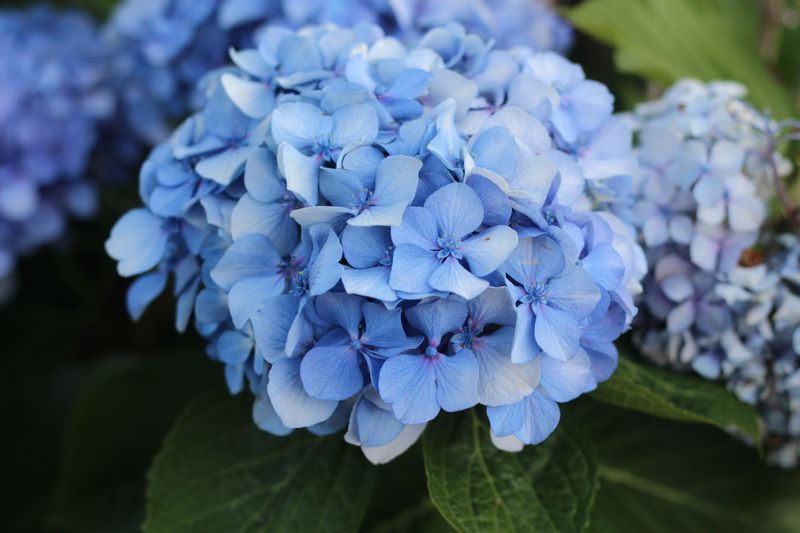
Want blue blooms for real? Experts usually point you toward two products instead of the coffee can. Aluminum sulfate works fairly quickly. It lowers pH and supplies the aluminum that turns petals blue.
Many extension guides suggest mixing about one tablespoon per gallon of water and drenching the soil a few times during the growing season.
Go easy, though. Too much can burn roots and scorch leaves. Water the plant well first, then apply the solution around the root zone, not on the foliage.
Elemental sulfur works more slowly. Soil microbes convert it into acid over weeks or months, so fall or early spring is a smart time to apply it. Follow label rates based on your soil test.
Fertilizer choice helps as well. Pick one low in phosphorus for blue goals. Fertilizers labeled for acid-loving plants can support the effort.
For pink flowers, the plan flips. Garden lime raises pH and keeps aluminum locked away. Patience is part of the deal. Color changes often show up the next bloom season, not next week. Be steady, test again, and adjust slowly.
Coffee Grounds Still Earn A Spot In The Hydrangea Bed
Good news for coffee drinkers who dislike throwing things away. Your grounds are not useless just because they skip the color magic.
Used grounds contain nitrogen, plus smaller amounts of phosphorus, potassium, magnesium, calcium, and other micronutrients. These release slowly as the grounds break down. Your hydrangea gets a gentle, steady trickle rather than a sudden rush.
They also add organic matter. That improves soil structure, helping heavy clay drain better and sandy soil hold more moisture. Hydrangeas are thirsty shrubs, so better water holding matters a lot in summer heat.
Earthworms seem to love coffee grounds. I see more of them in beds where I add grounds to compost. Worms tunnel through soil, letting air and water reach the roots.
Soil microbes get a boost too. A busy, healthy soil community helps break down organic matter and cycle nutrients for your plants.
Some gardeners say grounds discourage slugs or ants. Research on that is mixed, so treat it as a maybe rather than a promise.
The takeaway is simple. Grounds are a soil builder, and hydrangeas reward healthy soil with stronger growth and fuller blooms.
Thick Layers Of Coffee Grounds Can Smother Hydrangea Roots
More is not better with coffee grounds. I once piled them two inches deep and ended up with a crusty brown cap that shed water like a raincoat.
Fine grounds pack down tightly. A thick layer can form a barrier that blocks water and air from reaching roots. It can also invite mold, especially in shady, damp spots where hydrangeas often grow.
Keep it thin. About half an inch around the base is plenty, and lightly scratching grounds into the top few inches of soil works even better. You can also cover them with a layer of shredded bark or leaf mulch.
Stick to plain coffee. Grounds with sugar, creamer, or flavor syrups can attract pests and feed the wrong microbes.
Fresh grounds also contain caffeine, which may slow growth for some plants. Composting helps reduce that concern and blends grounds with other materials.
If your stash smells sour or grows fuzzy mold, send it to the compost pile instead of the flower bed. Your hydrangea will thank you with healthier roots and fewer soggy surprises.
Composting Coffee Grounds First Gives Hydrangeas The Gentlest Boost
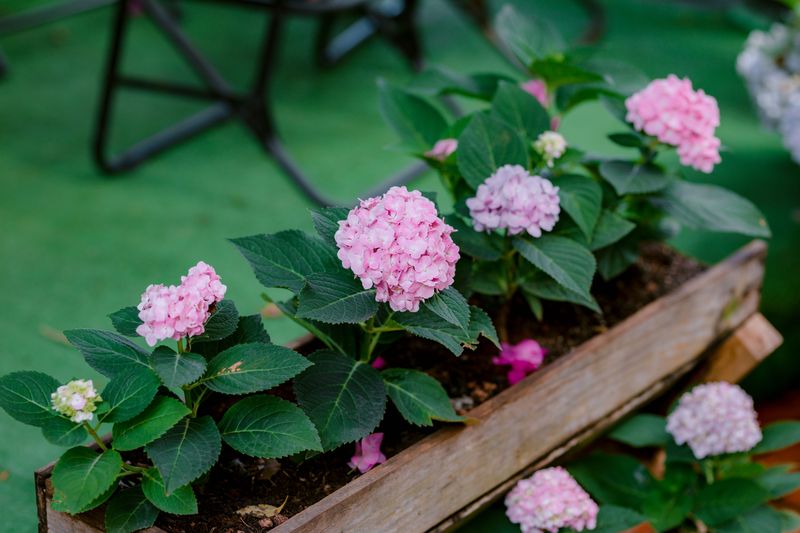
My favorite trick is a little slower but much easier on plants. I toss grounds into the compost bin and let time do the work.
Coffee grounds count as a green material in compost because they carry nitrogen. Pair them with brown materials like dry leaves, shredded paper, or straw. A rough mix of about one part greens to two or three parts browns keeps the pile healthy.
Many experts suggest keeping coffee to roughly a quarter of the pile or less. That prevents things from getting too dense and soggy. Paper coffee filters can go right in too. They break down fine and count as browns.
Finished compost looks dark and crumbly and smells like a forest floor. Spread an inch or so around your hydrangeas in spring, keeping it a few inches away from the stems.
You get the soil benefits of coffee without the crusting, mold, or caffeine worries. The nutrients release gently over the season.
Bonus tip: many coffee shops give away used grounds for free. Ask politely, and you may leave with a bag for your compost.
Your Hydrangea Shrub Needs More Than Coffee To Thrive This Season
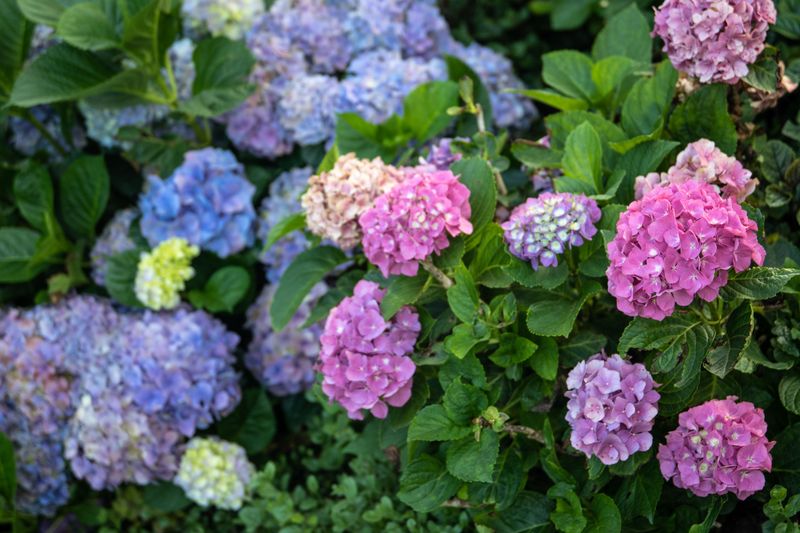
Coffee grounds are a nice extra, not the whole plan. The happiest hydrangeas I know get the basics right first.
Light comes first. Most bigleaf hydrangeas like morning sun and afternoon shade, especially in hot southern states. In cooler northern areas, they can handle more sun if the soil stays moist.
Water deeply about once or twice a week during dry spells. A two to three inch layer of mulch keeps roots cool and slows evaporation.
Pruning timing matters a lot. Many bigleaf hydrangeas bloom on old wood, so cutting them back hard in fall or spring can remove next year’s flower buds. Prune right after flowering instead, or choose reblooming varieties like Endless Summer.
Cold snaps can also damage buds in colder zones. A layer of leaves or burlap around the base helps in winter.
So keep your coffee habit, just use it wisely. Test your soil, use proven products if you want blue, and feed the soil with compost.
Your hydrangea will respond to steady care far more than any single trick. That is the real secret worth sharing.