The 9 Cold-Hardy Plants To Plant In Oregon Gardens This February
February may feel too early to plant, but Oregon gardeners know this is when cold-hardy plants shine. Cool soil, steady moisture, and mild winter breaks create the perfect setup for strong root growth.
While other gardens wait for spring, yours can already be building momentum. These tough plants handle chilly nights, light frost, and unpredictable weather without slowing down.
They settle in fast and reward you with earlier blooms, healthier foliage, and better harvests. Planting now also spreads out your spring workload and gives your garden a head start before warmer days arrive.
If you want stronger plants and a more productive season, this is the time to act. With the right choices, your February garden can thrive instead of sitting idle.
Get ready to turn cold weather into an advantage.
1. Hellebores
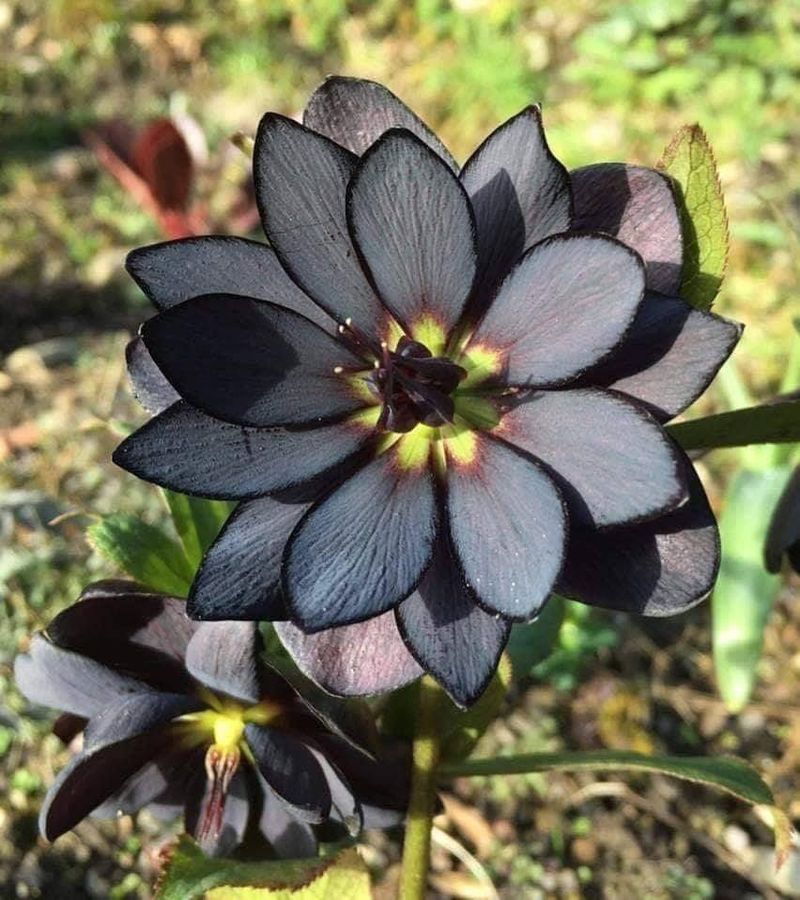
Hellebores earn their nickname as the Christmas rose for good reason. These elegant perennials produce gorgeous blooms right through Oregon’s coldest months, bringing color when most gardens look bare.
Their flowers come in shades of white, pink, purple, and even green, nodding gracefully above dark evergreen foliage that looks attractive year-round.
February planting gives hellebores plenty of time to establish before summer heat arrives. They prefer the dappled shade common under Oregon’s trees and shrubs, making them perfect for woodland garden settings.
Once established, these plants need very little care and will return bigger and better each year.
Oregon gardeners love hellebores because they handle our wet winters beautifully. The plants actually prefer moisture and cool temperatures, which makes them naturals for Pacific Northwest conditions.
They’re also resistant to deer and rabbits, which often browse winter gardens looking for tender plants.
Plant hellebores in rich, well-draining soil amended with compost. Space them about 18 inches apart and water them in well.
Within a few weeks, you’ll notice new growth appearing, and by next winter, you’ll have established plants ready to bloom through the coldest months Oregon can offer.
2. Primroses
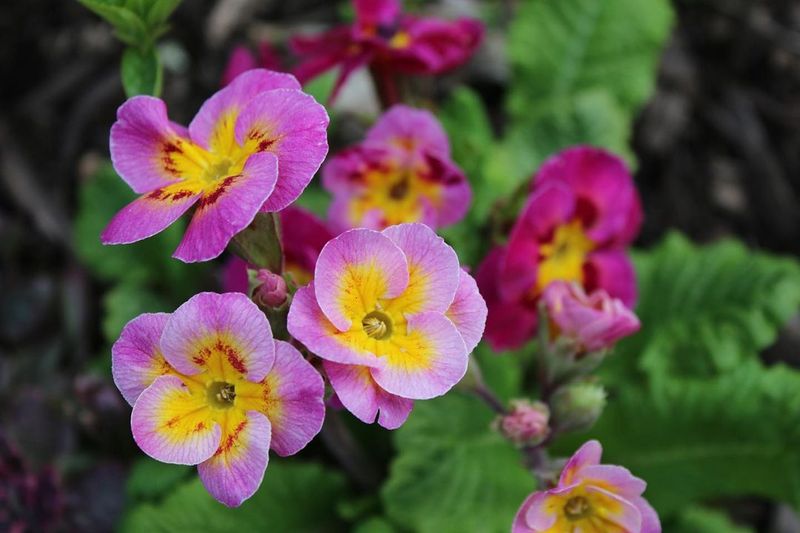
Bright and cheerful primroses bring instant happiness to February gardens across Oregon. These compact perennials pack serious flower power into small packages, offering blooms in nearly every color imaginable.
From sunny yellows to deep purples, vibrant reds to soft pastels, primroses create eye-catching displays that signal spring’s approach.
Planting primroses now in Oregon gives them a head start on the growing season. They appreciate our cool, moist conditions and will establish quickly in February’s mild weather.
These plants work wonderfully along pathways, in containers, or tucked into rock gardens where their cheerful faces can be admired up close.
The Pacific Northwest climate suits primroses perfectly. They need consistent moisture and cool temperatures to thrive, which Oregon provides naturally during late winter and early spring.
Many varieties will bloom for weeks, providing color from February straight through May.
Choose a spot with morning sun and afternoon shade for best results. Primroses prefer rich, organic soil that stays evenly moist but never waterlogged.
Mix compost into your planting area and set plants about 8 inches apart. Water regularly during their first season, and they’ll reward you with abundant blooms year after year in your Oregon garden.
3. Pansies
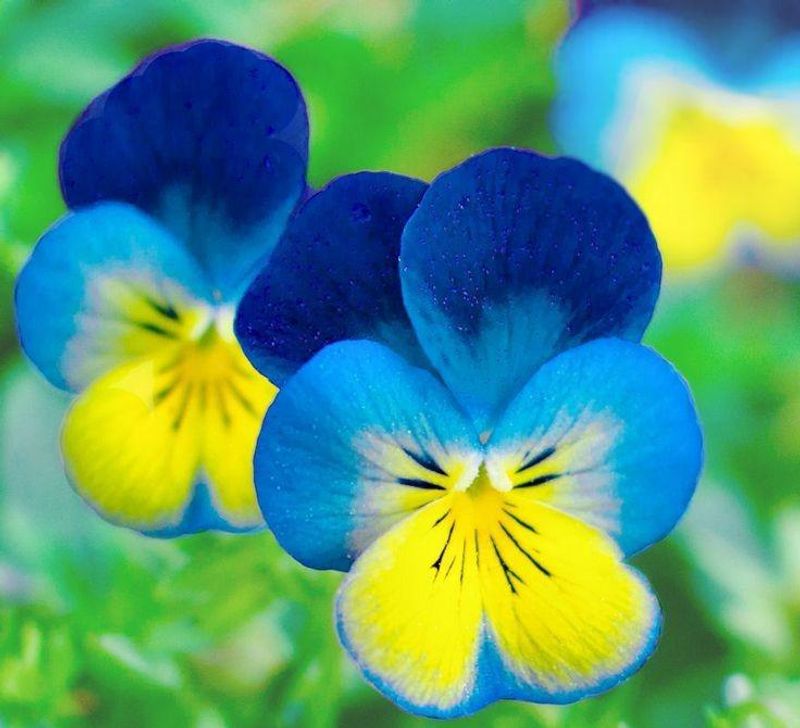
Nothing says winter gardening quite like pansies with their distinctive face-like markings. Oregon gardeners have long relied on these cheerful flowers to brighten the dreariest February days.
Pansies are remarkably tough, shrugging off frost and even light snow while continuing to produce their charming blooms throughout winter and spring.
February is actually one of the best times to plant pansies in Oregon. The cool weather keeps them compact and encourages abundant flowering rather than leggy growth.
They’ll bloom continuously through spring, providing months of color in beds, borders, and containers around your home.
These versatile annuals come in an amazing array of colors and patterns. Solid colors, bi-colors, and tri-colors with distinctive markings give you endless design possibilities.
Plant them in mass for bold impact, or mix colors for a cottage garden feel that suits Oregon’s relaxed gardening style.
Pansies prefer full sun to partial shade and well-drained soil. In Oregon’s rainy climate, good drainage is especially important to prevent root problems.
Space plants 6 to 8 inches apart and deadhead spent blooms regularly to encourage more flowers. With minimal care, pansies will brighten your Oregon garden from February planting time straight through the spring season.
4. Kale
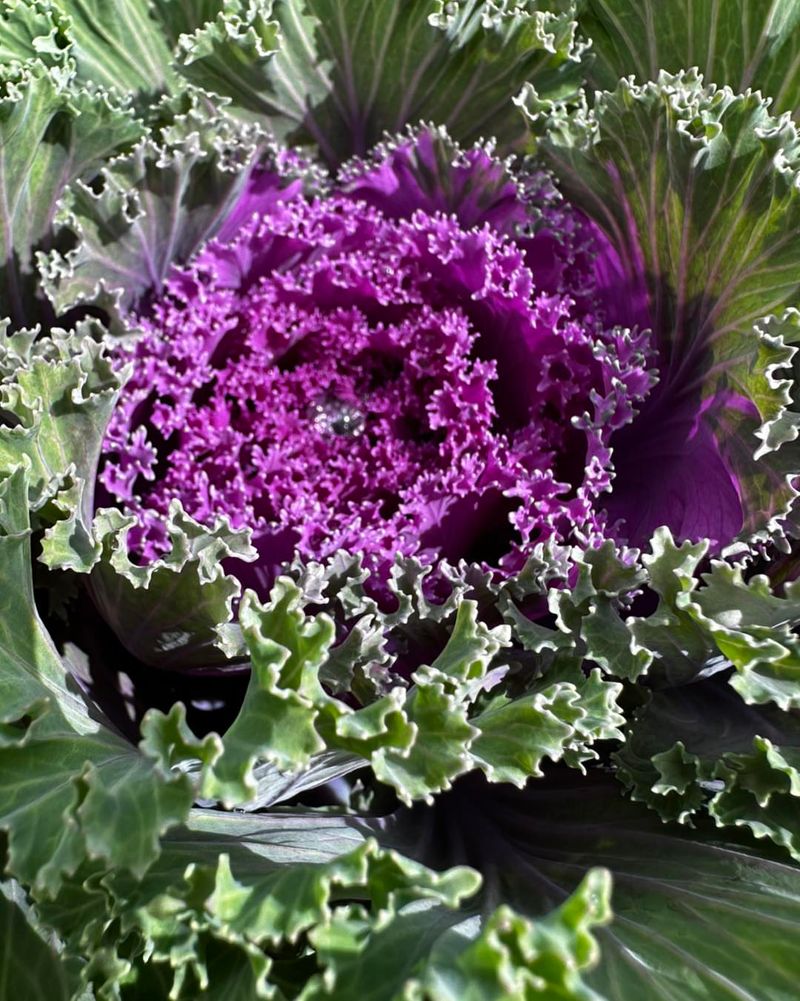
Ornamental kale transforms from a simple vegetable into a stunning garden feature during Oregon’s coldest months. The frilly, colorful leaves in shades of purple, pink, white, and green actually become more vibrant after exposure to frost.
This makes February an ideal planting time in Oregon, where cool temperatures enhance the plant’s natural beauty rather than diminish it.
Both edible and ornamental kale varieties thrive when planted in February across Oregon. The plants grow slowly in cool weather, developing tight, attractive rosettes of leaves that look almost like giant roses.
They’re perfect for adding structure and color to winter vegetable gardens or mixed borders.
Oregon’s mild winters provide perfect conditions for kale to flourish. The plants actually prefer temperatures between 40 and 60 degrees, which describes most February days in the Pacific Northwest.
They handle rain beautifully and can withstand temperatures well below freezing without protection.
Plant kale in full sun and fertile, well-drained soil for best results. Space plants 12 to 18 inches apart, depending on the variety.
Water regularly until established, then let natural rainfall do most of the work. Ornamental kale will remain attractive through spring in Oregon gardens, while edible varieties can be harvested continuously for fresh, nutritious greens.
5. Snowdrops
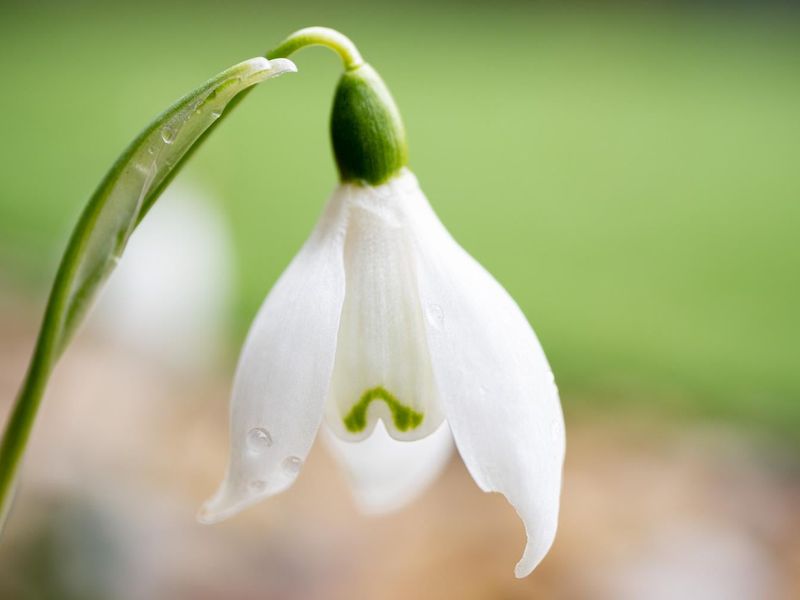
Delicate snowdrops push through frozen ground to announce winter’s end across Oregon. These tiny bulbs produce pristine white flowers that dangle like little bells from slender stems, often appearing while snow still covers the ground in higher elevations.
Their determination to bloom in harsh conditions makes them symbols of hope and renewal in Pacific Northwest gardens.
February is the perfect month to plant snowdrop bulbs in Oregon if you can find them available. Many gardeners actually prefer planting them “in the green,” meaning while they’re actively growing with foliage present.
This method often leads to better establishment than planting dried bulbs in fall.
Snowdrops naturalize beautifully in Oregon’s woodland settings. They spread slowly over years, creating larger drifts of white blooms that carpet the ground beneath deciduous trees.
The flowers appear in late winter, providing nectar for early-emerging bees and other pollinators when few other food sources exist.
Choose a spot with dappled shade and moist, well-drained soil rich in organic matter. Plant bulbs or growing plants about 3 inches deep and 3 inches apart.
Snowdrops prefer to be left undisturbed, so choose their location carefully. Once established in your Oregon garden, they’ll return faithfully each February, multiplying slowly to create enchanting displays.
6. Winter Jasmine
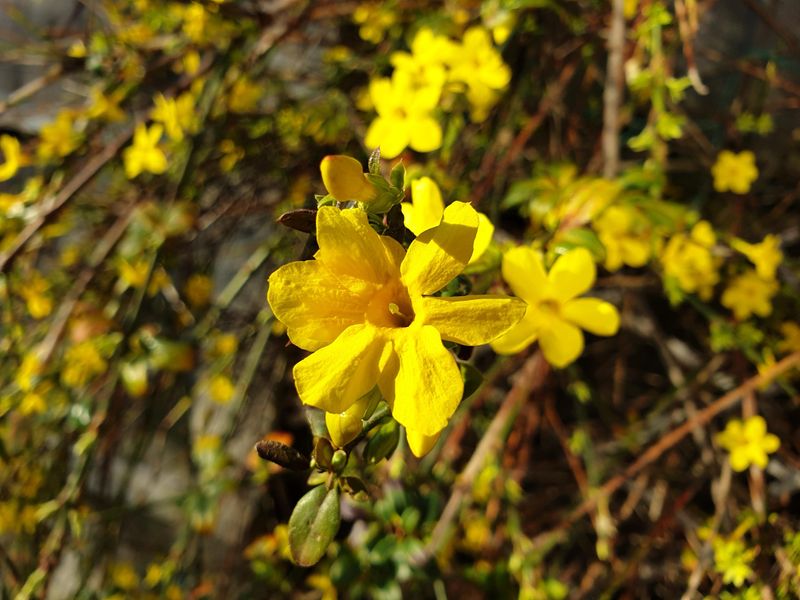
Cascading branches covered in sunny yellow flowers make winter jasmine a standout in February Oregon gardens. This deciduous shrub blooms on bare green stems before leaves appear, creating a spectacular display that brightens even the grayest Pacific Northwest days.
The cheerful yellow flowers seem to glow against winter’s muted landscape.
Planting winter jasmine in February allows the shrub to establish roots before putting energy into spring growth. Oregon’s mild winters provide ideal conditions for getting this plant settled into its new home.
The shrub grows quickly once established, reaching 4 feet tall and spreading even wider with its arching, fountain-like form.
Winter jasmine excels as a groundcover on slopes or as a cascading accent over walls and banks. The flexible stems root where they touch the ground, helping stabilize soil on hillsides common in Oregon landscapes.
Despite its delicate appearance, this plant is remarkably tough and adaptable.
Choose a planting site with full sun to partial shade. Winter jasmine isn’t fussy about soil as long as drainage is adequate, which makes it perfect for Oregon’s varied garden conditions.
Space plants 4 to 5 feet apart and water regularly during the first growing season. Prune after flowering to maintain shape and encourage more blooms for next winter’s display.
7. Witch Hazel
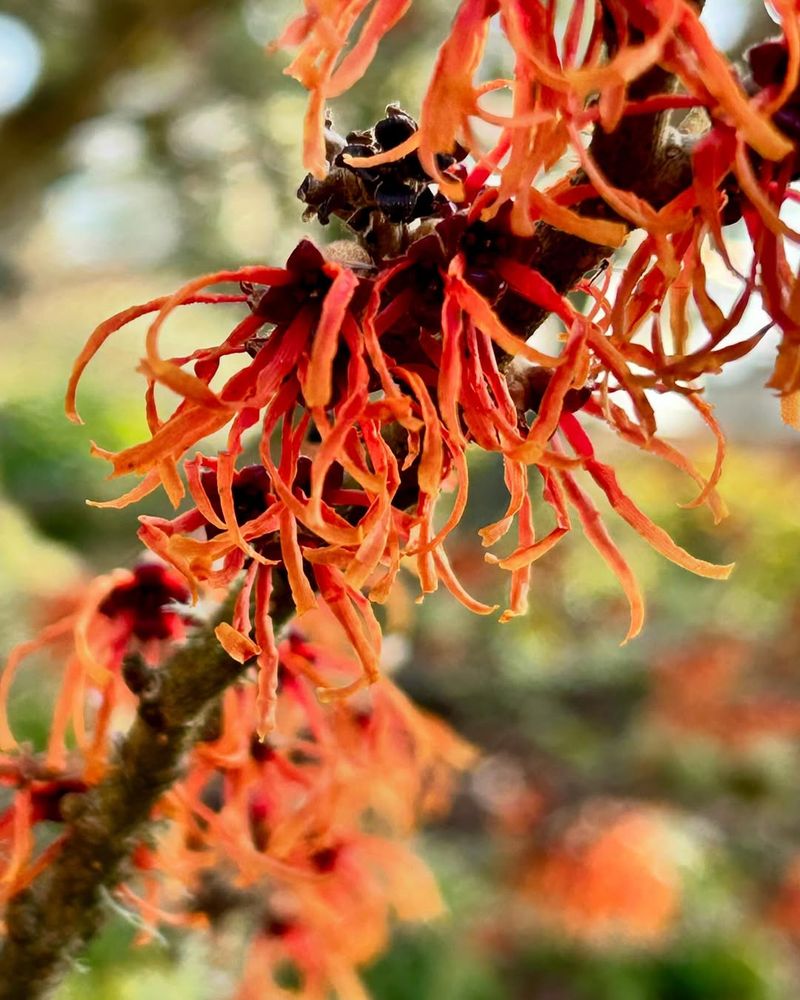
Spidery flowers in shades of yellow, orange, and red appear on witch hazel branches while most Oregon plants still sleep. This large shrub or small tree produces one of winter’s most unusual and fragrant blooms, with ribbon-like petals that unfurl on bare branches.
The sweet, spicy scent carries on cold February air, drawing attention to this remarkable plant.
February planting gives witch hazel time to establish before summer arrives in Oregon. These plants prefer the Pacific Northwest’s cool, moist conditions and will thrive in woodland garden settings.
Beyond winter flowers, witch hazel offers beautiful fall foliage in shades of yellow, orange, and red, providing two seasons of spectacular color.
Native and hybrid witch hazels both perform excellently in Oregon gardens. The plants grow slowly but steadily, eventually reaching 10 to 15 feet tall with an equally wide spread.
Their vase-shaped form and layered branching create attractive structure even when not in bloom.
Plant witch hazel in partial shade with rich, acidic soil amended with plenty of organic matter. Oregon’s naturally acidic soil suits them perfectly.
Space plants at least 8 feet apart to accommodate mature size. Water regularly during establishment, then let natural rainfall maintain these low-maintenance shrubs that will reward you with winter blooms for decades.
8. Crocus
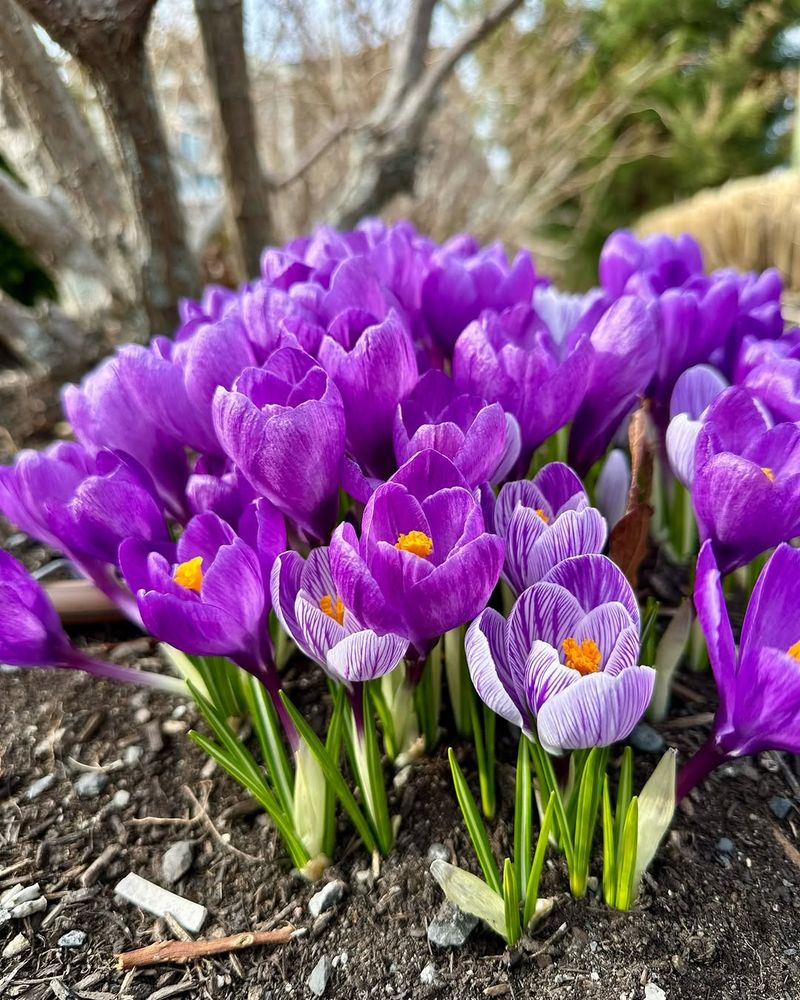
Cheerful crocus blooms pop up through Oregon lawns and garden beds like colorful confetti celebrating winter’s end.
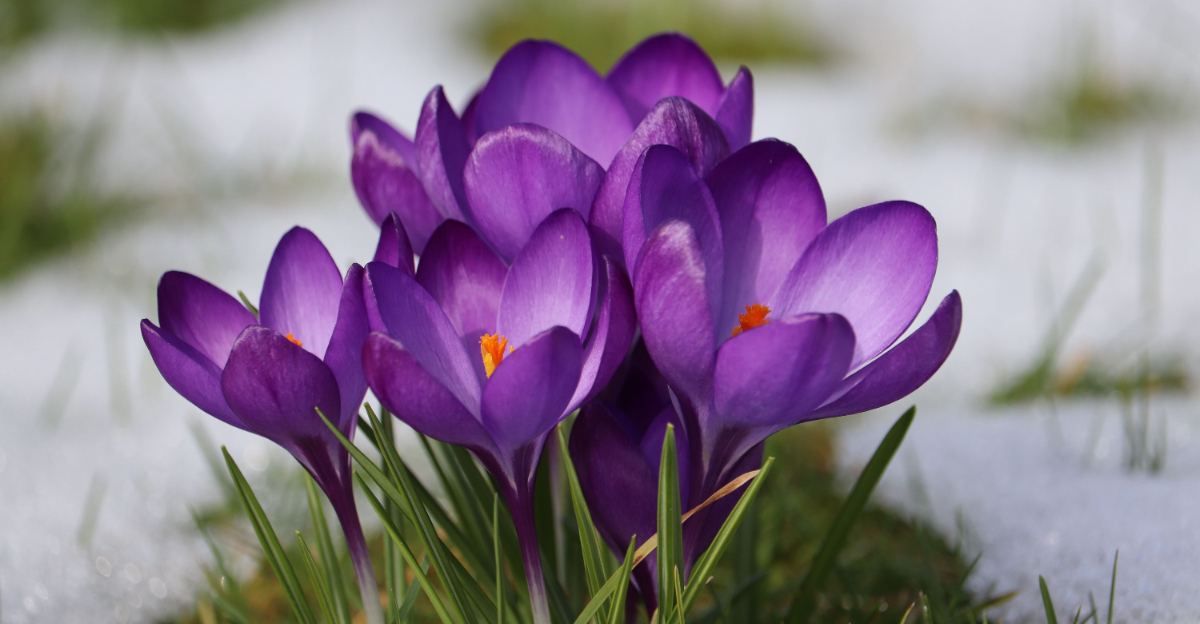
These small bulbs produce cup-shaped flowers in vibrant purples, sunny yellows, pristine whites, and striped combinations that bring instant joy to February landscapes.
Crocuses are often the first bulbs to bloom, sometimes pushing through snow to announce spring’s approach.
Planting crocus bulbs in February works well in Oregon if you find them available as growing plants. Many garden centers sell them in bloom during late winter, allowing you to see exactly what colors you’re getting.
Plant them immediately for instant gratification and years of future blooms.
These tough little bulbs naturalize beautifully across Oregon. They multiply over time, creating larger drifts of color that return reliably each year.
Crocuses work wonderfully planted in lawns, under deciduous trees, or scattered through garden beds where their early blooms won’t be overshadowed by larger plants.
Choose a sunny spot with well-drained soil for best results. Plant bulbs or growing plants about 3 inches deep and 3 inches apart.
Crocuses tolerate Oregon’s winter moisture but need good drainage to prevent bulb rot. Allow foliage to mature naturally after flowering, feeding the bulbs for next year’s display in your Pacific Northwest garden.
9. Violas
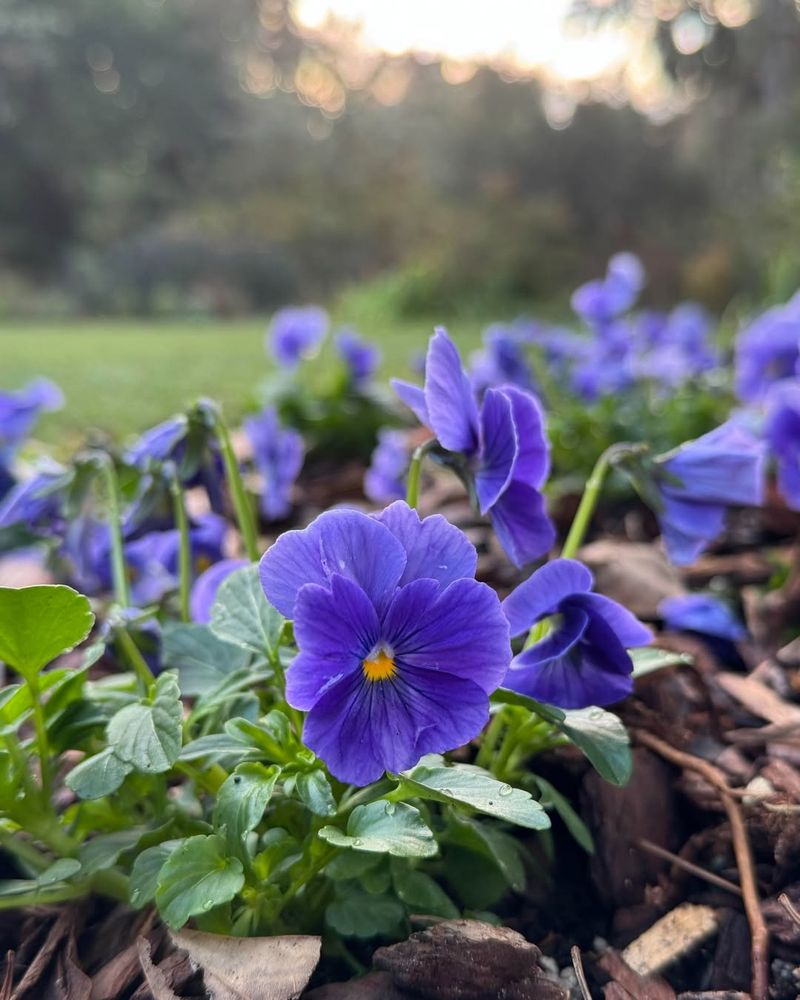
Miniature cousins to pansies, violas pack tremendous flower power into tiny packages perfect for Oregon’s February gardens. These compact plants produce masses of small, cheerful blooms that continue through winter and spring without pause.
Violas handle cold weather even better than their larger pansy relatives, making them ideal choices for Pacific Northwest conditions.
Planting violas now in Oregon gardens guarantees months of continuous color. The cool February weather encourages bushy, compact growth and abundant flowering.
These versatile plants work beautifully in containers, hanging baskets, window boxes, or tucked into garden beds where their cheerful faces provide close-up enjoyment.
Violas come in an incredible range of colors and patterns. Solid colors, bi-colors, and whiskered faces give you endless design options.
Many varieties offer light fragrance that’s especially noticeable on warm February afternoons in Oregon. The plants self-seed readily, often reappearing in unexpected spots to create delightful surprises.
Plant violas in full sun to partial shade with well-drained soil. In Oregon’s rainy climate, container planting works especially well, allowing you to move plants under eaves during extended wet periods.
Space plants 6 inches apart and deadhead regularly to encourage more blooms. With minimal care, violas will brighten your Oregon garden from February through late spring with their cheerful, non-stop flowering.