The Colorado Wildflower That Lives Only Above 11,000 Feet And Nowhere Else On Earth
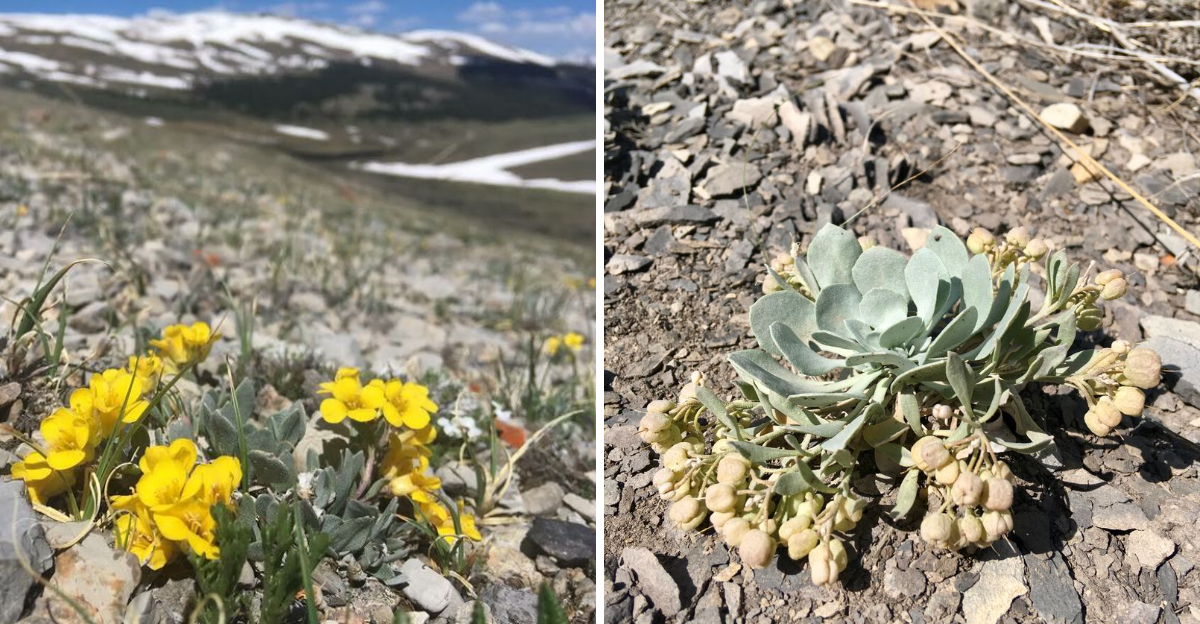
Picture yourself above treeline in central Colorado, where the wind never stops rehearsing and the air feels thin enough to sip. Rocks crunch underfoot, and the horizon looks like crumpled paper.
Down near your boots, tucked between pale gravel and frost-cracked stone, sits a silver rosette the size of a teacup. It looks tough, dusty, and almost easy to overlook.
Here is the twist: that little cushion of leaves and yellow blossoms lives in one small pocket of the Rocky Mountains and nowhere else on the planet. Botanists have searched, and the map stays stubbornly small.
So what makes a plant choose the harshest real estate in Colorado and refuse to move? Let’s meet one of the state’s most exclusive high country residents.
Meet Alpine Twinpod, Colorado’s One-Address Wildflower
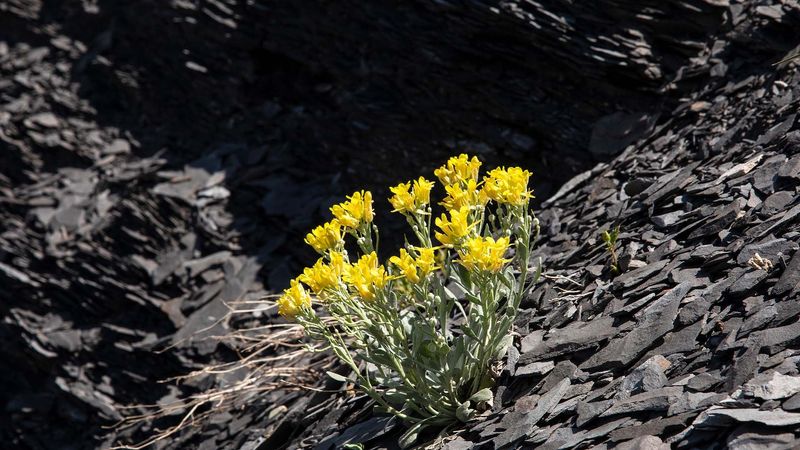
Botanists file it under the name Physaria alpina, though hikers simply call it alpine twinpod. It belongs to the mustard family, the same group that gave us broccoli and cabbage.
The whole species lives in a narrow band of central Colorado, spanning the Mosquito Range, the Elk Mountains near Avery Peak, and the northeastern Gunnison Basin, across roughly five counties.
Scientists describe that pattern as endemism, meaning a plant sticks to one small area and skips the rest of the world.
Nobody planted it there, and nobody has managed to establish it elsewhere for long. Botanists believe its lineage took shape on those windy limestone slopes, shaped over generations by ice ages and thin mountain air.
Fun fact: the common name comes from its seed pods, which grow in pairs like small inflated balloons. Once you spot that double-pod shape, the plant becomes surprisingly easy to recognize.
Because its entire population fits inside a few counties, botanists watch it closely. A single rough season or a poorly placed road can matter far more here than it would for a widespread wildflower.
For hikers, that rarity turns an ordinary tundra stroll into something closer to a treasure hunt. You are not just looking at a flower; you are looking at a Colorado original with no other population to fall back on.
Keep that in mind the next time you cross a high saddle above treeline. The small yellow cushion beside your boot may be one of the state’s most exclusive residents. Photograph it, then leave it exactly where it sits.
Why 11,000 Feet Of Wind And Ice Feels Like Home
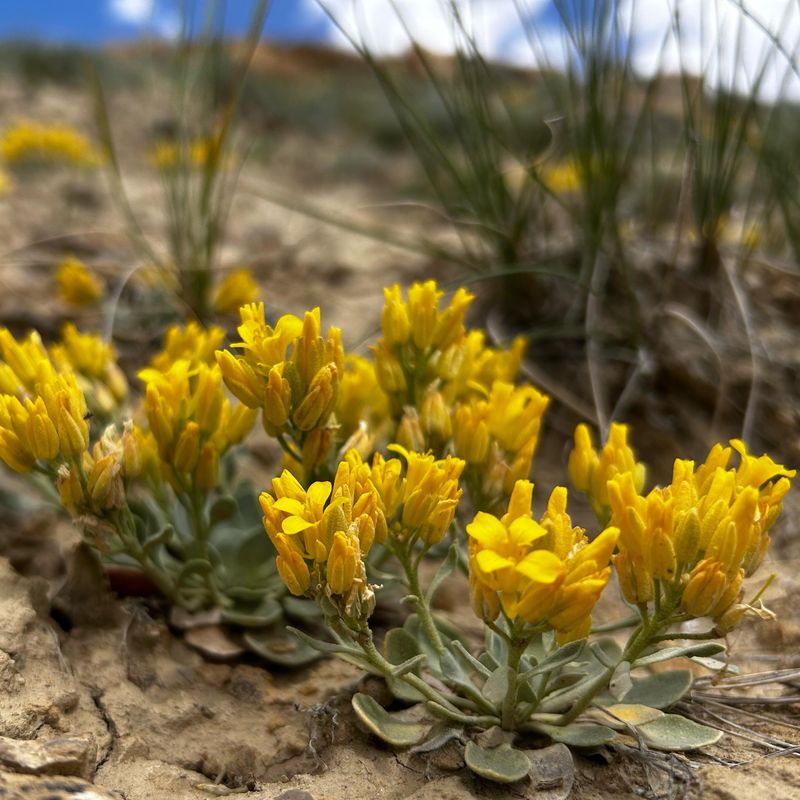
Most garden plants would sulk within a week up there. Winds scour the ridges, ultraviolet light pours down, and snow can arrive in any month of the year.
Alpine twinpod treats those conditions like ordinary Tuesday weather. Growing above roughly 11,000 feet means less competition, because taller grasses and shrubs simply cannot hold on in that gravel.
Its low, hugging shape is a clever answer to the wind. By staying just a few inches tall, the plant sits inside a thin pocket of warmer, calmer air right against the ground.
Deep roots do the heavy lifting below the surface. They anchor the rosette in loose, shifting rubble and reach for moisture left behind by melting snowbanks.
Your Colorado Garden Changes Every Week. Your Plan Should Too.
Gardening in Colorado changes quickly throughout the season. Every Friday you’ll receive a simple weekly plan showing exactly what to plant, prune, fertilize, harvest, and protect so you never miss the right timing.
Sunlight up high is intense, so the leaves come coated in tiny star-shaped hairs. That fuzzy layer scatters harsh rays and slows water loss on breezy afternoons.
There is a trade-off, of course. Living in a narrow altitude band leaves little room to shift if summers warm and the snowpack thins earlier each spring.
Researchers sometimes call these plants sky island specialists, since each mountain range acts like an island surrounded by warm lowlands. Moving to a friendlier neighborhood is not a realistic option for seeds that travel only a short distance.
Understanding that helps explain why the species stayed put for thousands of years. It found a home almost nothing else wanted, learned to thrive there, and quietly built an entire existence on Colorado’s roof.
Silver Leaves And Twin Pods Reveal It On The Trail
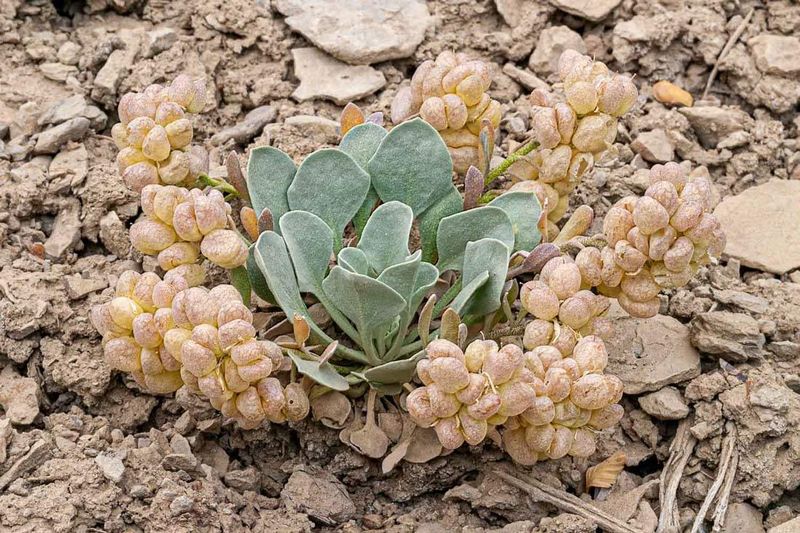
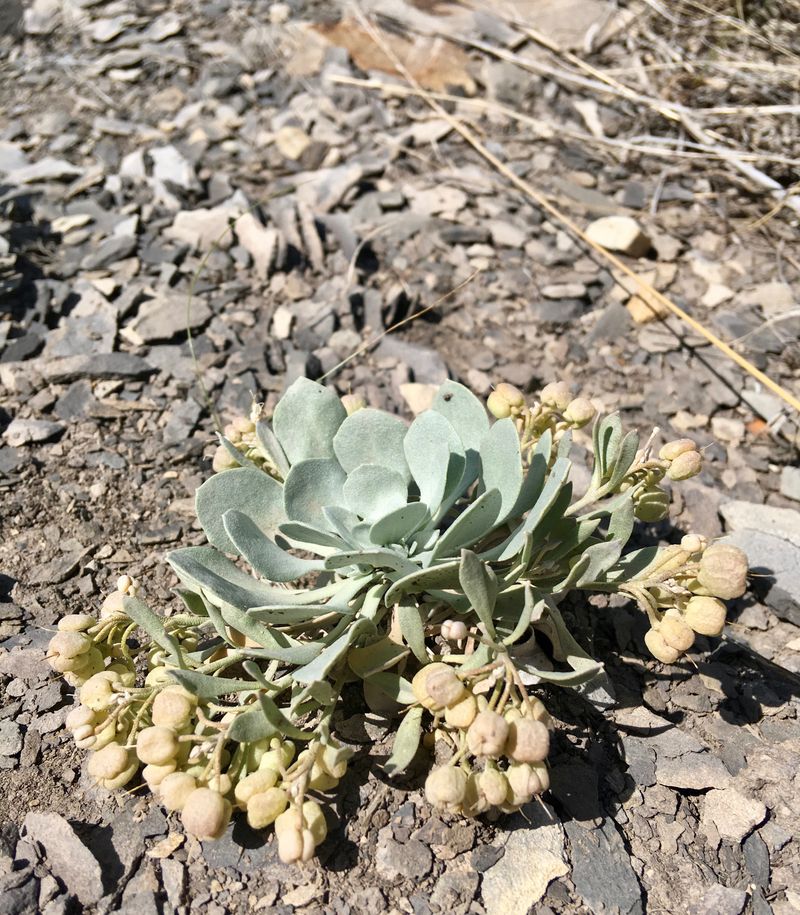
Start with the color. Long before flowers appear, the rosette looks frosted, a grayish silver that stands out against dark alpine rock.
Leaves grow in a flat circle close to the ground, spoon shaped and slightly thick. Run a finger nearby and you can see the dense fuzz that gives the plant its dusty sheen.
Flowers arrive in loose clusters on short stalks, each one bright yellow with four petals arranged in a neat cross. That four-petal pattern is a family signature shared with mustards and wild candytuft.
The real giveaway shows up later in summer. Seed pods swell into paired, rounded chambers that look like a pair of tiny puffed balloons joined at the middle.
Hold your camera low for the best photo. Shooting from ground level captures both the pods and the sweeping tundra behind them, which tells the whole story in one frame.
Watch out for lookalikes. Several other Physaria species grow in Colorado, and telling them apart often depends on pod shape, hair patterns, and elevation.
A pocket hand lens costs very little and turns identification into a genuine adventure. Under magnification, those star-shaped hairs look like frost crystals scattered across green skin.
Jotting down the date, elevation, and exact location makes your sighting useful to others. Apps that log observations let botanists track where rare populations still hold ground.
Once you learn the silver rosette and paired pods, your eye adjusts. Suddenly the tundra looks less empty and far more populated than you expected.
Picky About Rocks And The Limestone Connection
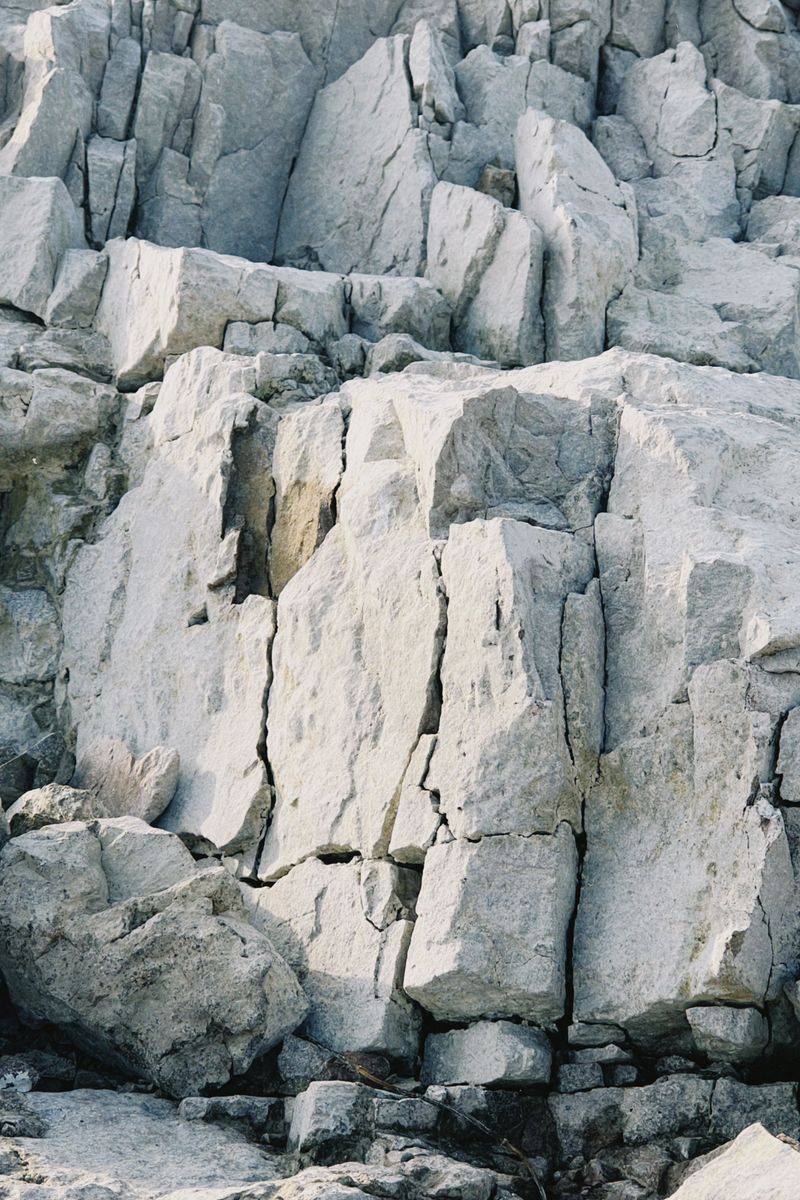
Soil chemistry sounds boring until you realize it decides where this wildflower can live. Alpine twinpod leans strongly toward pale, crumbly slopes built from limestone and dolomite.
Those rocks weather into soils rich in calcium and low in nutrients. Plants that tolerate that chemistry get whole hillsides mostly to themselves.
The Mosquito Range happens to hold big exposures of exactly that rock type at high elevation. Geology and altitude line up there in a way they rarely do elsewhere in the state.
Loose scree also helps. Constantly shifting gravel discourages thick mats of grass, leaving open gaps where seedlings can take root without being shaded out.
Gardeners who grow rock garden plants recognize this recipe instantly. Sharp drainage, gritty soil, and full sun mimic the conditions these specialists prefer.
That said, digging up wild plants is discouraged or restricted on most public land, and rules vary depending on the site’s designation. Reputable alpine plant nurseries offer related, easier species grown from seed if you want the look at home.
Mining history adds another wrinkle in this part of Colorado. Old workings sit on the same mineral-rich ground, so rare plants and historic disturbance sometimes share a single ridge.
Land managers now map these populations before approving trail work or road repairs. Knowing which slope holds a rare species helps them route projects around it.
Next time you hike a white, chalky-looking alpine slope, slow down. Unusual rock often signals unusual plants, and a few of them exist in only one small corner of the world.
A Fragile Blooming Window Measured In Only Weeks
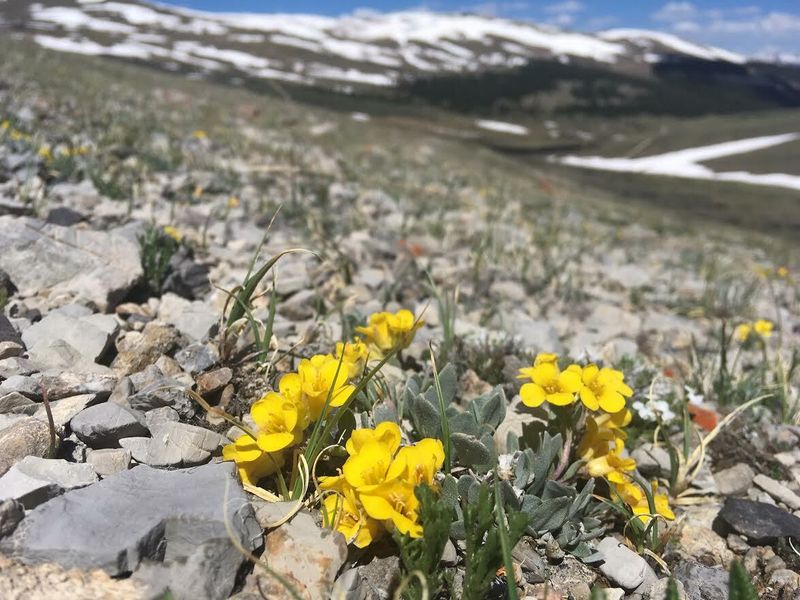
Summer on the tundra is less a season than a short appointment. Snow can linger into June, and fresh flakes may return by late August.
Alpine twinpod works within that squeeze. Flower buds form ahead of time, so blossoms can open quickly once soil warms and light grows strong.
Peak bloom generally falls between mid June and mid July, shifting with the year’s snowpack. A heavy winter pushes everything later; a dry one nudges it earlier.
Pollinators face the same crunch, which makes bright yellow petals worth the energy. Small native bees and flies work the flowers during calm morning hours before afternoon storms roll in.
Timing your hike matters for safety as much as flowers. Being back below treeline by early afternoon keeps you away from lightning risk on exposed ridges.
Bring layers even in July. Temperatures can swing sharply between a sunny saddle and a windy shoulder just minutes later.
If you miss the bloom, the trip is still worthwhile. Late summer brings those inflated twin pods, which photograph beautifully with low golden light behind them.
Local wildflower reports, ranger stations, and hiking forums help you guess the right week. Trail conditions and snow melt updates are usually more reliable than a calendar.
Patience pays here. Repeat visits across a few summers show how much a single alpine slope changes from season to season, and how tightly this small plant syncs its life to a very brief green window.
Tread Light And Help This Rare Wildflower Hang On
Here is the relevant math: a footprint on alpine tundra can take decades to heal. Plants that grow a fraction of an inch each year cannot bounce back quickly.
Staying on established trails is one of the most helpful habits. When a path braids or puddles, step on rock and gravel rather than cutting a new line through vegetation.
Picking flowers removes seeds the population needs. Photos last longer anyway, and they let the next hiker enjoy the same scene.
Dogs on leash keep from trampling wide patches while chasing marmots. Bikes and vehicles belong on designated routes only, since tire tracks scar tundra for years.
Volunteering adds real muscle to the effort. Groups across Colorado host trail restoration days above treeline, and the work is surprisingly satisfying.
Citizen science helps too. Uploading dated, located photos to observation platforms builds a record that researchers use to track rare plant populations over time.
Climate shifts pose the trickiest challenge, since a species already at the top of the mountain has limited room to climb. Protecting healthy habitat gives it a better shot at riding out warm decades.
Talking about it counts as conservation, oddly enough. Most visitors have no idea a globally unique wildflower grows within reach of some of Colorado’s best-known high peaks.
Treat those high slopes with the same care as a protected exhibit. Move carefully, look closely, share what you learn, and Colorado’s one-of-a-kind twinpod stands a better chance of surviving for future generations of hikers.