The Common April Mistakes That Affect Growth In Georgia Gardens
April can shape how a Georgia garden performs for the rest of the season, and small mistakes at this stage often lead to bigger problems later.
Plants begin to push new growth, soil conditions shift, and what seems like routine care can quickly work against healthy development if the timing or method is off.
Many issues do not show up right away, which makes them easy to overlook at first.
It is common to follow habits that seem right but do not match what plants actually need during this period. The result can be weak growth, poor structure, or stress that builds as temperatures rise.
A few adjustments made now can prevent those setbacks and support stronger results through spring and early summer.
1. Overwatering Soil That Is Already Holding Spring Moisture
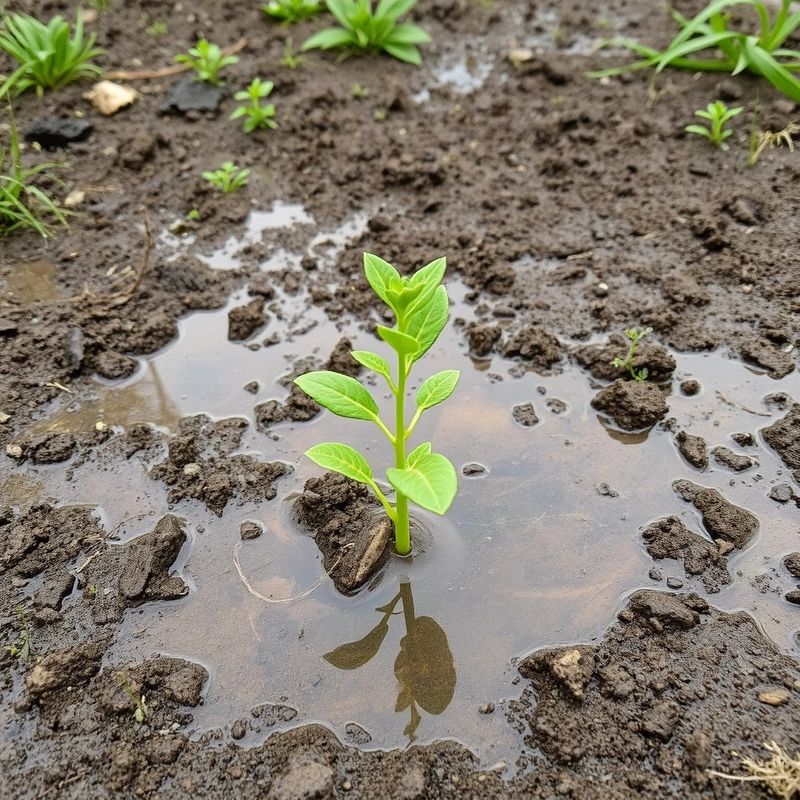
Soggy soil in April is more common than most Georgia gardeners expect, and adding more water on top of it causes real trouble fast.
Spring rainfall across the state can be heavy and frequent, which means your garden beds might already be holding more moisture than they appear to on the surface.
Sticking a finger two inches into the soil before reaching for the hose is a simple habit that saves a lot of grief.
Roots sitting in saturated ground cannot access oxygen, which slows nutrient uptake and weakens overall plant development. Yellowing leaves, mushy stems near the soil line, and slow new growth are all signs that moisture has built up too long.
Georgia clay soils are especially prone to holding water, so raised beds or amended plots with added compost tend to drain more reliably than untouched ground.
Watering schedules that worked fine in dry summer months simply do not apply in April. Rain gauges are inexpensive and genuinely useful for tracking how much moisture your garden has already received.
If your area gets more than an inch of rain in a week, skip supplemental watering entirely unless you have sandy soil that drains quickly.
Checking soil moisture at root depth rather than just at the surface gives a much more accurate picture. Pull back a small section of soil near your plant crowns and feel how wet it actually is before making any watering decisions.
Consistent monitoring through April keeps roots healthy and prevents the kind of slow decline that is hard to reverse once it takes hold.
2. Fertilizing Too Early Before Plants Fully Resume Active Growth
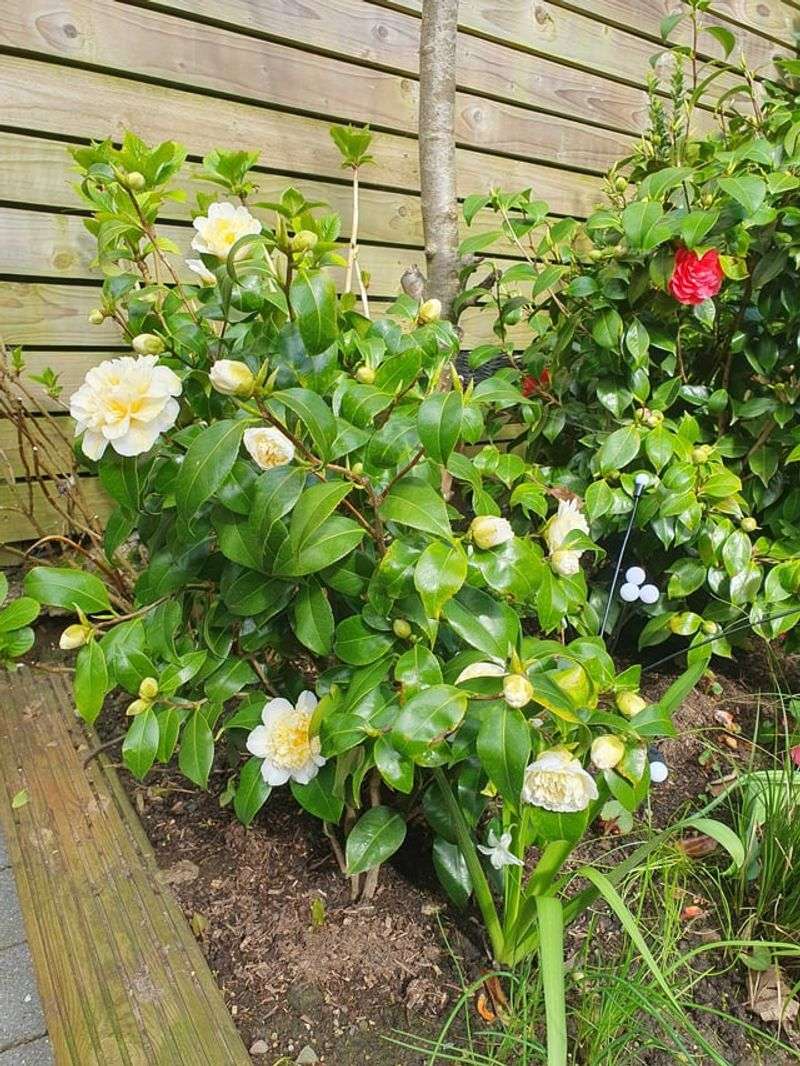
Grabbing the fertilizer bag the moment April arrives feels productive, but timing matters more than most people realize. Plants that have not yet fully broken dormancy or resumed active root growth cannot efficiently absorb nutrients pushed into the soil.
Fertilizing too early in Georgia can actually stress plants rather than support them, especially if a late cool spell follows right after application.
Soil temperature plays a bigger role here than air temperature. Even when daytime highs feel warm in Georgia, soil below four inches can still be too cool for roots to take up nutrients effectively.
Nitrogen applied before plants are actively growing can leach out of the soil with spring rains, wasting your effort and potentially running off into nearby waterways.
A better approach is to wait until you see clear signs of active new growth, such as fresh leaf buds opening or visible shoot extension. That visible activity signals that root systems are working and the plant can actually use what you apply.
For most Georgia gardens, mid to late April is a more appropriate window than the first warm week of the month.
Soil testing, which the University of Georgia Extension office supports through affordable kits, removes a lot of guesswork about what your garden actually needs. Fertilizing based on test results rather than habit or guesswork prevents over-application and protects long-term soil health.
Patience in early April almost always produces better results than rushing to feed plants that are not yet ready to respond.
3. Pruning Spring-Flowering Shrubs Before Bloom Finishes
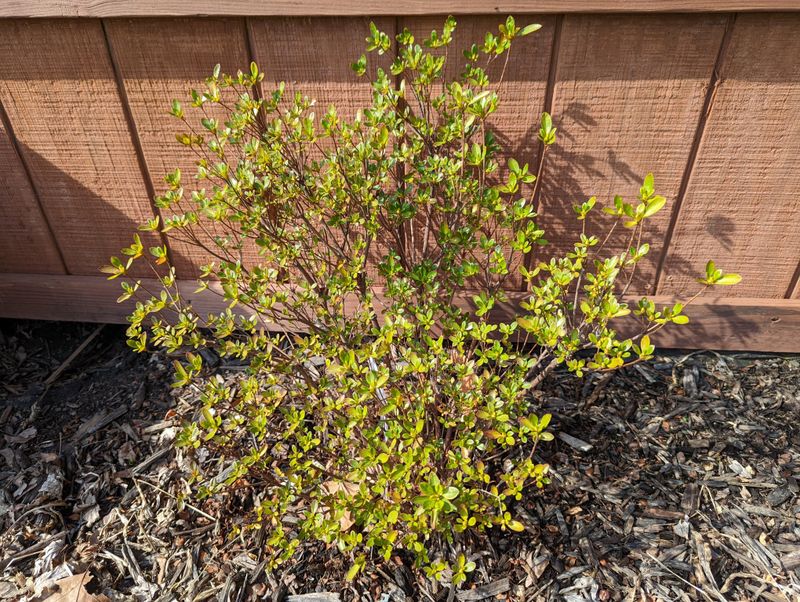
Azaleas, forsythia, and flowering quince are putting on a show across Georgia right now, and the urge to tidy them up can hit at exactly the wrong moment.
Pruning these shrubs before their blooms finish strips away the display you waited all winter to see and removes the developing buds that were already forming for next year.
One impatient afternoon with the pruning shears can set a shrub back significantly.
Spring-flowering shrubs set their buds on old wood from the previous season. Cutting into that growth before flowering is complete removes what the plant spent months preparing.
Waiting until the last blooms fade, typically by late April or early May in most parts of Georgia, gives you a clean window to shape and thin without affecting next year’s performance.
Right after bloom is actually the ideal time to prune these plants because the shrub quickly redirects energy into new growth. That new growth through late spring and summer is exactly what will carry next season’s flower buds.
Pruning at the correct time keeps the natural cycle intact instead of interrupting it.
Forsythia and spirea benefit from removing some of the oldest, thickest canes at the base rather than just shearing the outside shape.
Azaleas in Georgia respond well to light thinning right after bloom rather than heavy cutting, which can stress them heading into summer heat.
Sharp, clean tools and cuts made just above a leaf node give the shrub the best chance to bounce back strong before the Georgia heat settles in for good.
4. Planting Heat-Sensitive Crops Too Soon Before Stable Warm Weather
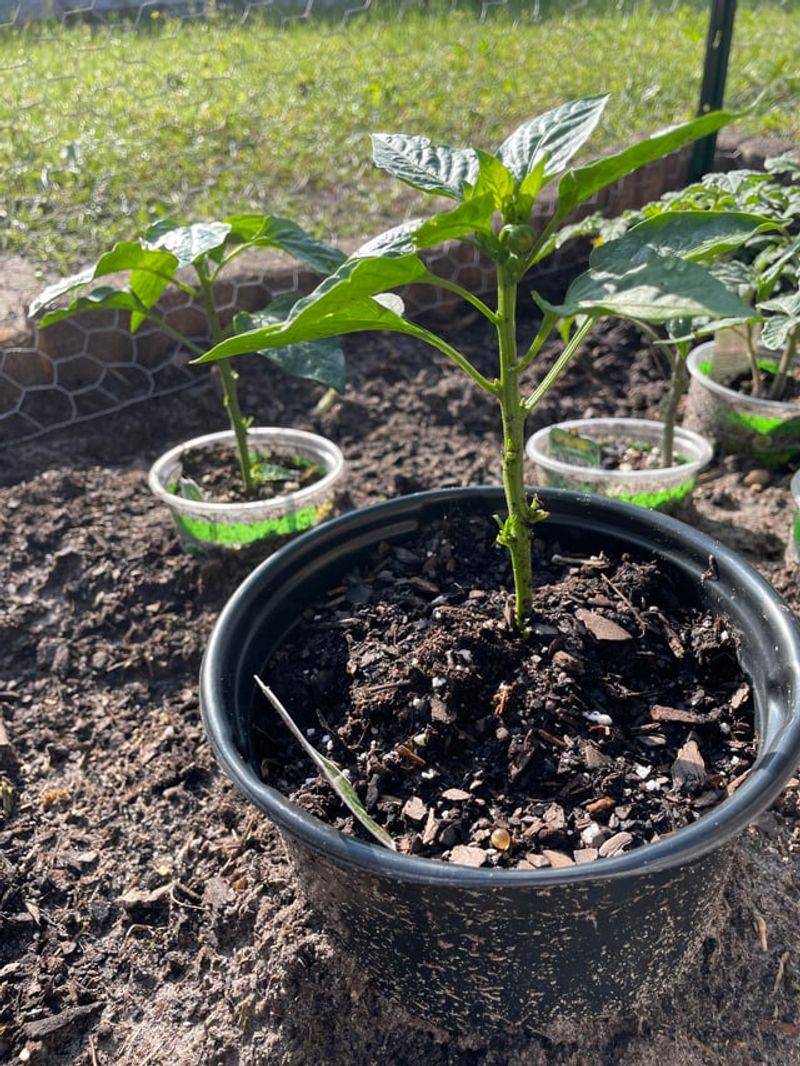
Warm days in early April across Georgia can make it feel like summer is already knocking.
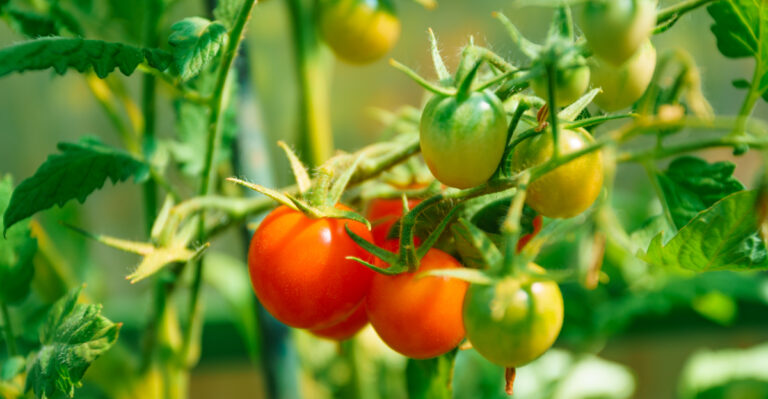
Tomatoes, peppers, and sweet potatoes all sit in the greenhouse or on the back porch looking ready to go, but putting them in the ground too soon is one of the most reliable ways to slow their development significantly.
Soil temperature is the factor that actually determines whether these crops establish well or just sit there struggling.
Tomatoes need consistent soil temperatures of at least 60 degrees Fahrenheit, and peppers prefer closer to 65 degrees before they truly settle in and grow.
Even if air temperatures are warm during the day, nights in Georgia can still drop into the low 40s through mid-April, pulling soil temperatures back down.
A soil thermometer costs very little and takes the guesswork out of planting decisions entirely.
Transplants put in too-cold soil do not just grow slowly. They often develop root problems, show yellowing from nutrient lockout, and become more vulnerable to early season pests and diseases.
A plant that goes in two weeks later under proper conditions will frequently outpace one that was rushed into cold ground.
Checking the UGA Extension frost date guides for your specific Georgia county gives you a reliable baseline for timing. North Georgia gardeners around the Blue Ridge foothills face later last frost dates than those in coastal areas near Brunswick or Savannah.
Matching your planting schedule to your actual location in Georgia, rather than following a general calendar, protects your investment in transplants and seeds from the start.
5. Ignoring Soil Compaction That Limits Root Development
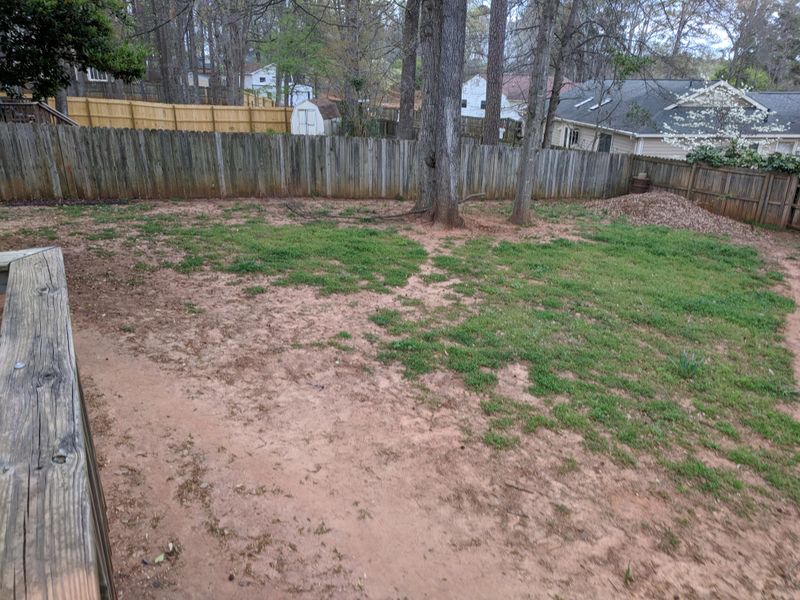
Georgia red clay has a reputation for a reason, and April is exactly when ignoring it starts to show up in your results. Compacted soil blocks root expansion, limits water infiltration, and cuts off the air pockets that roots depend on to function.
Walking repeatedly through garden beds during wet spring conditions presses that clay down even tighter and makes the problem worse than it was before the season started.
Roots that cannot penetrate compacted layers stay shallow and weak. Shallow roots make plants more vulnerable to drought stress later in summer, which hits Georgia gardens hard from June onward.
Dealing with compaction now, before plants are in the ground or just after transplanting, is far easier than trying to fix it mid-season without disturbing established root systems.
A garden fork pushed straight down and rocked gently back and forth loosens compacted layers without fully disrupting soil structure the way rototilling can.
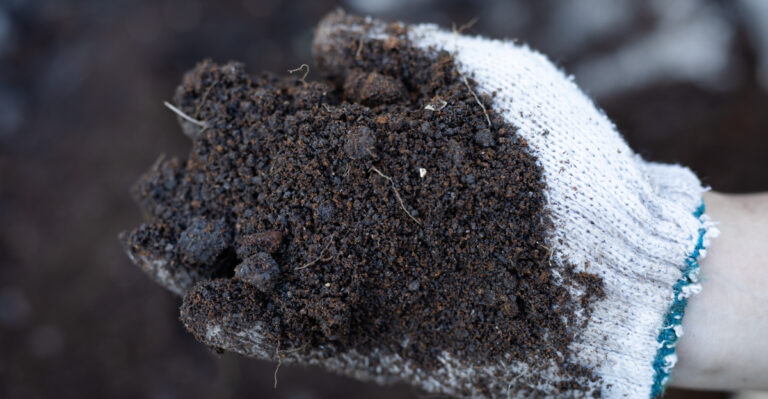
Adding compost and working it into the top six to eight inches improves both drainage and root penetration over time.
Sandy loam mixed into heavy clay beds is another approach that changes the physical texture of the soil rather than just temporarily loosening it.
Raised beds filled with quality amended soil sidestep compaction issues almost entirely and are worth considering if Georgia clay on your property is particularly dense or poorly draining. Permanent paths between beds keep foot traffic off growing areas, which prevents compaction from returning year after year.
Addressing this in April rather than waiting gives roots the best possible conditions from the moment they start spreading.
6. Applying Mulch Too Thickly And Trapping Excess Moisture
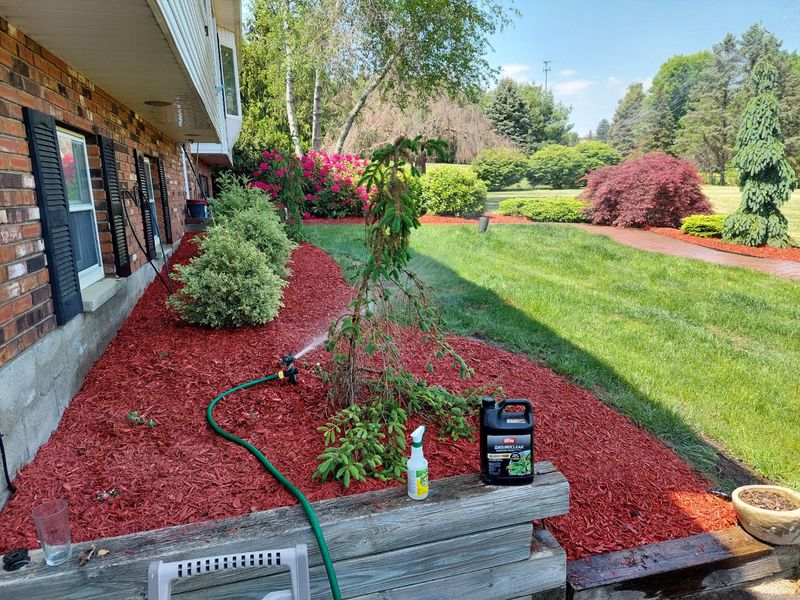
Mulch is genuinely useful in Georgia gardens, but piling it on too thick creates a different set of problems that are easy to overlook until damage is already done.
A layer deeper than three to four inches holds moisture against plant stems and crowns, creating conditions where fungal issues and stem rot can develop.
Spring is already a wetter season in Georgia, so trapping even more moisture under heavy mulch adds unnecessary risk.
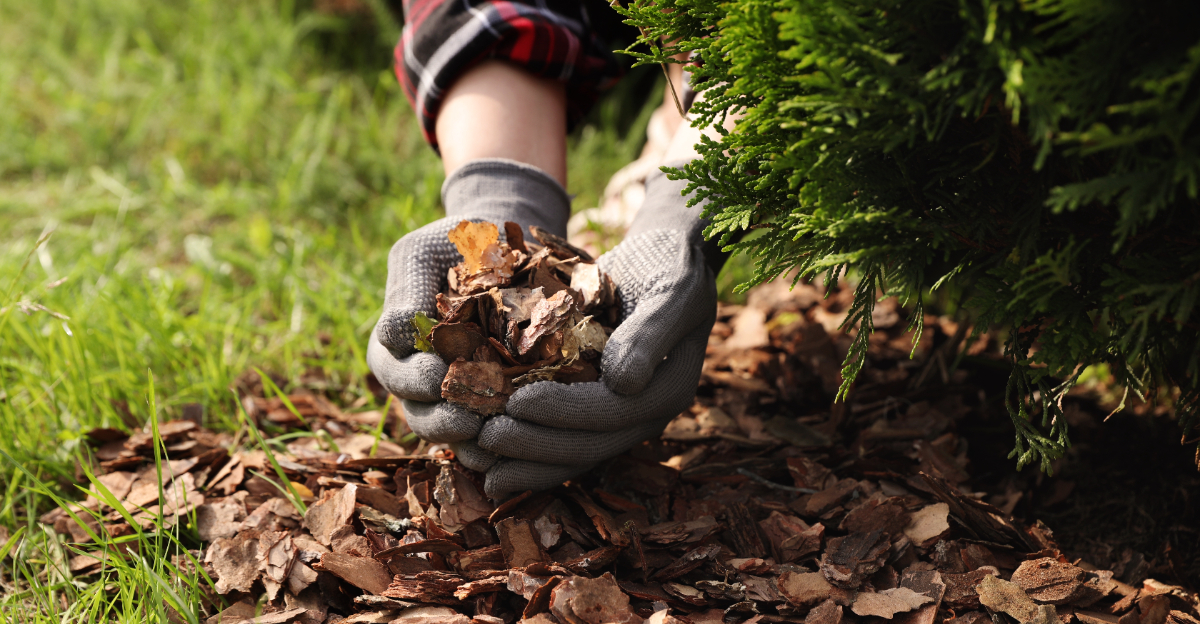
Pine straw and wood chips are the most common mulch materials used across Georgia, and both work well when applied correctly. Two to three inches is the practical sweet spot for most garden beds.
Beyond that, the benefits of moisture retention and weed suppression plateau while the risks of excess dampness and oxygen restriction at the root zone increase.
Mulch that sits directly against plant stems is one of the more common mistakes in both vegetable and ornamental gardens throughout the state. Keeping a gap of two to three inches between the mulch layer and any stem or trunk allows air to circulate at the base of the plant.
That small gap makes a noticeable difference in preventing the kind of slow stem damage that weakens plants heading into Georgia’s humid summer months.
Pulling back old mulch before adding new material is a step many gardeners skip. Old mulch that has become matted down or waterlogged can form a barrier that actually repels water rather than distributing it evenly.
Loosening existing mulch with a rake before topping it off keeps the layer breathable and functional throughout the growing season rather than becoming a problem in disguise.
7. Skipping Early Weed Control Before Growth Speeds Up
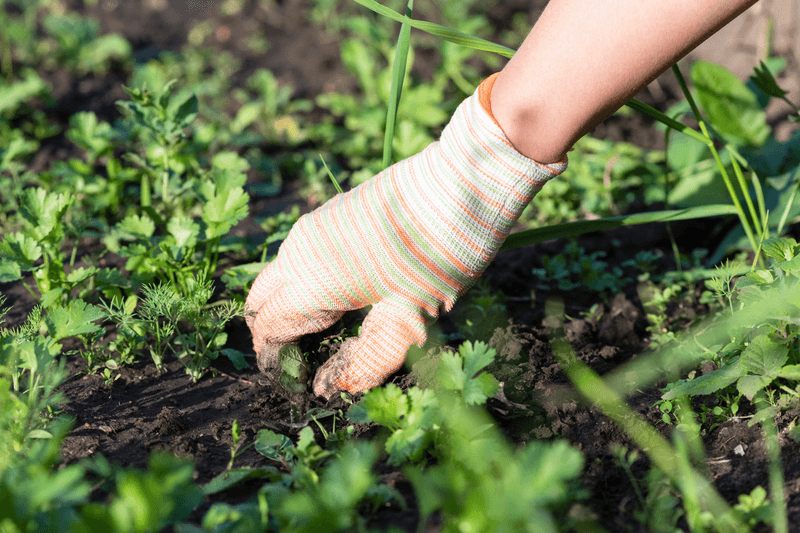
Weeds in early April look manageable because they are small, scattered, and easy to ignore. That is exactly when they are easiest to remove and exactly when most gardeners decide to deal with them later.
By the time late April arrives in Georgia, those same weeds have rooted deeply, gone to seed in some cases, and spread across areas that were clean just a few weeks before. Early action saves a lot of labor down the road.
Warm soil and consistent spring rain create near-perfect germination conditions for common Georgia weeds like chickweed, henbit, bittercress, and nutsedge.
Hand-pulling or shallow hoeing when weeds are still small, before they establish deep root systems, takes far less time and effort than dealing with mature plants.
Catching them before they set seed also reduces how many you will face in May and June.
Pre-emergent herbicides applied in early April can prevent many annual weed seeds from germinating in ornamental beds, but timing the application correctly matters. Applying pre-emergent too late, after seeds have already sprouted, provides no benefit.
Reading product labels carefully and following application rates prevents both wasted product and potential damage to desirable plants nearby.
Mulching after an initial weeding session helps suppress the next flush of germination. Combining physical removal with a proper mulch layer gives you two layers of defense against weed pressure through the rest of spring.
Staying consistent with a quick weekly walk-through of your Georgia garden beds in April keeps weed populations low enough to manage without turning it into an overwhelming task later in the season.