The Common Green Roof Mistake Many Indiana Residents Still Make
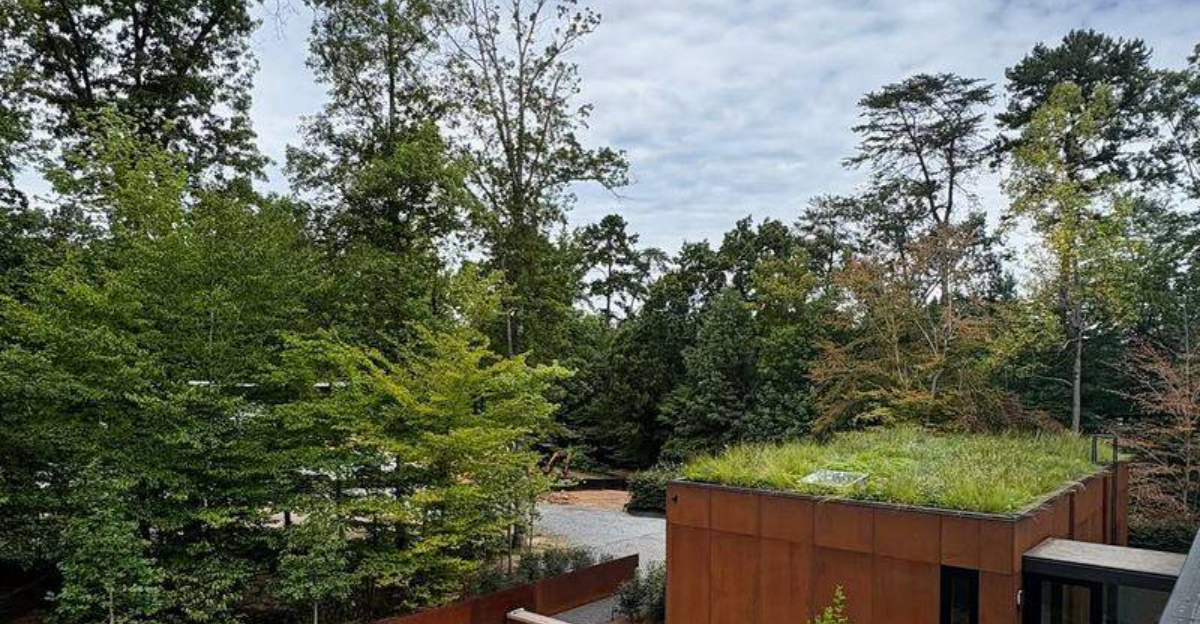
It’s wild how many Indiana gardeners are building gorgeous green roofs, only to accidentally pack them with regular garden soil that weighs too much and smothers the plants.
That simple mix-up is the biggest reason so many green roofs fail before they ever get a chance to shine.
And once you hear the reasons behind it, you’ll never look at a bag of soil the same way again.
1. Weight Overload Creates Structural Dangers
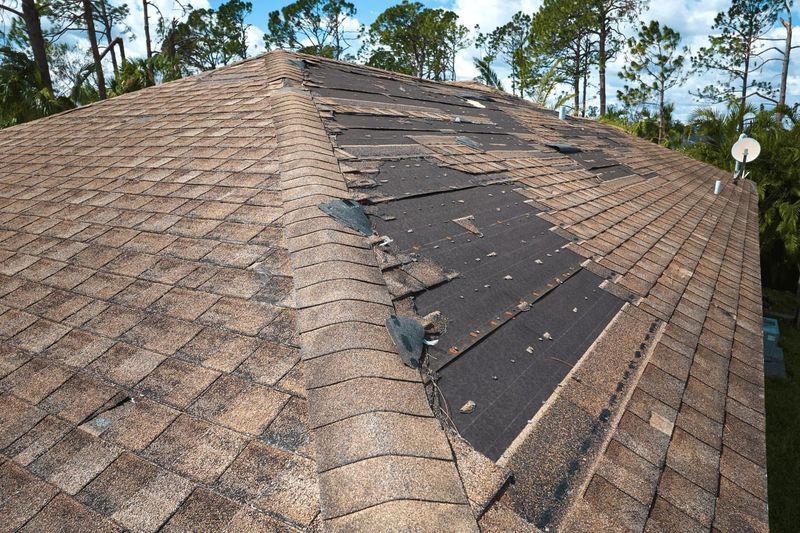
Regular soil weighs significantly more than engineered green roof media, especially when saturated with Indiana’s frequent rainfall.
Standard garden soil can weigh up to one hundred pounds per cubic foot when wet, creating tremendous stress on roof structures.
Most residential roofs in Indiana weren’t designed to support this excessive weight, leading to sagging, cracking, or worse structural issues.
Lightweight green roof media weighs only fifteen to fifty pounds per cubic foot, making it safe for typical roof construction.
Homeowners who use regular soil often discover their mistake only after expensive damage appears.
Structural engineers across Indiana frequently warn against using heavy materials on rooftops without proper load calculations.
The weight difference becomes especially critical during winter when snow adds even more pounds to already overburdened roofs.
Choosing appropriate lightweight media protects your investment and keeps your family safe from potential roof collapse.
Professional green roof installers throughout Indiana always calculate weight capacity before selecting growing materials.
Switching from regular soil to proper media can extend your roof’s lifespan by decades.
2. Drainage Problems Lead to Water Damage
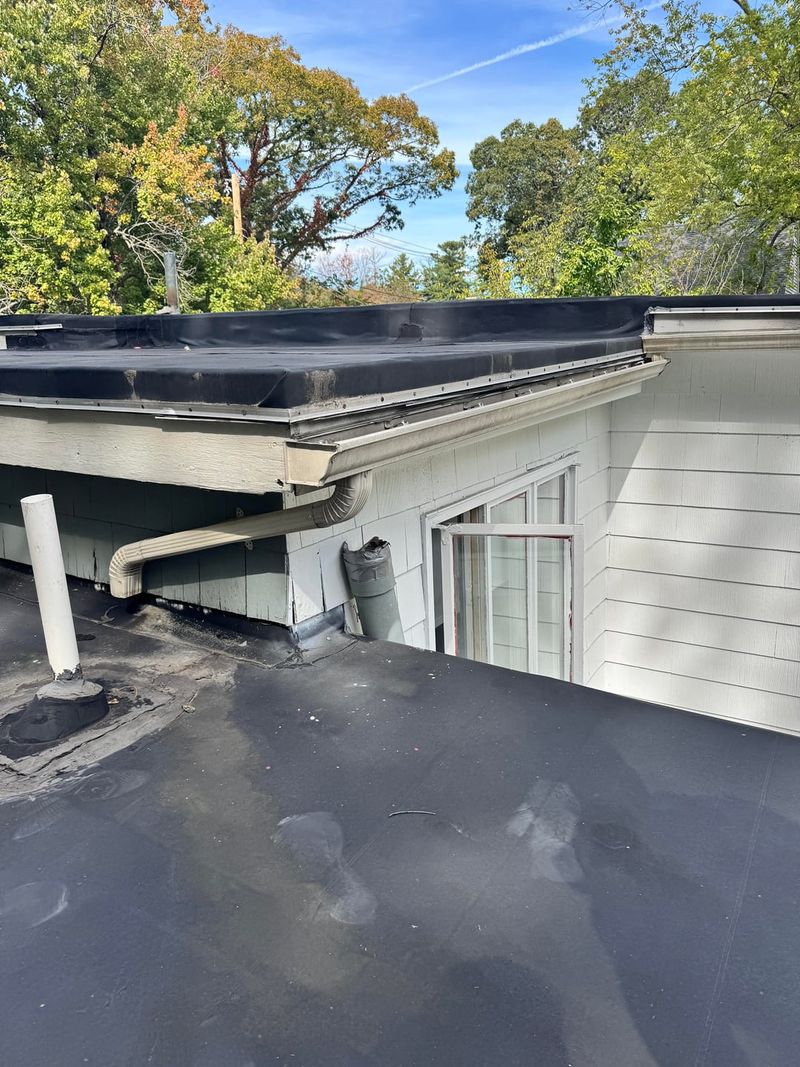
Garden soil compacts quickly on rooftops, creating dense layers that prevent water from draining properly through your green roof system.
Poor drainage causes water to pool on the surface, eventually seeping through waterproofing membranes and into your Indiana home.
Compacted soil acts like a sponge that holds moisture for extended periods, increasing the risk of leaks and interior water damage.
Engineered green roof media contains porous materials that allow water to flow freely while retaining just enough moisture for plants.
Indianapolis homeowners have reported ceiling stains and mold growth after using regular soil that prevented proper water movement.
Effective drainage systems require growing media with specific particle sizes and composition that regular soil simply cannot provide.
Water that cannot drain properly also adds significant weight to your roof, compounding the structural problems mentioned earlier.
Professional green roof media includes drainage layers and water retention zones that work together to manage Indiana’s variable precipitation.
Proper drainage protects your home’s interior while keeping plants healthy and thriving throughout the seasons.
Investing in quality growing media prevents thousands of dollars in future water damage repairs.
3. Compaction Suffocates Plant Root Systems
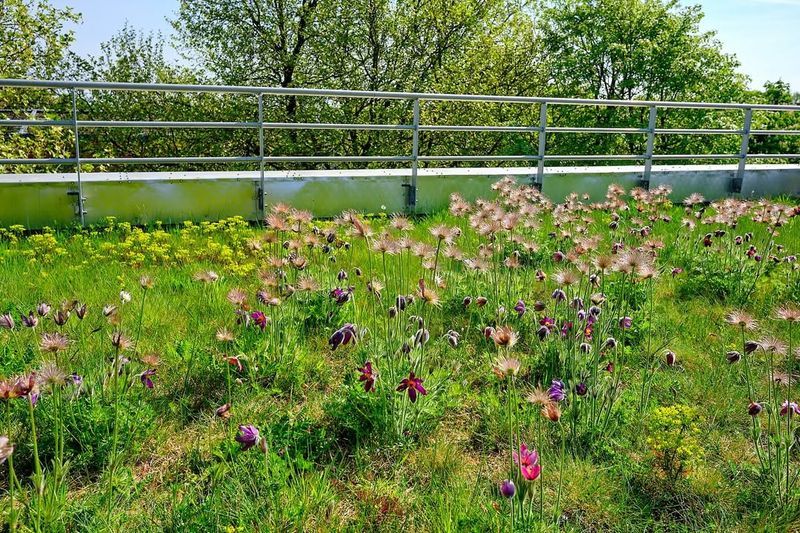
Traditional garden soil loses its structure under the constant weight and environmental exposure found on rooftops throughout Indiana.
Compacted soil eliminates air pockets that plant roots need to breathe, causing plants to struggle and eventually fail completely.
Root systems require oxygen to function properly, but compressed soil creates an environment where roots cannot access necessary air.
Green roof media maintains its loose structure for years, providing consistent air circulation even after settling from rain and weather.
Fort Wayne residents who planted beautiful gardens with regular soil watched their plants decline within months due to root suffocation.
Healthy root development depends on media that resists compaction while providing stable support for plants in windy rooftop conditions.
Compacted soil also prevents water from reaching deeper root zones, creating drought stress even when you water regularly.
Engineered media contains materials like expanded shale or clay that maintain porosity regardless of weather conditions or physical pressure.
Plants growing in proper media develop strong, extensive root systems that anchor them securely and help them thrive.
Choosing non-compacting media ensures your green roof remains vibrant and healthy for many years.
4. Nutrient Imbalances Cause Plant Failure
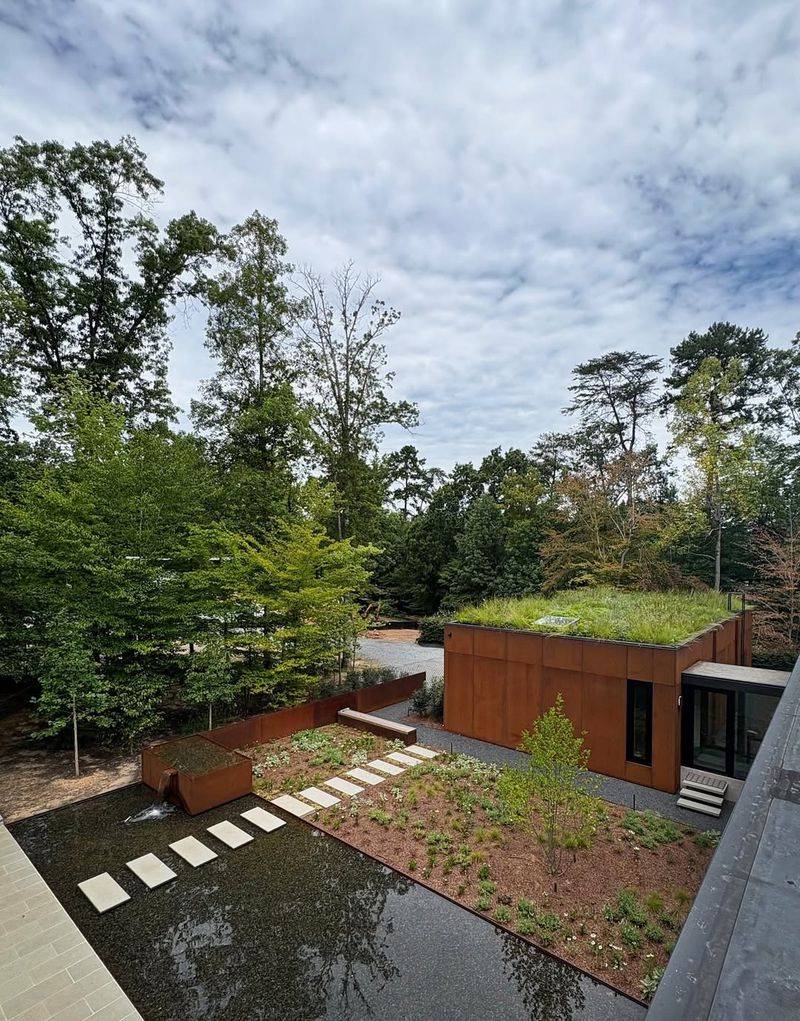
Regular soil from Indiana gardens contains unpredictable nutrient levels that change dramatically when exposed to rooftop conditions and weather patterns.
Excessive nutrients in garden soil can burn plant roots, while deficiencies leave plants unable to grow properly in the challenging rooftop environment.
Rain and irrigation wash nutrients through regular soil quickly, creating feast-or-famine conditions that stress plants and reduce their survival rates.
Specialized green roof media provides controlled nutrient release that matches plant needs throughout growing seasons without harmful fluctuations.
Evansville homeowners have struggled with plants that either grew too aggressively or barely survived due to inconsistent nutrient availability.
Engineered media includes organic components that release nutrients slowly, maintaining steady levels that support healthy growth without excessive maintenance.
Regular soil may also contain high salt concentrations from fertilizers, which become toxic when concentrated through evaporation on hot rooftops.
Professional green roof media undergoes testing to ensure appropriate nutrient composition for the specific plants you want to grow.
Balanced nutrition helps plants develop strong defenses against pests, diseases, and harsh weather conditions common throughout Indiana.
Proper media eliminates guesswork and provides the consistent growing conditions that green roof plants need to flourish year after year.
5. Weed Seeds Create Maintenance Nightmares
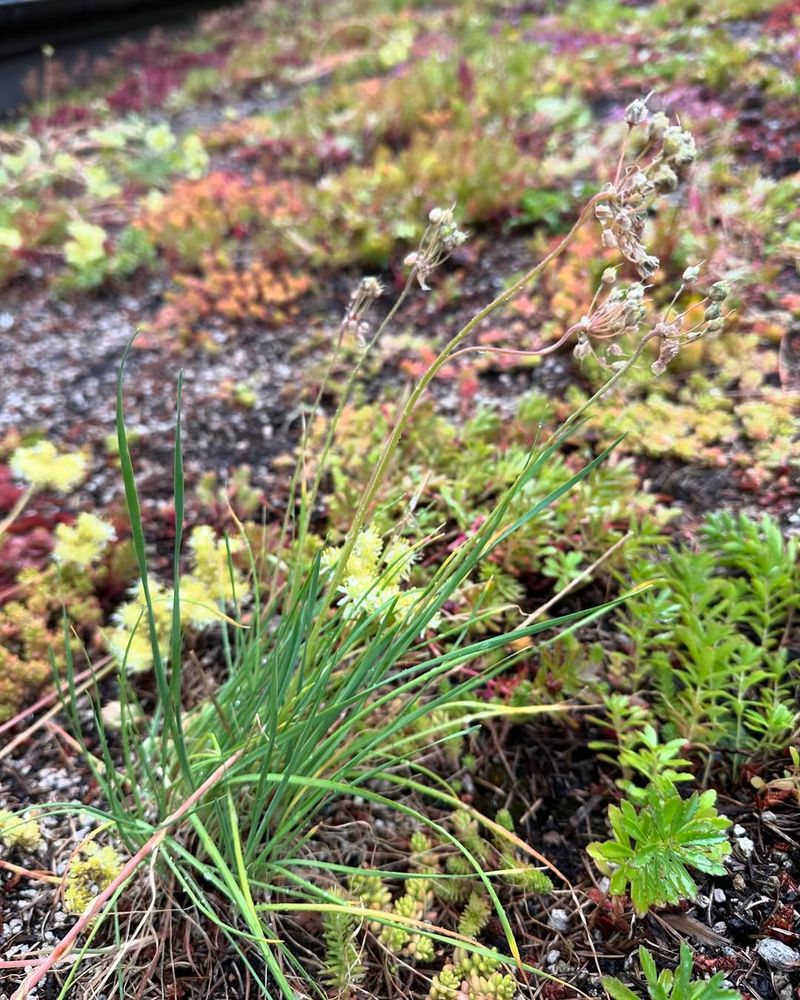
Garden soil harbors thousands of weed seeds that remain dormant until exposed to the sunlight and conditions found on rooftops.
Weeds compete aggressively with your chosen plants for water, nutrients, and space, often overtaking desired vegetation within a single growing season.
Removing weeds from a rooftop garden requires dangerous climbing and constant effort that most Indiana homeowners find exhausting and time-consuming.
Sterilized green roof media arrives free from weed seeds, reducing maintenance demands and helping your intended plants establish themselves successfully.
South Bend residents have watched their carefully planned green roofs transform into weed patches because they used soil from their yards.
Certain weed species develop deep root systems that can penetrate waterproofing membranes, creating leak pathways that damage your home’s interior.
Professional green roof media undergoes heat treatment or other sterilization processes that eliminate weed seeds while preserving beneficial properties.
Less time spent pulling weeds means more time enjoying the beauty and benefits your green roof provides to your property.
Starting with clean, sterile media gives your selected plants the best opportunity to thrive without unwanted competition.
Proper media choice transforms green roof maintenance from a weekly chore into an occasional pleasant task.
6. Pest Introduction Threatens Plant Health
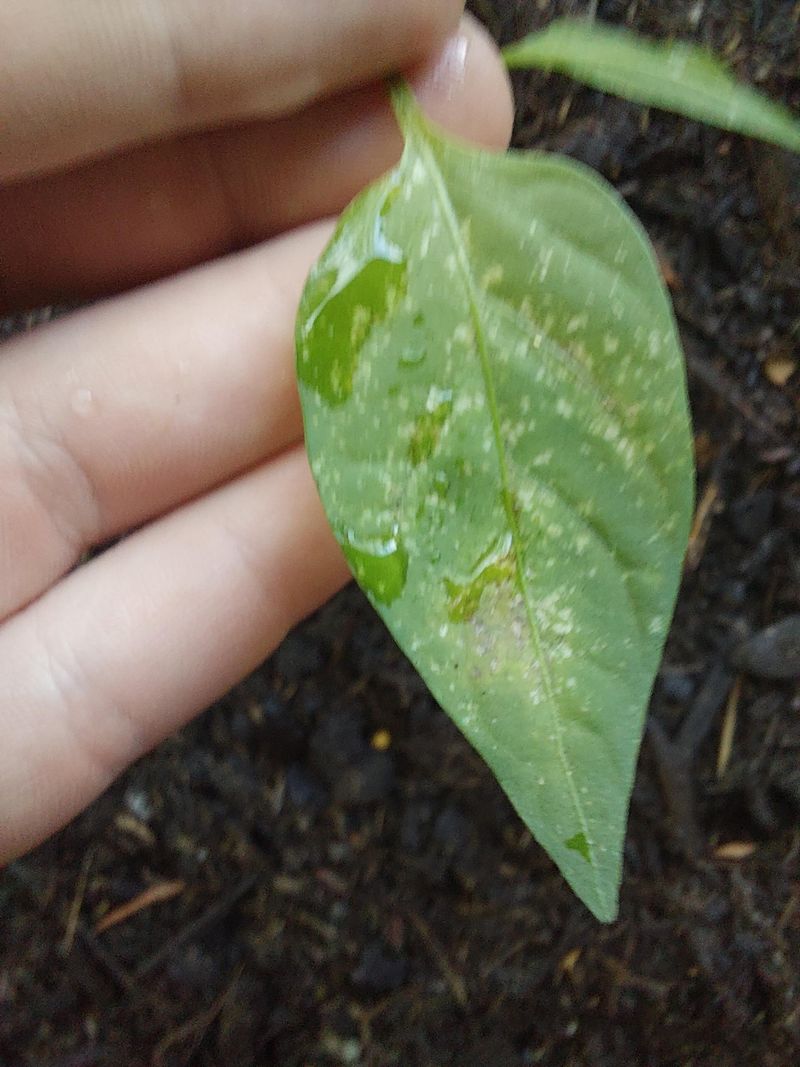
Regular soil contains insects, larvae, and other organisms that can multiply rapidly in the isolated ecosystem of your Indiana green roof.
Pests brought up in garden soil find few natural predators on rooftops, allowing populations to explode and devastate your plants.
Grubs, beetles, and other soil-dwelling insects can chew through roots and foliage, turning a beautiful green roof into a damaged eyesore.
Sanitized green roof media eliminates these hitchhikers, giving your plants a pest-free start that reduces the need for treatments.
Bloomington homeowners have battled infestations that started with contaminated soil, requiring expensive pest control interventions to save their green roofs.
Some soil organisms also include disease pathogens that infect plants under the stressful conditions found on exposed rooftops.
Professional media undergoes quality control processes that remove harmful organisms while maintaining beneficial microbial communities that support plant health.
Starting with clean media means fewer chemicals needed on your roof, protecting the environment and reducing maintenance costs significantly.
Healthy plants growing in proper media develop natural resistance to the occasional pests that might arrive via wind or birds.
Choosing sterilized media provides peace of mind and protects your investment from hidden threats lurking in regular garden soil.
7. Temperature Extremes Stress Plant Roots
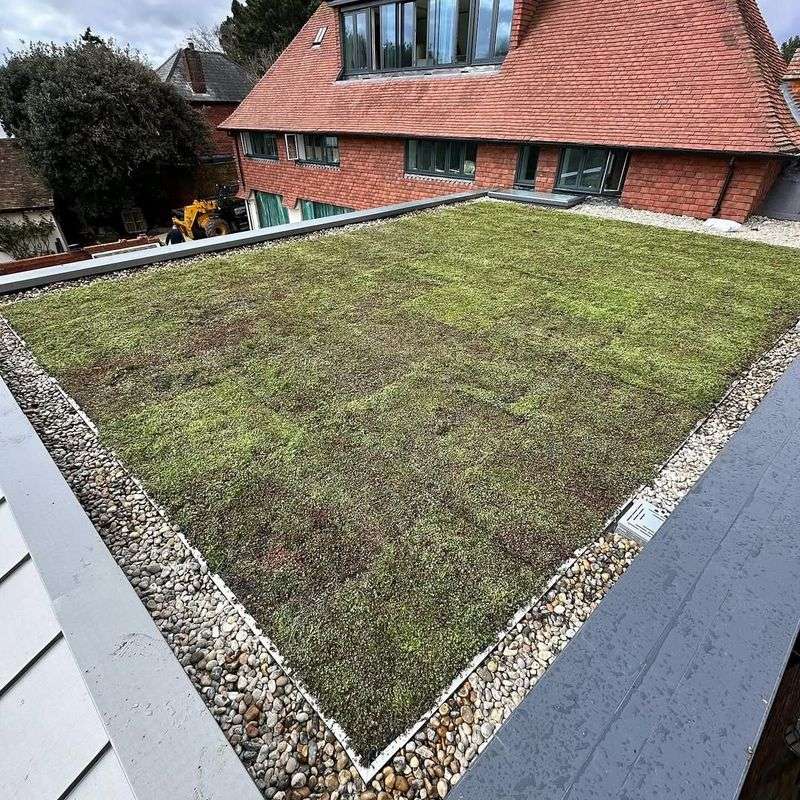
Regular soil lacks the insulating properties needed to protect plant roots from the extreme temperature swings experienced on Indiana rooftops.
Rooftop surfaces can reach temperatures twenty to thirty degrees higher than ground level during summer, baking roots in regular soil.
Winter cold penetrates deeply through standard soil, freezing root systems and causing plant decline when spring arrives across the state.
Engineered green roof media contains materials that buffer temperature changes, keeping root zones more stable regardless of surface conditions.
Lafayette residents have lost entire green roof plantings after harsh winters because regular soil provided inadequate insulation for sensitive roots.
Proper media maintains temperatures within ranges that allow roots to function year-round, supporting plant survival through Indiana’s variable climate.
Temperature-stressed plants become vulnerable to diseases and pests, creating cascading problems that compromise your entire green roof system.
Professional media formulations include components specifically chosen for their thermal properties, protecting plants from both heat and cold extremes.
Stable root zone temperatures allow plants to establish quickly and develop the resilience needed for long-term rooftop survival.
Investing in temperature-regulating media ensures your green roof remains attractive and functional through every season Indiana throws at it.
8. pH Levels Shift Creating Toxic Conditions
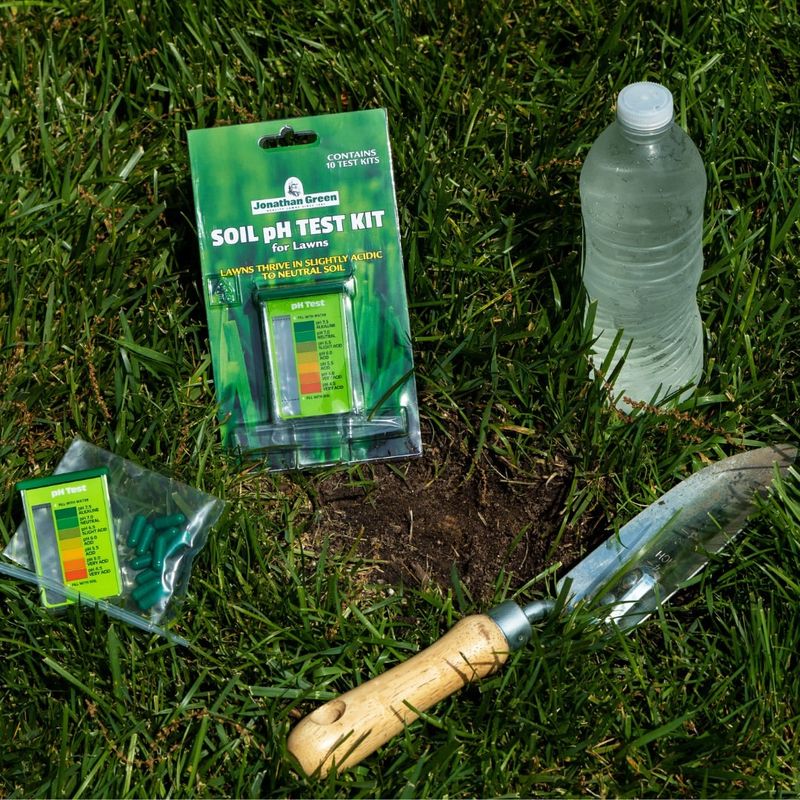
Garden soil pH changes unpredictably when exposed to rooftop conditions, rainfall patterns, and materials used in roof construction throughout Indiana.
Extreme pH levels lock nutrients in forms plants cannot absorb, leading to deficiencies even when adequate nutrition exists in the soil.
Regular soil may react with roofing materials, creating alkaline or acidic conditions that poison plant roots and prevent healthy growth.
Green roof media maintains stable pH levels within ranges that support plant health regardless of environmental factors or weather conditions.
Muncie homeowners discovered their plants failing mysteriously until soil tests revealed pH levels far outside acceptable ranges for plant survival.
Correcting pH problems in regular soil requires ongoing amendments and monitoring, adding significant maintenance burden to your green roof project.
Engineered media includes buffering components that resist pH changes, providing consistent growing conditions that plants can depend on year after year.
Stable pH allows beneficial soil microorganisms to thrive, creating a living system that supports plant health through natural biological processes.
Plants growing in properly formulated media focus energy on growth and flowering rather than struggling against chemical imbalances.
Choosing pH-stable media eliminates another variable that can turn your green roof dream into a frustrating failure.