The 7 Common Mistakes California Gardeners Make With Avocado Trees
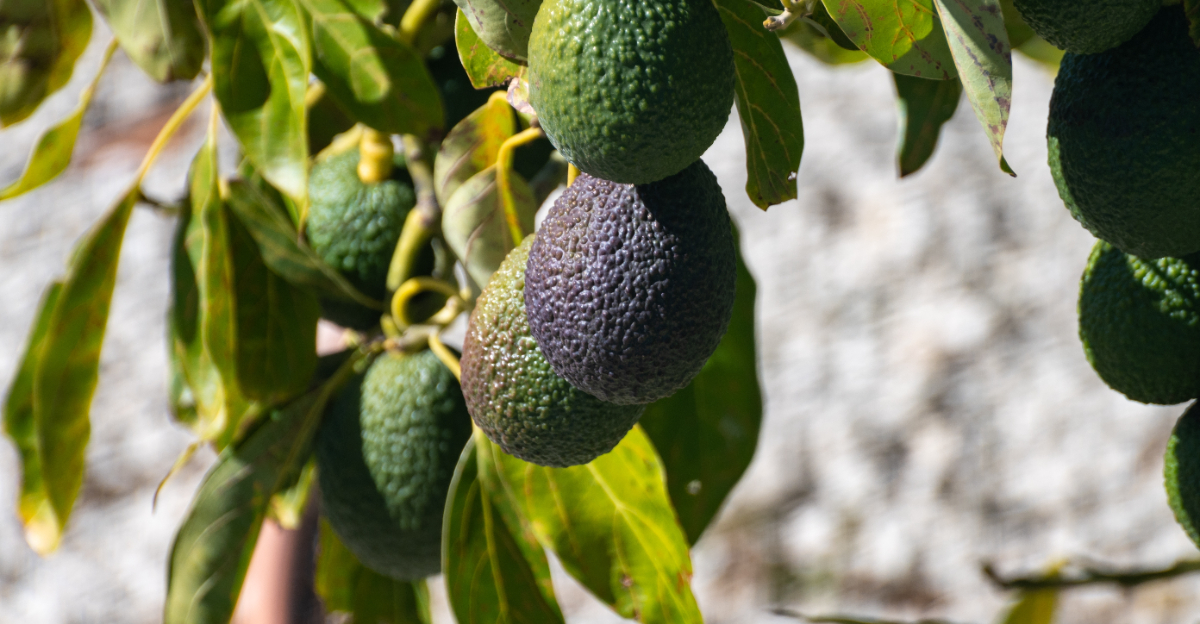
Avocado trees seem like the ultimate California garden flex. They are sunny, productive, and somehow make any backyard feel a little more dreamy.
So when one starts dropping leaves, refusing to fruit, or looking downright miserable, it can be seriously frustrating. The tricky part is that avocado trees are a little pickier than they look.
A lot of gardeners assume that because they grow so well in California, they can pretty much take care of themselves. Not quite.
These trees have opinions, and they are not shy about showing them. Too much water, bad placement, heavy pruning, or even a small planting mistake can lead to big problems later.
The good news is that most avocado trouble starts with a few very common missteps, and once you know what they are, they are surprisingly easy to avoid. A healthier tree, better growth, and more homegrown avocados could be a lot closer than you think.
1. Planting In The Wrong Spot
Location is everything when it comes to avocado trees, and getting this wrong from the start can set your tree up for years of struggle. Avocados need full sun, which means at least six to eight hours of direct sunlight each day.
Planting in a shaded spot, near a large structure, or under other trees will limit growth and reduce fruit production significantly.
In California, the best spots tend to face south or west, where the tree can soak up maximum sun throughout the day. Coastal areas like Ventura and Santa Barbara offer great natural conditions, but even there, poor placement can cause problems.
Avoid low-lying areas where cold air settles overnight, as avocados are surprisingly sensitive to frost damage.
Soil drainage matters just as much as sunlight. Avocado roots need oxygen to stay healthy, and waterlogged soil suffocates them quickly.
Never plant in a spot where puddles tend to form after rain. If your yard has heavy clay soil, consider planting on a raised mound to improve drainage and give the roots room to breathe.
Think of the planting spot as the foundation of everything. A tree planted in the right location will reward you with strong growth, fewer problems, and a much better fruit harvest down the road.
Take time to choose wisely before you ever put a shovel in the ground.
2. Watering Too Often
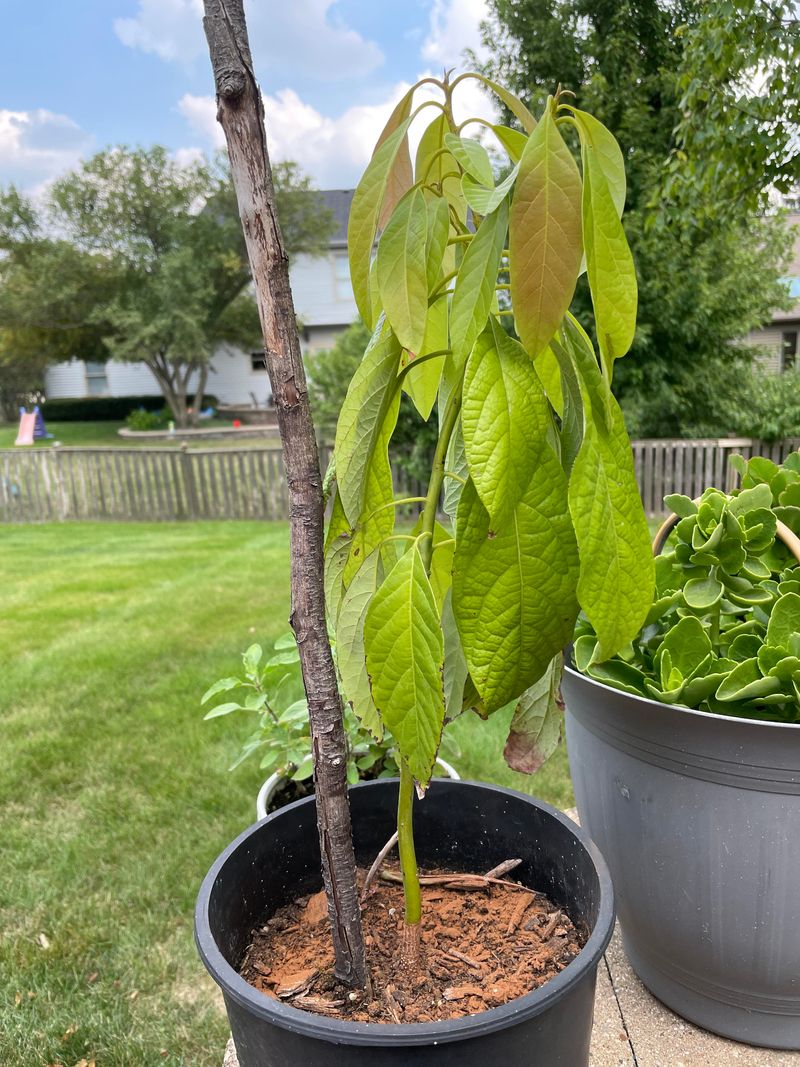
Overwatering is probably the single most common mistake California avocado growers make. It seems harmless enough, maybe even caring, to water your tree every day.
But avocado roots simply cannot handle sitting in constantly wet soil. When the roots stay wet for too long, a fungal disease called Phytophthora root rot sets in, and it is incredibly hard to reverse once it takes hold.
Healthy avocado roots need cycles of wet and dry. After a deep watering, the soil should be allowed to dry out partially before the next watering session.
A good rule of thumb is to water deeply once or twice a week during the warm summer months, and even less frequently during the cooler winter season in California.
One easy way to check if your tree needs water is to stick a wooden dowel or screwdriver about six inches into the soil near the root zone. If it comes out moist or with soil clinging to it, hold off on watering.
If it comes out dry, it is time to water.
Many California gardeners also rely on automatic irrigation systems, which can accidentally overwater if not adjusted seasonally. Check your timer settings regularly and update them as the weather changes throughout the year.
A little attention to your watering schedule goes a long way toward keeping your avocado tree strong and productive.
3. Watering Too Shallowly
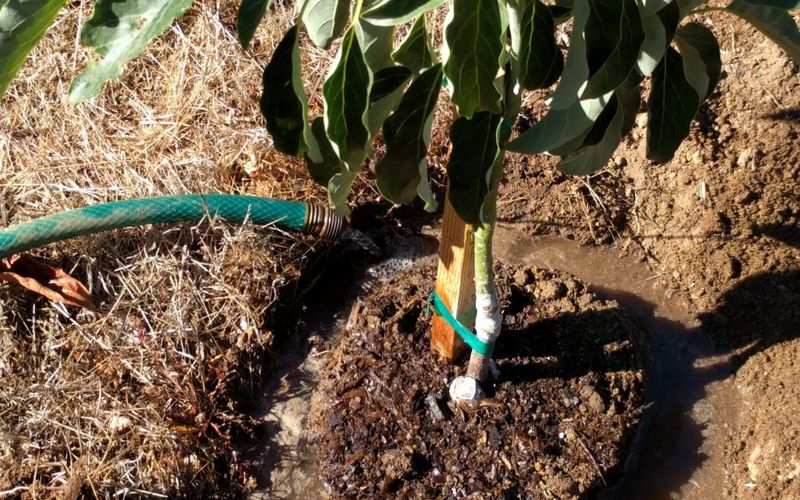
On the flip side of overwatering is shallow watering, and it causes just as many problems for avocado trees in California. When you water lightly and briefly, only the top inch or two of soil gets wet.
The roots follow the moisture, so they stay near the surface instead of growing deep into the ground where they belong.
Shallow roots make the tree vulnerable in several ways. During a heat wave, which California sees plenty of, surface soil dries out fast.
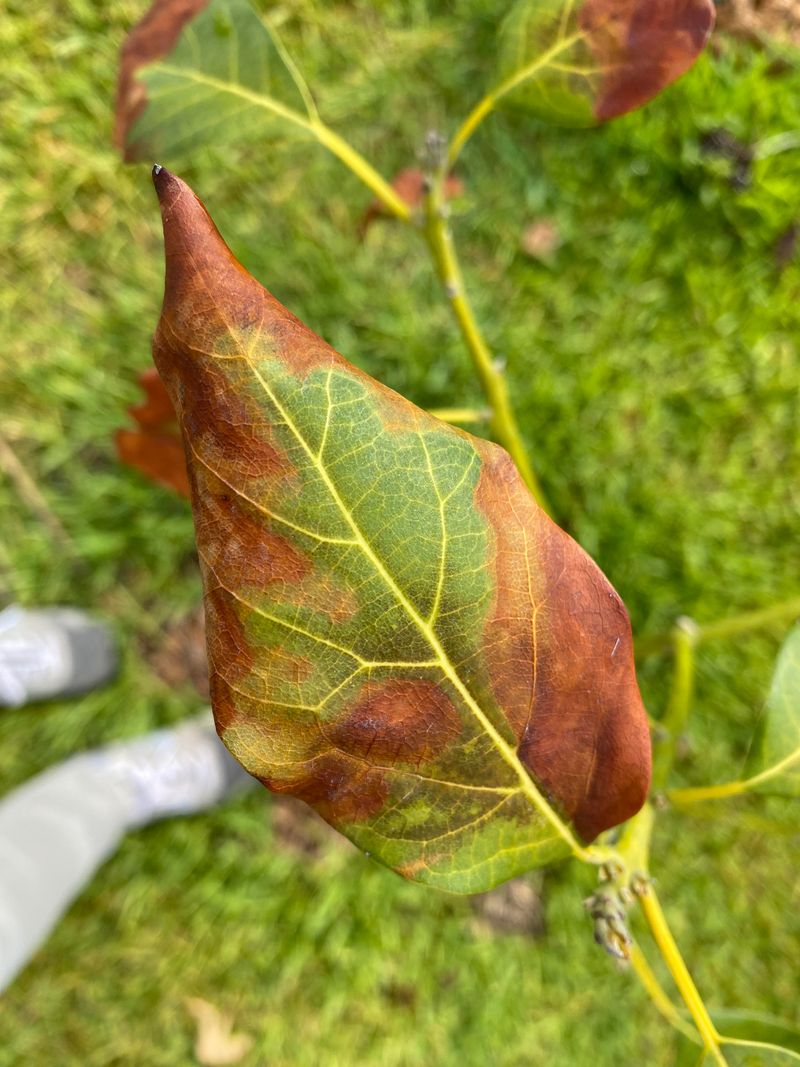
A tree with shallow roots will show signs of stress quickly, with leaves curling or turning brown at the edges. Deep roots, on the other hand, can access moisture stored lower in the soil, which helps the tree stay hydrated even during dry spells.
To encourage deep root growth, water slowly and deeply each time you irrigate. Use a drip system or a soaker hose placed at the drip line of the tree, which is the outer edge of the canopy.
Let the water run long enough to soak down at least 18 to 24 inches into the soil. This mimics natural rainfall and trains the roots to grow downward.
Deep watering also means you can water less often, which saves time and reduces the risk of root rot. It is a win for both you and your tree, and it produces a much stronger, more resilient avocado tree over time.
4. Planting In Or Near A Lawn
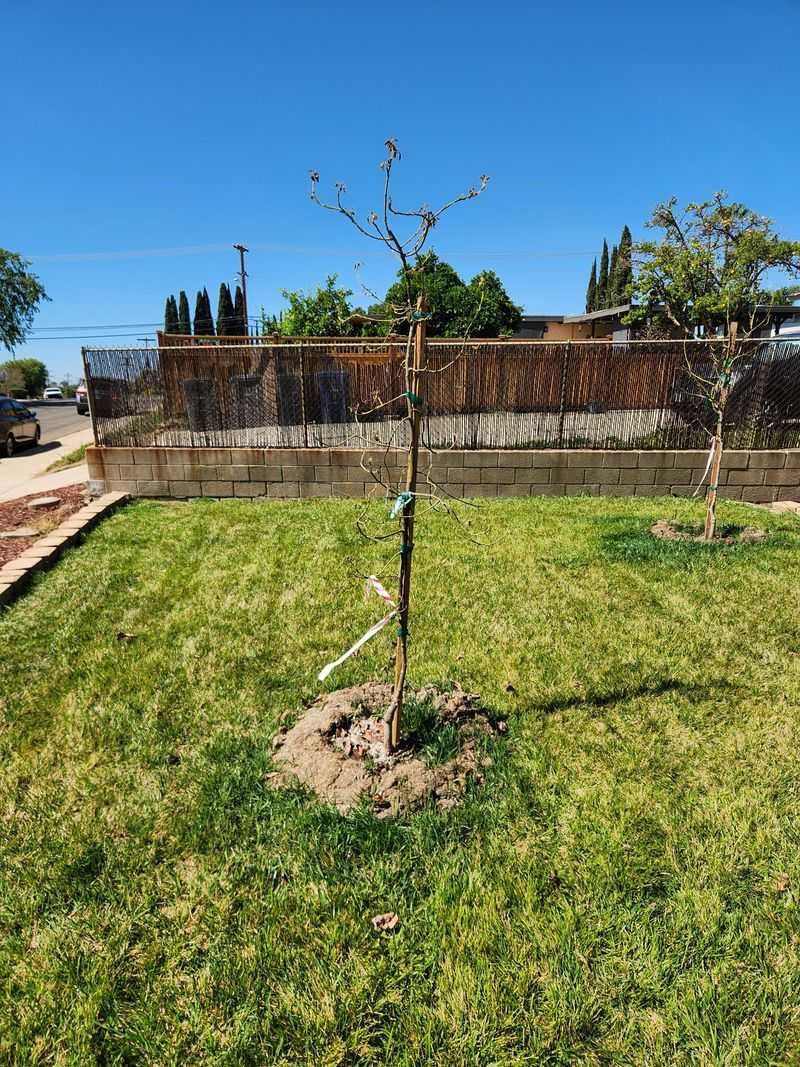
Planting an avocado tree in the middle of a lawn, or right next to one, might seem convenient. After all, the grass is already getting watered regularly, so why not let the tree benefit from that too?
The problem is that lawn watering schedules are completely wrong for avocado trees, and the two simply do not mix well together.
Lawns in California are typically watered frequently and lightly, which is the exact opposite of what avocados need. As mentioned earlier, avocados need deep, infrequent watering.
Lawn irrigation keeps the soil constantly moist near the surface, which creates the perfect conditions for root rot and other fungal issues to develop around the avocado roots.
There is also a competition issue. Grass is aggressive and will compete with the avocado tree for water, nutrients, and space.
The tree often loses that battle, especially when it is young and still getting established. Lawn fertilizers can also cause problems, as they tend to be high in nitrogen, which pushes leafy growth at the expense of fruit production.
The best setup is to give your avocado tree its own dedicated planting area, free from grass and lawn cover. A wide circle of mulch around the tree, extending out to the drip line, is a much better ground cover choice.
It keeps moisture in, keeps grass out, and creates a healthy growing environment for your California avocado tree.
5. Piling Mulch Against The Trunk
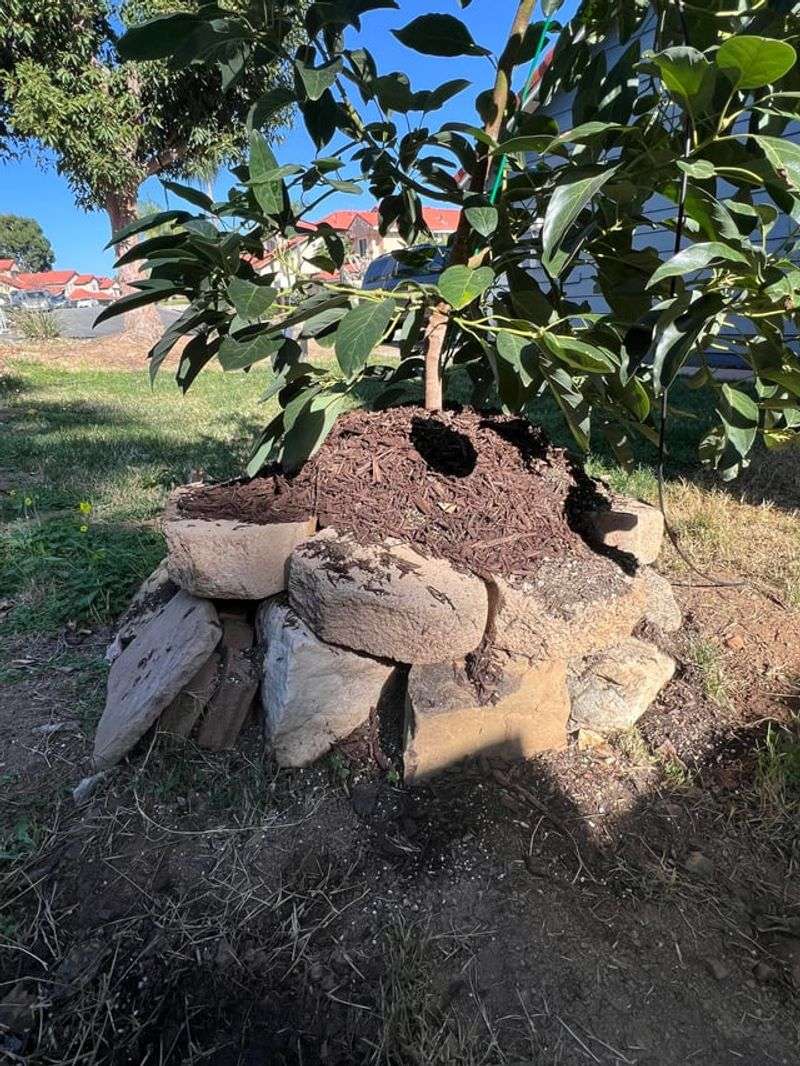
Mulch is one of the best tools a California avocado grower can use. It keeps the soil cool, holds in moisture, and slowly adds organic matter as it breaks down.
But there is one very common mistake that turns a helpful habit into a harmful one: piling the mulch right up against the trunk of the tree.
When mulch is stacked against the bark, it traps moisture against the wood. That constant dampness creates the perfect environment for fungal rot, harmful insects, and other pathogens to attack the base of the tree.
Over time, the bark can break down, and the damage can work its way into the tree’s core. This is sometimes called volcano mulching, and it is a widespread problem in gardens all across California.
The fix is simple. Keep a clear gap of at least three to four inches between the mulch and the trunk.
Spread the mulch outward in a wide, flat layer rather than piling it up in a mound. A depth of three to four inches across the root zone is ideal.
This gives you all the benefits of mulching without the risks that come with trunk contact.
Pull back any existing mulch that is touching the trunk and create that breathing room. Your tree will respond positively, and you will avoid one of the most preventable sources of long-term damage that California avocado growers deal with year after year.
6. Ignoring Frost And Cold Exposure
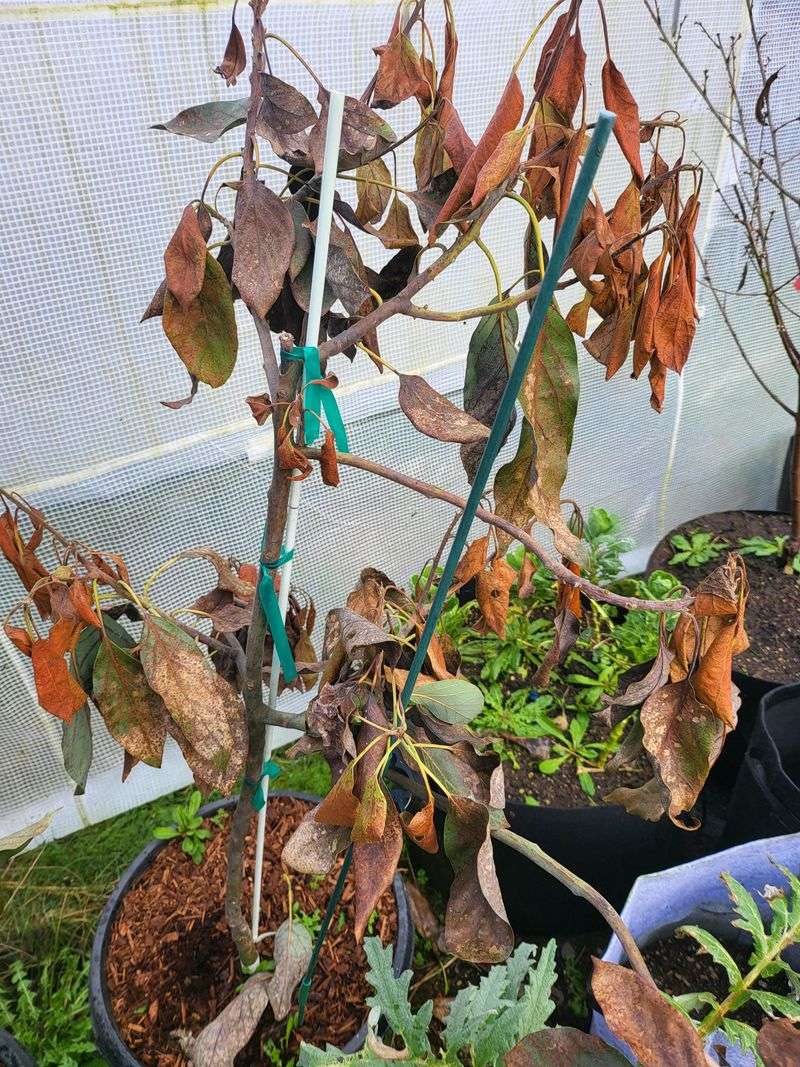
California has a reputation for warm, sunny weather, and that reputation sometimes makes gardeners forget that cold snaps and frost events are very real threats, especially in inland valleys and higher elevation areas. Avocado trees are tropical in nature and can suffer serious damage when temperatures drop below 28 to 30 degrees Fahrenheit for any extended period of time.
Young trees are especially vulnerable. Even a single cold night can damage new growth, cause leaf drop, and set the tree back significantly.
Mature trees handle cold a bit better, but prolonged freezes in areas like the Inland Empire or the Sacramento Valley can still cause real harm to branches and fruit.
Protecting your avocado tree from cold starts with smart planting choices. Plant in a spot that gets good sun exposure and has some protection from cold north winds, like near a south-facing wall or fence.
When a frost advisory is in the forecast, cover young trees with frost cloth or burlap overnight. You can also string outdoor lights under the cover to add a small amount of warmth.
Avoid fertilizing in late fall, as this encourages tender new growth that is easily damaged by cold. Let the tree slow down naturally as winter approaches.
Paying attention to local weather patterns in your part of California and being proactive about protection can make a big difference in how well your avocado tree handles the colder months.
7. Overfertilizing The Tree
More fertilizer does not mean more fruit. That is a lesson many California avocado growers learn the hard way.
Overfertilizing, especially with high-nitrogen products, pushes the tree to produce lots of lush, dark green leaves. That sounds good on the surface, but all that leafy growth comes at a cost: the tree puts little energy into flowering and fruiting.
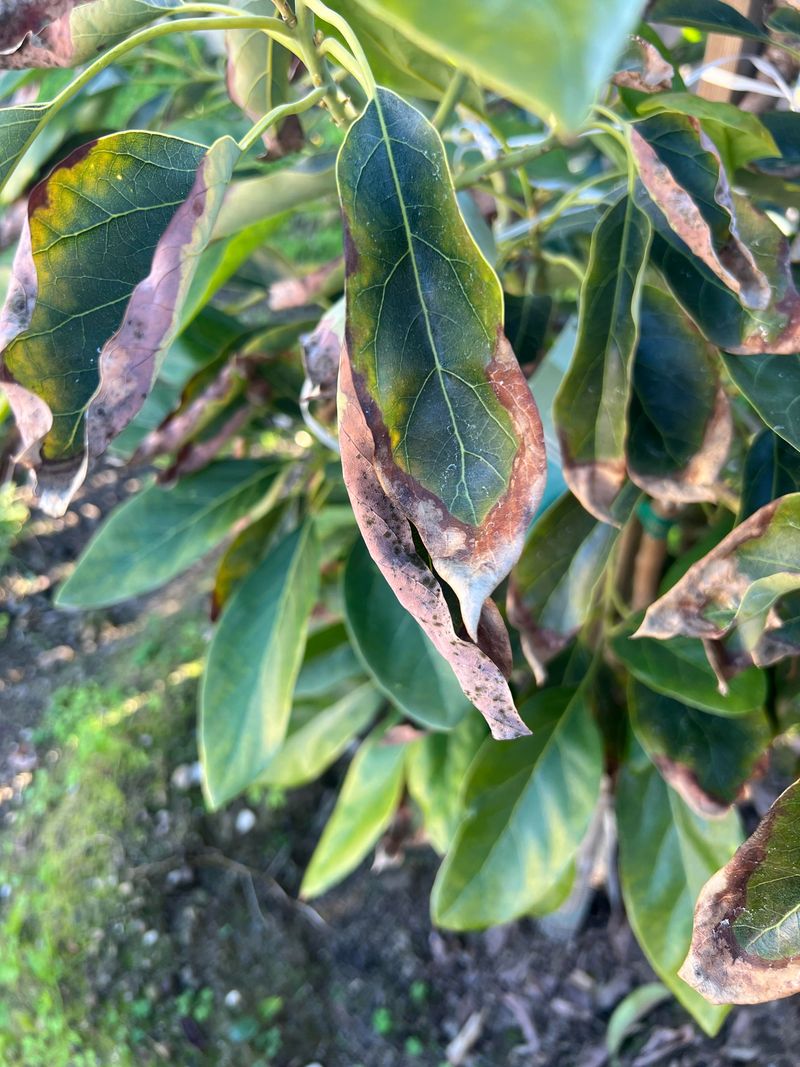
Too much nitrogen can also cause fertilizer burn, which shows up as brown, crispy leaf edges. In severe cases, the roots themselves can be damaged by excess salt buildup in the soil from too many fertilizer applications.
This is a particular concern in parts of California where the soil or water already has a higher salt content, such as in some areas of the Central Valley and Southern California.
Avocado trees are not heavy feeders. A balanced fertilizer applied two to three times per year is usually plenty.
Early spring, late spring, and midsummer are generally good timing windows. Look for a fertilizer designed specifically for citrus and avocados, as these are formulated with the right nutrient ratios for the trees’ needs.
Always follow the label instructions and err on the side of using less rather than more. Healthy soil with good organic matter, like compost worked into the top layer, can reduce how much fertilizer your tree actually needs.
Feed your tree with intention, not enthusiasm, and it will reward you with steady, consistent fruit production year after year.