The Common Reason New Plants Struggle Right After Planting In Georgia
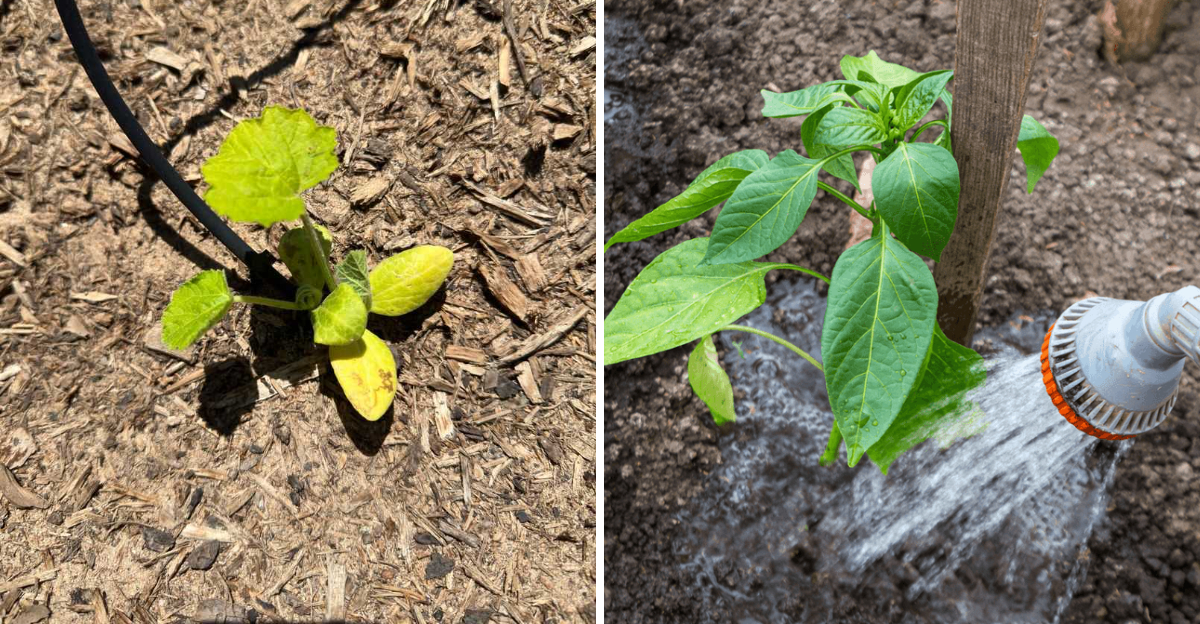
New plants in Georgia can look fine on planting day, yet within a short time they begin to lose strength in ways that feel hard to explain. Leaves may droop, color can fade, and growth may slow even when care seems right.
The issue often starts below the surface, where roots face conditions that do not match what the plant needs to settle in properly. What looks like a healthy start above ground does not always reflect what is happening underneath.
Many assume more water or extra attention will fix it, but that approach does not always lead to recovery. Small early mistakes can affect how well a plant establishes and how it handles the weeks that follow.
Understanding the real cause makes it easier to avoid that setback and helps new plants adjust more smoothly from the start.
1. Poor Watering Is The Common Reason New Plants Struggle After Planting
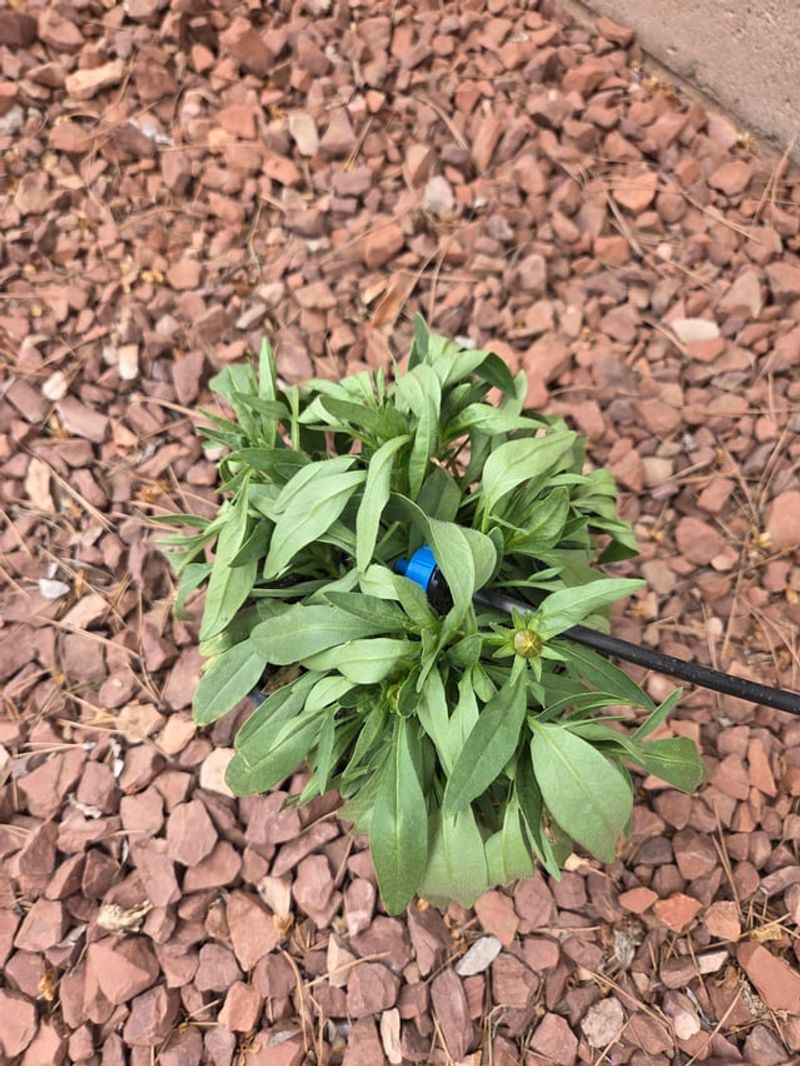
Watering sounds simple until you realize how often it goes wrong. New plants in Georgia face a tough situation from the moment they go into the ground.
Their roots have been cut back, disturbed, or confined in a small root ball, and they are suddenly expected to pull moisture from unfamiliar soil in a climate that can get hot and dry fast.
Root systems need time to spread out and connect with surrounding soil before they can efficiently absorb water on their own. Until that happens, the plant depends entirely on what you give it.
Watering too little leaves roots parched. Watering too much drowns them before they get a chance to grow.
Georgia’s soil varies a lot by region. In the Piedmont, you are often dealing with dense red clay that holds water longer than expected.
In the coastal plain, sandy soil drains quickly and dries out fast. Neither extreme is forgiving of careless watering habits right after planting.
A new plant in Georgia is not the same as one that has been growing in your yard for years. It needs more attention, more consistency, and a watering routine built around what the soil is actually doing.
2. Inconsistent Moisture Slows Early Root Establishment

Roots do not grow where they have no reason to. When soil moisture swings between soaking wet and bone dry every few days, young roots stay shallow and stressed rather than pushing deeper into the ground.
That inconsistency is one of the most common reasons new plants in Georgia look rough through their first season.
Steady moisture signals to the plant that it is safe to invest energy in root growth. Irregular watering sends mixed signals.
The plant may push a little growth one week, then pull back the next when conditions get harsh. That stop-and-start pattern burns energy the plant needs for establishing itself.
Georgia summers hit hard and fast. A plant that went in during spring has a narrow window to build enough root mass before temperatures climb into the upper 80s and 90s.
Missing that window because of uneven watering can leave the plant vulnerable through summer.
Building a simple watering schedule helps more than most people expect. Watering deeply every two to three days during the first few weeks, then gradually spacing it out, gives roots a reason to follow moisture deeper into the soil.
Shallow, frequent sprinkles encourage roots to stay near the surface, where they are more exposed to heat and dry spells.
3. Deep Soaking Supports Stronger Root Growth
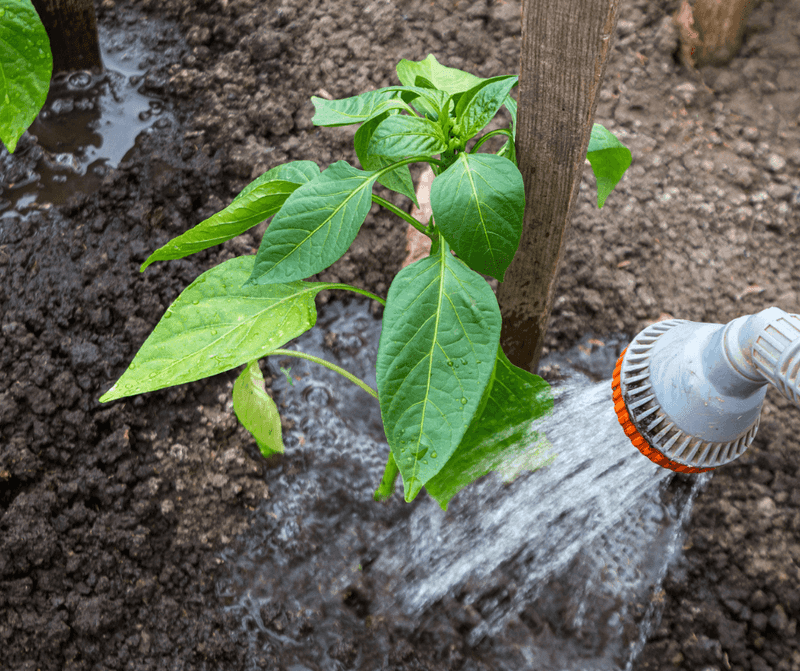
Shallow watering trains roots to stay near the surface, and that is a problem when Georgia heat arrives. Surface soil dries out fast, especially in summer, and roots that never pushed deep have nowhere to go when the top few inches turn dry and hard.
Deep soaking changes that pattern. When water moves several inches down into the soil, roots follow it.
Over time, a plant with deeper roots can access moisture that surface-level roots simply cannot reach. That depth gives the plant a buffer during dry spells between rain events, which are common in Georgia from late spring through early fall.
The goal with each watering session is to wet the soil to a depth of at least six inches around the root zone.
Running a slow trickle from a hose for twenty to thirty minutes near the base of a new plant is usually more effective than using a sprinkler that spreads water quickly over a wide area.
Slow application gives water time to soak in rather than run off, which is especially important in compacted clay soils found across much of the Georgia Piedmont.
Adding a two to three inch layer of mulch around the plant after a deep soak helps hold that moisture in place longer. Wood chip mulch, pine straw, or shredded bark all work well.
4. Proper Timing Keeps Soil From Drying Too Fast
When you water matters almost as much as how much you give. Watering in the middle of a Georgia afternoon during summer means a good portion of that moisture evaporates before it ever reaches the root zone.
The heat pulls it right out of the soil surface, and the plant gets far less than you intended.
Early morning watering is the most effective approach. Soil is cooler, evaporation is slower, and the plant has access to moisture right as temperatures start climbing through the day.
If morning is not always possible, late afternoon works reasonably well, though watering too late in the evening can leave foliage damp overnight, which sometimes encourages fungal issues in Georgia’s humid climate.
Timing also matters in relation to recent rain. After a solid rain event, new plantings often do not need supplemental water for a day or two, depending on how much fell and how fast the soil drains.
Watering on top of saturated soil is just as damaging as neglecting to water at all. Checking soil moisture before automatically watering on a set schedule prevents that mistake.
Planting timing plays a role too. Fall planting in Georgia gives new plants cooler temperatures and typically more consistent rainfall to work with during root establishment.
5. Overwatering Can Suffocate Young Roots
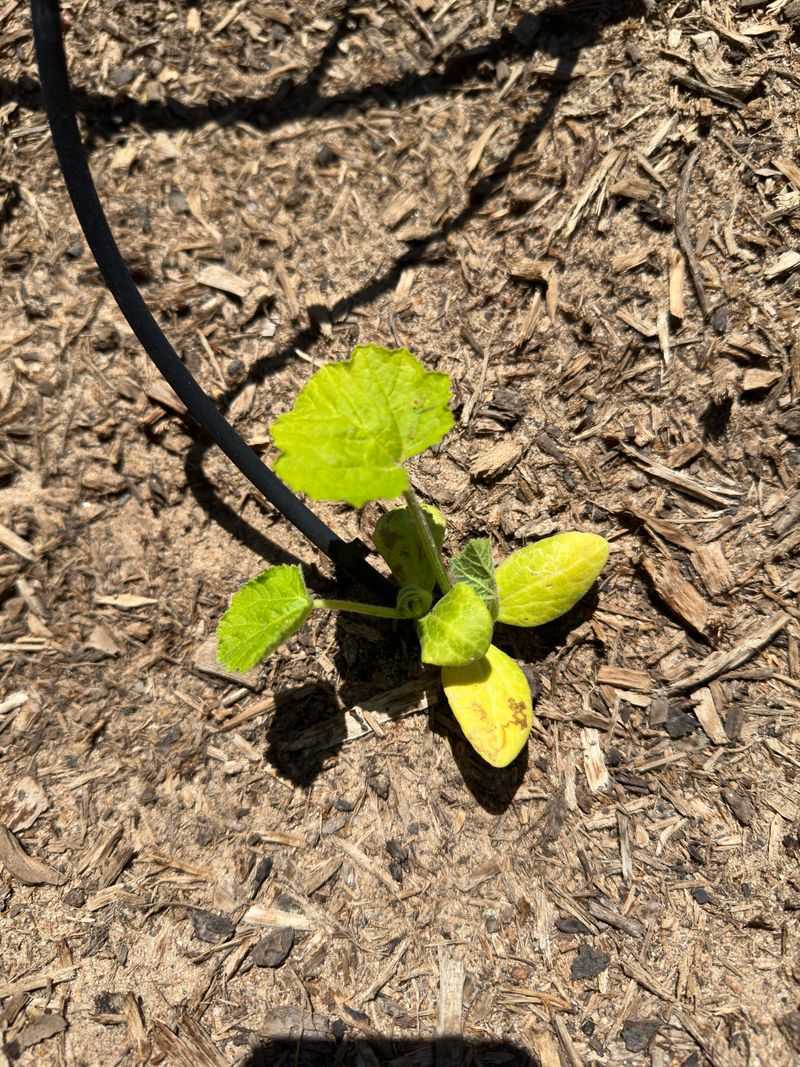
More water does not always mean more help. Overwatering is one of the most common mistakes made with new plantings, and it can be harder to spot than underwatering because the symptoms look similar.
Yellowing leaves, wilting despite wet soil, and slow growth can all point to roots sitting in too much water.
Roots need oxygen as much as they need moisture. When soil stays saturated for extended periods, air pockets in the soil fill with water and roots cannot get the oxygen they need to function.
In Georgia’s heavier clay soils, drainage can be slow enough that even normal rainfall, combined with regular watering, keeps the root zone too wet for too long.
Raised planting areas and amended soil help address drainage problems before they start. Mixing compost into heavy clay before planting opens up the soil structure and helps water move through more efficiently.
If a planting area stays soggy after rain for more than a day or two, that is a sign that drainage needs to be improved before adding more plants.
Checking soil before watering is the most reliable way to avoid overwatering. Two inches down is the target check point.
If the soil at that depth still feels moist, hold off. New plants in Georgia during cooler months, like fall or early spring, need less frequent watering than those planted during peak summer heat.
6. Dry Gaps Between Watering Increase Stress
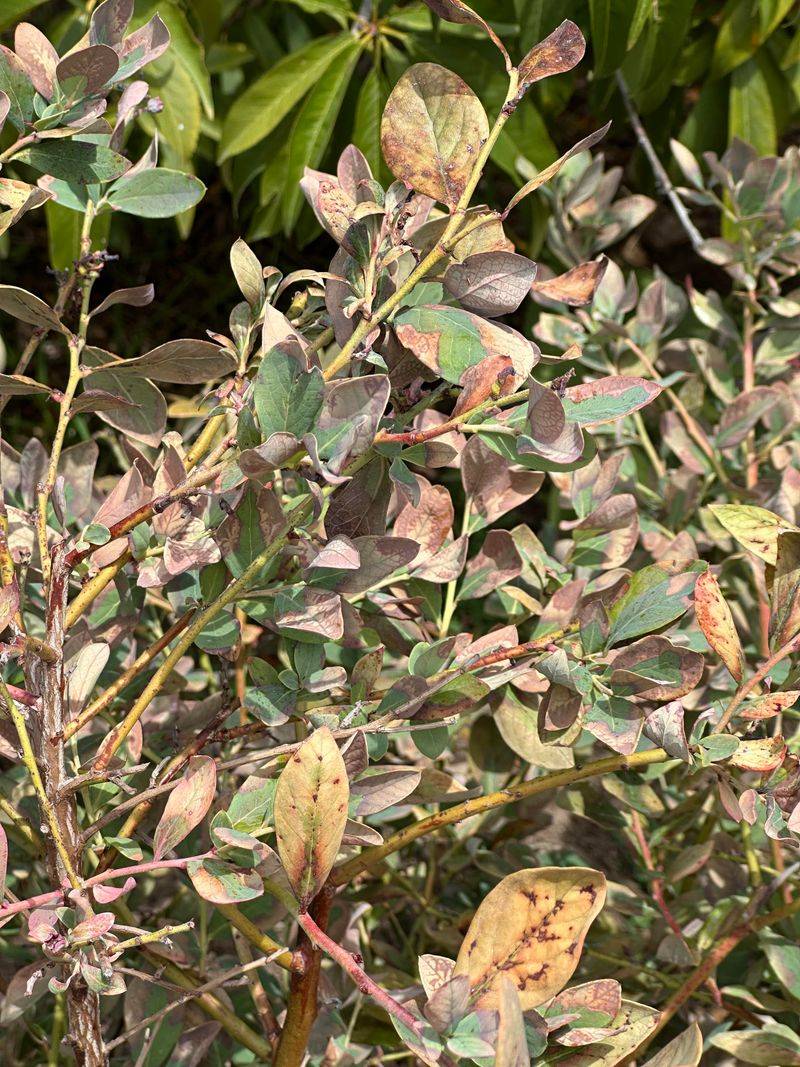
A few days without water might not seem like a big deal, but for a new plant with a limited root system, a dry gap can set things back noticeably. Established plants can handle short dry stretches because their roots reach far enough to find moisture on their own.
New plants do not have that option yet.
When soil dries out completely around a new planting, the plant goes into a kind of holding pattern. It pulls back on new growth to conserve what little moisture remains in its tissue.
That survival response is normal, but it delays the root development the plant needs to handle future dry spells on its own.
Georgia summers can go days or even weeks without meaningful rainfall in some years. Keeping track of how long it has been since the last good rain, and stepping in with supplemental watering when needed, is part of caring for new plants through their first season.
A rain gauge in the yard is a simple tool that removes the guesswork.
Mulching around new plantings helps reduce how quickly soil dries between watering sessions. A good layer of mulch slows evaporation, keeps soil temperature more stable, and cuts down on how often you need to water during dry stretches.
Even two inches of pine straw, which is widely available across Georgia, makes a measurable difference in how long soil holds onto moisture after a watering or a rain event.
7. Steady Moisture Leads To Healthy New Growth
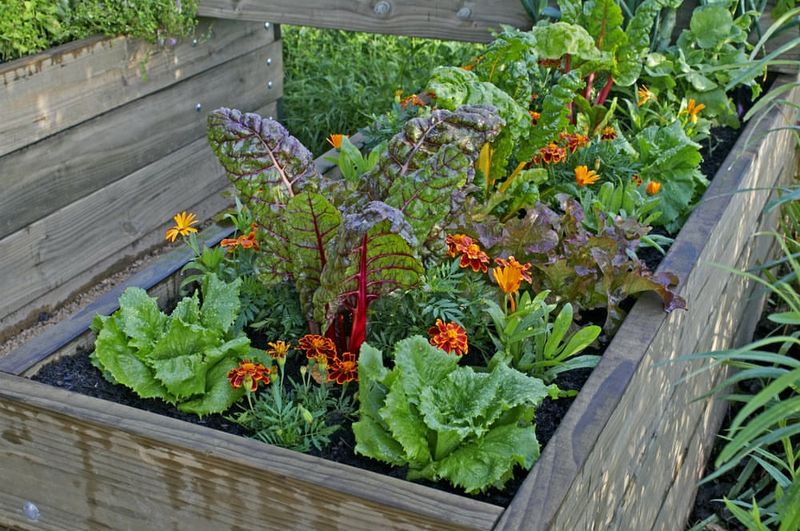
Getting watering right is less about doing something complicated and more about staying consistent.
Plants that receive steady, reliable moisture in the weeks after planting tend to push new growth sooner and handle Georgia’s heat more effectively than those that receive sporadic attention.
Consistency does not mean watering on a rigid daily schedule. It means paying attention to what the soil and plant are telling you and responding accordingly.
Some weeks will require more frequent watering. Cooler, cloudy stretches may need very little.
Reading the conditions rather than following a fixed routine is what keeps moisture levels in a useful range for new roots.
New growth is usually the clearest sign that a plant is settling in. Fresh leaves, new stem tips, or visible bud development all suggest that the root system is gaining traction and the plant is moving past the initial stress of being transplanted.
Seeing that progress is encouraging, but it does not mean the plant no longer needs close attention. Watering care should continue through the first full growing season in Georgia.
By the time a plant has been in the ground for a full year, its roots have typically spread well beyond the original planting hole. At that point, it becomes much better at finding moisture on its own and tolerating the natural ups and downs of Georgia weather.