The 5 Companion Plants That Help Tomatoes Grow Better In Georgia And 3 To Avoid
Tomatoes are one of the most popular crops in Georgia gardens, but growing strong, productive plants often comes down to more than just sun and water. What you plant nearby can make a surprising difference.
Some companion plants naturally help tomatoes grow better by attracting helpful insects, improving soil conditions, or even helping repel certain pests that tend to show up once warm weather settles in.
Georgia’s long growing season gives tomatoes plenty of time to thrive, but it also means pests and diseases can become a challenge as temperatures rise. That is where smart companion planting can help.
A few well chosen plants around your tomato bed can support healthier growth and create a more balanced garden environment.
At the same time, not every plant makes a good neighbor for tomatoes. Some compete for nutrients or create growing conditions that tomatoes simply do not like.
Knowing which companions help and which ones are better kept away can make a noticeable difference in how well tomato plants perform throughout the season.
1. Basil Helps Improve Tomato Growth And May Deter Some Garden Pests
Ask almost any experienced Georgia gardener which herb they always put near their tomatoes, and basil comes up almost every time. There is a reason for that kind of loyalty.
Basil has a reputation for improving tomato flavor when planted close by, and while scientists are still debating exactly how that works, plenty of home gardeners swear by it after years of trying it themselves.
Beyond flavor, basil may help push back certain pests. Thrips and hornworms are two of the more frustrating problems tomato growers deal with across Georgia, and basil’s strong scent seems to confuse or discourage some of those insects from settling in.
It is not a guaranteed shield, but having basil nearby gives you one more layer of natural defense without any extra effort.
Spacing matters when you plant these two together. Keep basil within about 12 inches of your tomato plants so it can do its job, but make sure it gets enough room to breathe and grow well on its own.
Georgia summers are hot and humid, which means airflow is important for both plants to stay healthy. As a bonus, you end up with fresh basil right in your garden whenever you need it for cooking, which is never a bad situation to be in during peak tomato season.
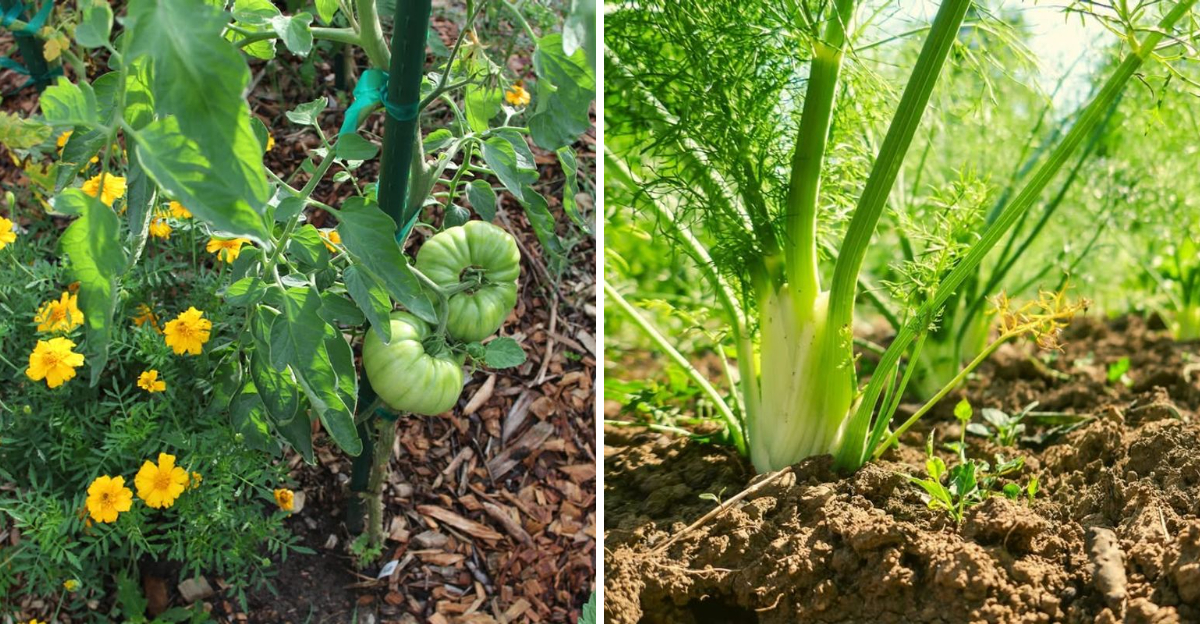
2. Marigolds Help Reduce Nematode Problems
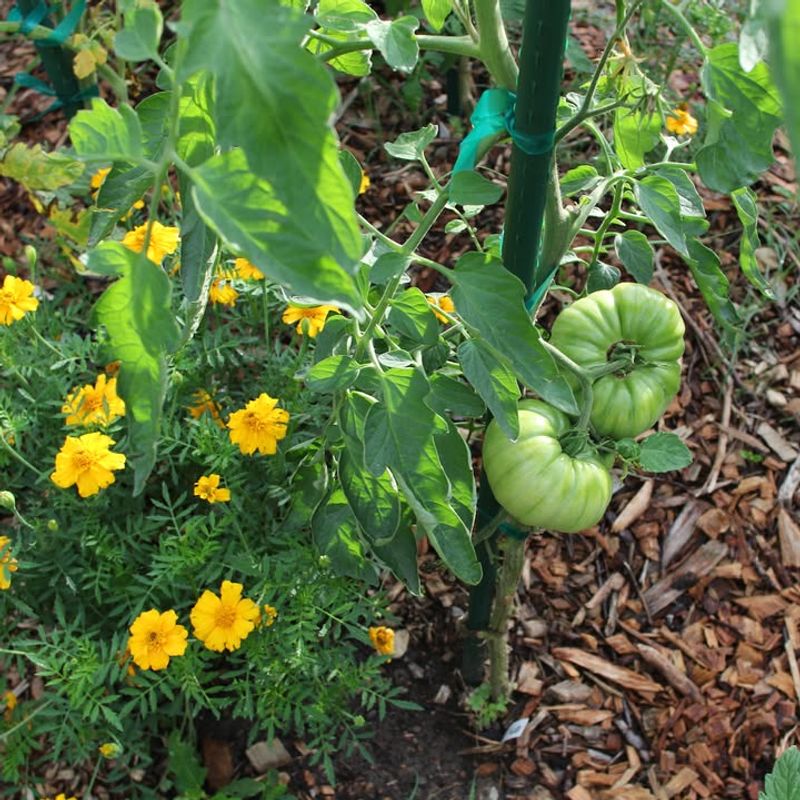
Root-knot nematodes are one of the most stubborn underground problems Georgia tomato growers face, especially in the sandy soils found across much of the state.
Marigolds, particularly the French variety, release a natural compound from their roots that has been shown to reduce nematode populations in the surrounding soil.
Planting them around your tomato beds is one of the more practical and well-supported companion planting strategies out there.
For best results, plant marigolds a full season before your tomatoes, or at least a few weeks ahead. Letting them get established gives their root system time to start working on the soil.
If you are just putting them in at the same time as your tomatoes, you will still get some benefit, but the effect builds up over time with consistent planting each year.
Beyond nematode control, marigolds also attract beneficial insects and add a bright pop of color to any Georgia garden bed. They handle the heat well and do not need a lot of extra attention once they are growing.
Avoid planting them too close together or in spots with poor drainage, since soggy roots will set them back quickly.
Used consistently season after season, marigolds can genuinely improve the health of the soil your tomatoes depend on throughout the growing season in Georgia.
3. Borage Attracts Pollinators And Supports Healthier Tomato Plants
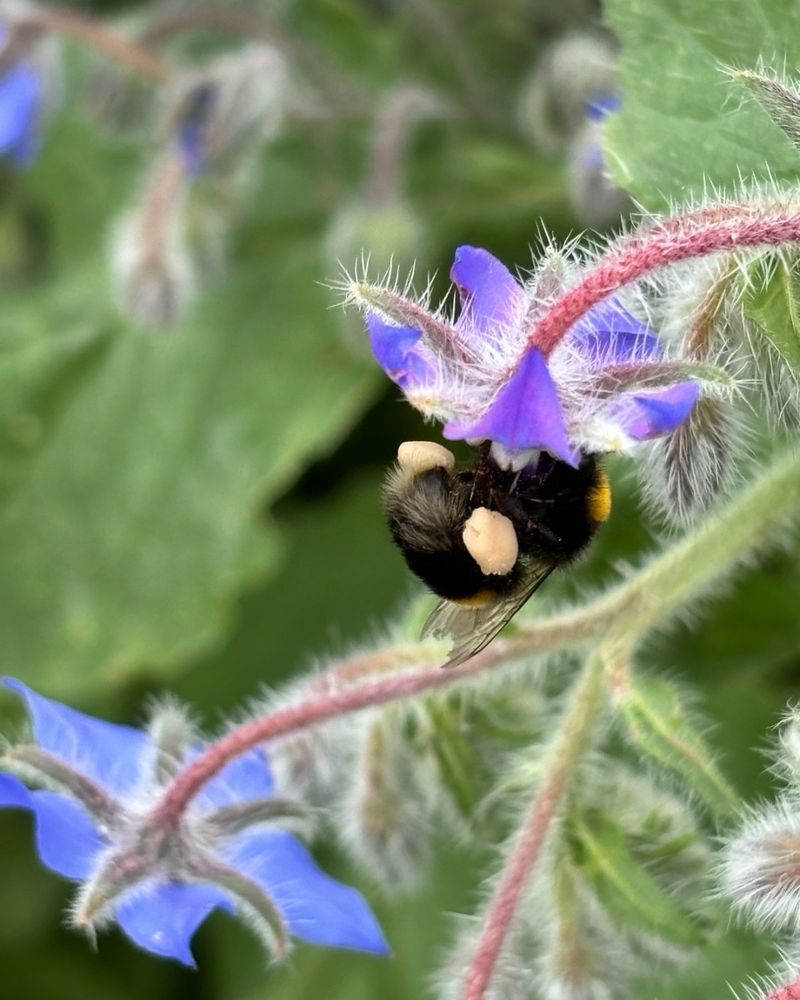
Borage does not get nearly as much attention as basil or marigolds, but it earns its spot in a Georgia tomato garden without much fuss.
Its bright blue star-shaped flowers are genuinely attractive to bees and other pollinators, which means more activity around your tomato plants during the time when good pollination matters most.
Better pollination usually leads to better fruit set, and that translates directly to a more productive harvest.
Some gardeners also report that borage seems to discourage tomato hornworms from moving in. The evidence on that is mostly anecdotal, but even if the pest-deterrent effect is minor, the pollinator attraction alone makes borage worth planting.
In Georgia’s warm climate, borage grows quickly and tends to reseed itself, so once you plant it once, it often comes back on its own the following year without you doing anything extra.
One thing to keep in mind is that borage can spread if you let it go to seed freely, so deadheading spent flowers helps keep it manageable in smaller garden spaces.
Plant it on the edges of your tomato bed rather than crowding it in between plants, giving both good air circulation.
Borage also has edible flowers and leaves, so it adds a little culinary value on top of its garden benefits. For Georgia gardeners looking for something a little different, borage is worth trying alongside your tomatoes this season.
4. Nasturtiums Can Act As A Trap Crop For Aphids Around Tomatoes
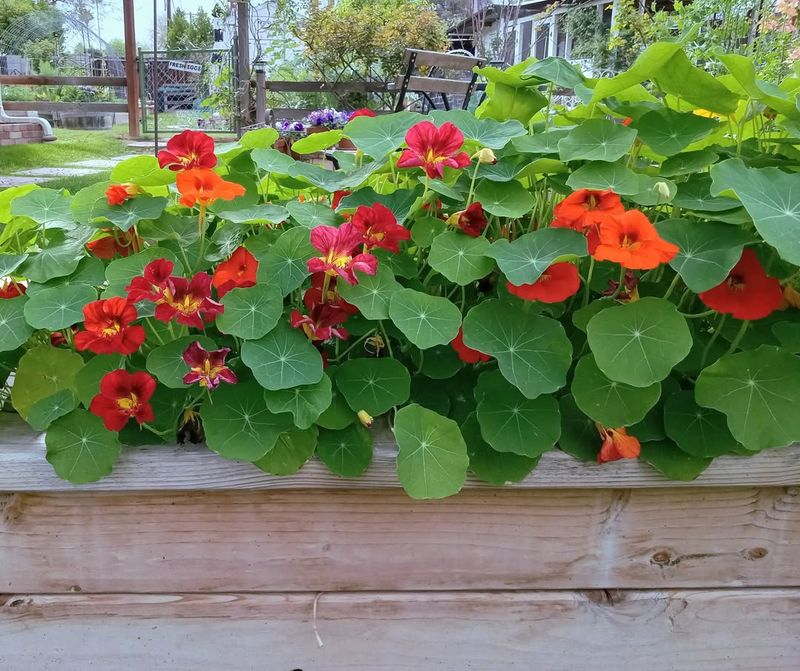
Nasturtiums have a clever role in the garden that not enough people take advantage of. Rather than just repelling pests, nasturtiums work by attracting aphids away from your tomatoes and onto themselves instead.
Gardeners call this a trap crop strategy, and it works surprisingly well when nasturtiums are planted around the perimeter of your tomato beds.
Aphids are a real headache in Georgia gardens during the warmer months. They cluster fast, spread plant viruses, and can weaken tomato plants before you even notice the damage is happening.
By giving aphids a plant they prefer even more than your tomatoes, you pull the pressure away from the crop you actually care about. Once the nasturtiums get loaded with aphids, you can remove and discard those plants or spray them down to knock back the population.
Nasturtiums are also incredibly easy to grow from seed, which makes them a low-cost and low-effort addition to any Georgia garden. Both the flowers and leaves are edible and have a peppery flavor, so nothing goes to waste if you harvest them before the aphids arrive.
Plant them in full sun around the edges of your tomato patch, and let them do their job as a sacrificial buffer.
They grow fast in Georgia’s warm spring weather and start flowering quickly, making them one of the more practical companion plants you can add to your setup this season.
5. Chives May Help Repel Certain Insects That Target Tomato Plants
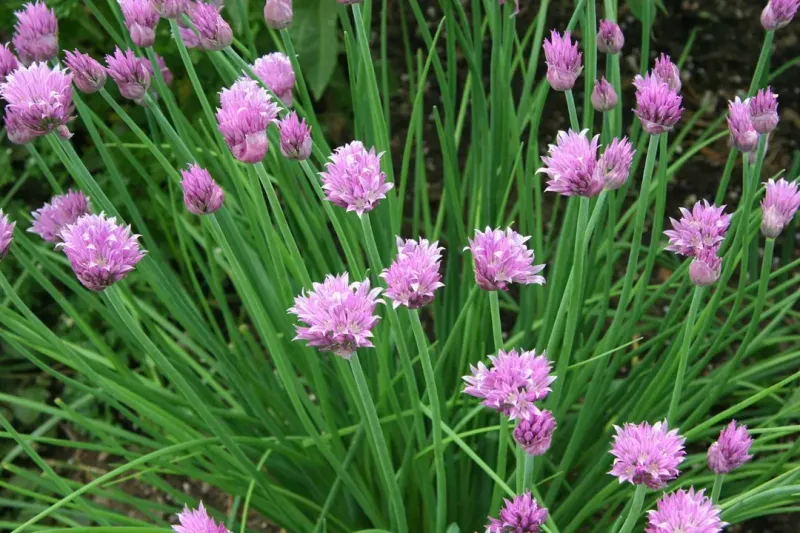
Chives bring more to a tomato garden than most people expect from such a small plant.
Their strong onion-like scent is thought to confuse and push back certain insects, including aphids and spider mites, that can cause real damage to tomato plants throughout Georgia’s long growing season.
Planting a border of chives around your tomato bed gives you a fragrant natural barrier that does not require any spraying or special maintenance.
One practical advantage of chives is that they come back year after year without replanting. Once established in a Georgia garden, they are reliable and tough, handling heat and occasional dry spells better than many herbs.
Their purple flowers also attract beneficial insects like hoverflies, which prey on aphid populations, adding another layer of pest management support that works quietly in the background.
Keep chives trimmed and harvested regularly so they stay productive and do not get woody over time. Cutting them back also encourages fresh new growth and keeps the plant putting out the aromatic oils that make them useful as a pest deterrent.
In terms of placement, planting chives every few feet along the edges of your tomato rows tends to work better than clustering them all in one spot.
Georgia gardeners who have tried this approach often notice less aphid activity on their tomatoes compared to seasons when chives were not part of the planting plan at all.
6. Corn Competes With Tomatoes For Nutrients And Garden Space
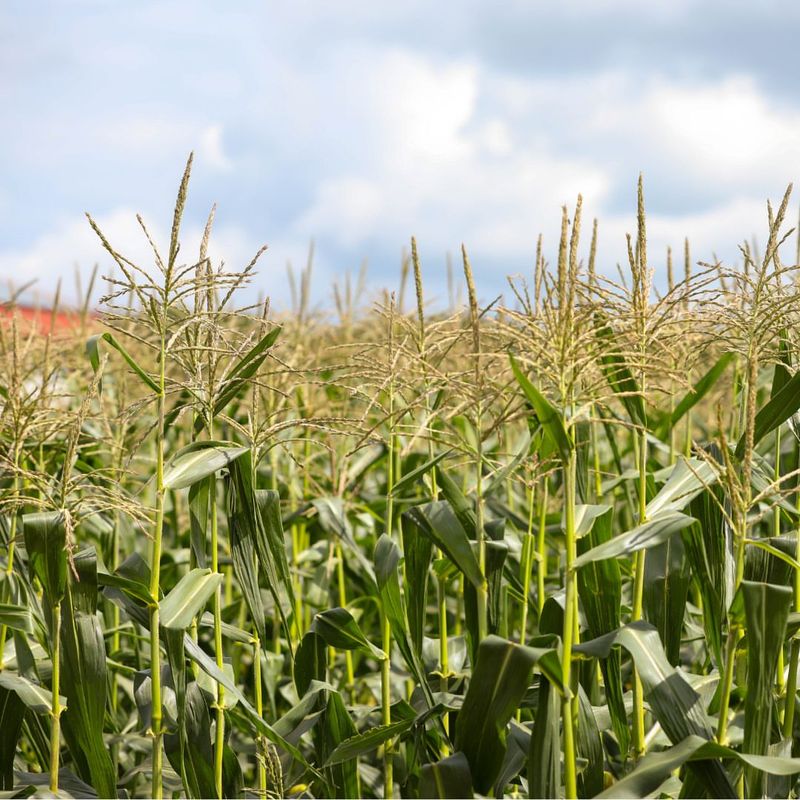
Corn and tomatoes might both be summer garden staples in Georgia, but putting them next to each other is a setup for frustration. Corn is a heavy feeder that pulls nitrogen and other nutrients out of the soil at a rapid pace.
Tomatoes need those same nutrients to produce well, and when corn is nearby, it almost always wins that competition, leaving your tomato plants underfed and underperforming.
Shading is another real problem. Corn grows tall fast, and even a few stalks planted too close to your tomato bed can block significant sunlight by midsummer.
Tomatoes need full sun to produce their best fruit, and anything that reduces that light exposure cuts into your yield. In Georgia’s already unpredictable weather, you do not want to add shade stress on top of heat stress for your tomato plants.
There is also the pest overlap issue worth mentioning. Corn earworms and certain caterpillar species that attack corn can easily migrate over to nearby tomato plants when the corn is harvested or starts to decline.
Keeping these two crops on opposite ends of your garden eliminates that migration risk entirely. If space is limited and you want to grow both, put as much distance between them as your garden allows.
Georgia gardens benefit from thoughtful spacing, and keeping corn well away from your tomato beds is one of those basic decisions that pays off clearly at harvest time.
7. Potatoes Share Similar Diseases That Can Spread To Tomatoes
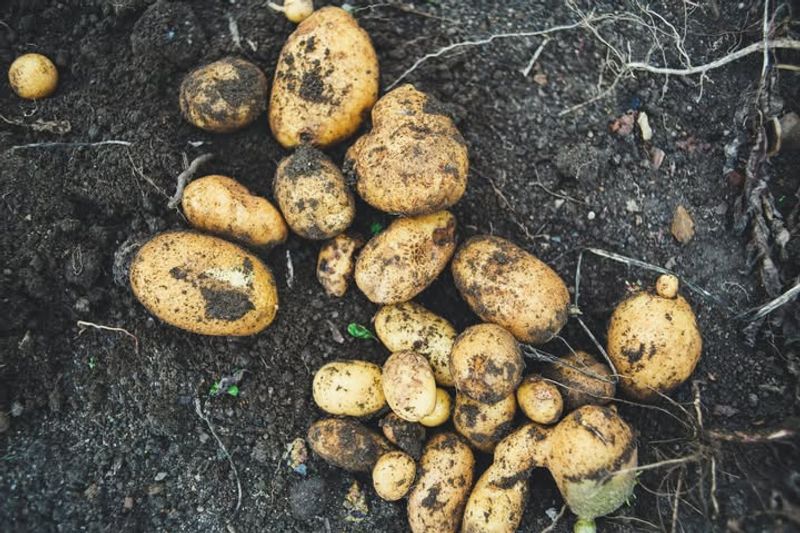
Potatoes and tomatoes belong to the same plant family, and that shared biology is exactly why keeping them apart in your Georgia garden matters so much.
Both crops are vulnerable to late blight, a fast-moving fungal disease that can wipe out an entire bed of plants within days under the right conditions.
Georgia’s humid summers create ideal conditions for blight to develop and spread, making the risk of planting these two together higher here than in drier climates.
If blight gets into your potato plants, it can jump to nearby tomatoes with very little effort, especially when humidity is high and air circulation is poor. By the time you spot the symptoms on your tomato leaves, the infection is usually already well underway.
Separating the two crops by as much distance as your garden allows is the most straightforward way to reduce that risk.
Soil history matters here too. Avoid planting tomatoes in a bed where potatoes grew the previous season, since disease spores can survive in the soil over winter and reinfect new plants the following spring.
Rotating your crops and keeping good records of where each plant family was grown each year goes a long way toward protecting your garden.
Georgia gardeners who deal with recurring blight problems often trace it back to poor separation between these two crops.
Keeping potatoes and tomatoes on opposite sides of the garden is a simple habit that protects both crops season after season.
8. Fennel Can Inhibit Growth Of Many Nearby Garden Plants
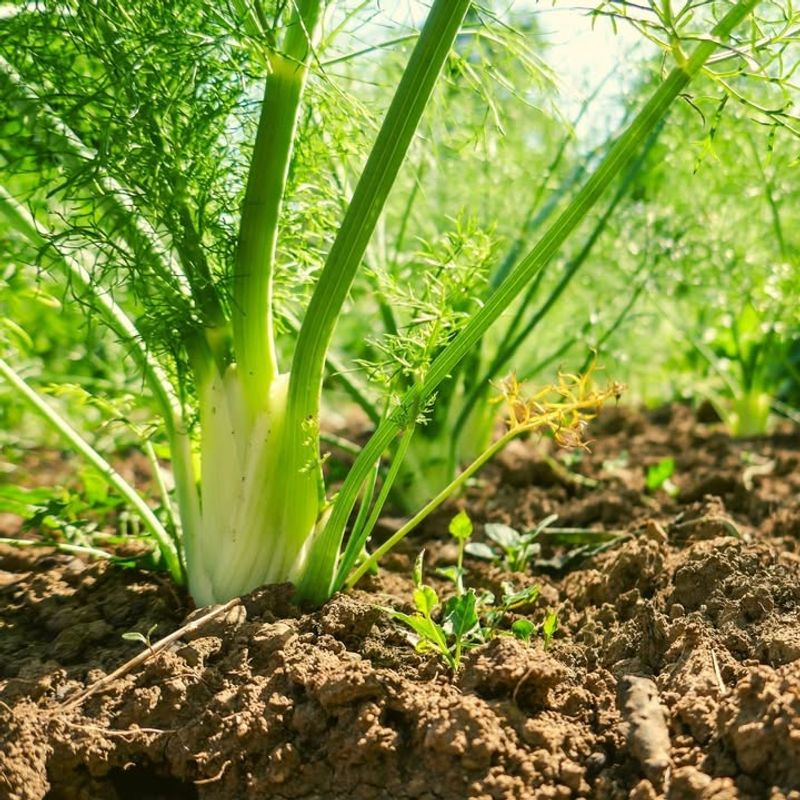
Fennel is one of those plants that looks harmless enough but causes real problems when it gets too close to other vegetables. It releases natural chemicals from its roots and foliage that inhibit the growth of many nearby plants, a process called allelopathy.
Tomatoes are particularly sensitive to these compounds, and gardeners who have planted fennel near their tomato beds often notice stunted growth and reduced productivity without an obvious explanation.
In Georgia gardens where space is limited, the temptation to tuck fennel in wherever it fits is understandable. But fennel’s allelopathic effect does not care about your garden layout.
Even a single established fennel plant can create a zone of suppressed growth around it that affects neighboring crops without any visible warning signs until the damage is done.
If you want to grow fennel and tomatoes in the same garden, keep them as far apart as possible, ideally in completely separate beds or on opposite sides of the yard. Fennel does best when given its own dedicated spot away from most other vegetables.
It is a useful culinary herb and it does attract certain beneficial insects, so it has a place in a Georgia garden, just not anywhere near your tomatoes.
Treating fennel as a solo plant rather than a companion crop keeps it useful without letting it interfere with the rest of your vegetable garden throughout the growing season.