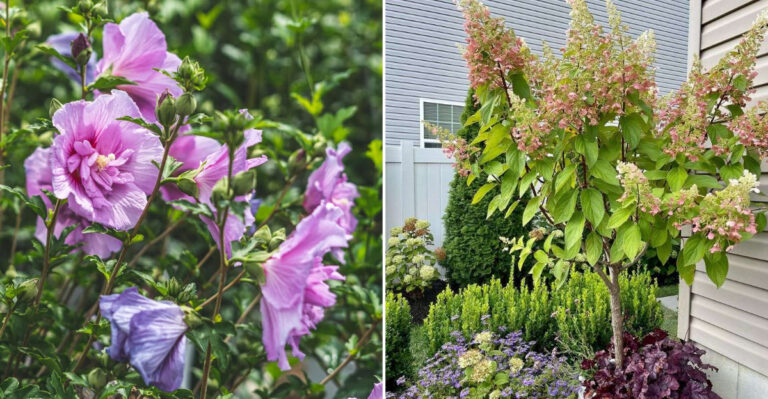
The 10 Container Plants That Brighten California Living Spaces
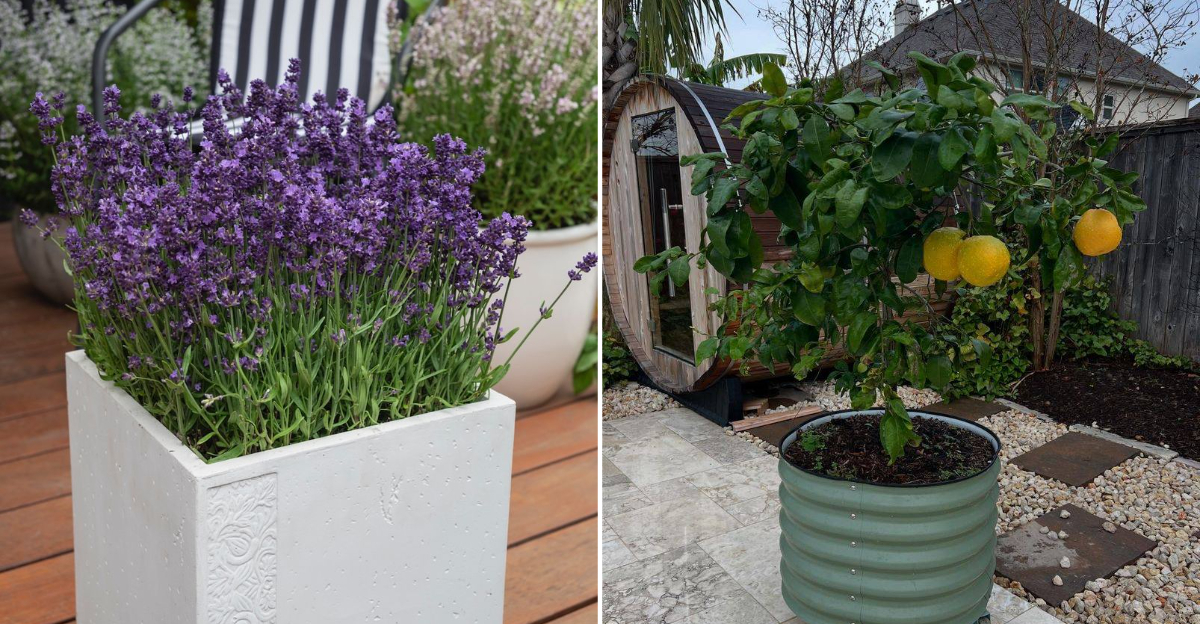
A few well chosen container plants can completely transform a California living space, turning patios, balconies, and entryways into vibrant pockets of color and life.
With abundant sunshine and a gentle climate, containers give you the freedom to refresh your look anytime with bold blooms, lush foliage, and eye catching textures.
Even compact spaces feel lively and welcoming when pots spill over with healthy, thriving plants. Container gardening is wonderfully flexible, shift pots to follow the sun, rotate seasonal favorites, and layer heights and colors for a designer touch.
Many standout choices are surprisingly easygoing, standing up to heat, bright light, and occasional dry spells without fuss.
Your style might lean tropical, modern, or cottage inspired, and the right mix of plants will bring warmth, personality, and a fresh burst of nature that makes any California space feel brighter, greener, and full of life.
1. Bougainvillea
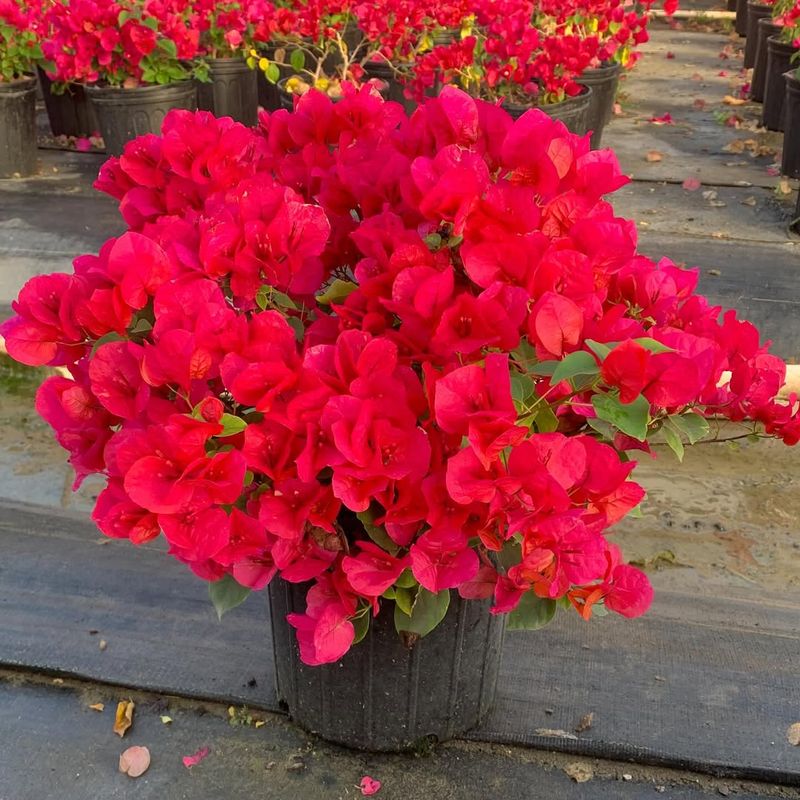
Few plants make a statement quite like bougainvillea. Walk through any neighborhood in Southern California and you will almost certainly spot its bold, paper-thin blooms spilling over fences and trellises.
In a container, it brings that same dramatic energy to patios, balconies, and entryways.
Bougainvillea loves full sun, so place your pot somewhere it gets at least six hours of direct light each day. It actually performs better when slightly root-bound, which makes it perfect for container growing.
Use a well-draining potting mix and a sturdy pot with good drainage holes.
Watering is simple once you get the hang of it. Let the soil dry out between waterings, because overwatering is the most common mistake people make with this plant.
Too much water leads to leafy growth instead of those gorgeous blooms you are after.
Fertilize every two to four weeks during the growing season with a high-potassium fertilizer to encourage flowering. Prune lightly after each bloom cycle to keep the shape tidy and encourage new growth.
In California’s mild climate, bougainvillea can bloom multiple times a year, giving you months of stunning color without much fuss.
2. Geraniums (Pelargonium)
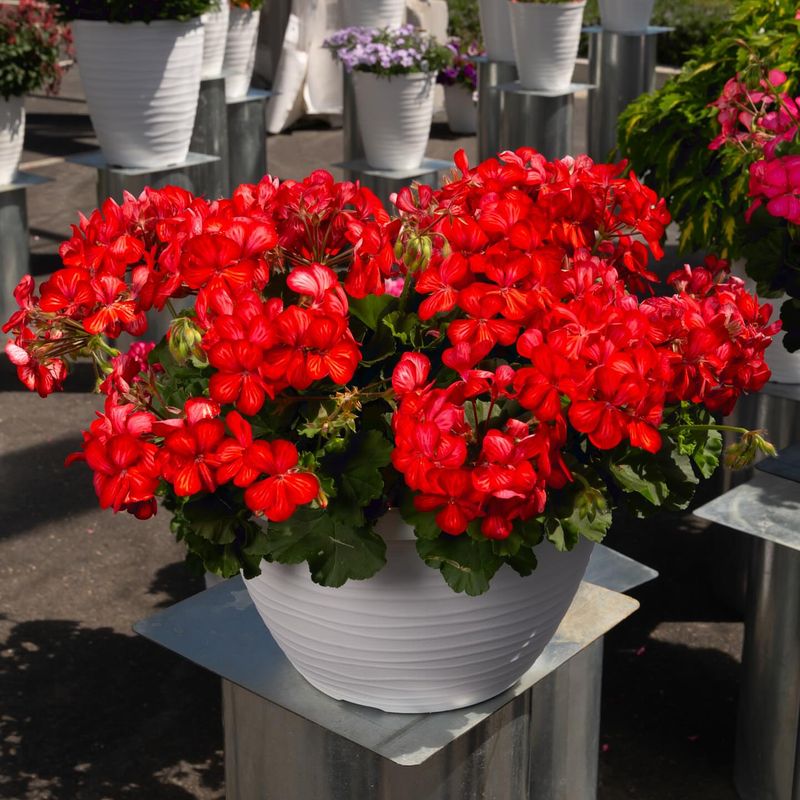
Geraniums have been brightening up porches and patios for generations, and in California, they are practically a gardening tradition. Known botanically as Pelargonium, these cheerful plants produce clusters of blooms in shades of red, pink, white, salmon, and lavender.
They look especially beautiful grouped together in matching pots.
One of the best things about geraniums is how forgiving they are. They tolerate heat well, which makes them a smart choice for sunny California spots like Los Angeles or the Central Valley.
Plant them in a well-draining mix and give them a pot with good drainage to keep roots healthy.
Water deeply but allow the top inch of soil to dry before watering again. Geraniums do not like soggy roots, so resist the urge to overdo it.
Deadhead spent blooms regularly to keep the plant producing fresh flowers throughout the season.
Feed your geraniums with a balanced fertilizer every three to four weeks for best results. They thrive in containers because the confined space encourages more blooming.
With minimal care, geraniums will reward you with months of vibrant color on your California porch, patio, or windowsill from spring through fall.
3. Lavender
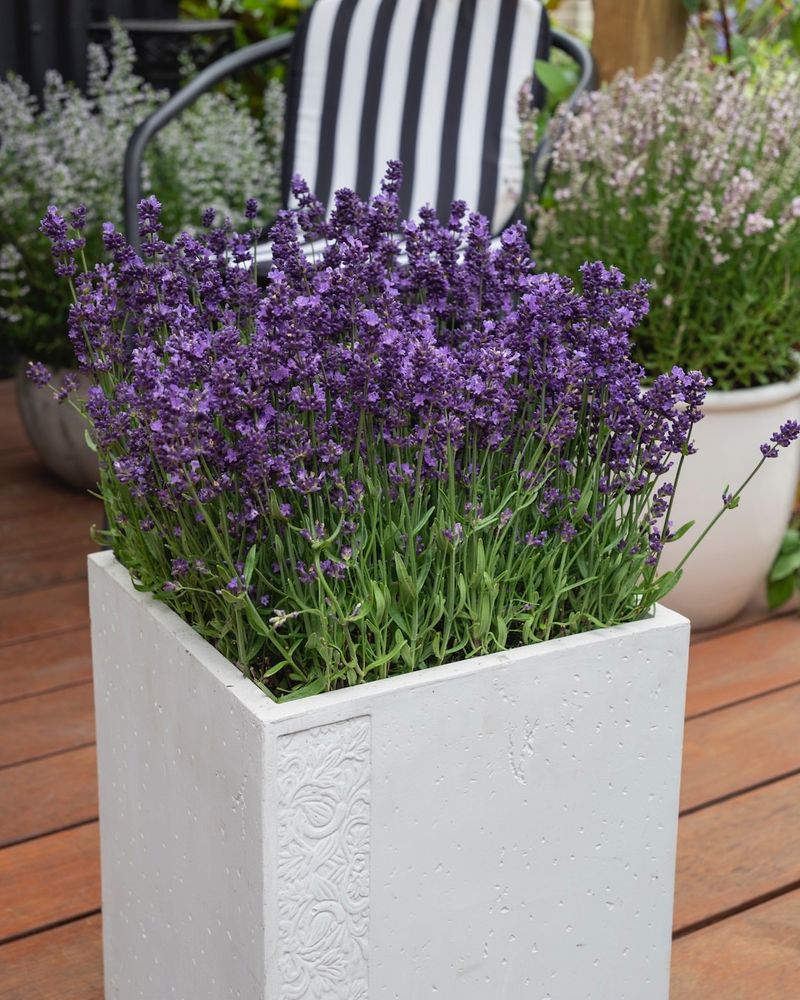
There is something wonderfully calming about lavender. The soft purple spikes, the gentle fragrance that floats through warm afternoon air, the way bees seem absolutely delighted by it.
In California, lavender is more than just a pretty plant. It is a practical one too.
Lavender thrives in hot, dry conditions, making it perfectly suited to California’s Mediterranean climate. Spanish lavender and French lavender varieties tend to do especially well in containers across the state.
Choose a pot that is slightly larger than the root ball and fill it with a sandy, well-draining mix.
Full sun is non-negotiable for lavender. Place your container in the sunniest spot available, whether that is a south-facing balcony in Santa Barbara or a sun-soaked patio in Sacramento.
Water deeply but infrequently, letting the soil dry completely between sessions.
Skip the heavy fertilizer with lavender. Too many nutrients encourage leafy growth over flowers.
A light dose of slow-release fertilizer in early spring is usually plenty. Trim back the plant after each bloom cycle to keep it from getting woody and to encourage fresh new growth.
The fragrance alone makes lavender one of the most rewarding container plants you can grow in California.
4. Bird of Paradise (Strelitzia)
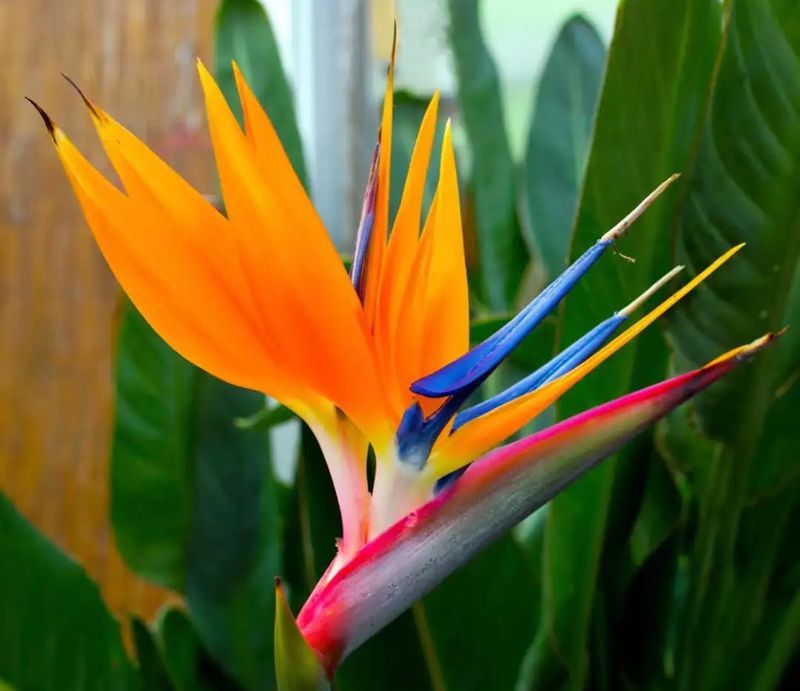
Bold, architectural, and unmistakably tropical, the Bird of Paradise is one of California’s most iconic plants. Those striking orange and blue flowers, shaped like the head of an exotic bird, make an instant impression in any outdoor space.
In a large container, it becomes a living centerpiece.
Strelitzia reginae, the smaller species, is the best choice for container growing. It reaches about four to five feet tall in a pot, making it manageable for patios and balconies in places like Long Beach or San Jose.
Use a large, heavy pot to support its size and prevent tipping in the wind.
Bird of Paradise loves full sun and warm temperatures, both of which California delivers in abundance. Plant it in rich, well-draining soil and water regularly during the growing season.
Allow the top two inches of soil to dry out between waterings to avoid root problems.
Patience is key with this plant. It can take a few years before it blooms for the first time, but once it starts, the flowers are absolutely worth the wait.
Feed it with a balanced fertilizer in spring and summer. Keep it in the same pot for a while, because being slightly root-bound actually encourages it to bloom more freely.
5. Succulent Mix (Echeveria, Crassula, Aloe)
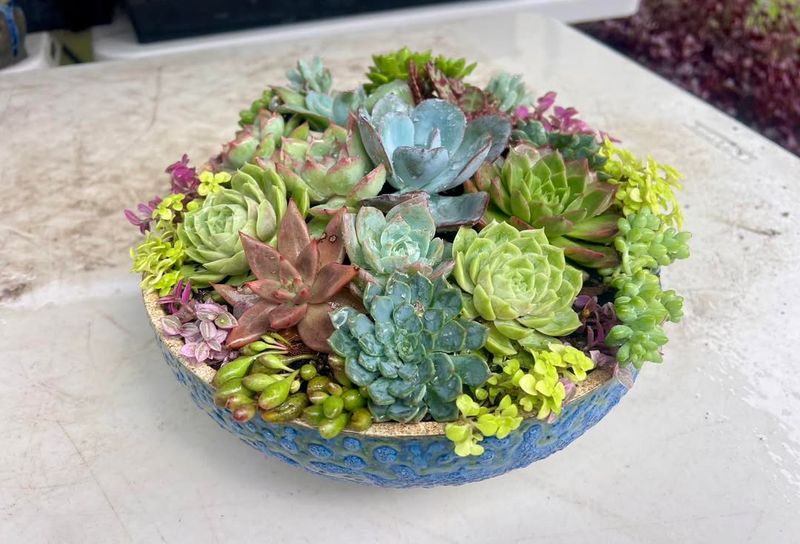
If you want color, texture, and almost zero fuss, a mixed succulent container is your answer. Pairing rosette-shaped Echeveria with the stacked leaves of Crassula and the spiky silhouette of Aloe creates a mini landscape that looks like it belongs in a design magazine.
California’s sunny, dry climate is basically paradise for these plants.
Succulents store water in their thick leaves, which means they can go long stretches without being watered. This makes them ideal for busy people or anyone who tends to forget about their plants.
Water deeply, then wait for the soil to dry out completely before watering again. In California’s hot summers, that might mean watering once a week or less.
Use a cactus and succulent potting mix for the best drainage. A shallow, wide bowl or a terracotta pot both work beautifully and let you arrange the plants in interesting patterns.
Place your container in a bright, sunny spot for the richest colors.
Echeveria tends to blush pink or purple at the leaf tips when it gets plenty of sun. Aloe produces tall orange flower stalks in spring that attract hummingbirds.
Crassula adds vertical interest. Together, they create a low-maintenance container garden that looks stunning on any California patio or windowsill.
6. Fuchsia
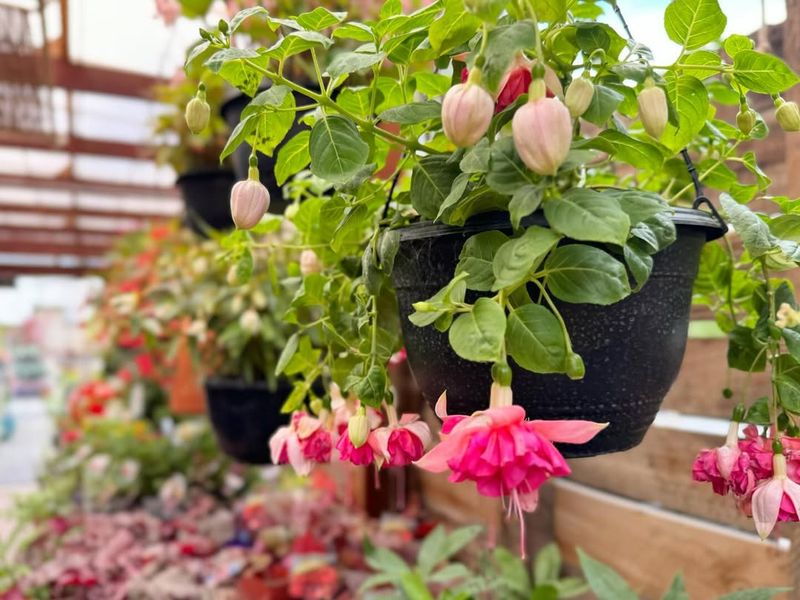
Fuchsia is the queen of the shaded patio. While most flowering plants demand full sun, fuchsia actually prefers a cool, partly shaded spot, which makes it a fantastic option for north-facing balconies or covered porches in coastal California cities like Monterey or Half Moon Bay.
Those dangling, jewel-toned blooms in pink, purple, and red are genuinely hard to look away from.
Hanging baskets are the classic way to display fuchsia, letting the trailing stems and pendulous flowers cascade downward in a dramatic display.
You can also grow it in a standard container placed on a shelf or ledge at eye level. Either way, the blooms become an instant focal point.
Fuchsia needs consistent moisture to perform well. Check the soil daily during warm weather and water whenever the top inch feels dry.
It also benefits from regular feeding. Use a liquid fertilizer high in potassium every one to two weeks during the blooming season to keep the flowers coming.
Pinch back the growing tips early in the season to encourage a fuller, bushier plant with more blooms. Fuchsia does not love intense heat, so if you are in a hotter inland area of California, look for heat-tolerant varieties.
With the right conditions, fuchsia delivers some of the most spectacular flowers of any container plant.
7. Citrus Trees (Dwarf Lemon or Lime)
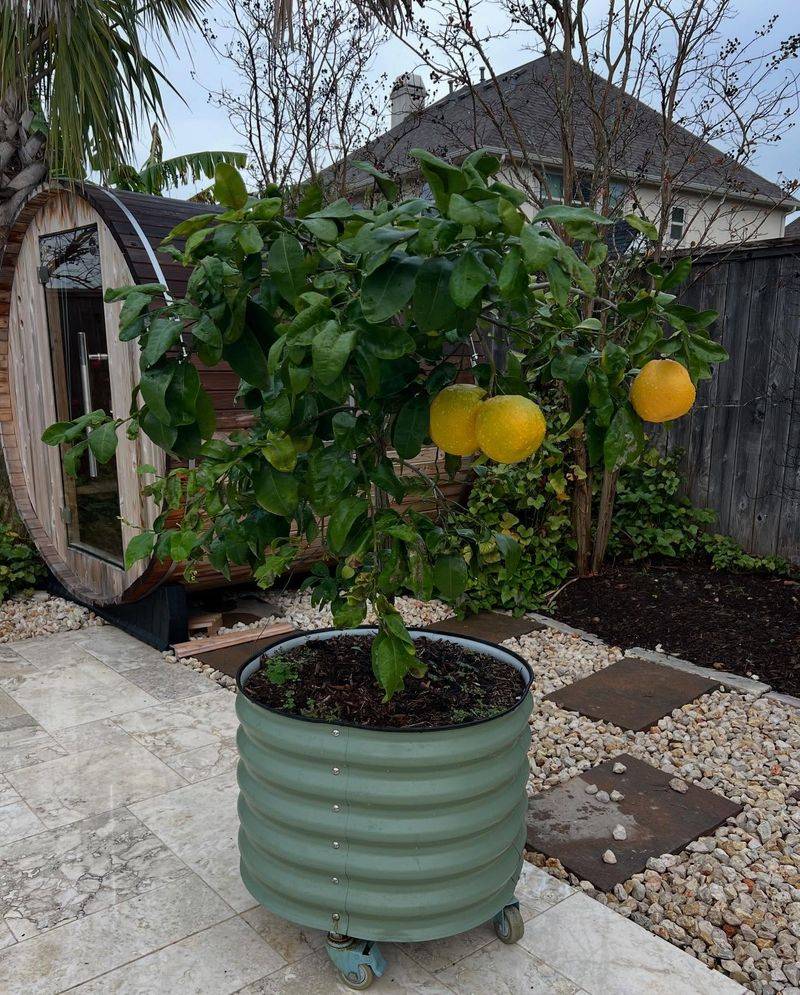
Imagine stepping out onto your California patio and picking a fresh lemon right off your own tree. With a dwarf citrus in a container, that is completely possible.
Dwarf lemon and lime trees are perfectly sized for pots, typically reaching four to six feet tall, and they produce real, full-sized fruit you can actually use in your kitchen.
Meyer lemon and Bearss lime are two of the most popular varieties for container growing in California. Both adapt well to pot life and produce abundant fruit in a relatively small space.
Choose a large container, at least fifteen to twenty gallons, to give the roots room to spread and support the tree’s weight when it is loaded with fruit.
Citrus loves full sun, at least eight hours a day. Place your container in the sunniest part of your yard or patio, and rotate it every few weeks so all sides get even light exposure.
Water consistently, keeping the soil moist but never waterlogged.
Feed your citrus tree with a fertilizer formulated specifically for citrus every six to eight weeks during the growing season. Watch for yellowing leaves, which can signal a need for iron or nitrogen.
In California’s warm climate, a well-cared-for dwarf citrus in a container can reward you with fragrant blossoms and fresh fruit nearly year-round.
8. Lantana
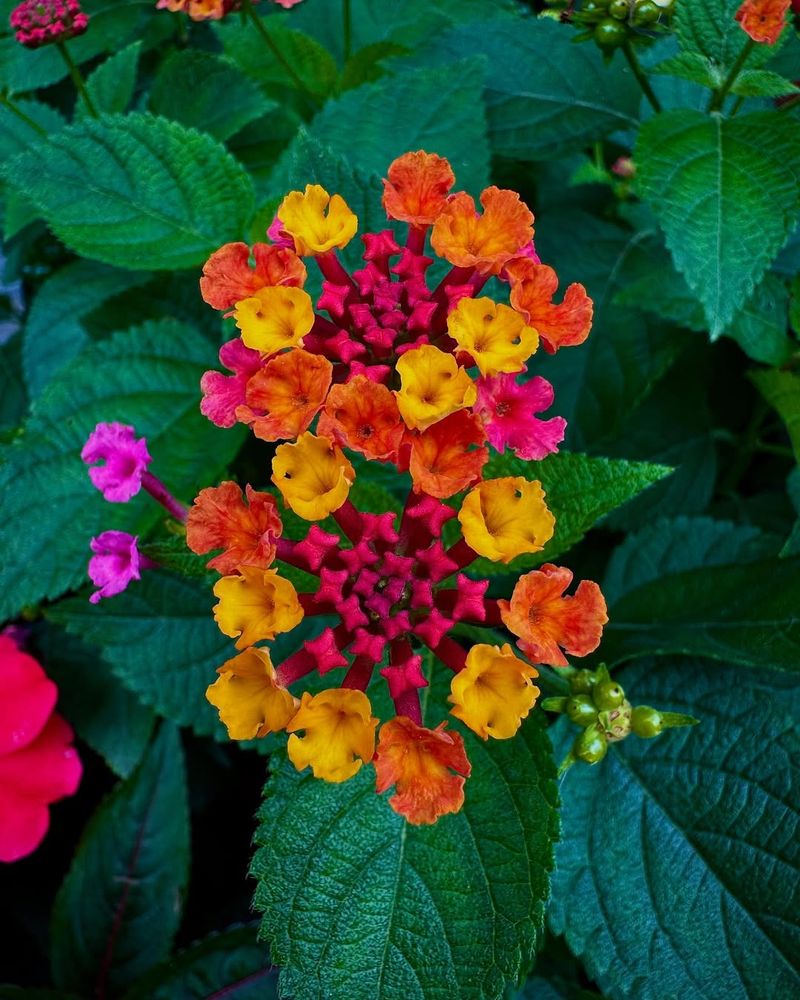
Hot, dry, and full of sun? Lantana is completely in its element.
This tough, cheerful plant produces clusters of tiny flowers that change color as they mature, shifting from yellow to orange to pink or red within the same bloom head. The result is a container that looks like it is covered in little confetti bursts of color.
Lantana is incredibly heat-tolerant, which makes it a superstar in warmer California regions like the Inland Empire, the Central Valley, and San Diego. It thrives in full sun and actually blooms more intensely the hotter it gets.
Place your container in your sunniest spot and watch it go.
Water lantana moderately, allowing the soil to dry out somewhat between waterings. It is surprisingly drought-tolerant once established, which is a big plus in a state where water conservation matters.
Avoid overwatering, as wet roots can cause problems quickly.
Lantana attracts butterflies and hummingbirds in impressive numbers, adding movement and life to your outdoor space. Deadhead spent blooms regularly to encourage continuous flowering throughout the warm months.
A light trimming in late winter or early spring keeps the plant tidy and promotes vigorous new growth. For non-stop summer color in California, few container plants can match lantana’s reliability and visual punch.
9. Coleus
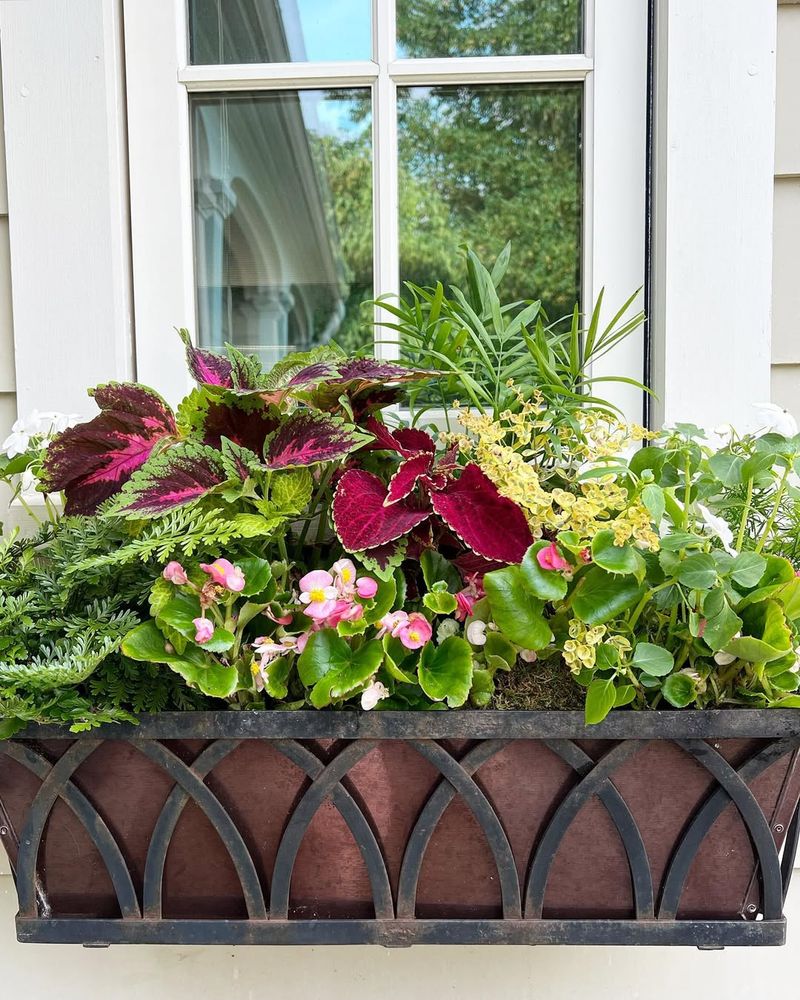
Forget flowers for a moment. Coleus is all about the leaves, and what leaves they are.
Swirling patterns of burgundy, lime green, hot pink, copper, and deep purple make coleus one of the most visually exciting foliage plants you can grow in a container. Even without a single bloom, a well-grown coleus commands attention.
Coleus is wonderfully flexible when it comes to light. Some varieties do well in full sun, while others prefer partial shade.
This makes it a great option for California gardeners who are working with tricky spots that do not get consistent direct sunlight. Coastal areas like Santa Cruz or Marin County, where fog can limit sun exposure, are perfect for shade-loving coleus varieties.
Keep the soil consistently moist but not soggy. Coleus is thirstier than many other container plants, so check the soil every day or two during warm weather.
Use a rich, well-draining potting mix and a container with good drainage holes to keep roots healthy.
Pinch off any flower spikes as soon as they appear. Letting coleus bloom actually causes the leaf color to fade and the plant to decline.
By pinching regularly, you redirect the plant’s energy into producing bigger, more colorful leaves. Feed monthly with a balanced liquid fertilizer for the most vibrant foliage display all season long.
10. Calibrachoa (Million Bells)
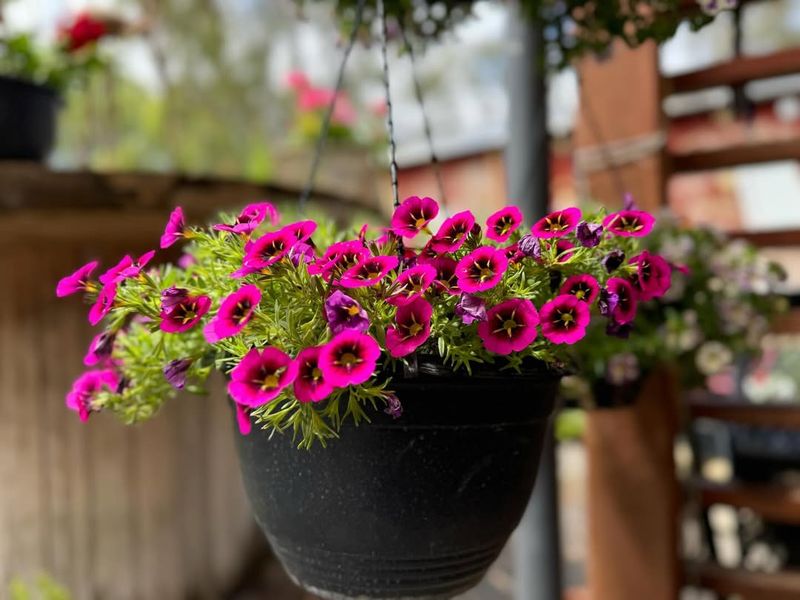
Calibrachoa earned the nickname Million Bells for a very good reason. When this plant is happy, it covers itself in hundreds of tiny, petunia-like flowers that keep blooming from spring all the way through fall without much encouragement.
In California’s long growing season, that means months of nearly uninterrupted color.
Trailing varieties look absolutely stunning in hanging baskets or window boxes, where the flower-covered stems spill over the edges in a cascading waterfall of color. You can find calibrachoa in shades of pink, yellow, orange, red, purple, white, and even bi-color combinations.
Mixing several colors in one container creates a look that is playful and eye-catching.
Calibrachoa needs full sun to perform at its best. Place your container where it will receive at least six hours of direct sunlight daily.
Water regularly, keeping the soil evenly moist. This plant is not as drought-tolerant as some others, so do not let it dry out completely between waterings.
Feeding is important for calibrachoa. Use a water-soluble fertilizer every one to two weeks throughout the growing season to keep the blooms coming.
Unlike petunias, calibrachoa does not need deadheading because the old flowers drop on their own. For effortless, high-impact color on any California patio or balcony, calibrachoa is one of the most rewarding container plants available.