The Container Plants That Handle Georgia’s Sudden Temperature Swings
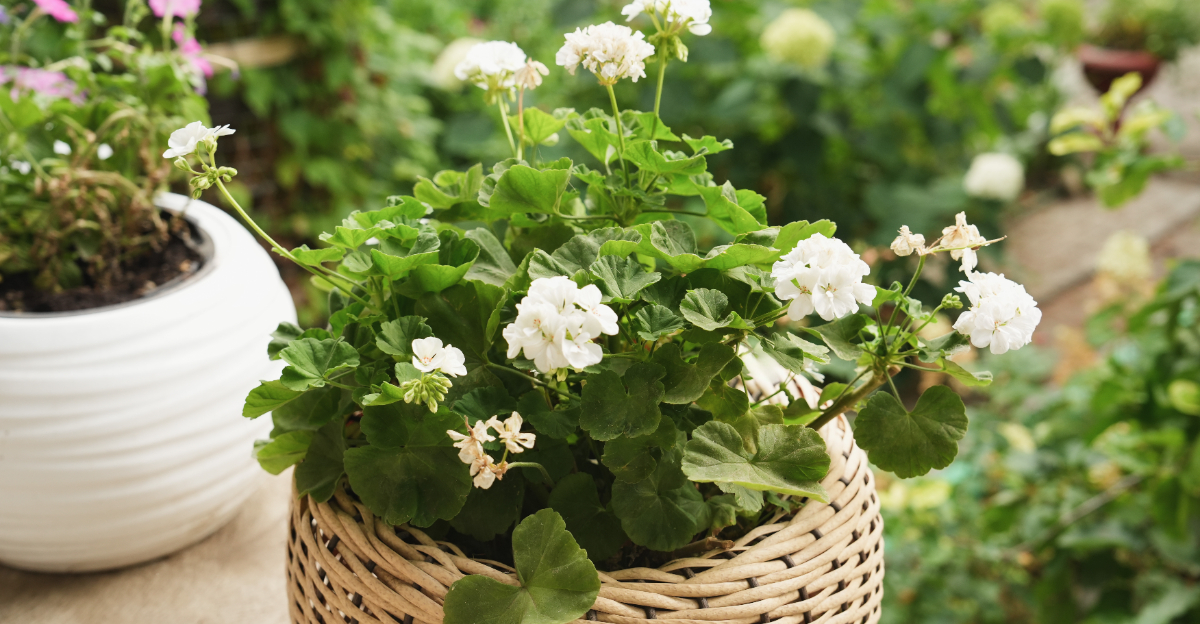
Temperature swings in Georgia can catch container plants off guard, especially when warm afternoons give way to cooler nights without much warning.
What looks strong one day can show stress the next, and pots tend to feel those changes faster than anything in the ground.
Leaves can lose firmness, growth can slow, and some plants struggle to adjust when conditions shift too quickly. That makes containers harder to manage, even with regular care in place.
Certain plants handle those ups and downs far better. They stay steady through quick changes, keep their shape, and hold color without reacting to every shift in temperature.
The difference becomes clear as the season moves forward. Pots with the right plants continue to look full and consistent, while others need constant attention just to keep up.
1. Pansies Hold Up Through Cold Nights And Warm Days
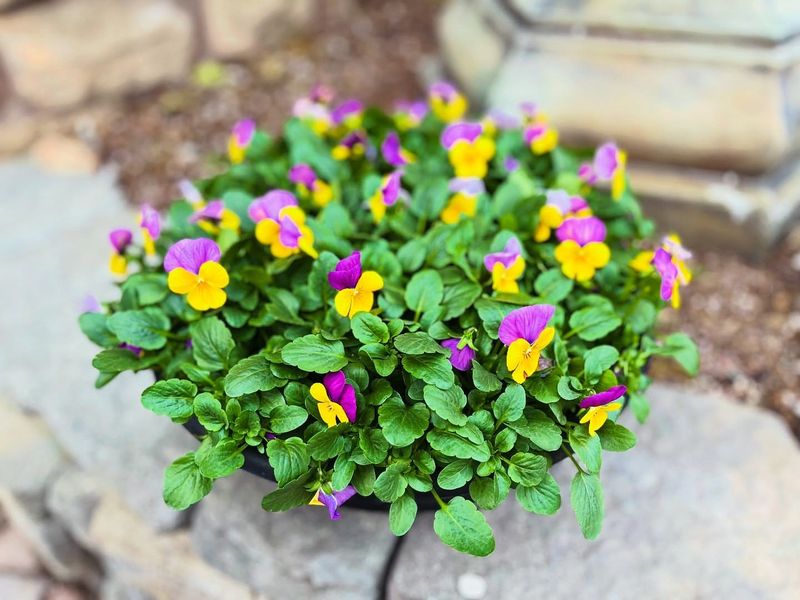
Few flowering plants handle a cold snap as casually as pansies do. Overnight lows that would send most blooming plants into a tailspin barely slow these down.
In Georgia, where a week of 60-degree afternoons can be followed by a surprise freeze, pansies keep right on pushing out flowers without much drama.
Plant them in a container with decent drainage and they settle in fast. They do best in full sun to partial shade, and they appreciate consistent moisture without sitting in soggy soil.
A pot with good drainage holes and a quality potting mix goes a long way toward keeping them healthy through the unpredictable weeks of late winter and early spring.
Colors range from deep purple and burgundy to bright yellow and soft lavender, so mixing a few varieties in one container gives you a really striking display.
As temperatures climb into the upper 70s consistently, pansy performance tends to fade, but from November through April across much of Georgia, they are one of the most dependable plants you can put in a pot.
Deadheading spent blooms regularly encourages fresh flowers to keep coming. If a hard frost is expected, moving containers to a sheltered spot like a covered porch usually gives them enough protection to bounce back without much trouble.
They bounce back quickly after cold nights and rarely show signs of stress when temperatures swing.
For steady color through Georgia’s unpredictable early season, pansies stay one of the most reliable choices.
2. Snapdragons Stay Strong During Spring Temperature Swings
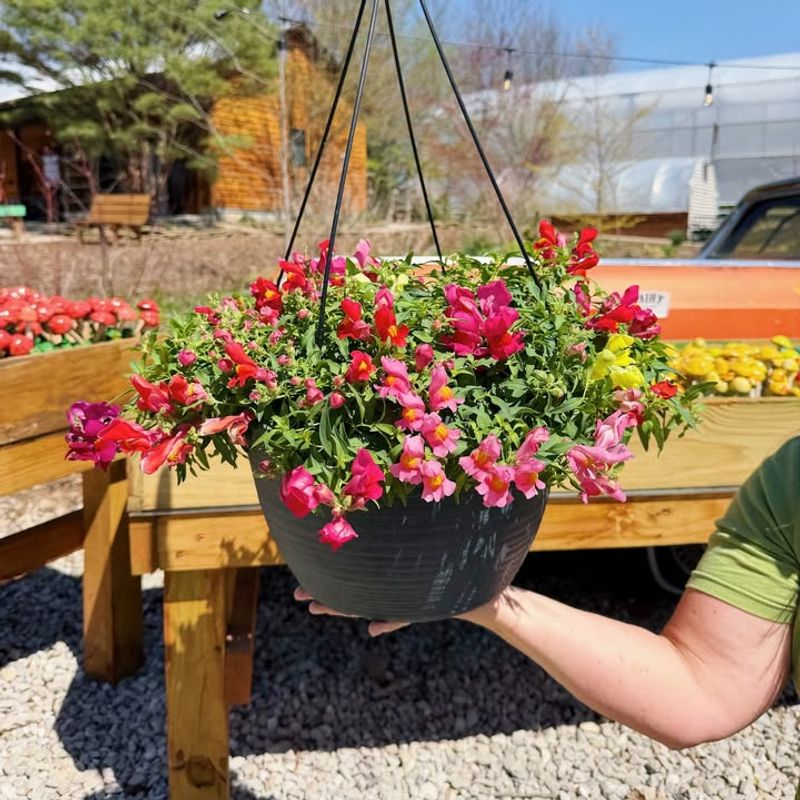
Snapdragons have a quiet toughness that surprises a lot of first-time growers. You plant them expecting fragile, showy blooms, and instead you get a plant that shrugs off a light frost and keeps producing those tall flower spikes week after week.
Georgia’s spring shoulder season, when mornings can dip into the 30s and afternoons push into the 70s, is actually where snapdragons tend to perform at their best.
In containers, they need room to develop a solid root system, so go with a pot that is at least 10 to 12 inches deep. A loose, well-draining mix works better than heavy garden soil.
Water when the top inch of the mix feels dry, and avoid letting the pot sit in standing water after rain.
Your Georgia Garden Changes Every Week. Your Plan Should Too.
Gardening in Georgia changes quickly throughout the season. Every Friday you’ll receive a simple weekly plan showing exactly what to plant, prune, fertilize, harvest, and protect so you never miss the right timing.
Snapdragons come in single and double-petal varieties, and heights range from compact mounding types to tall upright ones that add real visual structure to a patio arrangement. Pinching back the growing tips when plants are young encourages bushier growth and more blooms over time.
As Georgia summers heat up past the mid-80s on a regular basis, snapdragon production slows down noticeably. Starting fresh transplants in late summer for a fall round is a strategy many Georgia gardeners use to get two solid seasons of color from this plant each year.
3. Geraniums Adjust Well To Changing Outdoor Conditions
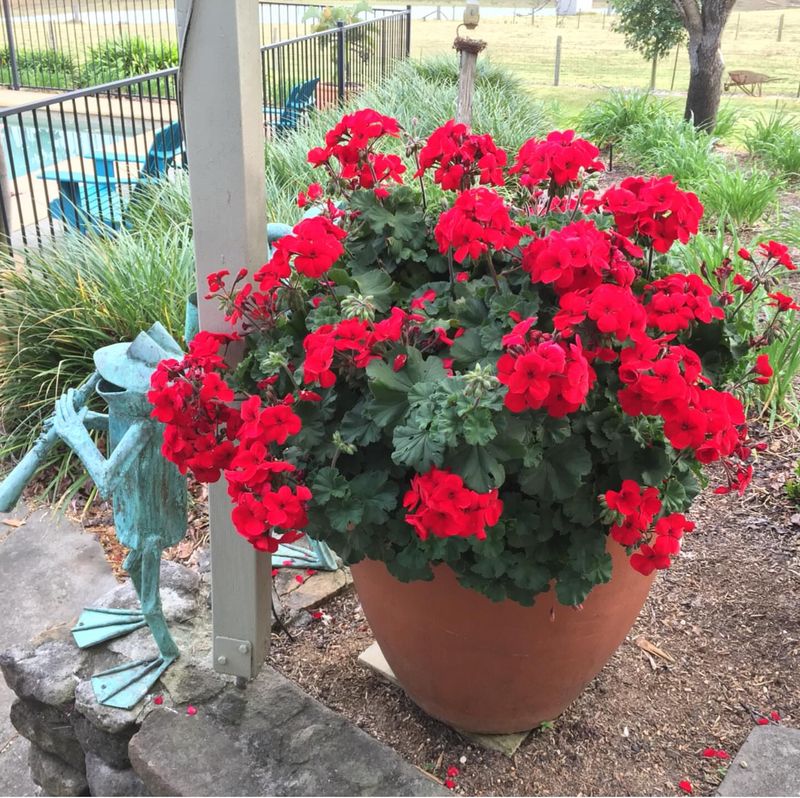
Geraniums have been growing on Southern porches for generations, and there is a practical reason for that. They handle heat reasonably well, recover from a surprise cool stretch without too much fuss, and keep producing clusters of bold blooms through a long stretch of the growing season.
In Georgia, that combination of traits makes them a reliable container choice from spring well into fall.
Zonal geraniums, the classic upright type, do especially well in containers because they prefer slightly dry conditions between watering. Overwatering is actually one of the more common mistakes people make with them.
Let the top two inches of soil dry out before watering again, and make sure your container drains freely. A southern or western exposure with several hours of direct sun brings out the best flowering.
When temperatures dip into the low 40s, geraniums may look a little tired, but they tend to perk back up once warmth returns. They are not frost-proof, so if a hard freeze is in the forecast, bring containers inside a garage or covered area for the night.
Deadheading regularly, meaning snapping off spent flower clusters, keeps the plant focused on producing new blooms instead of setting seed.
With a little consistent attention, a healthy geranium in a good-sized pot can reward you with color from April through October across most parts of Georgia.
4. Dusty Miller Handles Cool Air And Sudden Warmups
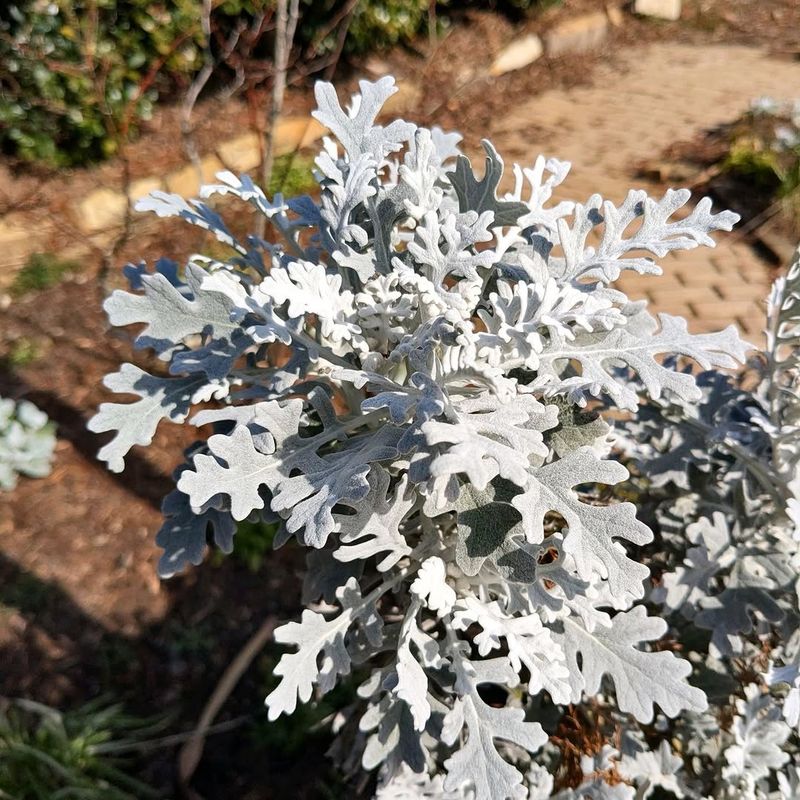
Silvery and a little otherworldly-looking, Dusty Miller earns its place in Georgia containers not through flashy blooms but through sheer staying power. When the temperature jumps 25 degrees between morning and afternoon, most plants show some stress.
Dusty Miller just sits there looking cool and unfazed, its soft gray-white leaves catching the light whether it is a crisp 45-degree morning or a mild 72-degree afternoon.
It pairs well with almost anything you put next to it. The silver foliage acts as a natural contrast to bright pansies, bold geraniums, or deep purple snapdragons.
In a mixed container, it gives the whole arrangement a more polished, layered look without requiring any extra effort on your part.
Dusty Miller prefers well-drained soil and does not like sitting in wet conditions for extended periods. In Georgia, where heavy spring rains can catch you off guard, choosing a container with solid drainage is especially important for this plant.
Full sun to light shade works well, and it handles dry stretches better than most cool-season plants. Growth stays relatively compact, so it fits comfortably in medium to large containers without crowding out its neighbors.
Light frost does not bother it much, and it can hold its appearance through much of Georgia’s unpredictable late winter and early spring weather without needing much intervention from you.
5. Dianthus Keeps Blooming Through Early Season Shifts
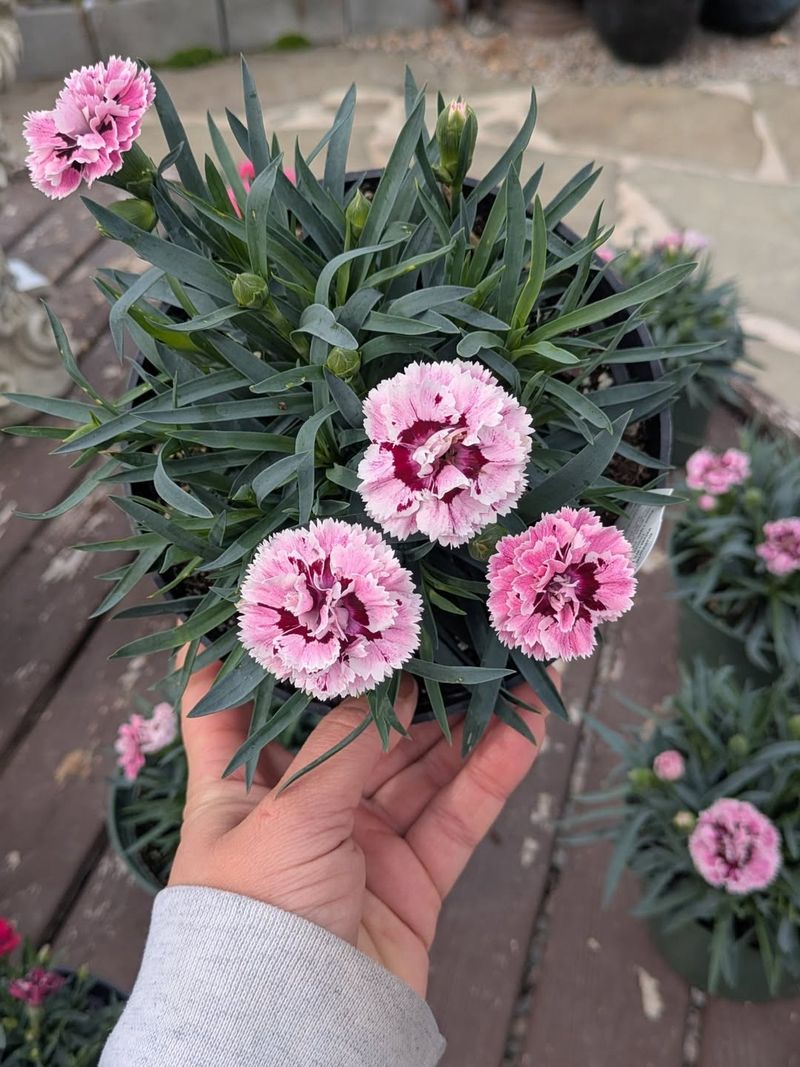
Dianthus is the kind of plant that earns its spot in a container by simply refusing to quit. Cold morning, warm afternoon, a rainy week followed by dry windy days, it keeps putting out those small, fringed blooms with a consistency that is genuinely useful in Georgia’s unpredictable early season.
The flowers carry a light, sweet fragrance that you notice most on calm, slightly warm afternoons.
Annual and perennial varieties are both available, and the annuals tend to be the most prolific bloomers in containers. Colors range from solid white and deep crimson to striped and bicolor combinations.
Planting a few different shades in one large pot creates a layered, cottage-style look that holds up well from late winter through spring.
Dianthus does best with at least five to six hours of direct sun each day. It prefers slightly alkaline soil, so if your potting mix runs acidic, a light application of garden lime can help.
Water consistently but avoid letting the roots stand in moisture, especially during Georgia’s wetter spring weeks. Deadheading spent flowers encourages the plant to redirect energy toward new blooms rather than seed production.
As summer heat builds across Georgia, most Dianthus varieties slow down noticeably, but during that cool-to-warm transition period in early spring, they are one of the more reliable and rewarding options for container gardeners in the region.
6. Kale Tolerates Cold And Mild Heat In Containers
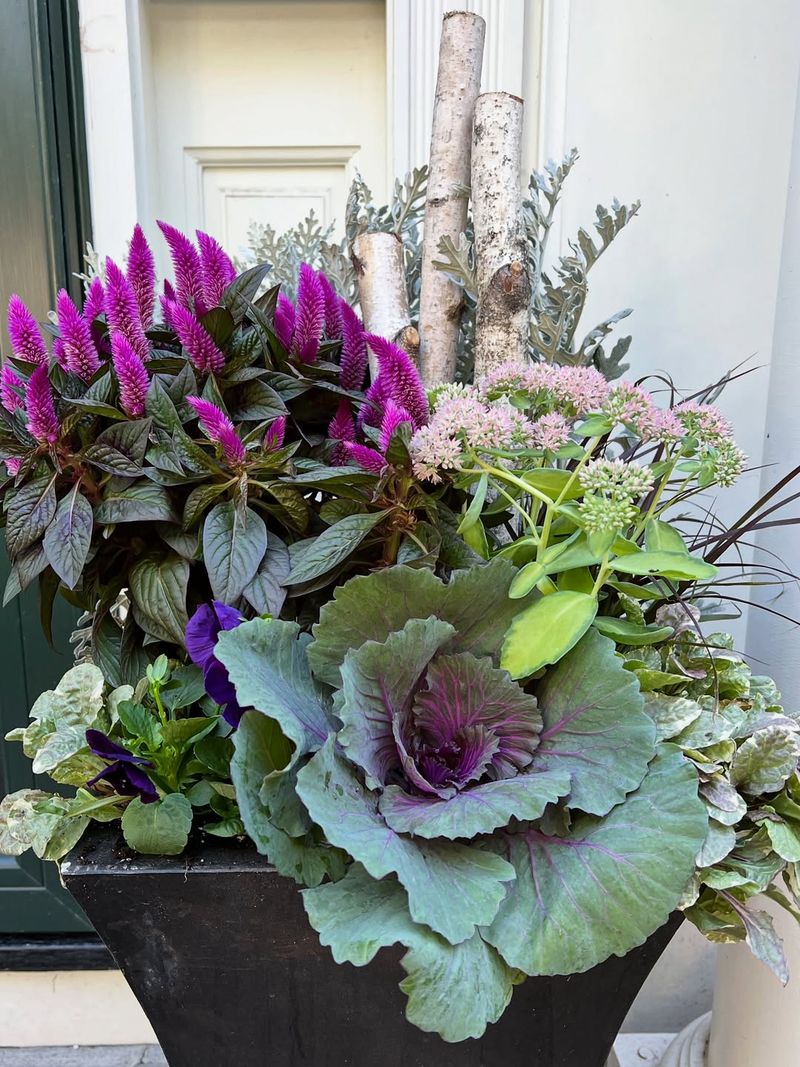
Kale in a container is more practical than most people expect. Beyond looking interesting with its ruffled, deeply colored leaves, it genuinely handles the kind of weather Georgia throws at plants in fall and early spring without much complaint.
A light frost can actually improve the flavor of edible varieties by converting starches to sugars, and ornamental types hold their color and texture through similar conditions.
Both ornamental and edible kale varieties do well in containers as long as the pot is large enough to support root development. A 12-inch or larger container with quality potting mix and reliable drainage is a solid starting point.
Kale is a heavy feeder compared to some cool-season plants, so a slow-release fertilizer mixed into the potting medium at planting time helps sustain growth through the season.
Afternoon temperatures in the 60s and 70s suit kale well, and it can handle overnight dips into the mid-20s without significant damage in most cases.
When Georgia’s spring warmth really sets in and days consistently hit the upper 70s and 80s, kale tends to bolt, sending up a flower stalk and turning bitter.
Catching it before that point and harvesting outer leaves regularly extends the productive period. Placed in a spot with morning sun and some afternoon shade, container kale can stay productive and attractive for several months during Georgia’s cooler growing windows.
7. Swiss Chard Adapts Quickly To Fluctuating Weather
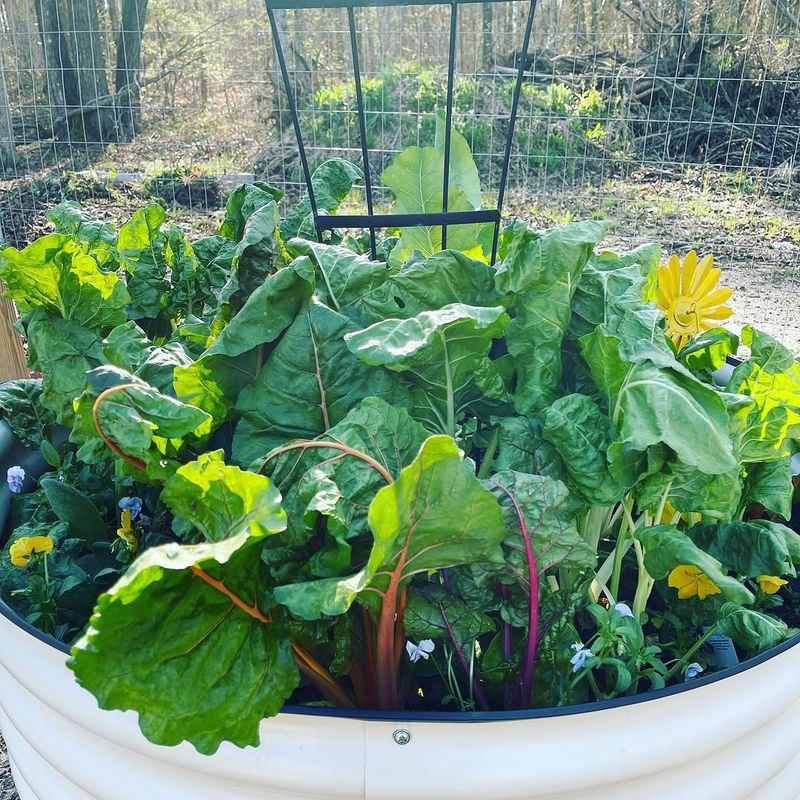
Swiss chard has a flexibility that sets it apart from most cool-season vegetables. Where spinach sulks and lettuce bolts at the first sign of warmth, chard just keeps growing.
In Georgia, where spring temperatures can swing wildly from one week to the next, that kind of adaptability is genuinely valuable for container gardeners who want something edible and attractive on their porch or patio.
Rainbow chard varieties, with stems in red, orange, yellow, and white, look striking enough to double as ornamental plants. Grouped with flowering annuals in a large mixed container, chard adds bold color and texture that holds up through warm days and cool nights without fading or wilting dramatically.
Start with a container at least 12 inches deep to give roots enough room to develop properly. Rich, moisture-retentive potting mix works well, and consistent watering keeps the leaves from becoming tough or bitter.
Chard tolerates light frost and handles temperatures down into the upper 20s in many cases, though prolonged hard freezes will eventually cause damage.
On the warm end, it can manage mild heat better than most greens, though production slows when temperatures stay consistently above 85 degrees.
Harvesting outer leaves regularly keeps the plant producing fresh growth. Across most of Georgia, chard can provide a solid harvest window stretching from early spring through late spring, and again from fall into early winter.
8. Petunias Recover Fast After Brief Temperature Changes
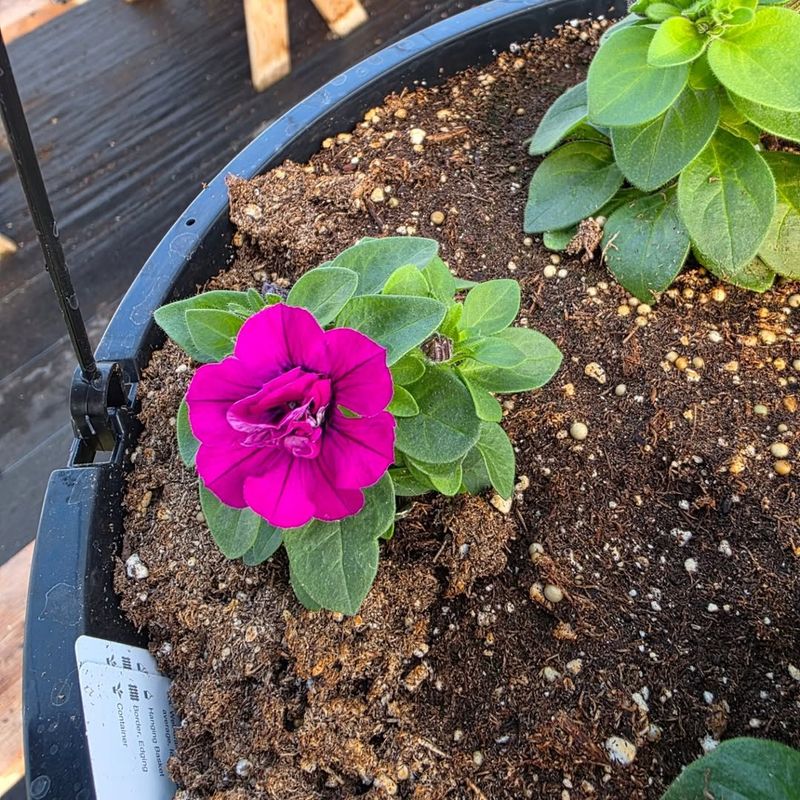
Petunias have a resilience that catches a lot of people off guard. Drop the temperature overnight and they look a little rough by morning, but give them a few hours of sunshine and they bounce back faster than almost any other warm-season container flower.
In Georgia, where late spring cold snaps can catch gardeners off guard, that recovery ability matters more than most people realize when choosing what goes in a pot.
Trailing varieties spill beautifully over the edges of containers, while upright types fill in the center of mixed arrangements. Wave petunias, in particular, spread quickly and produce a dense mat of flowers that covers a lot of visual ground in a single pot.
They come in nearly every color imaginable, and new varieties show up each season with improved heat and weather tolerance.
Plant petunias after the last frost date for your area of Georgia, which typically falls between late February and mid-March depending on your location.
They prefer full sun and consistent moisture, and they respond well to a balanced liquid fertilizer applied every couple of weeks during active growth.
Deadheading or a light shearing when plants start looking leggy encourages a flush of fresh blooms. When Georgia summers get truly brutal with heat and humidity, petunia performance can decline, but during the long, mild stretch of spring they are genuinely hard to beat in a container setting.