The Container Tricks Arizona Gardeners Use For Bigger Strawberry Harvests
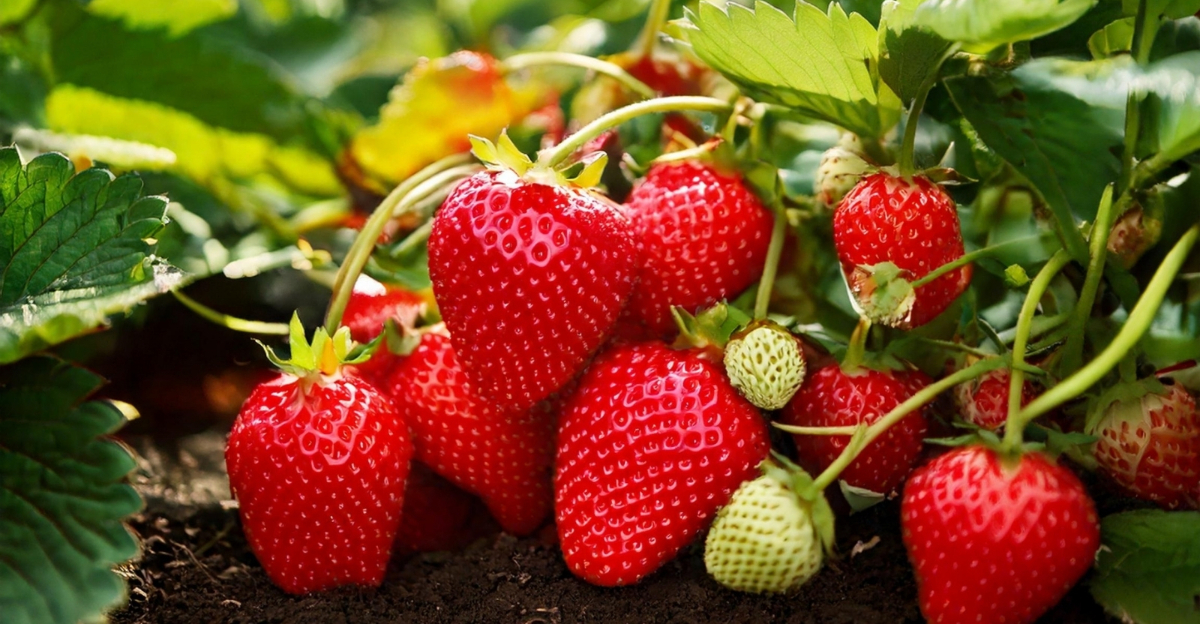
Container strawberry growing has quietly taken off across Arizona as gardeners look for ways to beat heat, poor soil, and limited space.
Instead of fighting harsh ground conditions, many Arizona gardeners turn to containers to stay in control from planting through harvest.
Containers allow strawberries to be moved, shaded, or repositioned as temperatures swing, which makes a noticeable difference once intense sun sets in.
Soil quality becomes far easier to manage when plants are grown in pots rather than native desert ground.
Drainage improves instantly, helping roots avoid stress during hot spells and sudden watering cycles.
Arizona gardeners often notice stronger growth when containers lift strawberries off overheated surfaces. That small elevation can protect roots during peak summer conditions.
Placement flexibility also helps flowers and fruit avoid scorching during extreme afternoons.
With the right container choices, strawberries respond with healthier plants and fuller harvests.
1. Choose Light-Colored Containers To Beat The Heat
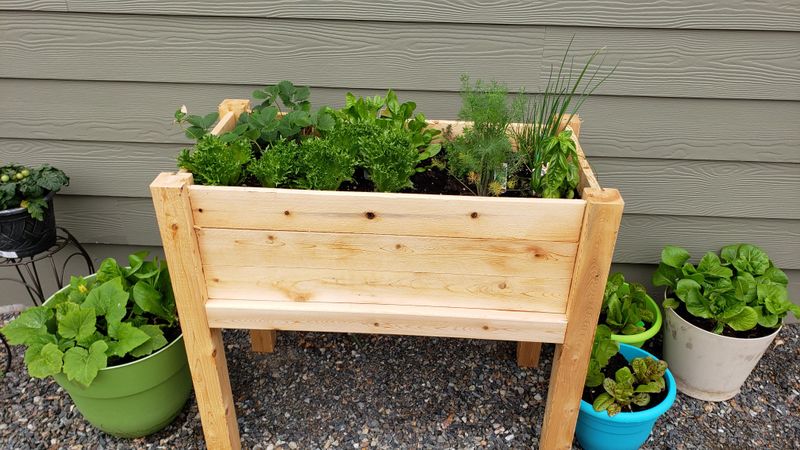
Root temperatures matter more than most people realize when growing berries in the desert. Strawberry roots can get damaged when soil temperatures climb above 85 degrees, which happens quickly in dark containers under the Arizona sun.
White, cream, or light gray pots reflect sunlight instead of absorbing it, keeping the root zone several degrees cooler throughout the day.
Many experienced growers in Phoenix and Tucson swear by white plastic containers for this exact reason. Terra cotta pots work well too since they allow moisture to evaporate through the sides, creating a natural cooling effect.
Some gardeners even paint their darker containers with light-colored exterior paint to get the same benefit without buying new pots.
Container size matters just as much as color when you’re planning your setup. Strawberries need at least 8 inches of depth for their roots to spread properly and access enough nutrients.
Wider containers work better than deep ones since strawberry roots grow more horizontally than vertically.
Arizona’s intense sunshine can heat up even light-colored pots during summer afternoons. Placing containers where they get morning sun but afternoon shade helps maintain ideal temperatures.
East-facing patios or spots under shade cloth provide the perfect balance of light and protection.
2. Use A Custom Soil Mix For Desert Conditions
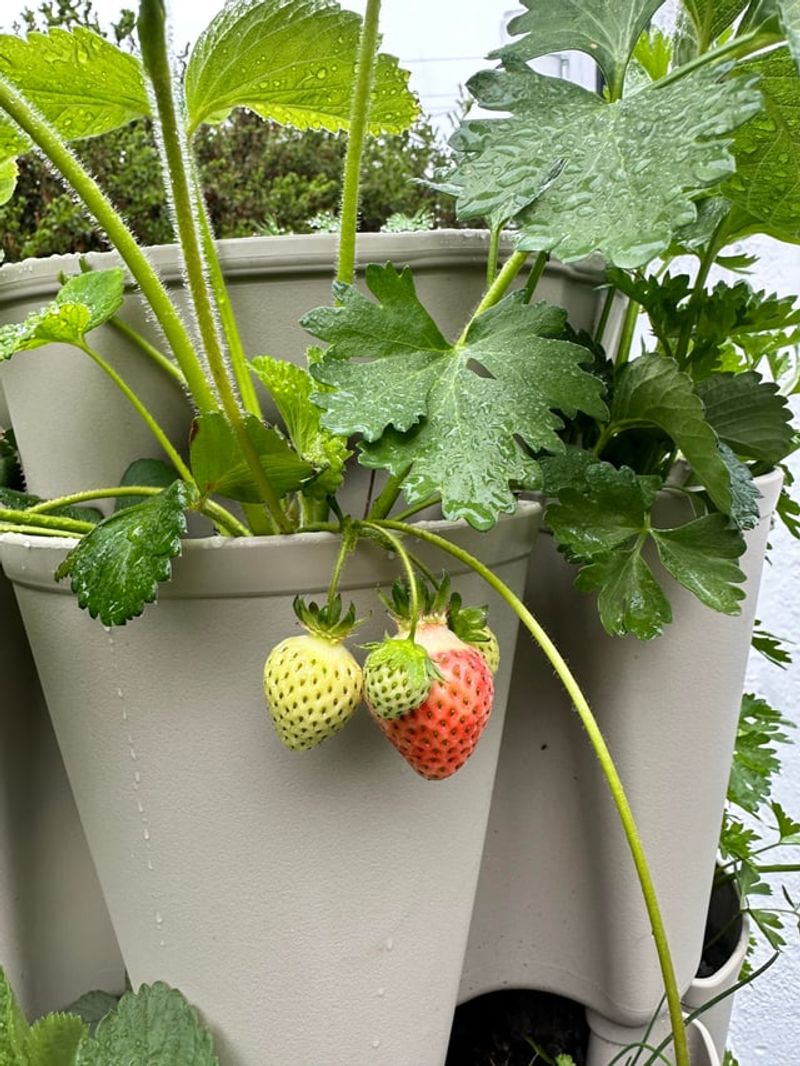
Regular potting soil dries out way too fast in Arizona’s arid climate and low humidity. Strawberries need consistent moisture but also require excellent drainage to prevent root problems.
Creating a custom blend specifically for desert container growing solves both challenges at once.
Start with a quality potting mix as your base, then add coconut coir to improve water retention. Coconut coir holds moisture much longer than peat moss while still maintaining good drainage properties.
Mix in about 25% coir with your potting soil for a blend that works beautifully in hot, dry conditions.
Perlite or vermiculite should make up another 20% of your custom mix. These materials keep the soil loose and airy, preventing compaction that can suffocate strawberry roots.
Good soil structure allows roots to grow freely and access oxygen even when the mix stays moist.
Adding aged compost brings essential nutrients and beneficial microorganisms to your containers. Compost improves soil structure while feeding your plants slowly over time.
Arizona gardeners often use locally-made compost from desert plant materials, which adapts perfectly to regional conditions.
A handful of worm castings per gallon of soil mix provides a nutrient boost without chemical fertilizers.
3. Install Drip Irrigation For Consistent Watering
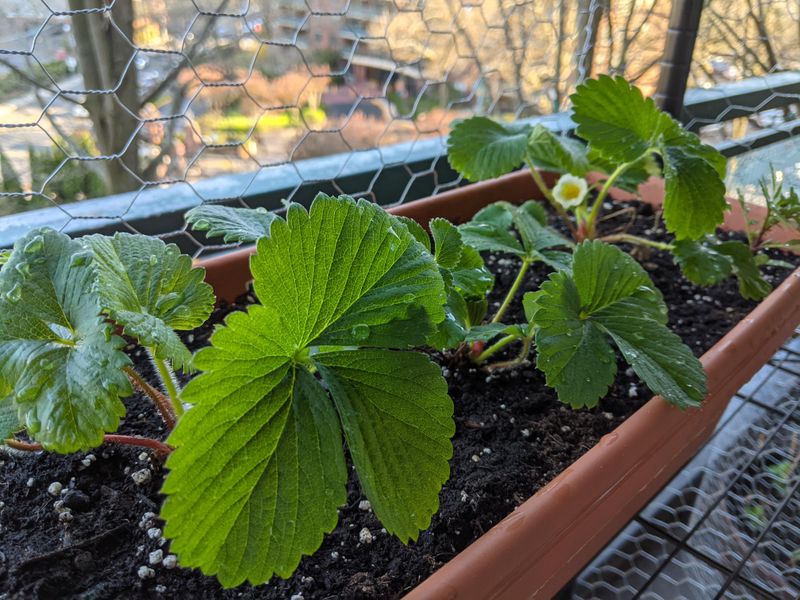
Hand-watering containers in Arizona’s heat becomes a demanding daily chore that’s easy to forget. Strawberries need even moisture levels to produce sweet, plump berries rather than small, bitter ones.
Drip irrigation delivers water directly to the root zone at regular intervals without you lifting a finger.
Basic drip kits designed for container gardens cost less than thirty dollars at most hardware stores. These systems include everything you need: tubing, emitters, stakes, and connectors.
Setting up a simple drip system takes about an hour, even if you’ve never done it before.
Programmable timers take the guesswork out of watering schedules completely. You can set them to water twice daily during summer or every other day in cooler months.
This consistency helps strawberries develop deeper root systems and produce more flowers, which means more berries for your harvest.
Adjustable emitters let you control water flow to individual containers based on their needs. Larger pots might need two emitters while smaller ones do fine with just one.
Arizona gardeners often run their systems early morning and late evening to minimize water loss from evaporation.
Drip irrigation reduces water waste compared to overhead watering or hand-watering with a hose. Every drop goes directly into the soil instead of splashing onto pavement or evaporating in the air.
This efficiency matters a lot in Arizona where water conservation is always important.
Checking your drip lines weekly prevents clogs from mineral buildup in hard water. Arizona’s water contains high levels of calcium and other minerals that can block emitters over time.
4. Select Heat-Tolerant Strawberry Varieties
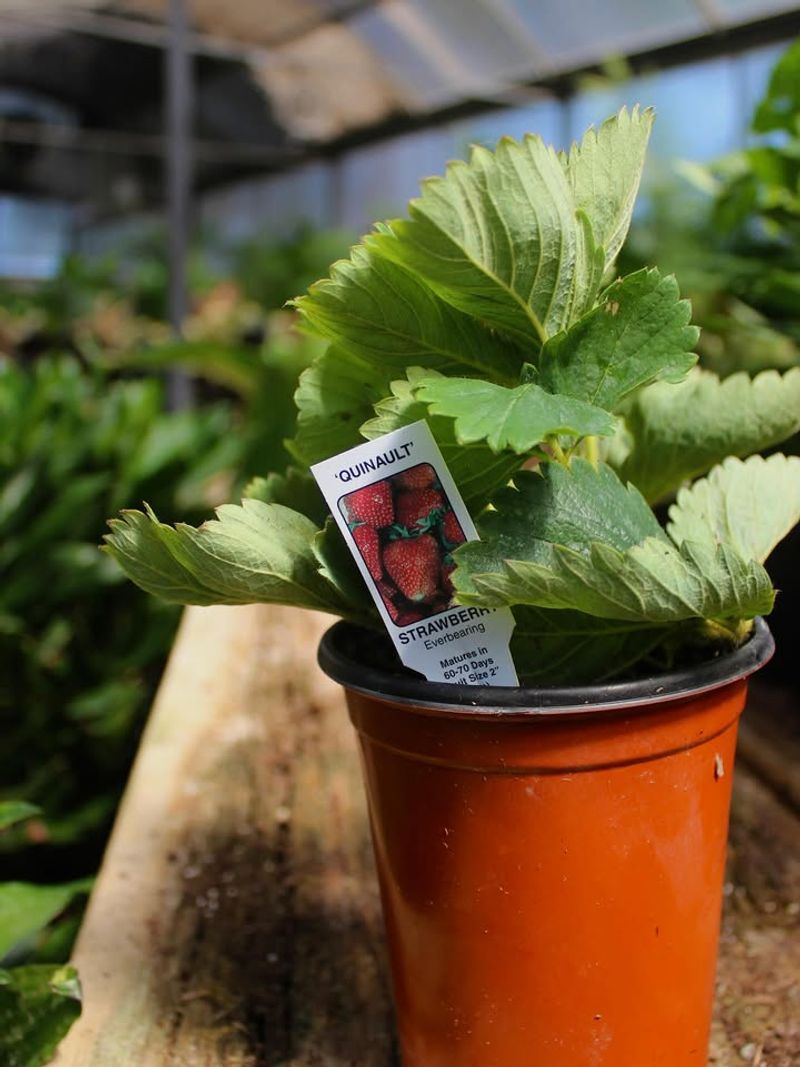
Not all strawberry varieties handle Arizona’s climate equally well. Some types developed for cooler regions struggle with heat stress and produce disappointing harvests in the desert.
Choosing varieties bred for warm climates makes the difference between frustration and success.
Chandler strawberries thrive in Arizona’s conditions and produce large, sweet berries consistently. This variety handles heat better than most while still delivering excellent flavor.
Gardeners throughout Phoenix and surrounding areas report reliable harvests from Chandler plants year after year.
Sequoia is another heat-tolerant variety that performs exceptionally well in desert containers. These plants produce medium-sized berries with outstanding sweetness and aroma.
Sequoia adapts to Arizona’s temperature swings better than many other types, making it a favorite among experienced local growers.
Camarosa strawberries were developed in California specifically for warm-climate growing. They produce firm berries that hold up well in heat and have excellent disease resistance.
Many commercial growers in southern Arizona choose Camarosa for its reliability and consistent production.
Day-neutral varieties like Albion and Seascape produce berries throughout the growing season rather than in one big flush. This extended harvest period works perfectly for Arizona gardeners who want fresh berries for months.
Day-neutral types also handle temperature variations better than June-bearing varieties.
5. Provide Afternoon Shade During Peak Summer
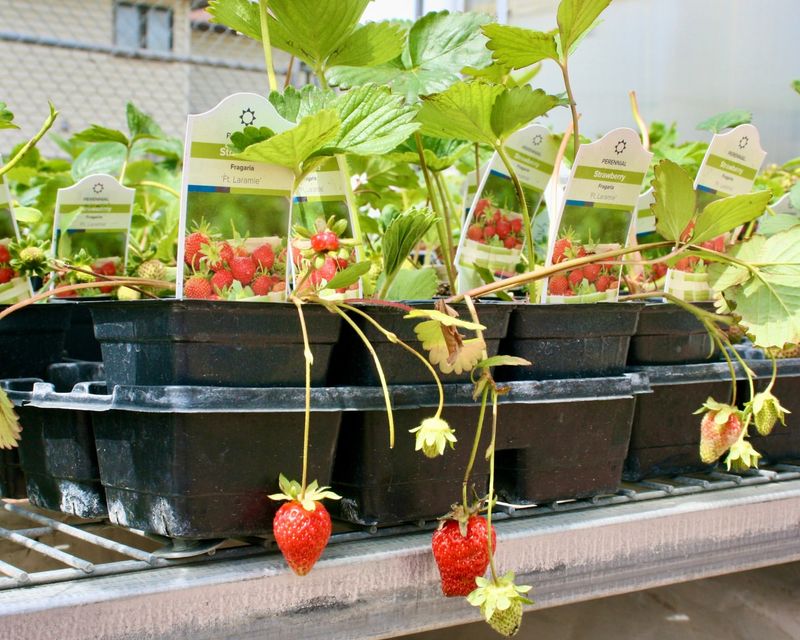
Full sun all day long sounds perfect for fruit production, but Arizona’s intense summer rays can actually damage strawberry plants. Leaves scorch, flowers dry up before setting fruit, and berries can literally cook on the vine during July and August.
Strategic shading during the hottest part of the day protects plants while still providing enough light for good growth.
Shade cloth rated at 30-50% works perfectly for strawberry containers in desert conditions. This material filters harsh afternoon sun while allowing plenty of light through for photosynthesis.
Hardware stores and garden centers throughout Arizona stock shade cloth in various densities specifically for this purpose.
Installing a simple shade cloth structure over your container area takes minimal effort and materials. Four posts with shade cloth stretched across the top creates an effective canopy.
Many gardeners use PVC pipe for posts since it’s inexpensive, lightweight, and easy to work with.
Positioning containers on the east side of your house gives plants morning sun and natural afternoon shade from the building. This location provides ideal light conditions without any additional shade structures.
North-facing walls also work well for strawberry containers during Arizona’s brutal summer months.
Deciduous trees make excellent natural shade providers if you have them in your yard. The trees leaf out as temperatures rise, providing cooling shade exactly when plants need it most.
In winter when strawberries need more sun, the trees lose their leaves and allow full light through.
6. Feed Plants With Balanced Liquid Fertilizer

Container-grown strawberries can’t send roots deep into the ground searching for nutrients like garden-planted ones can. Everything they need must come from the limited soil in their pots.
Regular feeding with the right fertilizer keeps plants healthy and productive throughout the growing season.
Liquid fertilizers work faster than granular types because plants can absorb nutrients immediately through their roots. A balanced formula with equal parts nitrogen, phosphorus, and potassium supports both leafy growth and berry production.
Arizona gardeners often use a 10-10-10 or 8-8-8 liquid fertilizer diluted to half strength.
Feeding every two weeks during active growth provides consistent nutrition without overloading plants. Too much fertilizer causes excessive leaf growth at the expense of flowers and fruit.
Following package directions carefully prevents fertilizer burn, which can damage roots and set back your harvest.
Organic options like fish emulsion or seaweed extract offer gentle nutrition with added micronutrients. These natural fertilizers improve soil health while feeding your plants.
Many Tucson and Flagstaff gardeners prefer organic products for edible crops they’ll be eating fresh.
Switching to a bloom-boosting fertilizer when flowers appear encourages heavier fruit set. These formulas contain higher phosphorus levels, which support flower and fruit development.
Look for ratios like 5-10-5 or similar products marketed for flowering and fruiting plants.
Calcium supplements prevent blossom end problems that sometimes affect container strawberries in Arizona’s alkaline conditions. Adding a calcium-magnesium supplement every few weeks keeps plants strong and fruit quality high.
Crushed eggshells mixed into the soil also provide slow-release calcium over time.
7. Remove Runners To Focus Energy On Fruit
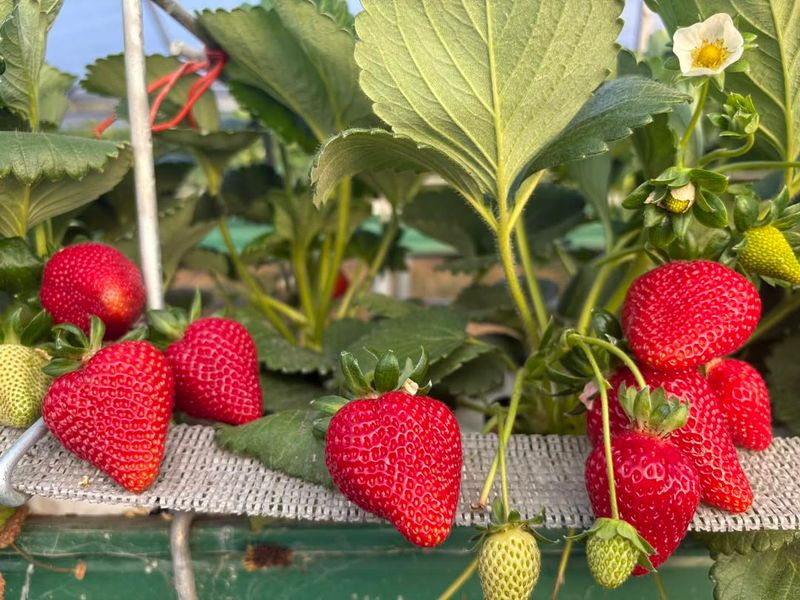
Strawberry plants naturally send out long stems called runners that produce baby plants at their tips. While this spreading habit works great in garden beds, it drains energy from fruit production in containers.
Snipping off runners as they appear redirects that energy into making more and bigger berries.
Runners look like thin stems growing horizontally from the mother plant with small plantlets forming at intervals. These baby plants develop their own roots and leaves, eventually becoming independent.
In Arizona container gardens, allowing runners to grow means fewer berries and crowded pots that compete for limited resources.
Checking your strawberry containers twice weekly catches runners while they’re still small and easy to remove. Use clean scissors or pruning shears to cut runners close to the base of the mother plant.
This quick maintenance task takes just minutes but makes a noticeable difference in harvest size.
Some gardeners save a few runners to start new plants for next season. Place small pots filled with soil next to your main container and pin the runner plantlet into the new pot.
Once the baby plant develops good roots, cut the runner connecting it to the mother plant.
Removing runners becomes especially important during peak production periods in Arizona’s spring and fall. Plants need all their energy focused on developing flowers and ripening fruit during these prime growing windows.
Summer runner removal matters less since berry production naturally slows in extreme heat anyway.
8. Mulch Container Surfaces To Retain Moisture
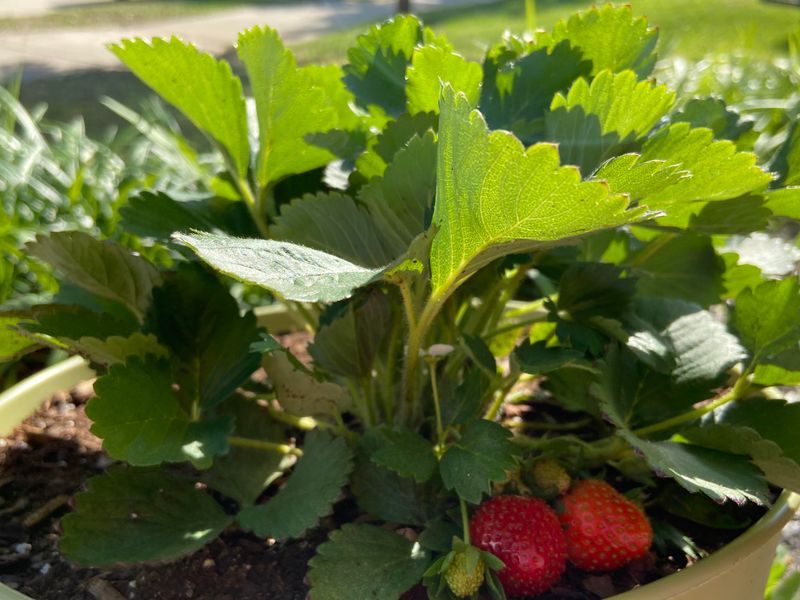
Bare soil in containers loses moisture incredibly fast under Arizona’s sun and low humidity. Water evaporates from the surface before roots can absorb it, meaning you water more often with less benefit.
A simple layer of mulch solves this problem while providing several other advantages for container strawberries.
Straw makes the perfect mulch for strawberry containers and even inspired the berry’s name. A two-inch layer keeps soil cooler, reduces evaporation, and prevents berries from touching soil where they might rot.
Clean wheat or oat straw works best since it’s free from weed seeds and breaks down slowly.
Shredded bark or wood chips work well too, though they take longer to decompose than straw. These materials look neat and tidy on patios or balconies where appearance matters.
Many Phoenix and Scottsdale gardeners prefer bark mulch for its attractive appearance in decorative containers.
Pine needles create an acidic mulch that strawberries particularly appreciate since they prefer slightly acidic conditions. Arizona’s alkaline soil and water make this natural acidification helpful.
Collected pine needles from your yard or nearby parks provide free mulch that benefits your berry plants.
Applying mulch after plants are established and growing vigorously prevents problems with young transplants. Wait until strawberries have several sets of leaves before mulching.
Pull mulch back slightly from plant crowns to prevent moisture from accumulating against stems where it could cause rot.
Refreshing mulch mid-season maintains its effectiveness as it breaks down and thins out.
9. Rotate Containers For Even Sun Exposure
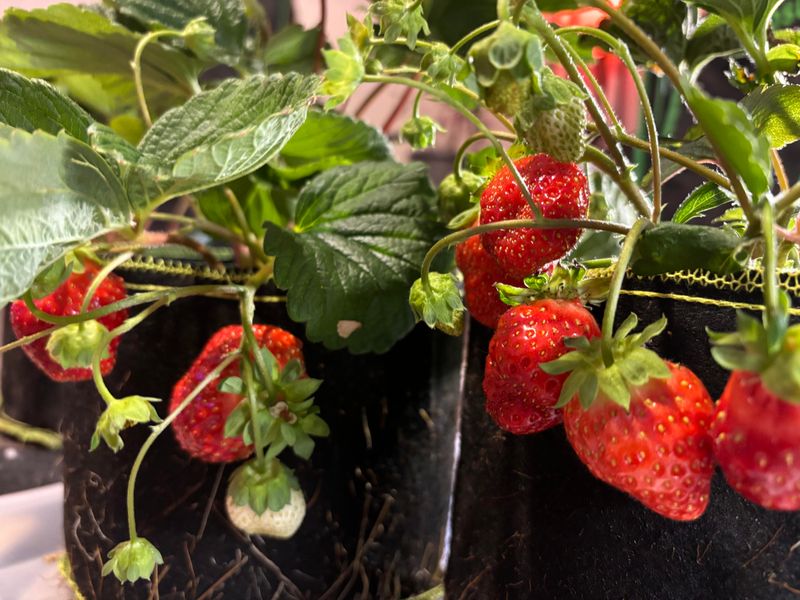
Plants naturally grow toward the strongest light source, which can make container strawberries lopsided and unevenly productive. One side gets more sun while the other stays shaded by the plant’s own leaves.
Rotating containers regularly ensures all sides receive equal light for balanced growth and fruit production.
Turning pots a quarter turn every few days takes just seconds but prevents uneven development. The side facing away from the sun gets its turn in the light while the previously sunny side gets a break.
This rotation creates bushier, more symmetrical plants with flowers and berries developing all around rather than just on one side.
Arizona’s intense sun makes rotation even more important than in milder climates. The sunny side of an unrotated container can suffer heat stress while the shaded side stays too cool.
Regular turning evens out temperature exposure and keeps the entire plant growing at the same pace.
Rotating during your regular watering routine makes it an easy habit to maintain. Turn the pot before or after watering so you don’t forget.
Many gardeners place a small mark on their containers and turn until that mark reaches the next compass point.
Heavy containers filled with wet soil can be difficult to rotate, especially for gardeners with limited strength. Placing pots on wheeled plant caddies solves this problem completely.
These rolling platforms make rotation effortless while also allowing you to move containers to different locations as seasons change.
Plants near walls or fences need rotation more than those in open areas receiving sun from all sides. The wall blocks light from one direction, creating an even more pronounced lean toward available sun.
Tucson and Mesa gardeners with courtyard or patio gardens find rotation especially helpful for containers in these partially-blocked locations.