The 7 Costly Mistakes California Gardeners Make Every February
February is the quiet troublemaker of the California garden season. Everything looks calm, yet this is when costly mistakes sneak in.
One wrong cut, one poorly timed planting, or one skipped task can ripple through the entire year. Plants lose blooms before they even form.
Soil dries out or compacts. Pests get a head start.
Many gardeners don’t realize the damage until spring arrives and problems are already locked in. The good news is this month also offers huge opportunities.
A few smart moves now can boost growth, protect plants, and save serious time and money later. If you want fuller harvests, brighter blooms, and fewer headaches when warmer weather hits, February deserves your attention.
These common mistakes are holding back California gardens, and fixing them now can completely change your season.
1. Pruning Too Early
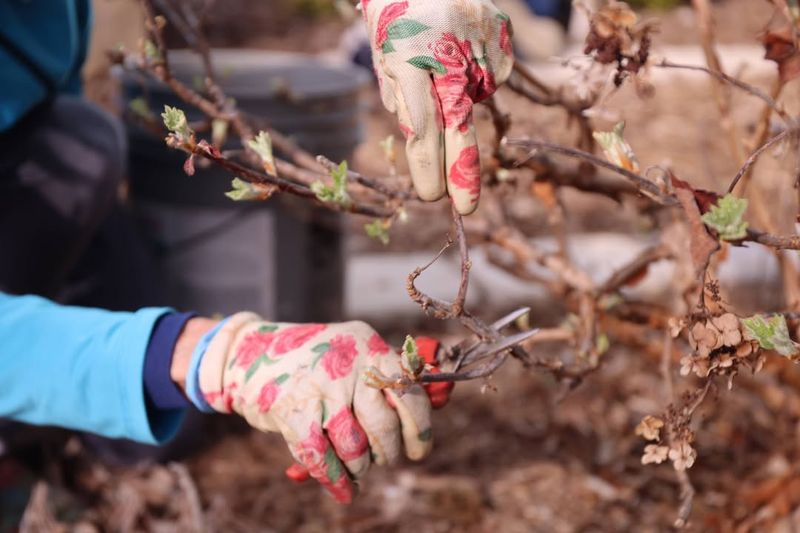
Many California gardeners get excited when February’s warmer days arrive and immediately grab their pruning shears. This eagerness can backfire in a big way.
Pruning certain plants too early exposes tender new growth to surprise cold snaps that still happen across California in late February and early March.
Roses are especially vulnerable to this timing mistake.
When you cut them back before the last frost date for your specific area, you’re encouraging fresh shoots to emerge right when freezing temperatures might still strike.
Fruit trees face similar risks if pruned before they’re fully dormant.
The sap starts flowing after you make cuts, and if temperatures drop suddenly, the tree suffers damage that weakens it for the entire growing season.
Instead of rushing, check your local frost dates first. Coastal California gardeners in places like Santa Barbara can usually prune earlier than those in inland valleys.
Wait until you see consistent warmer weather patterns, typically mid to late February for most regions.
Your plants will reward your patience with stronger growth and better blooms. A few extra weeks of waiting prevents months of struggling with damaged plants.
Mark your calendar based on your specific microclimate rather than following generic advice meant for the entire state.
2. Overwatering Now
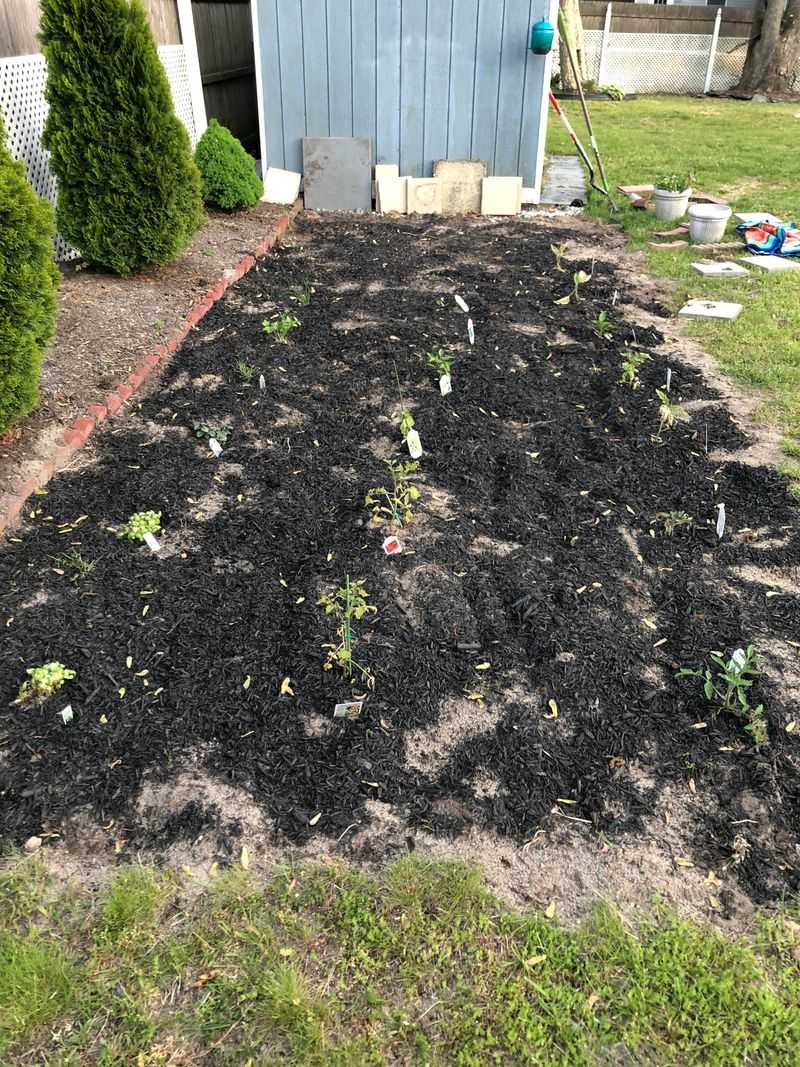
February rainfall patterns across California can be unpredictable, yet countless gardeners keep their irrigation schedules running exactly as they did in summer.
This creates soggy, oxygen-starved soil that causes more problems than drought ever could.
Plant roots need air pockets in the soil to breathe and function properly.
When you water too frequently during California’s cooler months, you’re essentially drowning your plants from below.
The symptoms don’t always show up immediately, which makes this mistake particularly sneaky.
Yellowing leaves, stunted growth, and mushy stems often appear weeks after the damage begins.
Root rot fungi thrive in constantly wet conditions, and once they establish themselves, they’re incredibly difficult to eliminate.
Native California plants are especially adapted to dry winters and wet springs, so extra irrigation now goes against their natural cycle.
Check your soil moisture by sticking your finger three inches deep before adding any water.
If it feels damp, skip watering entirely.
Most established California gardens need far less water in February than gardeners think.
Adjust your automatic timers or turn them off completely during rainy periods.
Your water bill will thank you, and your plants will develop stronger, healthier root systems that can handle summer heat much better.
3. Fertilizing Too Soon
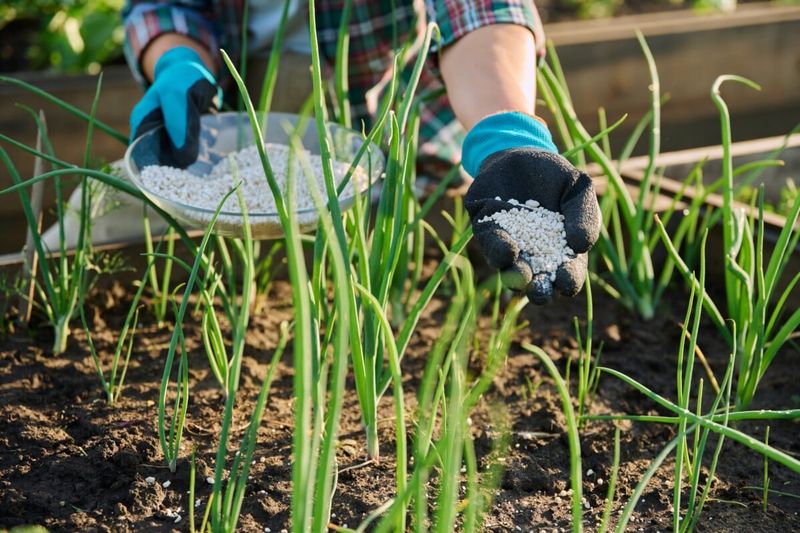
Grabbing fertilizer in February feels productive, but it’s actually one of the worst things you can do for your California garden right now.
Plants are still mostly dormant or growing very slowly during this month, even in warmer parts of the state.
When you add fertilizer before plants are actively growing, the nutrients just wash away with rain or irrigation. That’s literally pouring money down the drain while potentially harming local waterways.
Excess nitrogen from early fertilizing encourages weak, leggy growth that pests absolutely love. Aphids and other insects target this soft new growth because it’s easier to pierce and feed on.
You’re essentially setting up a buffet for garden pests. Salt buildup from fertilizers can also damage soil structure when plants aren’t actively taking up nutrients.
California’s clay soils are particularly vulnerable to this problem.
Wait until you see clear signs of active growth, usually late March or early April for most regions. Look for new leaves unfurling and stems lengthening before you feed anything.
When you do fertilize, start with half the recommended amount and increase gradually. Compost applied now is a better choice because it releases nutrients slowly as soil temperatures warm up.
This approach matches nutrient availability with plant needs instead of working against nature’s timing.
4. Ignoring Baby Weeds
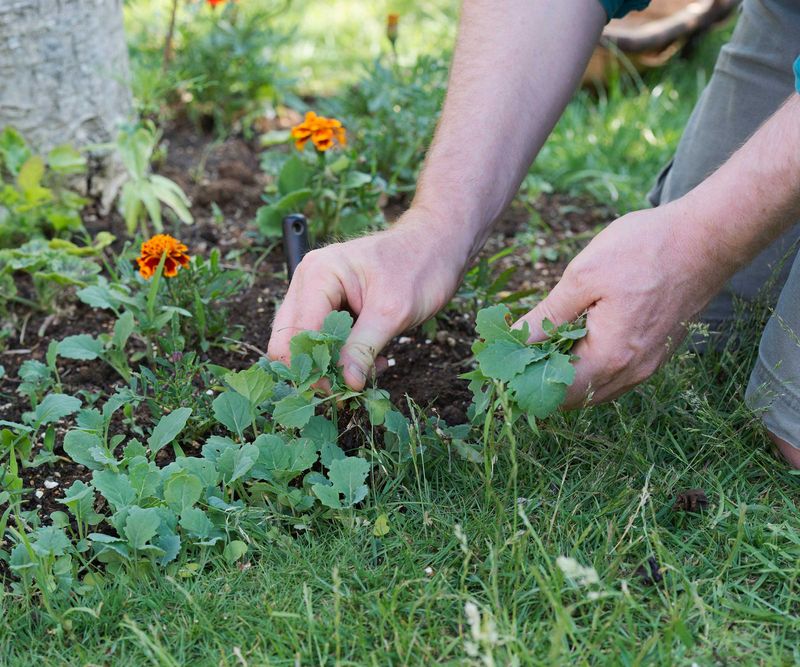
Those tiny green specks popping up everywhere in your California garden might look harmless right now.
Ignoring them is a massive mistake that will haunt you for months. February weeds are babies that pull out effortlessly with barely any effort.
Wait until March or April, and those same weeds develop root systems that require serious muscle to remove.
California’s winter rains trigger weed seed germination across the state, from San Francisco to San Diego.
Every week you delay gives weeds more time to establish themselves and start producing thousands of new seeds. One mature weed plant can create enough seeds to infest your garden for the next five years.
Spend just fifteen minutes each week in February pulling these infant weeds, and you’ll save hours of backbreaking work later.
The soil is usually soft and moist now, making removal incredibly easy. Focus on areas where you’ll plant vegetables or flowers in spring.
Getting ahead of weeds now means your desired plants won’t have to compete for water, nutrients, and sunlight.
Mulching after you remove weeds prevents new ones from sprouting by blocking light from reaching seeds.
This simple February task makes the difference between a manageable garden and an overwhelming jungle by summer.
5. Skipping Soil Prep
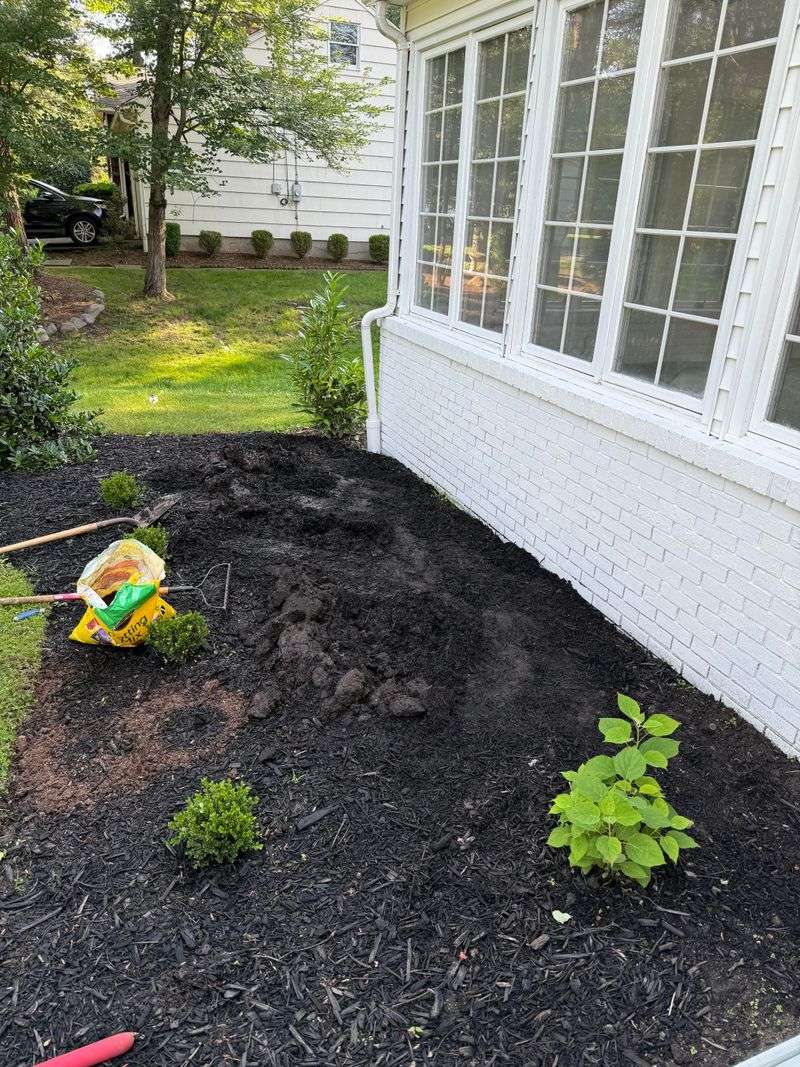
Rushing to plant without preparing your soil first guarantees disappointing results in any California garden.
February is actually the perfect time to improve your soil, yet many gardeners skip this crucial step entirely.
California soils vary wildly depending on your location, from heavy clay in the Central Valley to sandy loam along the coast. None of these soil types are perfect straight from the ground.
Adding compost now gives it time to integrate before planting season arrives.
Organic matter improves drainage in clay soils and helps sandy soils retain moisture and nutrients better.
Worms and beneficial microorganisms need time to process amendments and create healthy soil structure.
When you add compost in February, these soil helpers have weeks to do their work before you plant anything.
Testing your soil pH now also gives you time to make adjustments before spring.
Most vegetables prefer slightly acidic to neutral soil, but many California gardens tend toward alkaline.
Sulfur takes several weeks to lower pH effectively, so February application means balanced soil by planting time. Spread two to three inches of compost over your beds and work it into the top six inches of soil.
This simple investment pays dividends all season long with healthier plants and better harvests throughout your California growing season.
6. Leaving Debris
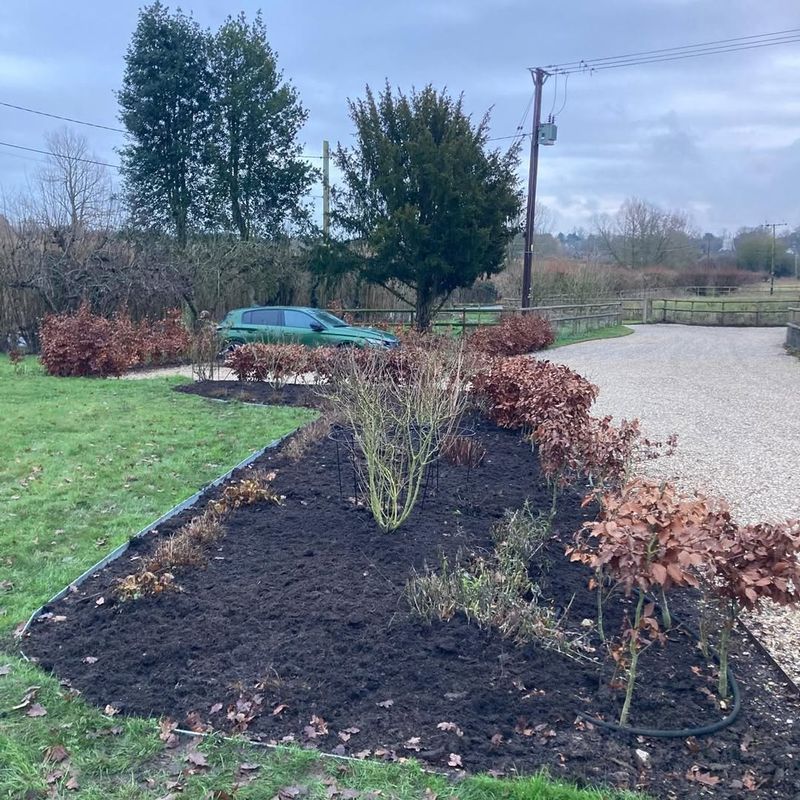
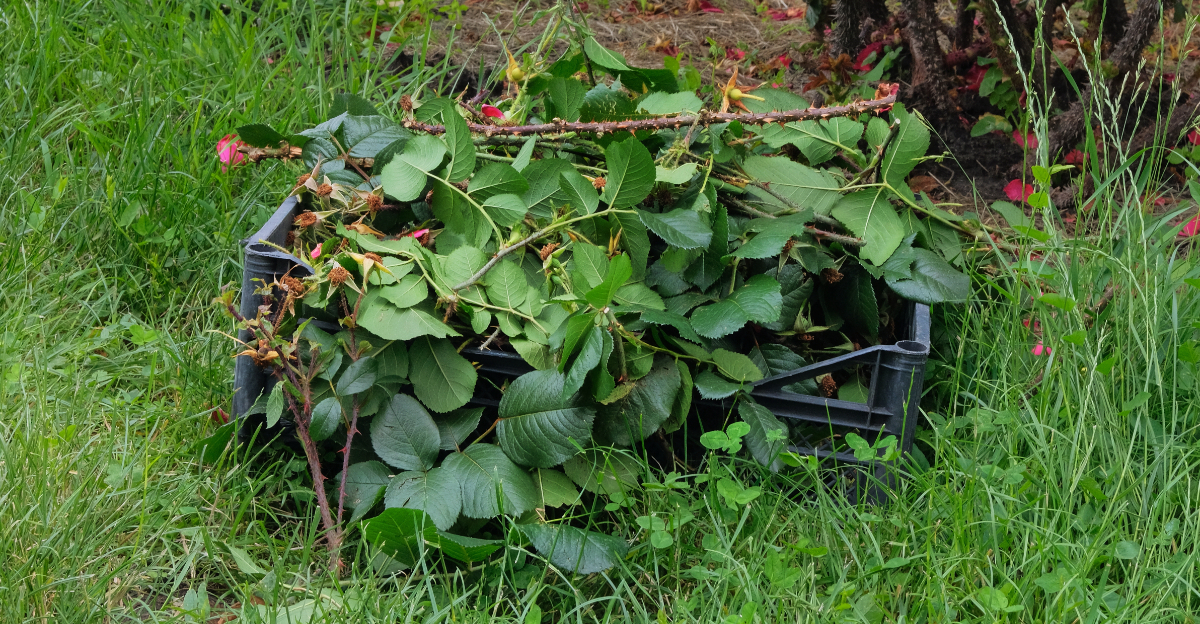
Old leaves, dead stems, and plant debris scattered across your California garden might seem harmless or even natural.
Leaving this mess through February creates perfect hiding spots for pests and diseases waiting to attack your spring plants. Snails and slugs shelter under dead leaves during the day, then emerge at night to munch on your tender seedlings.
Fungal spores overwinter on dead plant material, ready to infect new growth as soon as temperatures warm.
Many California gardeners learned this lesson the hard way when last year’s tomato blight returned because infected debris wasn’t removed.
February’s typically drier weather makes cleanup much easier than waiting until spring rains turn everything into a soggy mess.
You can actually see what needs removing without fighting through new growth. Remove any withered annuals completely and cut back perennials that have finished their cycle.
Don’t compost diseased material; bag it and dispose of it to prevent spreading problems.
Healthy debris can go into your compost pile where heat will break it down properly.
Cleaning up now also lets you spot problems like crown rot or pest damage before they spread. A tidy February garden in California means fewer pest and disease issues throughout the entire growing season ahead.
7. Planting Summer Crops Early
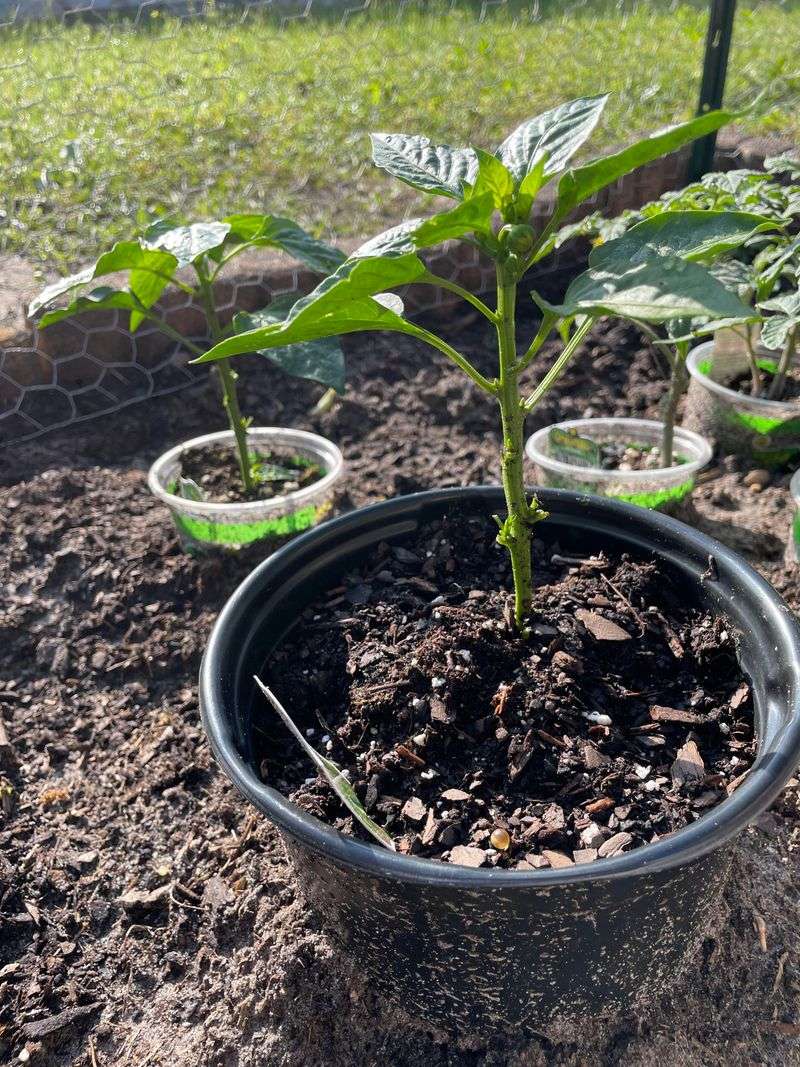
California’s February sunshine fools countless gardeners into planting tomatoes, peppers, and other heat-loving crops way too early.
These summer vegetables absolutely hate cold soil and cool nights, even if daytime temperatures feel pleasant.
Tomato plants stuck in cold ground just sit there refusing to grow, becoming stressed and vulnerable to every disease and pest around.
Some actually get smaller instead of larger because the cold damages their root systems.
Peppers, eggplants, and basil react even worse to premature planting in California gardens.
They need consistent soil temperatures above sixty degrees to thrive, which rarely happens before late March or April in most areas.
Coastal California gardeners should wait even longer because marine layer fog keeps temperatures cool well into spring. Seeds planted in cold soil often rot before they germinate, wasting your money and time.
Even transplants from the nursery suffer setbacks that take weeks to overcome.
Meanwhile, gardeners who wait until proper planting time see their crops zoom past the early planters within days.
Use February to prepare beds and start seeds indoors under lights instead.
Check soil temperature with a simple thermometer before planting anything tender.
Patience now rewards you with vigorous plants that produce abundant harvests all summer long across California’s diverse growing regions.