The Desert Garden Design Ideas That Work In Arizona
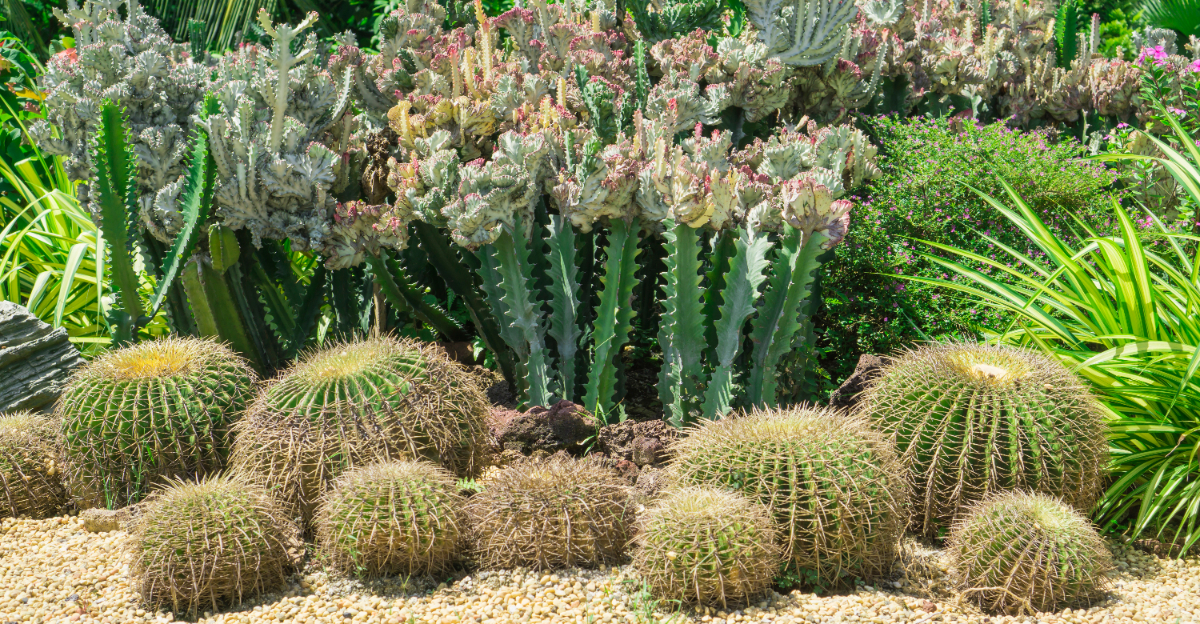
Turning a plain Arizona yard into a striking desert garden can feel overwhelming, but with the right approach, it’s completely doable.
You probably want a space that feels alive, balanced, and intentional, without spending every weekend battling heat or dry soil. A few thoughtful design choices can make your garden feel curated and full from the moment you step outside.
Mixing textures, heights, and colors creates interest while giving each plant room to shine under the desert sun.
Architectural cacti, bold succulents, and flowering shrubs can serve as natural focal points that guide the eye across your space.
With careful placement and a blend of hardy, eye-catching plants, your Arizona garden can feel vibrant, stylish, and effortlessly alive—even in extreme heat.
1. Start With Native Desert Plants That Thrive Without Extra Water
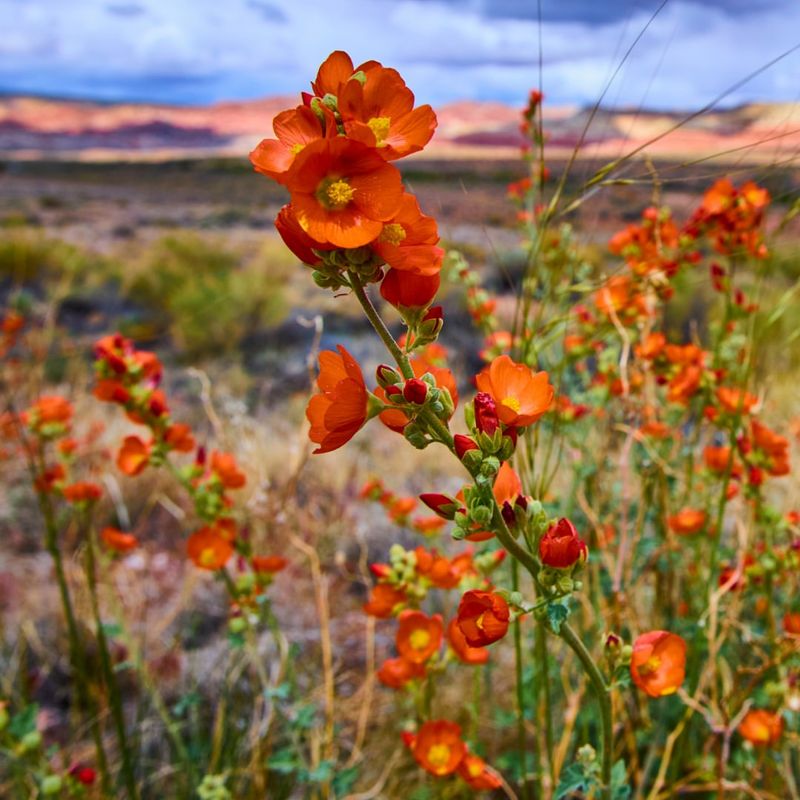
Native plants have spent thousands of years adapting to Arizona’s brutal conditions, which means they already know how to survive here without your help.
Brittlebush explodes with cheerful yellow blooms after winter rains, while prickly pear cactus offers both stunning flowers and edible pads.
Red yucca sends up tall stalks covered in coral-colored tubular flowers that hummingbirds absolutely adore.
These plants don’t need fertilizer, pesticides, or constant attention because they’ve evolved alongside Arizona’s insects, birds, and weather patterns. Desert marigold blooms almost year-round with bright golden flowers that seem to glow in the afternoon light.
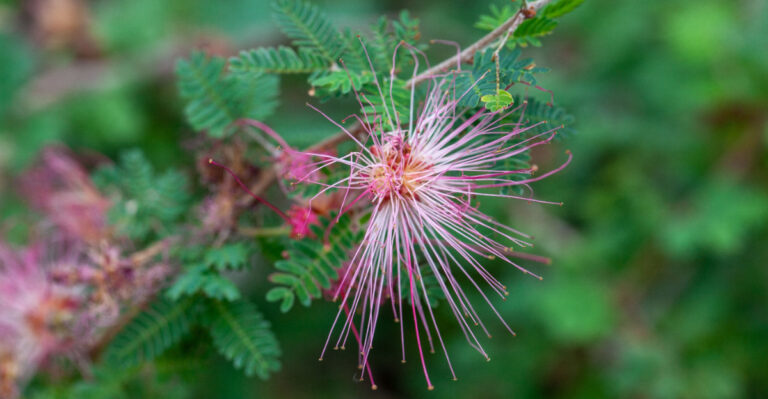
Fairy duster creates soft pink puffball flowers that contrast beautifully with its delicate foliage.
Choosing natives also means supporting local wildlife that depends on these specific plants for food and shelter. Many nurseries across Phoenix, Tucson, and Scottsdale now specialize in native species and can guide you toward plants suited to your specific microclimate.
Starting with natives creates a foundation that looks authentically Arizona rather than trying to replicate landscapes from wetter climates.
Your water bill will thank you, and your garden will look better with each passing year as these tough plants mature and spread naturally. Native gardens develop character and resilience that imported species simply cannot match in desert conditions.
As they settle in, growth becomes steadier and more predictable without constant intervention. Over time, the landscape begins to mirror the surrounding desert, blending seamlessly with Arizona’s natural scenery instead of fighting against it.
2. Use Gravel And Decomposed Granite Instead Of Thirsty Lawn
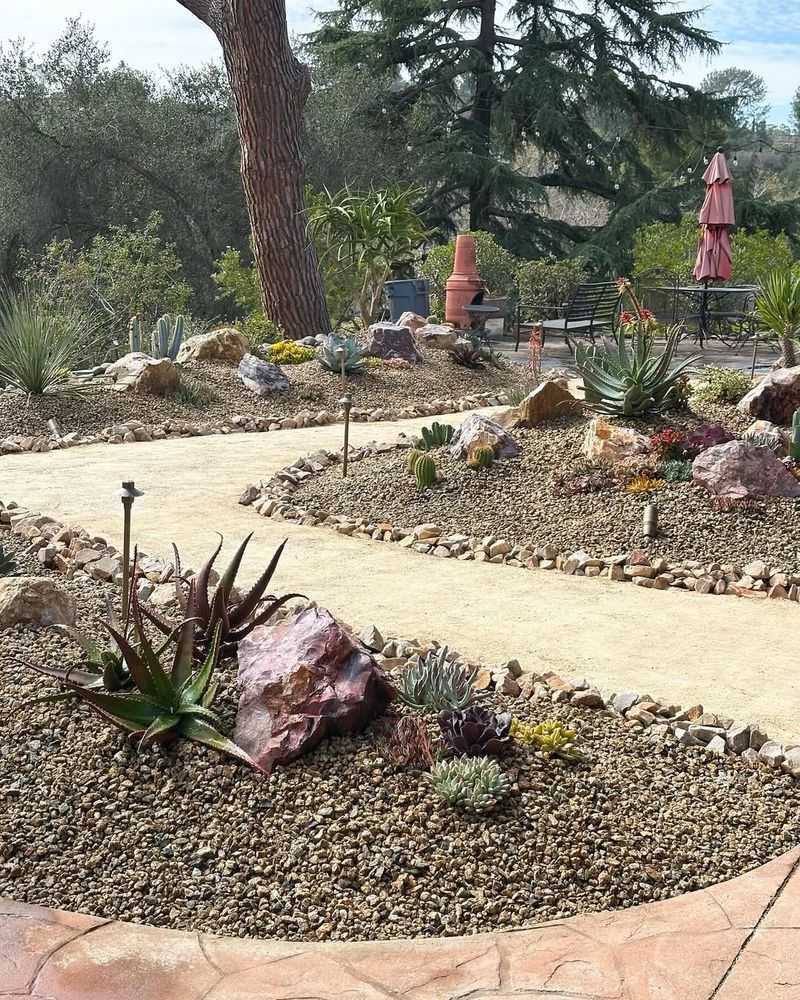
Grass lawns in Arizona are basically outdoor swimming pools that you mow. They guzzle thousands of gallons monthly while looking stressed and patchy for much of the year.
Decomposed granite offers a completely different approach that actually makes sense in desert climates.
This finely crushed rock compacts into smooth pathways and open areas that feel solid underfoot while allowing water to permeate through to plant roots below.
Colors range from golden tan to reddish brown, letting you match the natural tones found throughout Arizona landscapes.
Gravel comes in countless sizes and hues, from pea-sized pebbles to larger river rock that creates visual texture.
Installation is straightforward and costs significantly less than maintaining turf over time.
Many Tucson and Phoenix homeowners are ripping out their lawns and discovering that gravel areas stay cooler than concrete while providing flexible spaces for furniture, fire pits, or container gardens.
Decomposed granite pathways wind naturally between planted areas, creating definition without harsh edges.
Maintenance involves occasional raking and adding fresh material every few years, which beats weekly mowing and constant watering. These surfaces also prevent the mud and dust issues that plague Arizona yards during monsoon season.
The result looks intentionally designed rather than neglected, embracing the desert aesthetic instead of fighting it with inappropriate turf grass.
3. Layer Agaves, Cacti, And Shrubs For Natural Desert Structure
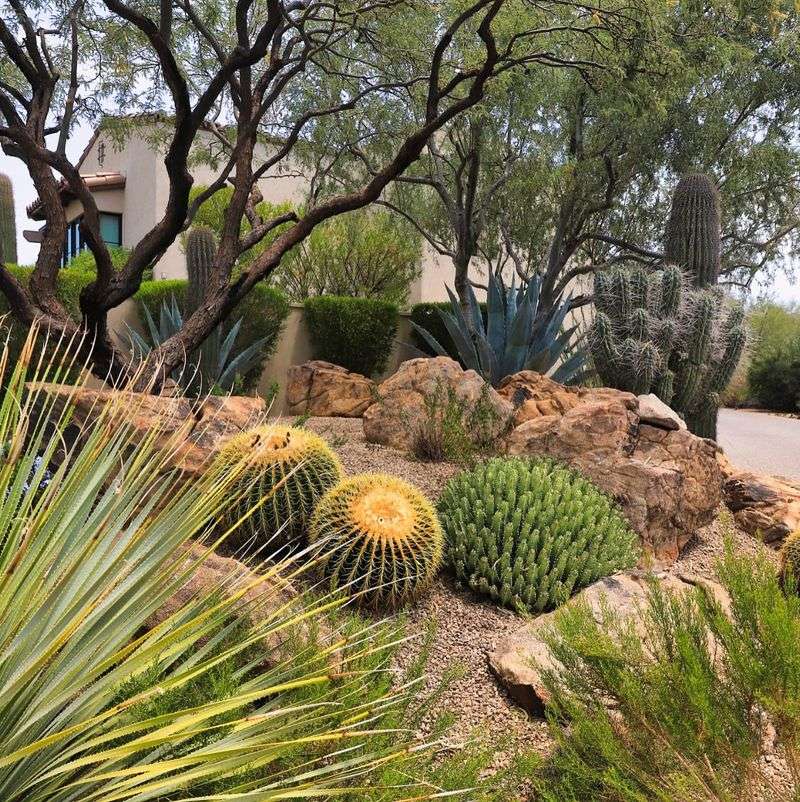
Desert landscapes look flat and monotonous when everything sits at the same height. Layering plants at different elevations creates depth that draws the eye through the space and mimics how plants naturally arrange themselves in wild Arizona landscapes.
Tall specimens like ocotillo or saguaro (if you’re lucky enough to have one) form the upper canopy and provide dramatic vertical elements.
Mid-height agaves, barrel cactus, and larger shrubs like Texas ranger create the middle layer that fills space without blocking sightlines completely.
Low-growing groundcovers, small cacti, and compact perennials form the foundation layer that ties everything together.
This approach creates visual interest from multiple angles while also providing varied habitats for birds, lizards, and beneficial insects.
Shadows cast by taller plants offer protection for more delicate species that appreciate filtered light during Arizona’s intense summer afternoons.
The layered look feels lush and intentional without requiring the water that traditional tiered gardens demand.
Spacing becomes crucial because these plants will grow significantly over time. What looks sparse initially will fill in beautifully as agaves send out pups and shrubs reach their mature size.
Scottsdale and Paradise Valley neighborhoods showcase stunning examples of this layered approach, where gardens feel full and established while using minimal irrigation.
Gravel or decomposed granite between layers helps define each height without making the design feel crowded.
With patience, the structure strengthens year after year as plants mature and create a balanced desert composition that barely needs adjusting.
4. Add Shade With Strategic Trees Like Palo Verde Or Mesquite
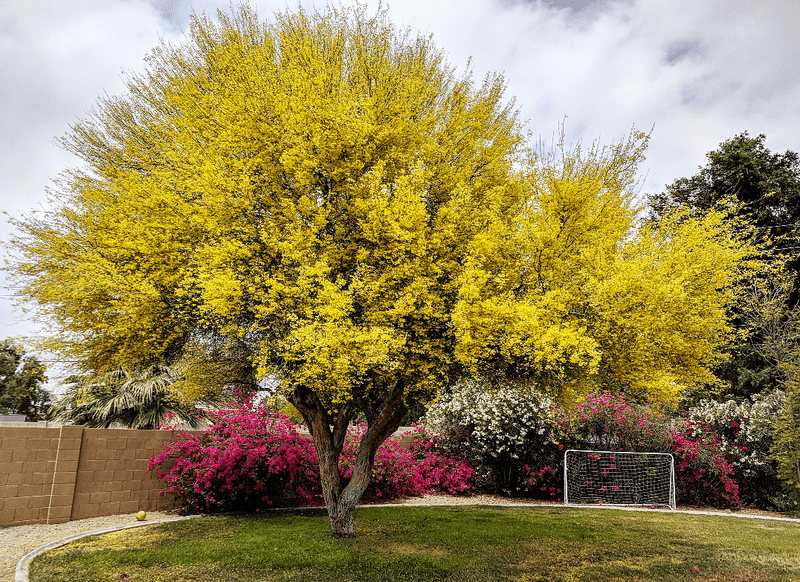
Arizona’s summer sun turns unshaded outdoor spaces into unusable furnaces by mid-morning. Strategic tree placement transforms your yard by creating cooler zones where you can actually spend time during warm months.
Palo verde trees offer filtered shade through tiny leaves that don’t create the dense canopy of traditional shade trees.
Their distinctive green bark continues photosynthesis even after leaves drop, and spring brings masses of brilliant yellow flowers that cover the entire tree. Mesquite provides slightly denser shade while producing seed pods that wildlife devour.
Both species have deep root systems that won’t compete aggressively with nearby plants for surface moisture.
Positioning trees on the west and southwest sides of your home blocks the most intense afternoon sun, potentially reducing cooling costs significantly. These native trees rarely require pruning and develop beautiful sculptural forms as they mature.
Their canopies move and shift with breezes, creating ever-changing shadow patterns across patios and seating areas.
Desert willow offers another excellent option with gorgeous trumpet-shaped flowers in pink, purple, or white that bloom throughout summer. Avoid importing trees from other regions that struggle in alkaline soil and low humidity.
Phoenix and Tempe landscapes demonstrate how properly placed desert-adapted trees create comfortable outdoor rooms without the water demands of imported species.
5. Turn Plain Block Walls Into Bold Desert Backdrops With Warm Earth Tones
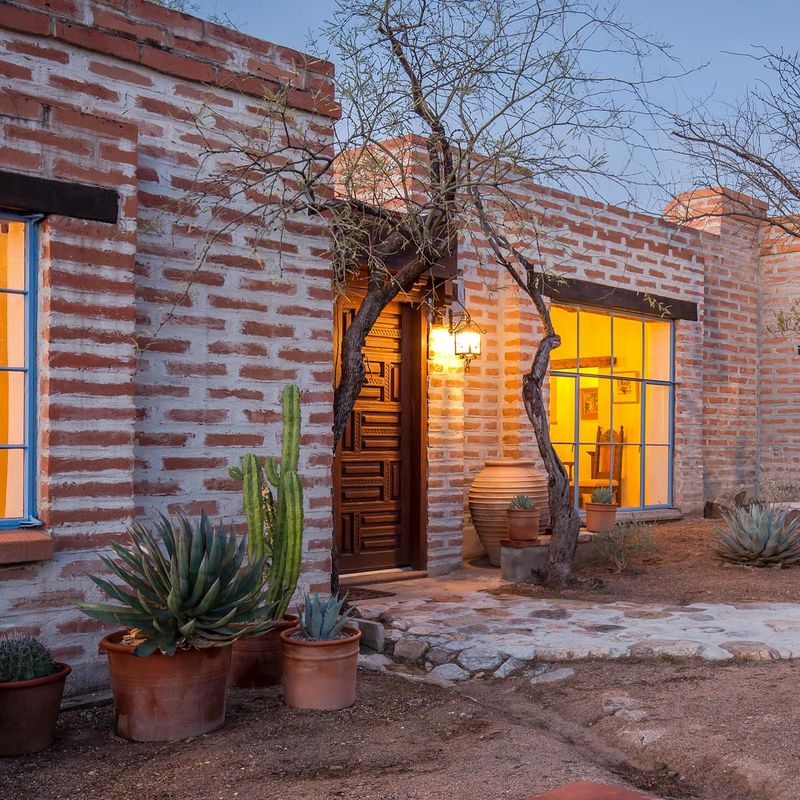
Standard gray block walls dominate Arizona backyards and scream builder-grade boring.
Transforming these blank canvases with warm, earthy paint colors instantly elevates your entire outdoor space while complementing rather than competing with desert plantings.
Terracotta, adobe, warm taupe, and sun-baked clay tones blend naturally with Arizona’s landscape and make plants pop visually. These colors absorb and reflect light differently throughout the day, creating subtle shifts that add interest to your garden.
Painting walls also protects the block from weathering and makes your space feel more finished and intentional.
Consider varying tones across different wall sections to create depth, or add a darker accent wall behind a focal planting area. The right wall color makes agaves look more sculptural and causes flowering plants to stand out more dramatically.
Many Tucson homeowners have discovered that warm wall colors actually make small yards feel larger by blending boundaries with the surrounding desert.
Application is straightforward with proper masonry paint, and the transformation happens in a single weekend. Avoid bright whites that create harsh glare or dark colors that absorb excessive heat.
Instead, look to the natural palette of Arizona’s canyons, mesas, and desert floor for inspiration that will age beautifully and always feel appropriate to the region.
Soft, muted finishes tend to photograph better as well, which matters if the yard doubles as an entertaining space. Once the walls shift from stark gray to desert-inspired tones, the entire landscape feels cohesive instead of pieced together.
6. Bring In Sculptural Metal Or Glazed Ceramic Pieces That Reflect Arizona Light
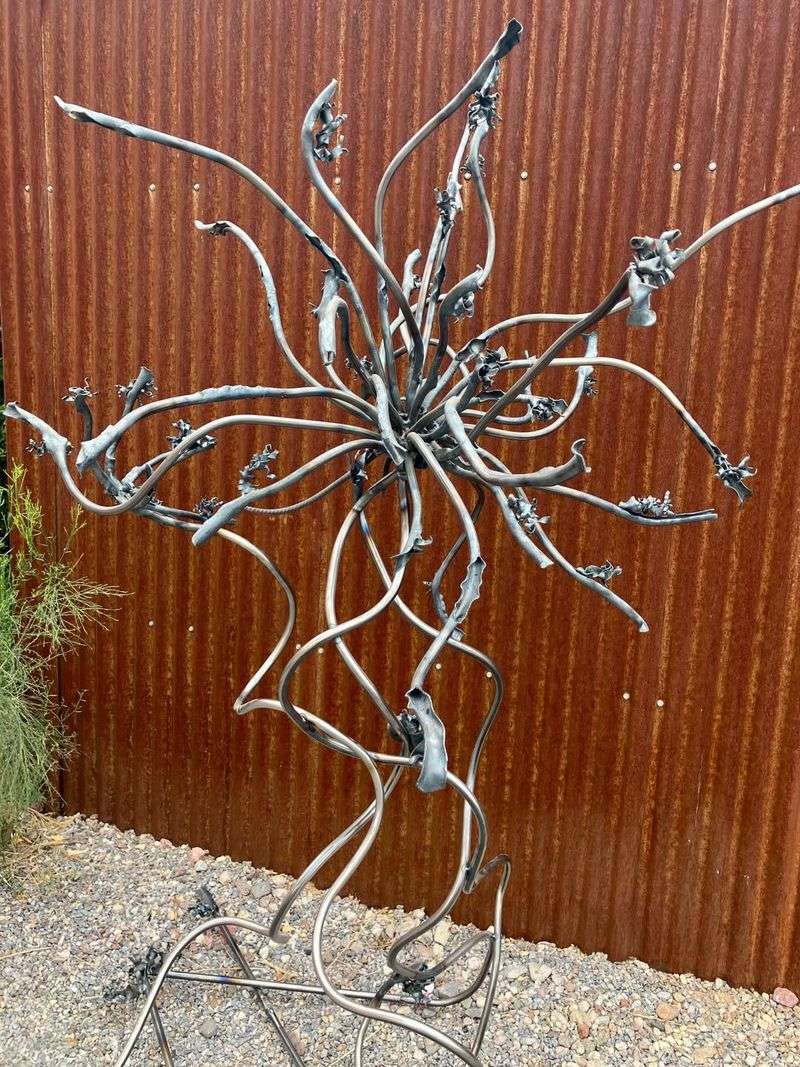
Desert gardens benefit enormously from carefully chosen art pieces that catch light and create focal points among the plants.
Metal sculptures develop gorgeous patinas under Arizona’s intense sun, with rust creating warm orange and brown tones that echo the desert’s natural color palette.
Powder-coated steel in deep reds, blues, or blacks provides bold contrast against neutral gravel and silvery plant foliage. Glazed ceramic pots in turquoise, cobalt, or sunset orange bring jewel tones that seem to glow in bright light.
These pieces add personality and visual interest during seasons when fewer plants are blooming.
Position art where it catches morning or late afternoon light for maximum impact, creating shadows that shift throughout the day. Large ceramic vessels can serve as stunning standalone features or house specimen plants like agaves or small trees.
Metal wall art transforms plain surfaces into gallery walls that celebrate southwestern aesthetics.
Local Arizona artists often create pieces specifically designed to withstand desert conditions while reflecting regional culture and landscape. Scottsdale galleries and Tucson art markets offer incredible options that support local creators.
These investments become more beautiful over time as metal oxidizes and ceramics develop character from sun exposure. Art in the garden creates conversation starters and personal expression that plants alone cannot achieve.
Thoughtful placement keeps the space from feeling cluttered and allows each piece to stand on its own. When art echoes the surrounding plants and colors, the garden feels curated rather than decorated.
7. Frame Entryways With Large Statement Planters Filled With Architectural Plants
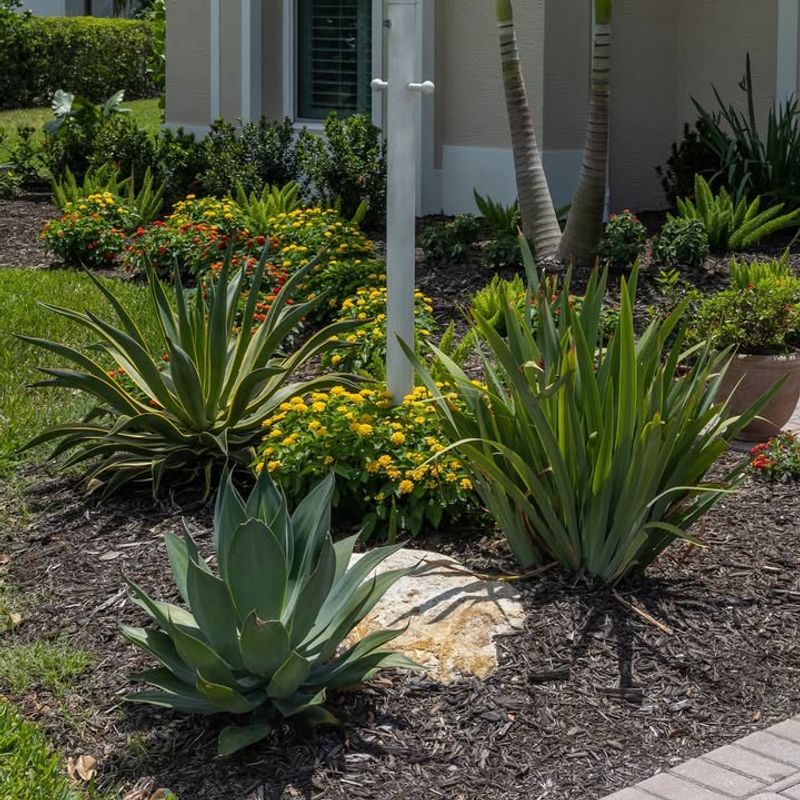
First impressions matter, and nothing announces a thoughtfully designed desert garden like bold planters flanking your entry. Large containers demand attention and allow you to showcase specimen plants that might otherwise get lost in the broader landscape.
Architectural agaves like ‘Blue Glow’ or ‘Sharkskin’ provide year-round structure with their geometric rosettes and striking colors.
Tall containers in modern materials like powder-coated steel, glazed ceramic, or textured concrete complement contemporary Arizona homes while traditional terracotta suits Spanish colonial or ranch-style architecture.
Height matters because substantial planters create presence and frame doorways or gates dramatically.
These focal points allow you to experiment with plants that need slightly different care than your main landscape, since containers offer controlled soil conditions.
Pairing plants with different textures in a single large planter creates mini compositions that draw the eye.
Consider adding trailing plants like pink muhly grass or desert spoon to soften container edges.
Phoenix and Scottsdale design showrooms display incredible planter options ranging from sleek and minimal to ornately detailed. Containers also solve problems in areas where ground planting isn’t possible due to hardscaping or poor soil.
Statement planters transform ordinary entries into memorable arrivals that set the tone for your entire property and show visitors that thoughtful design extends to every detail.
8. Create A Desert Courtyard Feel With Boulders, Fire Features, And Low Seating
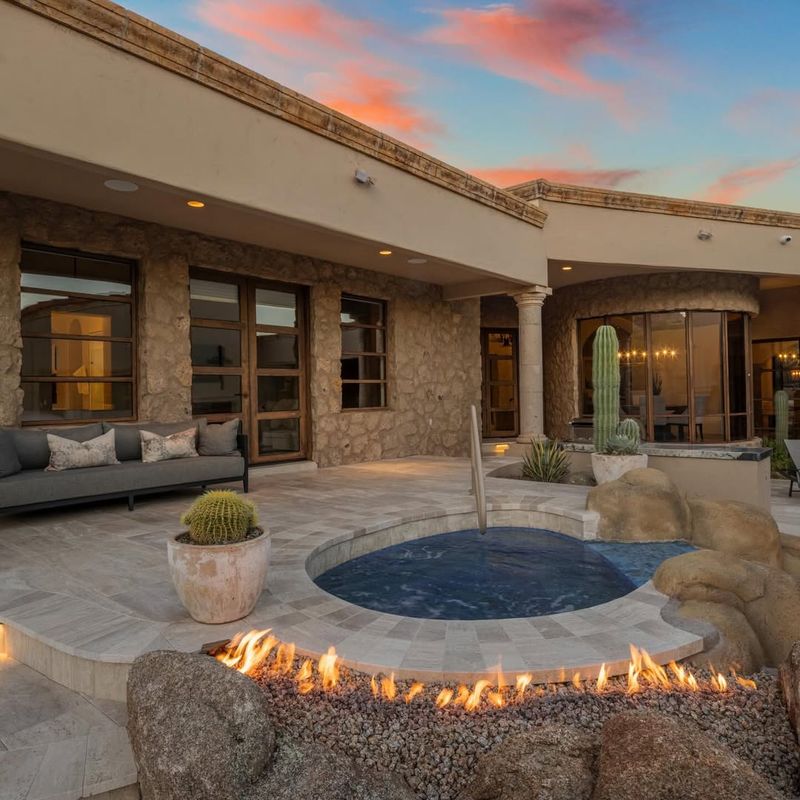
Courtyards capture the essence of outdoor living that makes Arizona so appealing.
Creating an enclosed or semi-enclosed space using boulders, low walls, and strategic plantings transforms part of your yard into an outdoor room that feels both intimate and connected to the desert.
Large boulders arranged naturally provide seating, visual anchors, and thermal mass that radiates warmth on cool evenings. Fire features extend usability into cooler months while creating mesmerizing focal points that draw people together.
Built-in seating with weather-resistant cushions in desert-inspired colors makes the space comfortable without requiring furniture that needs constant moving.
Position your courtyard to capture views while blocking winds and providing privacy from neighbors. Low seating keeps sightlines open to surrounding landscape and sky, essential for enjoying Arizona’s spectacular sunsets and star-filled nights.
Decomposed granite or flagstone flooring defines the space while allowing water infiltration during monsoon rains.
Surrounding plantings might include fragrant desert lavender, night-blooming cereus for evening perfume, or rustling grasses that add gentle sound.
Tucson’s historic neighborhoods showcase beautiful courtyard designs that balance enclosure with openness.
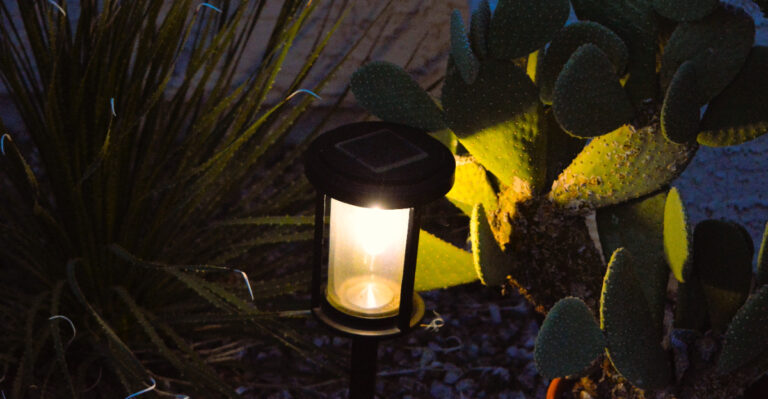
String lights or subtle landscape lighting extends evening use without overpowering the natural ambiance. These spaces become the heart of your outdoor living, perfect for morning coffee or evening gatherings under Arizona’s endless sky.
Add a pergola or filtered canopy overhead and suddenly midday sun feels softer, more inviting.
With the right balance of shade, texture, and glow from evening lights, the courtyard becomes the spot everyone naturally drifts toward without even thinking about it.