The Desert Tough Hedgehog Cactus That Rewards Arizona Gardeners With Color
Desert yards can feel harsh and colorless for much of the year, especially under blazing sun and dry air. That is exactly why the hedgehog cactus stands out.
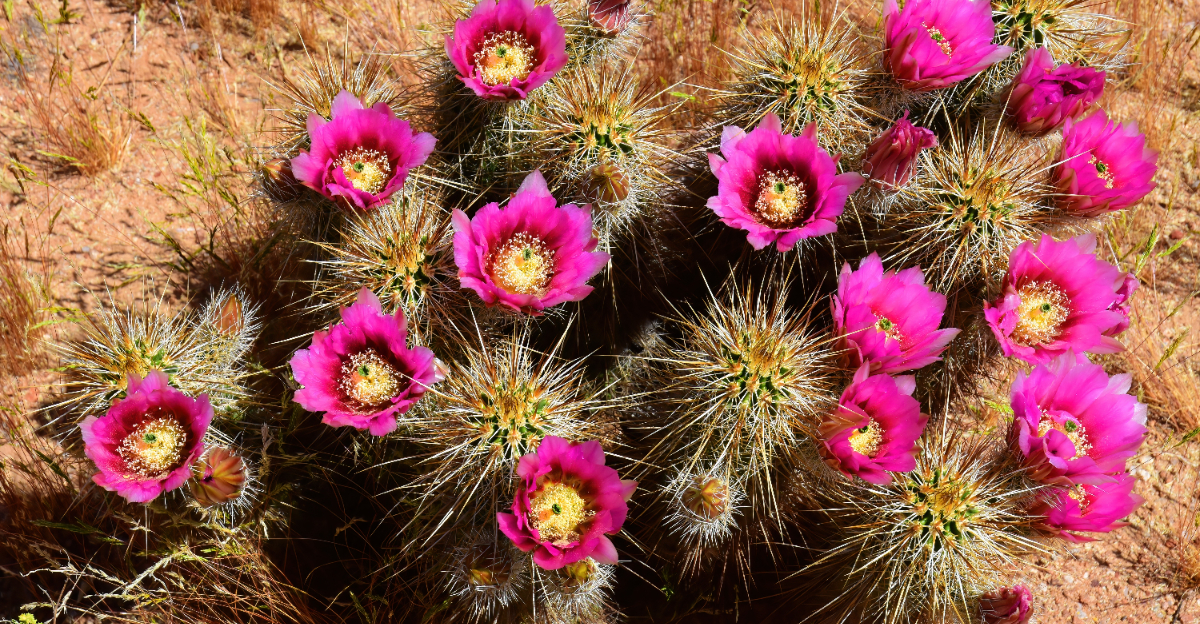
This desert tough hedgehog cactus rewards Arizona gardeners with color that feels almost unexpected against gravel and stone.
Thick, spiny stems handle heat and drought far better than most flowering plants, yet each spring they erupt into vivid blooms that demand attention.
It thrives under intense sun, asks for very little water, and still delivers a bold display that stops people in their tracks. Give it sharp drainage, full exposure, and a bit of patience, and this rugged cactus turns a tough landscape into something striking and alive.
1. Built For Blazing Sun And Reflective Desert Heat
Afternoon sun in Arizona bounces off walls, pavement, and rocks with enough intensity to scorch plants that evolved somewhere else. Hedgehog cactus sits right in that glare without flinching.
Its thick skin and tight spines create shade pockets that keep the plant cooler than you’d expect, even when temperatures push past 110 degrees.
Reflective heat from south-facing walls or concrete patios would stress most succulents into shriveling or losing color. Hedgehog cactus actually tolerates those spots better than shaded areas.
The plant developed in open desert where shade is rare and heat comes from every direction, so garden conditions that feel extreme to other plants feel normal to this one.
Phoenix and Tucson gardeners plant hedgehog cactus along driveways, near stucco walls, and in spaces where reflected heat concentrates. The cactus keeps its shape, maintains its green color, and blooms just as heavily as plants in less intense spots.
No leaf scorch, no stunted growth, no signs of stress.
Full sun exposure triggers better flowering. Plants grown in partial shade produce fewer blooms and stretch toward light instead of staying compact.
Arizona’s intense summer sun doesn’t damage hedgehog cactus because the plant’s entire structure is designed to handle exactly that level of exposure.
Gardeners who worry about heat stress can stop worrying with hedgehog cactus. The plant thrives in conditions that would overwhelm imported species, and it does so without requiring shade cloth, misting, or any other intervention.
2. Spring Blooms That Stop You In Your Tracks
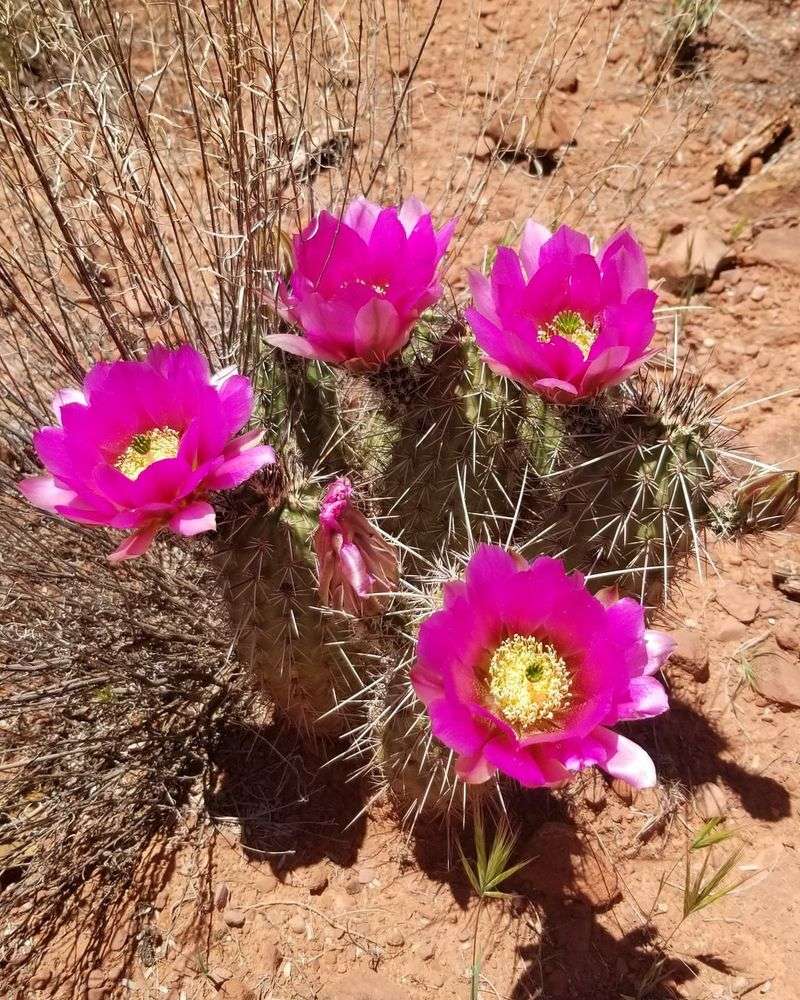
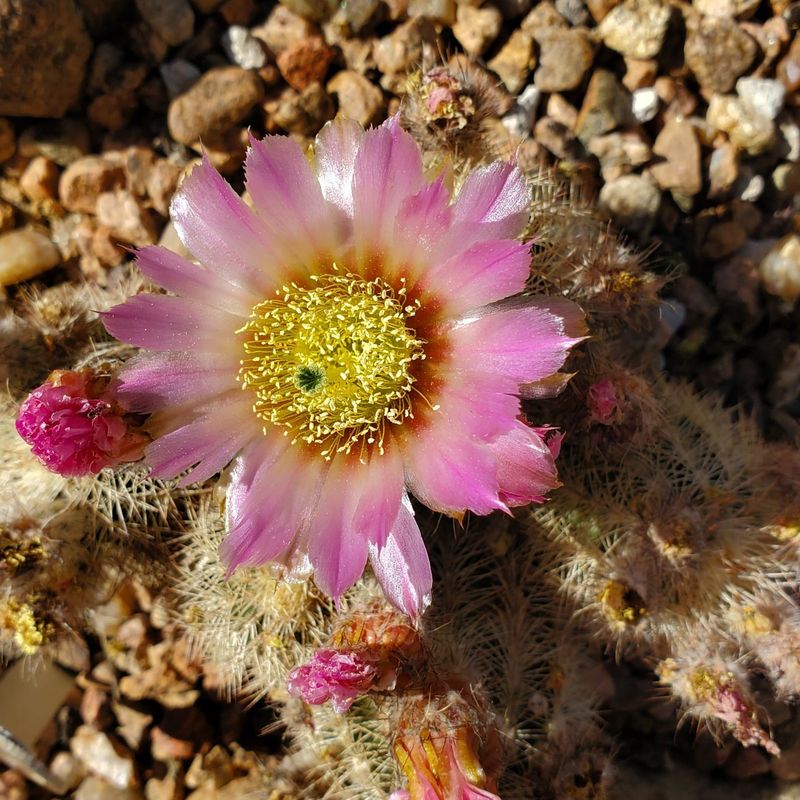
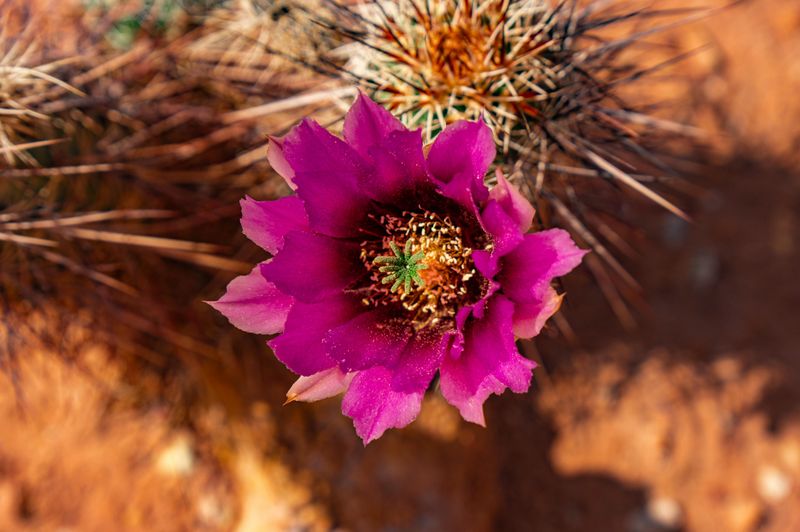
Magenta flowers the size of teacups open across the top of hedgehog cactus in late March or early April, depending on winter rainfall. The color is so saturated it looks artificial until you get close enough to see petals with a silky sheen catching sunlight.
Each bloom lasts several days, and a single clump can produce dozens of flowers over a two-week stretch.
Timing depends on temperature and moisture, but hedgehog cactus generally blooms earlier than many other desert plants. That means color arrives when Arizona gardens are still shaking off winter browns and waiting for summer annuals.
The contrast between bright magenta and dusty desert tones makes the flowers stand out even more.
Pollinators swarm hedgehog cactus blooms. Bees, butterflies, and hummingbirds visit throughout the day, drawn by nectar and bright color.
Watching that activity adds another layer of interest beyond just the visual impact of the flowers themselves.
Flowers open wide in full sun and close slightly during cooler evenings. They don’t need deadheading or any maintenance to keep blooming.
Once the show finishes, small red fruits develop that birds eventually eat, spreading seeds across the landscape.
Gardeners in Prescott, Flagstaff, and higher elevations see blooms later in spring as temperatures warm more slowly. Southern Arizona gets the show first, sometimes as early as February in unusually warm years.
Either way, the intensity of the color and the abundance of blooms make hedgehog cactus one of the most rewarding spring performers in desert gardens.
3. Why Native Roots Make It So Reliable
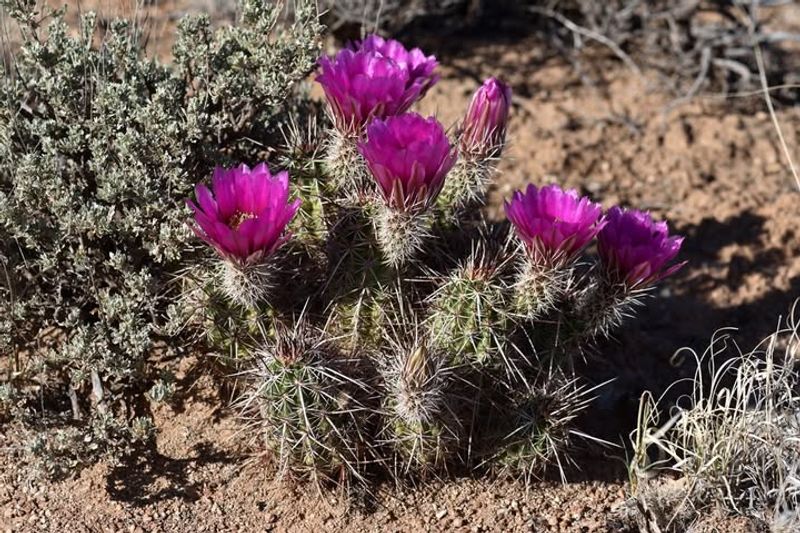
Hedgehog cactus evolved across Arizona deserts, which means it already knows how to handle everything the climate throws at it. Roots spread shallow and wide, grabbing moisture from brief rains before it evaporates.
The plant doesn’t expect deep watering or consistent moisture because it never had that in the wild.
Native plants come pre-adapted to local soil chemistry, temperature swings, and seasonal patterns. Hedgehog cactus doesn’t need amended soil, fertilizer, or pH adjustments because Arizona dirt is exactly what it grew up in.
That eliminates guesswork and saves money on soil conditioners that other plants require.
Pests and diseases that target hedgehog cactus are already part of the local ecosystem, and the plant has defenses built in. You won’t see sudden infestations or mysterious rot issues that plague non-native succulents.
The occasional cochineal scale might show up, but hedgehog cactus handles it without intervention.
Winter cold in Arizona rarely damages hedgehog cactus because the plant is built to survive freezing nights followed by warm days.
Non-native cacti from tropical regions struggle with that temperature swing, but hedgehog cactus has been doing it for thousands of years.
Reliability comes from matching plant to place. Hedgehog cactus doesn’t need coddling, special care, or constant attention because it’s designed for Arizona conditions from root to spine.
Gardeners who choose native plants spend less time troubleshooting and more time enjoying what grows, and hedgehog cactus proves that point every season.
4. Thrives In Rocky Soil Where Others Struggle
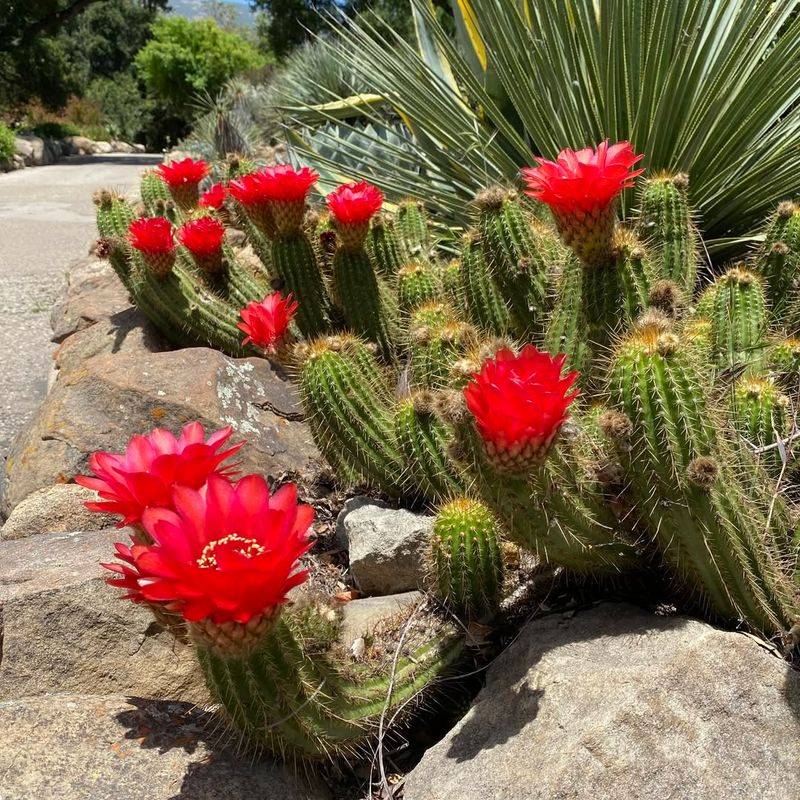
Rocky soil drains fast, warms quickly, and holds almost no organic matter. Most garden plants call that hostile.
Hedgehog cactus calls it home. Roots wedge between rocks and anchor the plant without needing deep, fluffy soil that takes years to build up in desert gardens.
Caliche layers that stop other plants don’t stop hedgehog cactus. The shallow root system spreads horizontally instead of digging down, so it avoids the hardpan that frustrates gardeners trying to grow trees or shrubs.
Gravel, decomposed granite, and rocky washes all work fine.
Drainage is critical for hedgehog cactus, and rocky soil provides that naturally. Water moves through fast, which prevents root rot and keeps the plant healthy even during Arizona’s monsoon season when sudden downpours dump inches of rain in an hour.
Clay soil or amended garden beds that hold moisture too long cause problems, but rocky ground doesn’t.
Arizona gardeners dealing with difficult soil often assume they need to haul in truckloads of compost and topsoil. Hedgehog cactus proves that’s not always necessary.
Planting directly into native rocky soil works as long as drainage is decent and the spot gets full sun.
Slope planting is another advantage. Hedgehog cactus handles steep, rocky slopes where erosion makes it hard to establish other plants.
The roots stabilize soil, and the plant itself requires no terracing or special preparation. Just tuck it between rocks and let it grow.
5. Compact Size Makes It Perfect For Sunny Containers
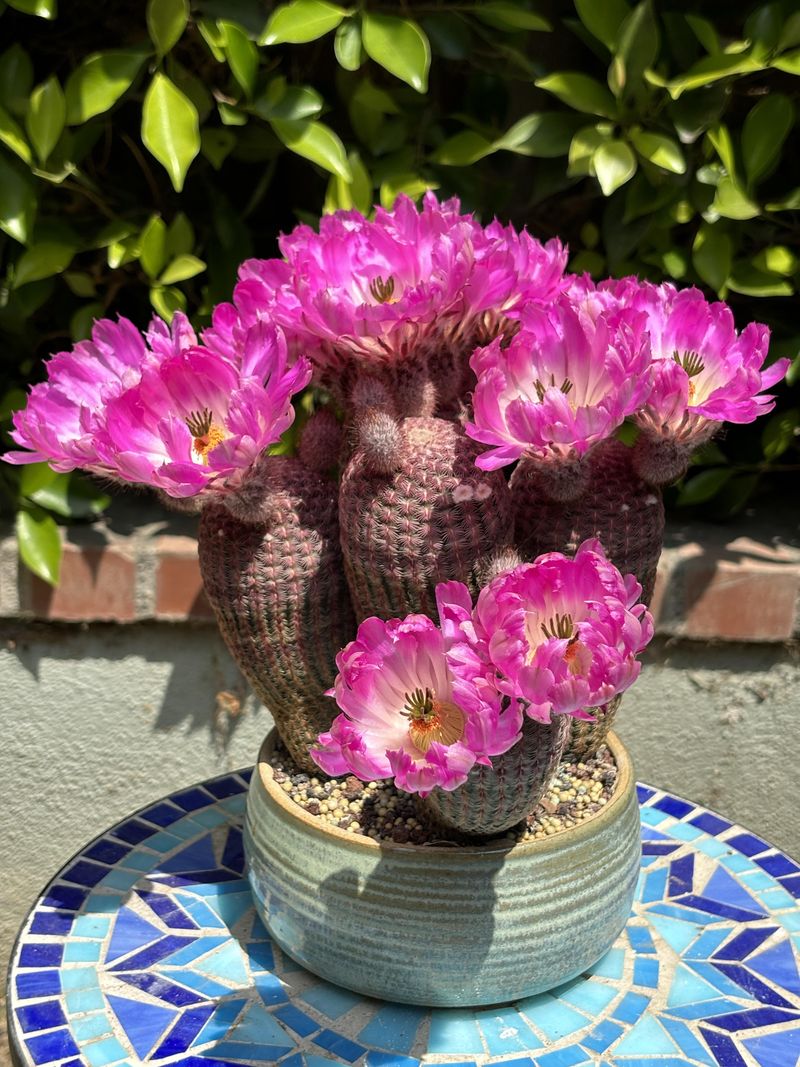
Container gardening in Arizona means dealing with intense heat that turns pots into ovens. Hedgehog cactus handles that without wilting or losing color.
The compact size keeps the plant manageable in pots ranging from 10 to 18 inches across, and the slow growth means you won’t be repotting every year.
Terracotta pots work best because they breathe and allow soil to dry out between waterings. Plastic containers trap heat and hold moisture longer, which can cause problems even with a desert plant.
Drainage holes are non-negotiable. Without them, water sits at the bottom and roots rot no matter how tough the plant is.
Sunny patios, balconies, and entryways in Phoenix, Scottsdale, and Tucson become planting opportunities with hedgehog cactus. The plant stays small enough to fit on tables, railings, or grouped with other containers without taking over.
Flowers appear at eye level when the pot is elevated, which makes the spring show even more dramatic.
Soil mix for containers should be grittier than what you’d use for regular houseplants. Half cactus mix and half pumice or perlite creates the fast drainage hedgehog cactus needs.
Regular potting soil holds too much moisture and compacts over time, which leads to root problems.
Portability is another benefit. Containers let you move hedgehog cactus around to find the best sun exposure or to rearrange your patio setup.
The plant tolerates being shifted as long as it still gets full sun and proper drainage.
6. Minimal Water Still Delivers Strong Growth
Watering hedgehog cactus once a month during summer is enough. Twice a month if you want slightly faster growth.
More than that and you risk root rot or fungal issues that stressed plants can’t fight off. The cactus stores water in thick flesh and uses it slowly, so frequent watering isn’t helping.
Winter watering drops to almost nothing. Arizona winters bring occasional rain, and that’s usually sufficient.
If months pass without rain, one deep watering every six weeks keeps the plant from shriveling. Overwatering in winter is worse than underwatering because cool soil stays wet longer and roots sit in moisture they don’t need.
Growth rate stays steady with minimal water. Hedgehog cactus doesn’t grow fast even with extra water, so pushing more moisture into the soil won’t speed things up.
The plant grows at its own pace, adding a few inches of width each year and producing offsets that form clumps over time.
Desert-adapted plants like hedgehog cactus have evolved to grab water fast and store it efficiently. Shallow roots spread wide to catch rainfall before it evaporates, and the plant’s thick skin reduces water loss.
That means less work for gardeners and lower water bills without sacrificing plant health.
Arizona gardeners switching to desert landscaping often worry that reducing water will leave plants looking stressed. Hedgehog cactus proves that’s not true.
The plant stays plump, green, and healthy with far less water than most people expect, and it still blooms reliably every spring.
7. Clusters Over Time For An Even Bigger Show
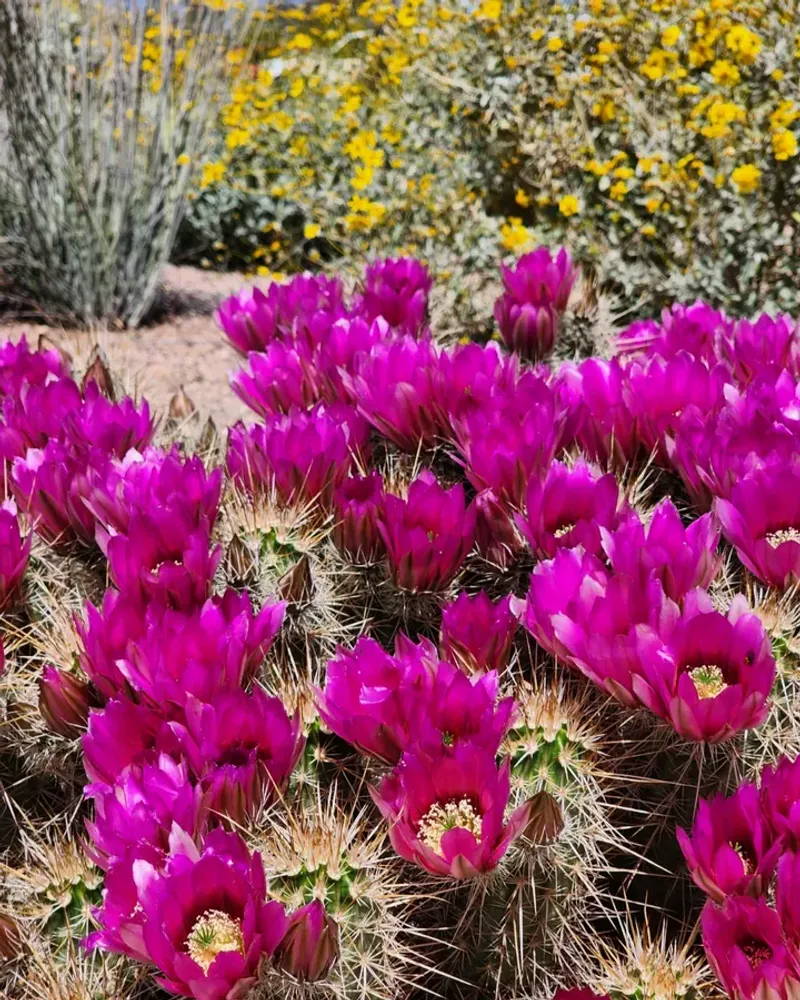
Single hedgehog cactus stems produce offsets at the base that grow into new stems over several years. Eventually, one plant becomes a cluster of five, ten, or more stems packed together.
Each stem blooms independently, which means a mature clump can have 50 or more flowers open at the same time in peak spring.
Clustering happens naturally without any pruning or special care. The plant just keeps adding stems as it matures.
Growth is slow, so it takes five to ten years for a single stem to become a noticeable cluster, but the wait is worth it when the entire clump lights up with magenta blooms.
Arizona gardeners who plant hedgehog cactus young get to watch the transformation over time. The plant starts as a single green cylinder with spines, then gradually expands into a mounded clump that fills space and creates visual impact.
That slow progression makes the plant feel like a long-term investment that pays off every spring.
Older clusters develop character. Stems lean slightly in different directions, creating texture and shape that single stems lack.
The overall form becomes more interesting as the plant ages, and the density of spines increases as stems multiply.
Flowering intensity increases with cluster size. A single stem might produce a dozen blooms, but a mature cluster produces enough flowers to cover the entire top of the plant.
That’s when hedgehog cactus really earns its reputation for delivering color. Patience is required, but the result is a low-maintenance desert plant that becomes more impressive every year.