The Difference Between Snow And Frost And What Really Harms North Carolina Plants
Winter weather in North Carolina often leaves gardeners guessing, especially when a cold morning brings a layer of white across the landscape.
Snow and frost can appear similar at first glance, yet they do not affect plants in the same way, and that difference matters more than many people realize.
When temperatures dip and icy crystals form, it is easy to assume your garden is in immediate danger.
In reality, not every cold event causes the same level of stress, and some conditions are far less damaging than they seem.
Snow and frost each interact with plants in their own way, influencing moisture, temperature, and overall plant health.
Learning how to recognize these differences can change how you respond during the coldest months of the year.
With a clearer understanding of what truly leads to plant damage, you can protect your garden more effectively and make confident decisions that support healthy growth through every winter season.
Snow Often Insulates Plants Rather Than Damaging Them
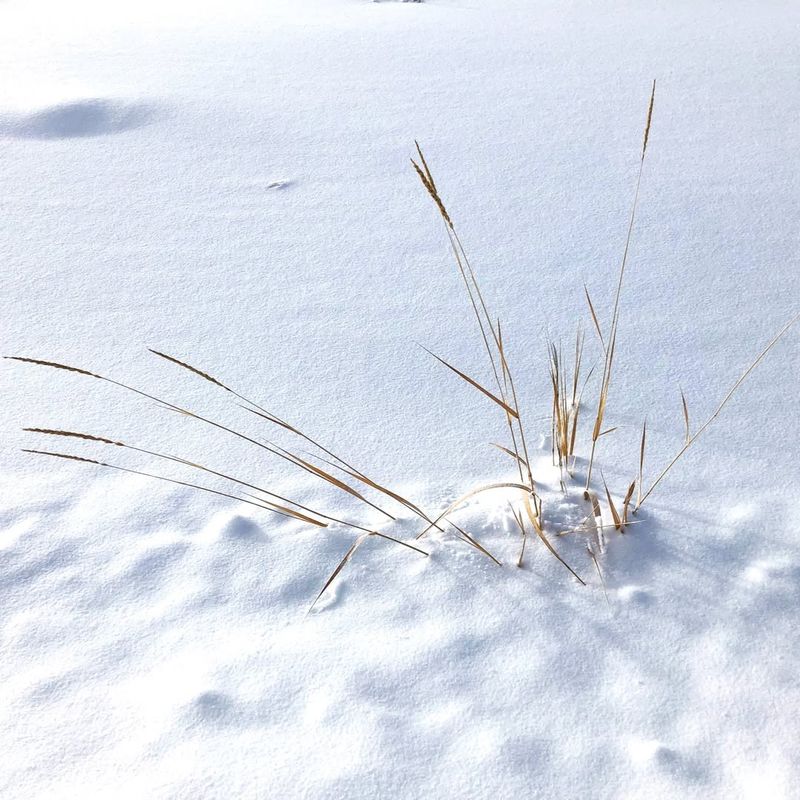
Believe it or not, a good blanket of snow on your garden is often more helpful than harmful.
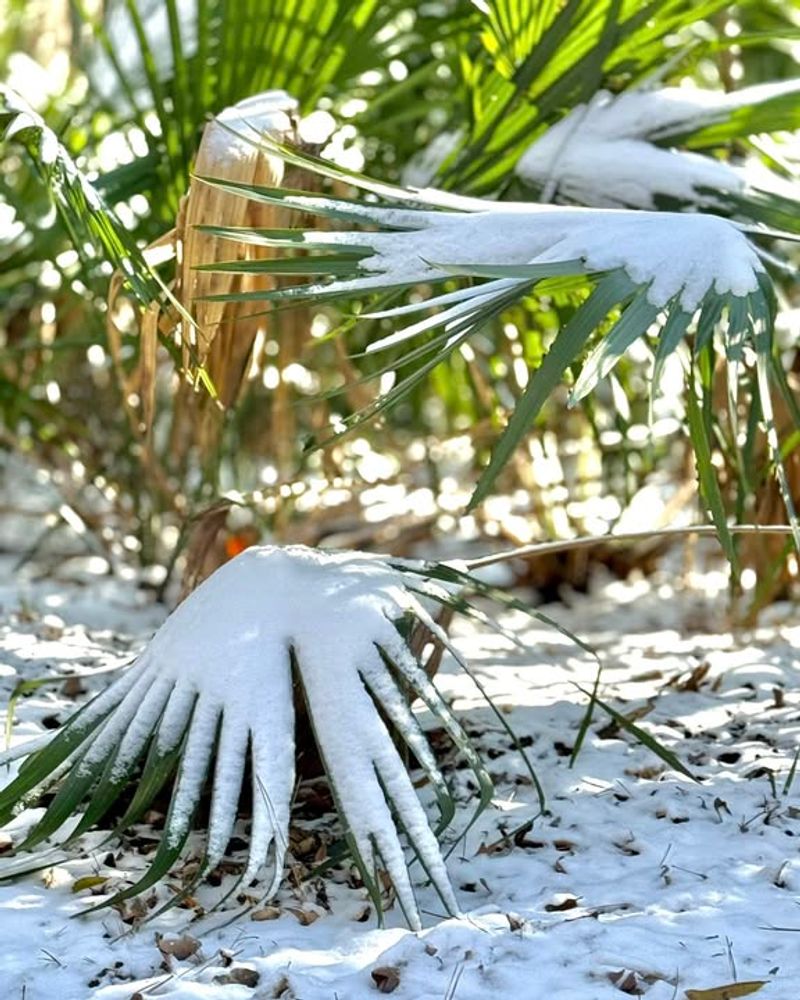
Snow acts like a natural insulator, trapping heat that radiates up from the soil and slowing down how quickly plant tissue loses warmth.
Think of it like a fluffy winter blanket wrapped around your plants. When snow covers low-growing plants, ground covers, and even some tender shrubs, it creates a buffer zone between the plant and the bitterly cold air above.
That air pocket underneath the snow can stay several degrees warmer than the outside temperature, which is a huge deal on a frigid January night in North Carolina.
Snow alone almost never causes the kind of cold injury that gardeners fear most. The real threat comes from the freezing temperatures that exist before or after snowfall, not from the snow itself.
So next time a snowstorm rolls through, you can breathe a little easier knowing your plants might actually appreciate the coverage.
Many experienced gardeners even call a fresh snowfall a gift for the garden.
Frost Forms When Heat Escapes From Plant Surfaces Overnight
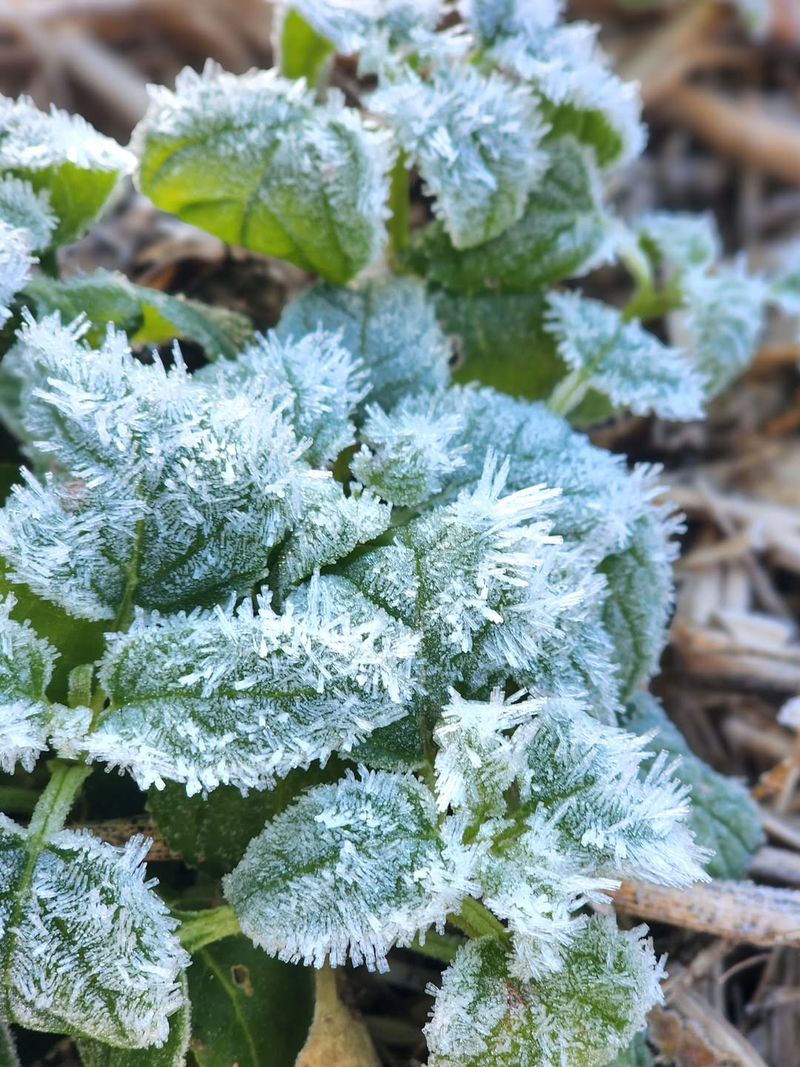
Frost is one of those natural events that looks almost magical up close, but the science behind it is surprisingly straightforward.
On calm, clear nights, plants and soil lose heat rapidly by radiating it outward into the atmosphere.
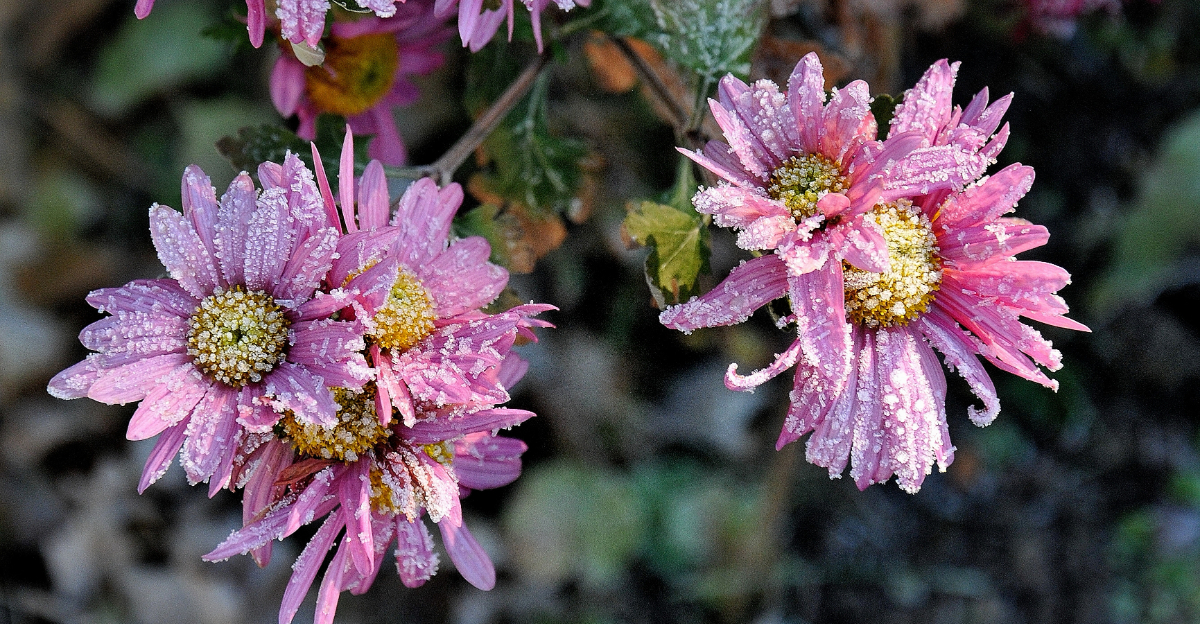
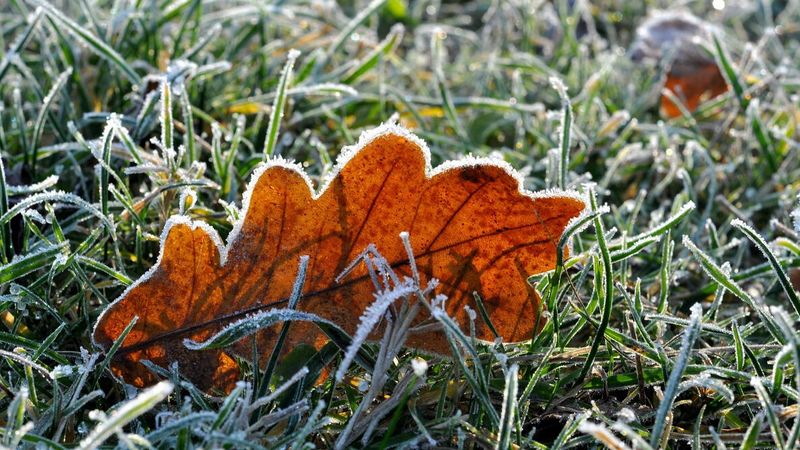
When the surface temperature of a leaf drops to 32 degrees Fahrenheit or below, water vapor in the air freezes directly onto that surface, creating those beautiful ice crystals.
Clear skies speed up this process because there are no clouds to trap the escaping warmth. Wind, on the other hand, tends to mix warmer and cooler air together, which can actually reduce frost formation.
That is why the stillest, clearest nights in fall and spring are the ones gardeners in North Carolina watch most closely.
The frost you see glistening on your plants in the morning formed during those quiet overnight hours when temperatures dipped just enough. It is not falling from the sky like rain or snow.
It grows right there on the plant surface, crystal by tiny crystal, as moisture meets the cold. Knowing this helps you predict when frost is likely and gives you time to cover vulnerable plants before the temperature drops too far after sunset.
It Is Freezing Temperature Not Snow That Causes Tissue Damage
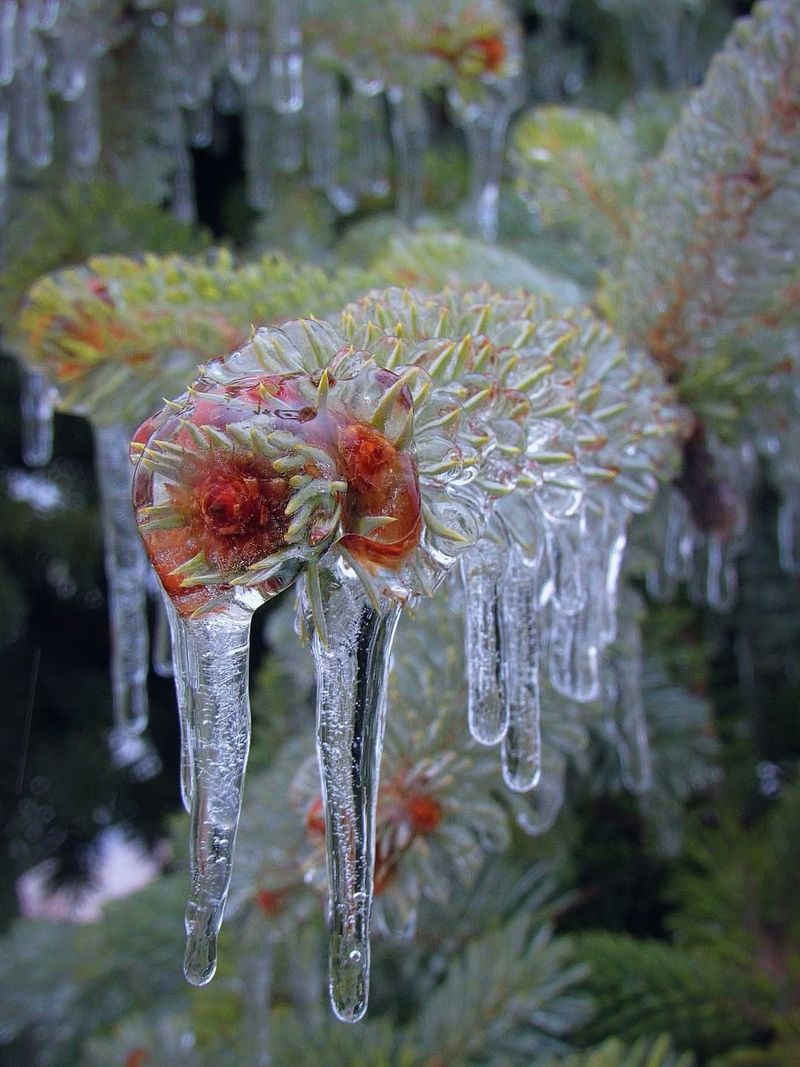
Here is something that surprises many new gardeners: snow sitting on a plant is not what causes harm.
The real culprit is the freezing temperature itself, working its way into plant cells and causing serious internal damage.
When temperatures drop low enough, the water inside plant cells begins to freeze and expand, rupturing cell walls from the inside out.
Once those cell walls break down, the plant cannot move nutrients or water properly. Leaves turn mushy, stems collapse, and tissue that looked perfectly healthy before the freeze becomes limp and discolored afterward.
This is why you sometimes see plants looking completely fine right after a snowstorm, only to show damage a day or two later as the tissue thaws.
North Carolina gardeners growing tropical plants, tender perennials, or warm-season vegetables need to watch temperature forecasts carefully, not just snow forecasts.
A night that stays around 35 degrees with snow is far less dangerous than a clear, dry night that drops to 20 degrees. The snow is the distraction. The temperature is the actual threat.
Protecting plants from freezing air temperatures with covers, row fabric, or bringing containers indoors makes a genuine difference in how well your garden survives the coldest months.
Wet Heavy Snow Can Physically Break Stems And Branches
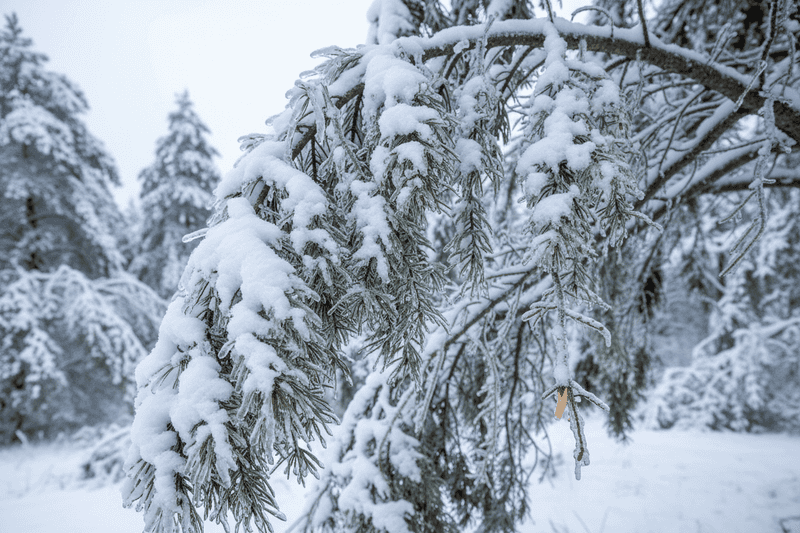
Not all snow is created equal, and wet, heavy snow is in a category all its own when it comes to garden damage.
Unlike the light, fluffy powder that drifts off branches with a gentle shake, wet snow sticks and piles up fast.
The weight builds quickly, and stems and branches that seemed sturdy in the summer can snap under that kind of pressure.
Ornamental grasses, multi-stemmed shrubs, and young trees are especially at risk when a wet snowstorm rolls through North Carolina.
The snow accumulates in thick clumps, bending branches downward at angles they were never designed to hold.
Wooden stakes and plant ties sometimes help young trees, but the best protection is often just getting outside during the storm and gently knocking snow off branches before too much accumulates.
This type of damage is purely mechanical, meaning it has nothing to do with cold temperatures injuring plant cells.
A branch can snap on a night that stays well above freezing if enough wet snow piles on top of it.
Gardeners sometimes forget this distinction, blaming the cold when the real issue was simply too much weight in the wrong place.
Paying attention to the type of snow in the forecast, not just the temperature, helps you prepare and protect your plants more effectively.
Frost Damages Tender New Growth More Than Dormant Plants
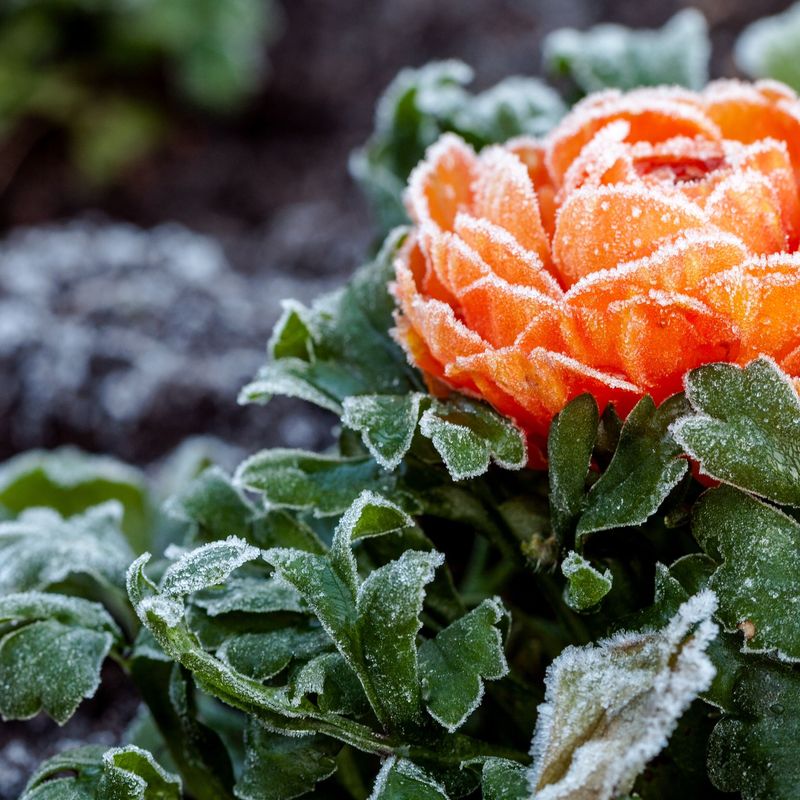
Timing matters enormously when it comes to frost and plant health. A plant that has gone fully dormant for winter has basically put itself into a protective low-energy state, making it far more resistant to freezing temperatures.
But tender new growth emerging in spring is a completely different story, packed with water and actively growing, which makes it much more sensitive to even a light frost.
Gardeners in North Carolina know this situation all too well. A warm stretch in February or March coaxes azaleas, hostas, and fruit tree blossoms into early growth, and then a late frost sweeps through and damages that fresh tissue overnight.
The results can be heartbreaking, with blackened tips, wilted new leaves, and ruined flower buds that would have been stunning just a few weeks later.
The good news is that most established plants recover surprisingly well even after frost hits new growth.
The roots and older woody stems often remain unharmed, and the plant pushes out fresh growth again once warmer weather returns.
Covering vulnerable plants with frost cloth or old bedsheets on nights when late frost is expected gives that new growth just enough protection to survive.
Watching the forecast closely during those tricky late-winter and early-spring weeks is one of the smartest habits any North Carolina gardener can build.
Duration Of Cold Exposure Matters More Than A Brief Frost
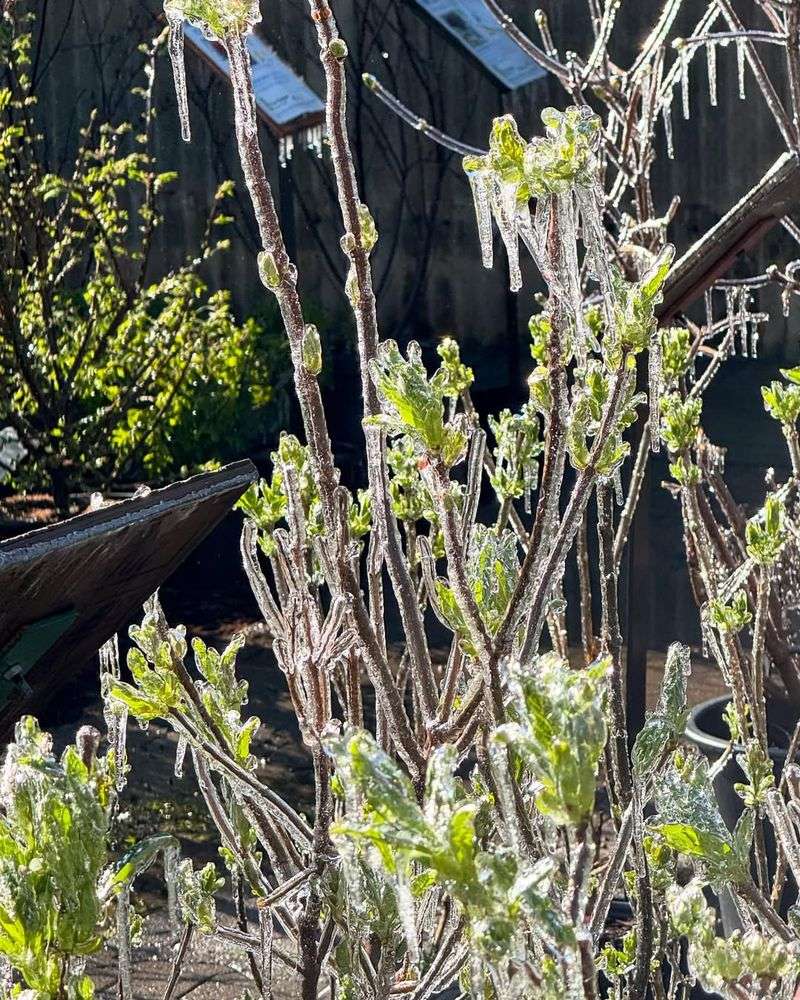
A single cold night rarely tells the whole story when it comes to plant survival. How long temperatures stay below freezing matters just as much as how cold it actually gets.
A quick dip to 28 degrees that lasts only an hour or two is far less damaging than a sustained freeze that holds temperatures below 30 degrees for eight or ten hours straight.
Plant cells can sometimes handle brief temperature drops because the freezing process takes time to fully penetrate tissue.
But when cold air settles in and stays, ice crystals form deeper within stems and roots, causing more widespread and serious damage.
Extended freezes also prevent the natural daytime warming that helps plants recover between cold events.
North Carolina gardeners face this challenge most during major winter storms that bring days of below-freezing temperatures rather than just a single cold night.
Evergreen shrubs, newly planted perennials, and marginally hardy plants are the ones most likely to struggle after a prolonged cold event.
Mulching heavily around the base of plants before winter arrives helps insulate roots from extended cold.
Wrapping shrubs in burlap or frost cloth adds another layer of protection when a multi-day freeze is in the forecast.
Thinking about duration, not just low temperature, completely shifts how you approach cold weather preparation in your garden each season.
Dry Powdery Snow Is Less Harmful Than Wet Snow
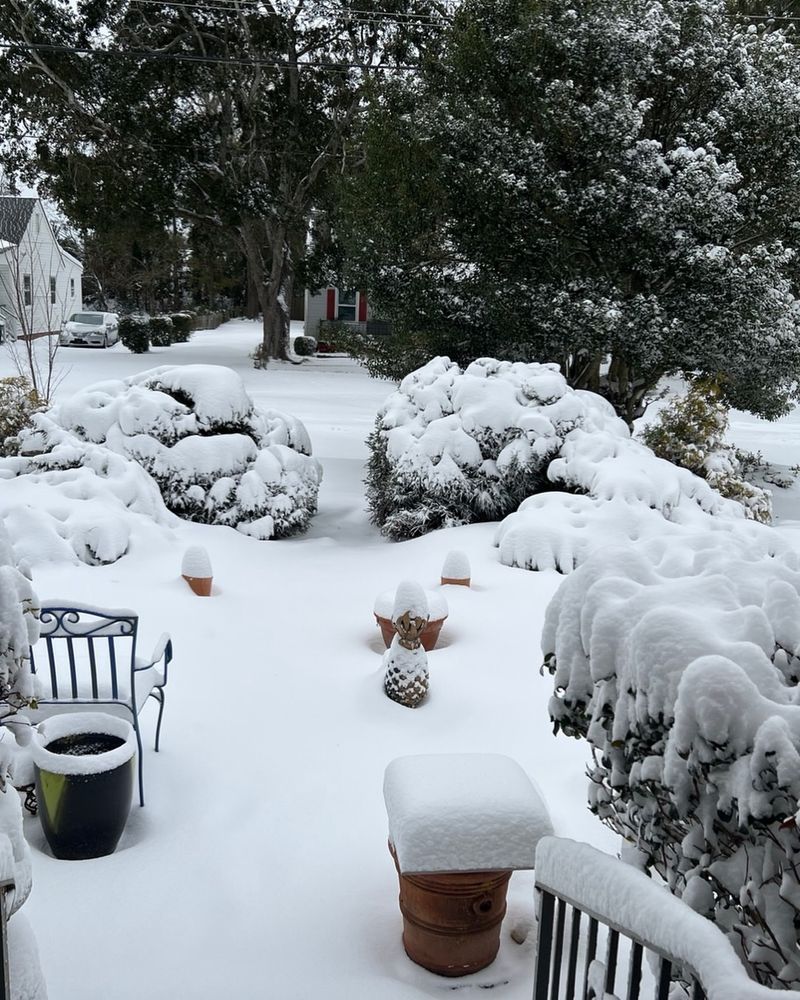
Walk outside after a dry, powdery snowfall and you will notice something right away: the snow sits lightly on everything and barely bends a single branch.
That light, fluffy texture is a sign that the snow contains very little liquid water, which means it weighs almost nothing compared to its wet, heavy counterpart.
Plants handle this kind of snow with ease. Dry snow also tends to melt or blow off quickly, especially once the sun comes out, so the exposure time is short.
The insulating effect we talked about earlier works particularly well with dry snow because the air pockets within the fluffy crystals trap warmth efficiently.
Low-growing plants and ground covers often benefit the most from a light dusting of dry snow sitting over them through a cold night.
Wet snow is a whole different experience for your garden. It is dense, heavy, and sticky, clinging to every surface and piling up rapidly.
The water content makes it dramatically heavier per inch than dry snow, which is why it bends and breaks plants that would otherwise shrug off a snowstorm.
North Carolina often gets both types throughout the winter depending on temperatures during snowfall.
Checking whether an incoming storm is expected to bring wet or dry snow helps you decide whether to stay indoors and relax or head out to knock snow off vulnerable shrubs and young trees before damage sets in.
Soil Temperature Influences Root Survival During Cold Events
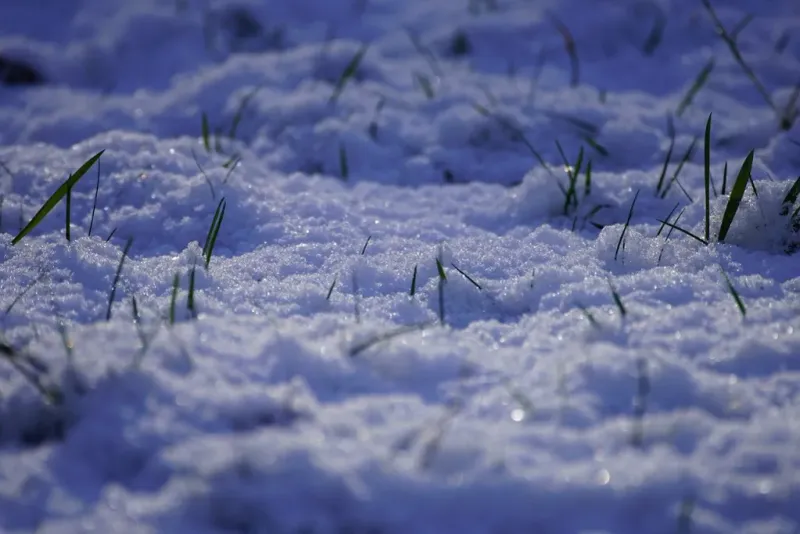
Roots are the hidden lifeline of every plant, and they have their own relationship with cold weather that is completely separate from what is happening above ground.
Soil temperature changes much more slowly than air temperature, which gives roots a natural buffer during cold snaps.
Even when the air above is well below freezing, soil a few inches down often stays warm enough to keep roots safe and functional.
That thermal protection is one reason why established plants with deep root systems almost always survive winter better than newly planted ones.
A plant that has been in the ground for several years has roots reaching far enough down to stay in warmer soil zones.
A plant installed just a few months before winter has a much shallower root system sitting closer to the cold soil surface.
Mulching is the single best thing North Carolina gardeners can do to protect roots during cold events.
A three-to-four-inch layer of wood chips, pine straw, or shredded leaves acts like an insulating blanket over the soil, slowing temperature changes and keeping roots warmer for longer.
Apply mulch in late fall before the first hard freeze of the season for the best results. Keep it a few inches away from the base of stems and trunks to prevent moisture buildup.
This one simple step makes a measurable difference in how well your plants come through winter every single year.
Microclimates Affect Frost Risk Across North Carolina
North Carolina is a state of remarkable variety, and that goes for frost risk just as much as it does for scenery.
The mountains in the west, the Piedmont in the middle, and the coastal plain in the east all experience winter very differently.
But even within a single yard, tiny differences in elevation, slope, and surrounding structures create microclimates that can mean several degrees of temperature difference from one spot to another.
Cold air is heavier than warm air and naturally flows downhill, pooling in low spots, valleys, and areas surrounded by fences or walls that block air movement.
Gardeners with properties at the bottom of a slope often see frost damage that their neighbors higher up the hill never experience.
A garden bed tucked against a south-facing brick wall, on the other hand, benefits from the heat that the brick absorbs during the day and slowly releases overnight.
Understanding the microclimates in your specific yard gives you a powerful advantage. You can plant the most frost-sensitive specimens in your warmest spots and save the lower, frost-prone areas for hardier plants that can handle occasional cold pockets.
Paying attention to where frost shows up first on your property after a cold night reveals exactly which areas need the most protection.
This kind of observation, built up over several seasons, turns you into a much more effective and confident gardener no matter where in North Carolina you garden.
Healthy Well Hydrated Plants Tolerate Cold Better
Strong, healthy plants go into winter with a real advantage over stressed or neglected ones.
A plant that has been well-watered, properly fertilized through the growing season, and free from pest or disease pressure builds up more robust cell structure and better energy reserves.
Those reserves matter enormously when cold weather arrives and the plant needs internal resources to manage stress. Hydration plays a surprisingly important role in cold tolerance.
Well-hydrated plant cells contain dissolved sugars and other compounds that actually lower the freezing point of cell fluids, giving the plant a small but meaningful buffer against frost.
Drought-stressed plants, by contrast, have less of these protective compounds and are more vulnerable to cold injury even at temperatures that a healthy plant would handle without trouble.
One practical tip that many North Carolina gardeners overlook is watering deeply before an expected hard freeze, especially for evergreens and newly planted shrubs.
Moist soil holds heat better than dry soil, and a well-hydrated plant enters the cold event in the best possible condition.
Avoid heavy nitrogen fertilizing in late summer and fall, though, because that pushes soft new growth that is more frost-sensitive.
Focus instead on phosphorus and potassium, which support root strength and overall hardiness.
Giving your plants the best care throughout the entire growing season is genuinely the most powerful winter protection strategy you have available to you.