The 9 Drought-Resistant Flowers That Handle Arizona Heat
Arizona gardens can lose color fast once steady heat settles in, especially when flowers fail to keep up with dry soil and intense sun.
Beds that looked bright earlier can turn dull within weeks, and the effort to maintain them often increases at the same time.
Certain flowers hold their color and structure even when conditions stay harsh, which changes how the entire space feels through the season. Instead of constant replacement, the garden keeps a steady look that does not fade out as temperatures climb.
Strong performers stand out quickly once the heat builds, and the difference shows in how long they continue to produce without extra attention.
Choosing the right ones makes it far easier to keep color going in Arizona without turning the garden into a constant project.
1. Desert Marigold Thrives In Harsh, Dry Conditions
Ask any experienced Arizona gardener what they reach for when nothing else wants to cooperate, and Desert Marigold usually comes up fast.
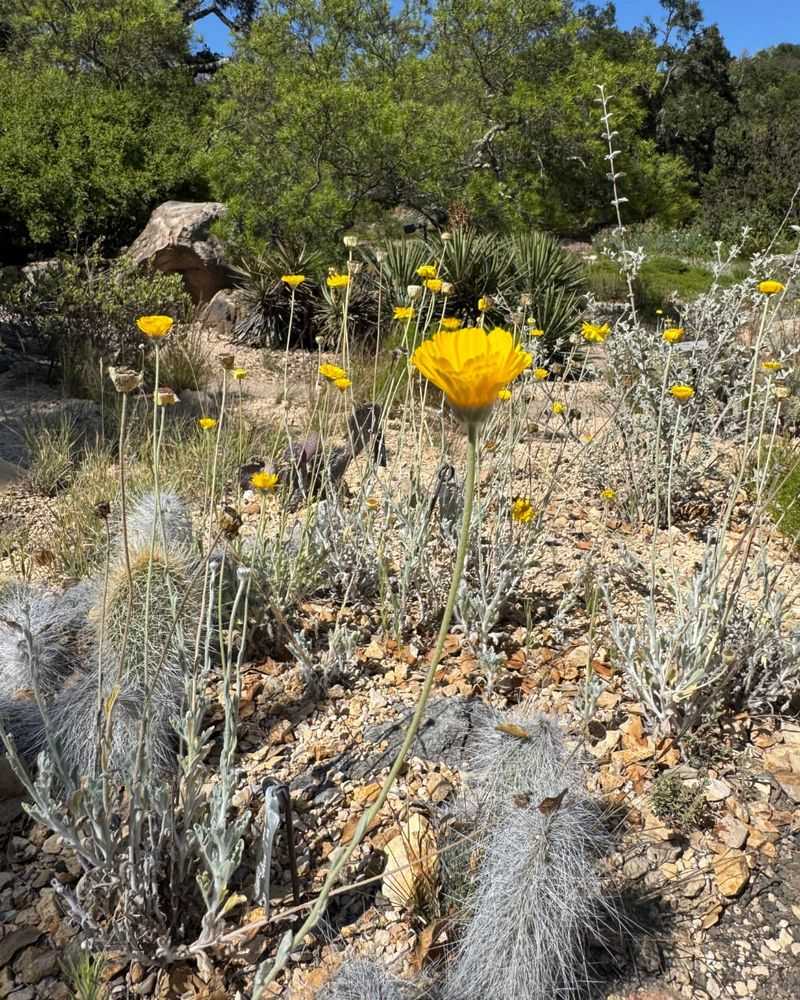
Baileya multiradiata is a native wildflower that has adapted to some of the harshest ground in the Sonoran Desert, and it shows.
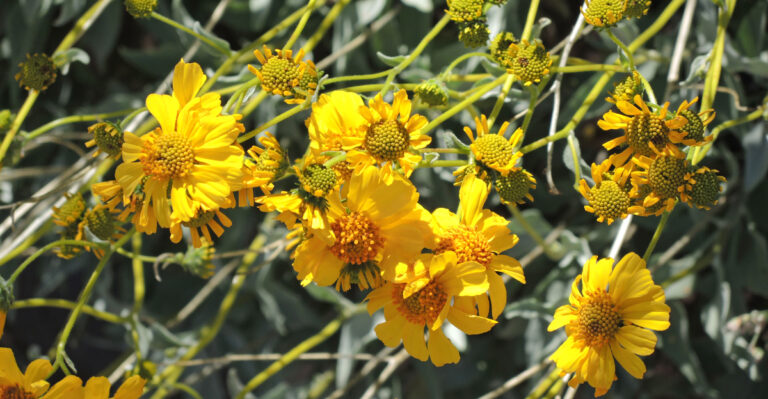
Bright yellow blooms appear on tall, slender stems above woolly silver-green foliage, and the plant can stay in flower for a surprisingly long stretch of the warm season.
Rocky, poor soil is not a problem for this plant. In fact, rich amended soil can actually work against it by encouraging weak, floppy growth.
Plant it in a spot with full sun and fast-draining ground, water it occasionally during dry spells, and mostly leave it alone. Overwatering is genuinely the biggest risk here.
One thing worth knowing: Desert Marigold is toxic to livestock, so if you have animals with access to your yard, place it accordingly. For everyone else, it attracts butterflies and other pollinators reliably through the season.
Across Arizona, it self-seeds gently over time, slowly filling in a dry garden bed with cheerful yellow color that asks for almost nothing in return.
2. Globe Mallow Handles Heat And Poor Soil Easily
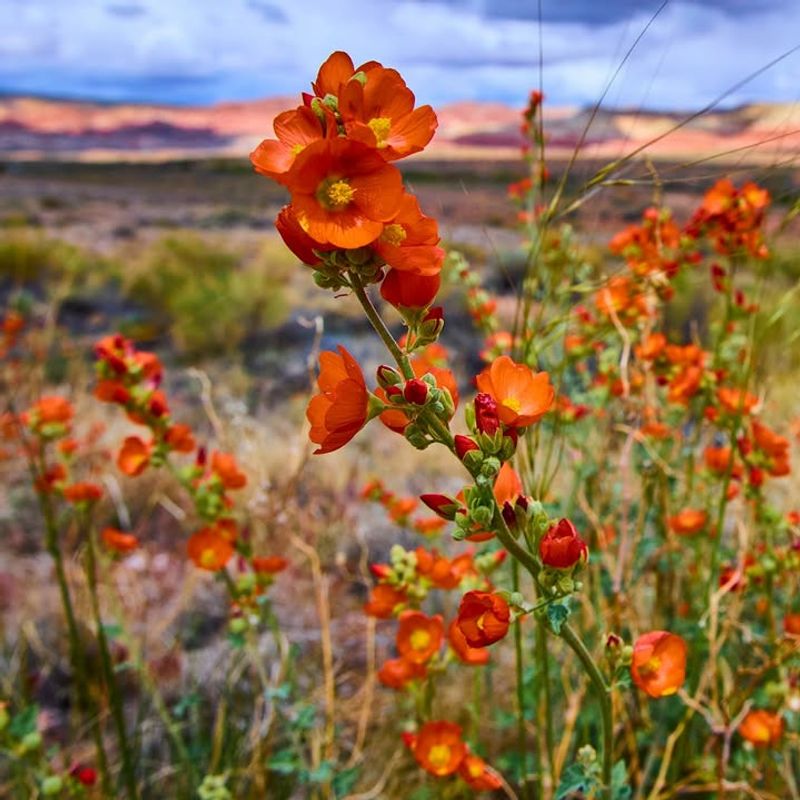
Somewhere between a wildflower and a garden staple, Globe Mallow occupies a unique space in Arizona landscaping. Sphaeralcea ambigua produces clusters of small, cup-shaped flowers in shades of orange, coral, red, and occasionally lavender.
Drive along almost any highway in Arizona during spring and you will spot it growing right out of gravel and compacted caliche without any human help whatsoever.
That roadside toughness translates well into home gardens. Plant it in full sun, skip the compost amendments, and water it lightly until it gets established over the first season.
After that, it handles extended dry periods without much complaint. Cutting it back by about a third after the main bloom flush encourages a fresh round of flowers later in the season.
Globe Mallow does have one quirk: the tiny hairs on its leaves can irritate sensitive skin, so wear gloves when pruning. Beyond that, it is genuinely easy to work with.
Birds occasionally visit for seeds, and bees show strong interest in the blooms. In Phoenix and Tucson gardens alike, it adds color and texture to dry slopes, borders, and naturalistic planting areas where other flowers would simply not survive.
3. Blackfoot Daisy Blooms Well In Full Sun And Low Water
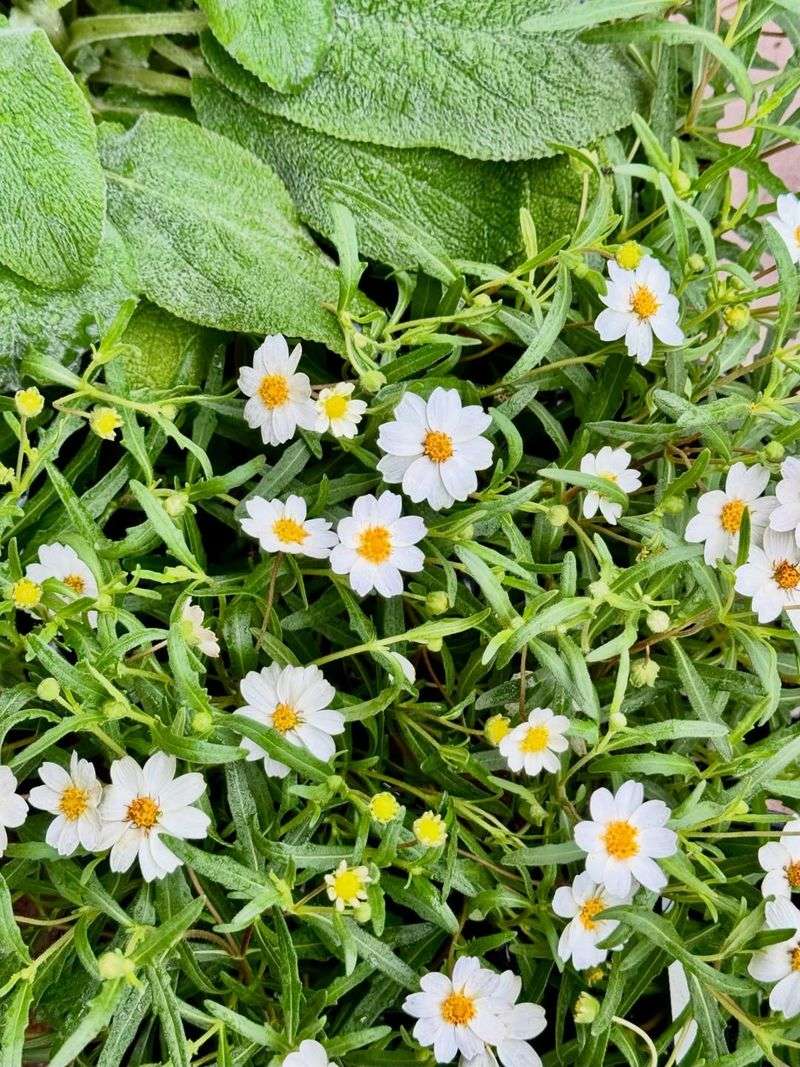
Small but persistent, Blackfoot Daisy punches well above its size in the Arizona garden.
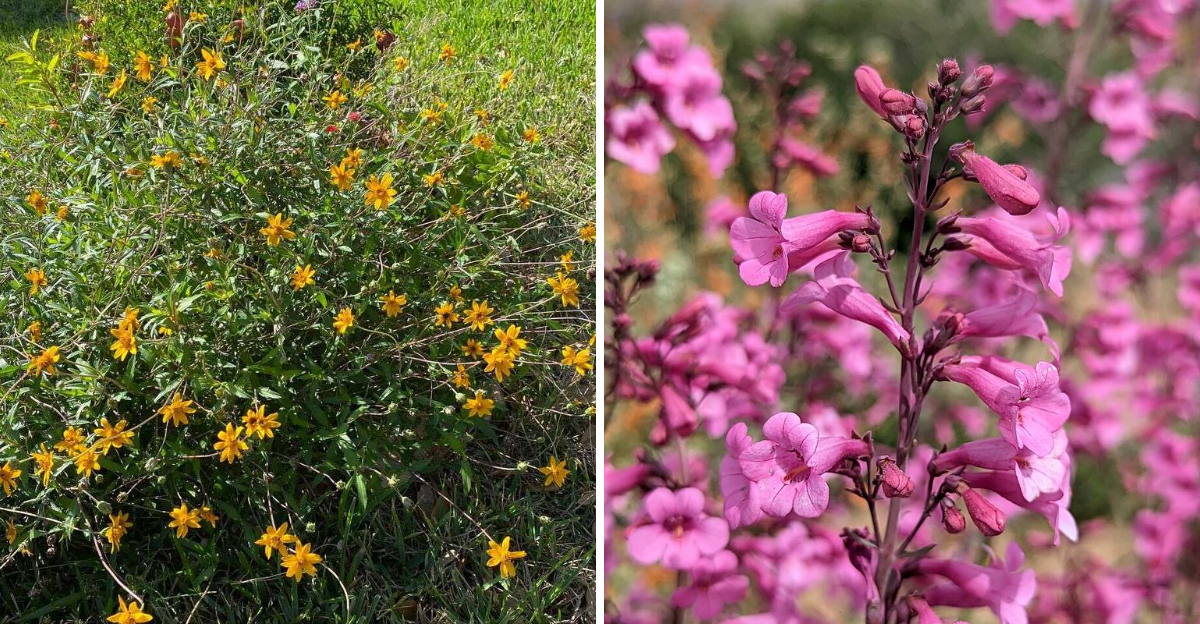
Melampodium leucanthum stays relatively compact, usually under a foot and a half tall, but it covers itself in white daisy-like flowers with bright yellow centers from early spring through fall.
Few plants at this size deliver that kind of consistent color output under Arizona sun.
Drainage is the one thing it absolutely requires. Wet or heavy clay soil will cause problems quickly, but in sandy, gravelly, or decomposed granite beds, it settles in and performs reliably.
Water it deeply but infrequently once it has had a few weeks to get rooted in. During the monsoon season, it usually gets all the water it needs from rainfall alone.
Blackfoot Daisy has a light honey-like fragrance that is subtle but pleasant when you are working nearby. It attracts small native bees and butterflies throughout its long bloom period.
Shearing the plant back by about half in midsummer, right before monsoon rains arrive, helps refresh the growth and often produces a strong flush of new blooms.
Across central and southern Arizona, it works well along borders, in rock gardens, and tucked between larger desert shrubs.
4. Angelita Daisy Performs Strongly In Dry Landscapes
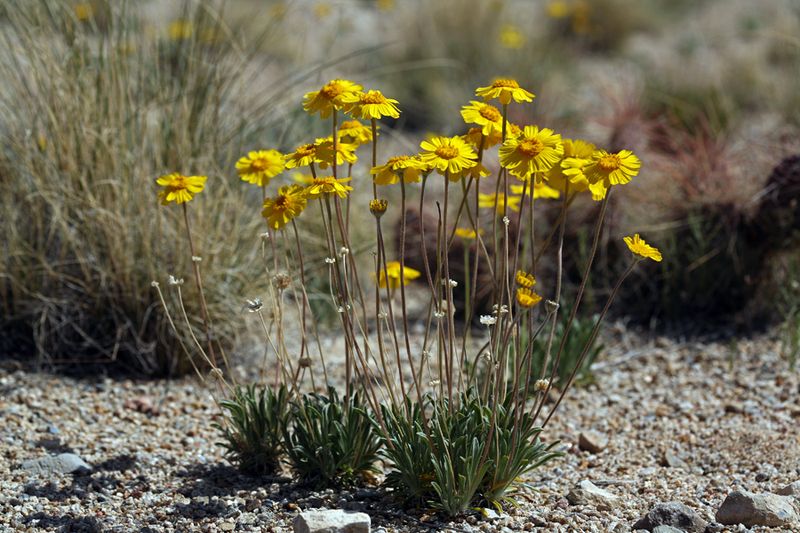
Do not let the delicate look fool you. Angelita Daisy, known botanically as Tetraneuris acaulis, is one of the tougher small perennials available for Arizona gardens.
Cheerful yellow flowers sit on thin stems above tufts of narrow, grass-like foliage. Blooms appear most heavily in spring and fall, though in mild Arizona winters and warm shoulder seasons, flowers can show up at almost any time.
Heat does not slow it down the way it does many other plants. Full sun is where it wants to be, and reflected heat from walls or pavement does not seem to bother it much.
Decomposed granite or sandy soil suits it well. Like most desert-adapted plants, it responds poorly to soggy conditions, so good drainage is non-negotiable.
Angelita Daisy works particularly well as a border edging plant or tucked into the front of a dry garden bed where its compact size and consistent flowering make it easy to appreciate up close. It requires very little intervention once settled.
Occasional deep watering during extended dry stretches in summer helps maintain vigor, but this plant does not need constant attention to look good. Across Arizona landscapes, it is a dependable and underused choice worth planting more widely.
5. Penstemon Supports Pollinators And Tolerates Drought
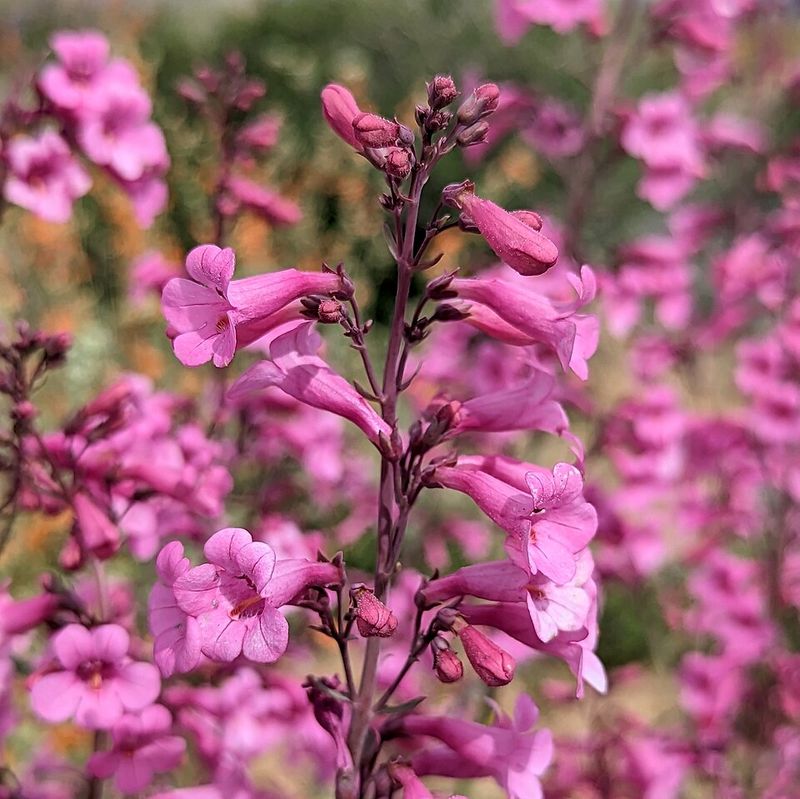
Few plants in the Arizona garden pull in hummingbirds as reliably as Penstemon. Several species are native to the region, including Penstemon parryi, which sends up tall spikes of hot pink to magenta tubular flowers in late winter and early spring.
The timing is excellent because it blooms before most other perennials wake up, giving early pollinators something to work with when food sources are scarce.
Penstemon is not picky about soil quality as long as water drains freely. Rocky hillsides, gravelly beds, and slopes that dry out quickly are actually ideal.
Planting in low spots where water pools after rain is the one situation to avoid. Beyond that, it requires very little once it has had time to develop a root system through its first growing season.
After blooming, the seed stalks can be left in place to attract birds and reseed naturally over time. Cutting them back once seeds have dispersed keeps the planting tidy if preferred.
Penstemon is a genuinely rewarding plant for Arizona gardeners because it delivers showy, vertical color at a time of year when the garden often looks bare. Native bee species also visit the flowers heavily, making it a valuable addition to any pollinator-focused planting in the state.
6. Purple Ruellia Grows Well With Light Irrigation
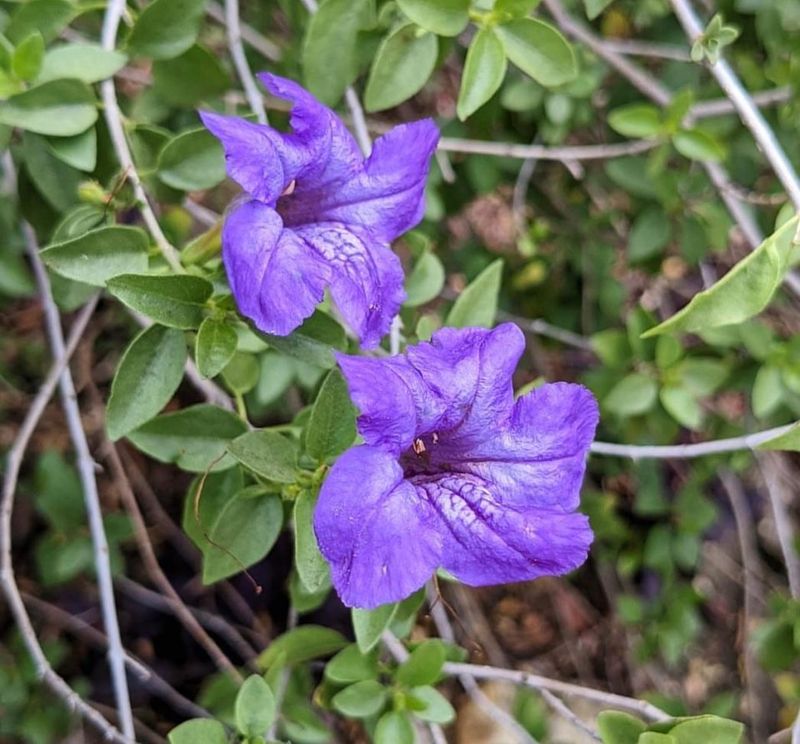
Ruellia peninsularis, sometimes called Desert Ruellia or Mexican Petunia, is a shrubby perennial that produces purple trumpet-shaped flowers repeatedly through the warm months.
It handles Arizona summers with more composure than most flowering plants, continuing to push out blooms even when temperatures climb past 105 degrees.
That kind of heat tolerance is genuinely hard to find in a plant with this much color output.
Unlike some drought-tolerant plants that look a bit sparse or scraggly, Ruellia has a full, rounded form with attractive dark green foliage. It fits naturally into landscape borders, foundation plantings, and mixed desert beds.
Occasional deep watering during the hottest and driest stretches helps it stay lush, but it does not require frequent irrigation to survive.
One important note: some non-native Ruellia species are considered invasive in parts of the Southwest due to aggressive seeding.
Ruellia peninsularis is the native Arizona species and does not carry the same concerns, so confirming what you are buying at the nursery matters here.
Planted correctly, this shrub delivers months of purple color, attracts butterflies and hummingbirds, and fills in garden spaces with a density and structure that many dry-climate plants simply cannot match. Across Arizona, it earns its place in the landscape.
7. Paperflower Handles Intense Sun And Dry Soil
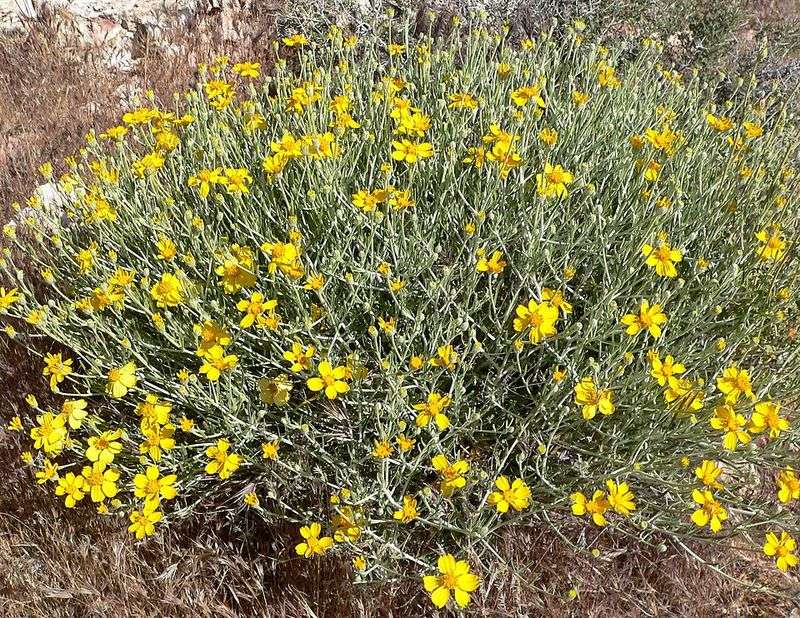
Paperflower earns its name honestly. Psilostrophe cooperi produces small yellow flowers that dry in place on the plant, holding their color and shape long after the petals would normally drop on other species.
Walk past a mature plant in late summer and the dried blooms still look like fresh flowers from a distance. It is a genuinely unusual quality that makes the plant interesting even outside its main bloom season.
Spring is when Paperflower really shows off, covering itself in yellow blooms across its compact, mounding form. A second flush often follows the monsoon rains in late summer.
Full sun and dry, rocky or sandy soil are the conditions it prefers. Heavy or clay-based soil tends to cause problems, so amending the planting area or choosing a naturally well-drained spot is worth the effort upfront.
Paperflower stays relatively small, usually topping out around two feet tall and wide, which makes it useful in tighter spaces or as a foreground plant in larger desert beds. It attracts butterflies reliably during its bloom periods.
Water requirements are minimal once the plant is established through its first season.
Across the low and mid-elevation areas of Arizona, Paperflower is a native option that performs honestly and consistently without demanding much from the gardener.
8. Autumn Sage Blooms Reliably In Heat And Low Water
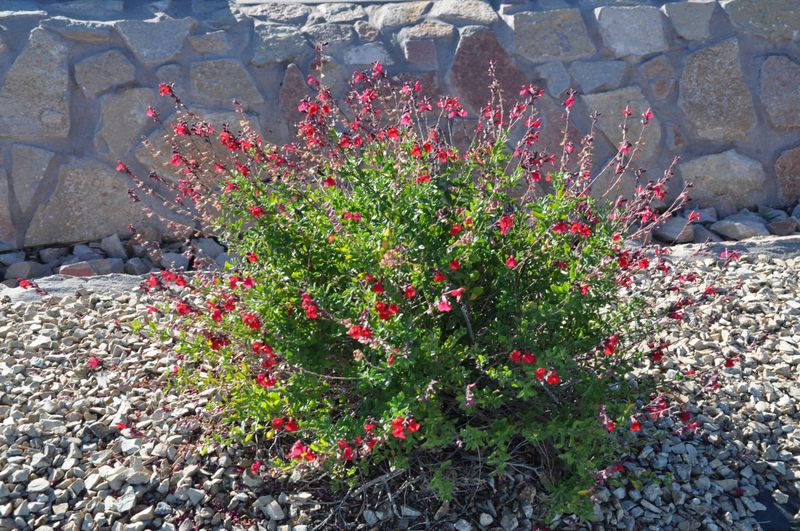
Red is not always easy to find in drought-tolerant plants, which is part of what makes Autumn Sage worth paying attention to.
Salvia greggii produces tubular flowers in red, coral, pink, or white on a compact shrub that handles heat well and does not need much water to keep blooming.
In Arizona, it tends to perform best in spring and fall when temperatures are not at their absolute peak, though it keeps pushing flowers through summer with some afternoon shade in the hottest zones.
Pruning makes a noticeable difference with this plant. Cutting it back by about a third after each major bloom cycle encourages fresh growth and a stronger next round of flowers.
Without occasional shaping, the plant can get a bit woody and open in the center over time. Light trimming keeps it looking full and productive.
Hummingbirds find Autumn Sage almost irresistible. If attracting them to your Arizona yard is a goal, planting a few of these in a sunny border is one of the more reliable ways to do it.
Butterflies visit regularly as well. Soil drainage matters, as with most plants in this group, but Autumn Sage adapts to a range of soil types as long as standing water is not an issue after rain.
9. Orange Zexmenia Performs Best With Some Moisture
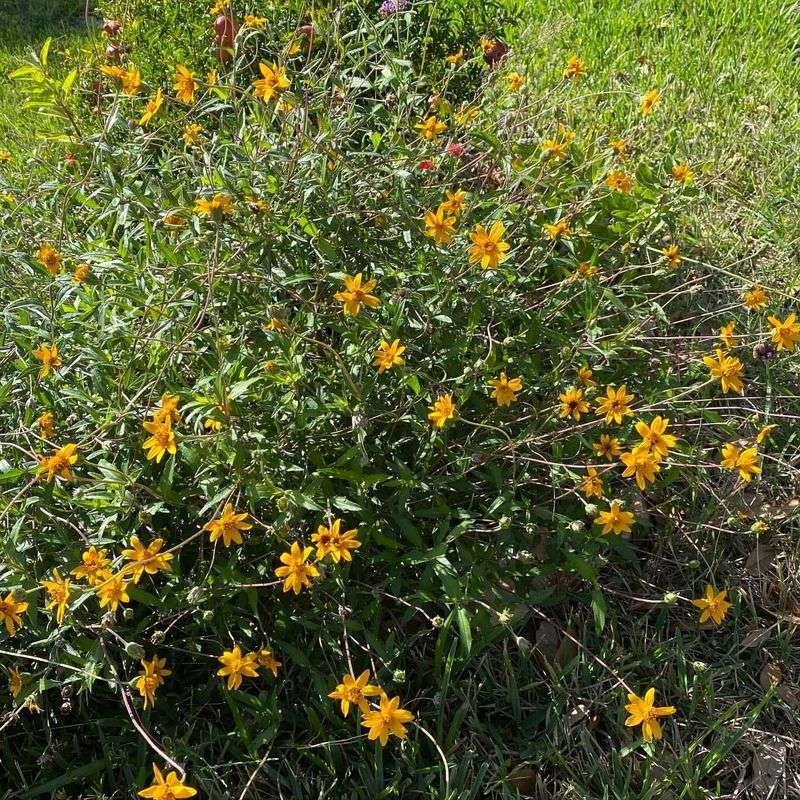
Zexmenia, botanically known as Wedelia acapulcensis var. hispida, stands out from the other plants on this list because it actually prefers a bit more water and does better with some afternoon shade during peak Arizona summer heat.
That does not make it a thirsty plant by any measure, but placing it in a spot that gets full blasting afternoon sun all day can stress it more than the others listed here.
Morning sun with some eastern exposure tends to bring out its best performance.
Orange and yellow daisy-like flowers appear repeatedly through the warm season, and the semi-woody shrub fills in garden spaces with dense, bright green foliage that looks lush compared to many desert plants.
It works well planted beneath the canopy of larger desert shrubs or trees where it gets filtered light and a bit of root competition that naturally limits excessive growth.
Butterflies are consistent visitors to the blooms. Zexmenia also tolerates the clay-heavy soils found in parts of Arizona better than many drought-tolerant plants, which gives it an advantage in yards where amending the soil is not practical.
Cutting it back in late winter encourages vigorous new growth before the spring bloom season begins. Across central and southern Arizona, it fills a useful niche as a flowering groundcover-style shrub that bridges the gap between dry and moderate water use zones.