The 9 Early Flowering Bulbs Oregon Gardeners Should Plant Before March
Late winter in Oregon might still feel gray and chilly, but beneath the soil, spring is already getting ready to shine.
Early flowering bulbs are the secret to bringing the first real color back to your garden, often blooming while the rest of the landscape is just waking up.
Planted before March, these hardy little powerhouses use the cool, moist soil to settle in fast, then burst into life at the very start of the season. The result is a garden that feels brighter, happier, and full of energy weeks before most plants even think about blooming.
If you want your Oregon garden to shake off winter early and start the season with color and charm, these are the bulbs you will be glad you planted now.
1. Scilla (Siberian Squill)
© paullovesplants
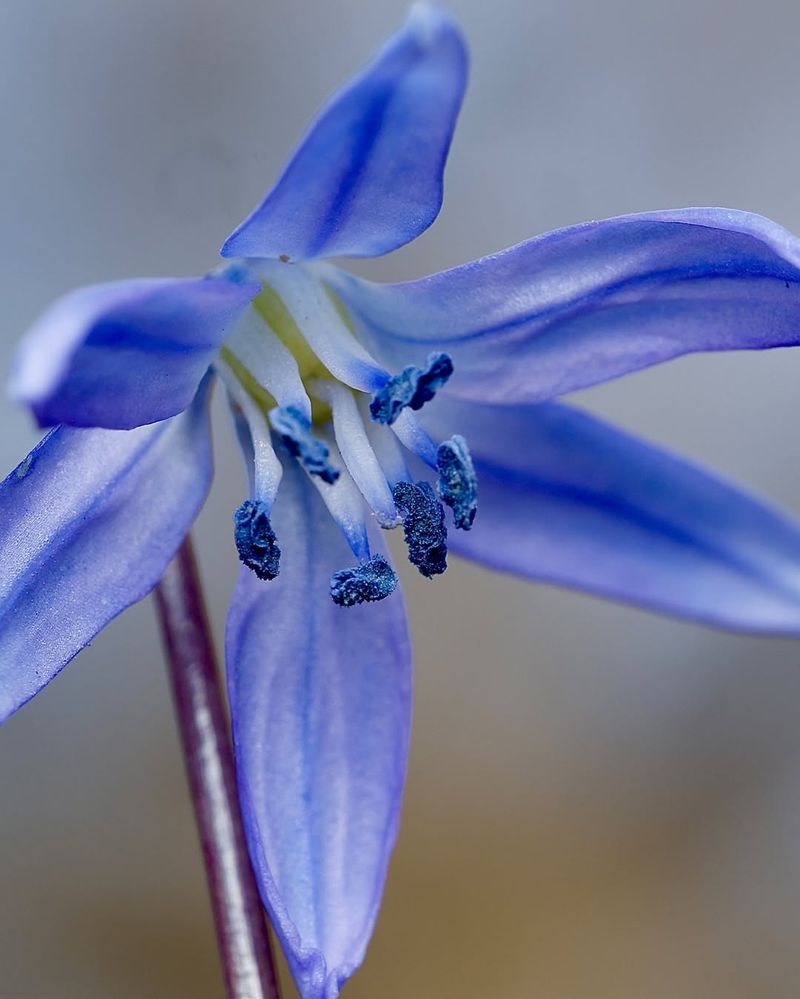
Siberian squill offers brilliant blue flowers that seem to glow in early spring light. These petite bulbs bloom in late February or March in Oregon, producing nodding, star-shaped flowers on short stems.
Their intense blue color stands out beautifully against emerging green foliage and brown mulch.
Plant scilla bulbs about three inches deep and three inches apart in well-draining soil. They prefer full sun to partial shade and tolerate a range of soil types.
Oregon’s natural winter moisture provides excellent growing conditions without requiring extra irrigation from you.
Scilla naturalizes readily, spreading both by bulb offsets and self-seeding. They create stunning blue carpets under trees and shrubs or scattered through lawn areas.
The flowers attract early bees searching for nectar on mild late-winter days.
These bulbs work wonderfully in rock gardens, woodland settings, or mixed with other early bloomers like snowdrops and crocus. The foliage remains tidy and dies back naturally by late spring.
Scilla performs well throughout Oregon, from coastal gardens to inland valleys. They rarely suffer from pest or disease problems and need virtually no maintenance.
Once planted, they’ll return and multiply year after year, creating increasingly impressive displays of electric blue blooms.
2. Winter Aconite (Eranthis hyemalis)
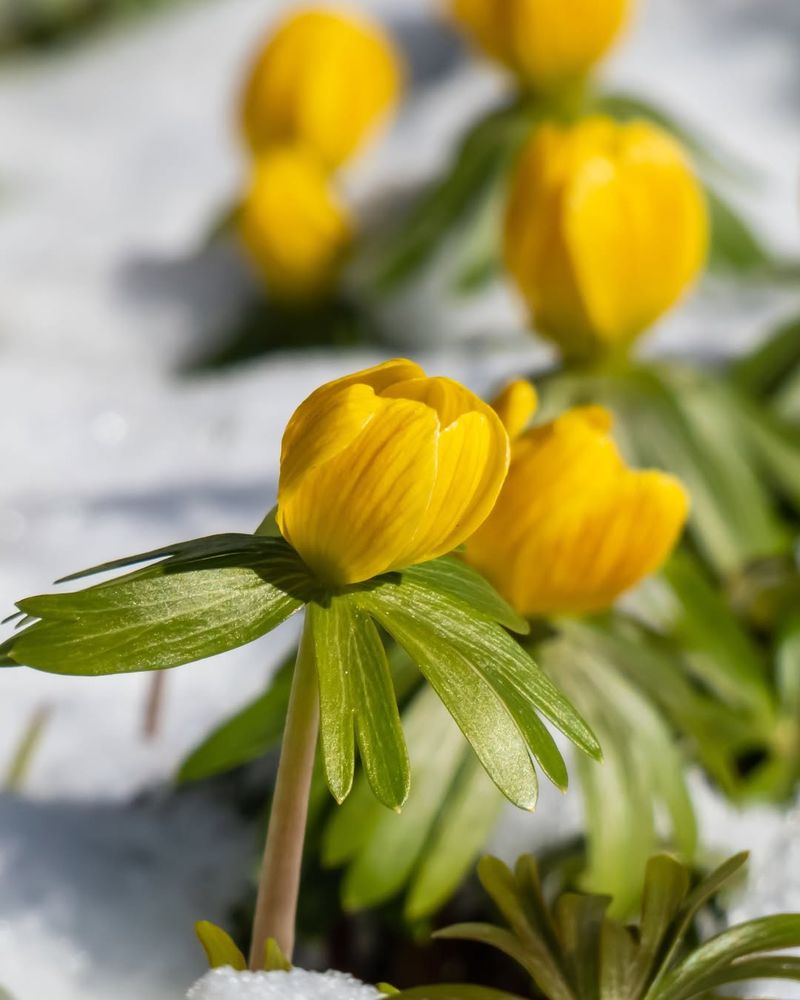
These low-growing beauties often bloom in January or early February, sometimes even earlier in mild coastal areas. Each flower sits atop a ruffled collar of green leaves, creating a charming cottage garden look.
Plant winter aconite tubers about two to three inches deep and three inches apart. They prefer partial shade and moist, humus-rich soil.
Soak the dried tubers overnight before planting to help them rehydrate and establish better. Oregon’s winter rains provide ideal growing conditions.
These plants naturalize wonderfully under deciduous trees and shrubs. They pair beautifully with snowdrops and early crocus, creating a tapestry of color when most gardens look bare.
Winter aconite spreads by seed and also multiplies from the tubers.
The foliage dies back completely by late spring, making them perfect companions for hostas or ferns that emerge later. Coastal Oregon gardeners will find them especially vigorous.
Inland areas with colder winters may see slightly later bloom times. Once established, winter aconite forms cheerful golden carpets that expand naturally over the years, requiring virtually no maintenance from you.
3. Fritillaria (Snake’s Head Fritillary)
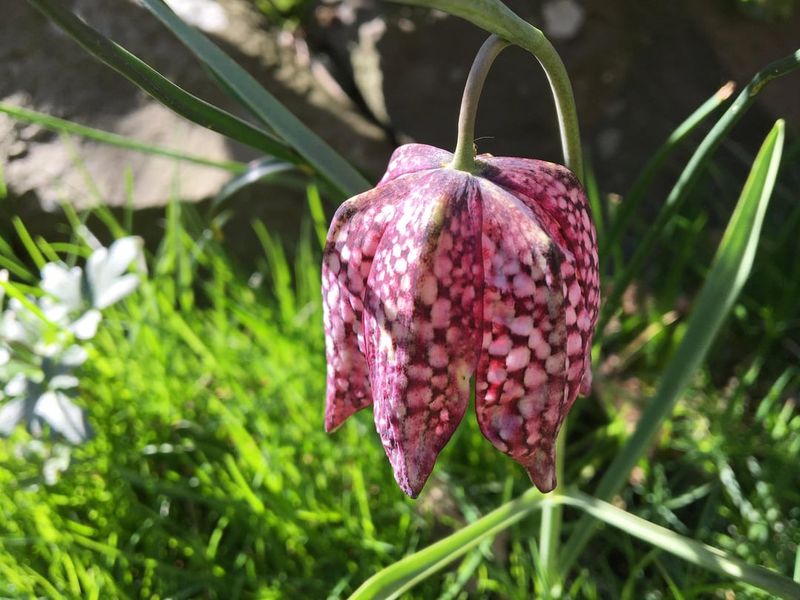
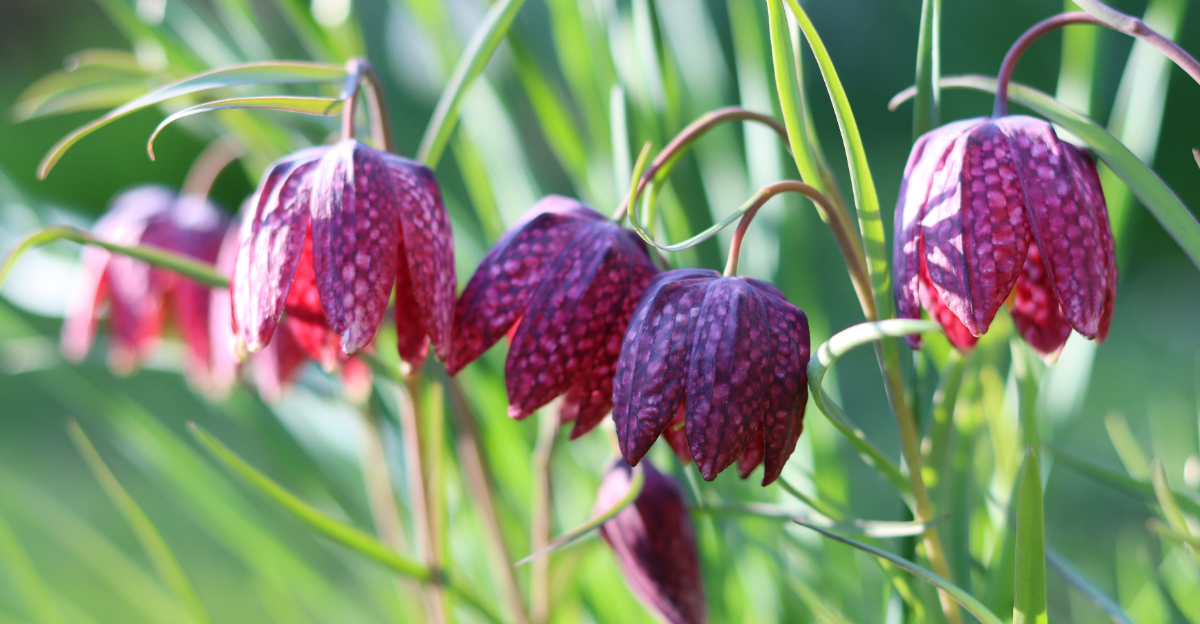
Fritillaria meleagris, commonly called snake’s head fritillary, produces uniquely checkered flowers that look almost painted. These unusual blooms appear in March or early April in Oregon, nodding gracefully on slender stems.
The purple and white checkered pattern makes them conversation starters in any garden.
Plant fritillaria bulbs about four inches deep and four inches apart in moisture-retentive soil. They prefer partial shade and consistently moist conditions, making them well-suited to Oregon’s spring climate.
These bulbs appreciate soil that doesn’t dry out completely during summer dormancy.
Fritillaria naturalizes beautifully in lawn areas that aren’t mowed until late spring. They also work wonderfully in woodland gardens or alongside streams and ponds.
The flowers have a slightly wild, cottage garden appearance that adds character to informal plantings.
These bulbs perform particularly well in coastal Oregon and in the Willamette Valley where moisture levels stay higher. Inland gardens with drier summers may need occasional watering during the growing season.
Fritillaria pairs nicely with ferns, primroses, and other moisture-loving plants. The foliage dies back naturally after flowering.
Once established, these quirky beauties return year after year, slowly multiplying to create enchanting displays of their distinctive checkered blooms.
4. Snowdrops (Galanthus)
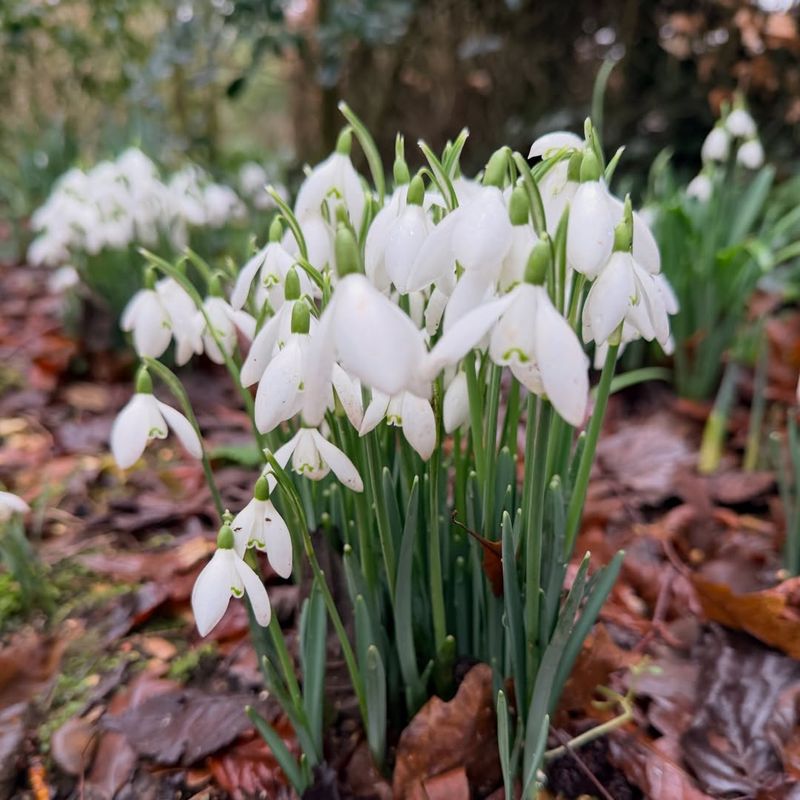
These delicate white flowers often poke through the ground in late January or early February, sometimes even pushing up through light snow. Their nodding, bell-shaped blooms bring hope after the darkest winter months.
Plant snowdrop bulbs about three inches deep and three inches apart in well-draining soil. They prefer partial shade, making them perfect under deciduous trees that haven’t leafed out yet.
Oregon’s winter rainfall provides most of the moisture they need, so you won’t have to worry much about watering.
Snowdrops naturalize beautifully, meaning they spread and multiply over the years. They work wonderfully in woodland settings or along shaded pathways.
The blooms typically last several weeks, and the foliage dies back gracefully after flowering.
These bulbs tolerate Oregon’s clay soils better than many spring bloomers, though adding some compost at planting time helps. Coastal gardeners and those in the Willamette Valley will find them especially reliable.
Once established, snowdrops need very little care and will return year after year, often spreading into charming drifts of white.
5. Crocus
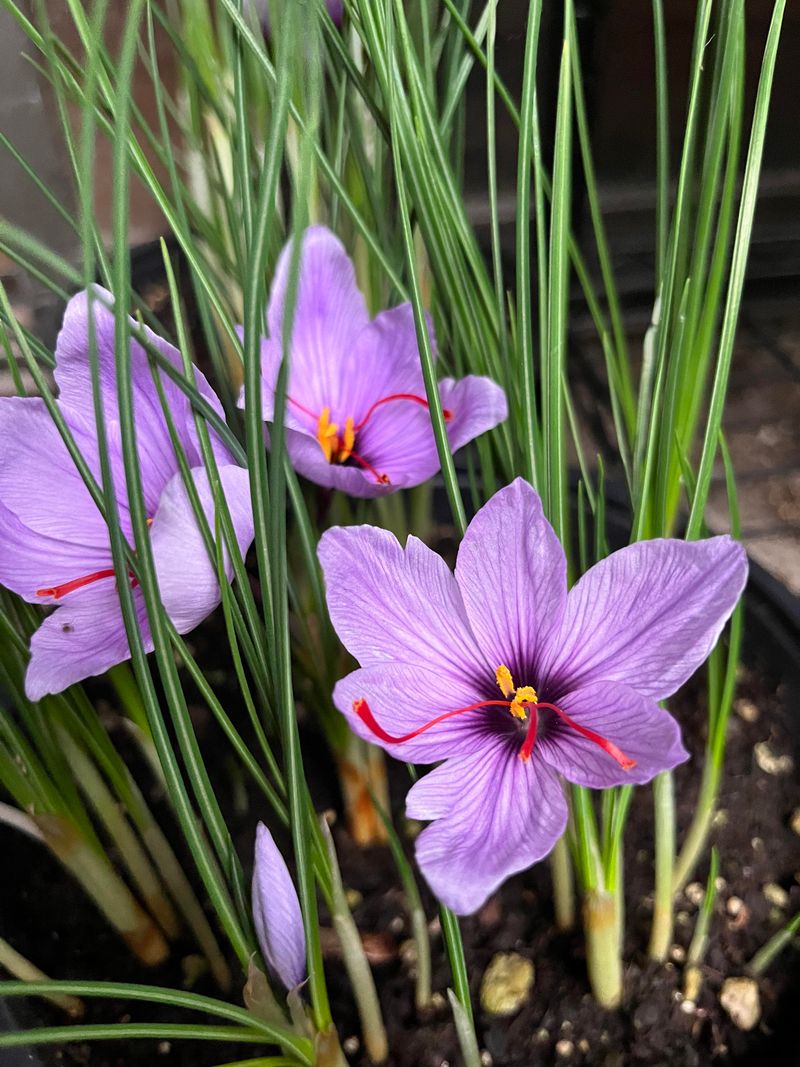
Bright crocus blooms bring instant cheer to February gardens across Oregon. These compact flowers come in purple, yellow, white, and striped varieties, often blooming in late winter when little else is flowering.
Their cup-shaped blooms open wide on sunny days and close when clouds roll in.
Plant crocus corms about three to four inches deep and two to three inches apart. They grow well in full sun to partial shade and aren’t picky about soil as long as it drains reasonably well.
Oregon’s natural rainfall during winter keeps them happy without extra irrigation.
Crocus work beautifully planted in lawns, under trees, or scattered through garden beds. They naturalize readily, multiplying into larger clumps each year.
The flowers attract early pollinators like bees who are out searching for food on warmer winter days.
For Oregon gardens, both large-flowered Dutch crocus and smaller species crocus perform well. Coastal areas might see blooms slightly earlier than inland gardens.
Plant them in groups of at least a dozen for visual impact.
The foliage is grass-like and unobtrusive, dying back naturally after the flowers fade in early spring.
6. Daffodils (Narcissus)
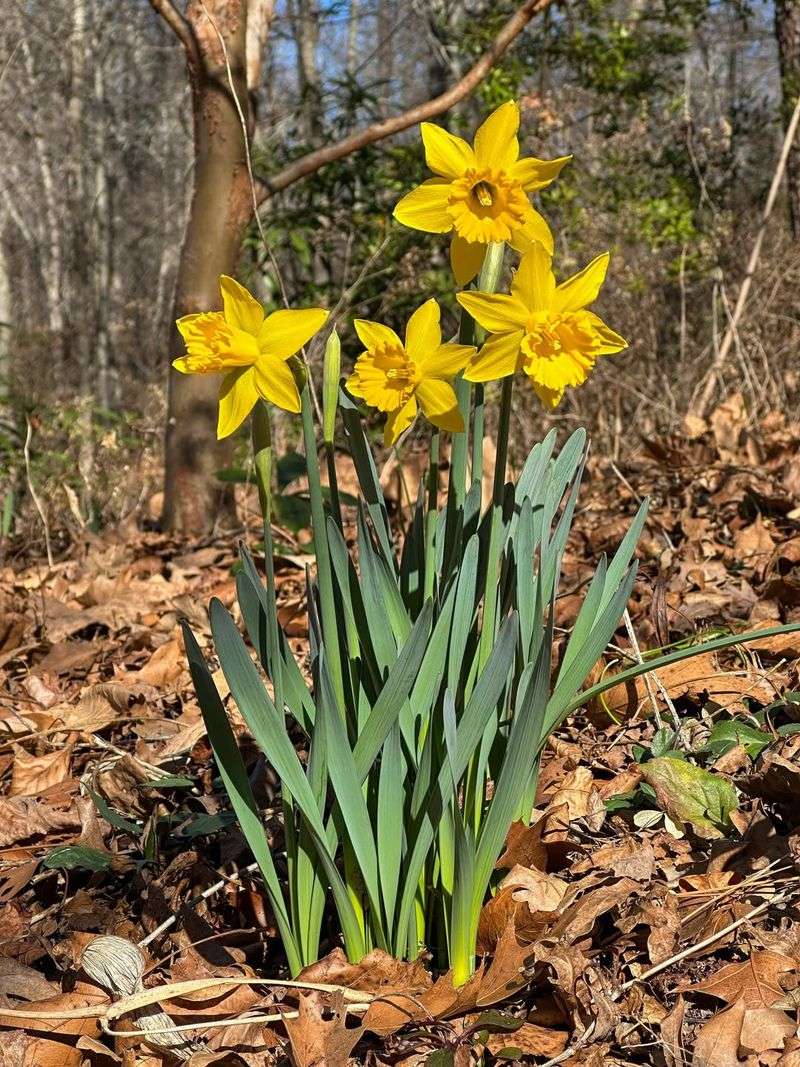
Daffodils stand as one of the most reliable spring bulbs for Oregon gardeners. While many bloom in March and April, early varieties start flowering in late February.
Their cheerful yellow, white, or bicolor blooms withstand Oregon’s unpredictable spring weather, including rain and occasional cold snaps.
Plant daffodil bulbs about six inches deep and four to six inches apart in well-draining soil. They tolerate full sun to partial shade and adapt to various soil types.
Oregon’s winter moisture suits them perfectly, and they rarely need supplemental watering during their growing season.
Early varieties like ‘February Gold’ and ‘Rijnveld’s Early Sensation’ bloom weeks before standard daffodils. These smaller varieties work well in containers, borders, or naturalized in lawns.
Deer and rodents typically avoid daffodils, making them practical for rural Oregon properties.
Daffodils multiply over time, forming larger clumps that can be divided every few years. Let the foliage die back naturally after blooming to feed the bulbs for next year.
Both coastal and inland Oregon gardens support healthy daffodil growth, though blooming times may vary by a week or two depending on your microclimate and elevation.
7. Grape Hyacinth (Muscari armeniacum)
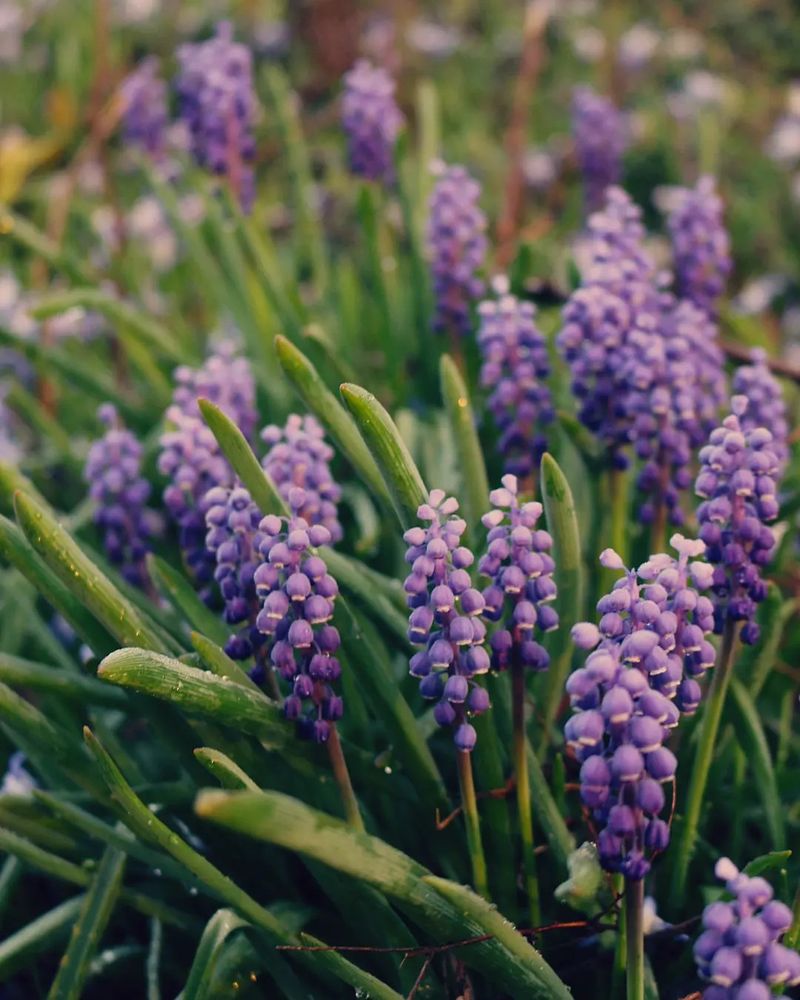
They typically bloom in March across Oregon, sometimes earlier in warmer microclimates. Their sweet fragrance and vibrant color make them favorites for edging pathways and filling spaces between larger bulbs.
Plant grape hyacinth bulbs about three inches deep and two to three inches apart in well-draining soil. They tolerate full sun to partial shade and adapt to various soil conditions.
Oregon’s spring rains keep them thriving without additional watering in most areas.
These bulbs naturalize enthusiastically, spreading to form dense colonies over time. They work beautifully planted in drifts or used as ground covers under spring-flowering shrubs.
The grass-like foliage emerges in fall and persists through winter, staying green until after the flowers fade.
Grape hyacinths pair wonderfully with yellow daffodils or white tulips, creating classic spring color combinations. They attract bees and other early pollinators.
Both Willamette Valley and coastal gardens support vigorous growth. Inland areas with colder winters will see blooms slightly later.
These tough little bulbs rarely need division and will return reliably year after year with minimal care from you.
8. Early Tulips
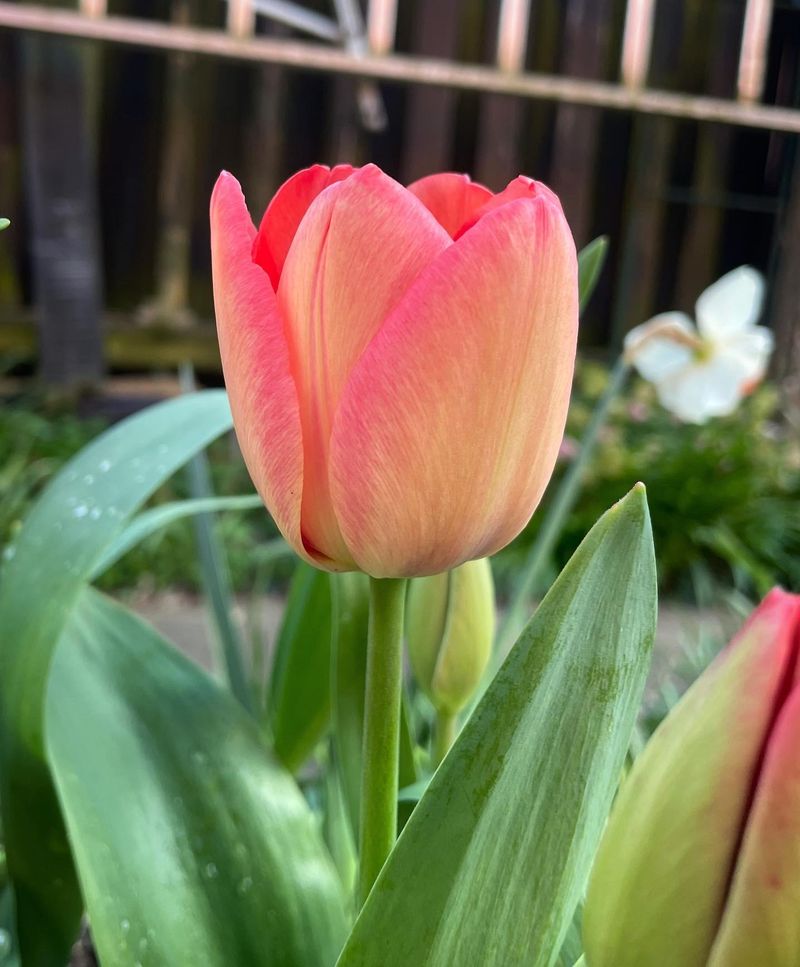
Species tulips and early hybrids often flower in late February or early March, offering brilliant colors when gardens are just waking up. These shorter varieties withstand Oregon’s spring weather better than taller types.
Plant tulip bulbs about six to eight inches deep and four to six inches apart in well-draining soil. They prefer full sun and benefit from soil that doesn’t stay waterlogged.
While Oregon’s winter rains usually provide enough moisture, heavy clay soils may need amendment with compost or sand.
Early varieties like Tulipa kaufmanniana and Tulipa greigii offer vibrant colors and often feature attractive mottled foliage. They work beautifully in containers, rock gardens, or front borders.
These species tulips tend to perennialize better than hybrid tulips, returning for several years.
Consider planting tulips deeper than recommended to encourage better return blooming. Coastal Oregon gardens may see earlier blooms than inland areas.
Tulips pair wonderfully with grape hyacinths, early daffodils, or pansies. Let the foliage yellow naturally after blooming to feed the bulbs.
While deer sometimes browse tulips, early varieties often finish blooming before deer pressure becomes severe in spring.
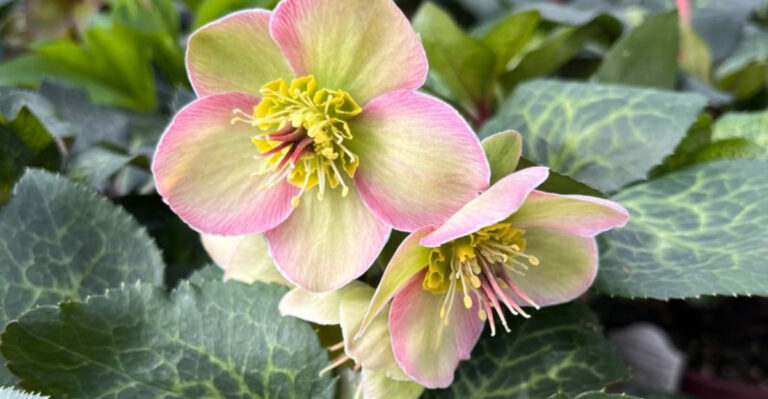
9. Hellebores (Lenten Rose)
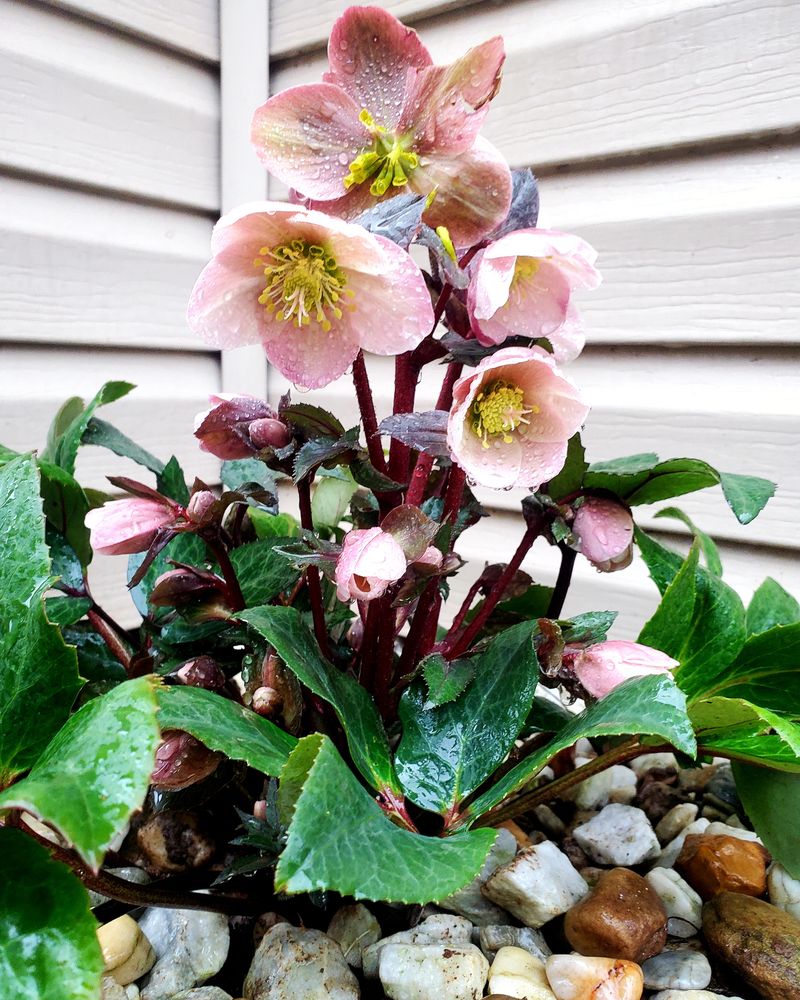
Lenten Roses technically grow from roots rather than true bulbs, but they deserve mention for their incredible late-winter performance in Oregon gardens. These elegant perennials bloom from January through March, producing flowers in white, pink, purple, and green shades.
Their evergreen foliage provides year-round interest.
Plant hellebores in partial to full shade in rich, well-draining soil amended with compost. Space them about 18 inches apart, as they form substantial clumps over time.
Oregon’s winter rainfall suits them perfectly, though they appreciate consistent moisture during dry summer months.
Hellebores thrive under deciduous trees, along shaded pathways, or in woodland gardens. Their flowers nod downward, so plant them on slopes or in raised beds where you can appreciate their beauty from below.
They pair wonderfully with ferns, hostas, and other shade lovers.
These plants tolerate Oregon’s clay soils reasonably well with proper soil preparation. Coastal and Willamette Valley gardens provide ideal conditions.
Hellebores self-seed readily, though seedlings may take several years to bloom. Remove old foliage in late winter before new growth emerges to showcase the flowers.
Once established, hellebores need little care and will bloom reliably for decades, even during Oregon’s coldest winters.