The Early Signs Of Mesquite Trees Leafing Out In Phoenix, Arizona
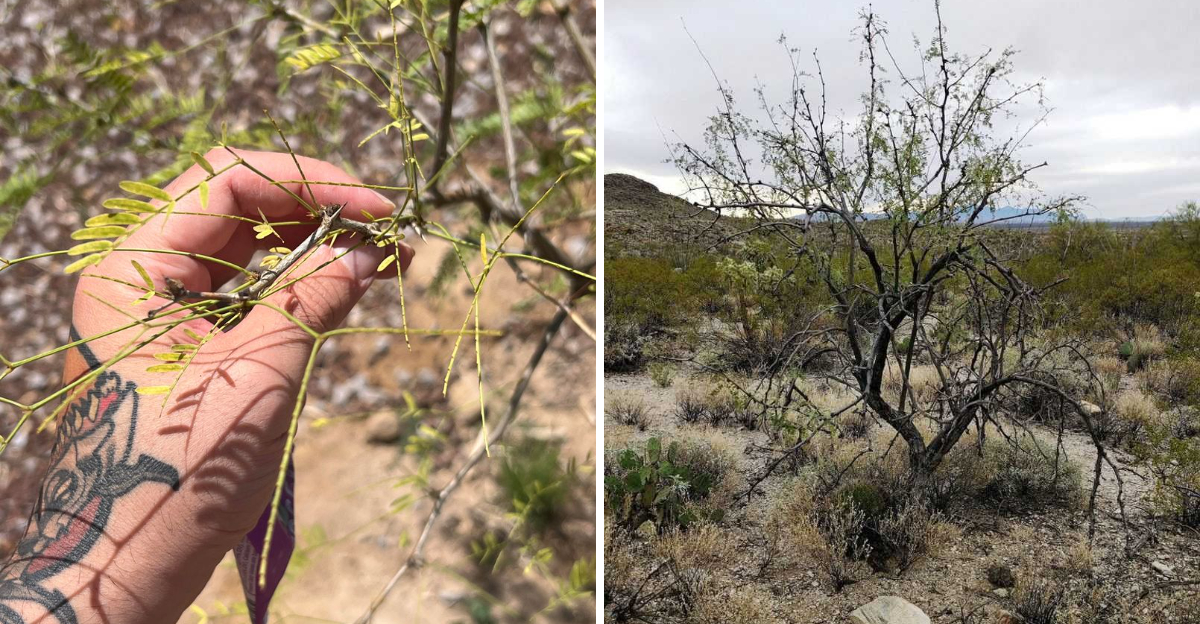
Mesquite trees in Phoenix, Arizona do not leaf out in an obvious or dramatic way, which is exactly why so many people miss the moment when the change actually begins.
One week they still look bare, almost unchanged, and then small details start to shift if you look a little closer. It is not a full transformation all at once, but a gradual process that reflects how closely these trees respond to local conditions.
That early stage can be easy to overlook, especially since mesquite trees follow their own timing compared to other trees around the yard.
In Phoenix, Arizona, those subtle changes often signal more than just new growth, and they can give a better sense of how the season is about to unfold.
Once those first signs appear, everything starts moving a bit faster, and it becomes easier to understand what the tree is preparing for next.
1. Late February Through April Is When Mesquite Trees Begin Leafing Out
Timing is everything with mesquite trees, and Phoenix gardeners who pay attention will tell you the window opens earlier than most people expect.
Sometime between late February and early April, these trees start pulling out of dormancy as daytime temperatures climb consistently above 60 degrees.
It does not happen overnight, and it is not the same date every single year.
Weather patterns in the Sonoran Desert shift from season to season, so a warm February can push leaf-out earlier while a cool, wet March might delay it by several weeks.
Soil temperature actually matters more than air temperature in some cases, which is why trees in sunnier, south-facing spots often leaf out before shaded ones just a few yards away.
Velvet mesquite, which is native to the Phoenix area and one of the most common species planted in yards and parks, tends to be among the later ones to show new growth. That can worry homeowners who see neighboring trees greening up while their tree still looks completely bare.
Patience usually wins out here. By mid-April, almost every healthy mesquite in the Valley has some visible new growth pushing through.
Watching the calendar is helpful, but watching the tree itself is smarter. Once you spot the first faint blush of green along the branch tips, you know the season has officially shifted.
Spring in Phoenix is short and fast, so catching these early signals helps you stay ahead of any care your tree might need going into the heat.
2. Tiny Green Buds Start Appearing Along Bare Branches
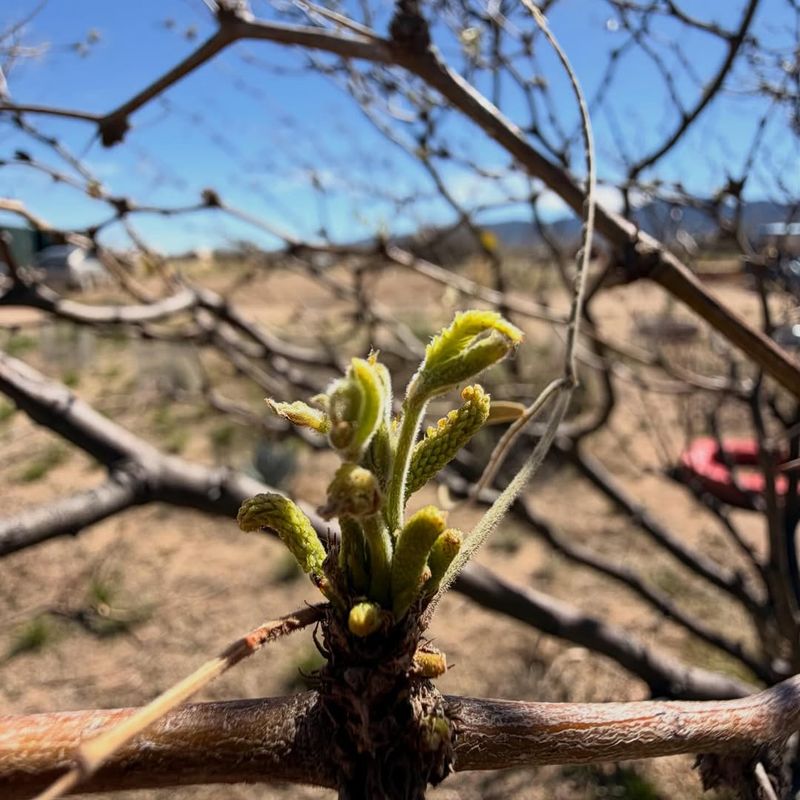
Before a single leaf fully opens, the branches give you a quiet heads-up. Small green dots begin forming at intervals along what looked dormant just weeks before.
Easy to miss if you are not looking closely, these buds are the first real proof that the tree is actively growing again.
On a mesquite, the buds are not big or dramatic. Nothing like what you might see on an oak or maple back east.
Here in Phoenix, they look more like tiny swollen bumps, sometimes with just a hint of pale green poking through a slightly darker outer layer. Run your fingers along a branch and you can actually feel them before you see them clearly.
Branch tips tend to bud out first, which is typical for most trees. New energy moves from the outermost points inward as the season progresses.
If you only check the base of a branch, you might think nothing is happening yet when the tips are already moving.
One thing worth knowing is that stressed trees or recently pruned ones sometimes bud unevenly. A branch that was cut back hard the previous fall might lag behind the rest of the tree.
That kind of uneven budding is not necessarily a problem. It just reflects how the tree is managing its energy after being trimmed.
Spotting these first buds is genuinely satisfying if you have been watching a bare tree all winter. In Phoenix, that moment usually hits sometime in late February or early March depending on the year.
3. Light Green Leaflets Begin Unfolding In Small Clusters
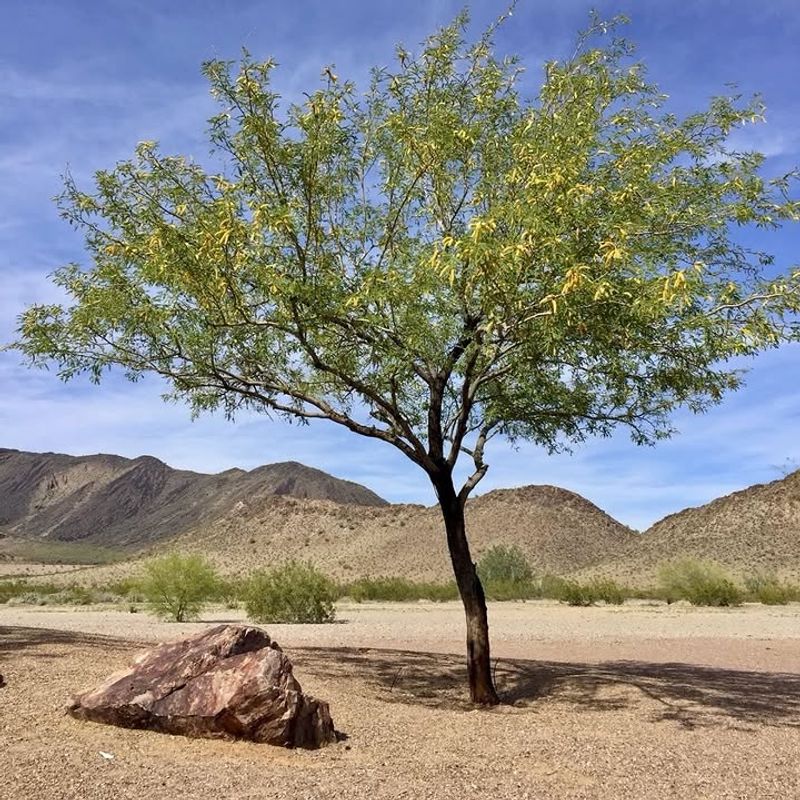
Right after the buds swell, something almost magical happens. Clusters of tiny, feathery leaflets begin to unfold along each stem, and the color is unmistakably fresh, almost electric green compared to the dry tan landscape around them.
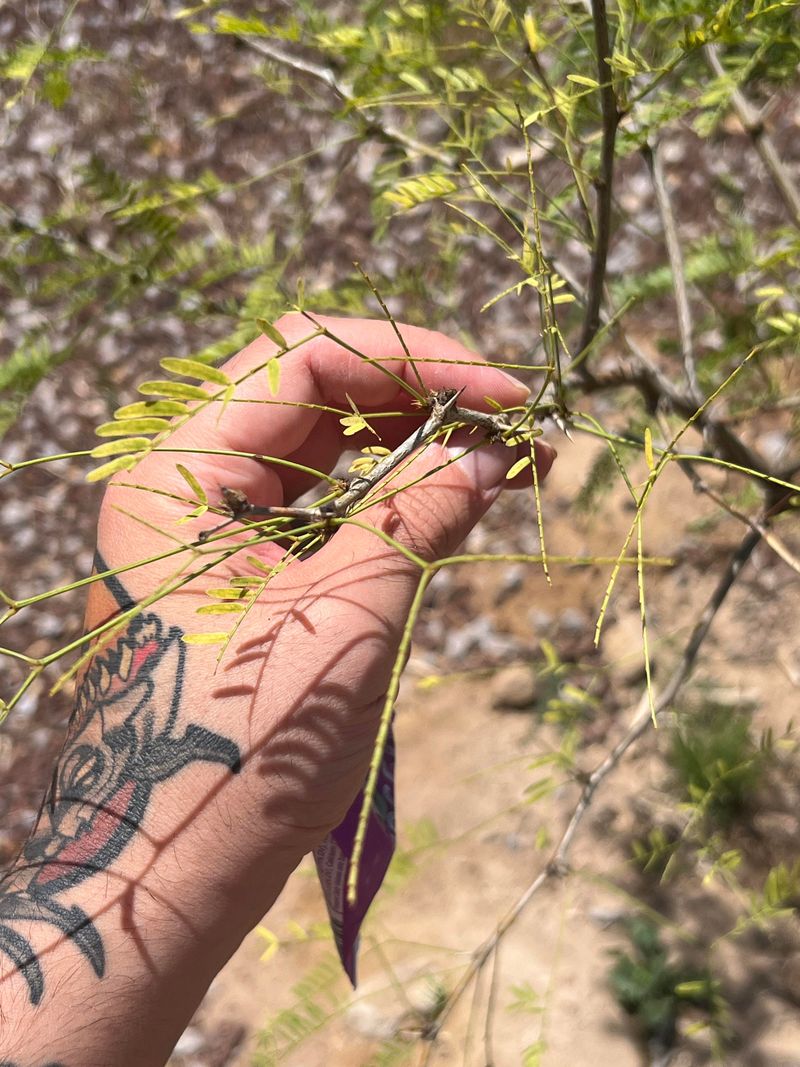
Mesquite leaves are compound, meaning each leaf is actually made up of many smaller leaflets arranged in pairs along a central stem.
When those leaflets first emerge, they are soft, delicate, and a noticeably lighter shade of green than they will be once fully mature. Under direct Phoenix sunlight, they almost seem to glow.
Each cluster starts tightly folded and gradually fans out over several days as conditions allow.
Up close, the leaflets look almost fern-like, which surprises people who picture desert trees as tough and coarse. That delicacy is real.
A late frost or a sudden cold snap in March can damage these tender new leaves, turning the tips brown or causing them to drop entirely. Phoenix does get occasional late cold nights, so it is worth keeping an eye on the forecast during early leaf-out.
A healthy tree in good soil with reliable watering will push out full clusters fairly quickly once the process starts. Trees that are drought-stressed going into spring might show slower or patchier leaf development.
Giving your mesquite a deep watering in late February before leaf-out begins can make a noticeable difference in how strong that first flush of growth looks.
Watching those first leaflets open is one of the best parts of spring in the Phoenix desert.
4. Some Branches Turn Green Before Full Leaves Appear
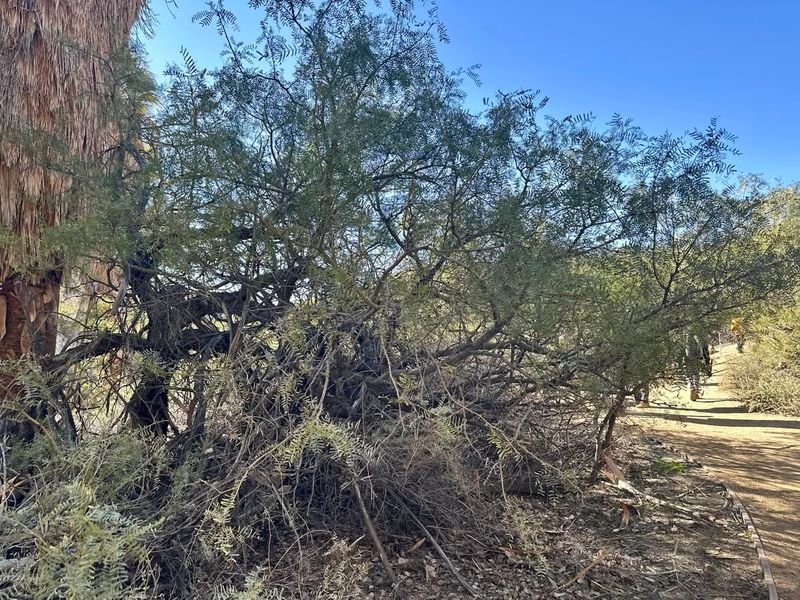
Not every sign of life on a mesquite tree comes from leaves. Long before full leaf clusters open up, you might notice the branches themselves shifting from a gray-brown color to a soft green.
That is not your imagination, and it is actually a pretty cool feature of mesquite biology.
Mesquite bark contains chlorophyll, the same green pigment responsible for photosynthesis in leaves. During the warm months, the bark actively contributes to the tree’s energy production.
As spring approaches and sunlight hours increase, the branches start showing that green tint again, sometimes weeks before any actual leaves appear.
Homeowners in Phoenix occasionally mistake this for something unusual or concerning. A tree with green branches but no leaves can look strange if you are not familiar with how mesquites work.
It is actually a sign that the tree is healthy and already responding to the season. Photosynthesizing bark is an adaptation that helps desert trees capture energy even when leaf production is not yet fully underway.
Younger branches tend to show the color shift most noticeably. Older, thicker sections of the trunk and main limbs are covered in rougher, more deeply furrowed bark that does not green up as visibly.
Focus your attention on the smaller, newer growth at the outer edges of the canopy to catch this early seasonal shift.
In Phoenix neighborhoods where mesquites are common street trees, this branch greening in late winter is a subtle but reliable sign that spring is genuinely on its way.
5. Different Trees Leaf Out Weeks Apart In The Same Area
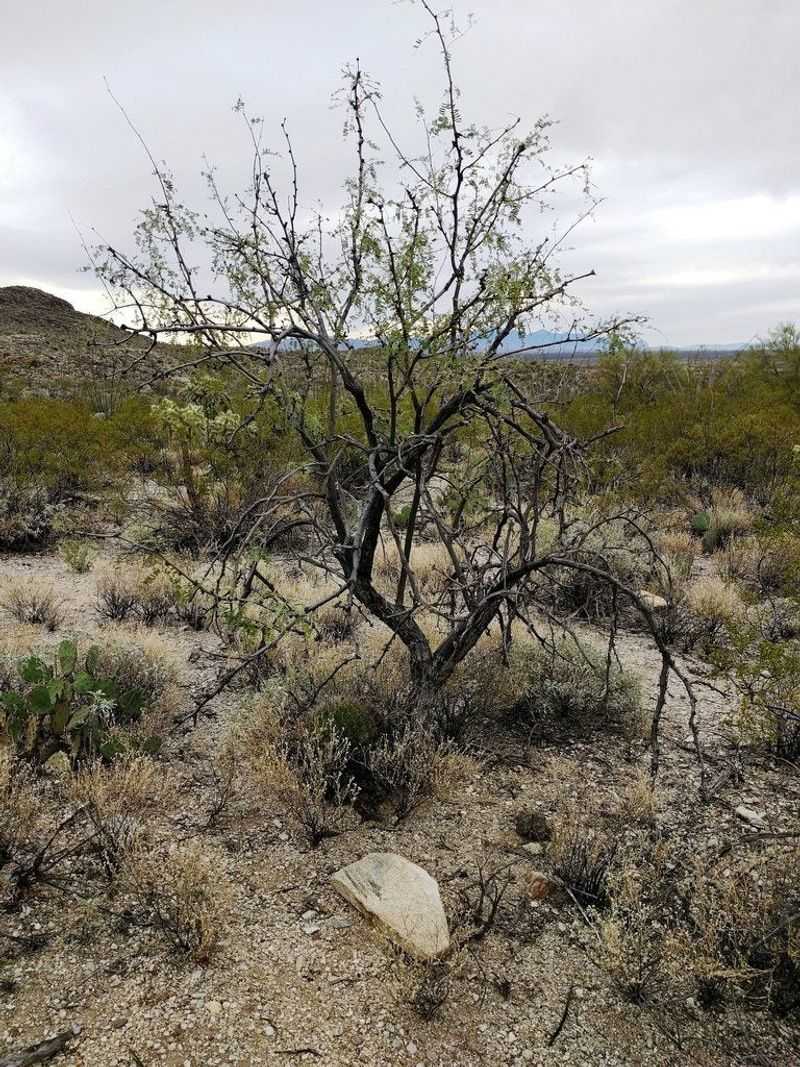
Stand on almost any Phoenix street lined with mesquite trees in March and you will notice something puzzling. One tree is covered in fresh green leaves while the one right next to it still looks completely bare.
Same species, same block, same weather, yet they are clearly on completely different schedules.
Several factors drive this kind of variation. Soil composition differs even within short distances, and trees planted in compacted or rocky soil often wake up slower than those in well-amended ground.
Root depth matters too. A tree with deeper, more established roots can draw on moisture and nutrients more efficiently, which sometimes translates to faster spring growth.
Microclimate plays a bigger role than most people realize. A mesquite growing near a south-facing block wall absorbs reflected heat throughout winter and spring, which can push leaf-out forward by a week or two.
A tree on the shaded north side of a building stays cooler longer and responds to warming temperatures more slowly.
Phoenix has enough temperature variation between neighborhoods and exposures that timing differences of two to three weeks between trees are completely normal.
Species differences also matter. Blue palo verde and Chilean mesquite tend to leaf out faster than velvet mesquite, which is native to the Sonoran Desert and more tuned to traditional desert timing.
Even within a single species, individual trees develop their own rhythms based on their specific history and growing conditions.
Seeing one bare tree next to a leafy one is not a cause for concern. It is just the desert doing what it does.
6. Early Leaf Growth Looks Sparse Before Filling In
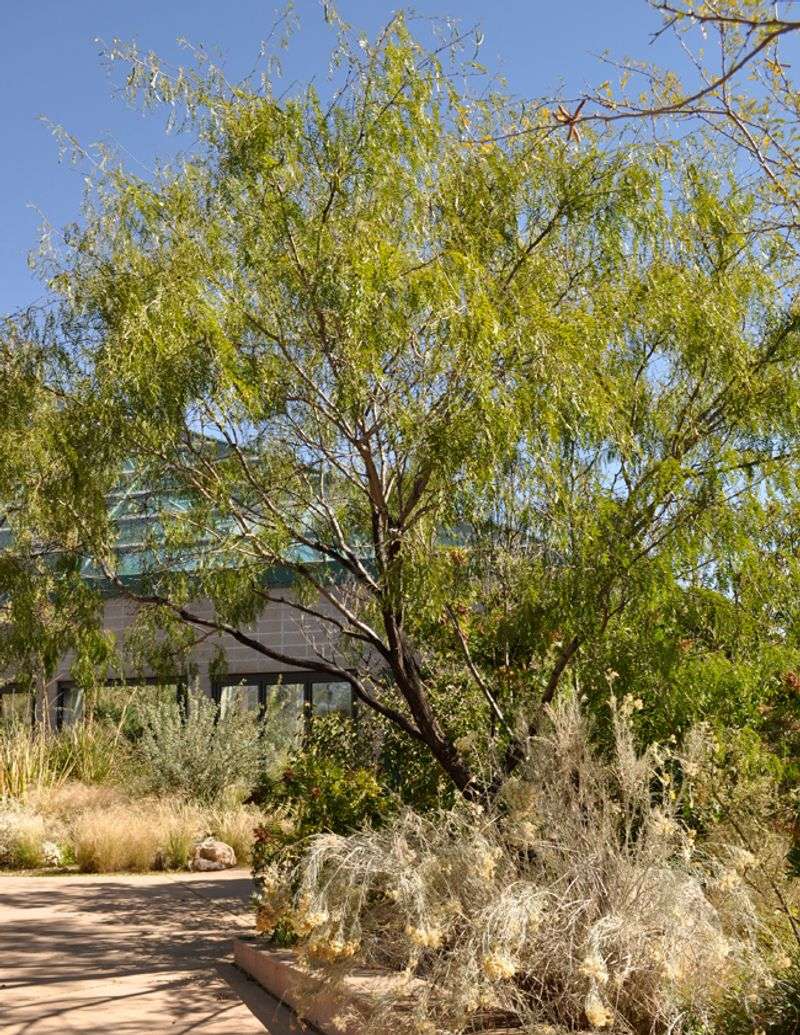
A mesquite tree in early leaf-out can look pretty rough, honestly. Scattered tufts of light green leaves dot the ends of bare branches while the rest of the canopy still shows nothing.
From a distance, the whole tree can look patchy and thin, almost like it is struggling. That appearance is temporary and completely normal.
Leaf growth on a mesquite does not happen all at once across the entire tree. It starts at the branch tips, then slowly works its way down toward the main trunk as the season progresses.
During that transitional phase, the tree looks like it cannot decide whether to be dormant or fully leafed out. Both states are technically happening at the same time.
In Phoenix, that sparse phase usually lasts somewhere between two and four weeks depending on weather. A stretch of warm days with overnight lows staying above 50 degrees speeds the process up noticeably.
A cold snap or a week of overcast, cooler weather can stall things and extend that patchy look longer than usual.
Watering during this period helps. Deep, infrequent watering encourages the root system to support new leaf development more efficiently than frequent shallow watering.
If your tree has been on a reduced watering schedule through winter, bumping up the frequency slightly as leaf-out begins can help the canopy fill in faster and more evenly.
By late April in Phoenix, most healthy mesquites that started spring looking sparse have filled in into a full, lush canopy ready for the long desert summer ahead.
7. Trees That Still Look Bare Can Still Be Alive And Healthy
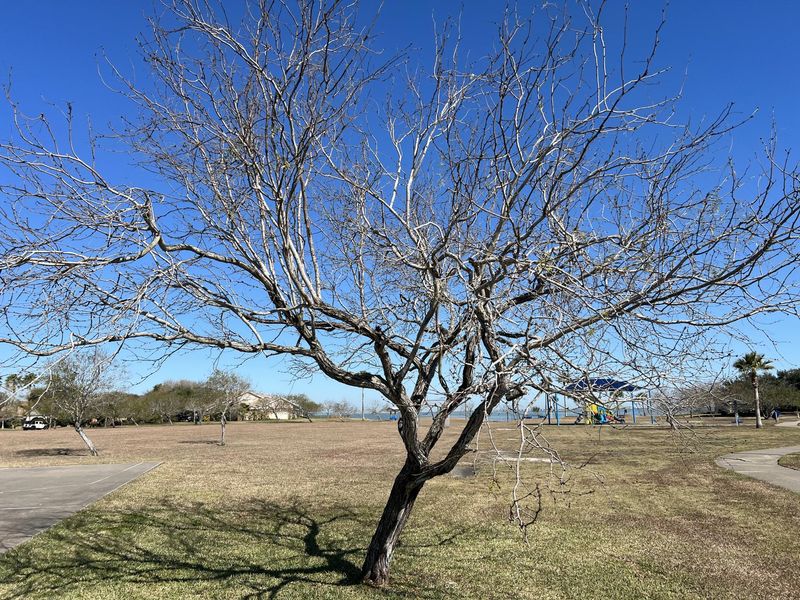
A bare mesquite in March is one of the most misread sights in Phoenix yards. Every year, homeowners start worrying that their tree has not made it through winter, especially when neighboring trees are already showing green.
Before drawing any conclusions, it is worth slowing down and doing a simple check.
Scratch a small section of bark on a young branch with your fingernail. If the layer just underneath is green or white and moist, the tree is alive and just has not started pushing new growth yet.
Brown, dry, and brittle tissue underneath is a different story, but green cambium means the tree is fine and simply still dormant.
Velvet mesquite, the species most common in native Phoenix landscapes, is naturally one of the last to break dormancy in spring. It can hold onto a bare appearance well into April while other species around it are fully leafed out.
That is not a defect or a sign of stress. It is just how that particular tree operates on its own internal schedule.
Age and root establishment also influence timing. A newly planted mesquite might take an extra week or two longer to leaf out compared to a mature tree that has been in the ground for years.
Younger trees are still developing the root systems they need to push growth efficiently in spring.
Resist the urge to overwater a bare tree out of worry. Patience and a simple scratch test will tell you far more than adding extra water ever will.
Phoenix mesquites are tougher than they look in late winter.