The Early Signs Oregon Gardens Are Waking Up Before Spring
Something gentle begins to change in Oregon gardens before spring fully arrives. The air feels a little softer, the soil loses its winter chill, and small hints of green start peeking through quiet garden beds.
Tiny buds appear, early shoots stretch upward, and familiar plants slowly return to life. Gardeners often notice these little shifts first, a new sprout near the fence, a brave bloom opening early, birds spending more time nearby.
These simple signs bring a calm kind of excitement, like the garden is stretching after a long rest. The season of color, growth, and fresh energy is closer than it seems, and the garden is already getting ready.
1. Snowdrops Pushing Through Cold Soil
When the ground still feels frozen in the morning and frost clings to the grass, snowdrops are already making their move. These small white flowers don’t wait for permission from the weather.
They push through cold, heavy soil like they know something the rest of the garden doesn’t yet.
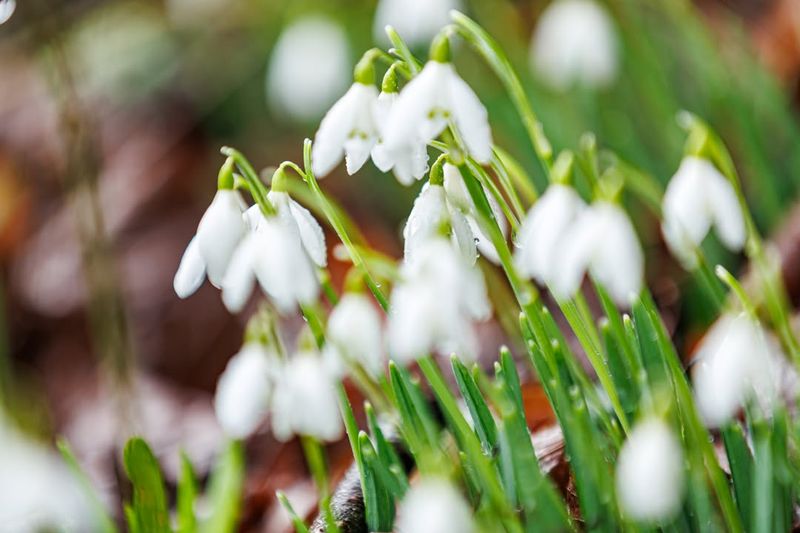
Snowdrops bloom earlier than almost anything else in Oregon gardens, sometimes appearing in late January or early February. Their nodding white blooms look delicate, but they’re tougher than they seem.
They can handle frost, rain, and even a light dusting of snow without flinching.
If you planted bulbs last fall, check the spots where you tucked them in. You’ll likely see green shoots poking up first, followed by buds within a week or two.
Even in shaded areas where the soil stays cold longer, snowdrops find a way.
Many gardeners overlook these early bloomers because they’re so small. But once you notice them, they become one of the most reassuring signs that your garden is waking up.
They’re proof that life is stirring underground, even when everything else looks dormant. If you don’t have snowdrops yet, they’re worth adding this fall for next year’s early show.
2. Daffodil Shoots Breaking the Surface
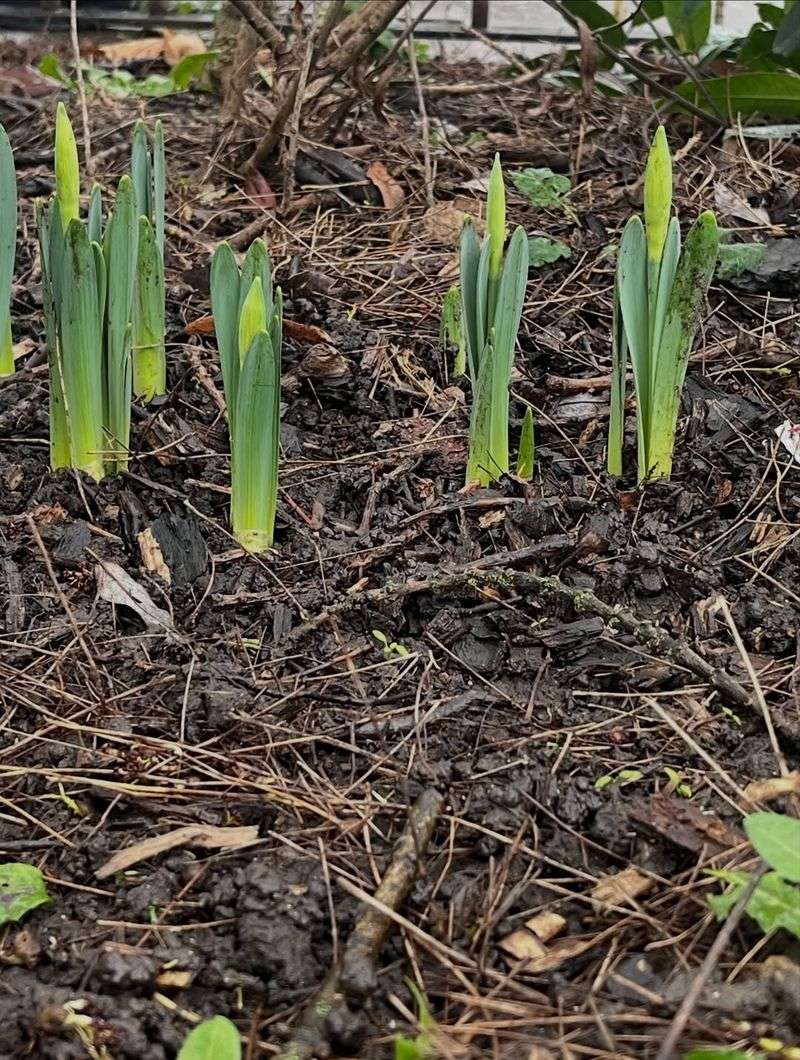
Right around the time you start wondering if spring will ever come, daffodil shoots break through the soil like little green spears. You’ll spot them in garden beds, along pathways, or in patches of lawn where you planted bulbs months ago.
Their arrival feels sudden, even though they’ve been growing slowly underground for weeks.
Daffodil foliage comes up strong and upright, often in tight clusters. The shoots are thick and sturdy, not fragile like you might expect from something emerging in late winter.
Oregon’s wet soil doesn’t slow them down. In fact, the moisture helps them push through faster.
Once the shoots appear, it usually takes another few weeks before you see buds. But just having that green growth visible makes the garden feel alive again.
You can almost track their progress day by day if you’re paying attention.
Some gardeners worry when shoots come up early and then a cold snap hits. Daffodils can handle it.
Their foliage might look a little beaten down after a freeze, but they bounce back quickly. The flowers will still come.
These plants evolved to deal with unpredictable weather, so trust them to know what they’re doing.
3. Tree Buds Beginning to Swell
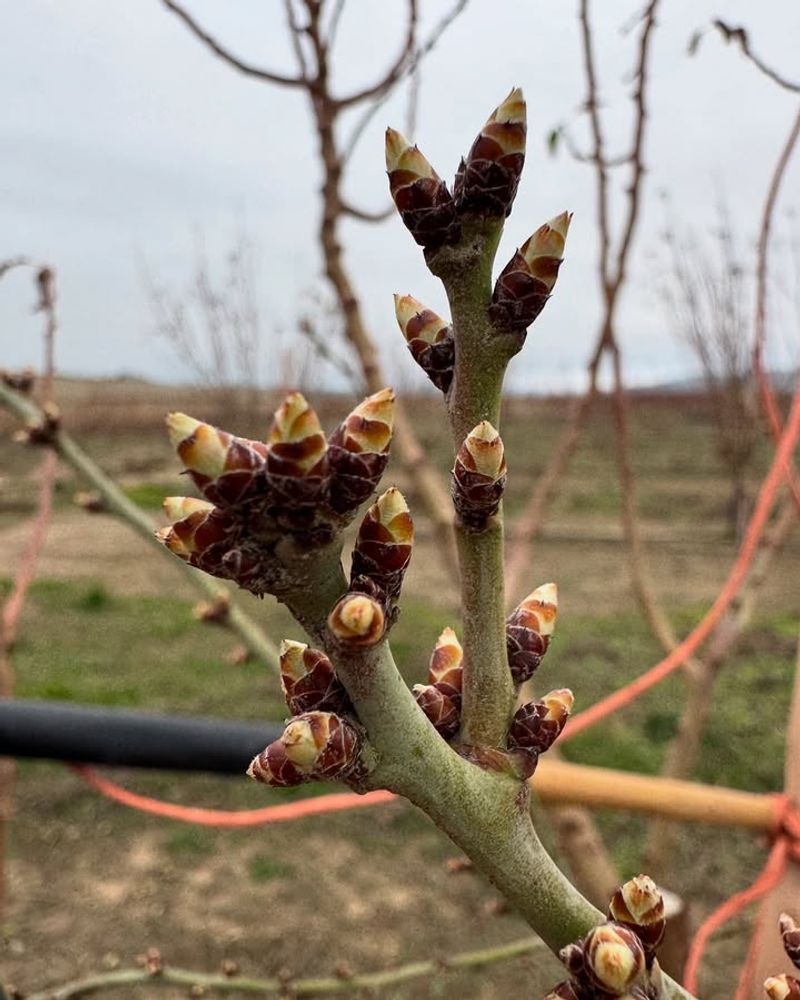
Look closely at the branches of your trees and shrubs, and you’ll notice something different. The buds that sat tight and dormant all winter are starting to swell.
They’re rounder now, fuller, and some are even showing hints of color at the tips. This change happens gradually, but once you see it, you can’t unsee it.
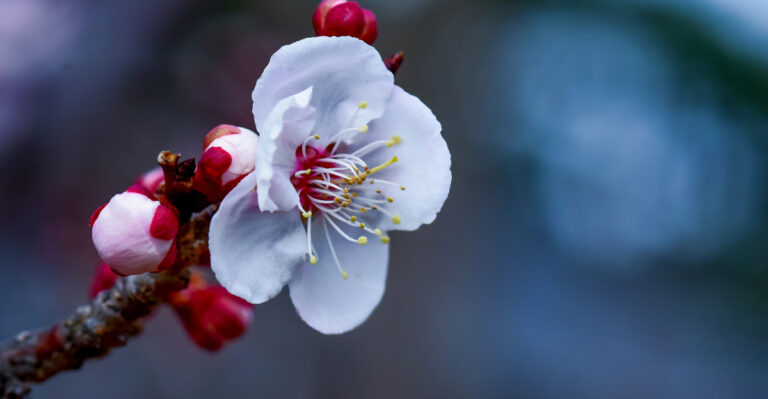
Fruit trees like apples and cherries are often the first to show obvious bud swell in Oregon gardens. Ornamental trees like magnolias and flowering plums follow close behind.
Even deciduous shrubs like hydrangeas and lilacs start waking up around the same time.
Swelling buds mean the tree is pulling water and nutrients up from the roots. Warmer soil temperatures and longer days trigger this process.
It’s one of the most reliable signs that spring is truly on the way, even if the weather still feels cold and unpredictable.
You don’t need to do anything when you notice swelling buds, but it’s a good time to finish any dormant-season pruning. Once buds start opening, the window for pruning closes.
Also, if you’ve been meaning to apply dormant oil spray for pest control, now’s the time before those buds break open completely.
4. Hellebores Starting To Bloom
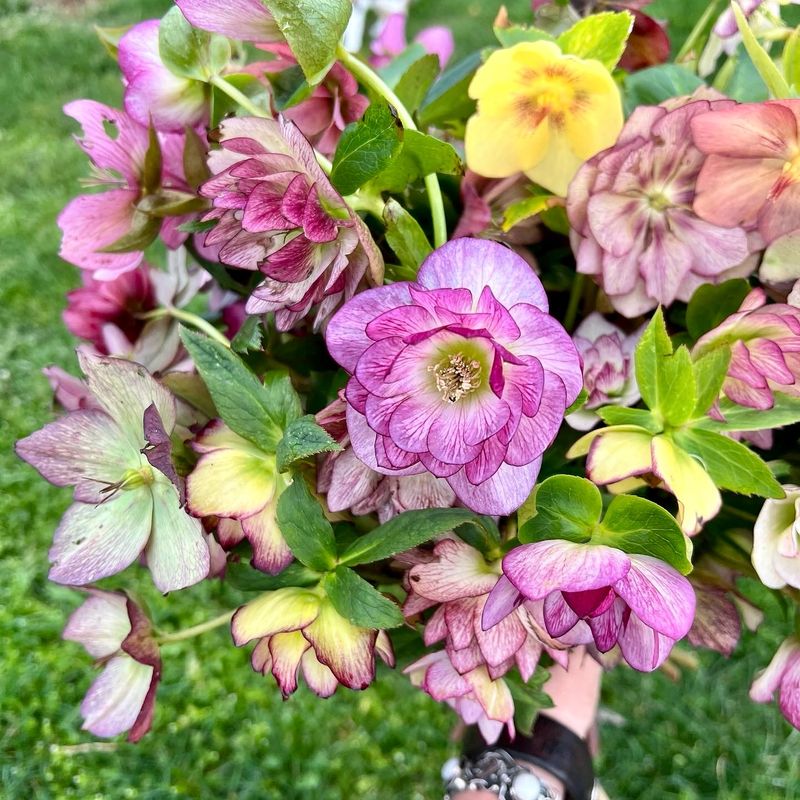
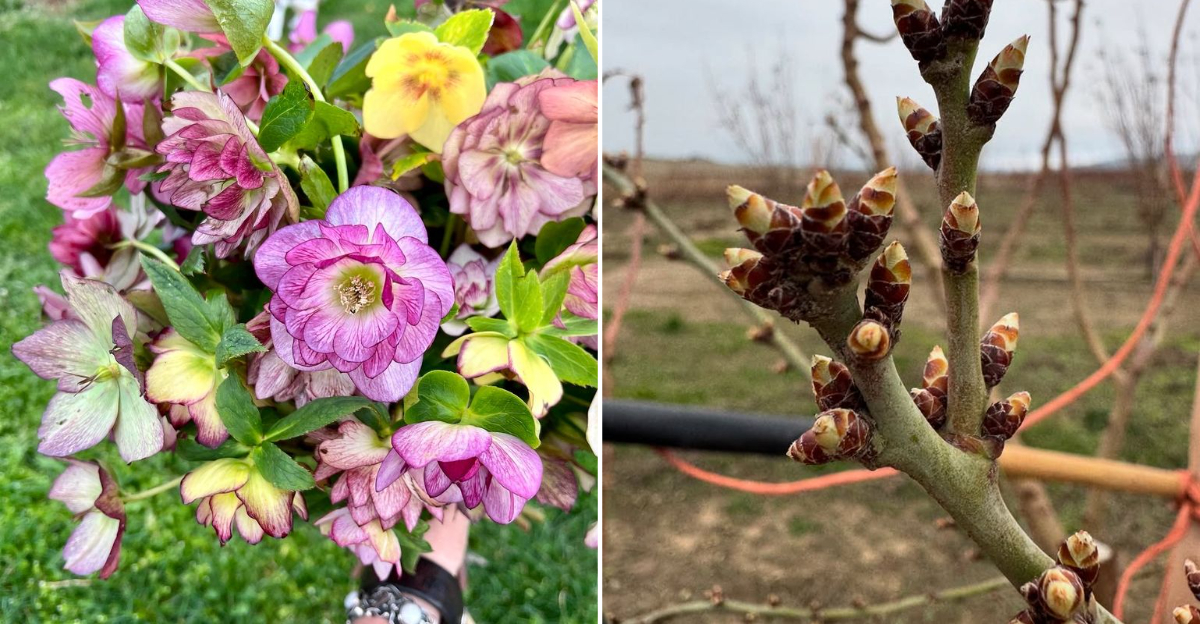
While most perennials are still underground, hellebores are already putting on a show. These evergreen perennials bloom in late winter, often while there’s still frost on the ground.
Their flowers come in shades of white, pink, purple, and even deep maroon, and they last for weeks without fading.
Hellebores thrive in Oregon’s climate. They love the cool, moist conditions and don’t mind shade, which makes them perfect for spots under trees or along the north side of the house.
Once established, they’re incredibly low-maintenance and come back reliably every year.
If you already have hellebores, check them now. You’ll likely see buds forming or flowers already open.
The blooms nod downward, so you might need to lift them gently to see the full beauty of the petals. Some gardeners even trim away old foliage in late winter to make the flowers more visible.
Hellebores are one of those plants that make you feel like a gardening genius without much effort. They bloom when almost nothing else does, they’re deer-resistant, and they don’t need deadheading.
If you don’t have any yet, they’re worth adding. Plant them in fall or early spring, and they’ll reward you with early blooms for years to come.
5. Lawns Turning Green Again
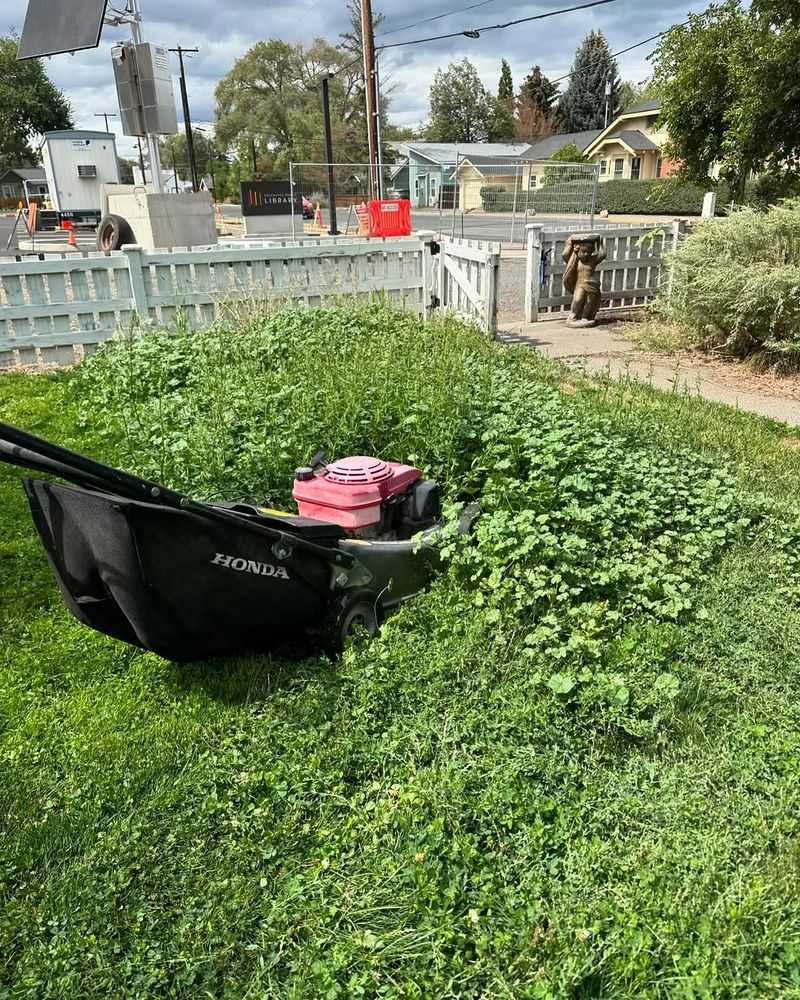
After months of looking tired and brown, your lawn is starting to green up. It happens in patches at first, usually in the areas that get the most sun or drain the best.
Then, almost overnight, the whole lawn seems to wake up and turn that bright, fresh green that only happens in early spring.
Oregon’s wet winters actually help lawns recover quickly. The moisture keeps the grass roots alive even when the top growth looks dead.
As soon as temperatures start climbing and daylight hours increase, the grass responds. Cool-season grasses like fescue and ryegrass, which are common in Oregon, thrive in this weather.
This is a good time to take a walk around your lawn and check for bare spots, compacted areas, or drainage problems. If you see any issues, you can address them now before the growing season really kicks in.
Early spring is also the best time to overseed thin areas or apply a light fertilizer if needed.
Resist the urge to mow too early. Let the grass grow a bit before you cut it for the first time.
Mowing too short stresses the grass and makes it harder for the lawn to fill in evenly. Wait until it’s actively growing and at least three inches tall before you fire up the mower.
6. Weeds Waking Up First
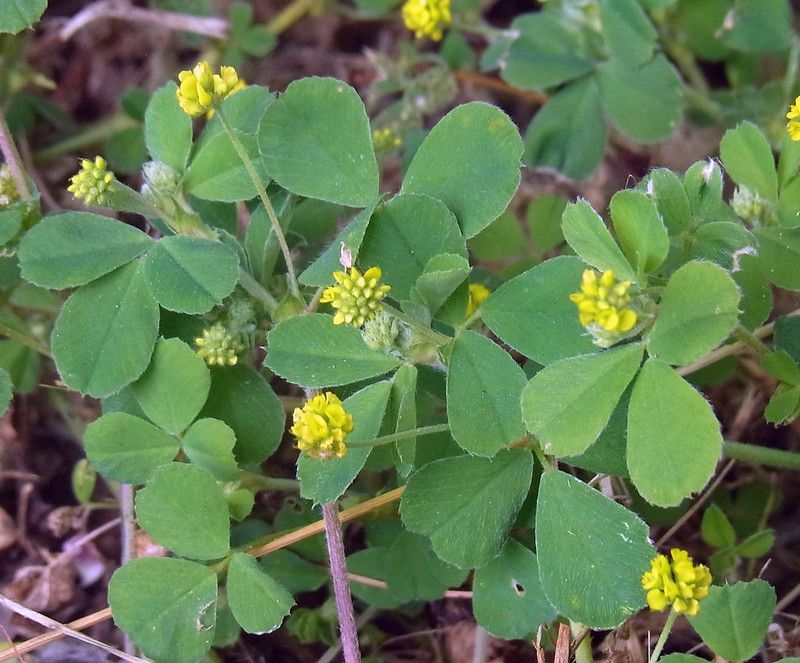
Unfortunately, weeds don’t sleep in. They’re often the first plants to wake up in an Oregon garden, sometimes even before your desirable plants show any signs of life.
Chickweed, dandelions, and annual bluegrass are usually the early risers, popping up in garden beds, lawns, and cracks in the driveway.
Weeds are opportunists. They take advantage of the same conditions that wake up your garden: warming soil, longer days, and plenty of moisture.
Because many weeds are adapted to disturbed soil and variable conditions, they often outpace slower-growing perennials and shrubs.
The good news is that catching weeds early makes them easier to deal with. Young weeds pull out easily, especially when the soil is moist.
If you spend a little time weeding now, you’ll save yourself a lot of work later when those weeds have deep roots and are dropping seeds everywhere.
Focus on removing weeds before they flower. Even small dandelions and chickweed can set seed quickly once they start blooming.
A few minutes of weeding each week in late winter and early spring can make a huge difference in how weedy your garden gets by summer. It’s not the most exciting task, but it’s one of the most effective things you can do right now.
7. Birds Returning And Getting Louder
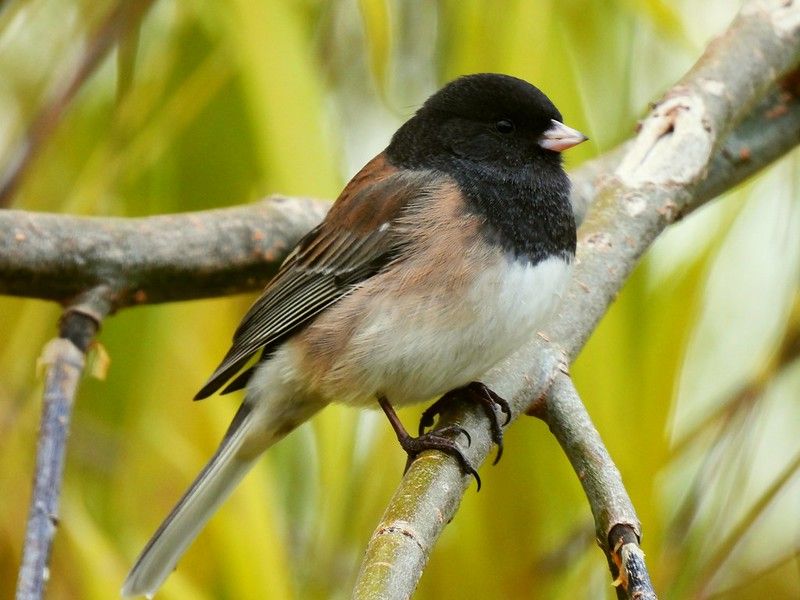
Step outside early in the morning, and you’ll notice the birds sound different. They’re singing more, calling more, and generally making a lot more noise than they did a few weeks ago.
Some species that disappeared for the winter are starting to return, and the ones that stayed are getting more active and vocal.
Birds are incredibly sensitive to seasonal changes. As daylight hours increase, their hormones shift, and they start preparing for breeding season.
That’s why you hear more singing. Males are staking out territories and trying to attract mates.
It’s nature’s way of saying spring is coming, even if the weather doesn’t quite feel like it yet.
Robins are one of the most noticeable returnees in Oregon gardens. You’ll see them hopping around lawns, pulling up worms from the soft, wet soil.
Hummingbirds also start showing up in late winter or early spring, especially if you have early-blooming flowers or feeders out.
If you enjoy watching birds, now’s a great time to clean and refill feeders, put out fresh water, and make sure your garden has good cover and nesting spots. Birds are looking for places to settle in, and a welcoming garden will attract more activity.
Plus, they’ll help with pest control once the growing season really gets going.
8. Soil Warming And Softening
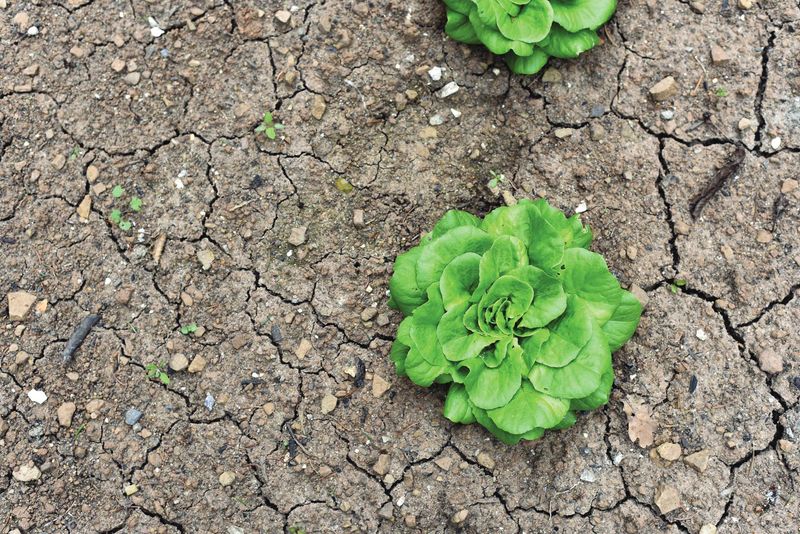
Press your hand into the soil, and you’ll feel the difference. It’s not rock-hard anymore.
It’s softer, more workable, and it doesn’t feel quite as cold as it did a few weeks ago. Soil temperature is one of the most important factors in plant growth, and when it starts warming up, everything else follows.
In Oregon, soil temperatures begin rising in late winter, especially in sunny, well-drained areas. Clay soils, which are common here, take longer to warm up than sandy or loamy soils.
But once they do, they hold that warmth better, which helps plants get established faster.
You can check soil temperature with an inexpensive soil thermometer if you want to be precise. Most seeds and transplants need soil temps of at least 50 degrees Fahrenheit to germinate or root well.
Once your soil reaches that point, you can start planting cool-season crops like lettuce, peas, and spinach.
Avoid working the soil when it’s still too wet, even if it’s warming up. Digging or tilling wet clay soil can damage its structure and create hard clumps that take months to break down.
Wait until the soil crumbles easily in your hand before you start any major digging or planting. Patience now makes everything easier later.
9. Early Pollinators Reappearing
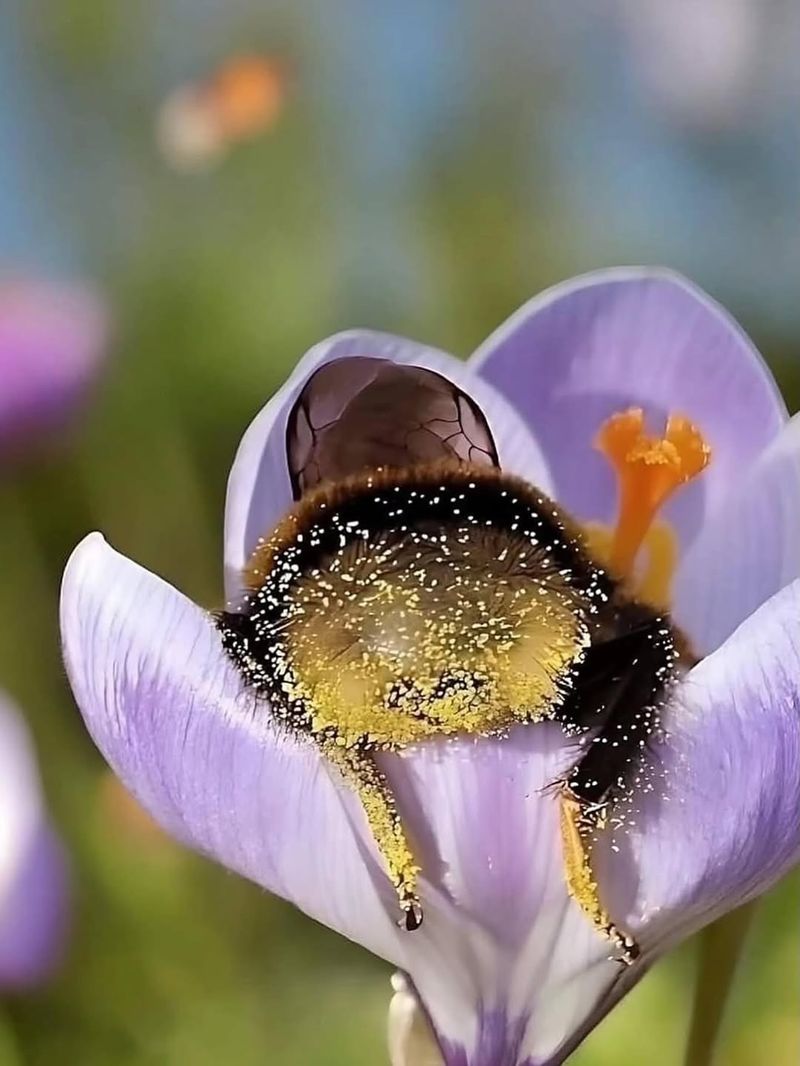
On a sunny afternoon, you might spot a bumblebee buzzing around early-blooming flowers. It’s one of the first pollinators to emerge in late winter, and seeing one always feels like a small miracle.
These fuzzy insects are tougher than they look. They can fly in cooler temperatures than honeybees, which is why they show up so early.
Bumblebees and other native bees are searching for nectar and pollen as soon as flowers start opening. Early bloomers like hellebores, crocuses, and winter heaths are lifesavers for these pollinators.
After months of dormancy, they need food quickly to build up their energy and start new colonies.
If you want to support early pollinators, make sure your garden has flowers blooming as early as possible. Native plants like Oregon grape and red-flowering currant are excellent choices.
Even a few pots of pansies or primroses on the porch can make a difference.
You might also see flies, small native bees, and even a few butterflies on warmer days. These insects are essential for pollinating fruit trees and garden crops later in the season.
Giving them food sources now helps ensure healthy pollinator populations all spring and summer. Plus, watching them work is a reminder that your garden is part of a much bigger, interconnected ecosystem.
10. Longer Days, Faster Growth
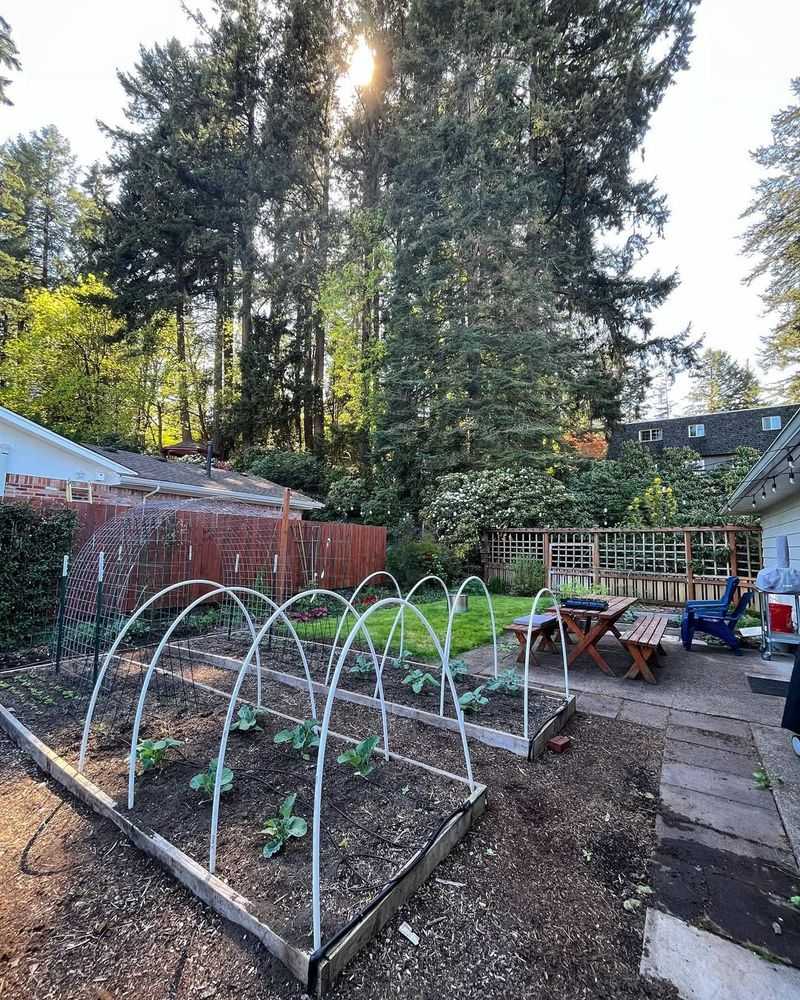
Every day, the sun sets a little later. By late February and early March, the difference is noticeable.
You have more time in the evening to walk around the garden, and that extra daylight isn’t just nice for you, it’s a powerful signal to your plants. Longer days mean faster growth, more photosynthesis, and more energy for everything from bulbs to trees.
Plants are hardwired to respond to day length. As daylight hours increase, their internal clocks tell them to start growing, budding, and blooming.
This is why so many changes happen at once in late winter and early spring. It’s not just warmer temperatures. It’s the light.
You’ll notice growth speeding up almost daily once the days get longer. Shoots that were barely visible last week are suddenly several inches tall.
Buds that were tight and closed are starting to crack open. Even your lawn seems to grow faster, which means you’ll be mowing again soon.
This is the time to start planning and preparing for the busy spring season ahead. Check your tools, order seeds, and make a list of tasks you want to tackle.
The garden is waking up, and soon it’ll be moving fast. Staying ahead of it now makes the whole season more enjoyable and less overwhelming.