The Easiest Flowers To Start Indoors In Oregon This March

March in Oregon has a special kind of energy. The rain is still hanging around, the days are slowly getting brighter, and gardeners everywhere start getting the itch to grow something.
If you’re staring out the window dreaming about flowers, starting seeds indoors right now is one of the easiest ways to jump-start the season.
The good news? You don’t need a greenhouse, fancy lights, or years of gardening experience.
Plenty of flowers practically want to grow, even for beginners with a sunny windowsill and a little patience. A few seed trays, some potting mix, and regular watering can turn your kitchen counter into a tiny spring nursery.
Even better, starting flowers indoors in March gives Oregon gardeners a head start before the outdoor soil fully warms up. By the time planting season arrives, you’ll already have strong little plants ready to move outside and start showing off their color.
1. Marigolds
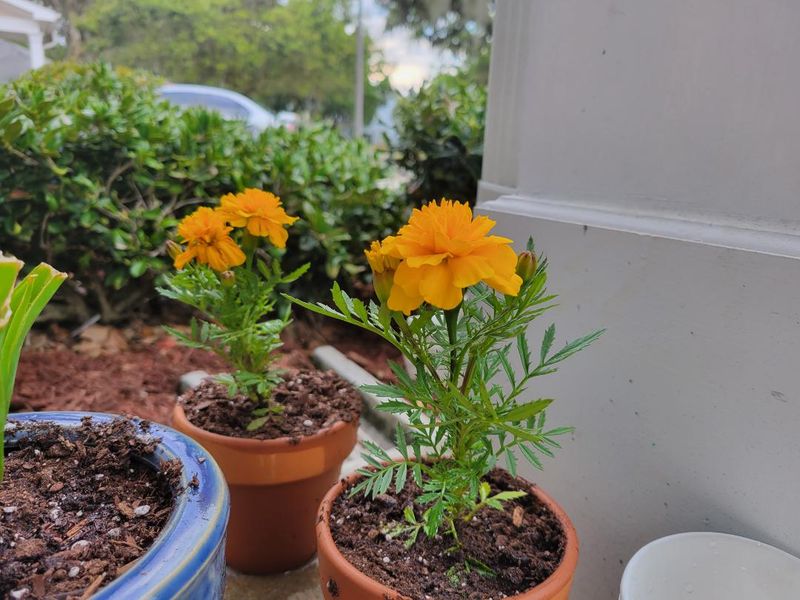
Few flowers bring as much cheerful energy to a garden as marigolds. These bright, bold bloomers are one of the easiest flowers to start indoors in Oregon, and March is the ideal time to get them going.
Marigold seeds germinate quickly, usually within five to seven days, which makes them super satisfying for beginner gardeners.
Marigolds love warmth, so placing your seed trays near a sunny window or under grow lights will help them sprout fast. Use a light seed-starting mix and keep the soil moist but not soggy.
Once your seedlings are a couple of inches tall, they will be ready to move outdoors after the last frost.
One fun fact: marigolds are known to repel certain garden pests, making them a smart planting choice alongside vegetables. In Oregon, gardeners often pair them with tomatoes and peppers for natural pest control.
Their bright orange and yellow flowers also attract pollinators like bees and butterflies. Starting them indoors in March means you will have sturdy transplants ready to go into the ground in late April or May, giving your Oregon garden a colorful and productive head start.
2. Zinnias
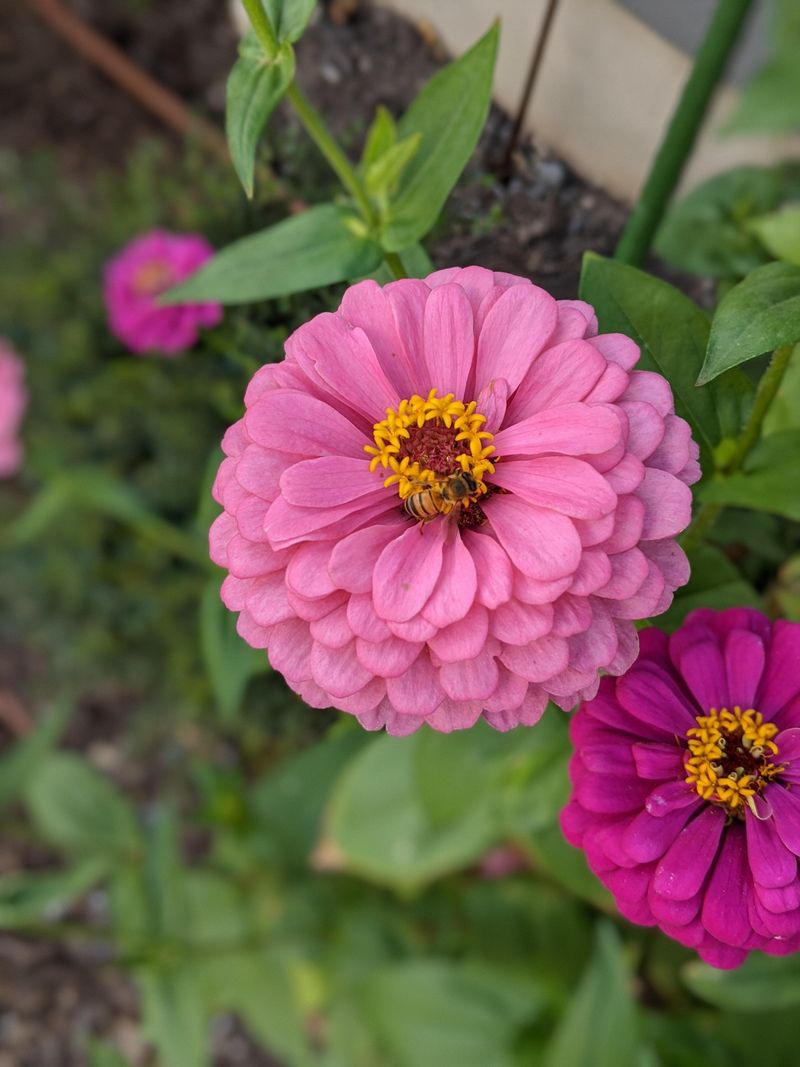
Zinnias are like the life of the garden party. They come in just about every color imaginable, grow fast, and bloom for months on end.
Starting zinnia seeds indoors in mid to late March gives Oregon gardeners a big advantage, especially since these flowers love warm soil and do not enjoy cold snaps.
Sow seeds about a quarter inch deep in a quality seed-starting mix. Keep them in a warm spot with plenty of light.
Zinnias germinate in about five to ten days. Once they have a couple of sets of true leaves, they are ready to be transplanted after the last frost in your part of Oregon.
Full sun is a must for zinnias, so pick a bright garden spot when it is time to move them outside. They thrive in well-drained soil and actually do better with less watering once they are established.
Deadheading spent blooms encourages even more flowers throughout the season. Zinnias also make excellent cut flowers, so you can enjoy them both in your Oregon yard and in a vase on your kitchen table.
They are truly one of the most rewarding flowers you can grow.
3. Petunias
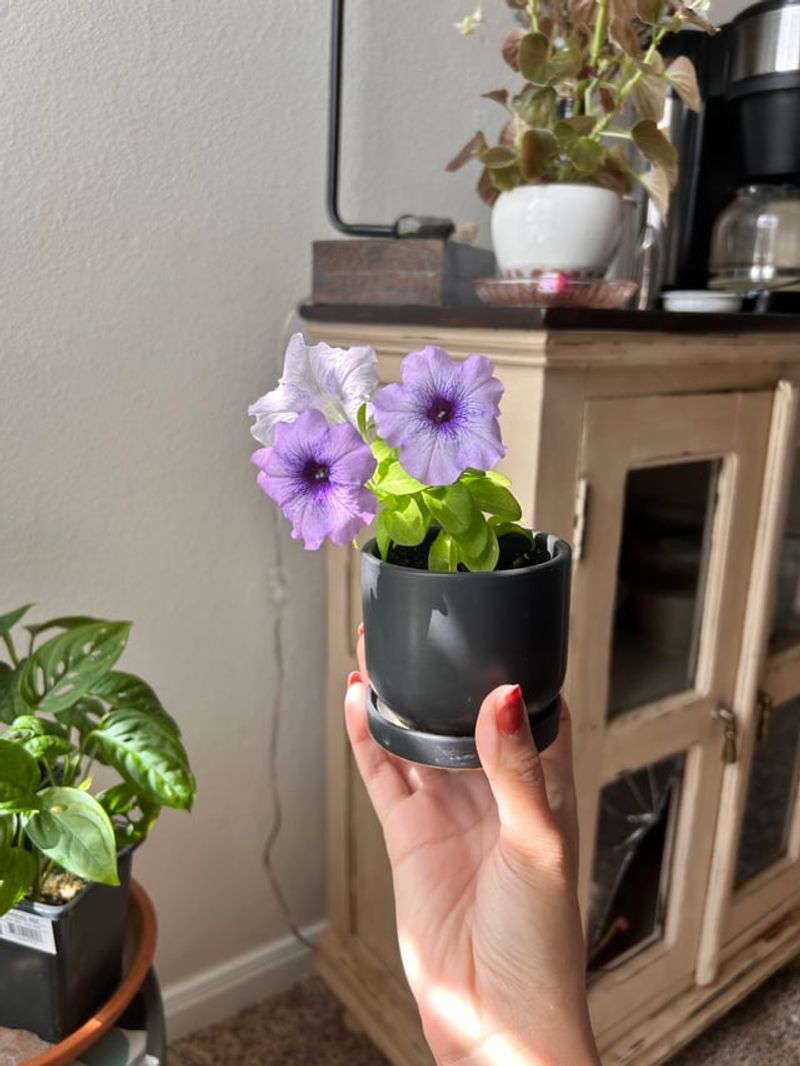
Walk into almost any Oregon garden in summer, and you are bound to spot petunias spilling out of hanging baskets or lining garden beds with waves of color. What many gardeners do not realize is that starting petunias from seed indoors in March is both easy and rewarding.
These flowers need a longer growing season, so getting them started early gives them time to really take off.
Petunia seeds are tiny, so sprinkle them gently on top of moist seed-starting mix without covering them. They need light to germinate.
Place the trays under grow lights or on a bright, south-facing windowsill. Germination usually takes about ten to twelve days.
Keep temperatures around 70 degrees Fahrenheit for the best results.
Once your petunia seedlings are a few inches tall, pinch the tops to encourage bushy, full growth instead of leggy stems. Petunias love full sun and regular watering, though they do not like sitting in wet soil.
By May, your Oregon garden will be ready for these colorful transplants. With minimal effort and a little patience, petunias started in March will reward you with nonstop blooms from late spring all the way through fall.
4. Snapdragons
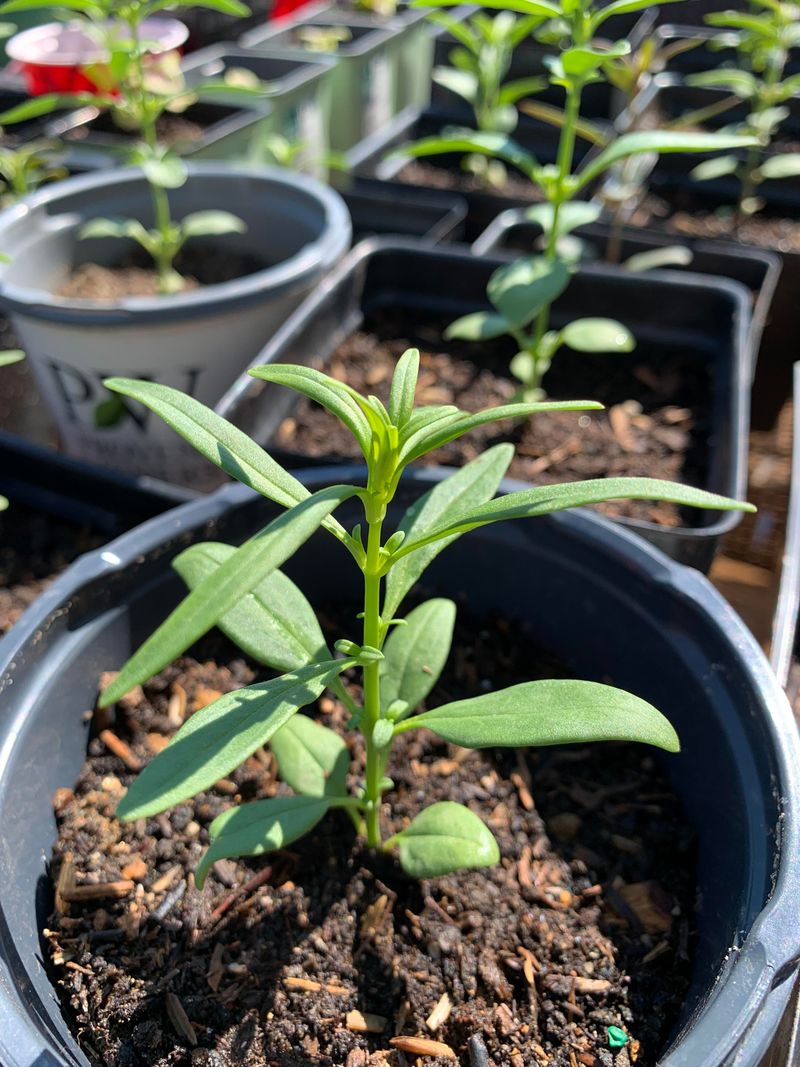
Snapdragons have a magical quality that kids and adults both love. Squeeze the sides of the flower and the mouth opens and closes like a little dragon snapping its jaws.
Beyond the fun factor, snapdragons are incredibly practical for Oregon gardeners because they tolerate cool temperatures and can even handle a light frost once hardened off.
Start snapdragon seeds indoors in March under grow lights or near a bright window. Press seeds gently onto the surface of moist seed-starting mix without covering them, since they need light to germinate.
Germination typically takes about two weeks. Once seedlings are a few inches tall, pinch the tops to encourage bushy, full growth with more flowering stems.
Snapdragons prefer cool weather, which makes them a perfect match for Oregon’s spring climate. They will bloom beautifully in April and May, then may slow down in summer heat before picking back up again in fall.
Plant them in a spot with full sun to partial shade and well-drained soil. Their tall, colorful flower spikes add wonderful vertical interest to garden beds.
Starting them indoors in March ensures you will have strong transplants ready to thrive in your Oregon garden right on schedule.
5. Calendula
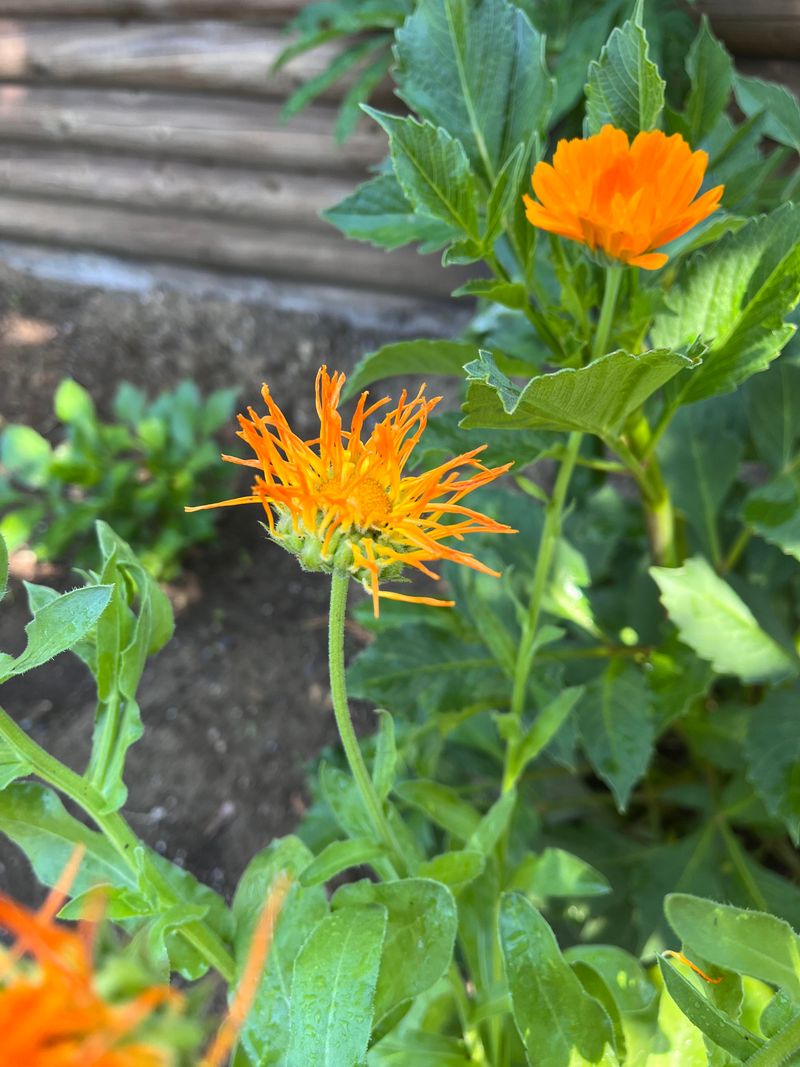
Sometimes called pot marigold, calendula has been grown in gardens for centuries. Ancient herbalists used it for its soothing properties, and today it remains a favorite among home gardeners across Oregon for its cheerful blooms and no-fuss growing habits.
Starting calendula seeds indoors in early March, about six to eight weeks before the last frost, gives you a serious head start on the season.
Calendula seeds are medium-sized and easy to handle. Press them about a quarter inch into moist seed-starting mix and keep them in a cool to moderate spot, around 60 to 70 degrees Fahrenheit.
They germinate in about five to fifteen days. Unlike many flowers, calendula actually prefers slightly cooler indoor temperatures, which makes it well-suited for Oregon homes in early spring.
Once the danger of frost has passed in your part of Oregon, transplant your calendula seedlings into a sunny garden bed with well-drained soil. They bloom in shades of orange, yellow, and cream, and the flowers are actually edible, great for adding color to salads.
Regular deadheading keeps the plants blooming all season long. Calendula is also known to attract beneficial insects, making it a fantastic addition to any Oregon pollinator garden.
6. Cosmos
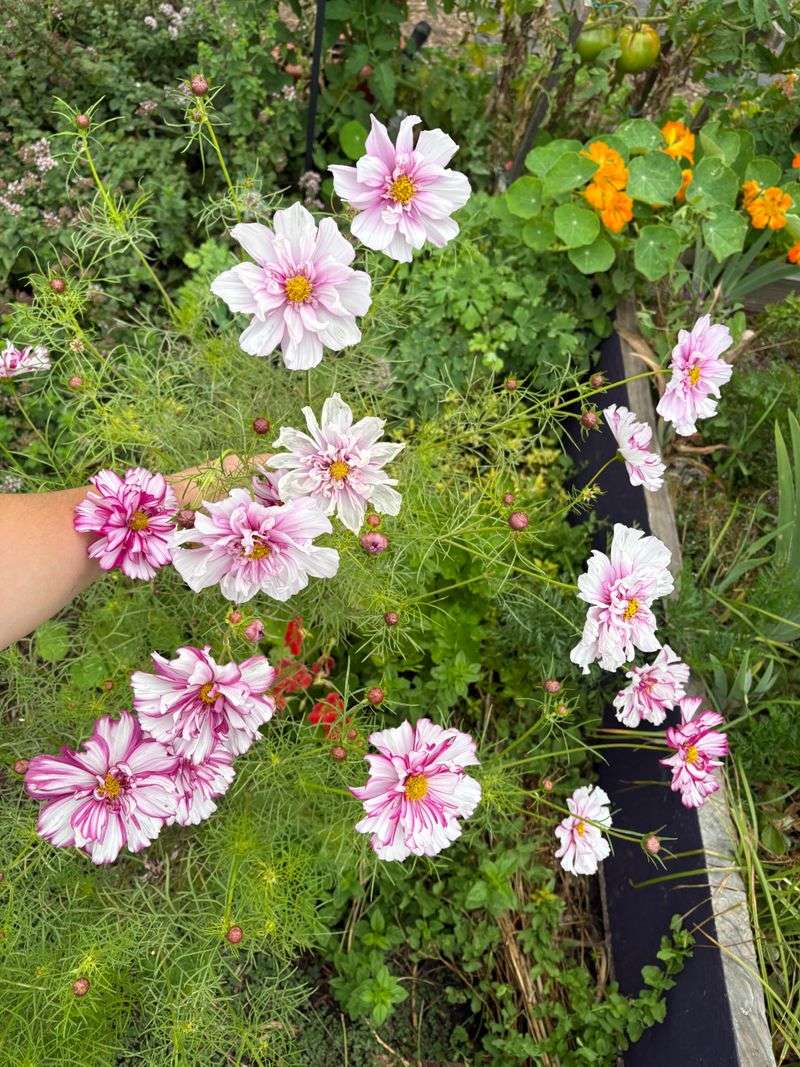
There is something almost dreamlike about a field of cosmos swaying in the breeze. Their feathery foliage and daisy-like blooms in shades of pink, white, and red make them one of the most elegant yet low-maintenance flowers you can grow in Oregon.
Starting cosmos seeds indoors in late March, about four to six weeks before the last frost, gives them a gentle head start without rushing them.
Cosmos seeds are long and easy to sow. Press them about a quarter inch into moist seed-starting mix and place the trays in a warm, bright spot.
They germinate quickly, usually within seven to ten days. Keep the soil moist but avoid overwatering, as cosmos prefer drier conditions once established.
One thing to keep in mind: cosmos do not love being root-bound, so transplant them carefully to avoid disturbing the roots too much. Biodegradable pots work great for this reason.
In your Oregon garden, plant them in a sunny spot with average to poor soil. Rich soil actually causes them to produce more leaves than flowers.
Cosmos grow tall and attract butterflies and bees, making them a wonderful choice for both beauty and biodiversity in any Oregon garden this season.
7. Nasturtiums
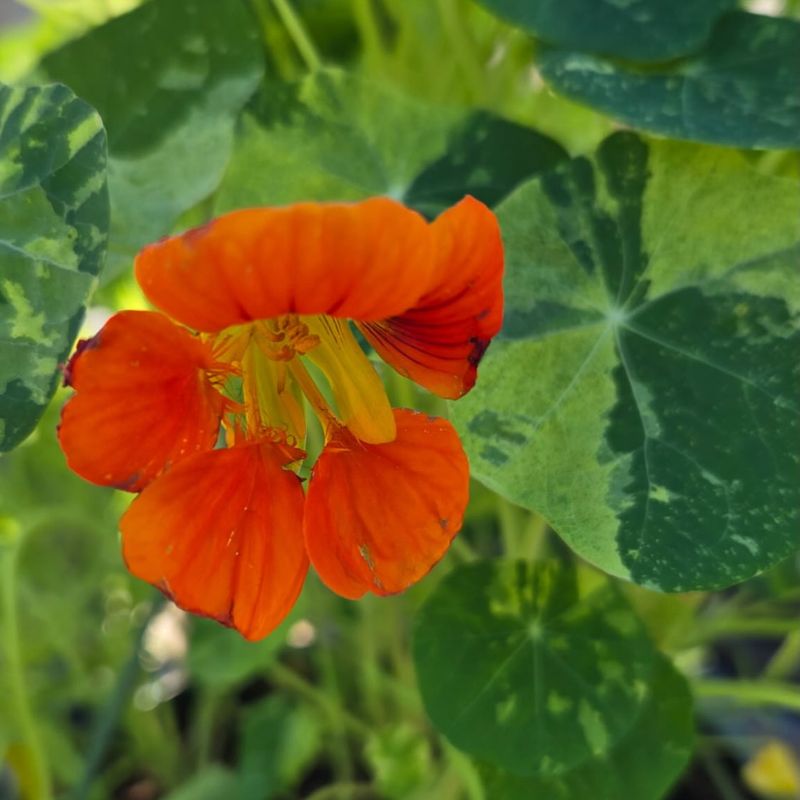
Nasturtiums are the overachievers of the flower world. Not only are they gorgeous, with blooms in fiery shades of red, orange, and yellow, but every part of the plant is edible.
The flowers add a peppery kick to salads, and the leaves work beautifully as a garnish. For Oregon gardeners looking for beauty and function, nasturtiums are a fantastic pick.
Start nasturtium seeds indoors in March by pressing their large, wrinkled seeds about half an inch into moist potting mix. They germinate in about seven to twelve days.
Keep them in a warm, sunny spot. One important tip: nasturtiums do not like having their roots disturbed, so start them in biodegradable pots that can go directly into the ground at planting time.
Nasturtiums thrive in full sun and actually prefer poor to average soil. Too much fertilizer causes them to produce lots of leaves but fewer flowers, so skip the heavy feeding.
They grow well in garden beds, containers, and even hanging baskets. In Oregon, they do wonderfully through late spring and summer.
Starting them indoors in March means your nasturtiums will be ready to brighten up your outdoor spaces just as the warmer weather arrives across the state.
8. Asters
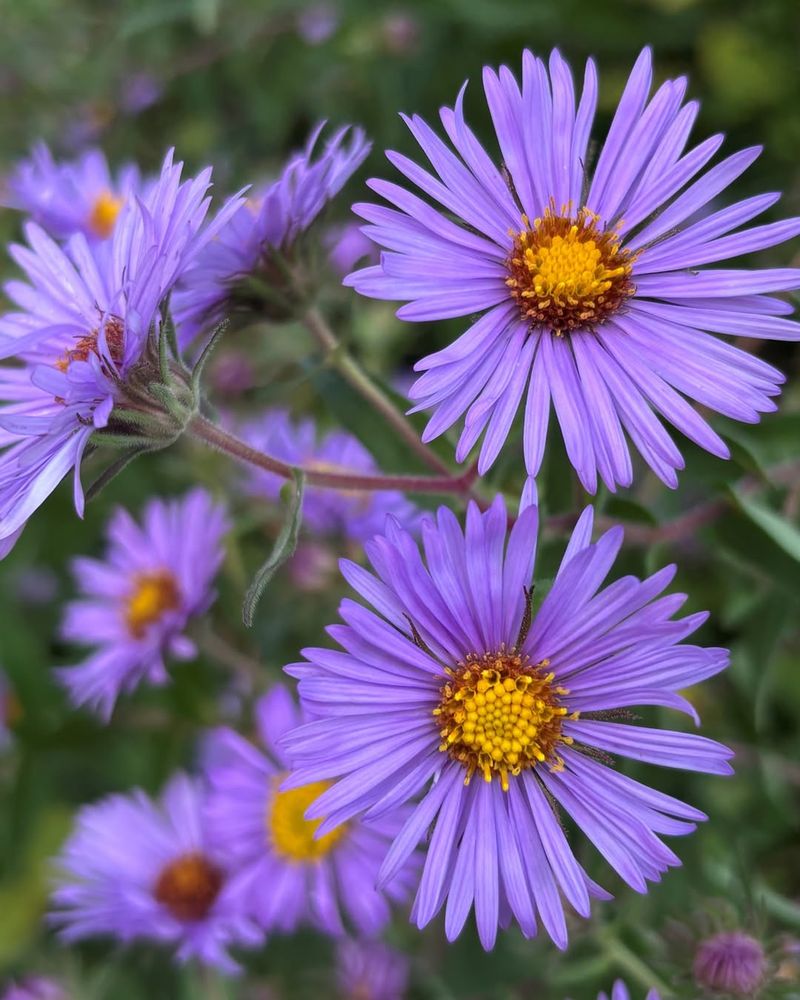
Asters are the unsung heroes of the flower garden. While many plants wind down in late summer, asters are just getting started, bursting into bloom with daisy-like flowers in shades of purple, pink, and white.
Starting aster seeds indoors in March in Oregon gives them the long growing season they need to reach their full potential by late summer and fall.
Aster seeds can be a little slow to germinate, sometimes taking two to three weeks, so patience is key. Sow them on the surface of moist seed-starting mix and press them down lightly.
Keep the trays in a warm, bright spot, ideally around 65 to 70 degrees Fahrenheit. Covering the tray with plastic wrap can help retain moisture during germination.
Once your aster seedlings have several sets of leaves, transplant them into your Oregon garden in a spot with full sun to light shade. They prefer moist, well-drained soil and do well with regular watering during dry spells.
Asters are also beloved by pollinators, especially monarch butterflies preparing for migration in fall. By starting them early indoors in March, you give these beautiful late-season bloomers the best possible chance to shine in your Oregon garden.
9. Lobelia
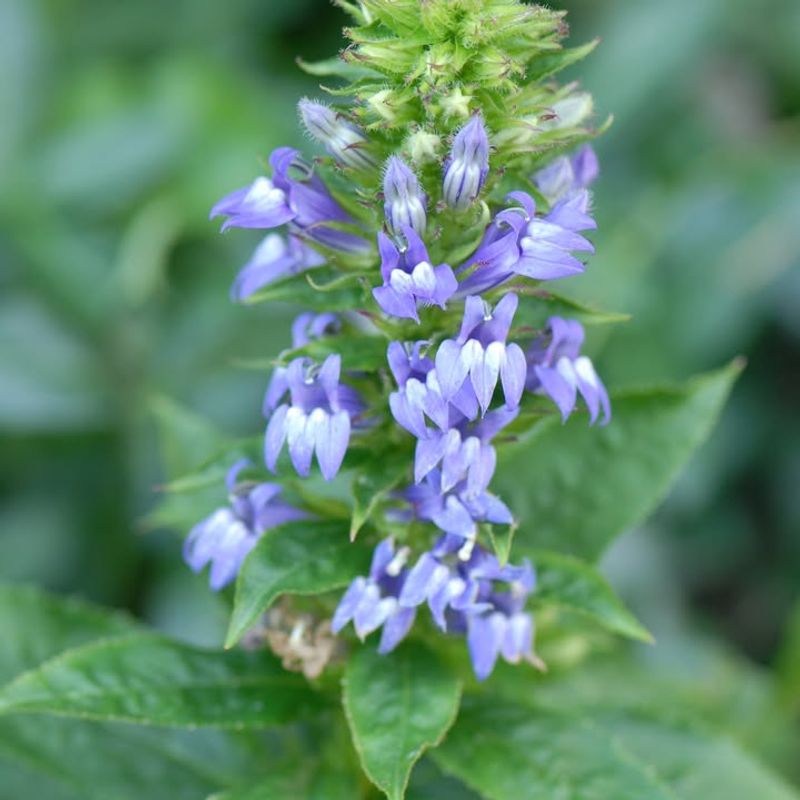
Lobelia is one of those flowers that punches way above its weight. The plants stay small and compact, but they are absolutely covered in tiny, vivid flowers in shades of electric blue, violet, and white.
That brilliant blue is actually rare in the garden world, which makes lobelia a standout choice for Oregon gardeners who want something truly eye-catching in containers and window boxes.
Starting lobelia indoors in March is smart because these seeds need a long head start. They are incredibly tiny, almost like dust, so sprinkle them carefully on top of moist seed-starting mix without covering them.
They need light to germinate. Keep the trays consistently warm and moist.
Germination can take two to three weeks, so do not get discouraged if nothing happens right away.
Once seedlings appear, thin them out gently so they have room to grow. Lobelia prefers cool weather and partial shade, which makes it a great fit for Oregon’s mild spring and early summer climate.
It thrives in hanging baskets, containers, and garden borders. Water regularly and fertilize lightly every few weeks.
By the time you are ready to plant outside in late April or May, your lobelia transplants will be lush, full, and ready to add incredible color to your Oregon outdoor spaces.
10. Salvia
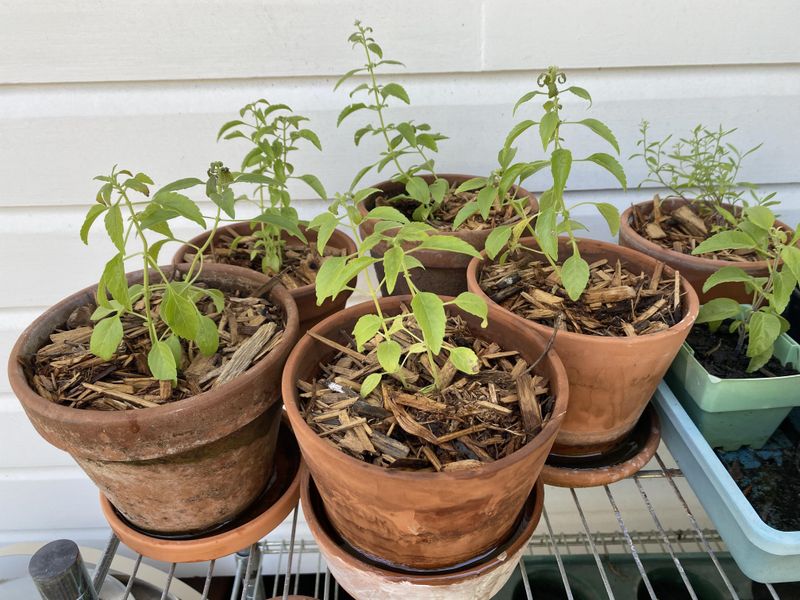
Salvia is bold, upright, and absolutely irresistible to hummingbirds and bees. If you want to turn your Oregon garden into a pollinator paradise, salvia is a must-have.
The tall flower spikes in shades of red, purple, and blue add dramatic vertical interest to garden beds and containers alike. Starting salvia seeds indoors in March gives these slow-starting plants plenty of time to get big and strong.
Sow salvia seeds on the surface of moist seed-starting mix and press them down lightly. They need light to germinate, so do not cover them with soil.
Keep the trays warm, around 70 to 75 degrees Fahrenheit, and in a bright spot under grow lights or near a sunny window. Germination usually takes ten to twenty days.
Once seedlings emerge and have two sets of true leaves, thin them so each plant has enough room to grow. Salvia likes full sun and well-drained soil once it moves outside.
It is also quite drought-tolerant after it gets established, which is a bonus during Oregon’s drier summer months. Deadhead spent flower spikes regularly to encourage continuous blooming from late spring through fall.
Starting salvia in March means you will have show-stopping plants ready to transform your Oregon garden by late spring.
11. Pansies
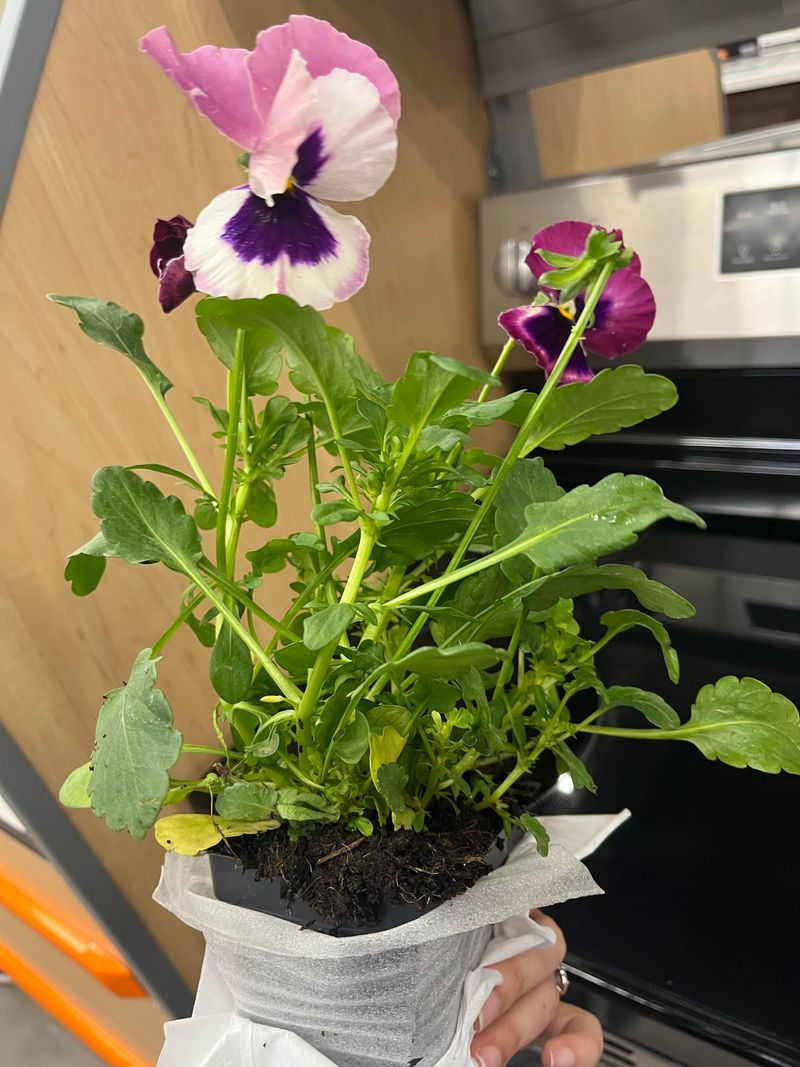
Pansies are tough little flowers with big personalities. Their cheerful, face-like blooms in shades of purple, yellow, orange, and white are one of the first signs that color is coming back to the garden.
What makes them especially great for Oregon gardeners is their cold-hardiness. They can handle chilly mornings and cool spring temperatures without missing a beat.
Starting pansy seeds indoors in March is a great way to have sturdy transplants ready for outdoor planting in April. Sow seeds about an eighth of an inch deep in moist seed-starting mix.
Keep the trays cool, around 65 degrees Fahrenheit, since pansies actually prefer cooler germination temperatures. They typically sprout in ten to fourteen days.
Place them near a bright window or under grow lights once they emerge.
Pansies prefer morning sun with some afternoon shade, especially as temperatures warm up in late spring across Oregon. Water them regularly but avoid waterlogging the soil.
They work beautifully in garden beds, containers, and window boxes. Pinching off faded blooms keeps the plants tidy and encourages more flowers.
Pansies are one of the best choices for early spring color in Oregon because they bridge the gap between winter and the warmer growing season with nonstop charm and brightness.