The 9 Easiest Fruit Trees To Grow In California
If you live in California, you already have a head start on growing your own fruit. With long sunny days, mild winters in many regions, and a wide range of climate zones, this state is basically a backyard orchard waiting to happen.
The trick is choosing trees that love your local conditions and do not demand constant attention.
The good news is that plenty of fruit trees practically thrive on neglect once they are established. Some handle heat like champions.
Others shrug off light frosts. A few even produce generously in small suburban yards with minimal fuss.
Growing your own fruit is not just practical, it is seriously satisfying. There is nothing like stepping outside and picking something fresh right off the branch.
If you are ready to turn your yard into a low-maintenance, high-reward harvest zone, these easy fruit trees are a fantastic place to start.
1. Meyer Lemon
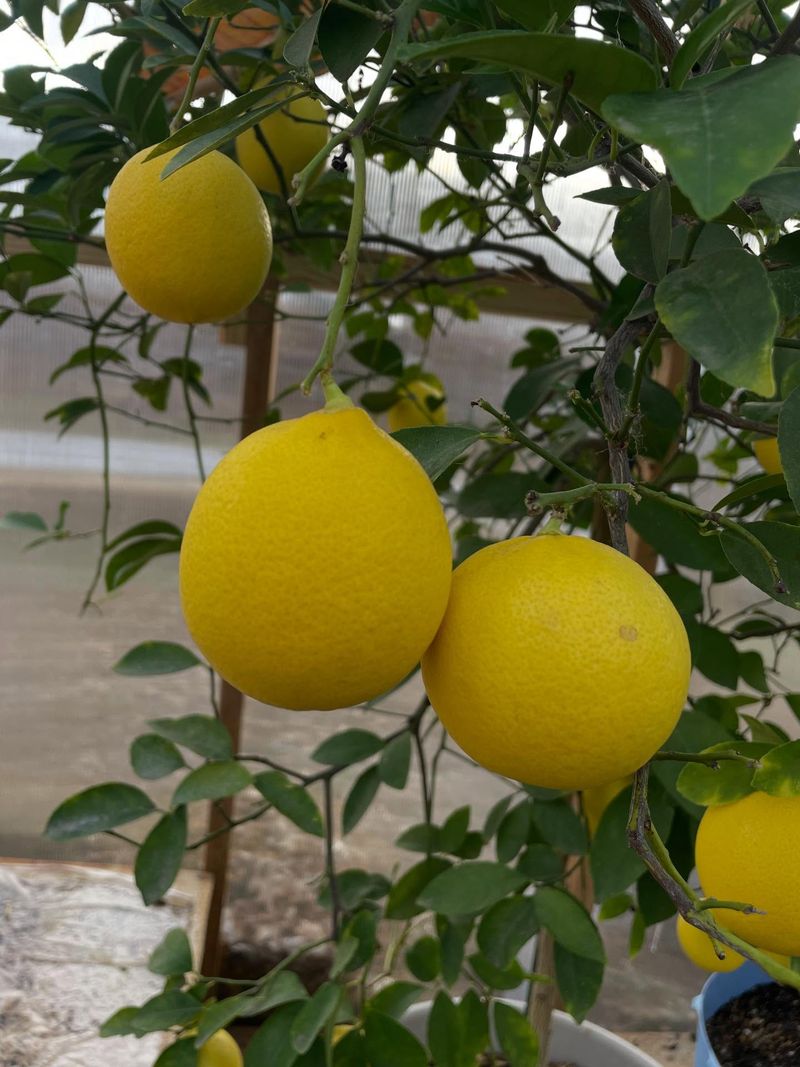
Few things brighten up a California yard quite like a Meyer lemon tree covered in golden fruit. These trees are a cross between a regular lemon and a mandarin orange, which makes their fruit sweeter and less tart than store-bought lemons.
They are incredibly popular across California, from San Diego to Sacramento. Meyer lemons grow well in containers or directly in the ground. They love full sun and do best with about six to eight hours of sunlight each day.
Water them deeply but not too often. Let the soil dry out a little between waterings to keep the roots healthy.
These trees are mostly evergreen, meaning they stay green all year long. They can produce fruit almost year-round in warmer parts of California, which is a huge bonus. Fertilize them every few months during the growing season with a citrus-specific fertilizer.
Watch out for pests like aphids or scale insects. A simple spray of neem oil usually handles those problems.
Meyer lemon trees are compact, low-maintenance, and incredibly productive. Planting one is one of the smartest moves a California gardener can make.
2. Fig
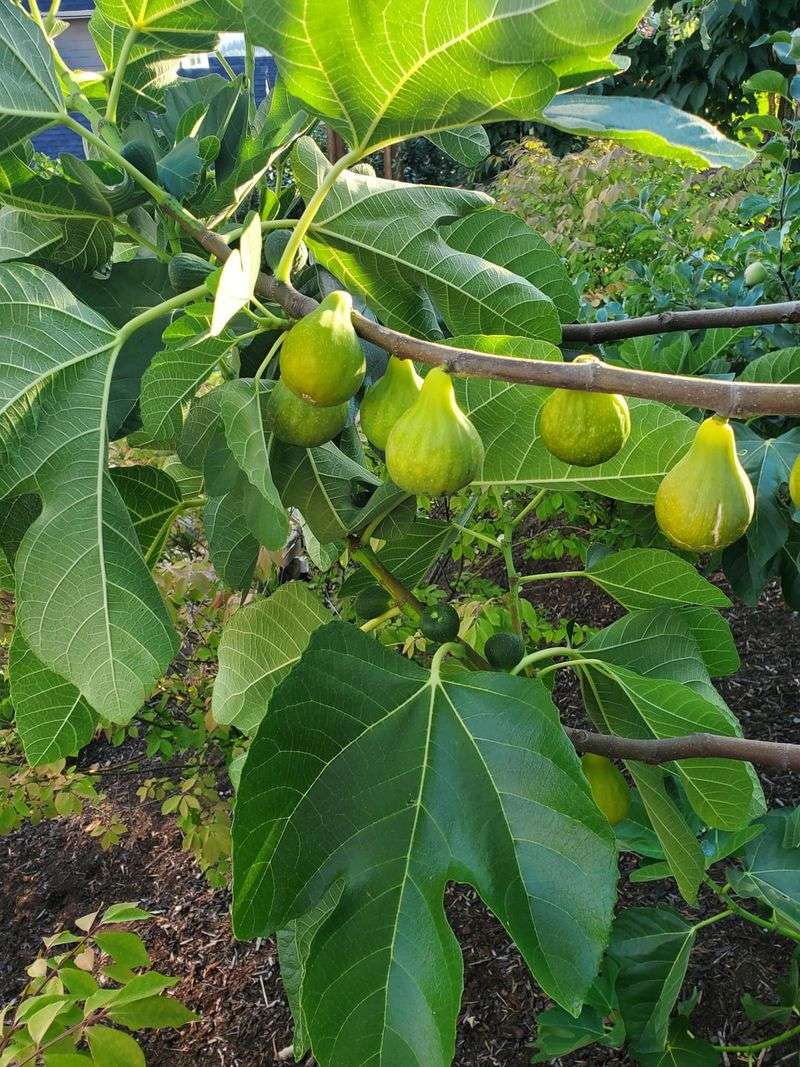
Fig trees have been growing in California for hundreds of years, and there is a very good reason for that. They absolutely love the hot, dry summers that much of the state experiences.
Once a fig tree is established, it can survive with very little water, making it a perfect fit for drought-conscious California gardeners.
These trees are incredibly tough. They can handle poor soil, intense heat, and even a little neglect.
Most fig varieties grown in California do not need another tree nearby for pollination, so one tree is all you need to get a great harvest.
Common Brown Turkey and Black Mission figs are two popular varieties that thrive across California. They grow quickly and can produce fruit within one to two years of planting.
Figs ripen in late summer and early fall, giving you sweet, soft fruit perfect for eating fresh or making jam.
Prune your fig tree in late winter before new growth starts. This keeps the tree at a manageable size and encourages more fruit production.
Fig trees can live for decades, making them a long-term investment in your California garden.
3. Peach
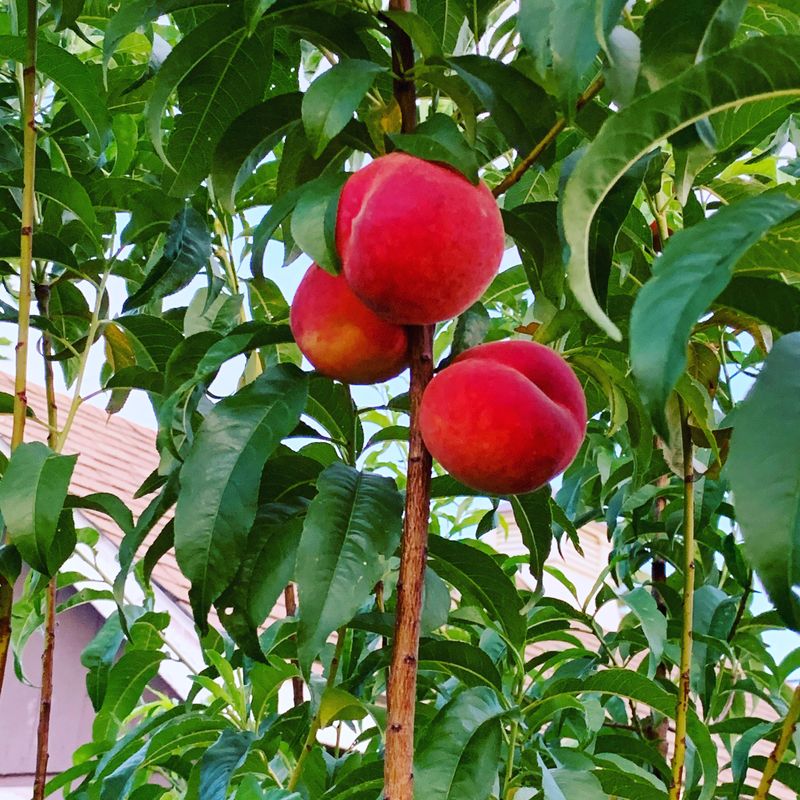
There is something almost magical about biting into a fresh peach you grew yourself. Peach trees are one of the most rewarding fruit trees you can plant in California, especially in inland areas like the Central Valley where summers are long and hot.
Peaches need a certain number of cold winter hours, called chill hours, to produce fruit. Luckily, many low-chill varieties have been developed specifically for warmer California climates.
Varieties like Tropic Snow and Desert Gold work well in Southern California, while standard varieties thrive in cooler inland regions.
Plant your peach tree in full sun and well-draining soil. Water it regularly during the growing season but ease off as fall approaches. Peach trees grow fast and often produce fruit within two to three years of planting.
Thinning the fruit early in the season is important. When you remove some of the small peaches while they are still tiny, the remaining fruit grows bigger and sweeter.
Pruning each year keeps the tree healthy and productive. With a little attention, a peach tree in California can reward you with buckets of juicy, sun-warmed fruit every summer.
4. Avocado
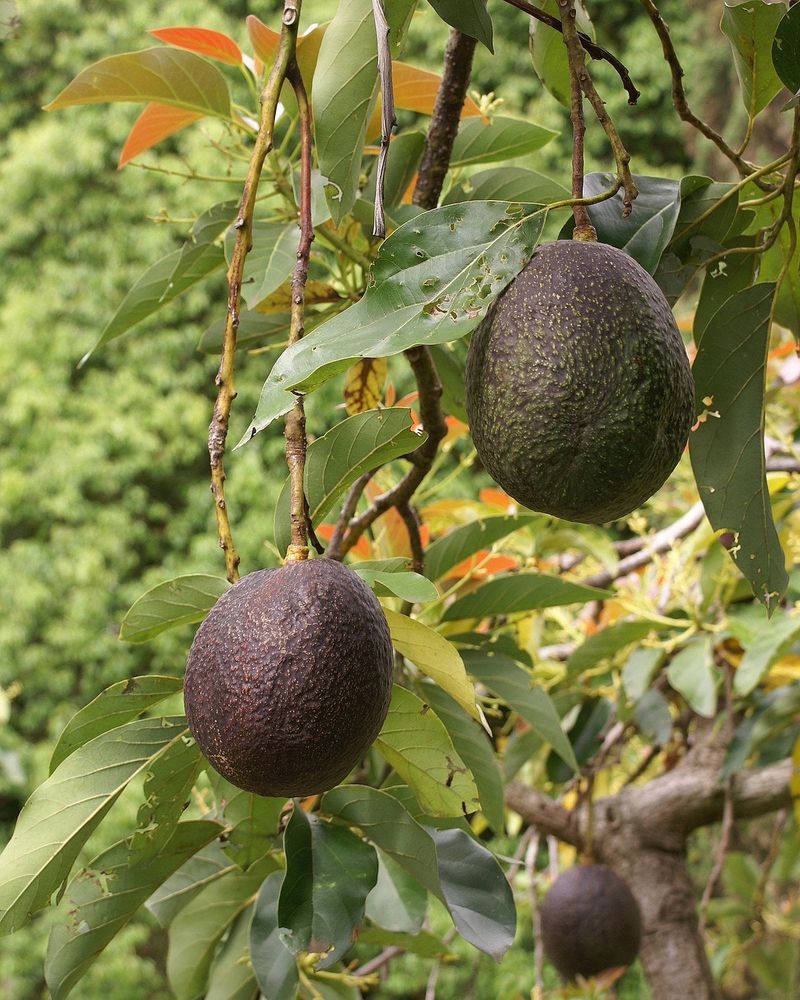
California and avocados go together like surf and sunshine. The state produces more avocados than anywhere else in the United States, and for good reason.
Avocado trees love the warm, mild climate found in coastal and Southern California regions. If you live in a frost-free area, you have a real advantage.
The Hass avocado is the most popular variety to grow at home. It produces creamy, rich fruit and adapts well to container growing if your yard is small.
Plant your avocado tree in a spot with full sun and excellent drainage. These trees do not like wet feet, so avoid areas where water tends to pool.
Avocado trees are slow to start producing fruit, often taking three to five years. But once they get going, a single tree can produce hundreds of avocados each season. That is a lot of guacamole.
Water young trees regularly and mulch around the base to keep moisture in the soil. Mature trees are more drought-tolerant.
Protect young avocado trees from frost by covering them on cold nights. In the right California location, an avocado tree can thrive for many decades and become a true backyard centerpiece.
5. Plum
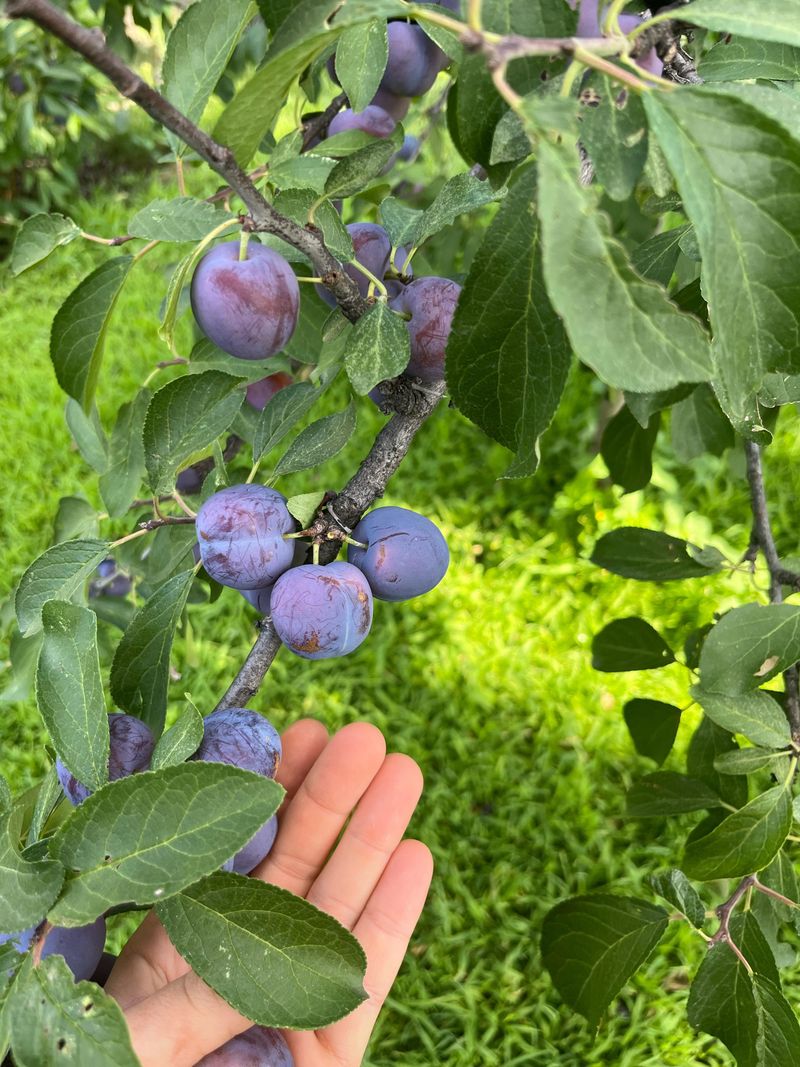
Plum trees bring a burst of color and sweetness to any California yard. They are known for being one of the most adaptable fruit trees in the state, growing well in everything from the foggy Bay Area to the warm San Joaquin Valley.
If you want a fruit tree that does not demand constant attention, plum is a great pick.
Japanese plum varieties like Santa Rosa and Burgundy are extremely popular in California. Santa Rosa was actually developed by legendary horticulturist Luther Burbank right here in the state.
These varieties are self-fertile, meaning you only need one tree to get fruit, which is a big plus for smaller yards.
Plum trees need full sun and regular watering during the growing season. They bloom beautifully in early spring with white or pink flowers before the fruit sets.
Most varieties ripen between June and August, giving you a generous summer harvest.
Prune your plum tree annually to keep it open and airy. Good airflow helps prevent fungal issues.
Thin the fruit in spring so the remaining plums grow larger. With minimal care and the right California location, a plum tree will reward you with armloads of sweet, juicy fruit year after year.
6. Persimmon
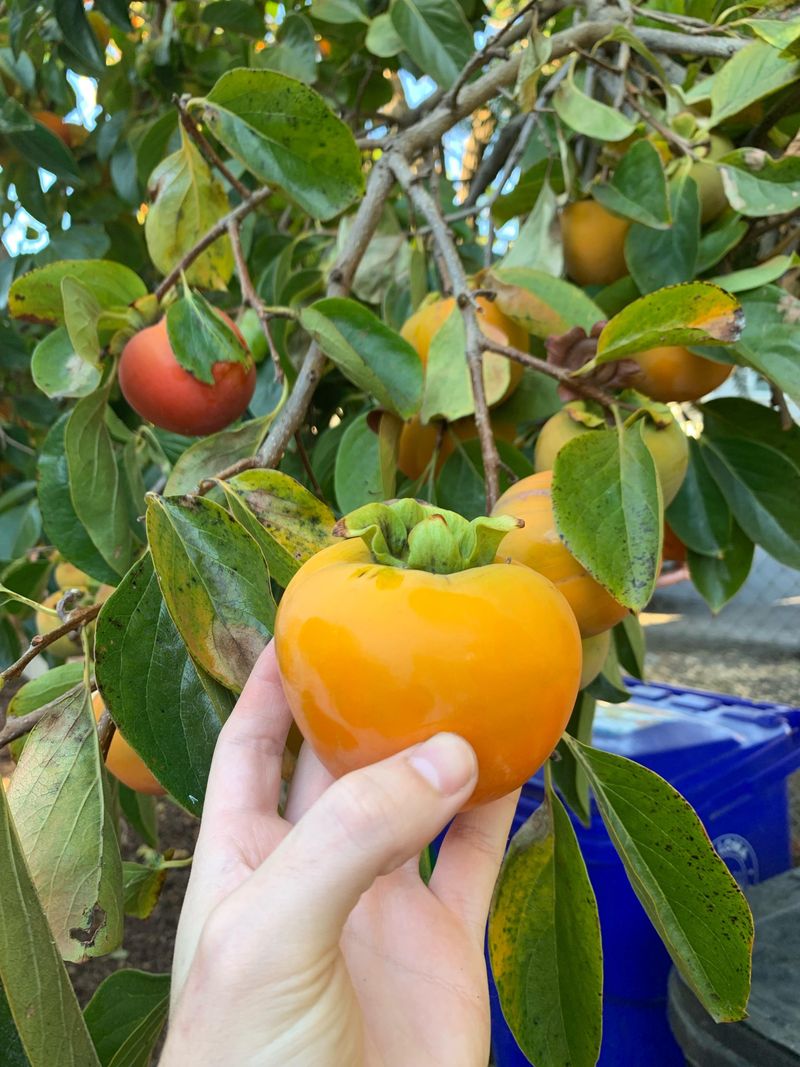
Walk through almost any older California neighborhood in the fall and you will likely spot a persimmon tree. Those bright orange fruits hanging on bare branches look almost like ornaments on a Christmas tree.
Persimmons are stunning, delicious, and surprisingly easy to grow across most of California.
There are two main types: Fuyu and Hachiya. Fuyu persimmons are firm and can be eaten right off the tree like an apple.
Hachiya persimmons need to be fully soft and ripe before eating, otherwise they taste extremely astringent. Both types grow beautifully in California’s warm climate.
Persimmon trees are remarkably low-maintenance. They are drought-tolerant once established, rarely have serious pest problems, and do not need much fertilizer.
They grow well in a wide range of soil types, which makes them one of the most forgiving fruit trees you can plant.
These trees do best in full sun and can reach 15 to 20 feet tall if left unpruned. Regular pruning keeps them at a manageable size.
Persimmons ripen in late fall, long after most other fruit trees have finished producing. That extended harvest window makes them a valuable and unique addition to any California home garden.
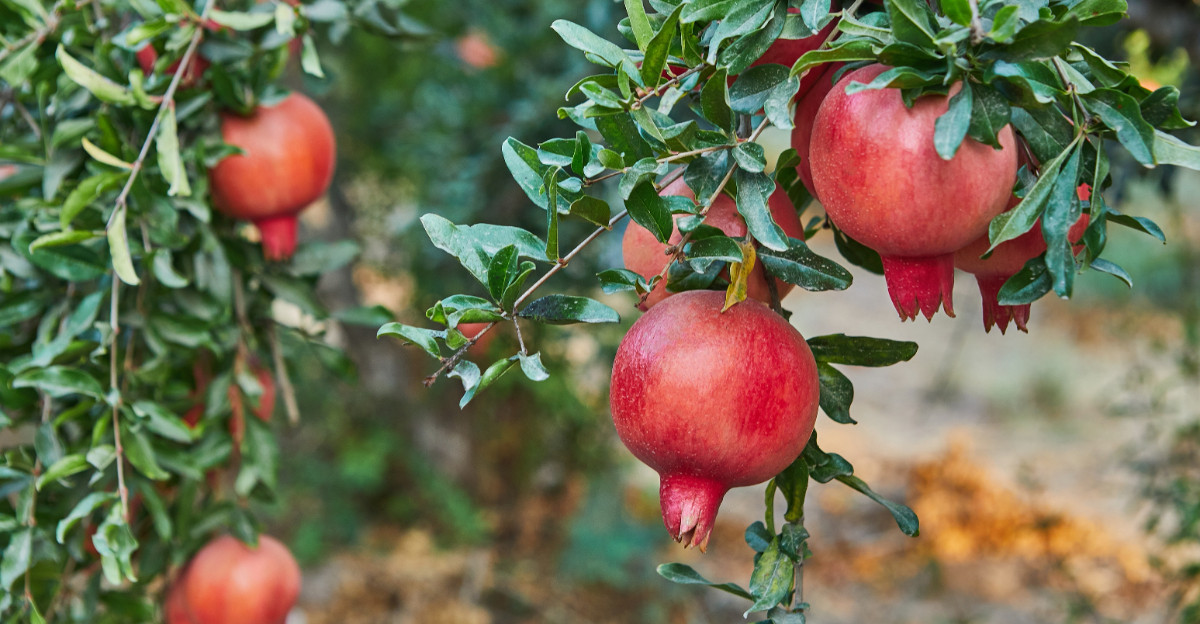
7. Pomegranate
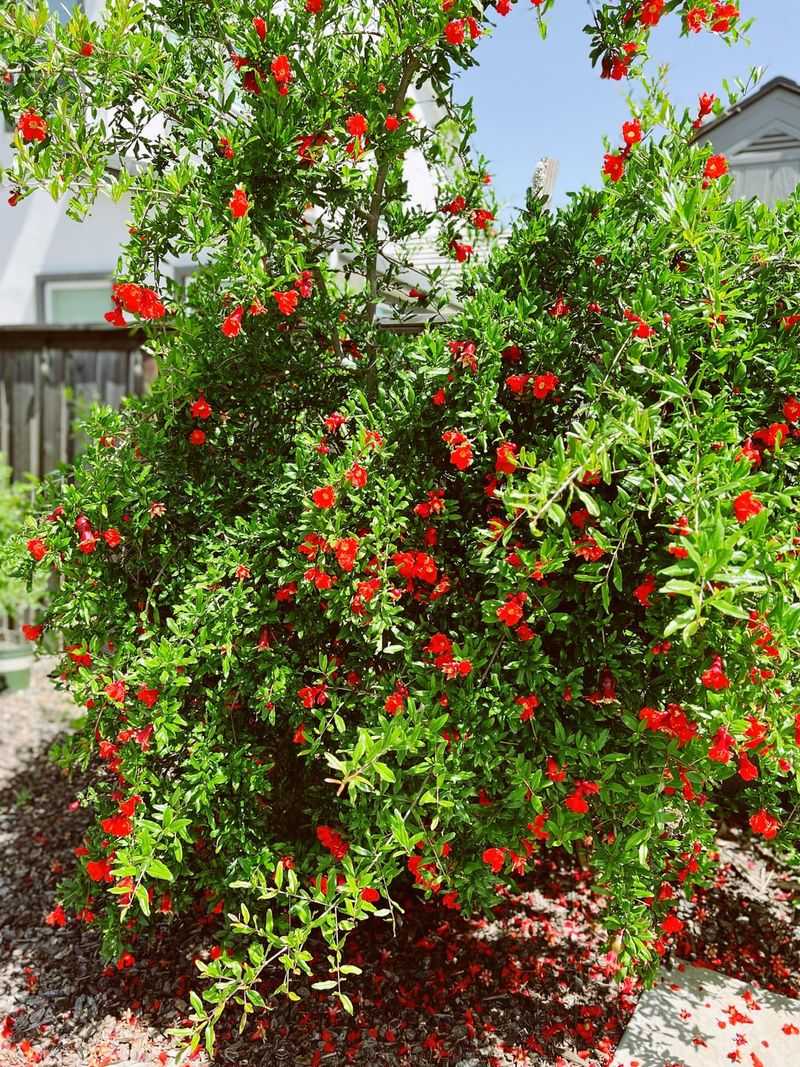
Pomegranate trees are basically built for California. They love hot, dry summers and can handle drought conditions that would stress out most other fruit trees.
If you live in an inland area like the Inland Empire, Sacramento Valley, or Central California, a pomegranate tree will practically grow itself once established.
These trees are beautiful year-round. In spring and summer, they produce bright orange-red flowers that attract pollinators.
By fall, those flowers turn into large, jewel-toned fruits filled with ruby-red seeds. The Wonderful variety is the most widely grown in California and is the same type you see in grocery stores.
Pomegranate trees are very forgiving about soil quality. They grow in sandy, clay, or loamy soil as long as it drains reasonably well.
They can even handle slightly salty soil, which is a problem in some California regions. Water them regularly the first couple of years, then cut back as they mature.
These trees are also quite cold-hardy for a subtropical plant, tolerating temperatures down to about 10 degrees Fahrenheit. Prune lightly to maintain shape and remove suckers at the base.
A pomegranate tree is one of the most heat-tolerant, low-fuss fruit trees available to California gardeners.
8. Apple
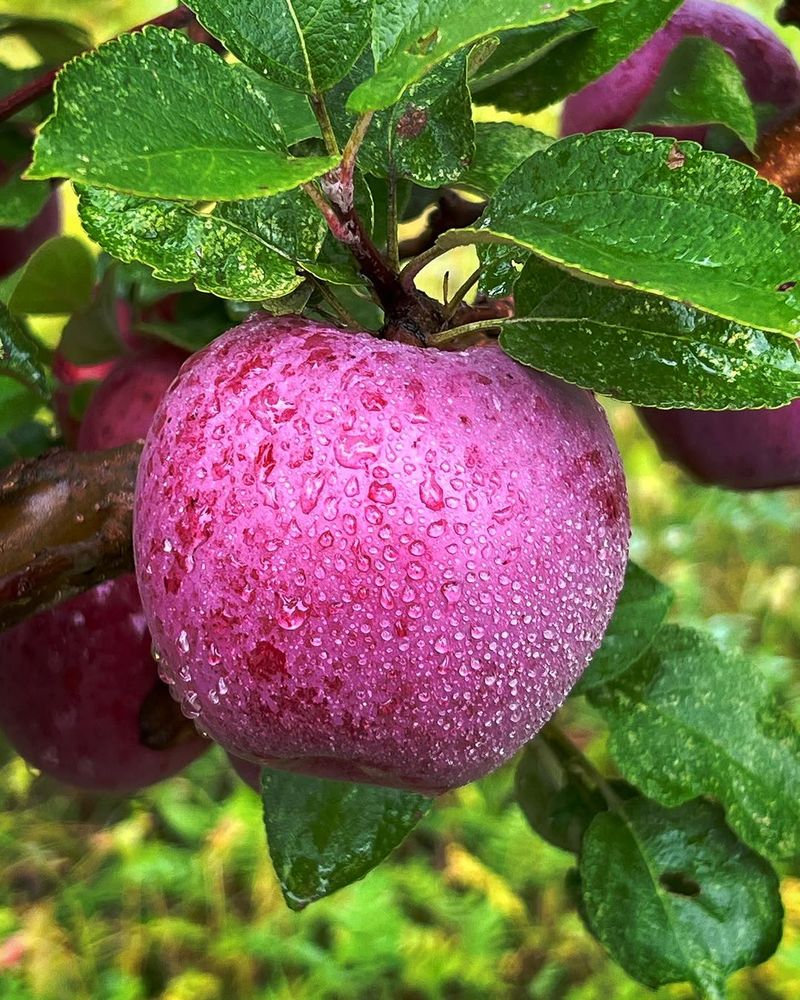
Most people assume apples only grow in cold places like Washington or New England, but California apple growers know a different truth. With the right variety, apples can thrive in many parts of the state.
The key is choosing a low-chill variety that does not need a long cold winter to produce fruit.
Varieties like Anna, Dorsett Golden, and Ein Shemer were developed specifically for warm climates and do well in Southern California and other mild areas.
In cooler spots like the Sierra Nevada foothills or coastal Northern California, more traditional varieties like Fuji and Gala perform beautifully.
Apple trees prefer full sun and well-drained soil. Most varieties need a pollination partner, so planting two different apple varieties near each other helps ensure a good crop.
Some low-chill varieties are partially self-fertile, but having a second tree always helps.
Water young trees consistently and apply a balanced fertilizer in early spring. Thin the fruit when apples are still small so the remaining ones grow bigger.
Apples ripen between summer and fall depending on the variety. With thoughtful variety selection and a good California location, growing apples at home is absolutely achievable and deeply satisfying.
9. Apricot
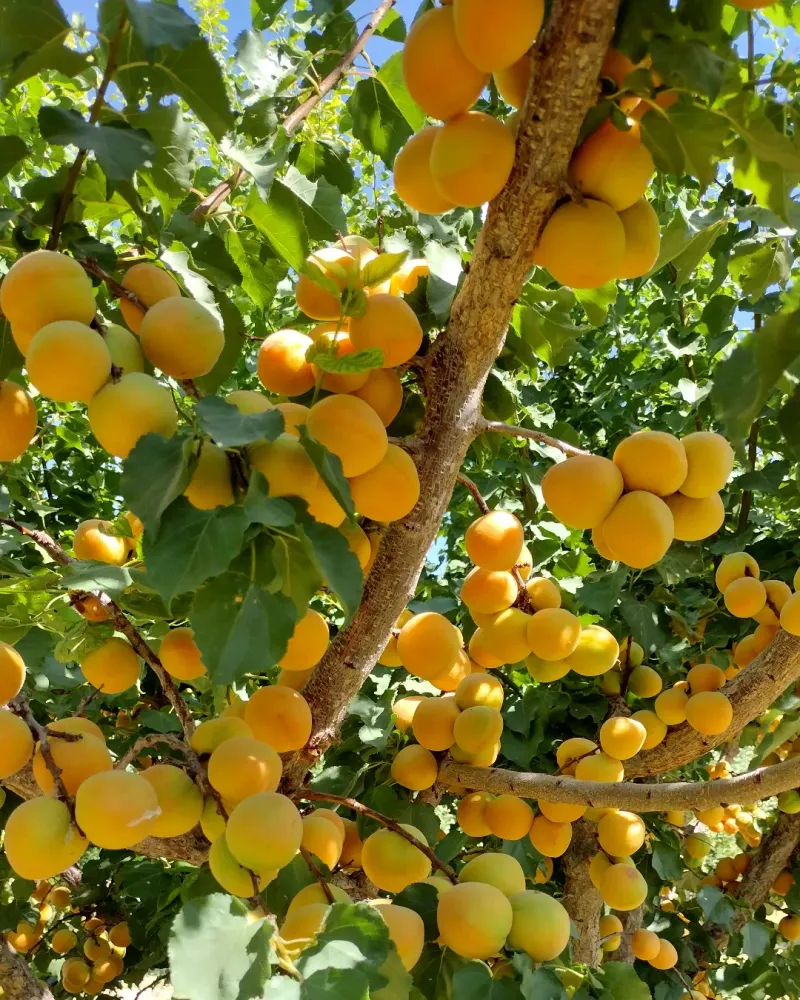
California has a long and proud history with apricots. In fact, the Santa Clara Valley was once famously called the Valley of Heart’s Delight because of its vast apricot orchards.
While those orchards have mostly given way to Silicon Valley, home gardeners across California still grow apricots with great success.
Apricot trees are one of the earliest fruit trees to bloom in spring, producing gorgeous pink and white blossoms that signal the end of winter. The fruit ripens in late spring to early summer, earlier than most other stone fruits.
That early harvest makes apricots a favorite for California gardeners who want fresh fruit as soon as possible.
These trees love heat and do best in inland California regions with warm summers and mild winters. They need some winter chill to produce fruit, but not as much as peaches or cherries.
Varieties like Blenheim and Moorpark are classic California favorites with outstanding flavor.
Plant apricots in full sun with well-draining soil. Water regularly during the growing season and reduce watering as the fruit ripens to improve sweetness.
Prune annually to maintain shape and promote new growth. Apricots are fast-growing, reliable producers that reward California gardeners with sweet, golden fruit year after year.