The 10 Easiest Indoor Plants For Massachusetts Winters
Massachusetts winters sweep in with a chill that seeps into every corner of the home, dimming light, drying air, and testing even the hardiest houseplants.
Many indoor gardens throw in the towel once daylight fades and heaters begin their constant hum.
Yet some plants take the season in stride, standing firm as dependable companions when the world outside turns cold and colorless.
They brighten rooms, lift moods, and ask for little in return—perfect partners for anyone craving greenery without the fuss.
As snow piles up and the sun ducks behind clouds for days on end, these easygoing plants refuse to sulk.
They adapt, they hold their shape, and they keep homes feeling lively when winter overstays its welcome.
Even first-time plant owners find confidence with varieties that bend instead of break under the season’s demands.
1. Cast-Iron Plant (Aspidistra elatior)
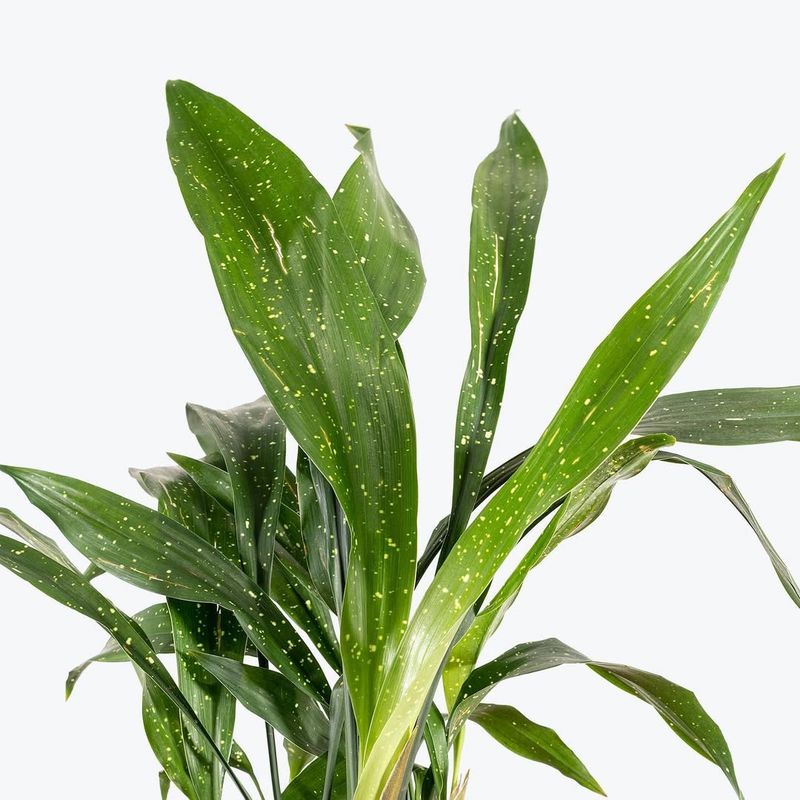
Ever wonder why this plant earned such a tough-sounding name?
Cast-Iron Plant survives conditions that would make other houseplants struggle.
Its dark green leaves stay glossy and strong even when you forget to water it for weeks.
This champion tolerates low light better than almost any other indoor plant.
Your dimly lit hallway or north-facing room becomes the perfect home for it.
The dry air from your heating system doesn’t bother it one bit.
Massachusetts winters mean less sunlight and more time indoors, making this plant ideal.
It grows slowly but steadily, never demanding much attention.
Water it only when the soil feels completely dry to the touch.
The broad leaves collect dust sometimes, so wipe them gently with a damp cloth monthly.
This simple care keeps the plant looking fresh and helps it breathe better.
Temperature swings near drafty windows won’t harm it either.
Cast-Iron Plant rarely suffers from pests or diseases.
It practically takes care of itself while adding elegant greenery to any room.
For beginners or forgetful plant parents, this sturdy beauty delivers success every single winter.
Place it anywhere and watch it thrive with minimal effort on your part.
2. Norfolk Island Pine
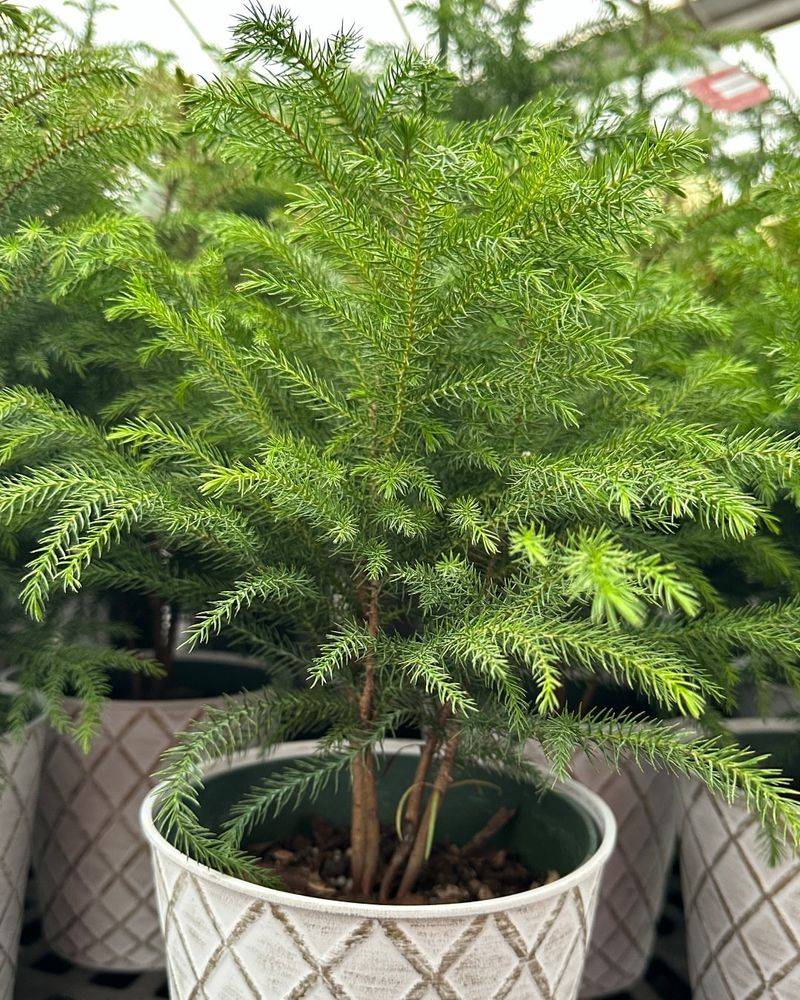
Picture a tiny Christmas tree that lives in your house all year round.
Norfolk Island Pine brings that festive feeling into your home without any fuss.
Its soft, feathery branches grow in perfect symmetrical layers that look almost magical.
This plant loves the cooler temperatures that Massachusetts winters naturally provide indoors.
Most houseplants hate cold drafts, but this pine actually prefers rooms that stay between 50 and 65 degrees.
Your unheated sunroom or cooler bedroom becomes its happy place.
Bright, indirect light works best, so position it near a window that gets good daylight.
The soil should stay slightly moist but never soggy or waterlogged.
Check it every few days and water when the top inch feels dry.
Did you know this pine comes from a tiny island in the South Pacific?
Despite its tropical origins, it adapted wonderfully to indoor life in colder climates.
Some people decorate their Norfolk Island Pines with tiny ornaments during the holidays.
The branches stay soft and won’t poke you like outdoor evergreens do.
Rotate your plant every week so all sides get equal light and grow evenly.
This keeps it looking balanced and beautiful.
With proper care, your Norfolk Island Pine can grow several feet tall over the years.
3. Chinese Evergreen (Aglaonema varieties)
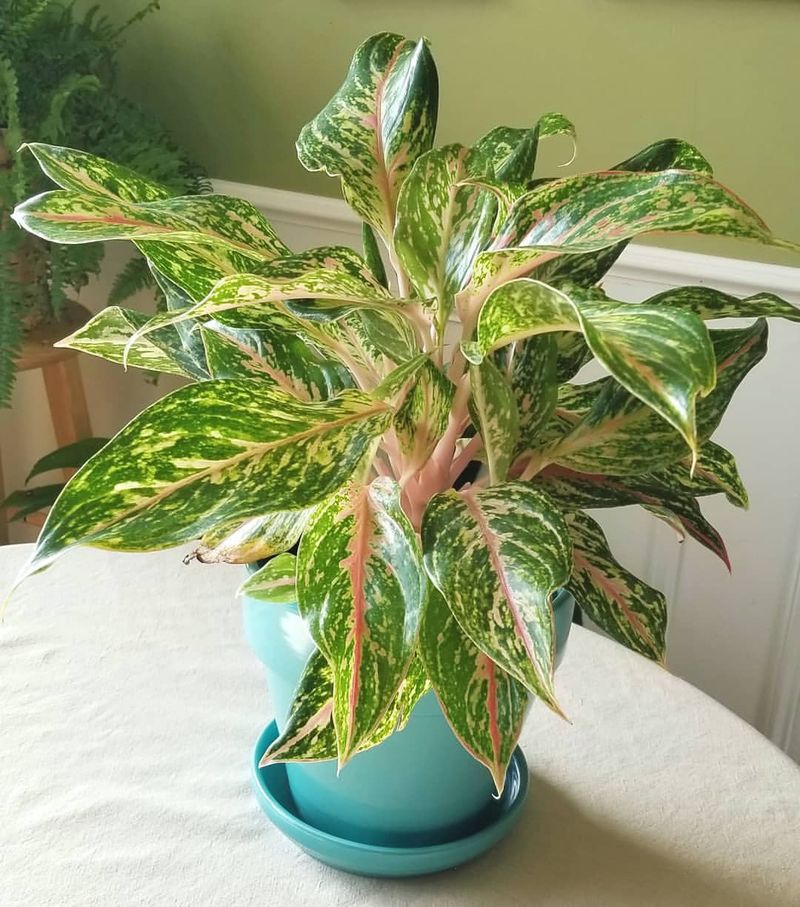
Colorful leaves that look hand-painted make Chinese Evergreen a stunning addition to any room.
Patterns of silver, pink, red, and green swirl across each leaf like an artist’s masterpiece.
You can find varieties to match almost any home decor style.
Low to medium light suits this plant perfectly, making it ideal for Massachusetts homes during short winter days.
It doesn’t complain about the dry indoor air that heaters create either.
Just keep it away from cold drafts and it will reward you with steady growth.
Watering becomes simple once you learn its rhythm.
Allow the top two inches of soil to dry out between waterings.
Overwatering causes more problems than underwatering with this forgiving plant.
Chinese Evergreen grows slowly but reliably through the winter months.
Its thick stems and sturdy leaves store moisture, helping it survive if you occasionally forget to water.
Temperatures between 60 and 75 degrees keep it comfortable and healthy.
Some varieties show more pink or red coloring in brighter light, while others stay predominantly green and silver.
Experiment with different spots in your home to see which location brings out the best colors.
Wipe the leaves monthly to remove dust and keep them vibrant.
This plant rarely attracts pests and resists most common houseplant diseases beautifully.
4. Peperomia (Raindrop, Ripple, or Obtusifolia)
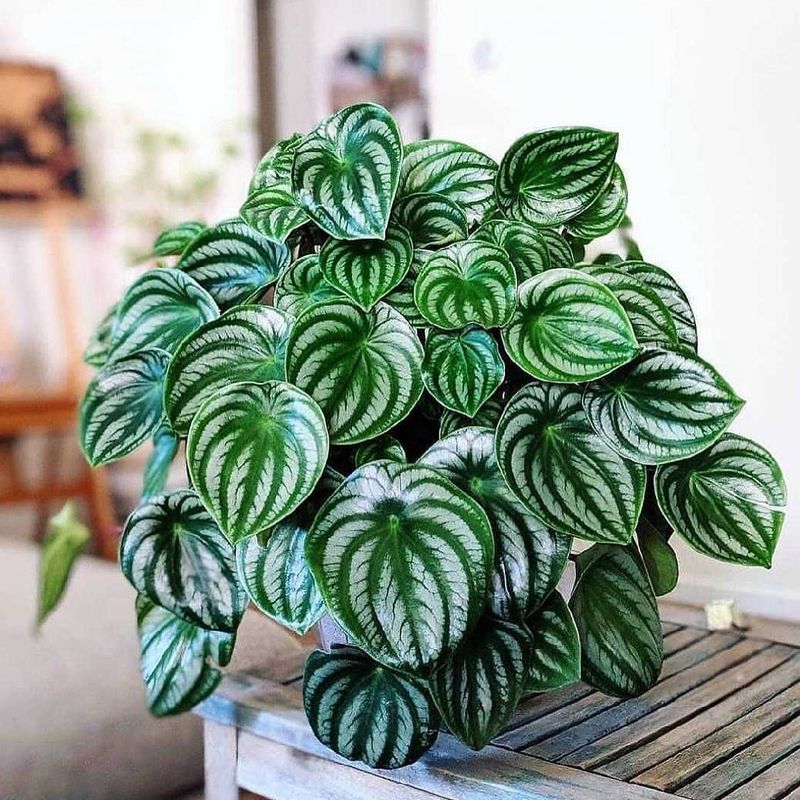
Small but mighty describes Peperomia plants perfectly.
These compact beauties fit on windowsills, desks, and shelves without taking up much space.
Their thick, succulent-like leaves store water efficiently, making them drought-tolerant champions.
Raindrop Peperomia features glossy, teardrop-shaped leaves that reflect light beautifully.
Ripple varieties show deeply textured foliage with fascinating wave patterns.
Obtusifolia types have smooth, rounded leaves in solid green or variegated cream and green.
Each variety tolerates the challenging conditions of Massachusetts winters remarkably well.
They handle lower humidity without developing brown leaf tips like many other plants.
Moderate to bright indirect light keeps them happy and growing steadily.
Water sparingly, only when the soil feels quite dry.
Their fleshy leaves hold moisture reserves, so they bounce back quickly even after mild neglect.
Avoid letting them sit in soggy soil, which can cause root problems.
Peperomias stay naturally compact and rarely need pruning or special maintenance.
They work wonderfully in terrariums or grouped together in shallow dishes.
Room temperatures between 65 and 75 degrees suit them perfectly.
These plants rarely attract pests and remain trouble-free throughout the winter.
Their varied leaf shapes and colors add interesting texture to your indoor plant collection without demanding constant attention.
5. Hoya (Wax Plant)
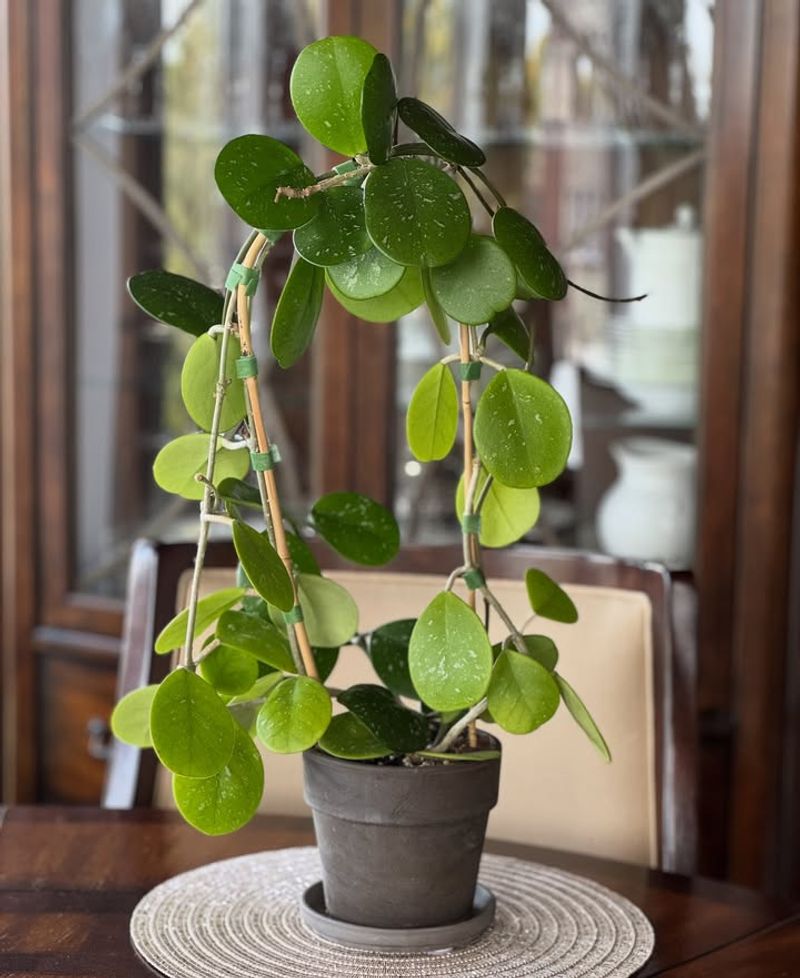
Imagine a plant that rewards patience with clusters of fragrant, star-shaped flowers.
Hoya, often called Wax Plant, produces blooms that look almost artificial because of their perfect, waxy texture.
The flowers smell sweet, especially in the evening hours.
Thick, succulent leaves help this plant survive dry indoor air without complaints.
It stores water in its foliage, making it incredibly forgiving if you forget to water occasionally.
Bright, indirect light encourages blooming, but it tolerates lower light levels during winter.
Massachusetts homes with their fluctuating indoor temperatures suit Hoyas well.
They prefer being slightly pot-bound, so don’t rush to repot them.
Water thoroughly, then allow the soil to dry out almost completely before watering again.
The trailing vines look beautiful cascading from hanging baskets or climbing small trellises.
Some varieties have plain green leaves while others show silver splashes or pink edges.
Growth slows during winter, which means even less maintenance for you.
Once a Hoya decides to bloom, it often produces flowers from the same spots year after year.
Never remove the small stems where old flowers grew.
New blooms emerge from these exact locations.
Hoyas live for decades with minimal care, becoming treasured family heirlooms.
Their toughness and beauty make them perfect companions for New England winters.
6. Dracaena Janet Craig Or Dracaena Warneckii
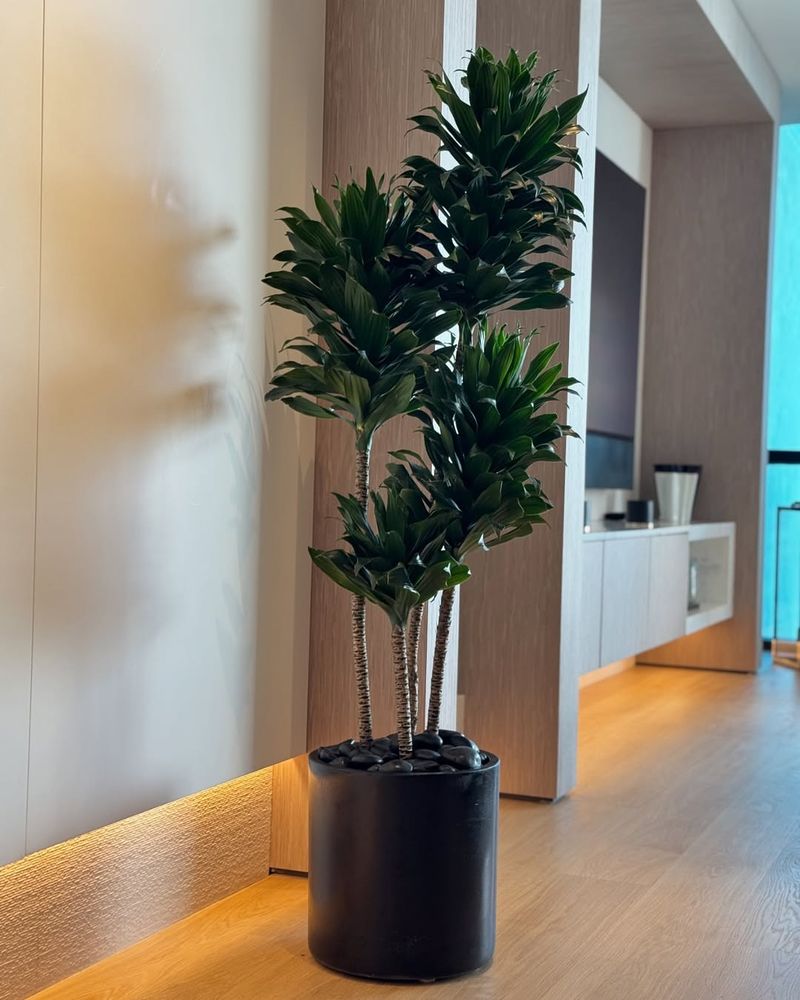
Tall, elegant, and incredibly tough—Dracaenas bring architectural beauty to any room.
Janet Craig features deep green, glossy leaves that arch gracefully from sturdy canes.
Warneckii shows striking white and green stripes that brighten darker spaces.
Both varieties excel at purifying indoor air, removing toxins while looking fantastic.
They tolerate low light conditions that would stress most other plants.
Corner spots away from windows become perfect homes for these adaptable beauties.
Dry indoor air from winter heating systems barely affects them.
Water when the top half of the soil feels dry to the touch.
They prefer slightly moist conditions but forgive occasional dryness without complaint.
Dracaenas grow slowly during winter, requiring minimal attention or feeding.
Their vertical growth pattern makes them ideal for small spaces where floor area is limited.
They can eventually reach several feet tall, creating dramatic focal points.
Brown leaf tips sometimes appear if your water contains too much fluoride or chlorine.
Let tap water sit overnight before using it, or switch to filtered water.
Simply trim off any brown tips with clean scissors.
Temperature fluctuations don’t bother these hardy plants much
They adapt to normal household temperatures between 60 and 75 degrees easily.
Rotate them monthly so all sides receive equal light exposure and grow evenly.
7. Parlor Palm
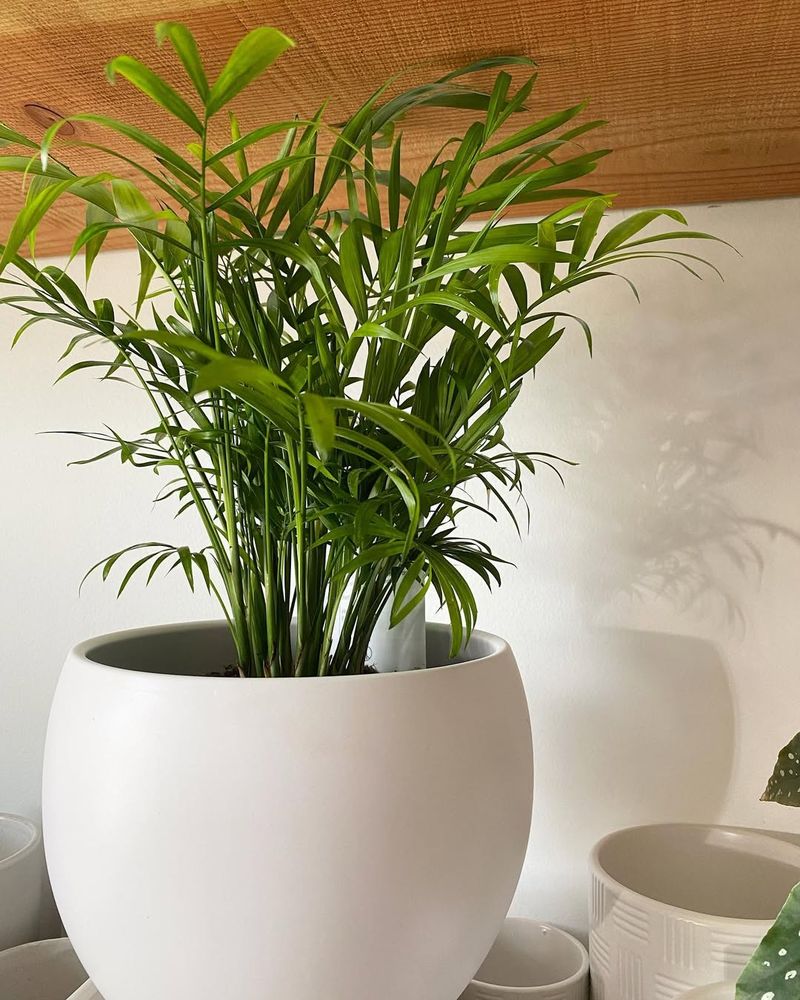
Tropical vibes in a Massachusetts winter might sound impossible, but Parlor Palm delivers exactly that.
Delicate, feathery fronds create a soft, relaxed atmosphere in any room.
This palm has been a favorite houseplant since Victorian times for good reason.
Low to medium light conditions suit it perfectly, making it ideal for rooms without bright windows.
It actually prefers shadier spots compared to most palms.
The cooler temperatures of Massachusetts homes in winter don’t stress it at all.
Parlor Palm grows slowly and stays relatively compact, rarely exceeding three to four feet indoors.
Its manageable size makes it perfect for apartments or smaller rooms.
Keep the soil consistently moist but never waterlogged or sitting in standing water.
This palm tolerates dry indoor air better than most tropical plants.
Occasional misting helps keep the fronds looking fresh and green.
Brown leaf tips can be trimmed without harming the plant’s overall health.
Place it away from heating vents and cold drafts for best results.
Normal room temperatures between 65 and 75 degrees keep it comfortable.
It rarely attracts pests and resists most common plant diseases naturally.
Parlor Palm adds an elegant, timeless look to your decor.
Its graceful fronds sway gently when you walk past, bringing movement and life to your indoor space.
This reliable palm thrives with minimal effort throughout the cold months.
8. Schefflera (Umbrella Plant)
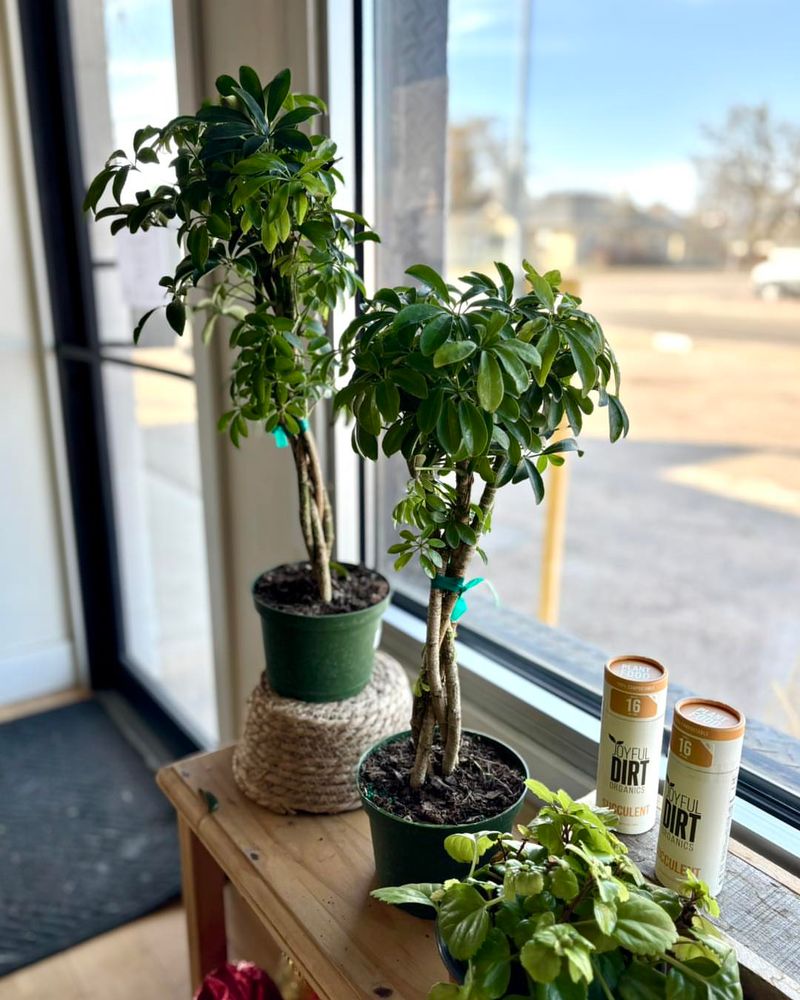
Glossy leaves arranged like umbrella spokes give Schefflera its memorable common name.
This plant grows enthusiastically even during the darkest Massachusetts winters.
Its bushy form fills empty corners and adds instant greenery to any space.
Bright, indirect light encourages the best growth, but it adapts to medium light conditions too.
The plant tolerates occasional neglect better than constant fussing.
Allow the soil to dry out between waterings to prevent root issues.
Schefflera handles temperature variations well, making it perfect for homes where thermostats get adjusted frequently.
It doesn’t mind the dry air that heating systems produce either.
Just keep it away from cold drafts near exterior doors or windows.
This plant grows quickly compared to others on this list.
You can prune it anytime to control its size and shape.
Trimming encourages bushier growth and keeps it looking neat and tidy.
Some varieties feature variegated leaves with yellow or cream markings that brighten dim rooms.
Solid green types tend to tolerate lower light even better.
Both versions remain equally easy to care for through winter.
Occasionally, pests like spider mites might appear in very dry conditions.
A quick shower in the sink or tub usually solves the problem.
Regular leaf wiping prevents most pest issues from developing.
Schefflera bounces back quickly from minor problems, proving its resilient nature time and again.
9. Calathea (Prayer-Plant Family)
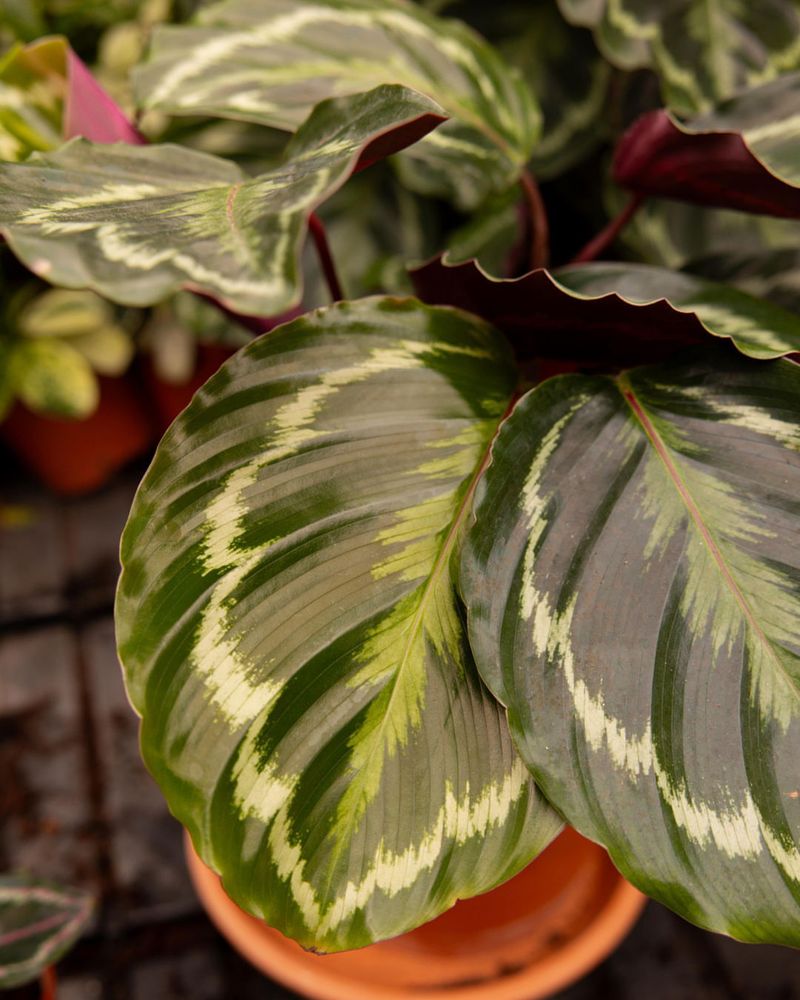
Leaves that move throughout the day create a living work of art in your home.
Calatheas fold their patterned leaves upward at night, then open them again each morning.
This fascinating behavior earned them the nickname prayer plants.
Intricate patterns and colors decorate each leaf like nature’s own paintings.
Deep greens mix with purples, pinks, and creams in stunning combinations.
Each variety offers unique markings that make them highly collectible.
Medium to low light conditions work well for these shade-lovers.
They naturally grow on forest floors in the wild, so they adapted to limited sunlight.
Massachusetts winters provide the perfect dim conditions they prefer.
Keep the soil consistently moist but not soggy or waterlogged.
They appreciate slightly higher humidity than some other plants on this list.
Group them with other plants or place them on pebble trays to increase moisture around them.
Room temperatures between 65 and 75 degrees suit them perfectly.
Avoid placing them near heating vents or cold drafts from windows.
Stable temperatures help prevent leaf curling or browning edges.
Use filtered or distilled water when possible, as they can be sensitive to chemicals in tap water.
Wipe their decorative leaves gently to keep patterns visible and vibrant.
With attention to their preferences, Calatheas reward you with stunning foliage all winter long.
10. Clivia (Natal Lily)
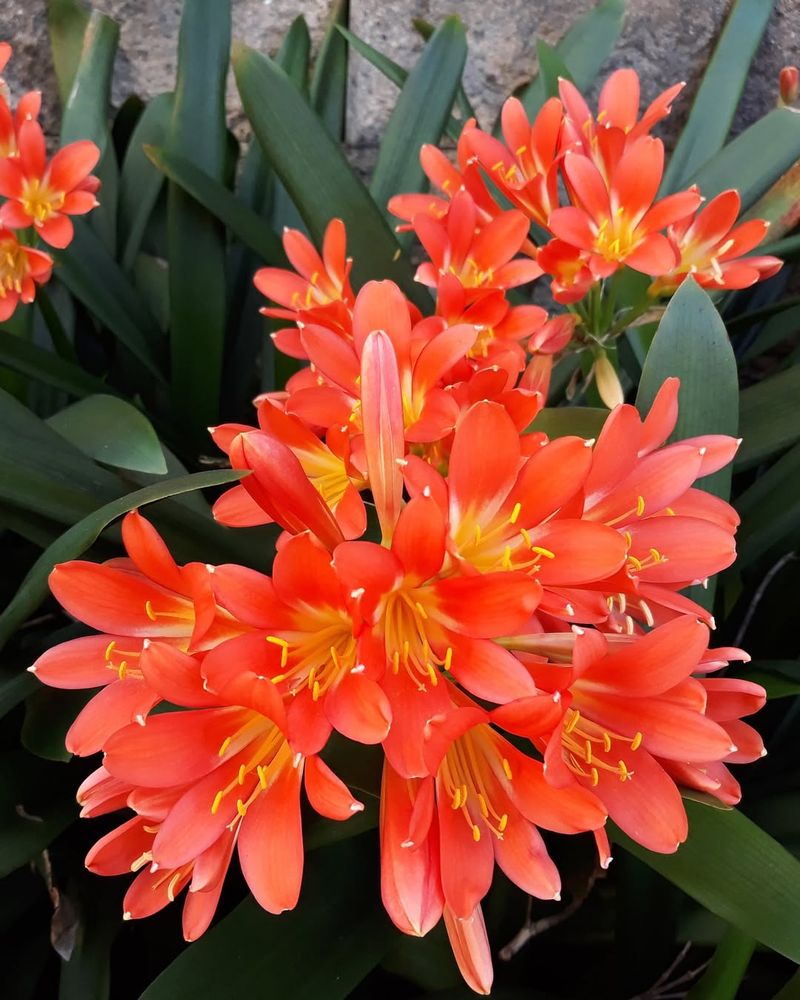
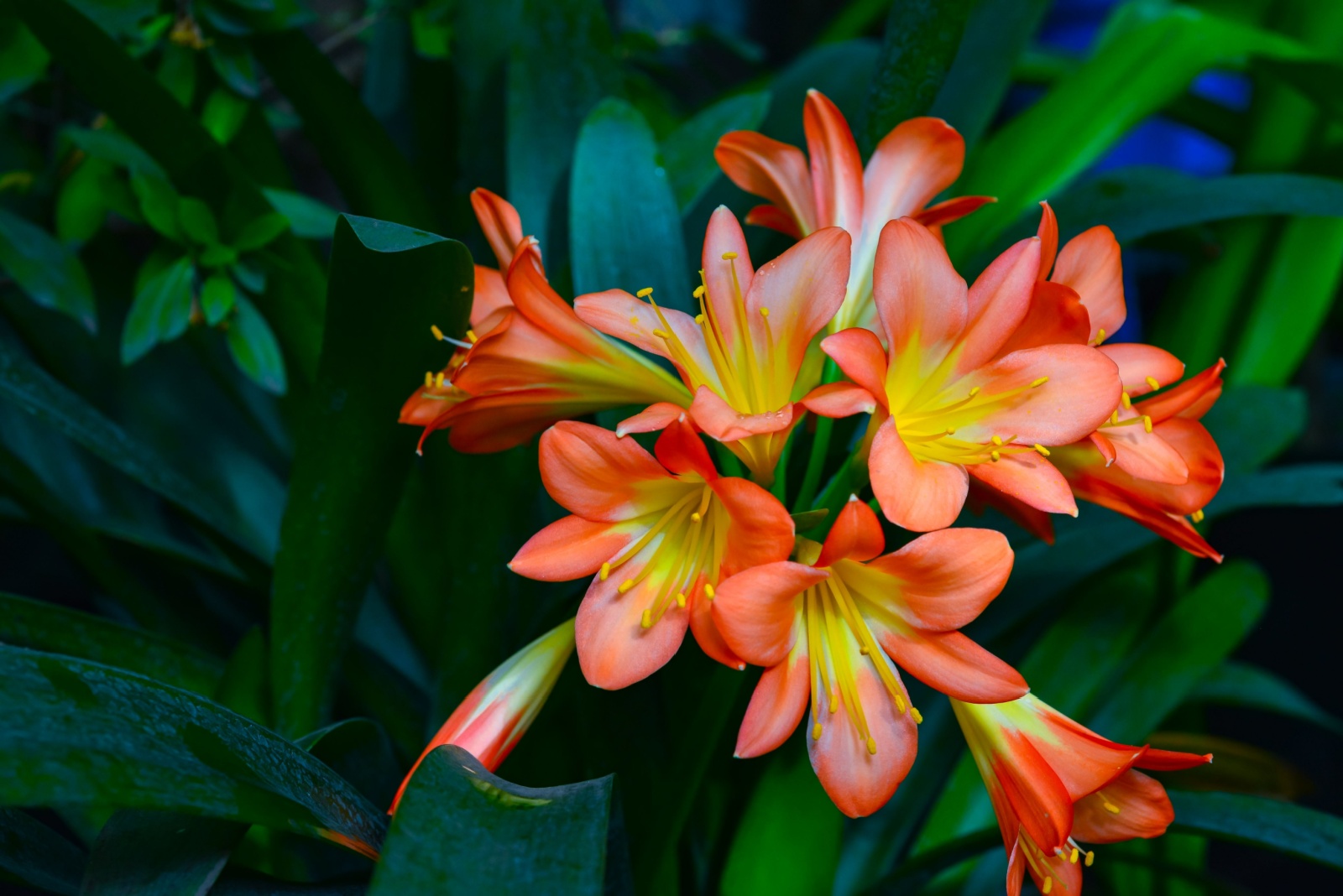
Brilliant orange or yellow flowers in the middle of winter sound too good to be true.
Clivia actually blooms during late winter or early spring, bringing spectacular color when you need it most.
Clusters of trumpet-shaped flowers rise above dark green, strap-like leaves.
This South African native thrives in the cooler temperatures that Massachusetts winters naturally provide.
It actually requires a cool rest period to trigger blooming.
Keep it in a room that stays between 50 and 60 degrees for about eight weeks in fall.
After this cool period, move it to a warmer, brighter spot and watch for flower stalks to emerge.
The dramatic blooms can last for several weeks, creating a stunning indoor display.
Medium to bright indirect light works best for encouraging flowers.
Water sparingly during the cool rest period, then increase watering as flower stalks appear.
Allow soil to dry slightly between waterings throughout the year.
Clivia stores moisture in its thick roots, making it quite drought-tolerant.
This plant prefers being pot-bound and blooms better when roots fill the container.
Repot only every three to four years when absolutely necessary.
Mature plants produce offsets that can be separated and grown into new plants.
With minimal care and the right temperature treatment, Clivia rewards you with unforgettable winter blooms year after year.