The 7 Easiest Shrubs Ohio Gardeners Can Grow
Ohio gardeners know that the state’s climate can be tricky.
Cold winters and hot summers make some plants struggle.
But shrubs are tough plants that can handle Ohio’s weather with ease.
A good shrub adds beauty to your yard all year long.
Some bloom with colorful flowers in spring.
Others show off bright berries or stunning fall colors. The best part is that many shrubs need very little work once they settle in.
Picking the right shrub makes all the difference.
You want something that survives harsh winters without extra protection.
You also need plants that can handle summer heat and Ohio’s clay soil. The shrubs on this list do all of that and more.
Beginners will love how forgiving these plants are. Experienced gardeners appreciate their reliable performance year after year.
Each shrub brings something special to your landscape.
Some attract butterflies and birds.
Others create privacy screens or add structure to garden beds.
You can plant these shrubs in sun or shade, depending on the variety. Most need only occasional watering after they establish roots.
Pruning is simple and often optional. With minimal effort, you’ll enjoy beautiful, healthy shrubs that make your Ohio garden shine.
1. Burning Bush
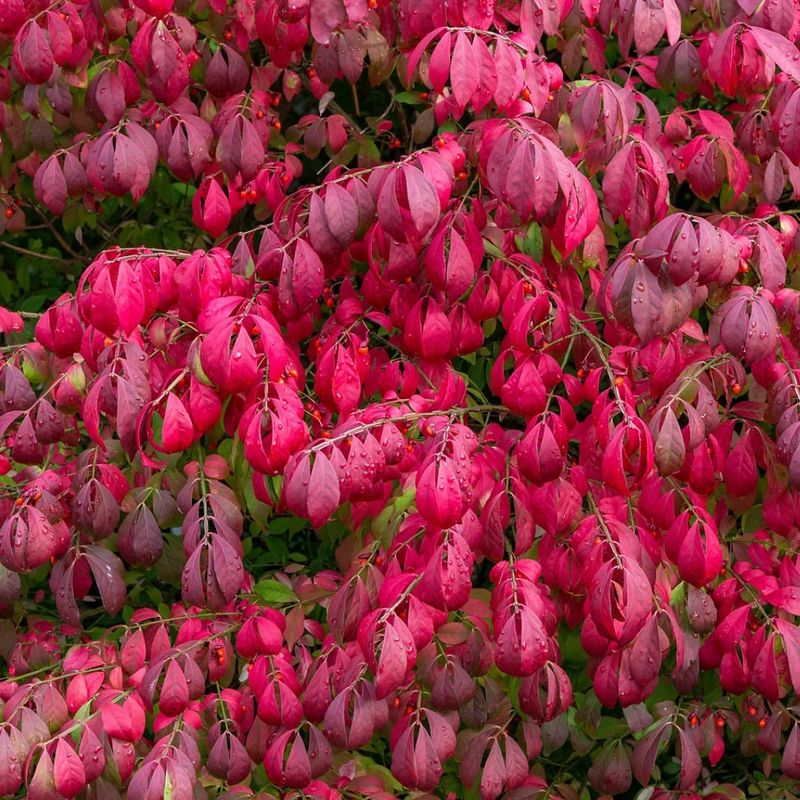
Brilliant crimson leaves make this shrub a fall superstar in Ohio yards.
Burning bush earns its dramatic name when autumn arrives and transforms its green foliage into flames of red.
The color show lasts for weeks, giving you plenty of time to enjoy the display.
During spring and summer, the shrub maintains a neat, rounded shape with dark green leaves.
It grows well in full sun or partial shade, making it adaptable to different spots in your landscape.
The plant reaches about six to eight feet tall and wide at maturity, though you can keep it smaller with pruning.
Ohio’s cold winters pose no threat to burning bush.
It handles temperatures well below zero without any damage.
The shrub also tolerates drought once established, so you won’t spend much time watering.
Clay soil doesn’t bother this tough plant either.
Just make sure the area drains reasonably well to prevent root problems.
Burning bush rarely suffers from pests or diseases, which means less work for you.
Plant it as a focal point in your yard or use several to create a hedge.
The vibrant fall color works beautifully against evergreens or as a backdrop for late-season flowers.
With almost zero maintenance required, burning bush rewards Ohio gardeners with reliable beauty year after year.
2. Spirea
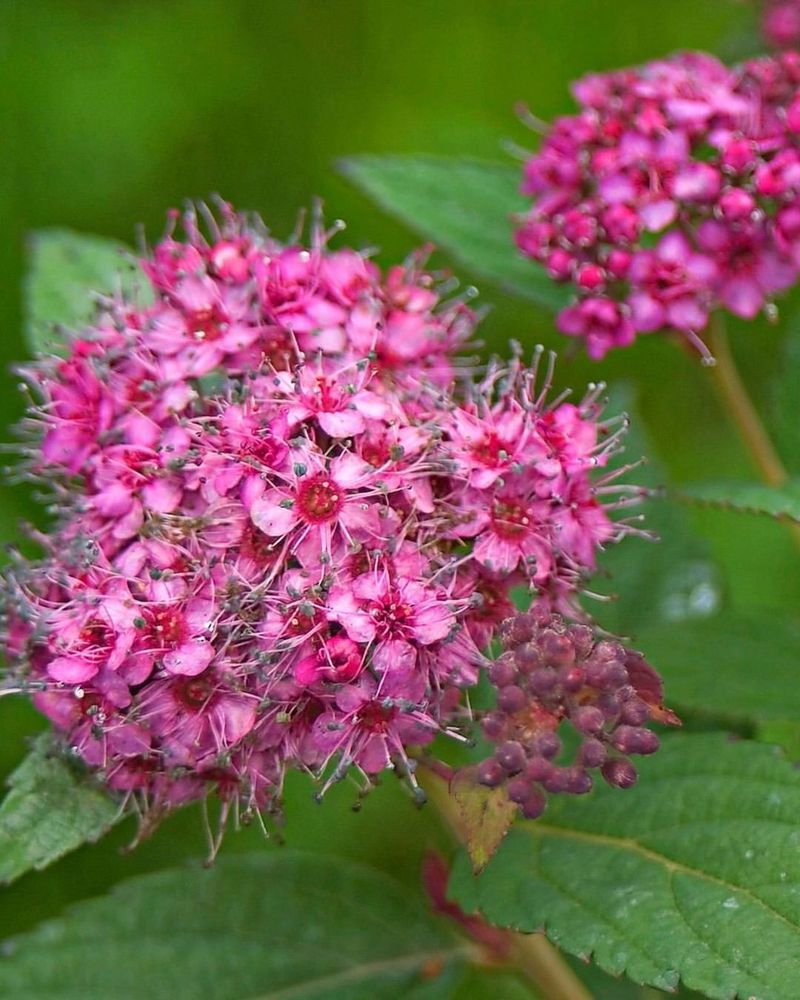
Cascades of tiny flowers cover this charming shrub each spring, creating clouds of white or pink blooms.
Different spirea varieties offer various flower colors and bloom times, so you can choose what fits your garden best.
Some types bloom in early spring, while others wait until early summer.
The arching branches give spirea an elegant, fountain-like shape that looks natural in any landscape.
Most varieties stay compact, reaching only three to four feet tall, making them perfect for foundation plantings or borders.
After the flowers fade, many spireas develop colorful foliage that adds interest through fall.
Ohio gardeners love spirea because it thrives with minimal attention.
The shrub handles cold winters without protection and bounces back quickly each spring.
It grows well in full sun and tolerates a range of soil types, including Ohio’s heavy clay.
Pruning is simple and only needed to maintain shape or remove old branches.
Many gardeners skip pruning altogether and still enjoy beautiful plants.
Spirea resists most pests and diseases, so you won’t battle problems constantly.
Plant spirea along walkways, in mixed borders, or as a low hedge.
Butterflies and bees flock to the flowers, adding life to your garden.
With dozens of varieties available, you can find the perfect spirea for any sunny spot in your Ohio yard.
3. Boxwood
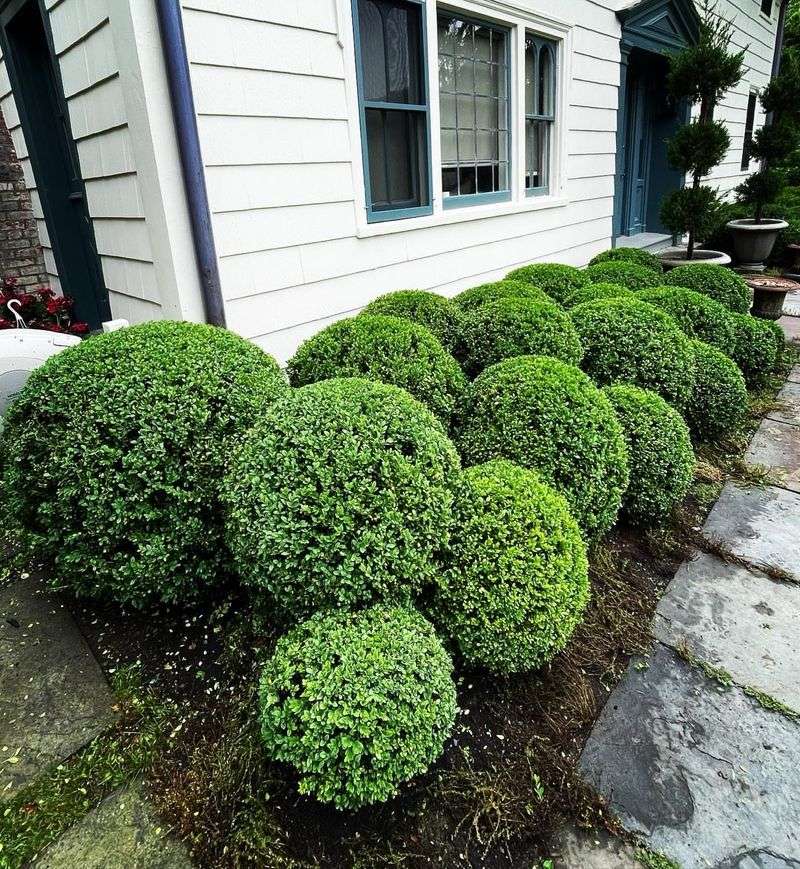
Dense evergreen foliage makes boxwood a year-round favorite for Ohio landscapes.
Small, glossy leaves stay green through all four seasons, providing structure and color even in the depths of winter.
The compact growth habit makes boxwood ideal for formal gardens or casual landscapes alike.
You can shape boxwood into almost any form you imagine.
Many gardeners create perfect spheres, cubes, or neat hedges with regular trimming.
Others prefer the natural, slightly rounded shape that develops with minimal pruning.
The shrub grows slowly, so you won’t need to trim it constantly to maintain your desired size.
Ohio winters can be tough, but boxwood handles cold temperatures without browning or damage.
Choose varieties bred for cold climates to ensure the best performance.
The shrub prefers partial shade but tolerates full sun in Ohio’s climate, especially with adequate moisture.
Boxwood adapts to various soil types and rarely faces serious pest problems.
It does appreciate consistent moisture, particularly during hot summers and dry spells.
A layer of mulch helps keep roots cool and moist.
Use boxwood to frame entryways, line walkways, or create garden rooms.
The evergreen foliage provides a perfect backdrop for colorful flowers and seasonal plants.
With its timeless appeal and low maintenance needs, boxwood remains a top choice for Ohio gardeners who want reliable, elegant shrubs.
4. Hydrangea
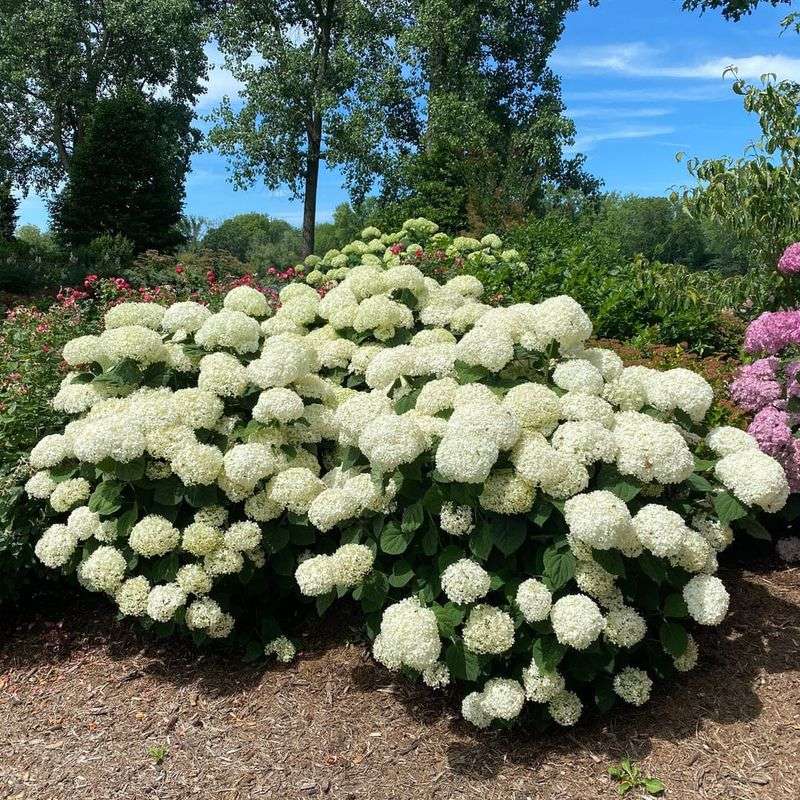
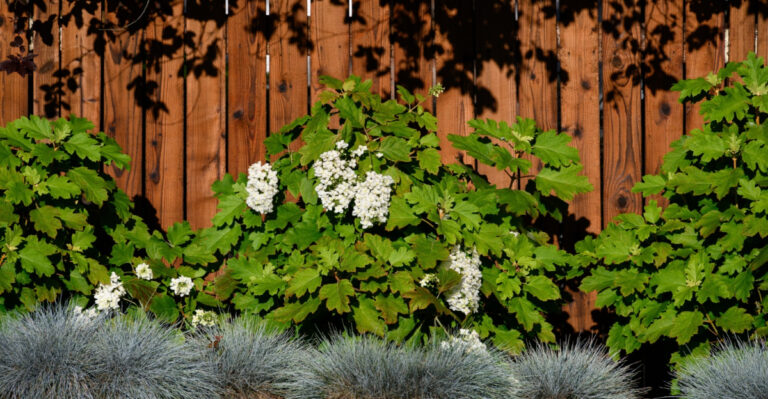
Massive flower clusters as big as dinner plates make hydrangea a showstopper in Ohio gardens.
Blooms appear in mid to late summer when many other shrubs have finished flowering.
The flowers last for weeks, gradually changing color as they age, which extends the display even longer.
Different hydrangea types offer various flower shapes and colors.
Bigleaf hydrangeas produce round or lacecap blooms in shades of blue, pink, or purple.
The flower color often depends on your soil’s acidity, which adds an interesting twist to gardening.
Panicle hydrangeas develop cone-shaped white flowers that turn pink as they mature.
Ohio’s climate suits hydrangeas perfectly.
Most varieties handle cold winters well, especially panicle and smooth hydrangeas.
The shrubs prefer partial shade but tolerate more sun if they receive adequate water.
Morning sun with afternoon shade creates ideal conditions for healthy growth and abundant blooms.
Hydrangeas need consistent moisture to perform their best.
The large leaves and flowers require regular watering during dry periods.
Mulch helps retain soil moisture and keeps roots cool during hot Ohio summers.
Plant hydrangeas in mixed borders, as foundation plants, or in woodland gardens.
The dried flowers look beautiful in fall and winter arrangements.
With proper placement and occasional watering, hydrangeas reward Ohio gardeners with spectacular blooms and reliable performance season after season.
5. Forsythia
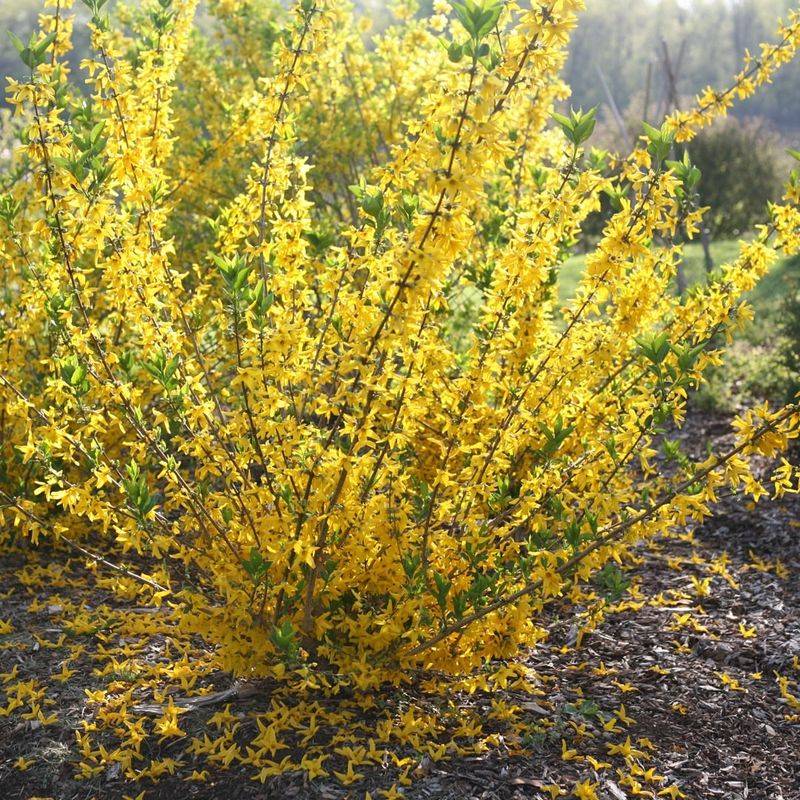
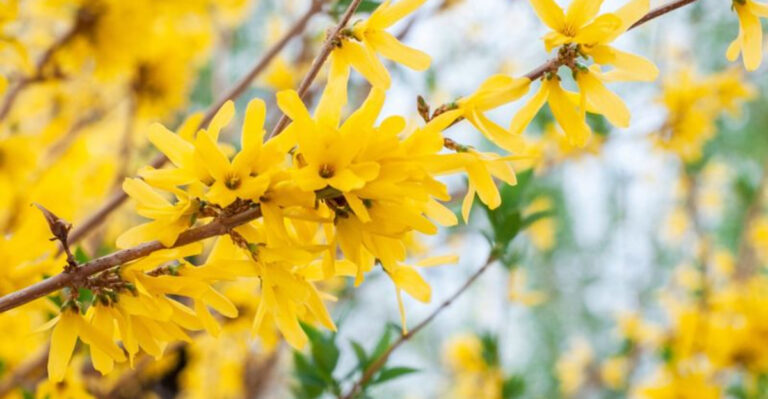
Bright yellow flowers burst open on bare branches in early spring, announcing that winter has finally ended.
Forsythia blooms before most other plants wake up, creating a cheerful splash of color when Ohio landscapes still look drab.
The golden display lasts about two weeks, transforming the shrub into a glowing beacon of spring.
After the flowers fade, green leaves emerge and cover the arching branches.
The foliage provides a pleasant backdrop for other plants throughout summer.
Some varieties develop yellowish fall color before dropping their leaves for winter.
The shrub grows quickly, reaching six to ten feet tall and wide, making it excellent for screening or filling large spaces.
Ohio winters never faze forsythia.
The shrub survives extreme cold without any protection or damage to flower buds.
It thrives in full sun but tolerates partial shade, though you’ll get fewer flowers in shadier spots.
Forsythia adapts to almost any soil type and handles drought well once established.
Maintenance is minimal with this tough shrub.
Prune right after flowering if you want to control size or shape.
Forsythia rarely suffers from pests or diseases, making it truly carefree.
Plant forsythia as a hedge, specimen, or mass planting for maximum impact.
The early blooms provide nectar for hungry bees emerging from winter dormancy.
For Ohio gardeners who want reliable spring color with zero fuss, forsythia delivers every single year.
6. Ninebark
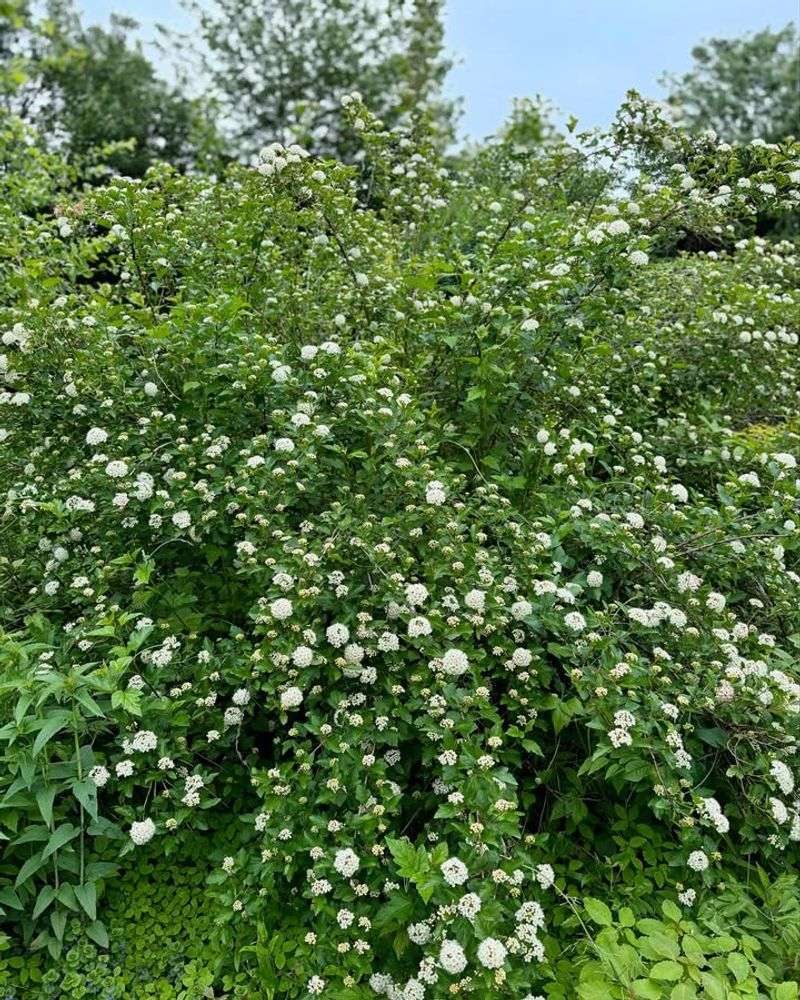
Colorful foliage steals the show with this native Ohio shrub that offers beauty from spring through fall.
Ninebark varieties come with leaves in shades of burgundy, gold, or green, providing constant color even when flowers aren’t present.
The foliage creates stunning contrasts in mixed plantings and adds drama to any landscape design.
Clusters of small white or pink flowers appear in late spring, attracting pollinators to your garden.
After the blooms fade, interesting seed heads develop and persist into winter.
The bark itself provides year-round appeal, peeling in multiple layers to reveal different shades underneath, which explains the plant’s common name.
Ohio’s native plant, ninebark, handles the state’s weather extremes without complaint.
Cold winters and hot summers don’t stress this tough shrub.
It grows in full sun to partial shade and adapts to various soil conditions, including clay and rocky ground.
Ninebark even tolerates occasional flooding, making it useful near downspouts or low-lying areas.
The shrub reaches five to eight feet tall depending on the variety.
Pruning is optional and mainly done to control size or rejuvenate older plants.
Ninebark resists deer browsing and rarely faces pest or disease problems.
Use ninebark in mixed borders, as a hedge, or in naturalized plantings.
The colorful foliage pairs beautifully with both flowers and evergreens.
For Ohio gardeners who want a native plant that requires almost no care, ninebark proves itself season after season.
7. Potentilla
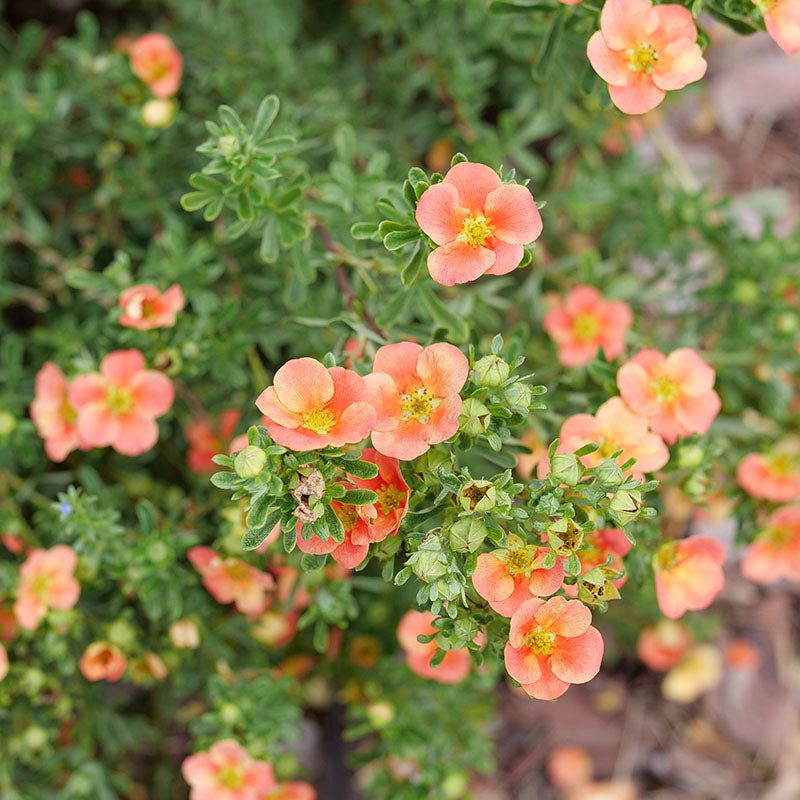
Cheerful flowers keep coming all summer long on this compact shrub that never seems to take a break.
Potentilla blooms from June through September, providing continuous color when many other shrubs have finished their show.
The small, rose-like flowers appear in shades of yellow, white, pink, or orange, depending on the variety you choose.
The shrub stays small, typically reaching only two to four feet tall and wide.
Its compact size makes potentilla perfect for front yard plantings, rock gardens, or edging along walkways.
The fine-textured foliage creates a soft, delicate appearance that contrasts nicely with bolder plants.
Ohio gardeners appreciate how tough potentilla proves to be.
The shrub handles cold winters without damage and bounces back vigorously each spring.
It thrives in full sun and tolerates poor soil, drought, and even road salt, making it ideal for challenging locations.
Potentilla actually performs better in lean soil than in rich, fertile ground.
Maintenance is practically nonexistent with this shrub.
No pruning is required, though you can trim it lightly in early spring if desired.
Pests and diseases rarely bother potentilla, so you won’t spend time treating problems.
Plant potentilla in groups for maximum impact or use it as a low hedge.
The long bloom season attracts butterflies and provides nectar throughout summer.
For Ohio gardeners who want nonstop flowers with minimal work, potentilla delivers reliable performance in even the toughest conditions.