The Easiest Way North Carolina Gardeners Multiply Spider Plants In Water
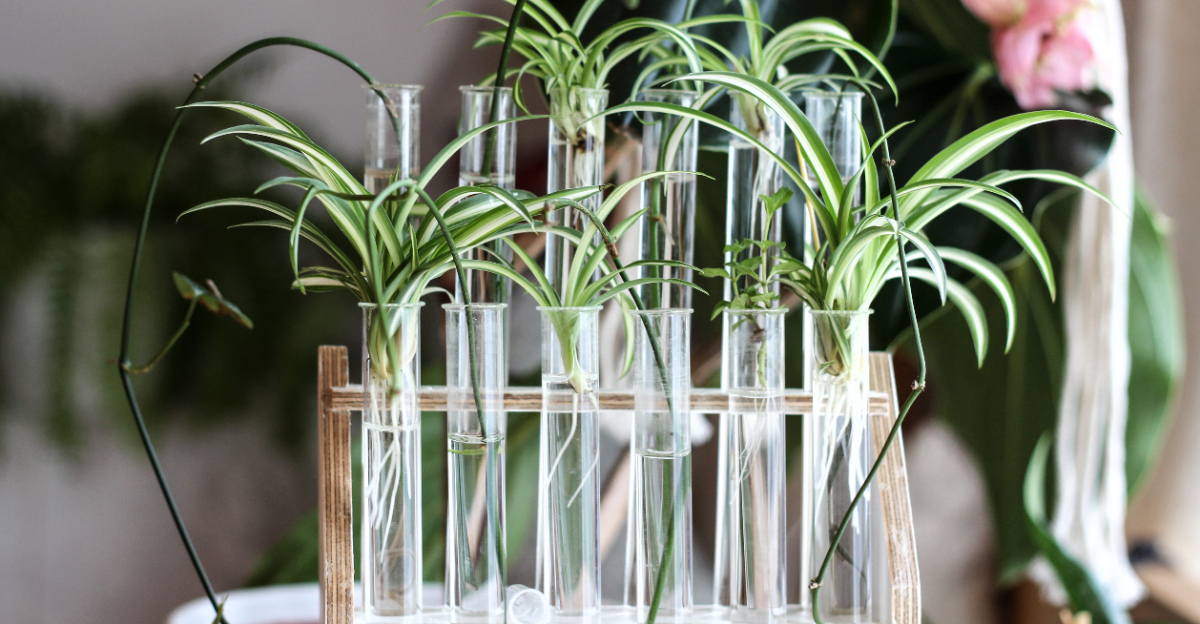
Spider plants practically want to be multiplied. Across North Carolina, many plant lovers find that propagating them in water is one of the simplest and most satisfying ways to grow new plants without much effort.
The process feels quick, clean, and surprisingly reliable, which is why it has become a favorite method for both beginners and experienced gardeners.
Most start by placing healthy spider plant offshoots in a clear container of water, keeping the base just submerged while the leaves stay dry.
Bright, indirect light and fresh water help roots form steadily, often within days. As the roots grow longer and stronger, the new plant becomes ready to move into soil, where it continues developing with very little fuss.
The whole process feels easy to manage and rewarding to watch. For many North Carolina gardeners, multiplying spider plants this way keeps their indoor spaces full, lively, and always growing.
Root Spider Plant Offsets Directly In Water
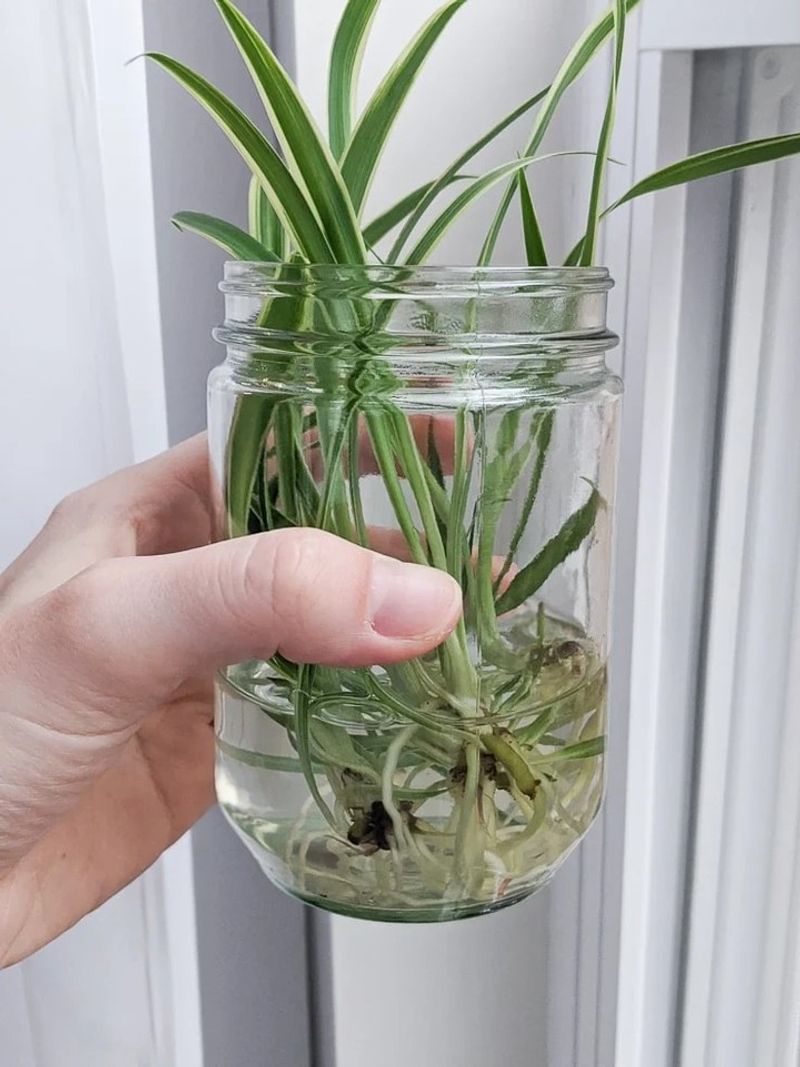
Spider plant babies make propagation incredibly straightforward because they come ready to root. You simply snip off a healthy offset from the mother plant and place it in a container of clean water.
The key is making sure those tiny bumps at the base stay underwater while the leaves remain above the surface.
Choose a clear glass or jar so you can watch the magic happen. Fill it with room temperature water about two to three inches deep. Position the plantlet so the small nodes at its base are fully submerged but the leaves stay dry and supported by the rim.
Within days, you’ll notice changes as the nodes begin swelling. Small white roots will emerge and grow longer each day.
This method works beautifully because spider plants naturally want to multiply and those offsets are biologically programmed to root quickly when given the right conditions.
Most North Carolina homes provide perfect indoor environments for this process. The plantlet doesn’t need any special equipment or rooting hormones.
Just patience and fresh water will transform that little offset into a fully rooted plant ready for soil within a couple of weeks, giving you a brand new spider plant at zero cost.
Offsets Already Contain Root Nodes
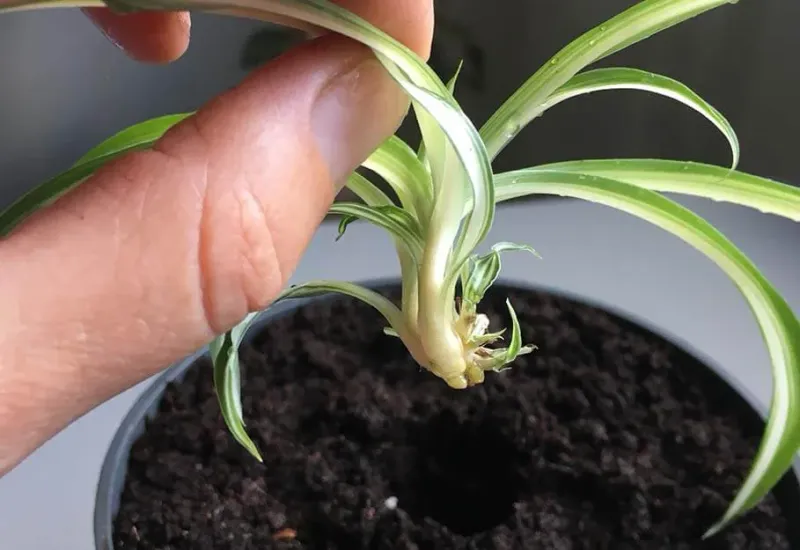
Nature designed spider plants with a clever built-in advantage for reproduction. Every offset that forms on those long arching stems comes equipped with tiny root primordia, which are essentially pre-formed root structures just waiting for the right trigger.
These small bumps might look insignificant, but they hold tremendous potential for rapid growth. When you examine a spider plant baby closely, you’ll spot these nodes as pale bumps clustered at the base.
They appear even before the plantlet touches water or soil. This biological preparation means the offset doesn’t need to generate root tissue from scratch like many other plant cuttings must do.
The moment these nodes contact water, they activate and begin expanding. Cells multiply quickly because the groundwork already exists.
This head start explains why spider plant propagation succeeds so reliably compared to more difficult plants that require perfect conditions and longer waiting periods.
For North Carolina gardeners working indoors during any season, this natural advantage makes the process almost foolproof.
The offset’s built-in root structures respond to water by developing into a full root system within days. Understanding this biology helps you appreciate why spider plants earned their reputation as one of the easiest houseplants to multiply and share with friends.
Bright Indirect Light Supports Root Development
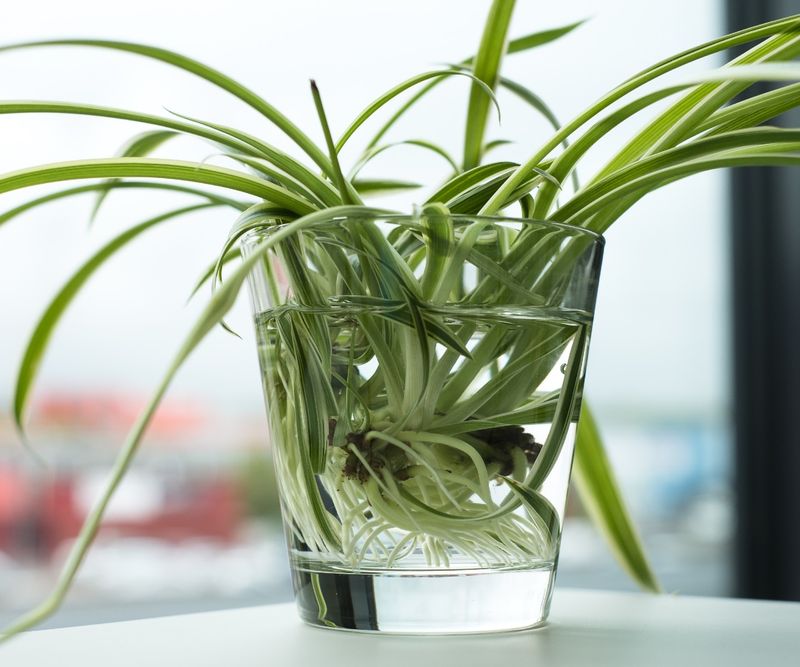
Lighting plays a surprisingly important role in successful water propagation. Spider plant cuttings need enough brightness to fuel photosynthesis and energy production, but harsh direct sunlight can stress the plantlet before roots develop.
Finding that sweet spot makes all the difference in how quickly and healthily your offset establishes itself. Place your water-filled container near a window that receives plenty of natural light throughout the day.
East or north-facing windows work wonderfully in North Carolina homes. If you only have south or west exposure, pull the container back a few feet or use a sheer curtain to filter the intensity.
Bright indirect light encourages steady root growth without causing leaf burn or excessive water evaporation.
The plantlet can focus its energy on developing strong roots rather than defending itself from sun damage. You’ll notice faster rooting and healthier green foliage when light levels stay consistent and moderate.
Avoid placing your propagation container in dim corners or rooms without windows. Insufficient light slows the rooting process dramatically and may cause the offset to languish without making progress.
Similarly, don’t set it in direct afternoon sun where temperatures spike and water heats up. That balanced brightness keeps everything moving forward smoothly, giving you robust roots ready for transplanting in record time.
Maintain Indoor Temperatures Between 65–75°F
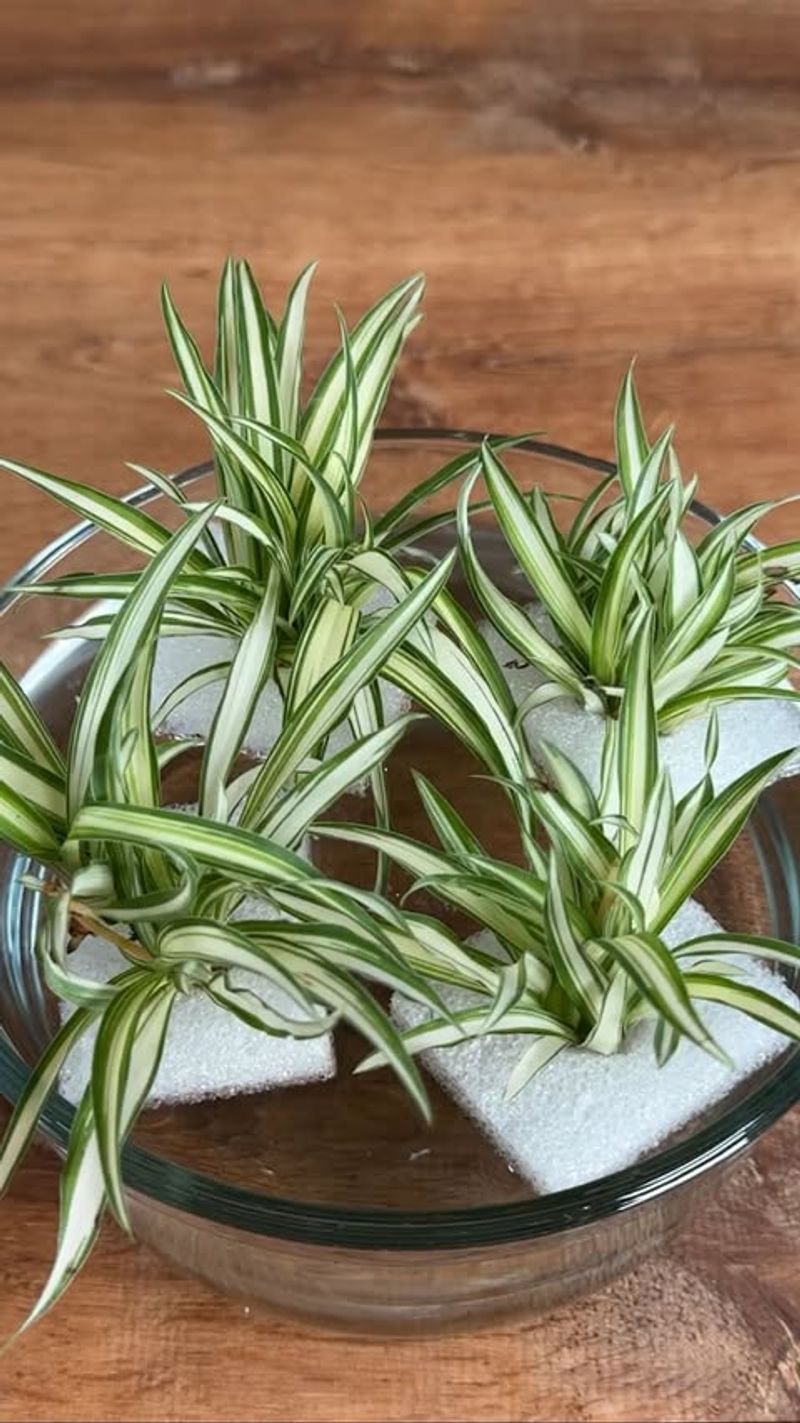
Temperature stability matters more than most gardeners realize when rooting spider plants in water. These tropical natives prefer consistent warmth that matches typical indoor comfort levels.
Fortunately for North Carolina residents, most homes naturally maintain the ideal range during propagation efforts, making this requirement almost automatic.
Spider plant offsets root most vigorously when temperatures hover between 65 and 75 degrees Fahrenheit. This range keeps cellular activity humming along at an optimal pace. Too cold and the rooting process slows to a crawl or stops entirely.
Too hot and the plantlet may stress or develop weak, spindly roots. Winter heating systems in North Carolina homes usually keep indoor spaces comfortably within this zone. Spring and fall temperatures also align perfectly without any special adjustments needed.
Even during summer months, air conditioning maintains the moderate conditions that spider plants love for propagation. Avoid placing your water container near heating vents, radiators, or drafty windows where temperature swings occur.
Those fluctuations confuse the plant’s growth patterns and may delay root formation. Similarly, keep propagating offsets away from exterior doors that open frequently, introducing blasts of cold or hot outdoor air.
Steady temperatures create steady growth, transforming your spider plant baby into a rooted success story within the expected timeline.
Use Clean, Chlorine-Free Or Settled Water
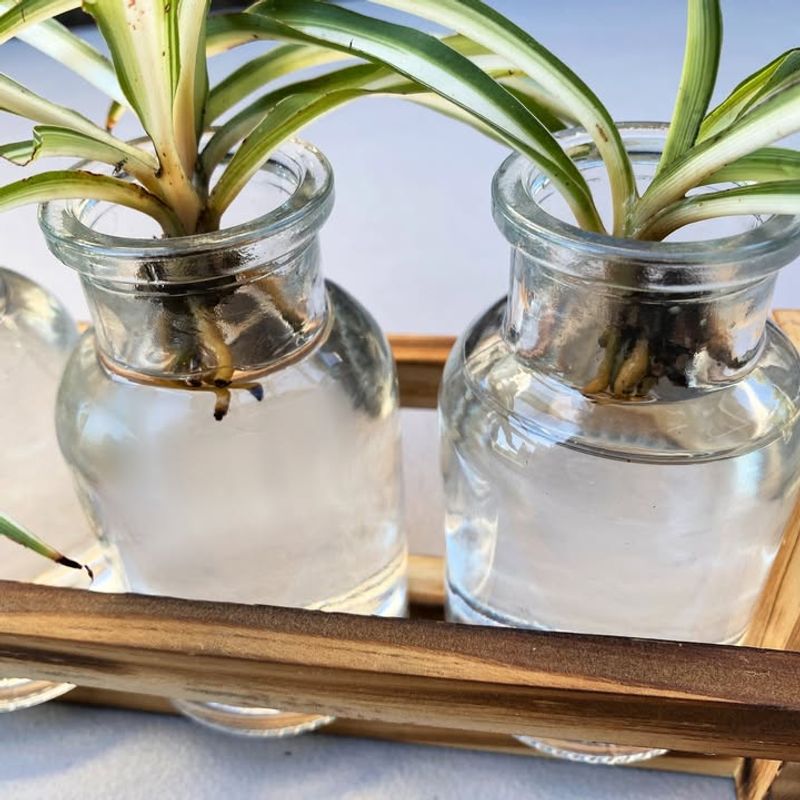
Water quality significantly influences how quickly and successfully your spider plant offset develops roots. Tap water straight from the faucet often contains chlorine, chloramine, and other treatment chemicals that can slow or inhibit root formation.
Taking a few simple steps to improve water quality pays dividends in faster, healthier propagation results. Fill a container with tap water and let it sit uncovered for 24 hours before using it for propagation.
This resting period allows chlorine to evaporate naturally, leaving behind water that’s much gentler on developing roots. Alternatively, use filtered water from a pitcher-style filter or bottled spring water for immediate use without waiting.
Some North Carolina municipalities use chloramine instead of chlorine, which doesn’t evaporate as readily. If your water has a strong chemical smell even after sitting overnight, filtration becomes more important.
Investing in a simple carbon filter removes these compounds effectively and protects your plantlets from unnecessary chemical exposure.
Distilled water works in a pinch but lacks the trace minerals found in spring or filtered tap water that can benefit plant growth. Room temperature water is always preferable to cold water straight from the tap, which can shock the tender root nodes.
These small water quality improvements create an environment where roots emerge quickly and grow vigorously, setting your spider plant offset up for long-term success.
Change Water Regularly To Maintain Oxygen Levels
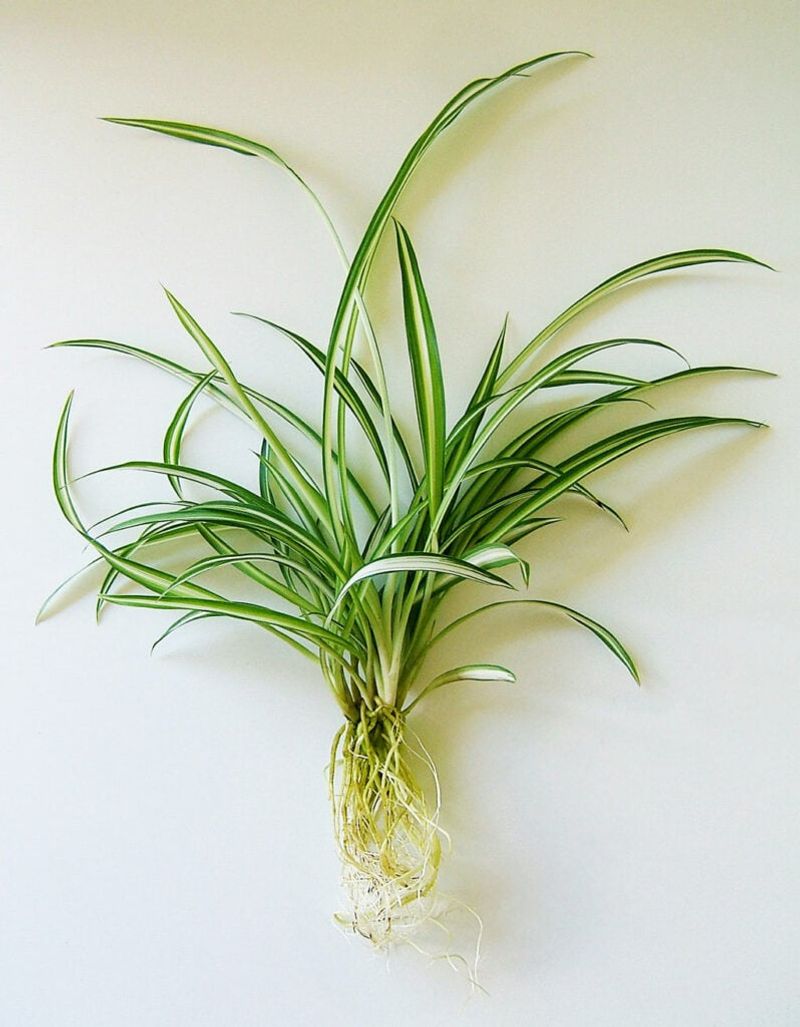
Fresh water does more than look clean. It carries dissolved oxygen that developing roots need for cellular respiration and healthy growth.
Stagnant water gradually loses oxygen content while accumulating waste products from the plant, creating conditions that slow root development or encourage bacterial growth that can harm your spider plant offset.
Replace the water in your propagation container every three to four days. This simple maintenance task takes less than a minute but dramatically improves success rates.
Pour out the old water gently, rinse the container if you notice any cloudiness, and refill with fresh room-temperature water to the proper level.
During water changes, take a moment to examine the developing roots. Healthy roots appear white or pale cream colored and feel firm to the touch. If you notice any slimy texture or brown discoloration, increase water change frequency to every two days until conditions improve.
North Carolina’s moderate indoor humidity levels generally prevent water from evaporating too quickly, but check the level between changes. Top off with fresh water if needed to keep those root nodes fully submerged.
This regular attention keeps oxygen levels high, prevents bacterial buildup, and gives you a chance to monitor progress. Your spider plant offset will reward this care with robust root growth that prepares it perfectly for eventual transplanting into soil.
Roots Typically Form Within 7–14 Days
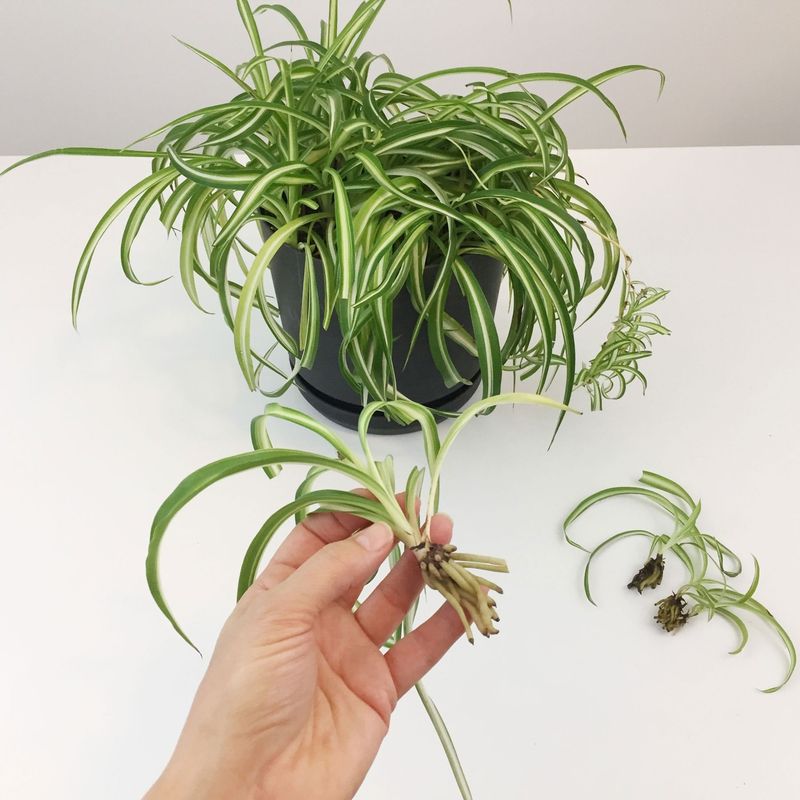
Patience pays off quickly with spider plant propagation because visible results appear faster than with many other houseplants.
Under stable indoor conditions with proper light and temperature, those tiny root nodes begin swelling within just a few days of water contact. By the end of the first week, you’ll typically spot the first white root tips emerging.
The timeline varies slightly based on several factors including offset maturity, season, and specific home conditions. Younger, smaller offsets sometimes take a few extra days compared to larger, more developed plantlets.
Spring and summer propagation may proceed slightly faster than winter efforts, though the difference rarely exceeds a few days in climate-controlled homes.
By day ten, most spider plant offsets show multiple roots growing actively. These roots lengthen noticeably each day, sometimes gaining half an inch or more in 24 hours during peak growth periods.
The sight of these vigorous white roots filling your propagation container confirms everything is proceeding perfectly.
If two weeks pass without any root development, reassess your conditions. Check that water stays fresh, lighting remains bright but indirect, and temperatures hold steady in the ideal range.
Occasionally an offset needs replacement if it was damaged or too immature when separated from the mother plant. However, most North Carolina gardeners find this seven to fourteen day window remarkably consistent and predictable for successful spider plant propagation.
Transplant When Roots Reach About 1–2 Inches
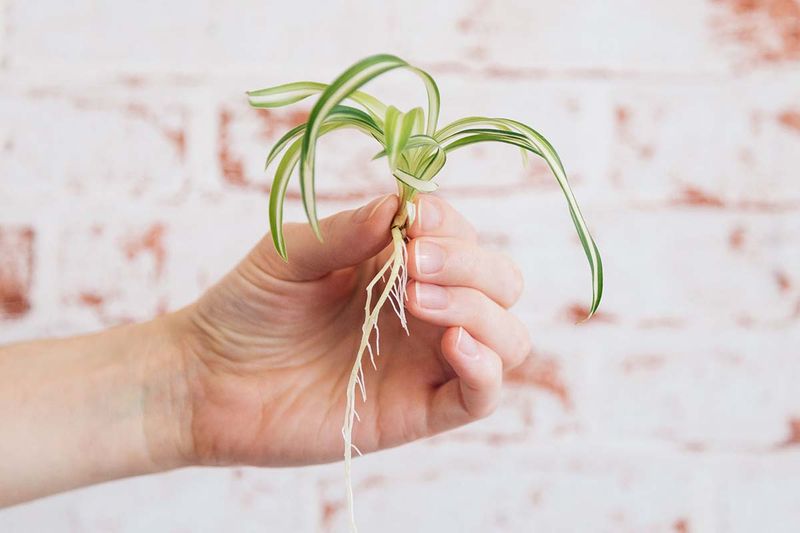
Timing the transition from water to soil correctly ensures your newly rooted spider plant adapts smoothly to its permanent growing medium.
Transplanting too early risks disturbing fragile root development, while waiting too long can create roots so adapted to water that soil adjustment becomes challenging. The one to two inch root length represents the perfect middle ground for successful establishment.
Measure your longest roots once they become clearly visible and actively growing. When several roots reach between one and two inches long, your offset has developed enough root mass to anchor itself in soil and begin absorbing nutrients effectively.
The roots should appear healthy, white or cream colored, and show multiple branching points. Prepare a small pot with drainage holes filled with well-draining potting mix before removing your offset from water.
This advance preparation minimizes the time roots spend exposed to air during transplanting. Gently lift the plantlet from its water container and settle it into a shallow hole in the soil, spreading roots naturally without forcing them into unnatural positions.
Water the newly potted plant thoroughly until moisture drains from the bottom holes. Place it in similar lighting conditions to what it experienced during water propagation.
The transition may cause slight leaf drooping for a day or two, but established roots quickly adapt to soil and resume growth, giving you a thriving new spider plant ready to grow and eventually produce its own offsets.
Use Well-Drained Potting Mix After Rooting
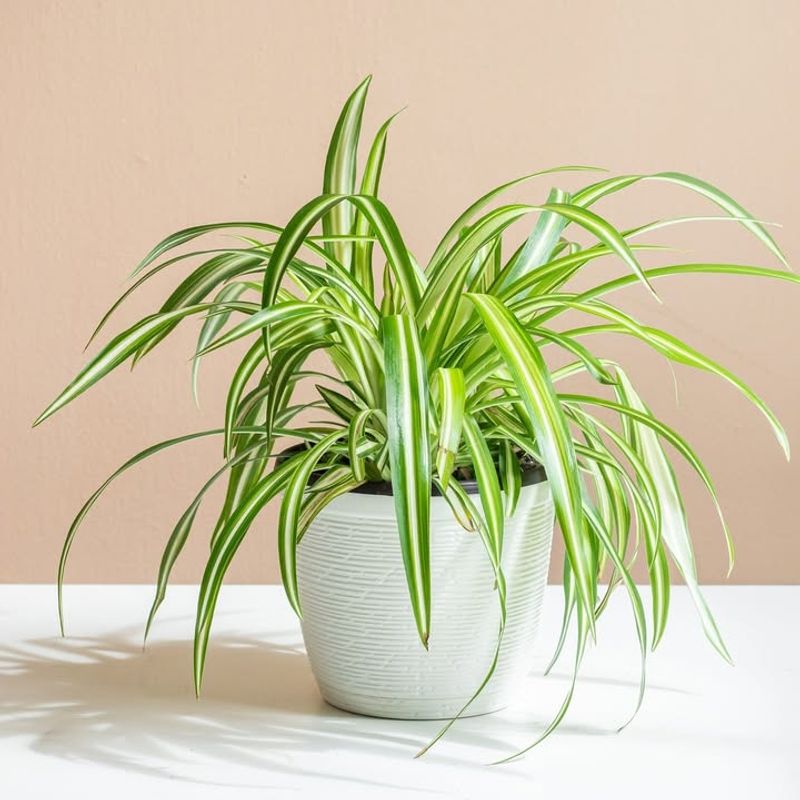
Soil selection matters tremendously for newly transplanted spider plants making the transition from water to a solid growing medium.
These plants naturally grow in loose, aerated soil that allows water to flow through readily while providing enough moisture retention for healthy growth.
Heavy, dense potting mixes that stay soggy spell trouble for roots accustomed to the oxygen-rich environment of water propagation. Choose a high-quality potting mix specifically formulated for houseplants or general container gardening.
These blends typically contain peat moss or coir for moisture retention, perlite or vermiculite for drainage and aeration, and sometimes bark chips for additional texture.
Avoid garden soil or topsoil, which compact too densely in containers and lack proper drainage characteristics. You can create an ideal custom mix by combining standard potting soil with extra perlite at a ratio of about three parts soil to one part perlite.
This amendment increases air pockets within the soil structure, preventing waterlogging while maintaining adequate moisture availability. Spider plants appreciate this balance because it mimics their natural growing conditions.
Fill your chosen container to within an inch of the rim, leaving space for watering without overflow. After transplanting, the loose soil structure allows new roots to penetrate easily and expand their reach.
North Carolina’s indoor humidity levels work well with these well-draining mixes, preventing the excessive dryness that might occur in more arid climates while avoiding the sogginess that leads to root problems.
Spider Plants Multiply Easily Year-Round Indoors
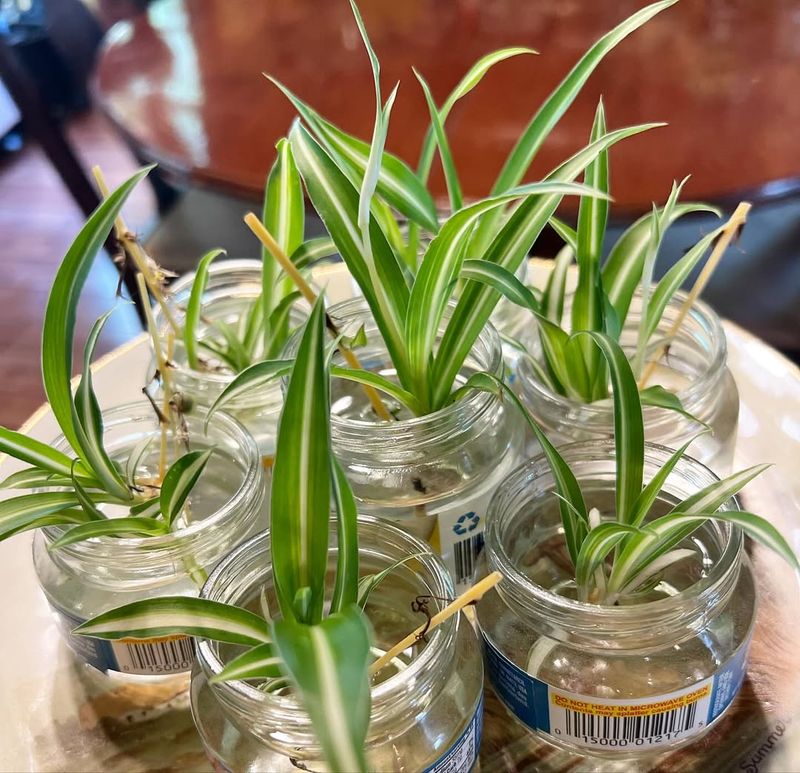
One of the greatest advantages spider plants offer North Carolina gardeners is their remarkable adaptability to indoor propagation regardless of outdoor weather conditions.
Unlike many plants that require specific seasonal timing for successful reproduction, spider plants happily produce offsets and root readily throughout the entire year when grown as houseplants.
This flexibility means you can expand your collection whenever inspiration strikes. Winter propagation works just as reliably as summer efforts because your home’s controlled environment provides consistent conditions.
Heating systems maintain comfortable temperatures, and indoor lighting remains adequate even during shorter winter days. Spring and fall present no special challenges either, making spider plant multiplication a truly year-round activity for indoor gardeners.
This continuous propagation capability proves especially valuable during North Carolina’s colder months when outdoor gardening pauses.
You can satisfy your gardening urges by starting new spider plants, sharing offsets with friends, or simply enjoying the process of watching roots develop in water. The reliable success rate keeps enthusiasm high even when snow or ice covers outdoor garden beds.
Mother plants produce offsets most prolifically when they receive proper care including adequate light, regular watering, and occasional feeding.
A healthy spider plant may generate dozens of babies annually, providing endless propagation opportunities.
This generous multiplication habit combined with foolproof water rooting makes spider plants perfect for beginning gardeners building confidence and experienced plant enthusiasts expanding their indoor jungle without spending money on new purchases.